

From our time filming and traveling across the national park system, we’ve collected a lot of practical knowledge that we share here. This guide is built from experience, not theory.
The largest US national park is Wrangell-St. Elias in Alaska at 8,323,146 acres. The smallest is Gateway Arch in Missouri at 91 acres. In between sit 61 more parks, and this page ranks every single one of the 63 by official acreage.
3 Quick Things to Know About U.S. National Parks by Size
- Acreage comes from the official National Park Service Acreage Reports, and we cross-checked every figure in the top 10 in June 2026. Visitation figures are calendar year 2025, the most recent full year, from the NPS visitor use statistics released in March 2026.
- When a national park is also a national preserve, we will only rank them according to the size of the national park, not the size of the park and preserve, so we’re comparing apples to apples. Plus, national preserves allow more liberal uses than National Parks. Also, only designated national parks are listed here; not all National Park Service units, like monuments or historical parks.
- For this ranking, the results come from the “Gross Area Acres” of a national park. That will include federal acres and private acres within the boundaries of the park.
“WAIT! Did you say Private Acres in National Parks?” Yes. Without going too deep down that rabbit hole, Congress can approve the expansion of a park’s boundaries without providing the funding to pay for it. This USGS Map helps detail national park boundaries vs. federal land vs. private land within those boundaries.
We’re going to slice this up two ways. First, the largest US national parks by size. Then, by the largest national parks by size in the Lower 48. That’s because seven of the top 10 largest national parks are in Alaska.
117 public lands destinations are under threat. Get the free briefing that 27,000+ people use to stay informed and take action.
Here’s the top 10 countdown including all national parks in United States landmass, islands, and territories. This page is the master size table for all 63 parks. If you want the deeper story on the giants, our guide to the 10 largest national parks goes park by park, and our Alaska national parks guide covers the state that owns seven of the top 10 spots.
10. Everglades National Park
We start the top 10 in Florida. Seven of the next nine entries sit in Alaska, so enjoy the sawgrass and the gators before the tundra takes over.
- State: Florida
- Size: 1,508,938 acres
- Equivalent: Roughly 60 Walt Disney Worlds
- Visitation: 778,198 (2025), 31st most visited national park
- Resources: Park Guide | Map | Guidebook | Hotel | Park Conditions
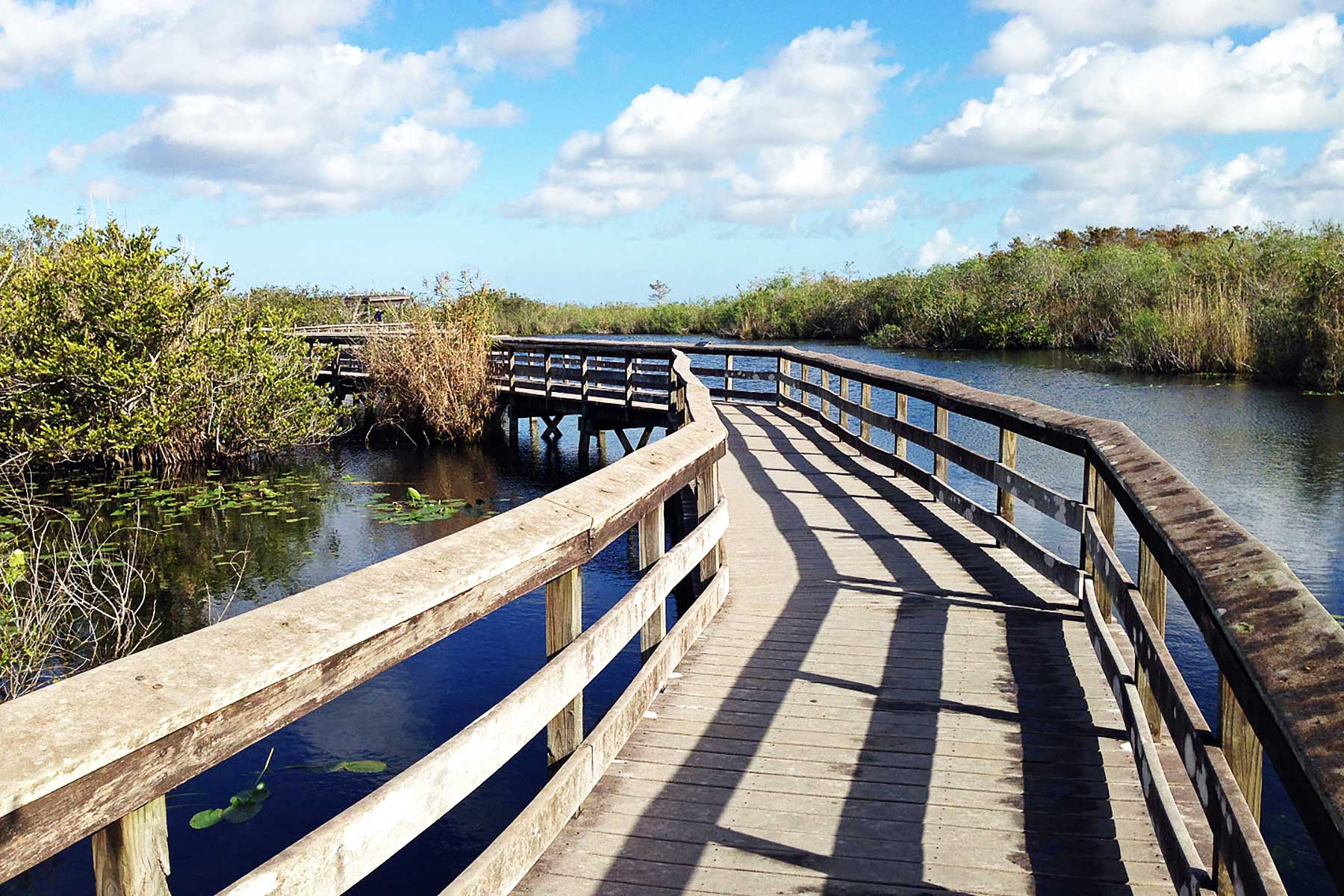
Coming in as the 10th largest National Park by size is Everglades National Park in the lower portion of Florida. While alligators and swarms of mosquitoes might come to mind first, Everglades National Park is a unique ecological wonder, renowned for its vast wetlands, mangrove forests, and diverse wildlife.
Its wetlands act as a crucial habitat for countless bird species and serve as a natural filtration system for water. Several other protected lands surround the Everglades, such as the 729,000 acres Big Cypress National Preserve, one of two first preserves designated in the U.S.
9. Kobuk Valley National Park

- State: Alaska
- Size: 1,750,716 acres
- Equivalent: Almost four Maui islands
- Visitation: 7,786 (2025), the least visited national park
- Resources: Park Guide | Facts | Alaska Parks | Park Site | Things to Do
Ranking at number nine on the largest US national parks list by size is Alaska’s Kobuk Valley National Park. It’s also the least visited national park in the entire system. Just 7,786 folks made the trip in 2025. Zion averages more than that every single day.
This expansive park with 1.75 million acres has a pristine wilderness characterized by its immense sand dunes, expansive boreal forests, and the iconic Kobuk River. This park immerses guests in the raw beauty and resilience of the Arctic landscape.
However, getting there takes extensive planning, several flights, and a lot of money. Plus, guests need the experience and tenacity to explore a roadless, remote backcountry region.
8. Yellowstone National Park

- States: Idaho, Montana, Wyoming
- Size: 2,219,790 acres (About 66,593 acres in Montana and 23,000 acres in Idaho)
- Equivalent: More than twice the size of Rhode Island
- Visitation: 4,762,988 (2025), 3rd most visited national park
- Resources: Park Guide | Map | Guide | Park Conditions
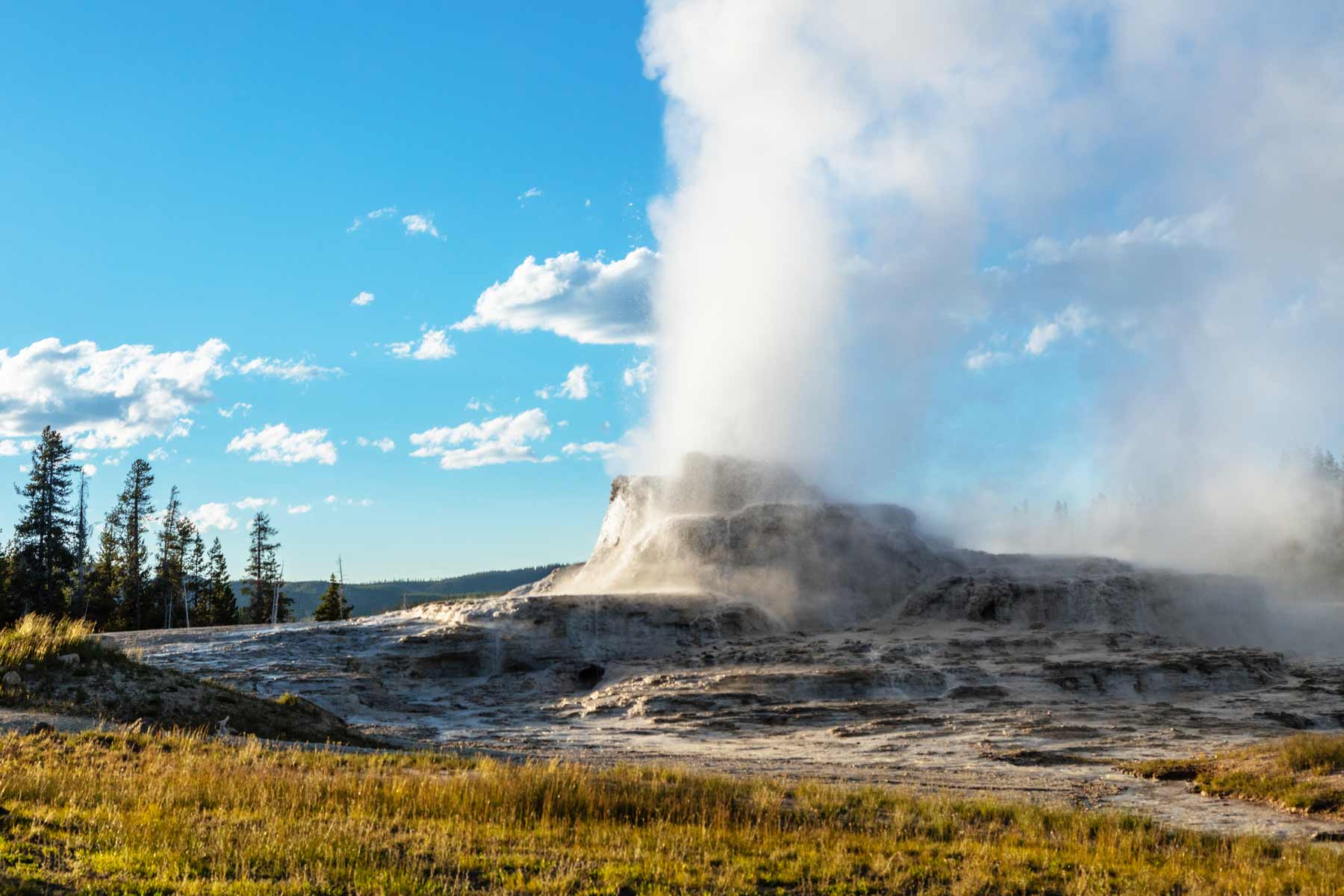
A national park fan favorite takes the number eight spot on the largest U.S. national parks list by size. Yellowstone National Park, established in 1872, is a geothermal wonderland and the world’s first national park. Spanning over 2.2 million acres across Wyoming, Montana, and Idaho, it features iconic geysers, hot springs, and bubbling mud pots, including the famous Old Faithful.
Beyond its geothermal attractions, Yellowstone brings diverse ecosystems, from lush forests to alpine meadows, supporting a wealth of wildlife, including grizzly bears, wolves, bison, and elk. Its dramatic landscapes include the Grand Canyon of Yellowstone and Yellowstone Lake.
Yellowstone National Park ranks as the second largest US national park by size in the Lower 48. On a related note, Yellowstone is the only national park to make it in the largest AND most visited Top 10.
7. Lake Clark National Park

- State: Alaska
- Size: 2,619,816 acres
- Equivalent: 18 Zion National Parks
- Visitation: 19,778 (2025), 3rd least visited national park
- Resources: Park Guide | How to Get There | Overview
Alaska’s Lake Clark National Park and Preserve is a pristine wilderness sanctuary encompassing 4 million acres of landscape. However, 2.6 million acres are the national park, with the rest being the national preserve, enough to make it the seventh largest U.S. national park.
Established in 1980, the Aleutian Range and Alaska Range connect in Lake Clark National Park. As part of the Ring of Fire, active volcanoes reside here – two, to be exact. The four largest glaciers of Iliamna Volcano triple the amount of snow and ice on Mount Rainier.
Beyond that, the Lake Clark National Park showcases a dramatic blend of snow-capped mountains, turquoise lakes, rugged coastlines, and verdant forests. The park is named after Lake Clark, which is NOT named after William Clark of Lewis and Clark fame. John W. Clark’s life was dedicated to exploring western Alaska.
Its remote location and limited accessibility contribute to its unspoiled nature. For scale, more folks walk through Great Smoky Mountains National Park in its slowest month (roughly 357,000 in early 2025) than visit Lake Clark in a decade.
6. Glacier Bay National Park

- State: Alaska
- Size: 3,223,383 acres
- Equivalent: Slightly larger than Connecticut
- Visitation: 740,044 (2025), 32nd most visited national park
- Resources: Park Guide | Map | Guidebook
As if it’s not enough to be number six on the largest U.S. national park list by size, Glacier Bay does it with 20% of those acres on water and no piece of land more than 31 miles from the shore.
The park’s centerpiece, the magnificent Glacier Bay, offers a front-row seat to the dramatic spectacle of calving glaciers and icebergs. Meanwhile, peaks reach for the sky, with Mount Fairweather topping 15,000 feet.
Its diverse ecosystems, from lush temperate rainforests to marine waters teeming with life, provide refuge for an array of wildlife, including humpback whales, grizzly bears, and bald eagles.
How does a remote park with just one small developed area rank as the most visited national park in Alaska? Cruise ships. Every passenger on a cruise ship, when it enters Glacier Bay’s watery boundaries, counts. In fact, 95% of “visitors” are cruise ship passengers, most never setting foot on land.
It’s SUPER important to put the “Bay” in this name or else it might get confused with Glacier National Park in Montana.

5. Death Valley National Park
- State: California/Nevada
- Size: 3,408,395 acres (110,000 acres in Nevada)
- Equivalent: 12% Larger than Los Angeles County
- Visitation: 1,320,134 (2025), 24th most visited national park
- Resources: Park Guide | More Than Just Parks Death Valley Film | Wildflower Info | Park Conditions
Death Valley National Park takes the fifth spot of largest U.S. national park by size, despite its legendary status as the hottest place on Earth and the driest location on the continent.
Despite its harsh conditions, Death Valley supports a surprising array of life adapted to its environment, including rare desert plants and resilient wildlife. Known for its colorful spring wildflower blooms pitted against the wicked flash flooding of summer monsoons, Death Valley is full of lively activities.
Its otherworldly beauty, extreme climate, and unique geological features make it a striking destination, as long as you avoid those brutal summer days.

4. Katmai National Park
- State: Alaska
- Size: 3,674,529 Acres
- Equivalent: Size of 4 Olympic National Parks
- Visitation: 34,479 (2025), 5th least visited national park
- Resources: Park Guide | Park Details | Fat Bears | How to Get There
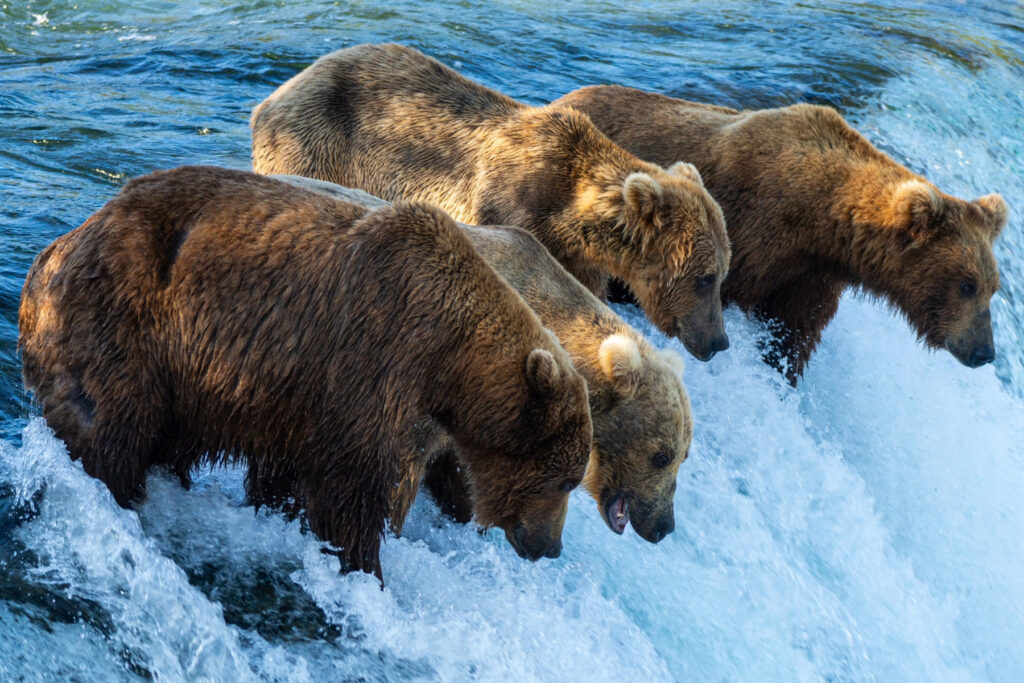
Our fourth-largest national park by size is home to the largest grizzly bears, at least the most popular “Fat Bears.” The National Park portion of Katmai spans nearly 3.7 million acres, with another 418,000+ acres at the National Preserve pushing the total area over four million. Even if we did include that portion, the park’s ranking wouldn’t change.
While bears steal the show, the 1912 eruption of Novarupta not only put Katmai on the map but also reshaped the land within. It’s another “largest” in Katmai, the largest volcanic eruption of the 20th century. Novarupta threw out roughly 30 times more magma than Mount St. Helens did in 1980. The Valley of 10,000 Smokes and Mount Katmai went from rather unimpressive to undeniably home to one of the most powerful forces Earth will ever see.
Yeah, Katmai requires a lot of work to get there, but a road connects Brooks Falls (fat bear territory) and the valley. Put this on your list.

3. Denali National Park

- State: Alaska
- Size: 4,740,911 Acres
- Equivalent: The size of New Jersey
- Visitation: 543,300 (2025), 39th most visited national park
- Resources: Park Guide | Park Conditions
The home to North America’s tallest peak takes the number three spot on the list of US national parks by size. Denali means “the high one” or “the great one” in the Koyukon language. The mountain was called Mount McKinley until 2015, got its original name back, then was renamed McKinley again by federal order in 2025. The park is still Denali National Park, the peak still towers 20,310 feet over forests, tundra, and glaciers, and like most Alaskans we still call it Denali.
Denali National Park access by road takes just four hours from Anchorage, explaining why this park sees more folks than most of the others. It’s the second most-visited national park in Alaska after Glacier Bay National Park.
Mountaineering, hiking, dog sledding, snowmobiling, camping, tour buses – the list goes on with things to do in Denali National Park. Just be sure to check the Pretty Rocks Landslide closures and improvements, as that has a chunk of the park off-limits by road.
2. Gates of the Arctic National Park

- State: Alaska
- Size: 7,523,897 Acres
- Equivalent: 14 Great Smoky Mountains National Parks or more than 5 Everglades National Parks
- Visitation: 14,923 (2025), 2nd least visited national park
- Resources: Park Guide | Map | About
Visiting America’s second-largest national park by size means no roads or trails, but epic views like the photo above await the daring adventurer. It spent years as the least visited national park in the United States. Kobuk Valley took that title in 2025, and the rangers here are not campaigning to win it back. All warnings clearly encourage everyday hikers to rethink a trip.
This vast expanse of untouched wilderness offers exceptional solitude and opportunities for wilderness exploration. The name comes from the river valley between Frigid Crags and Boreal Mountain. As the only national park north of the Arctic Circle, Bob Marshall coined the phrase after looking for “blank spaces on maps” to explore in the 1920s.
The designation as a national park (and preserve) was less about encouraging you to visit and more about protecting this land from oil development, preserving the wilderness character forever. President Carter shielded the area as a national monument in 1978, and the Alaska National Interest Lands Conservation Act made it a full national park and preserve in 1980.
1. Wrangell-St. Elias National Park

- State: Alaska
- Size: 8,323,146 Acres
- Equivalent: Bigger than Massachusetts and Connecticut combined
- Visitation: 108,840 (2025), 9th least visited national park
- Resources: Park Guide | Wrangell Mountain Air | Conditions
Being the largest national park at 8.3 million acres impresses on its own, but add in the 4.8 million acres of the preserve and Wrangell-St. Elias becomes a 13.2 million acre behemoth, nearly six Yellowstones. That combined park and preserve figure is the one you’ll see on our list of national parks by state. We rank the park portion alone here, and it still laps the field.
The park’s name comes from the towering Mount St. Elias, more than 18,000 feet above sea level, and Mount Wrangell, a shield volcano. Nine of the top sixteen peaks in the United States gather here where three mountain ranges meet.
Not to be overlooked, four glaciers demand attention as the longest, largest, and most active of their kind. Historic mining sites, a massive icefield, wildlife, and paddling only scratch the surface of experiences at Wrangell St. Elias.
Alaska National Parks Map
To help you understand the layout of the park system in Alaska, here’s a map. For trip planning detail on all eight parks, see our complete Alaska national parks guide.
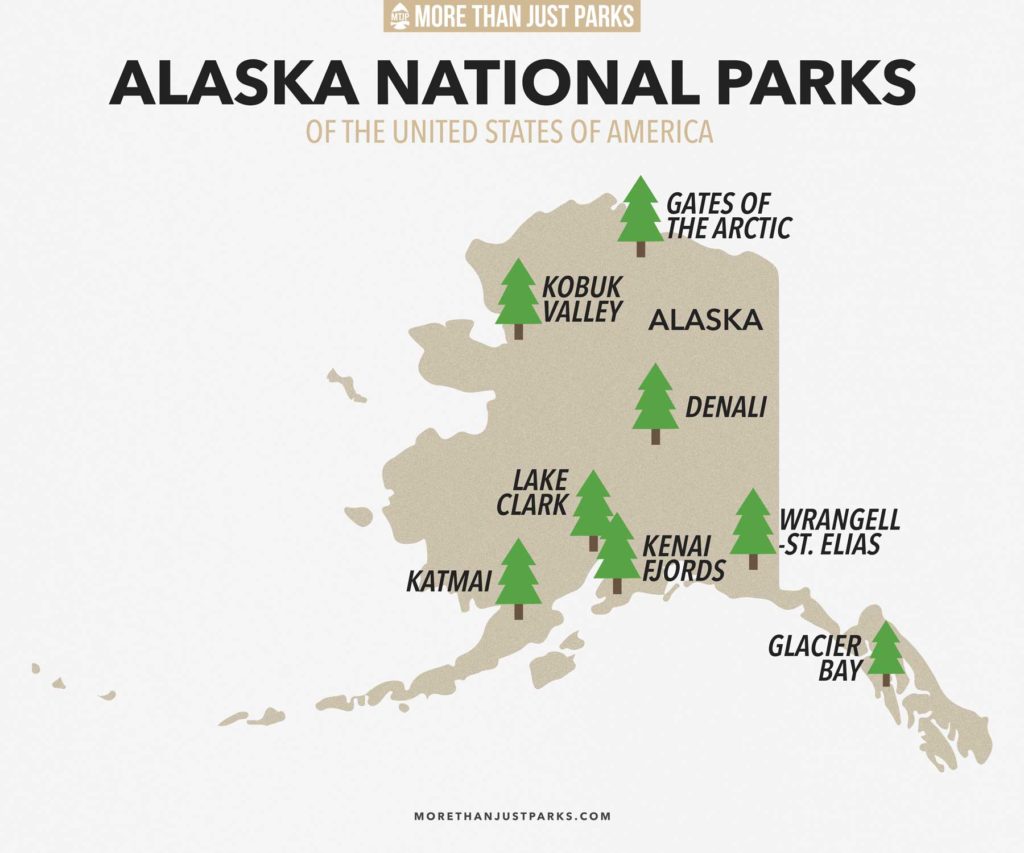
Alaska easily devours most spots on the largest US national parks list by size, but as the largest state at least two times over, that tracks. With only 30% of Alaska having roads, challenging access and pricy travel options limit visitation.
With that in mind, we’re going to explore the largest US national parks by size, only looking at the Lower 48, aka “contiguous” states.
10. Isle Royale National Park

- State: Michigan
- Size: 571,790 Acres
- Visitation: 29,091 (2025), 4th least visited national park
- Resources: Park Guide
In the water off the Upper Peninsula of Michigan, Isle Royale National Park encompasses raw wilderness and water. Two developed port areas on either side of Isle Royale allow ferries. Beyond that, you’re walking, paddling, or boating.
The acreage comprises Isle Royale and over 450 smaller islands. Despite its modest landmass, the park’s aquatic expanses are extensive, spanning over 450,000 acres of submerged territory. This remote expanse fosters unique biodiversity, including rare species like the gray wolf and moose.
9. Yosemite National Park

- State: California
- Size: 761,747 Acres
- Visitation: 4,278,413 (2025), 5th most visited national park
- Resources: Park Guide
Yosemite National Park is the 9th largest national park by size in the Lower 48 and the third largest in California. This iconic park offers landscapes and iconic natural landmarks.
Encompassing approximately 1,200 square miles, it features towering granite cliffs, cascading waterfalls, lush forests, and diverse ecosystems. The park’s centerpiece is Yosemite Valley, a glacially carved wonderland flanked by famous landmarks like El Capitan and Half Dome.
Beyond the valley, Yosemite’s wilderness extends to high alpine meadows, pristine lakes, and ancient groves of giant sequoias. With over 750 miles of trails, you could hike here all summer and never repeat a mile.
8. Joshua Tree National Park

- State: California
- Size: 795,155 Acres
- Visitation: 2,932,644 (2025), 12th most visited national park
- Resources: Park Guide
Named after the iconic Joshua trees that dot its terrain, Joshua Tree National Park is the second largest national park by size in California and the 8th largest in the lower 48.
The diverse ecosystem characterized by rugged rock formations, vast expanses of sand dunes, and unique desert flora and fauna drew 2,932,644 folks in 2025, down from the park’s 2023 record of nearly 3.3 million.
Its varied landscapes include the Colorado Desert to the east and the higher-elevation Mojave Desert to the west, offering folks contrasting environments to explore. With numerous hiking trails, rock climbing routes, and scenic drives, Joshua Tree provides endless opportunities for outdoor adventure.

7. Big Bend National Park

- State: Texas
- Size: 801,163 Acres
- Visitation: 568,104 (2025), 38th most visited national park
- Resources: Park Guide
Big Bend National Park, in southwest Texas along the Rio Grande, sprawls across approximately 801,000 acres of diverse desert, mountain, and river landscapes. As the largest national park in Texas, it also has some of the darkest night skies in the Lower 48.
Divided into three primary regions, the Chihuahuan Desert, Chisos Mountains, and Rio Grande, the park offers exceptional biodiversity and geological wonders.
- The Chihuahuan Desert dominates the park’s southern expanse, with vast expanses of cacti, shrubs, and unique wildlife.
- The towering Chisos Mountains rise dramatically from the desert floor, harboring lush canyons, alpine forests, and panoramic vistas.
- Along the Rio Grande, folks can explore rugged canyons and witness the stark beauty of the international border.
6. Olympic National Park
- State: Washington
- Size: 922,649 Acres
- Visitation: 3,584,187 (2025), 9th most visited national park
- Resources: Park Guide
Olympic National Park comes in at number 6 of the largest US national parks list by size in the Lower 48. In addition, it’s the largest in Washington state. The ecosystems include temperate rainforests, rugged coastlines, and glaciated mountains divided into distinct regions.
The park features the lush Hoh Rainforest and Quinault Rainforest, where ancient trees shroud the landscape in greenery. Along the coastline, rocky shores and sandy beaches provide habitat for tide pools and marine life. Inland, the glaciated peaks of the Olympic Mountains rise majestically, offering hiking trails and alpine meadows.
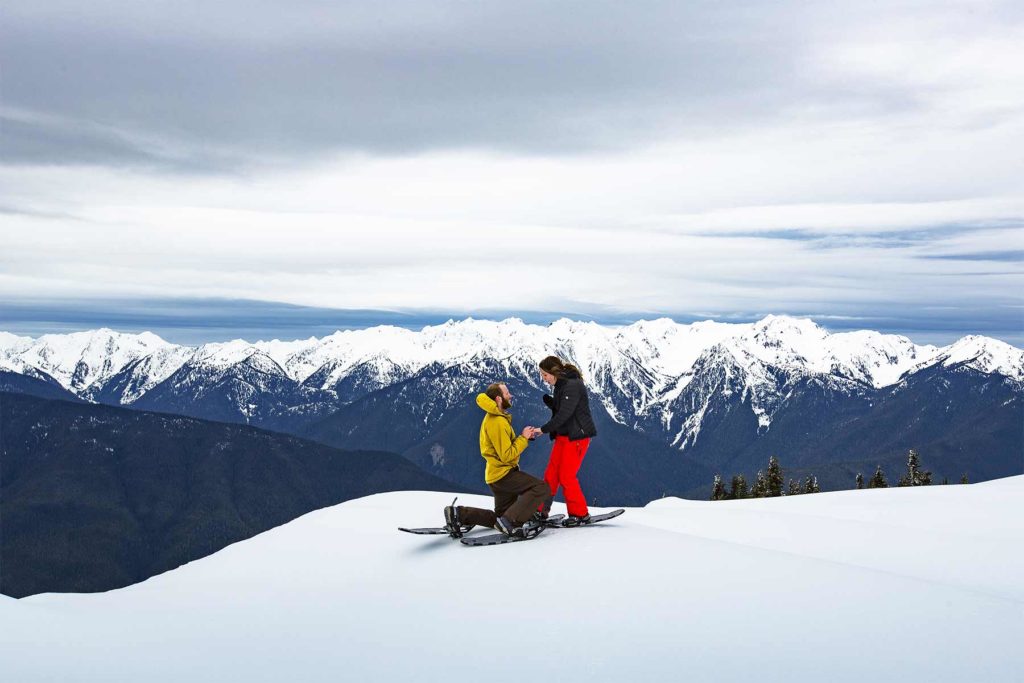
As another accolade, Hurricane Ridge in Olympic National Park is where Will Pattiz proposed to his (now) wife.
5. Glacier National Park
- State: Montana
- Size: 1,013,126 Acres
- Visitation: 3,136,557 (2025), 10th most visited national park
- Resources: Park Guide
The fan favorite of Glacier National Park in Montana also marks the first park in our countdown of largest US national parks by size, with more than one million acres. We enter the top 5 largest Lower 48 national parks here, too.
The iconic Going-to-the-Sun Road traverses the park, offering views of rugged landscapes and alpine meadows. The Many Glacier region has views and abundant wildlife, while the North Fork area provides access to remote wilderness and scenic rivers.

Can you imagine if the park was more accessible during the winter months?
4. Grand Canyon National Park

- State: Arizona
- Size: 1,201,647 Acres
- Visitation: 4,430,653 (2025), 4th most visited national park
- Resources: Park Guide
Arizona’s largest national park is the Grand Canyon, and it’s the fourth largest of US national parks by size in the Lower 48. At the same time, only three national parks saw more folks in 2025.
The South Rim, with its dramatic overlooks and visitor facilities, is the most accessible area, attracting millions of folks annually. The North Rim, 1,000 feet higher, offers a quieter experience with vistas. Inner Canyon regions, accessible by strenuous hikes or river trips, reveal the canyon’s geological history up close.
3. Everglades National Park
We’re now to the largest national parks by size in the Lower 48 that made the Top 10 list of largest national parks. The Everglades take the third spot on the Lower 48 list.
Everglades National Park was established in 1947, fearing development from nearby Miami and the west coast of Florida communities. If you want to learn more about how a seemingly unworthy “River of Grass” was made to be the third largest national park in the Lower 48, read Marjory Stoneman Douglas’ book Everglades: River of Grass.
2. Yellowstone National Park
The second largest national park by size in the Lower 48 brings us back to Yellowstone National Park. This wonderous chunk of land was set aside in 1872, making it the first national park in the nation and the world.
For those wondering where Yellowstone’s neighbor Grand Teton National Park ranked, it came in as the 25th largest US national park by size, with 310,044 acres.

1. Death Valley National Park
The largest US national park by size in the Lower 48 is Death Valley National Park, with its sprawling 3.4 million acres. That’s in addition to the nearby 1.6 million acres of Mojave National Preserve to the south and Inyo National Forest, two million acres strong to the west and back up to Sequoia National Park.
Two fun facts to share with you now:
- Mount Whitney is the tallest mountain in the Lower 48, peaking at 14,505 feet.
- From the lowest point in America (Badwater Basin) at 282 feet below sea level to the highest point in the Lower 48 (Mount Whitney), the distance is only 85 miles as the crow flies.
FWIW – Inyo National Forest isn’t the largest in California. That goes to Shasta-Trinity National Forest.
Put away the big guns, and now let’s focus on the smallest national parks in the system. One housekeeping note first. Ranking New River Gorge by its 7,021-acre park portion, the same park-only rule we apply to the Alaska giants, puts it among the ten smallest, so our countdown runs eleven deep.
11. Haleakala National Park
- State: Hawaii
- Size: 33,488 Acres
- Visitation: 853,711 (2025), 27th most visited national park
- Resources: Park Guide
Hawaii’s island of Maui houses the diverse Haleakala National Park, spanning from the beaches to the summit at more than 10,000 feet above sea level. New River Gorge’s park-only ranking nudges Haleakala to 11th smallest, just outside the bottom ten, and its extraordinary diversity erases any feeling of “small” anyway.
Haleakala is a shield volcano, much like Mount Wrangell in Alaska, with the Haleakala Crater hike taking you through the surreal landscape. It’s among the best places to see the sunrise daily. After all, Haleakala means “House of the Sun.”
At lower elevations, explore the shoreline or lush rainforests.

10. Cuyahoga Valley National Park

- State: Ohio
- Size: 32,571 Acres
- Visitation: 3,025,325 (2025), 11th most visited national park
- Resources: Park Guide | Facts
Another park makes one of the most visited yet smallest US national parks by size, this one in Ohio at Cuyahoga Valley National Park. Its location between Cleveland and Akron helps keep the crowds coming, but the lush river valley, waterfalls, and rolling hills warrant exploration on their own.
Its historic landmarks, including the Ohio & Erie Canal Towpath Trail and the Brandywine Falls, offer glimpses into the region’s industrial past. Folks can explore miles of hiking and biking trails, paddle along the winding Cuyahoga River, or attend cultural events at the park’s historic sites.
9. Black Canyon of the Gunnison
- State: Colorado
- Size: 30,779 Acres
- Visitation: 250,086 (2025), 14th least visited national park
- Resources: Park Guide
If one national park feels bigger than it really is, it’s the Black Canyon of the Gunnison. The park covers less than 31,000 acres and ranks as the smallest national park in Colorado.
With depths reaching over 2,700 feet, it’s one of the steepest and narrowest canyons in North America. The sheer vertical walls and dramatic scenery carved by the powerful forces of the Gunnison River create challenging hikes or easy-to-access viewpoints. The park’s rugged terrain and dark, imposing cliffs create a striking contrast against the blue-green water below.
8. Congaree National Park

- State: South Carolina
- Size: 26,692 Acres
- Visitation: 287,833 (2025), 15th least visited national park
- Resources: Park Guide
As the only national park in South Carolina, Congaree National Park comes in as our eighth smallest US national park by size.
The park’s towering bald cypress trees and sprawling floodplain offer a glimpse into an ancient ecosystem teeming with biodiversity. Folks can explore miles of boardwalks and trails, immersing themselves in the park’s serene beauty and observing a multitude of wildlife, including elusive river otters and soaring bald eagles.
Congaree’s designation as an International Biosphere Reserve underscores its significance as a haven for conservation and a living laboratory for ecological research and education.
7. Pinnacles National Park
- State: California
- Size: 26,685 Acres
- Visitation: 343,208 (2025), 17th least visited national park
- Resources: Park Guide
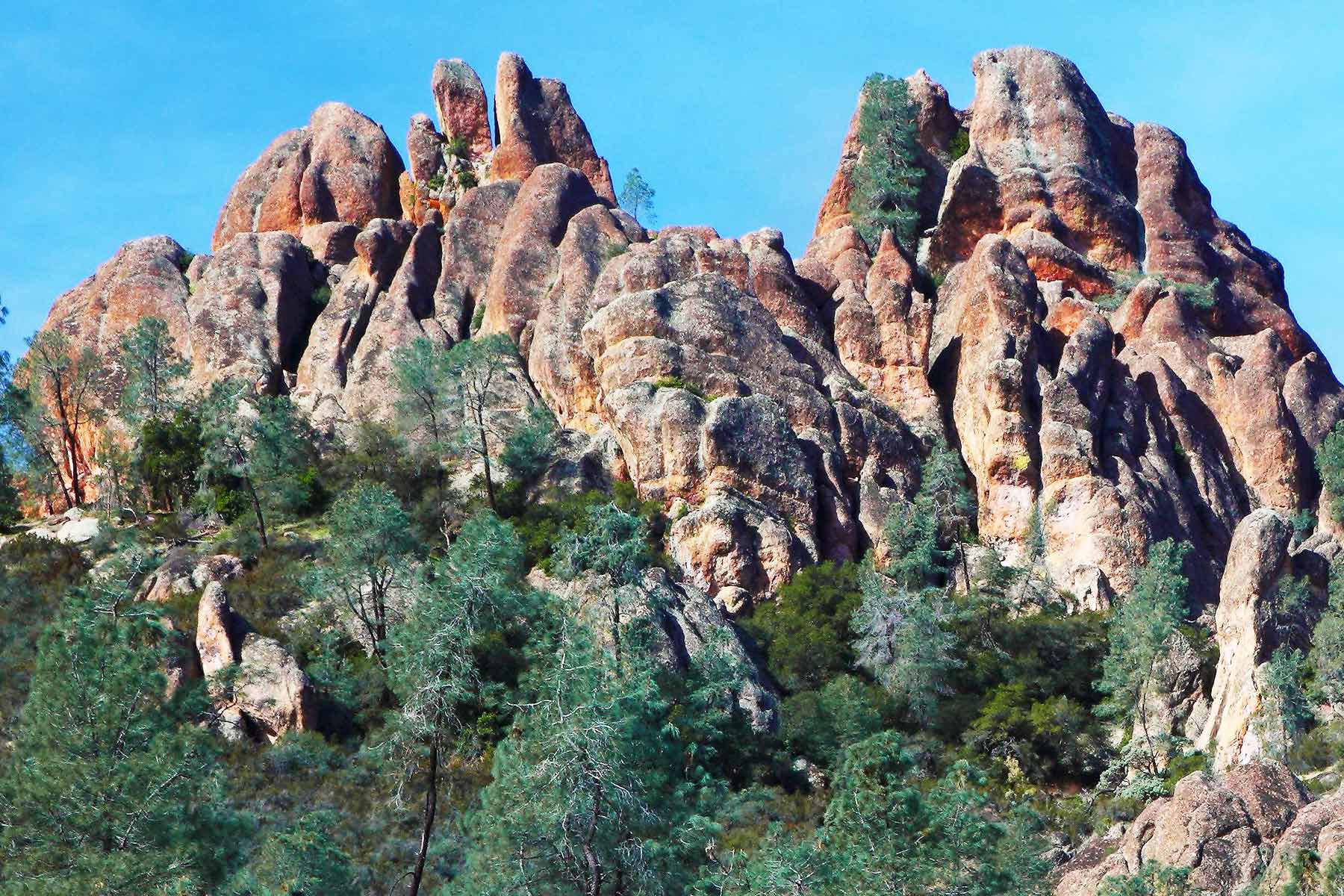
Put Pinnacles National Park in the small but mighty category. It’s the seventh smallest US national park by size and the smallest in California. At the same time, its renowned rugged beauty and unique geological formations carved by volcanic activity make it a great stop on a West Coast road trip.
Plus, the park includes talus caves – those formed by rockfalls – and rock climbing with a side of birdwatching.
6. Indiana Dunes National Park
- State: Indiana
- Size: 15,349 Acres
- Visitation: 2,629,497 (2025), 13th most visited national park
- Resources: Park Guide | Facts
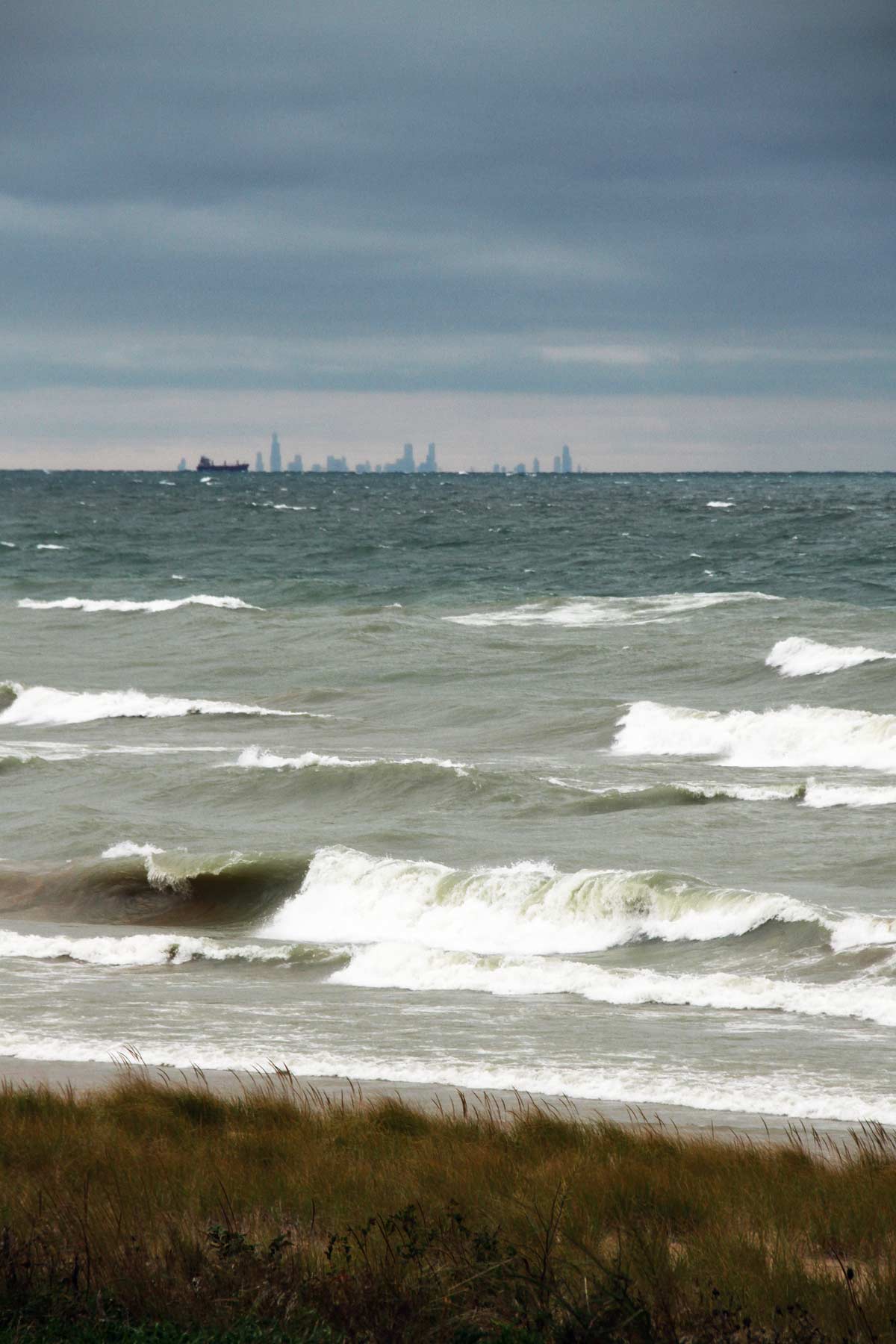
The sixth smallest national park by size in the US also comes with an unexpected beach in Indiana. Along the shores of Lake Michigan, Indiana Dunes National Park covers more than 15,000 acres of beach, dunes, and wetlands.
The park’s popularity boost also comes from the Chicago area, less than an hour away. Indiana Dunes State Park adds another 2,000 acres to explore next door.
5. Virgin Islands National Park
- State: US Virgin Islands
- Size: 15,052 Acres
- Visitation: 471,074 (2025), 22nd least visited national park
- Resources: Park Guide
The Caribbean islands include a handful that make up the US Virgin Islands, and Virgin Islands National Park is on St. John, accounting for 60% of the landmass. More than 5,600 acres of the park lay underwater, but Virgin Island Coral Reef National Monument is a separate entity.
As the 5th smallest national park by size, you still can’t resist its tropical appeal.

4. National Park of American Samoa
- State: American Samoa
- Size: 8,256 Acres
- Visitation: 43,258 (2025), 6th least visited national park
- Resources: Park Guide
Coming in as the fourth smallest US national park by size, the National Park of American Samoa covers three islands and about 8,200 acres of water and land. It also ranks as the only NPS site south of the equator. The park includes a tropical rainforest, coral reefs, Samoan cultural sites, and habitats for plants and wildlife.
3. New River Gorge National Park
- State: West Virginia
- Size: 7,021 Acres (the park alone; a 65,165-acre national preserve runs alongside it)
- Visitation: 1,958,440 (2025), 17th most visited national park
- Resources: Park Guide
Surprised to see America’s newest national park this far down the list? The 2020 law that upgraded New River Gorge designated just 7,021 acres as national park and put the other 65,165 acres in a national preserve, where hunting continues. Rank the park alone, as our methodology requires, and it lands third smallest, between Hot Springs and American Samoa. Count the whole park and preserve and the unit covers more than 72,000 acres of gorge, rim, and river.
Small acreage, big numbers everywhere else. The gorge runs 53 miles with the New River Gorge Bridge spanning it 876 feet up, the whitewater draws folks from across the country, and 1,958,440 visits in 2025 put it ahead of Arches. Not bad for a park smaller than some ranches.
2. Hot Springs National Park
- State: Arkansas
- Size: 5,554 Acres
- Visitation: 2,494,611 (2025), 14th most visited national park
- Resources: Park Guide
Hot Springs National Park held the smallest US national park by size honor for 97 years until a new, smaller park was designated in 2018.
This central Arkansas retreat houses thermal hot springs, which have drawn folks for centuries. Divided into sections including Bathhouse Row and hiking trails, the park offers a blend of natural beauty and historic architecture for exploration.
1. Gateway Arch National Park
- State: Missouri
- Size: 91 Acres
- Visitation: 2,209,028 (2025), 15th most visited national park
- Resources: Park Guide | Facts
Gateway Arch National Park, located in St. Louis, Missouri, covers 91 acres along the Mississippi River. NPS itself calls the park 91 acres; the federal acreage report carries 192.83 gross acres for the unit once the Old Courthouse grounds and street easements are counted. Its centerpiece is the iconic Gateway Arch, standing 630 feet tall. The park commemorates America’s westward expansion and offers history, culture, and sweeping views of the city and river.
The Gateway Arch marks the tallest arch in the world, while also the most frequently asked, “Why is this a national park?”, probably.
| Size Ranking | National Park | State | Park Acres |
|---|---|---|---|
| 1 | Wrangell-St. Elias | Alaska | 8,323,146.48 |
| 2 | Gates of the Arctic | Alaska | 7,523,897.45 |
| 3 | Denali | Alaska | 4,740,911.16 |
| 4 | Katmai | Alaska | 3,674,529.33 |
| 5 | Death Valley | California | 3,408,395.63 |
| 6 | Glacier Bay | Alaska | 3,223,383.43 |
| 7 | Lake Clark | Alaska | 2,619,816.49 |
| 8 | Yellowstone | Wyoming | 2,219,790.71 |
| 9 | Kobuk Valley | Alaska | 1,750,716.16 |
| 10 | Everglades | Florida | 1,508,938.57 |
| 11 | Grand Canyon | Arizona | 1,201,647.03 |
| 12 | Glacier | Montana | 1,013,126.39 |
| 13 | Olympic | Washington | 922,649.41 |
| 14 | Big Bend | Texas | 801,163.21 |
| 15 | Joshua Tree | California | 795,155.85 |
| 16 | Yosemite | California | 761,747.50 |
| 17 | Kenai Fjords | Alaska | 669,650.05 |
| 18 | Isle Royale | Michigan | 571,790.30 |
| 19 | Great Smoky Mountains | Tennessee/North Carolina | 522,426.88 |
| 20 | North Cascades | Washington | 504,780.94 |
| 21 | Kings Canyon | California | 461,901.20 |
| 22 | Sequoia | California | 404,062.63 |
| 23 | Hawaii Volcanoes | Hawaii | 344,812.18 |
| 24 | Canyonlands | Utah | 337,597.83 |
| 25 | Grand Teton | Wyoming | 310,044.36 |
| 26 | Rocky Mountain | Colorado | 265,847.74 |
| 27 | Channel Islands | California | 249,561.00 |
| 28 | Badlands | South Dakota | 242,755.94 |
| 29 | Capitol Reef | Utah | 241,904.50 |
| 30 | Mount Rainier | Washington | 236,381.64 |
| 31 | Petrified Forest | Arizona | 221,390.21 |
| 32 | Voyageurs | Minnesota | 218,222.35 |
| 33 | Shenandoah | Virginia | 200,445.92 |
| 34 | Crater Lake | Oregon | 183,224.05 |
| 35 | Biscayne | Florida | 172,971.11 |
| 36 | Zion | Utah | 147,242.66 |
| 37 | White Sands | New Mexico | 146,344.31 |
| 38 | Redwood | California | 138,999.37 |
| 39 | Great Sand Dunes | Colorado | 107,345.73 |
| 40 | Lassen Volcanic | California | 106,589.02 |
| 41 | Saguaro | Arizona | 92,876.75 |
| 42 | Guadalupe Mountains | Texas | 86,367.10 |
| 43 | Great Basin | Nevada | 77,180.00 |
| 44 | Arches | Utah | 76,678.98 |
| 45 | Theodore Roosevelt | North Dakota | 70,446.89 |
| 46 | Dry Tortugas | Florida | 64,701.22 |
| 47 | Mammoth Cave | Kentucky | 52,830 |
| 48 | Mesa Verde | Colorado | 52,485.17 |
| 49 | Acadia | Maine | 49,071.40 |
| 50 | Carlsbad Caverns | New Mexico | 46,766.45 |
| 51 | Bryce Canyon | Utah | 35,835.08 |
| 52 | Wind Cave | South Dakota | 33,970.84 |
| 53 | Haleakala | Hawaii | 33,488.98 |
| 54 | Cuyahoga Valley | Ohio | 32,571.89 |
| 55 | Black Canyon of the Gunnison | Colorado | 30,779.83 |
| 56 | Congaree | South Carolina | 26,692.60 |
| 57 | Pinnacles | California | 26,685.73 |
| 58 | Indiana Dunes | Indiana | 15,349.08 |
| 59 | Virgin Islands | Virgin Islands | 15,052.33 |
| 60 | American Samoa | American Samoa | 8,256.67 |
| 61 | New River Gorge | West Virginia | 7,021 |
| 62 | Hot Springs | Arkansas | 5,554.15 |
| 63 | Gateway Arch | Missouri | 91 |
National Parks by State Map
Our interactive explorer maps all 63 national parks plus hundreds of other NPS units, and our list of national parks by state pairs the map with a printable checklist.
US National Parks by Size, State by State
A few interesting tidbits popped up while I was researching this article. We get a lot of questions about the most popular parks and states, asking for comparisons and details. Hopefully, this helps answer many of those.
California National Parks
California includes nine national parks, the largest being Death Valley and the smallest being Pinnacles National Park. Yosemite is the most visited national park in California, while Channel Islands National Park is the least visited in California.
In order of smallest to largest, here are the national parks of California layout:
- Pinnacles National Park (26,685 acres)
- Lassen Volcanic National Park (106,589 acres)
- Redwood National Park (138,999 acres)
- Channel Islands National Park (249,561 acres)
- Sequoia National Park (404,062 acres)
- Kings Canyon National Park (461,901 acres)
- Yosemite National Park (761,747 acres)
- Joshua Tree National Park (795,155 acres)
- Death Valley National Park (3,408,395 acres)
Heading to the Mighty 5 of Utah, these parks include another fan favorite – Zion National Park. As we keep “loving Zion to death,” it’s worth exploring the other parks, including the largest and least visited of the bunch.
| National Park by Size Ranking | Visitation Ranking in Utah | ||
| Canyonlands NP | #1 (337,597 acres) | #5 (796,057) | |
| Capitol Reef NP | #2 (241,904 acres) | #4 (1,388,476) | |
| Zion NP | #3 (147,242 acres) | #1 (4,984,525) 2nd Most Visited National Park | |
| Arches NP | #4 (76,678 acres) | #3 (1,511,740) | |
| Bryce Canyon NP | #5 (35,835 acres) | #2 (1,967,367) 16th Most Visited National Park |
- California wins the “most national parks” category with nine. Alaska is next with eight. Utah comes in third with five national parks. Colorado has four. Florida, Arizona and Washington state have three.
- Great Smoky Mountains National Park habitually wins the most visited national park award. 2025 brought 11,527,939 visits, more than the next two parks (Zion and Yellowstone) combined.
- Isle Royale sees more return trips than just about any other park despite its status as among the least visited. It is also the only park that closes for half of the year because winters are just too brutal to let people visit.
- Rocky Mountain National Park is larger than the other three Colorado National Parks combined.
- As of 2026, 63 designated national parks fill out the list. Not all states have national parks; all do have at least one NPS unit. All told, the National Park Service has 433 units, and we break down every designation type here.
All National Park Service Sites Size by State
| State/Territory | Number (Acres) |
|---|---|
| ALABAMA | 22,746.75 |
| ALASKA | 32,526,050 |
| American SAMOA | 8,256.67 |
| ARIZONA | 2,948,372.00 |
| Arkansas | 104,982.84 |
| California | 8,211,400.74 |
| Colorado | 738,712.52 |
| Connecticut | 7,781.59 |
| Delaware | 903.62 |
| District Of Columbia | 8,628.49 |
| FLORIDA | 2,638,605.42 |
| GEORGIA | 68,769.82 |
| GUAM | 2,030.30 |
| HAWAII | 390,925.23 |
| IDAHO | 806,402.73 |
| Illinois | 114.51 |
| INDIANA | 15,575.21 |
| IOWA | 2,713.19 |
| KANSAS | 11,628.65 |
| Kentucky | 117,513.60 |
| Louisiana | 26,999.90 |
| MAINE | 183,817.78 |
| Maryland | 74,134.12 |
| Massachusetts | 59,600.48 |
| Michigan | 718,248.36 |
| Minnesota | 301,367.59 |
| Mississippi | 119,391.83 |
| Missouri | 83,577.76 |
| MONTANA | 1,274,133.51 |
| Nebraska | 66,556.85 |
| NEVADA | 801,212.45 |
| NEW Hampshire | 21,190.41 |
| NEW JERSEY | 99,597.53 |
| NEW MEXICO | 483,538.43 |
| NEW YORK | 97,447.92 |
| NORTH Carolina | 412,178.22 |
| NORTH DAKOTA | 72,570.05 |
| OHIO | 34,555.19 |
| Oklahoma | 10,240.73 |
| OREGON | 203,385.37 |
| Pennsylvania | 117,124.49 |
| PUERTO RICO | 75.13 |
| RHODE ISLAND | 1,167.56 |
| SOUTH Carolina | 32,777.89 |
| SOUTH DAKOTA | 296,583.86 |
| Tennessee | 389,205.78 |
| TEXAS | 1,260,177.67 |
| UTAH | 2,117,688.77 |
| VERMONT | 23,866.12 |
| VIRGIN ISLANDS | 47,792.44 |
| Virginia | 373,358.24 |
| Washington | 1,967,553.76 |
| WEST Virginia | 92,819.38 |
| Wisconsin | 133,757.32 |
| WYOMING | 2,396,430.71 |
Helpful Related Links
WATCH Videos of National Parks National Parks Videos
Best National Parks Ranked All 63 US National Parks Ranked By Experts
Free Downloadable National Parks Map & List List & Map of National Parks By State (+ Printable Checklist)
Most Visited National Parks Top 10 Most Visited US National Parks
Least Visited National Parks Top 10 Least Visited National Parks
Best East Coast National Parks Top 10 Best East Coast National Parks Ranked
Utah National Parks The Mighty 5 of Utah
Biggest National Parks The 10 Largest National Parks in America
National Monuments Complete List of US National Monuments
National Parks Explained What Exactly Is a National Park?
National Parks by State The National Parks of Each State
Affiliate disclosure: Some links on this page earn us a small commission at no extra cost to you. We only recommend gear we actually use.