Sun peeking over the tops of mountains as seen through mesa arch in Canyolands National Park, Utah.
A stunning sunrise view from one of the best hikes in Canyonlands.

Article Overview: Utah National Parks

Utah’s Mighty Five national parks are some of the most visually stunning places on earth and we’ve visited them over 30 times combined. Each one is completely different from the next, which is what makes a Utah national parks road trip one of the best trips you can take in America.

This guide covers all five parks with honest rankings, practical tips, and everything you need to plan your trip. We also included some bonus national monuments that most people miss entirely.

Utah’s national parks are among the most visited, most scenic, and most photographed in the world – and for good reason! From the Hoodoos of Bryce Canyon to the vastness of Canyonlands, from the grandeur of Zion to the lonesome vistas of Capitol Reef, Utah’s national parks have plenty to do.

Ready to get started? Let’s go!

utah national parks

Map of the Utah National Parks

Map showing the locations of all five Utah national parks
Utah National Parks Map

Utah National Parks


FAQ – Utah National Parks

How many national parks are in Utah?

There are five national parks in the state of Utah.

What is the most visited national park in Utah?

Zion is the most visited national park in Utah receiving 5,039,835 last year.


The Mighty 5 Utah National Parks


Delicate Arch glowing at sunset in Arches National Park
Delicate Arch, Arches National Park

1. Arches National Park, Utah

Location: Moab, Utah
Size: 76,679 acres
MTJP Score: 37.5

  • Accessibility– 7/10
  • Recreation– 7/10
  • Crowds– 7/10
  • Amenities– 8/10
  • Scenery– 8.5/10
Arches National Park Resources

Things to Do: Things to Do in Arches National Park
Hikes: Best Hikes in Arches National Park
Facts: Interesting Facts About Arches National Park
Map: Map of Arches National Park
Guidebook: Arches National Park Guidebook
Lodging: Where to Stay in Arches National Park


arches national park utah
Double Arch
Visiting Arches National Park

Arches National Park is located in southeastern Utah. It has more than 2,000 natural sandstone arches. There are also many other wondrous formations like giant stone bluffs, pinnacles, and red-rock canyons within this preserved area.

For thousand of years, Native Americans lived in this region. Arches was initially designated a national monument before being changed to a national park in 1971 by President Nixon.

It’s perhaps the most interactive of all the Utah parks filled with scenery that brings out the child in all of us.

Sandstone hallways and tunnels, rocks to climb on and over, sandy trails perfect for sandals or even bare feet at times, and red rock vistas that make for an unforgettable experience.

Did you know Arches National Park has the highest concentration of sandstone arches on the planet?

It’s close proximity to Moab does make it a bit of a crowded park at times so be sure to take advantage of early mornings when visiting and consider going during the shoulder seasons.

RELATED: Utah’s Fishlake National Forest: It’s Even More Magical Than You Know


Arches National Park Highlights
Delicate Arch glowing at sunset in Arches National Park
Delicate Arch at Arches National Park

Delicate Arch is the iconic arch featured on the Utah license plate and the arch everyone plans their trip around. The hike up to Delicate Arch isn’t a walk in the park as it involves a solid incline and a bit of navigating the sandstone, but is more than doable for most visitors.

The sweeping span of Landscape Arch in Arches National Park
Landscape Arch at Arches National Park

Landscape Arch is the largest arch on earth spanning some 306 feet of weathered sandstone. This one is an easy 1.5 miles round trip and a must on your Arches trip.

The Windows and Turret Arch formations in Arches National Park
Window & Turret Arch

Double O Arch featured in the image above is a very unique arch on top of an arch. This 4.1 mile out and back hike is a bit more strenuous, especially in the summer heat, so plan accordingly and bring plenty of water.


Arches National Park Campgrounds

There’s only one campground in Arches National Park and that’s Devils Garden. If you don’t have reservations there you might as well not even try. Luckily the Moab area is full of BLM campgrounds where you’ll have much better odds.


capitol reef national park - utah national parks
Capitol Reef National Park

2. Capitol Reef National Park, Utah

Location: Torrey, Utah
Size: 241,904 acres
MTJP Score: 37

  • Accessibility– 6.5/10
  • Recreation– 7/10
  • Crowds– 9/10
  • Amenities– 7/10
  • Scenery– 7.5/10
Capitol Reef National Park Resources

Things to Do: Best Things to Do in Capitol Reef National Park
Facts: Interesting Facts About Capitol Reef National Park
Map: Map of Capitol Reef National Park
Guidebook: Capitol Reef National Park Guidebook
Where to Stay: Where to Stay in Capitol Reef National Park


Visiting Utah’s Capitol Reef National Park

Probably the least known Utah national park, and yet it’s easily one of the best.

No crowds, abundant scenery, and there’s even a small town (Torrey) tucked up against the park that has restaurants and conveniences that will surprise you.

Lots of great day-hikes and truly out of this world stargazing opportunities (pun intended).

Overlooks that look out on vast and lonely landscapes shaped by geological activity over millennia, uncrowded trails through ancient petroglyphs, natural arches, and beautiful red rock scenery, and historic structures preserving early pioneer life.

What’s not to like about this often-overlooked Utah gem?

Cathedral Valley monoliths rising from the desert floor in Capitol Reef
Lower Cathedral Valley

RELATED: Manti-La Sal National Forest: The Forest As Beautiful as Utah’s Parks


Capitol Reef National Park Highlights
Hickman Bridge natural arch in Capitol Reef National Park
Hickman Bridge, Capitol Reef National Park

Hickman Bridge is an easy 2 mile trail (1 mile each way) taking you to a spectacular sandstone arch. The trail also takes you by early Fremont ruins and a smaller arch.

grand wash capitol reef national park utah
Grand Wash, Capitol Reef National Park

Grand Wash is an spectacular gorge that cuts through the Capitol Reef’s Waterpocket Fold geological formation. The trail follows a flat wash for just over 6 miles, but most visitors prefer to explore the half mile narrows (featured in the image above) before simply turning back.

Cathedral Valley monoliths rising from the desert floor in Capitol Reef
Lower Cathedral Valley at Capitol Reef National Park

Lower Cathedral Valley is one of the most beautiful places in all of the Utah national parks featuring the famous temples of the sun and moon.

Stargazing Capitol Reef was designated an International Dark Sky Park back in 2015 and for very good reason. The night skies over Capitol Reef provide some of the best stargazing opportunities in the United States.


zion national park more than just parks
Zion National Park

3. Zion National Park, Utah

Location: Springdale, Utah
Size: 146,597 acres
MTJP Score: 38*

  • Accessibility– 9/10
  • Recreation– 10/10
  • Crowds– 0.5/10
  • Amenities– 9.5/10
  • Scenery– 9/10

Guide: Guide to Zion National Park
Things to Do: Best Things to Do in Zion National Park
Hikes: Best Hikes in Zion National Park
Facts: Interesting Facts About Zion National Park
Map: Map of Zion National Park
Guidebook: Guidebook to Zion National Park
Lodging: Where to Stay in Zion National Park


big bend zion national park spring utah
Big Bend of Zion National Park
Visiting Utah’s Zion National Park

Zion National Park is unlike anywhere else on the planet. Looking up at those impossibly big canyon walls for the first time is a feeling you don’t ever forget.

Now, you might be scratching your head as to why Zion is ranked number three despite having the highest score of any park on this list. The answer is simple, the crowds.

Listen folks, we love Zion, but the truth is this park is a mess these days. We hear a lot about our national parks being “loved to death” and no park epitomizes this problem more than Zion.

While the park is jaw-droppingly beautiful and home to world-class recreational opportunities, it’s also completely choked with tourists on every trail and crowding every vista.

Buses, lottery systems, permits, closures, and still the crowds swarm like moths to a flame. What’s that old proverb? If you love it, let it go.

We rank Zion number three on this list despite it having the highest actual score because we can’t in good faith rank it as the best Utah National Park right now – it simply isn’t.

Unfortunately our ranking system just can’t take into account the fact that the visitor experience in Zion is a disaster right now – and it’s because of us, the people continuing to crowd it in spite of all the warnings.


national park crowds zion
Crowds waiting for the shuttle at 6am in Zion National Park (courtesy Matt Keough)
The Crowds at Zion National Park

All that said, there actually are a few areas of the park that are not completely overrun, like Kolob Terrace and Kolob Canyons.

In those separate parts of the park you can actually enjoy the beauty of the place without the near constant head-shaking necessitated by seeing the endless crowds of tourists desperately angling for their next social media masterpiece.

RELATED: 11 Things to Do in Zion National Park


Zion National Park Highlights
the watchman zion national park
The Watchman, Zion National Park

The Watchman is probably the most iconic feature of the park. This sandstone mountain juts out from the familiar cliffs of Zion and looks out over the whole park. It’s best seen from the bridge near the entrance to the main canyon.

kolob canyon zion national park - utah national parks
Kolob Canyon

Kolob Canyon is our favorite part of the park, where you can escape the maddening crowds and explore the scenery that makes this area of Utah so treasured.

narrows zion national park
The Narrows, Zion

The Narrows is one of the absolute coolest hikes in Zion National Park and the entire national park system for that matter. Hikers hike, walk, and wade through a narrow canyon of massive red rock canyon walls where the Virgin River has been at work for millions of years.

Distance: 16 miles (but most only hike the first few miles which are incredible)
Time: Typically 2-3 hours depending on how far you go

You’ll need some good water shoes for this hike and a hiking pole is recommended although most folks go without (water shoes can be rented in Springdale at a number of places).


Watch the Award-Winning Zion National Park Video
See our acclaimed 4min short film on Zion National Park

Zion National Park Guide

Interested in learning more about Zion National Park? We made a beautiful and easy to use guide with helpful tips, photos, video, & more! See our Zion National Park Guide.


4. Canyonlands National Park, Utah

Location: Moab, Utah
Size: 337,598 acres
MTJP Score: 37

  • Accessibility– 5.5/10
  • Recreation– 8.5/10
  • Crowds– 8.5/10
  • Amenities– 7/10
  • Scenery– 9/10
Canyonlands National Park Resources

Things to Do: Things to Do in Canyonlands National Park
Hikes: Best Hikes in Canyonlands National Park
Facts: Interesting Facts About Canyonlands National Park
Map: Map of Canyonlands National Park
Guidebook: Canyonlands National Park Guidebook
Lodging: Our Favorite Hotel for Canyonlands National Park

mesa arch canyonlands national park
Mesa Arch, Canyonlands National Park

Visiting Canyonlands National Park

Canyonlands is one of the parks that has views that one can seemingly gaze upon for days without losing interest or comprehending exactly the vastness of the landscape.

Mesa Arch here represents one of the most photographed sunrises in all of the national park system and Green River overlook one of the most dazzling sunsets.

The catch? Four-wheel drive.

If you’ve got it you’re set and have full access to all of the unbelievable destinations the park has to offer.

Without it, your time in the park will be mostly limited to overlooks from above, which are still well worth the trip.

canyonlands green river overlook
Green River Overlook at Canyonlands National Park

Canyonlands Highlights
mesa arch canyonlands national park
Mesa Arch at sunrise | Canyonlands National Park, Utah

Mesa Arch is the most photographed feature in the park and is where you’ll find the bulk of tourists looking to snag their very own photo of this arch with a view. Sunrise is the best time to head over and see the sun makes its way up through the arch while illuminating the vast landscape.

The Needles makes up the southeastern corner of the park and is named after the multi-colored spires of sandstone that dominate the area. The Needles area offers a multitude of hiking opportunities as well as 4WD roads leading to fascinating ruins.

Winding Shafer Canyon Road descending into Canyonlands National Park
Shafer Canyon Road

Shafer Canyon Road is perhaps the pinnacle of 4WD roads in the United States. Here you can put your high clearance four-wheel-drive SUV through the wringer on this challenging, unpaved, and downright scary road.


sunrise bryce canyon national park
Inspiration Point, Bryce Canyon National Park

5. Bryce Canyon National Park, Utah

Location: Central Utah
Size: 35,835 acres

Score: 37

  • Accessibility– 6.5/10
  • Recreation– 6.5/10
  • Crowds– 7/10
  • Amenities– 9/10
  • Scenery– 8/10
Bryce Canyon National Park Resources

Things to Do: Things to Do in Bryce Canyon National Park
Facts: Interesting Facts About Bryce Canyon National Park
Map: Our Favorite Map of Bryce Canyon National Park
Guidebook: Our Favorite Guidebook for Bryce Canyon National Park
Lodging: Our Favorite Hotel for Bryce Canyon


things to do bryce canyon national park utah
Visiting Bryce Canyon National Park

As far as the mighty 5 Utah national parks go, Bryce Canyon clocks in at number 5 on the list.

I’ll be the first to say that the Navajo Loop Trail in Bryce Canyon is among the most beautiful I’ve hiked in the parks system.

Sunrises in the park are nothing short of jaw-dropping. Some of the famous hoodoos in Bryce Canyon are more than 200 feet tall!

However, the scenery here, while beautiful, doesn’t really change past the main viewing area near Sunset Point. Add the crowds here which are tour bus large, with the relative small size of the park and we arrive at 5 out of 5.

With that being said, even Utah’s lowest ranking park still ranks higher than most other parks.


Bryce Canyon Highlights
wall street trail bryce canyon national park utah
Wall Street Trail, Bryce Canyon

Wall Street Trail is a spectacular trail through Bryce Canyon’s famous otherworldly scenery. It’s one of my top five favorite trails in the Utah national parks.

things to do bryce canyon national park utah
Bryce Canyon National Park

Sunset Point is the quintessential Bryce Canyon overlook where visitors are amazed at the mind-bending beauty and concentration of hoodoos and rock formations. As it’s name suggests, sunsets here are not to be missed.

sunrise bryce canyon national park
Inspiration Point, Bryce Canyon National Park

Inspiration Point has a fitting name – from here you can look out on the vast landscape that makes up this unique portion of Utah. Hoodoos, mesas, ponderosa pines, cedar, and beautifully striped hills as far as the eye can see.


Camping at Bryce Canyon National Park

More Utah National Parks & Monuments


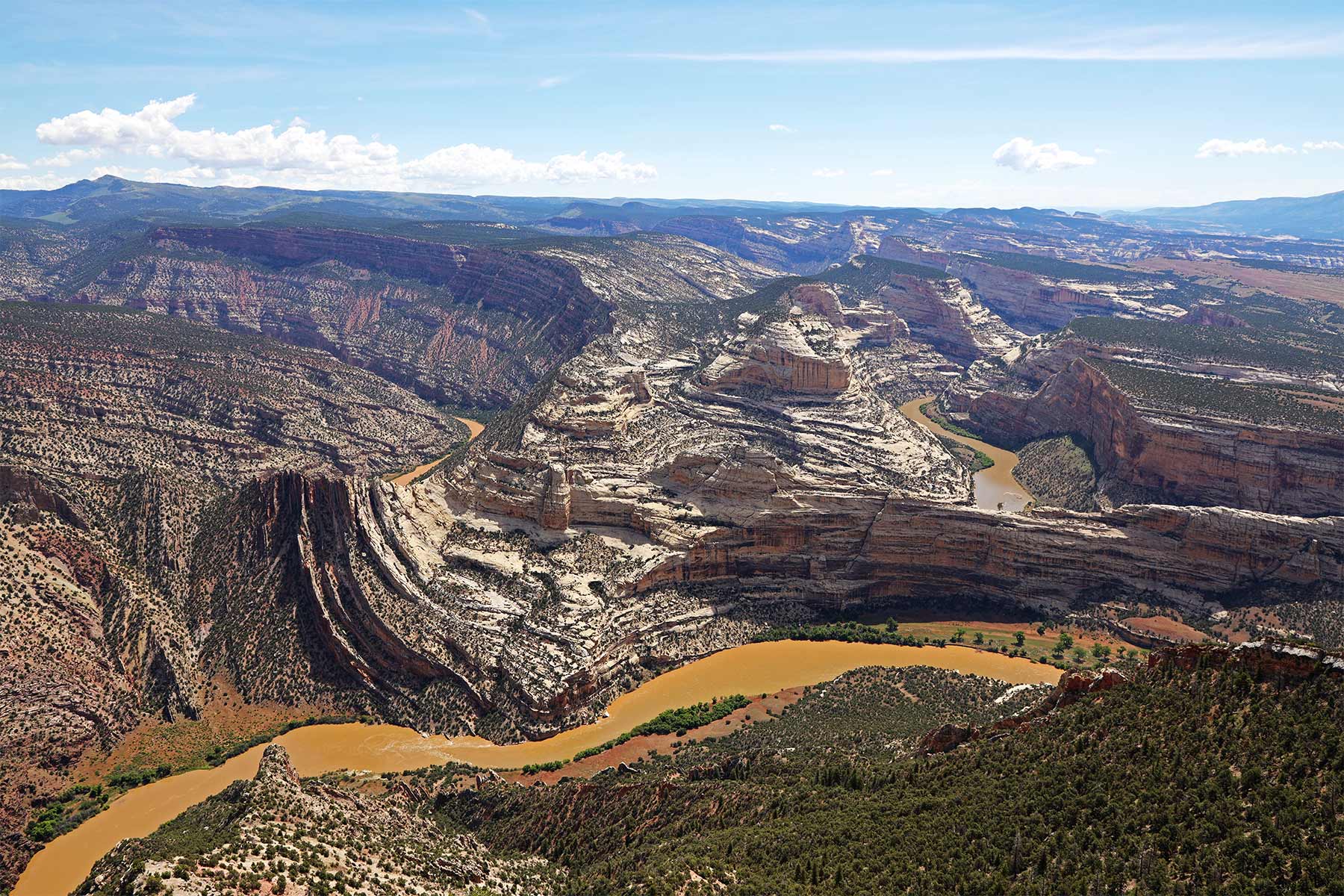
dinosaur national monument colorado
Dinosaur National Monument (courtesy NPS Dan Johnson)

6. Dinosaur National Monument

Location: Colorado & Utah, USA
Best Resources: Map| Guidebook
Managed By: NPS
Size: 210,844 acres
Established: 1915

About Dinosaur National Monument

What a hidden gem straddling the remote northern corners of two states, Colorado and Utah. The common refrain here is that if you’re interested in dinosaurs you’ll love this monument – which is true, but it vastly undersells this sprawling and immensely beautiful monument.

In addition to the famous dinosaur quarry and countless immaculately preserved dinosaur bones and skulls from various species, the park is home to over 200,000 acres of outdoor grandeur.

Here you can peer into the depths of stunning red rock canyons, whitewater raft the world-class Green or Yampa rivers, explore historic cabins and ponder ancient petroglyphs, camp out under a star-studded sky, and of course hike numerous trails venturing into the rugged and beautiful surroundings.


grand staircase escalante national monument utah
Grand Staircase-Esacalante National Monument, Utah

7. Grand Staircase-Escalante National Monument

Location: Utah, USA
Best Resources: Guidebook/ Map
Managed By: BLM
Size: 1,870,000 acres
Established: September 18, 1996
Overall Score: 42/50

At 1.87 million acres Grand Staircase-Escalante Monument is more than double the size of all 5 of Utah’s National Parks combined and every bit as spectacular. This remarkable, Rhode Island-sized national monument is a 200 million year old red rock cathedral of time.

Vast canyons, striking cliff-faces, rugged desert wilderness, and ancient history collide here making for an epic southwestern mecca. The “staircase” steps thousands of feet over five different life zones from coniferous forests to low-lying desert revealing millions of years of truly awesome geological history.

Recreation opportunities here are seemingly endless including hiking, biking, fishing, canyoneering, climbing, rappelling, swimming, camping, backpacking, and so much more.


bears ears manti la sal national forest utah
Bears Ears National Monument

8. Bears Ears National Monument

Location: Utah, USA
Best Resources: Guide| Map
Managed By: USFS, BLM
Size: 1,360,000 acres
Established: December 28, 2016

Overall Score: 38/50

As one of the many premier outdoor destinations in the state of Utah, Bears Ears National Monument should be on the bucket lists of every public lands enthusiast.

Bears Ears National Monument protects some of the most beautiful and unique lands in the southwest including both natural and cultural wonders.

I recall visiting this monument for the first time and being awed by the diversity of landscapes varying from red rock canyons to high desert plateaus, aspen groves to natural arches, and so much more.

The “bears ears” are actually two prominent buttes located next to each other that can be seen on the horizon for miles around.

Beyond the amazing scenery, there are a host of great recreational opportunities at Bears Ears including hiking, camping, backpacking, canyoneering, climbing, horseback riding, and more.


natural bridges national monument utah
Natural Bridges National Monument, Utah

9. Natural Bridges National Monument

Location: Utah, USA
Best Resources:
Managed By: NPS
Size: 7,636 acres
Established: April 16, 1908

Overall Score: 35/50

One of the first few national monuments proclaimed by then President Theodore Roosevelt, Natural Bridges protects a beautiful swath of Utah desert that is home to some of the most spectacular natural bridges found anywhere in the world.

This very remote national monument is actually quite well developed with nice roads, trails, a visitor center, and campground.

Natural Bridges National Monument also provides vital habitat to the endangered California Condor which can be seen throughout the monument.


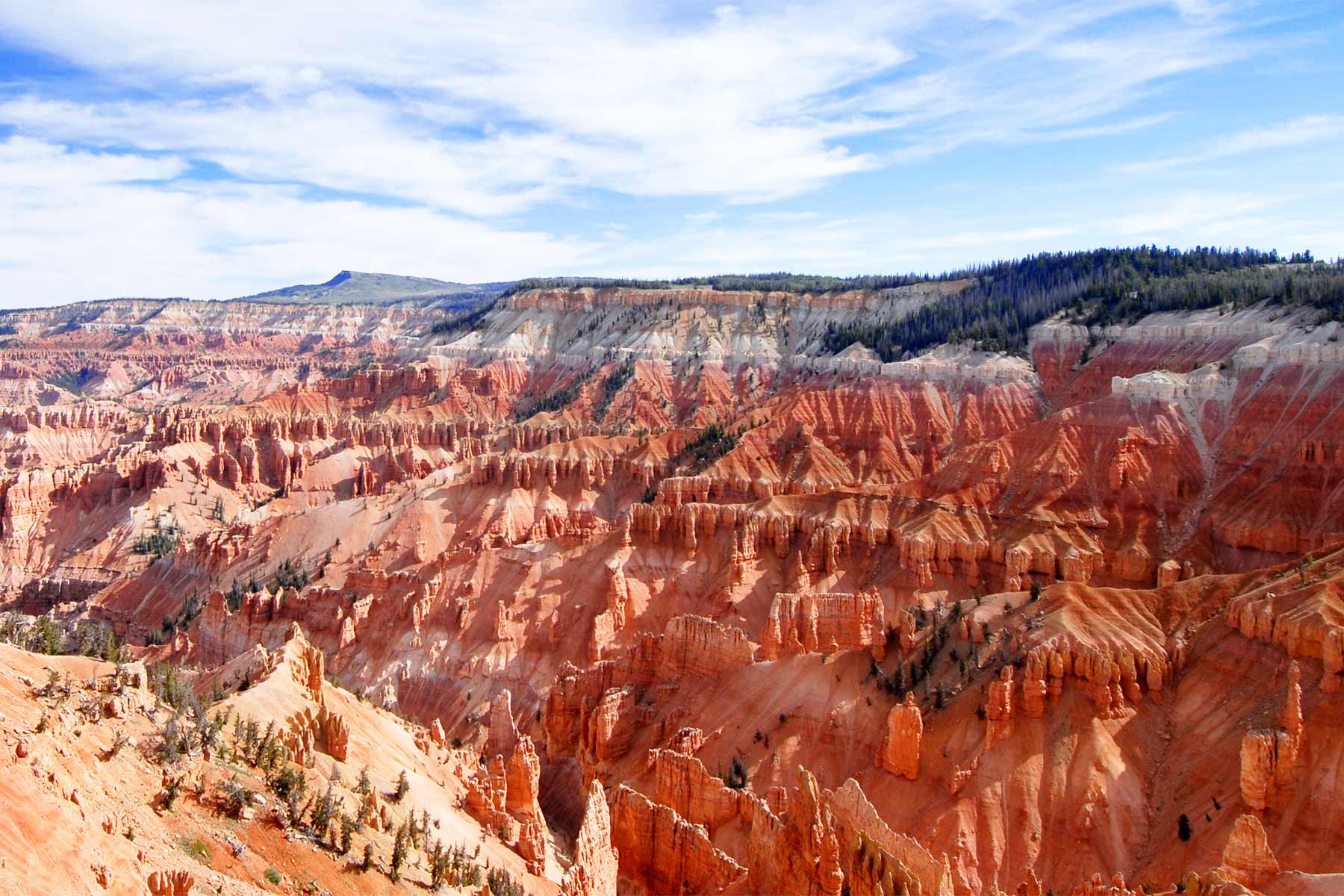
cedar breaks national monument utah
Utah’s Cedar Breaks National Monument (courtesy NPS)

10. Cedar Breaks National Monument

Location: Utah, USA
Managed By: NPS
Size: 6,155 acres
Established: August 22, 1933

Overall Score: 32/50

Located atop the exceedingly scenic region known as the grand staircase, Cedar Breaks National Monument encompasses a spectacular red rock amphitheater amidst Utah’s desert high country.

The monument is rich with flora and fauna, including vast stands of evergreens and aspen, wildflowers, and abundant wildlife. Cedar Breaks can often be overshadowed by its more popular neighbors including Zion and Bryce Canyon National Parks, but is well worth a trip by itself.


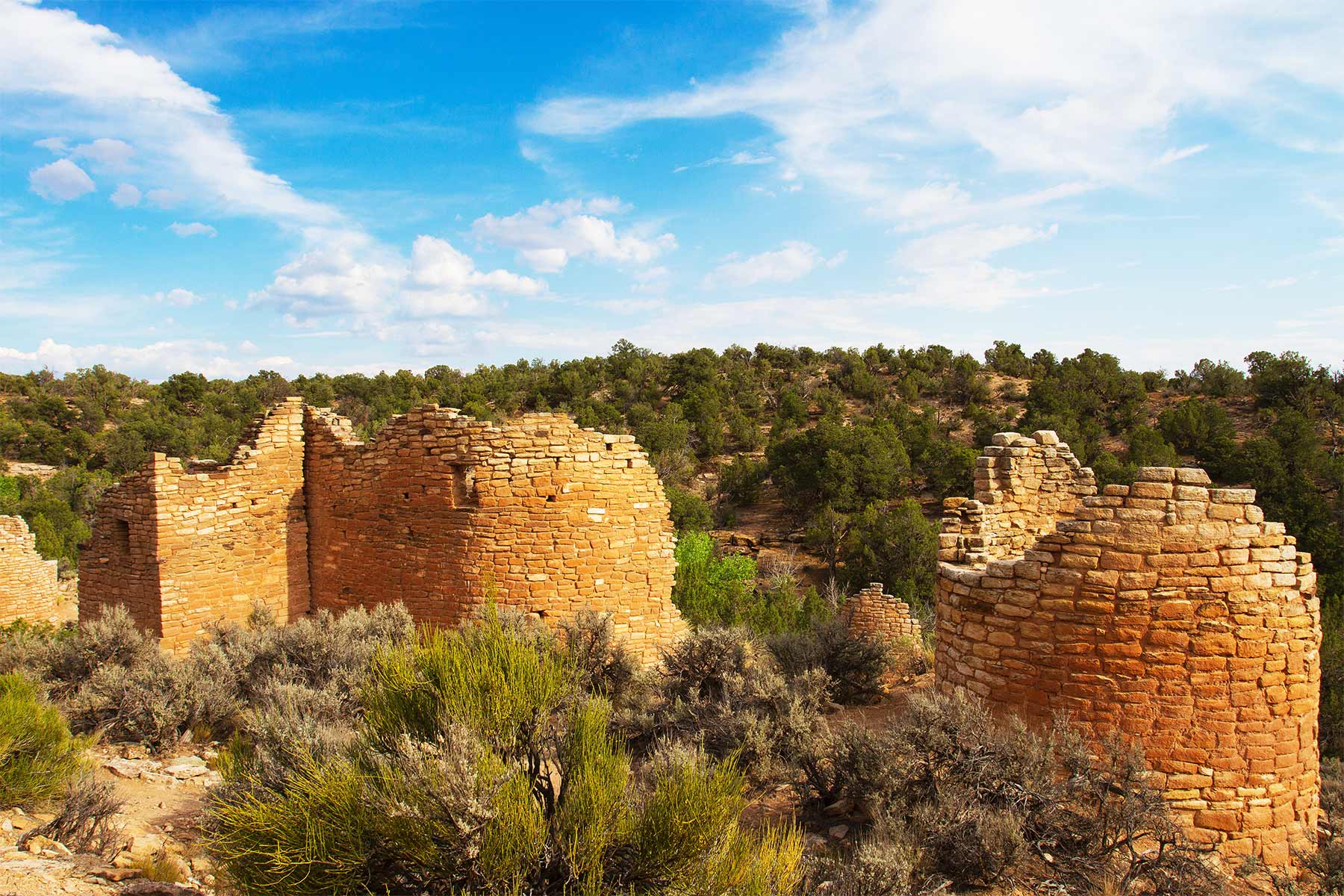
hovenweep national monument arizona
(courtesy NPS)

11. Hovenweep National Monument

Location: Colorado & Utah, USA
Best Resources:
Managed By: NPS
Size: 784 acres
Established: March 2, 1923

Overall Score: 32/50

One of the few national monuments that spans multiple states, Hovenweep National Monument protects six prehistoric villages constructed nearly 3,000 years ago. The fact that the Puebloan ruins of Hovenweep are still standing today is a testament to the skill of the builders.

Folks visiting Hovenweep National Monument should know that the monument is splintered into five isolated tracts of land. The driving distance between the furthest points however, (the Cajon Group to the Cutthroat Castle Group) is only 25 minutes.

I recommend seeing the Square Tower Group as the most impressive of the ruins. While in the area be sure to check out Canyon of the Ancients National Monument (also included on this list).

Visiting Hovenweep can be a bit of a challenge as it is a remote national monument located in the four corners region of Colorado and Utah. The closest sizable city is Durango, Colorado at just under two hours away. The closest major city to Hovenweep is Albuquerque despite being just under 5 hours away.


Jurassic National Monument, Utah
(courtesy BLM)

12. Jurrasic National Monument

Location: Utah, USA
Managed By: BLM
Size: 850 acres
Established: March 12, 2019

Overall Score: 28/50

One of the newest national monuments, Jurassic National Monument protects the Cleveland-Lloyd Dinosaur Quarry which contains the largest concentration of Jurassic dinosaur fossils ever found.

The monument is very remote and fairly small at just 850 acres, but it has three nice hiking trails (each around 2 miles) offering beautiful views and opportunities to see petroglyphs.


timpanogos cave national monument utah
(courtesy NPS)

13. Timpanogos Cave National Monument

Location: Utah, USA
Best Resources:
Managed By: NPS
Size: 250 acres

Overall Score: 27/50

Timpanogos Cave National Monument preserves a spectacular cave system minutes from Salt Lake City.

The caves feature numerous colorful and unique formations and offer visitors a glimpse of the incredible natural world beneath our feet.


Rainbow Bridge National Monument, Utah
(courtesy NPS)

14. Rainbow Bridge National Monument

Location: Utah, USA
Managed By: NPS
Size: 160 acres
Established: May 30, 1910

Overall Score: 23/50

At 290 feet tall, 275 feet wide, and a thickness of 42 feet at the top, Rainbow Bridge is one of the largest natural bridges in the world. That’s pretty cool!

Beyond that, the arch itself is beautiful and absolutely massive in person located in the Lake Powell region of Utah.

So you’re probably asking yourself why a monolith like this has such a low ranking? Access.

Getting to the monument is actually easy… if you have a boat in Lake Powell. If this is the case you can pull your boat right up to the trailhead and hike an easy mile to get there.

Otherwise, and for most of us, getting there involves an arduous multi-day hike through the desert after obtaining a permit from the good folks at the Navajo Nation.


8 Day Utah National Parks Itinerary: Utah Road Trip Route


This route is a basic loop with a terminus in Salt Lake City and a first stop of the Moab parks (Arches & Canyonlands).

For a more in-depth look check out our article, [EPIC] UTAH National Parks ROAD TRIP of a Lifetime (+ Itinerary)

Day 1 Utah National Parks Itinerary: Salt Lake City to Moab + Arches Sunset (3.5hrs drive)

  • National Parks: Arches
  • Sunset: Lower Delicate Arch Viewpoint (Arches)

Day 1 of your itinerary will largely be spent driving from Salt Lake City to Moab which will be your home base for day trips into Arches & Canyonlands.

Depending on what time your flight gets in and what time you get to the park you’ll hopefully have time to see a sunset.

I recommend Lower Delicate Arch viewpoint in Arches National Park for your Day 1 sunse t. It’s far less crowded than Delicate Arch which is better to hike to in the morning.

Spend the night at a hotel in Moab ( see above) or camp outside the national park in one of the many beautiful campgrounds along the Colorado River.

Turret Arch framed through the North Window in Arches National Park
Turret Arch, Arches National Park

Day 2 Utah National Parks Itinerary: Arches & Canyonlands

  • National Parks: Arches & Canyonlands
  • Sunrise: Upper Delicate Arch Viewpoint (Arches)
  • Sunset: Green River Overlook (Canyonlands)

Day 2 of your itinerary starts with a sunrise at Upper Delicate Arch viewpoint in Arches National Park. I recommend packing a lunch to maximize your time in the park!

Morning

Check what time the sunrise is in Moab beforehand and start the hike at least 45 minutes before the sun is set to rise(I recommend an hour). Bring headlamps and watch closely for the easy to miss signs.

After the sunrise continue toward the far end of the park and check out the Fiery Furnace, Sand Dune Arch, and Skyline Arch before stopping for lunch (if you packed one) at the Devils Garden Trailhead (in the car or on benches).

Canyonlands1
Green River Overlook, Canyonlands National Park
Afternoon

After lunch check out the Devils Garden area and be sure to see Landscape Arch(hard to miss) before heading back toward the park entrance. On your way back out of the park check out Double Arch& Turret Arch, as well as Park Avenue.

If you’re feeling up to it (and have time) I highly recommend heading over to Green River Overlook in Canyonlands National Park for sunset(50 minute drive).

Green River Overlook is one of the most mesmerizing national park views I’ve seen.


Day 3 Utah National Parks Itinerary: Canyonlands to Capitol Reef (3hrs)

  • National Parks: Canyonlands & Capitol Reef
  • Sunrise: Mesa Arch (Canyonlands)
  • Sunset: Sunset Point (Capitol Reef)

Day 3 starts with one of the best sunrises in Utah – the world famous Mesa Arch sunrise. The trail is short but be sure to get to the arch at least 30 minutes early for a good spot (it will be crowded).

After Mesa Arch I recommend the Upheaval Dome hike to the first overlook. On your way back out of the park be sure to stop off and check out the epic Shafer Trail Viewpoint.

Drive to Capitol Reef

After Canyonlands you’ll drive back the way you came (boring, I know but trust me, it’s worth it) and head on to Capitol Reef National Park. The route to Capitol Reef is pretty cool, especially as you get closer to the park itself.

Pro-tip: Pack a lunch and eat along the way to Capitol Reef National Park. Otherwise you’ll have to drive back in to Moab or get food in Torrey which is a 3 hour drive. There’s not much along the way.

If you have time, catch a sunset at Sunset Point in Capitol Reef. Epic views at the beginning of the park.

Capitol Reef National Park has Fruita Campground where you can camp (if they have spots). Alternatively there is a great car camping spot just outside of the park which I’ve pinned here.

If you’re looking for hotels, Torrey is the spot and I’ve listed them above.

mesa arch canyonlands national park
Mesa Arch Sunrise, Canyonlands National Park

Day 4 Utah National Parks Itinerary: Capitol Reef & Bryce Canyon

  • National Parks: Capitol Reef & Bryce Canyon
  • Sunrise: Panorama Point
  • Sunset: Fruita Barn

Day 4 of your Utah National Park road trip starts with a sunrise at Panorma Point. If you’re tired, this is an OK one to skip.

I LOVE Capitol Reef National Park because it is the least crowded which is why I recommend spending nearly a full day here.

Hikes to check out include (in order of best to least):

  1. Cassidy Arch
  2. Hickman Bridge
  3. Grand Wash
  4. Cohab Canyon
Hickman Bridge natural arch in Capitol Reef National Park
Hickman Bridge, Captiol Reef National Park
Capitol Reef to Bryce Canyon (2hrs)

From Capitol Reef I recommend you take the scenic route, Utah’s Hwy 12 which is one of the most spectacular highways in America.

This drive is one of the absolute highlights of the trip and is not to be missed but it is not the natural way your GPS will route you. Be sure to add Escalante, Utah as a pin to your route or risk missing this stunner.

Sunset & Sleep

If you arrive at Bryce Canyon with enough time for sunset then check out the aptly named Sunset Point.

Bryce Canyon has a beautiful lodge if you’re looking to splurge (book way in advance), also plenty of hotel options in Bryce, Utah.

Bryce Canyon also has 2 big campgrounds inside the park (book in advance).


Day 5 Utah National Parks Itinerary: Bryce Canyon National Park

  • National Parks: Bryce Canyon & Zion
  • Sunrise: Inspiration Point (not Sunrise Point)
  • Sunset: Canyon Junction Bridge

Day 5 starts in beautiful Bryce Canyon National Park which is quite compact compared to some of the others.

It is also the coolest in temperature as the visitor center sits at 9100 feet elevation so pack a jacket!

Start your morning with a brisk sunrise at Inspiration Point which is superior to Sunrise Point in my humble opinion (also less crowded).

From there, hike the Navajo Loop Trail in reverse ending with the impressive Wall Street section (wow).

If you feel like extending this hike then I highly recommend adding the Queens Garden loop or a piece of the Peekaboo Canyon Trail.

sunrise bryce canyon national park
Inspiration Point, Bryce Canyon National Park
Afternoon

After this you can either exit the park to get a head start on Zion if you’re short for time or continue on in to Bryce.

I find the complex of trails nearest the visitor center to be the best by far so it’s totally fine to leave it here in my opinion.

If you want to see more then continue down N Bryce Canyon Road past Bryce Natural Bridge (roadside stop) to the end of the road (30 minute drive).

Here you’ll find the Bristlecone Pine Trail which I was thrilled to discover and dissapointed to hike.

The Bristlecones here are hard to spot and mostly dead (nothing like what you’ll see at Great Basin).

Bryce Canyon to Zion (1.5hrs)

From Bryce Canyon the drive continues through the Dixie National Forest (which is well worth the visit in its own right – a fraction of the visitors and equally stunning scenery) and the beautiful Red Canyon area (featured in our film below) to the east entrance of Zion National Park.

Upon entering the east entrance of Zion via the Zion-Mount Carmel Highway the scenery changes drastically in a wonderful way.

Watch out for Bighorn sheep as you near the third tunnel!

Sunset

After passing through this tunnel visitors are given their first look at the epic canyons of Zion.

If you make it to Zion in time, catch a sunset from around the Canyon Junction Bridge(famous view of the Watchman).

You can either stay in a hotel in Springdale (the closest city) or camp in the park (extremely limited and hot) or car camp/boondock outside the park off Smithsnonian Butte Road (BLM).


Day 6 Utah National Parks Itinerary: Zion National Park

  • National Parks: Zion
  • Sunrise: Skip or Canyon Overlook
  • Sunset: Canyon Junction Bridge
Morning

Day 6 starts with a great opportunity to skip the sunrise (Zion is not full of epic sunrises).

I recommend starting the day early with the epic Narrows hike(one of my all time favorites).

If you don’t pack water shoes then you can rent some in Springdale. This will slow you down and add expense so I recommend bringing something.

In order to hike the Narrows you need to take the Zion shuttle all the way to the last stop.

The first shuttle leaves the visitor center at 6 am during the spring & summer (8am in the winter).

In spring/summer at the shuttle station at least 30 minutes early at 5:30(I know, woof).

It will be shockingly crowded at this hour.Making the first shuttle makes a big difference (or at least one of the first).

After The Narrows I recommend popping right over to Angels Landing(if you’re up for it) as it will still be early enough to get in before most of the crowds.

narrows zion national park
Hiking the Narrows
Afternoon

After Angels Landing, eat lunch (packed or at the Zion Lodge). Big Bend is great for a quick stop and the Grotto is great although many of the trails here are currently closed.

Once you’re back at the visitor center I recommend heading over to Zion-Mt Carmel Highway and exploring the trails over here, especially Canyon Overlook.

From here drive over to the lesser-traveled Kolob Terrace region of the park for late afternoon exploring & sunset.

Fo r sunset I recommend my favorite sunset in the park, Lava Point Overlook.

If possible, try and grab a site at Lava Point Campground which only has 6 sites and is the best in the park. Otherwise you’ll have to head back to La Verkin or Springdale for a hotel.

lava point sunset zion national park
Lava Point Sunset, Zion National Park

Day 7 Itinerary: Zion National Park

  • National Parks: Zion
  • Sunrise: Kolob Terrace
  • Sunset: Timber Creek Overlook

Day 7 starts in Kolob Terrace for sunrise (if you’re tired this is an OK one to skip. Kolob Terrace Road offers great chances to explore Zion National Park without the crowds.

Things to explore in Kolob Terrace include:

  • Hop Valley Trail
  • Lava Point Overlook
  • Hoodoo City
  • Pine Valley Peak
Afternoon

After a morning of exploring Kolob Terrace head over to Kolob Canyon for afternoon activities and another epic sunset. You’ll have an option to grab a bite to eat in La Verkin on the way to Kolob Canyon.

Kolob Canyon is another lesser-traveled section of Zion that is worth a visit. I recommend hiking Taylor Creek before making your way to the “top” of this section.

Timber Creek Overlook is oen of the best places in Zion to catch a sunset. The trail is short and epic.

After sunset head over to Cedar City for a relatively inexpensive hotel.

timber creek trail zion national park hikes
Kolob Canyon Sunset, Zion National Park

Day 8 Itinerary: Cedar City to Salt Lake City (3.5 hours)

The last day is basically just making your way back to Salt Lake City to return the rental car and flying home. Ah but the memories!


Ever Considered the 5 Utah National Forests?


1. Dixie National Forest

I can not recommend visiting this national forest any more strongly. It is an incredible and overlooked piece of Utah that has a tiny fraction of the visitors of the Utah Mighty 5.

Set in the rugged southwestern corner of Utah, Dixie National Forest spans nearly 2 million acres of jaw-dropping scenery and endless vistas.

Join us as we take you on a visual journey through alpine lakes and forests of aspen to vast red deserts and dazzling formations of sand and stone. This is Dixie. Filmed primarily in 8K.

Located in southwestern Utah, the Dixie National Forest spans almost two million acres and stretches for nearly 170 miles, making it the largest national forest in the state.

Winding your way through the stunning landscapes of southern Utah, the Dixie National Forest offers spectacular scenery that easily rivals that of it’s neighbors Bryce Canyon, Zion, and Capitol Reef National Parks.

Dixie National Forest Utah

2. Uinta Wasatch Cache National Forest

The Uinta-Wasatch Cache is one of the most stunning and unique regions in the country and happens to also be located in Utah.

Explore mountains, valleys, forests, canyons, and meadows that are home to some of north america’s most treasured animals and landscapes.


3. Ashley National Forest

The Ashley National Forest is yet another incredible Utah destination located in the northwestern corner of the state.

Explore gorges, valleys, forests, deserts, and meadows as we take you from sunrise to sunset in this remote and beautiful landscape.


4. Fishlake National Forest

Resources: Fishlake National Forest Guide


5. Manti-La Sal National Forest

Resources: Manti-La Sal National Forest Guide


Map of Utah’s National Parks

See below map with the locations of all five of Utah’s National Parks.


Related: 20 Must-See Utah Landmarks

Related: 15 Must-See Historic Sites In Utah

Related: 5 Best National Parks Near Salt Lake City

List of Utah National Parks (Summary)

  1. Arches National Park
  2. Capitol Reef National Park
  3. Zion Nationa l Park
  4. Canyonlands National Park
  5. Bryce Canyon National Park
  6. Dinosaur National Monument
  7. Grand Staircase-Escalante National Monument
  8. Bears Ears National Monument
  9. Cedar Breaks National Monument
  10. Natural Bridges National Monument
  11. Jurassic National Monument
  12. Timpanogos Cave National Monument
  13. Hovenweep National Monument
  14. Rainbow Bridge National Monument

Why Listen to Us About Utah’s National Parks?

We’re Jim Pattiz and Will Pattiz, collectively known as the Pattiz Brothers. Our goal here at More Than Just Parks is to share the beauty of America’s national parks and public lands through stunning short films in an effort to get Americans and the world to see the true value in land conservation.

You should probably know that we didn’t just make this list up out of thin air. We’ve spent our entire adult lives exploring and filming America’s national parks and public lands. We’ve worked with the National Park Service, the Department of Interior, and the U.S. Forest Service for years creating films on important places and issues.

Our work has been featured in leading publications all over the world and even some people outside of our immediate family call us experts on the national parks.

pattiz brothers capitol reef national park
Will (left) and Jim (right) of More Than Just Parks

Utah National Parks Map (Printable)

Map showing the locations of all five Utah national parks
National Parks of Utah Map

Download: Printable Utah National Parks Map


Utah National Parks Ranking Criteria

Now, you might ask how on earth we ranked Utah’s national parks from best to worst. We ranked all of the national parks based on a variety of factors including accessibility, recreational opportunities, crowd sizes, park amenities, and of course, scenic beauty.

Have a look at the breakdown below:

  • Accessibility– Is this national park easy to access? We analyzed vehicle access, transportation options, proximity to major airports, lodging and accommodations, conveniences, and other signs of civilization.
  • Recreation– Recreation opportunities found in the park like hiking, biking, boating, climbing, etc.
  • Crowds– How crowded is this national park? We considered traffic, crowded overlooks & trails, limited campsite availability, lines, etc.
  • Amenities– Developed amenities in the park like visitors centers, campgrounds, bathrooms, lodges, etc.
  • Scenery– The scenic beauty of the park. Purely subjective of course, but has to be taken into account.

One More Note About Utah National Parks Rankings

You’ll notice that Zion, despite scoring higher than Arches and Capitol Reef via the point system, is ranked lower on this list. That was intentional.

The crowds at Zion during peak season, and much of the rest of the year, are currently a major factor in the overall user experience. Because of this, we’re choosing to rank it #3.

The sweeping span of Landscape Arch in Arches National Park
Landscape Arch