

California has nine national parks, more than any other state, and we’ve filmed in all of them. Yosemite is the best. Redwood is the most underrated. Pinnacles is a pleasant day hike that somehow holds the same designation as Yosemite.
This is our honest ranking of all nine parks plus thirteen national monuments, scored on scenery, recreation, crowds, amenities, and accessibility. We also tell you which ones deserve a dedicated trip and which ones are a detour, because those are different questions with different answers.
One piece of good news for 2026. Yosemite announced it will not use a timed entry reservation system this year, so you can drive in whenever you like. Plan around weekends anyway.

All 22 California National Parks and Monuments Compared
| Unit | Type | The Draw | Time Needed | Base Town |
|---|---|---|---|---|
| Yosemite | National Park | Yosemite Valley, granite walls, waterfalls | 2 to 4 days | El Portal / Mariposa |
| Redwood | National Park | Tallest trees on Earth, wild coastline | 2 to 3 days | Crescent City |
| Sequoia | National Park | Largest trees on Earth by volume | 1 to 2 days | Three Rivers |
| Death Valley | National Park | Lowest, hottest, driest place in America | 2 to 3 days | Furnace Creek / Pahrump |
| Joshua Tree | National Park | Surreal desert, rock piles, dark skies | 1 to 2 days | Twentynine Palms / Joshua Tree |
| Kings Canyon | National Park | Deep canyon, General Grant Tree, backcountry | 1 to 2 days | Fresno / Grant Grove |
| Lassen Volcanic | National Park | Hydrothermal areas, alpine lakes, no crowds | 1 to 2 days | Chester / Redding |
| Channel Islands | National Park | Island wilderness, sea caves, isolation | Full day minimum | Ventura |
| Pinnacles | National Park | Talus caves, condors, spring wildflowers | Half to full day | Hollister / Soledad |
| Giant Sequoia | National Monument (USFS) | Sequoia groves without the park crowds | Half to full day | Springville / Kernville |
| Lava Beds | National Monument (NPS) | 800+ lava tube caves, Modoc War history | Full day | Tulelake |
| Devils Postpile | National Monument (NPS) | Columnar basalt, Rainbow Falls | Half day | Mammoth Lakes |
| Cascade-Siskiyou | National Monument (BLM) | Biodiversity hotspot on the Oregon border | Half to full day | Ashland, OR |
| Santa Rosa & San Jacinto Mtns | National Monument (BLM/USFS) | Palms to Pines scenic drive, 10,000 ft relief | Half day | Palm Springs |
| Sand to Snow | National Monument (USFS/BLM) | Desert floor to alpine, 1,700+ petroglyphs | Half to full day | Morongo Valley |
| Berryessa Snow Mountain | National Monument (BLM/USFS) | Wildflowers, rare plants, empty trails | Half to full day | Winters |
| Mojave Trails | National Monument (BLM) | 1.6 million acres, historic Route 66 | Half to full day | Barstow / Needles |
| San Gabriel Mountains | National Monument (USFS) | LA’s backyard mountains | Half day | Azusa |
| Muir Woods | National Monument (NPS) | Old-growth redwoods 12 miles from San Francisco | 2 to 3 hours | Mill Valley |
| Carrizo Plain | National Monument (BLM) | The best superbloom in California | Half to full day | Santa Margarita |
| Fort Ord | National Monument (BLM) | 86 miles of trails above Monterey Bay | 2 to 4 hours | Monterey |
| Cabrillo | National Monument (NPS) | San Diego coastline, tidepools, lighthouse | 2 to 3 hours | San Diego |

1. Yosemite National Park
Worth a dedicated trip. Yosemite is the best national park in California and one of the two or three best on the planet. Yosemite Valley is a seven-mile corridor of 3,000-foot granite walls and waterfalls, and no amount of crowding changes what it does to you the first time you drive out of the Wawona Tunnel.
117 public lands destinations are under threat. Get the free briefing that 27,000+ people use to stay informed and take action.
The crowds are real. Four million folks a year, most of them in the Valley, most of them in summer. The fix is timing. May is the best month nobody talks about, with peak waterfalls and manageable crowds, and fall is quieter still. February brings the firefall at Horsetail Fall.
For 2026 the park dropped its timed entry reservation system entirely. Entry is $35 per vehicle, good for seven days. Tioga Road typically closes from November until late May, so the high country is a summer affair. Glacier Point and Mariposa Grove, the park’s largest sequoia grove with about 500 mature trees, round out the short list.
Start with our Yosemite hub, then our guides to things to do, the best hikes, and a full Yosemite itinerary. If you’re chasing the big ones, we’ve covered Half Dome and Clouds Rest separately.
2. Redwood National Park
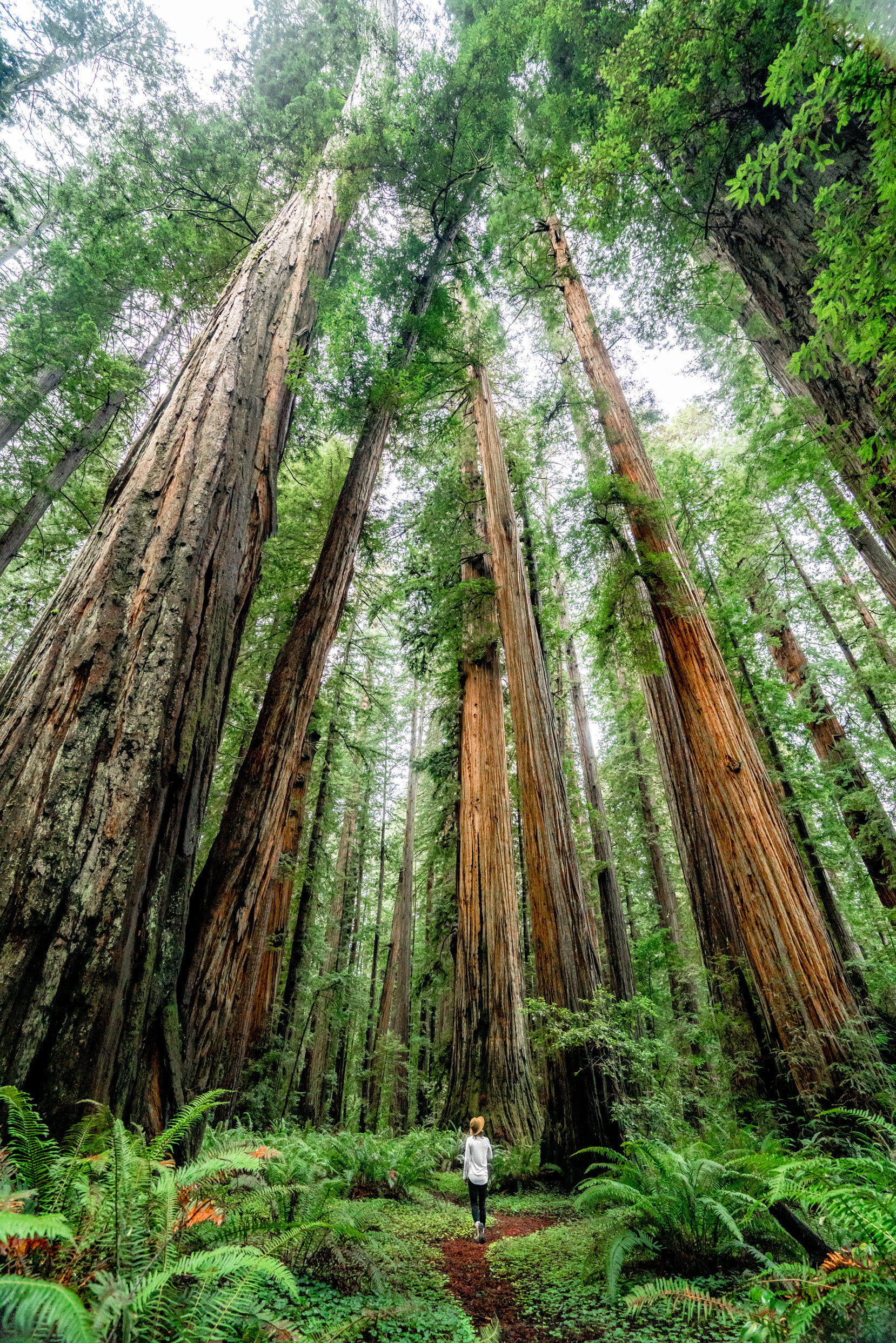
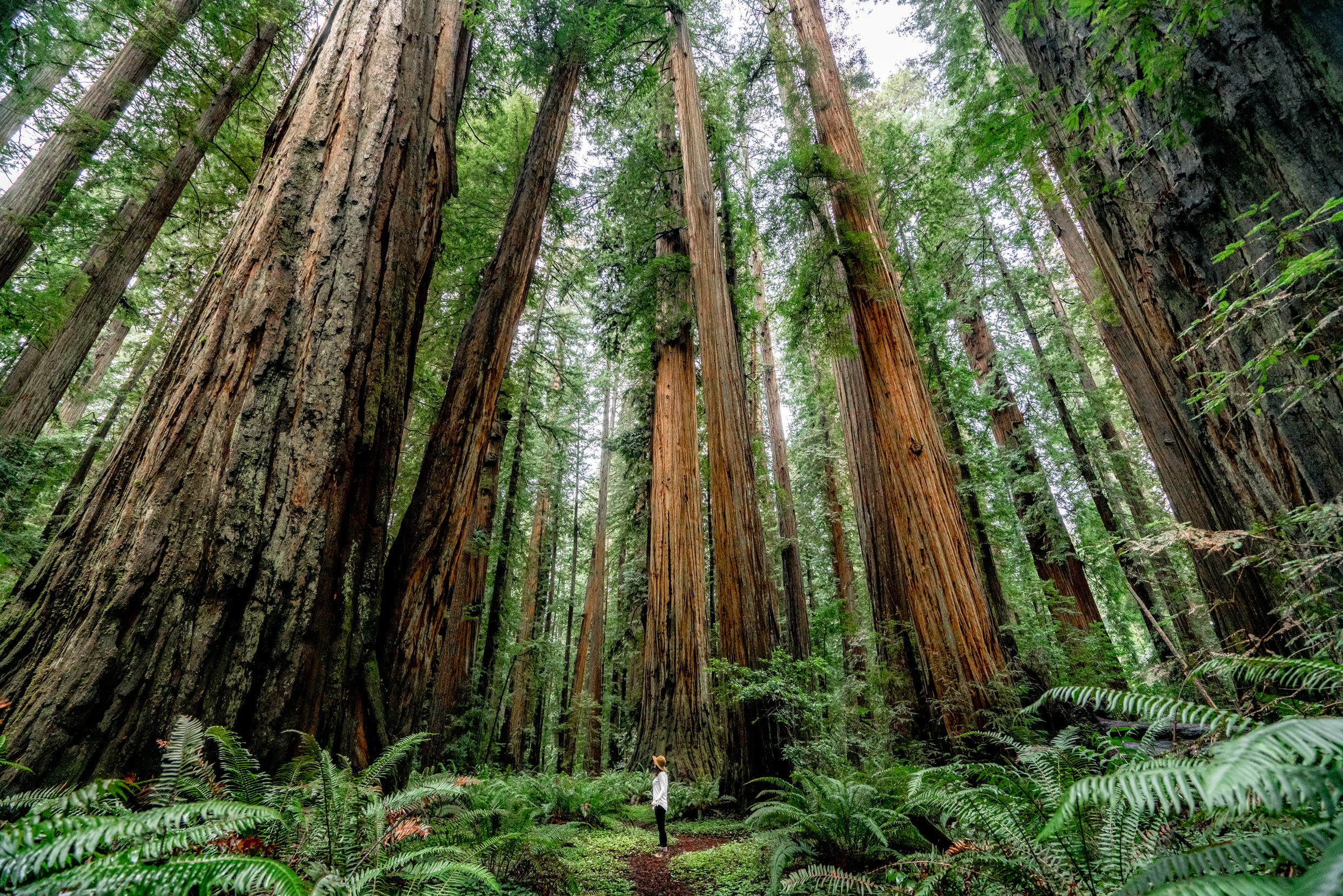
Worth a dedicated trip. The tallest trees on Earth, 40 miles of undeveloped coastline, Roosevelt elk in the meadows, and no entrance fee. Redwood is the best kept non-secret in the park system, and the long drive north is exactly why it stays that way.
Technically it’s Redwood National and State Parks, a joint operation with California State Parks that protects nearly half of the world’s remaining old-growth coast redwoods. The best groves are in the state park sections. Jedediah Smith Redwoods near Crescent City is the single finest forest we’ve ever filmed, and Stout Grove at golden hour is the proof.
Lady Bird Johnson Grove near Orick is the easy classic. Fern Canyon and the Gold Bluffs Beach area require a day-use permit in summer, so check ahead. Bring layers. It’s foggy and 55 degrees here in July, which is precisely what the trees like.
Our Redwood hub has everything, or go straight to things to do, the best hikes, and our photo essay.
Watch Our Award-Winning Redwood Film


3. Sequoia National Park
Worth a dedicated trip, paired with Kings Canyon. The General Sherman Tree is the largest tree on Earth by volume, 275 feet tall and roughly 2,200 years old. Standing under it recalibrates your sense of scale in a way photographs refuse to capture.
The Congress Trail is our favorite walk in the park, a paved two-mile loop through the heart of the Giant Forest. Visit in winter with snowshoes and you’ll have ancient sequoias and silence to yourself. The Big Trees Trail around Round Meadow is the easy alternative.
One $35 vehicle fee covers both Sequoia and Kings Canyon for seven days. The Generals Highway climbs about 5,000 feet from the foothills, so carry chains in winter and patience in summer. Note that Sequoia National Park and Giant Sequoia National Monument are different places. We ranked the monument below.
See our Sequoia hub, things to do, best hikes, and how to drive from Yosemite to Sequoia.

4. Death Valley National Park
Worth a dedicated trip, October through April. At nearly 3.4 million acres, Death Valley is the largest national park in the lower 48, and it collects superlatives the way other parks collect traffic. Lowest point in North America at Badwater Basin, 282 feet below sea level. Hottest air temperature ever recorded on Earth. Driest place in the United States.
Zabriskie Point at sunrise is the single best easy view in the park. Eureka Dunes, nearly 700 feet tall and a long drive into the remote Eureka Valley, are the finest of the park’s five dune fields and worth every washboard mile. Mesquite Flat Dunes near Stovepipe Wells are the convenient stand-in.
Entry is $30 per vehicle and the entrance stations are cashless. Do not come in summer expecting to hike. Temperatures regularly pass 120 degrees, and the park’s rescue statistics are not a place you want to appear.
Start with our Death Valley hub and full guide, then things to do, a trip itinerary, campgrounds, and why spring is the season to aim for.


5. Joshua Tree National Park
Worth a weekend, easy from LA or Palm Springs. Joshua Tree has been idolized by more musicians than any landscape deserves, and the Instagram pilgrimage shows no sign of slowing. The park absorbs it better than you’d think. Drive twenty minutes past any trailhead parking lot and the desert empties out.
The highlights are compact. Arch Rock and Skull Rock sit right off the main road. The Wall Street Mill trail leads to the ruins of a 1933 gold mill built by Bill Keys, the homesteader whose fingerprints are all over this park. Keys View at sunset looks across the entire Coachella Valley to the Salton Sea.
Entry is $30 per vehicle. October through April is the season. Spring adds wildflowers and perfect climbing temperatures, which is also when the campgrounds book solid.
See our Joshua Tree hub and best hikes.


6. Kings Canyon National Park
Pair it with Sequoia. Kings Canyon holds the General Grant Tree, the second largest tree on the planet, plus one of the deepest canyons in North America at the end of a dead-end road most folks never drive. That road, the Kings Canyon Scenic Byway, closes in winter, and the canyon floor at Cedar Grove is the trailhead for some of the best backpacking in the Sierra.
We rank it below Sequoia because the groves aren’t quite as good, fire scars are visible in places, and access takes more work. Call it national park snobbery. With this much splendor down the road, the comparison is unavoidable.
Your $35 Sequoia fee covers it. See our Kings Canyon hub, things to do, and facts.

7. Lassen Volcanic National Park
The best crowd-to-scenery ratio in California. Lassen is Yosemite meets Yellowstone with a fraction of the visitation of either. Bumpass Hell is a boardwalk through boiling, sulfurous pools that would draw a half-mile line in Yellowstone. Here you might share it with a dozen folks.
Manzanita Lake with Lassen Peak behind it is one of Northern California’s great views, and Kings Creek Falls is a pleasant two-mile leg stretch. The catch is location. Lassen is far from every major airport and on the way to nowhere, which is exactly why it stays empty.
Entry is $30 per vehicle in summer and $10 in winter, when deep snow closes the highway through the park. Snow lingers here into June most years. See our Lassen hub, things to do, and facts.

8. Channel Islands National Park
A full-day commitment that pays off. Five islands off the Ventura coast, often called the American Galapagos for good reason. The island fox lives nowhere else on Earth, the sea caves on Santa Cruz Island are among the largest anywhere, and the kelp forests make this the best snorkeling in any national park.
There’s no entrance fee, but there’s also no bridge. Island Packers runs the only boat service from Ventura, about an hour each way to Santa Cruz or Anacapa, with adult round trips starting around $70. Book ahead, bring all your own food and water, and check the swell forecast before committing your stomach.
It ranks eighth on logistics and amenities, not on beauty. Inspiration Point on Anacapa is a postcard. See our Channel Islands hub, things to do, and facts.
9. Pinnacles National Park
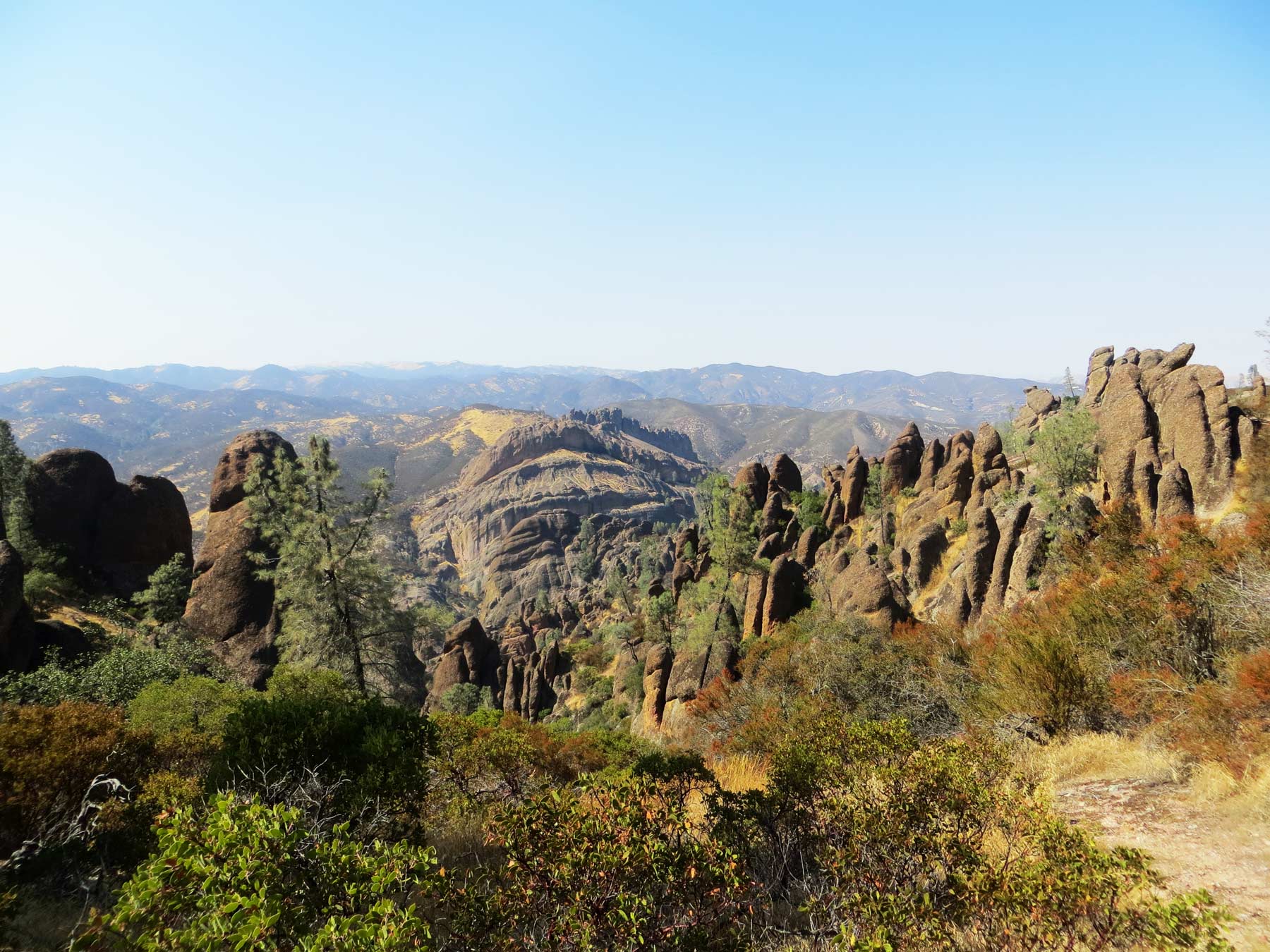
A day trip, not a destination. California’s newest national park is a fine place to hike through talus caves, watch for California condors, and catch a serious spring wildflower display. It is also, honestly, the least essential of the nine. If you live in the Bay Area it’s a great day. If you’re flying in from Ohio, it’s not the reason.
Bear Gulch Cave is the highlight, a trail that squeezes through a boulder-jammed canyon with a creek running through it. The High Peaks Trail is where you’ll see condors riding thermals, one of about 90 wild condors in central California. Entry is $30 per vehicle, cashless, and the east and west entrances do not connect by road.
Go in spring or fall. Summer regularly tops 100 degrees. See our Pinnacles hub, things to do, and facts.

The Best California National Monuments
California’s national monuments are where the crowds aren’t. We ranked all of them in our guide to every US national monument. Here are the thirteen worth knowing, in order.
10. Giant Sequoia National Monument
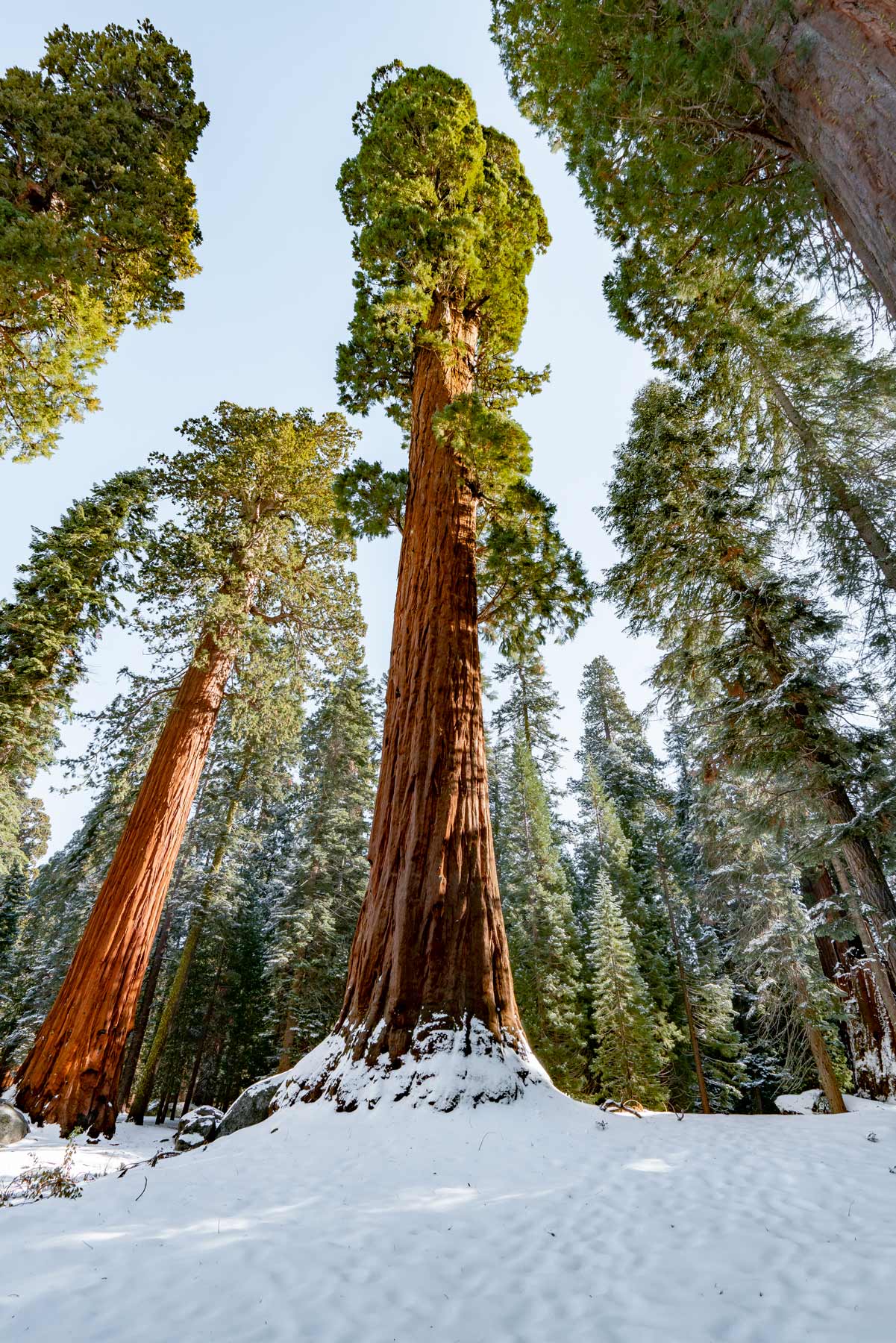
Roughly 328,000 acres of Sequoia National Forest holding about half of the giant sequoia groves on Earth, with a fraction of the national park’s traffic. The Trail of 100 Giants is the easy headliner. These trees are in genuine trouble. Extreme wildfires in 2020 and 2021 killed an estimated 13 to 19 percent of all large giant sequoias in existence, which is reason enough to go see them and reason enough to care what happens next. Many roads close under snow in winter.

11. Lava Beds National Monument
More than 800 lava tube caves riddle the north flank of the Medicine Lake volcano, and about two dozen are open for you to explore on your own. Grab the free cave permit at the visitor center first, it’s required, and it helps keep white-nose syndrome away from the bats, so leave any gear you’ve used in other caves at home. Mushpot Cave near the visitor center is lit and paved for first-timers, the rangers loan flashlights, and the harder caves go full hands-and-knees. Above ground this is Modoc homeland, where Captain Jack’s band held off the Army from the lava fortress now called Captain Jack’s Stronghold in the Modoc War of 1872 and 1873.
Entry is $25 per vehicle for seven days and the gate is cashless. It’s a long way from everything, up by the Oregon border near the town of Tulelake, which is exactly why you’ll have caves to yourself. Pair it with Lassen on a Northern California loop, and budget an hour for the Tule Lake National Monument sites next door, where one of the largest Japanese American incarceration camps of World War II stood.

12. Devils Postpile National Monument
A wall of 60-foot basalt columns so uniform they look stacked by hand, one of the finest examples of columnar basalt on Earth, with glacier-polished hexagons on top that you can walk across. Two easy miles downriver, the Middle Fork of the San Joaquin pours 101 feet over Rainbow Falls. Together they make the best half day in the Eastern Sierra, and the monument sits minutes from Mammoth Lakes and under an hour from Yosemite’s Tioga Pass entrance.
There’s no entrance fee, but access has a catch. While the Reds Meadow shuttle runs, roughly mid-June through mid-September, riding it is mandatory for most folks. In 2026 it operates weekends from June 13 and then Thursday through Sunday from July 2 to September 20, boarding at Mammoth Mountain, $15 for adults and $7 for kids. Outside shuttle hours you can drive the road yourself for a $10 Forest Service day pass. Snow closes the whole valley from roughly November into June, so this is strictly a summer stop.

13. Cascade-Siskiyou National Monument
Straddling the Oregon border where three mountain ranges collide, Cascade-Siskiyou was the first monument designated specifically for biodiversity, and it delivers. The hike up Pilot Rock is the signature outing, the Pacific Crest Trail runs through, and Hyatt Lake makes an easy base. You will not fight for a trailhead spot.

14. Santa Rosa and San Jacinto Mountains National Monument
These mountains rise from the floor of the Coachella Valley to over 10,000 feet, and the 67-mile Palms to Pines Scenic Byway on Highway 74 climbs through every climate zone on the way up. It’s one of the best scenic drives in the state and sits minutes from Palm Springs. Pair it with Joshua Tree and you’ve covered two very different deserts in a weekend.

15. Sand to Snow National Monument
The name is the elevator pitch. From the Sonoran Desert floor to the 11,503-foot summit of San Gorgonio, Southern California’s highest peak, in one protected sweep. The monument holds more than 1,700 petroglyphs and a stretch of the Pacific Crest Trail. Big Morongo Canyon Preserve is one of the best birding spots in the West and the easiest entry point.
16. Berryessa Snow Mountain National Monument
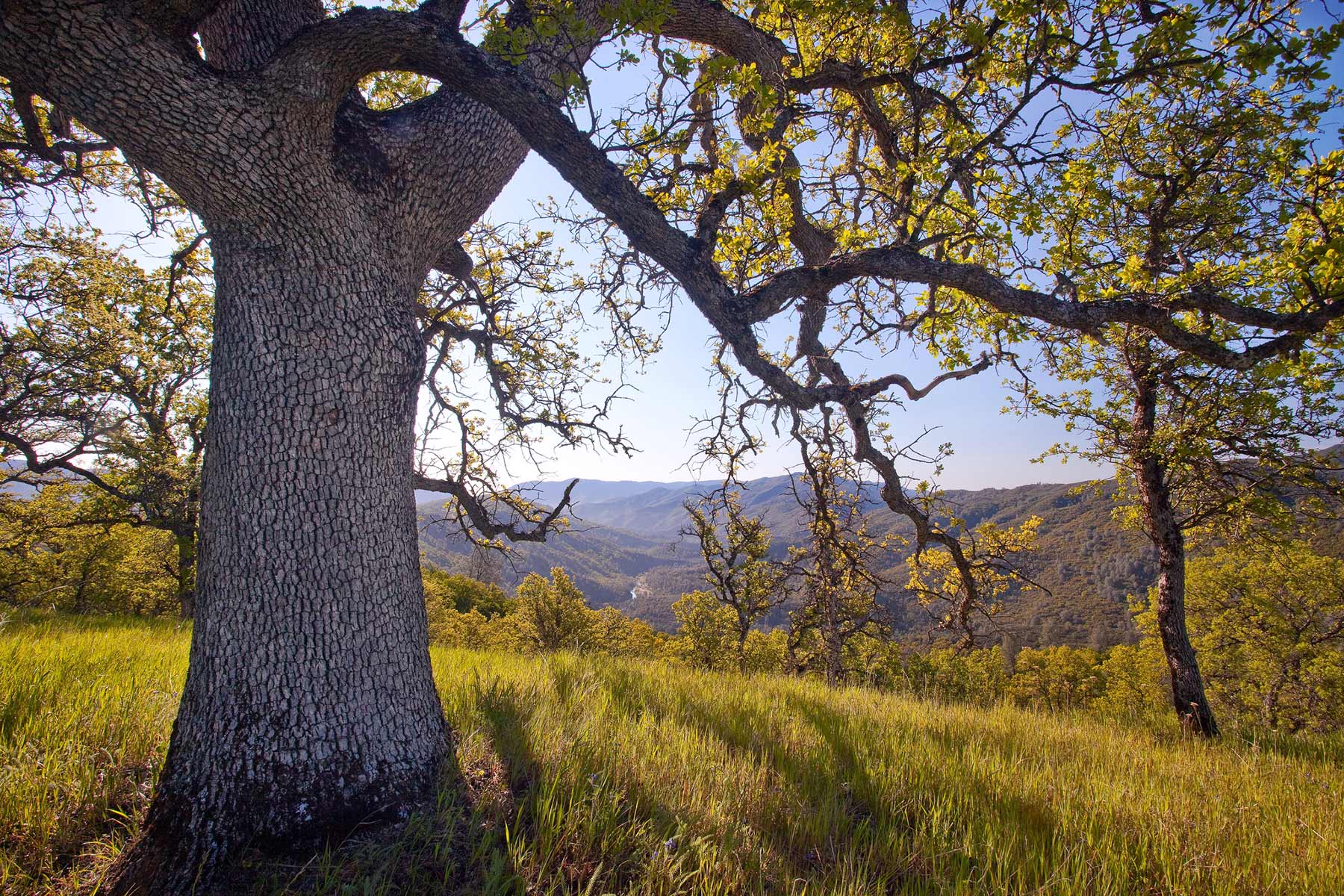
About 330,000 acres of the inner Coast Range within two hours of the Bay Area, holding some of the rarest plants in North America and spring wildflower displays that fill whole hillsides. The Molok Luyuk addition in 2024 expanded the monument and restored a Patwin name to the ridge. Recreation runs from hiking and horseback riding to OHV routes, and crowds are essentially zero.

17. Mojave Trails National Monument
At 1.6 million acres, Mojave Trails is one of the largest national monuments in the lower 48, wrapped around the longest undeveloped stretch of historic Route 66. This is raw desert with lava tubes, dune fields, and trilobite fossil beds, almost entirely undeveloped. It pairs naturally with a Joshua Tree to Death Valley road trip since you drive past it anyway. Bring a real spare tire.

18. San Gabriel Mountains National Monument
The mountain wall behind Los Angeles, expanded in 2024 to cover well over 400,000 acres. This is where Angelenos hike, ski, and find snow an hour from downtown. It’s loved hard and shows it on busy weekends, but the high country around Mount Baden-Powell still feels like real wilderness with a city of 13 million hidden below the haze.
19. Muir Woods National Monument
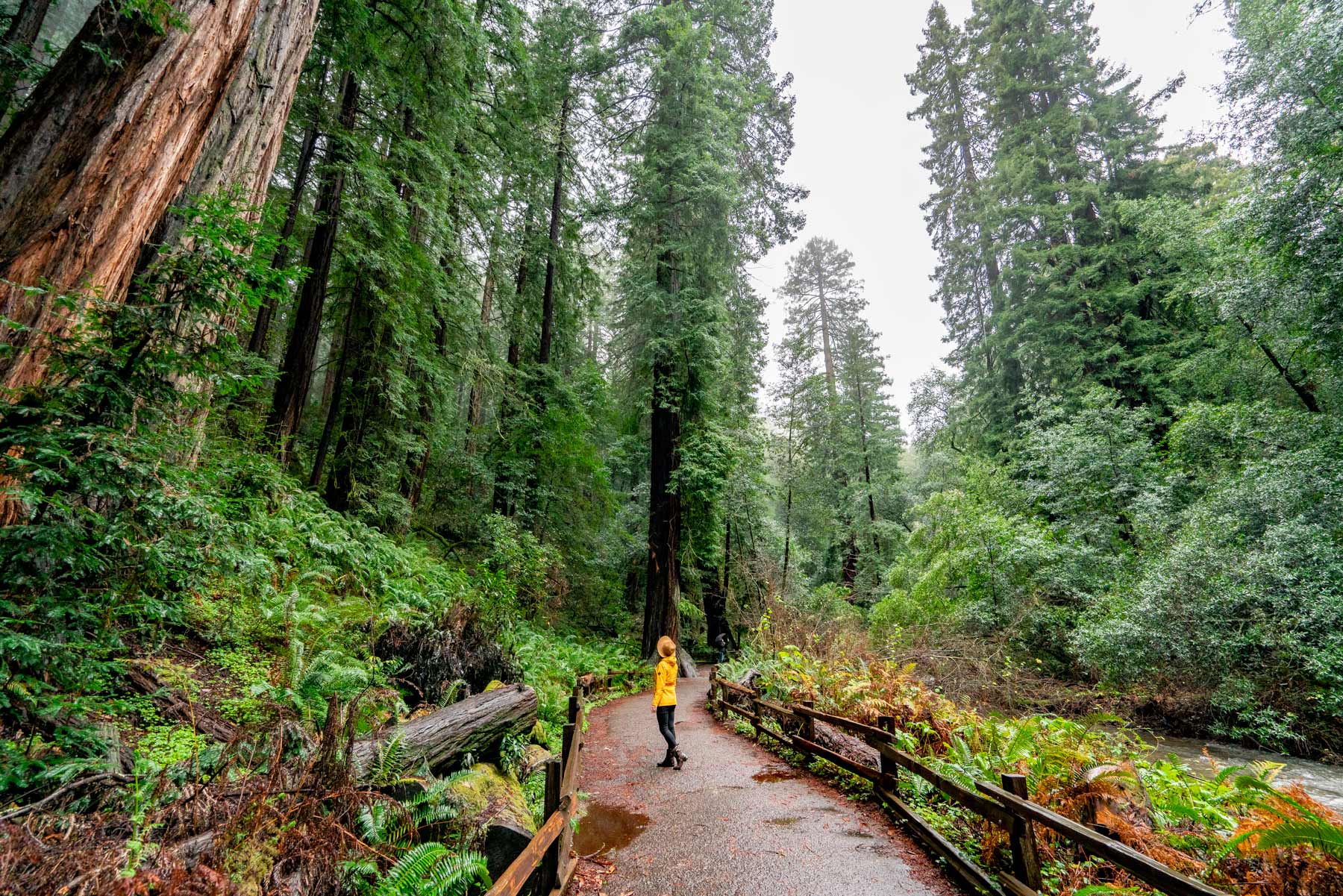
Old-growth coast redwoods 12 miles from the Golden Gate Bridge, which is both the appeal and the problem. The trees are smaller than what you’ll find at Redwood National and State Parks, and the boardwalk gets very full. Parking and shuttle access require advance reservations, no exceptions. If San Francisco is your only California stop, go. If you’re driving north anyway, save it and see the real thing. We covered the alternatives in our guide to national parks near San Francisco.

20. Carrizo Plain National Monument
For three weeks in a wet spring, Carrizo Plain is the best wildflower show in North America, whole valleys dyed yellow and purple. We’ve photographed a lot of blooms and nothing else comes close. The rest of the year it’s an empty grassland three hours north of LA with the San Andreas Fault running visibly through it. Peak bloom usually lands in late March or early April and depends entirely on winter rain. Almost no services, no pavement on most roads, no shade. Go anyway.

21. Fort Ord National Monument
A former Army base above Monterey, closed in 1994 and reborn as 86 miles of hiking and mountain biking trails through coastal hills. Spring wildflowers and the endangered Smith’s blue butterfly are the natural draws. It’s a locals’ recreation area more than a destination, and a good one.
22. Cabrillo National Monument
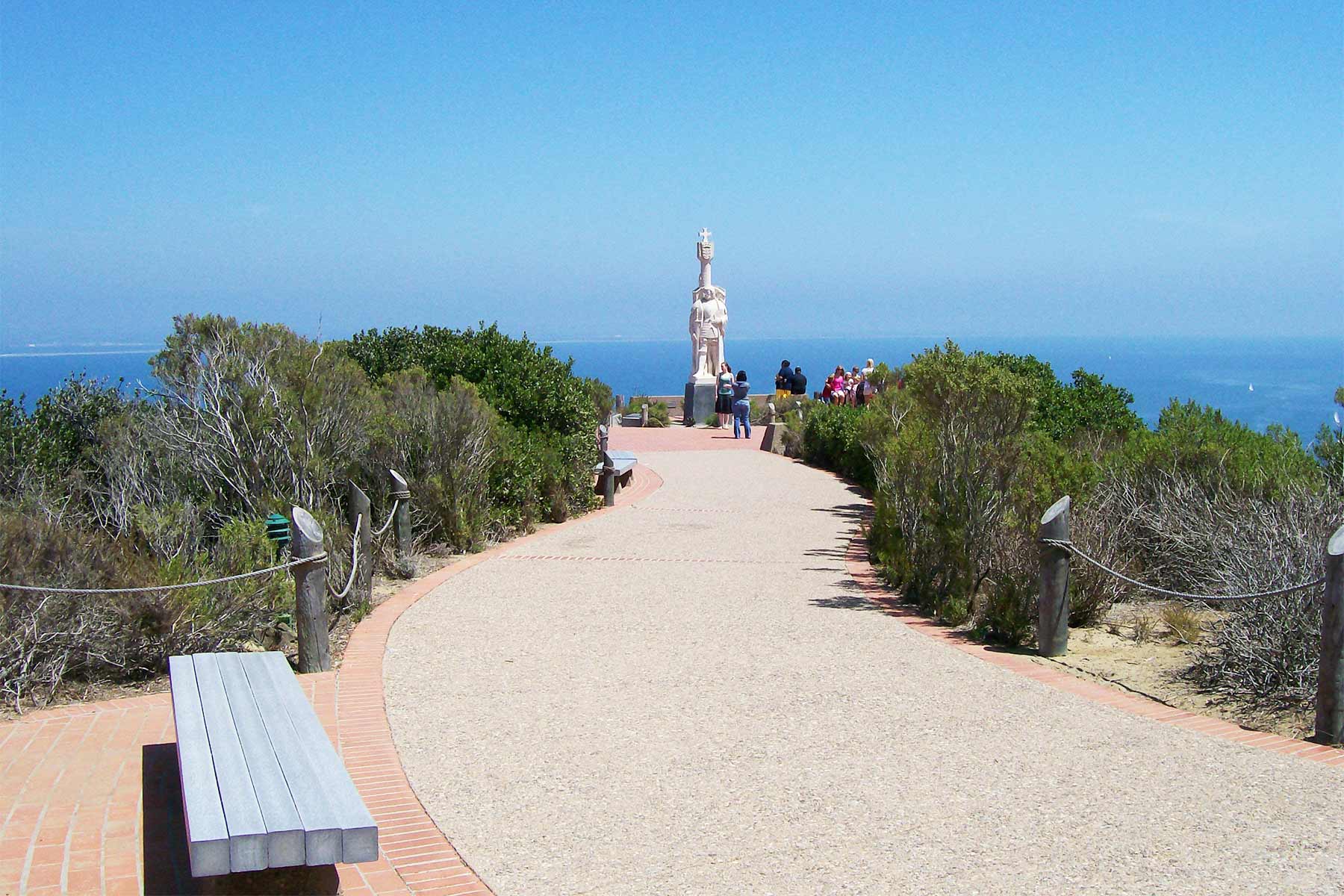
A 144-acre point in San Diego marking where Juan Rodriguez Cabrillo became the first European to land on the West Coast in 1542. The Old Point Loma Lighthouse, some of the best tidepools in Southern California, and a panoramic view of San Diego Bay make this a fine afternoon. It’s small, it’s easy, and it’s exactly what it promises. More in our guide to national parks near San Diego.
Worth watching. California gained two new national monuments in January 2025, Chuckwalla near Joshua Tree and Sattitla Highlands in the far north. Their long-term boundaries have been the subject of federal review since, so check current status before building a trip around either.
Planning a California National Parks Trip
When to Go
California’s parks run on opposite calendars. The Sierra parks, Yosemite, Sequoia, Kings Canyon, and Lassen, are summer and early fall parks, with high roads buried in snow from roughly November through May. The desert parks, Death Valley and Joshua Tree, are winter and spring parks that will actively try to hurt you in July. Redwood and Channel Islands work year-round, with the driest skies from late spring through fall.
If we had to pick one month for a statewide trip, it’s October. Sierra roads are usually still open, the deserts have cooled off, and the summer crowds are back at work.
Three Routes That Work
- The Sierra Loop (5 to 7 days). Yosemite, then south to Sequoia and Kings Canyon. About four hours of driving between them, covered in our Yosemite to Sequoia guide. June through October.
- The Desert Loop (4 to 6 days). Joshua Tree, then north through Mojave Trails country to Death Valley. November through March, when both parks are at their best and Carrizo Plain can be added in a bloom year.
- The North Coast Run (4 to 6 days). San Francisco to Redwood up Highway 101, returning inland through Lassen. Pairs beautifully with our Pacific Coast Highway road trip. Late spring through fall.
Fees and Reservations in 2026
No California park requires an entry reservation in 2026 after Yosemite dropped its system. Entrance fees run $30 to $35 per vehicle, and the $80 America the Beautiful annual pass pays for itself by the third park. Several parks, including Death Valley and Pinnacles, are cashless at the gate. International readers should know that Yosemite and Sequoia & Kings Canyon are among the parks now charging nonresidents an additional $100 per person, and the $250 nonresident annual pass beats that math fast on a multi-park trip.
Some things still need booking. Muir Woods parking, Half Dome permits, Channel Islands boats, and any summer campground worth sleeping in.
Why Listen to Us About the California Parks
We’ve spent our adult lives filming America’s national parks and public lands, including projects in all nine California parks, and we’ve worked with the National Park Service, the Department of the Interior, and the U.S. Forest Service. We scored each park on accessibility, recreation, crowds, amenities, and scenery. Scenery is subjective and we make no apology for it.

To see how California stacks up nationally, we ranked all 63 national parks with the same system, plus the best parks on the West Coast.
Join the Debate
We ranked Yosemite first and we know that starts arguments. Some of you will fight for Redwood or Death Valley, and a few contrarians will make the Lassen case. Tell us in the comments which California park belongs on top. We read every one.
California National Parks Map

Download this California National Parks Map as a JPG.
Helpful Related Articles
- All 63 National Parks Ranked
- Best West Coast National Parks
- California Landmarks Guide
- Best California Road Trips
- National Parks Near Los Angeles
- National Parks Near San Francisco
- Yosemite National Park Facts
- Sequoia National Park Facts
- Death Valley National Park Facts
- Joshua Tree National Park Facts


