
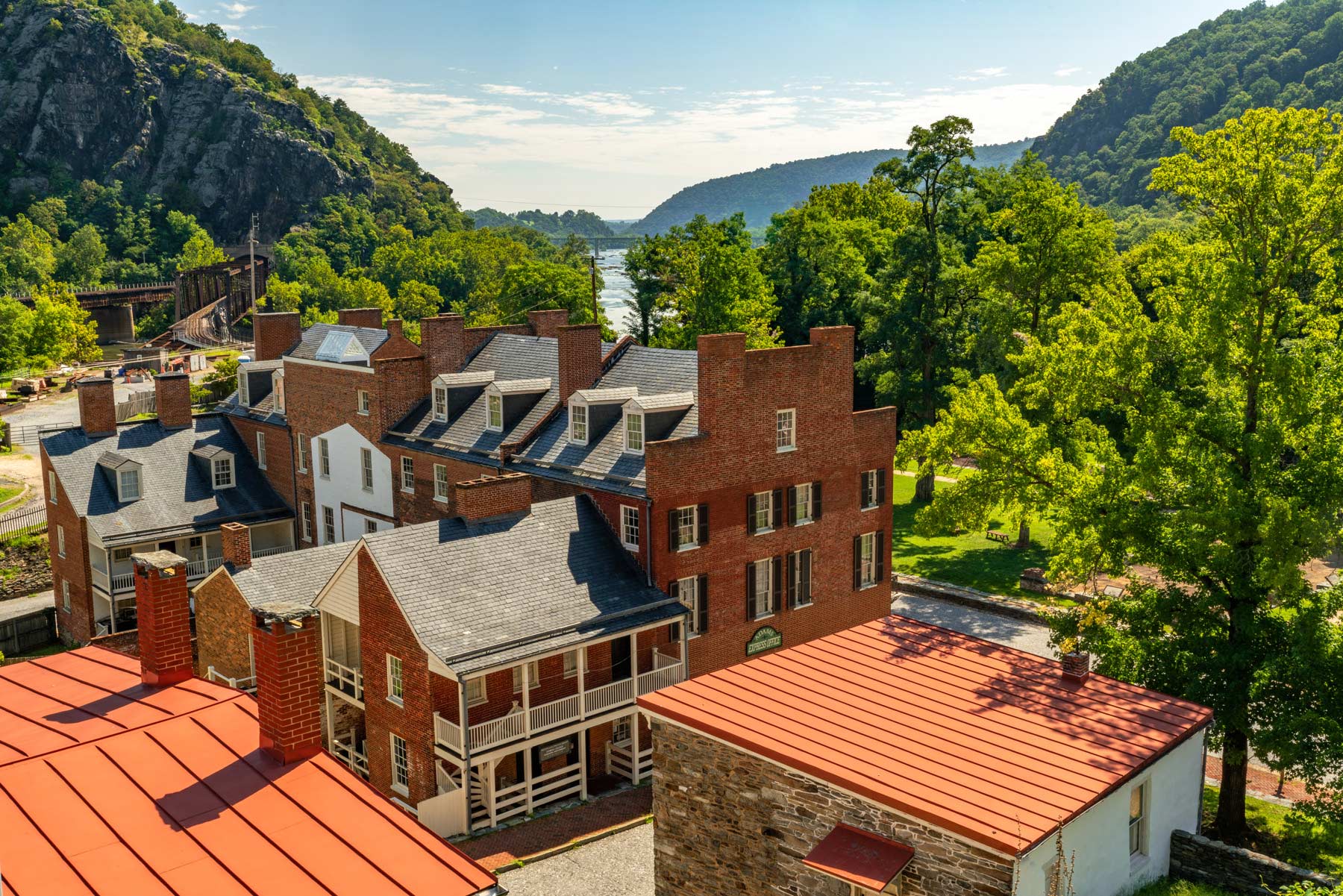


The short answer: there are 63 national parks in the United States as of 2026. The most recent addition is New River Gorge in West Virginia, redesignated from a national river to a national park on December 27, 2020. If you came here for a number you can trust, that is it: sixty-three parks carrying the full “national park” title.
The longer answer is where it gets interesting. Those 63 parks are only one slice of a much larger system. The National Park Service manages more than 400 individual sites in total, from battlefields and seashores to monuments and historic trails. So the honest response to “how many national parks are there?” depends entirely on whether you mean the 63 flagship parks or the whole protected family they belong to. We will cover both, with the exact counts, the newest additions, and why the totals you find online never seem to match.

How Many National Parks Are There? (The Numbers That Matter)
Here is the at-a-glance breakdown most people are actually looking for.
| Question | Answer (2026) |
|---|---|
| National parks (the full title) | 63 |
| Total National Park Service sites | 433 |
| Newest national park | New River Gorge, WV (Dec 27, 2020) |
| Largest national park | Wrangell–St. Elias, AK (8.3 million acres) |
| Smallest national park | Gateway Arch, MO (about 91 acres) |
| State with the most national parks | California (9) |
| States with zero national parks | 20 (including no national park in much of the Northeast) |
For the complete roster broken down by state, see our complete national parks list by state. If you want the parks ranked from biggest to smallest, our guide to national parks by size covers all 63.
117 public lands destinations are under threat. Get the free briefing that 27,000+ people use to stay informed and take action.
Why the Total Number Is So Confusing
If you have searched this question more than once, you have probably seen the total NPS number reported as 423, 425, 429, or 433. None of those are wrong. The count shifts for two simple reasons.
First, the National Park Service occasionally adds, renames, or reclassifies sites, so the total genuinely moves over time. Second, and more importantly, different sources count differently. Some lump a combined “national park and preserve” as one unit, while others count the park and the preserve separately. A few exclude affiliated areas or sites without permanent staff. The result is that the headline 63 national parks is rock solid, but the grand total of all NPS units is a moving target that depends on the counting method.
The figure we use, 433 total sites, reflects the National Park Service’s own running tally of areas in the system. When you see a slightly different number elsewhere, it is almost always a counting difference, not an error.
The Newest National Park Sites
New River Gorge in West Virginia is the newest full national park, established on December 27, 2020, when Congress redesignated the former New River Gorge National River. It protects one of the oldest rivers on the continent and some of the best whitewater and climbing in the East. You can read more on our New River Gorge guide.
Before New River Gorge, Indiana Dunes became a national park in 2019, redesignated from a national lakeshore. The pattern is worth noting: most recent “new” national parks are not newly protected land but existing NPS sites elevated to full national park status by an act of Congress. Several other sites, including Ocmulgee Mounds in Georgia, have been proposed for redesignation, but as of 2026 no bill has passed, so the count stays at 63.
The 63 National Parks: Designations Explained
The National Park Service uses more than 20 different titles for the places it manages. “National park” is just one of them, and it is reserved for areas of national significance with a wide variety of resources. Below is the full breakdown of NPS designation types, so you can see exactly where the 63 fit within the larger system. Counts are approximate because, as noted above, several sites are counted differently depending on the source.
National Parks (63)
The flagship designation, protecting outstanding natural landscapes from the Alaskan arctic to the Florida Everglades. Highlights include Yellowstone, Grand Canyon, Denali, and Everglades. See the full list of all 63.
National Monuments (about 87)
Areas with objects of historic or scientific interest, which a president can establish by proclamation under the Antiquities Act. This is the most numerous natural-feature designation in the system.
National Historic Sites (about 75)
Single locations preserving a place of national historical importance, often a single building or property.
National Historical Parks (about 64)
Larger or more complex historical areas than a single historic site, frequently spanning multiple buildings or districts.
National Memorials (about 31)
Sites that commemorate a historic person or event, which need not be located where the event occurred.
National Preserves (about 19)
Areas protected for their natural values where some resource uses, such as hunting or trapping, may be permitted. Many sit alongside national parks in Alaska.
National Recreation Areas (about 18)
Lands and waters set aside for recreation, often around large reservoirs or near major cities.
National Battlefields, Battlefield Parks, Battlefield Sites, and Military Parks (about 25 combined)
Several related designations that preserve sites of American military history, from the Revolution through the Civil War. Gettysburg, a national military park, is one of the most visited.
National Seashores (10) and National Lakeshores (3)
Protected coastlines along the ocean and the Great Lakes, preserving beaches, dunes, and shoreline habitat.
National Rivers, Wild and Scenic Riverways (about 14 combined)
Free-flowing rivers and their corridors protected for their scenic, recreational, and ecological value.
National Parkways (4) and National Scenic Trails (about 6)
Roads and long-distance footpaths managed for their scenery and access, including the Blue Ridge Parkway and the Appalachian National Scenic Trail.
National Reserves (2) and Other Sites
A handful of remaining designations, including affiliated areas and sites without a more specific title, round out the system to its total of more than 400 units.
Quick Facts About the 63 National Parks
- Largest: Wrangell–St. Elias in Alaska, at roughly 8.3 million acres, is larger than nine U.S. states.
- Second largest: Gates of the Arctic, also in Alaska, at about 7.5 million acres.
- Smallest: Gateway Arch in St. Louis, at about 91 acres.
- Most visited: Great Smoky Mountains, which draws more than twice the visitors of any other park.
- Most parks in one state: California, with 9, followed by Alaska with 8 and Utah with 5.
- Eight Alaska parks account for more than half of all national park acreage in the country.
So, How Many National Parks Should You Say?
If someone asks you how many national parks there are, the cleanest answer is this: 63 national parks, within a National Park Service system of more than 400 total sites. That single sentence is accurate, it acknowledges the nuance, and it will hold up no matter which source the other person checked.
Ready to start working through the list? Begin with our complete national parks list by state, or browse all of our park guides and films on the More Than Just Parks explore page.


