


Yosemite is the park other parks get measured against. Nearly 1,200 square miles of granite, waterfalls, and sequoias, and around 4 million folks a year trying to see it all from the same six parking lots.
We’ve filmed here across every season, and the honest truth is that most folks spend their whole trip in a seven-square-mile valley while 95% of the park sits empty. This list covers the 20 things actually worth your time, the famous ones done right and the ones the crowds skip.
2026 Update: Yosemite dropped its day-use reservation system for 2026. Anyone can drive in, any day. The catch showed up immediately. Over Memorial Day weekend, entry waits ran past 90 minutes and one visitor told the Deseret News the entire park was out of parking by 7:30 AM. Arrive before 8 AM or after 3 PM in summer, and text “ynptraffic” to 333111 for real-time traffic conditions. Tioga Road opened May 15 this year (the park calls it the earliest opening in 16 years) and Glacier Point Road opened May 9. Full details in our Yosemite reservations guide.
- Entrance fee: $35 per vehicle, good for 7 days. Non-US residents 16 and older pay an additional $100 non-resident surcharge in 2026, waived for America the Beautiful pass holders.
- Gear: Our favorite Yosemite guidebook, National Geographic map, and reef-safe sunscreen.
- Best time to visit: May for waterfalls, September and October for sanity. Summer is beautiful and terribly crowded, with wildfire smoke a recurring August risk. More seasonal planning on our Yosemite hub.
- Book ahead: Lodging opens 366 days out. Campgrounds release in one-month blocks on the 15th of each month at 7 AM Pacific on recreation.gov. Summer dates evaporate in minutes.
Planning a trip to Yosemite but haven’t decided where to stay? Here’s our favorite place to stay near the park.
Love Yosemite? It's one of 117 threatened public lands destinations we're tracking. Get the free briefing.
Live layers
The 20 Best Things to Do in Yosemite Compared
| Thing to Do | Type | Time Needed | Reservation / Permit |
|---|---|---|---|
| 1. Tunnel View | Viewpoint | 15-30 min | None |
| 2. Yosemite Falls | Waterfall | 1-2 hrs | None |
| 3. Glacier Point | Viewpoint | Half day with drive | None (road open roughly May-Oct) |
| 4. Mist Trail | Strenuous hike | 3-6 hrs | None |
| 5. El Capitan | Granite icon | 30-60 min | None to watch |
| 6. Half Dome | Extreme hike | 10-14 hrs | Permit lottery, $10 + $10/person |
| 7. Mariposa Grove | Giant sequoias | 2-4 hrs | None |
| 8. Tuolumne Meadows | High country | Half day | None (Tioga Road seasonal) |
| 9. Tioga Road | Scenic drive | 2-3 hrs | None (opened May 15 in 2026) |
| 10. Cathedral Lakes | Moderate hike | 4-6 hrs | None for day hikes |
| 11. Bridalveil Fall | Waterfall | 30-60 min | None |
| 12. Horsetail Fall (Firefall) | Seasonal event | Evening, mid-late Feb | None in 2026 |
| 13. Valley View | Photo spot | 15-30 min | None |
| 14. Mirror Lake | Easy hike | 1-2 hrs | None |
| 15. The Ahwahnee | Historic hotel | 30-60 min (or a splurge night) | Rooms book far out |
| 16. Camp in the Valley | Camping | Overnight | Reservation, 15th of month at 7 AM PT |
| 17. Hetch Hetchy | Quiet valley | Half day | None (day-use hours) |
| 18. Wapama Falls | Moderate hike | 2-4 hrs | None |
| 19. Taft Point & Sentinel Dome | Short hikes | 2-3 hrs | None (Glacier Point Road) |
| 20. Olmsted Point | Viewpoint | 15-30 min | None (Tioga Road seasonal) |
If You Only Do One Thing: Tunnel View at sunset. It costs nothing, requires no hiking, and it’s the single image that explains why Yosemite exists as a park. If you have a full day, add the Mist Trail in the morning.
1. Tunnel View

One pullout, the whole park. El Capitan on the left, Bridalveil Fall on the right, Half Dome dead center down the valley. Ansel Adams shot here. So has everyone since, and the view still wins.
The light matters more here than almost anywhere we shoot. Sunset throws warm light up the valley and onto El Capitan’s face. After a clearing winter storm, when fog peels off the walls in layers, this is arguably the best view in any national park. Midday it’s still great, just flatter and busier.
Logistics: Two parking lots right at the viewpoint, both small. Arrive 45 minutes before sunset to get a spot, then stay 20 minutes after the sun drops. The crowd leaves early and the best color shows up late.
2. Yosemite Falls

At 2,425 feet across its three tiers, Yosemite Falls is the tallest waterfall in North America. The Lower Yosemite Fall Trail is a flat 1-mile paved loop to the base, where May snowmelt throws enough spray to soak you from a hundred feet away. Kids love this. So do we.
Timing is everything with this waterfall. Peak flow hits in May, and by late summer the falls frequently dry up entirely. If you’re here in spring, come back at night during a full moon. Lunar rainbows (moonbows) form in the spray, and photographing one is a Yosemite rite of passage.
Strong hikers can take the Upper Yosemite Fall Trail, a relentless 7.2 miles round trip with about 2,700 feet of gain to the brink. It’s one of the park’s oldest trails and earns every step. More options in our 20 best hikes in Yosemite.
3. Glacier Point

Glacier Point hangs 3,200 feet above the Valley floor and faces Half Dome at eye level. From the railing you see Vernal and Nevada Falls stacked in their granite staircase, Clouds Rest behind Half Dome, and the high country rolling east. It’s the one place where the scale of Yosemite actually computes.
John Muir called this country the grandest temple on earth, and he was standing in roughly this spot when the argument became unanswerable.
Logistics: Glacier Point Road opened May 9 in 2026 and typically closes with the first big snows in fall. The lot fills midday in summer, so go for sunset and linger for stars. The drive back down in the dark is slow and worth it.
4. Hike the Mist Trail
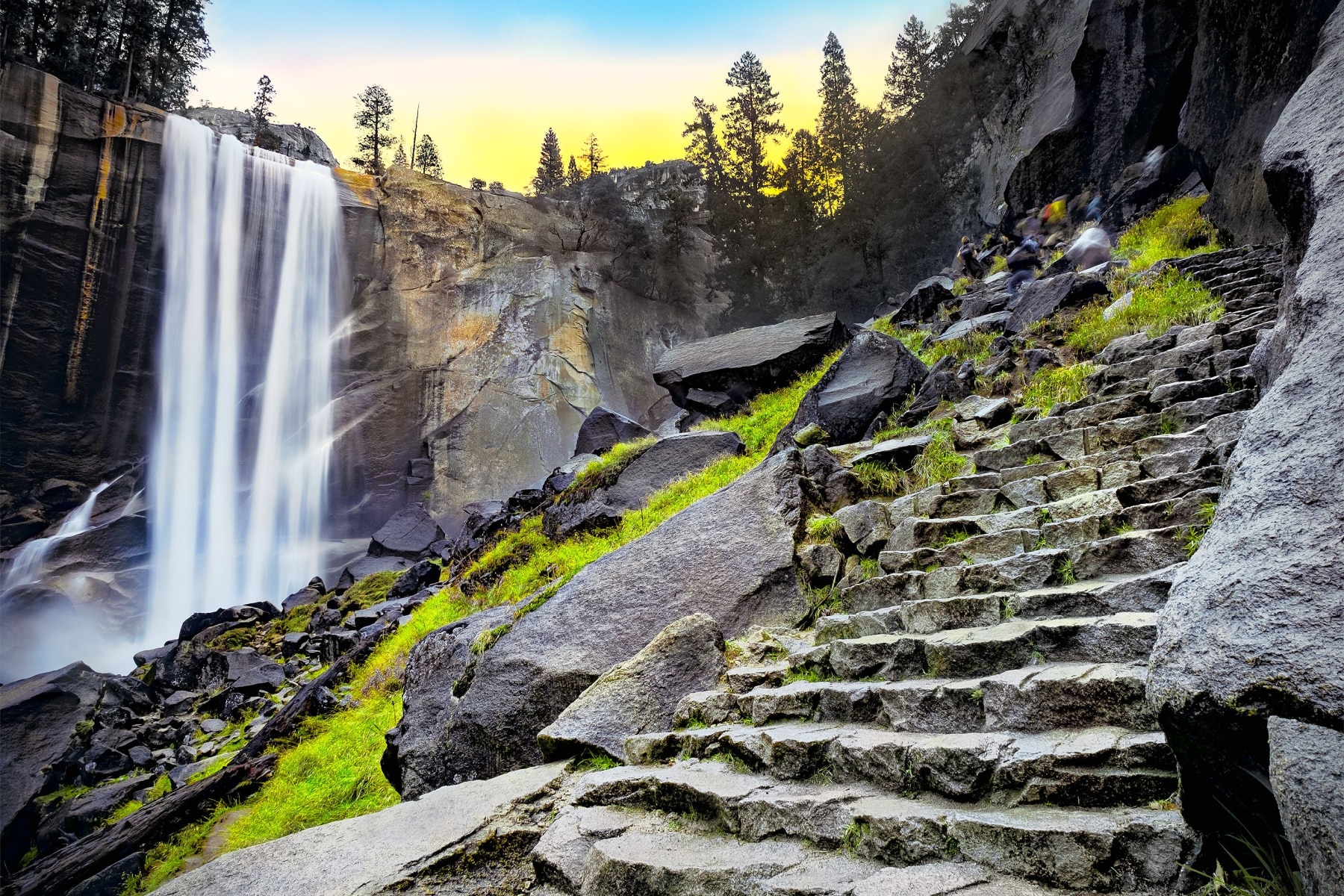
Mist Trail to Vernal and Nevada Falls
The best day hike in Yosemite, and we don’t say that lightly. The Mist Trail climbs granite steps directly beside Vernal Fall, close enough that in spring the trail itself is inside the waterfall’s spray. You will get soaked. That’s the point.
Most folks turn around at the top of Vernal Fall, about 2.4 miles round trip with 1,000 feet of climbing. The stronger move continues to the top of 594-foot Nevada Fall and loops back on the John Muir Trail, roughly 6.5 miles round trip and 2,000 feet of gain, with a back-side view of Half Dome on the descent.
Logistics: Start before 7 AM or this trail becomes a conga line. Bring a rain shell in spring, grippy shoes year-round, and respect the railings near the falls. The granite is slicker than it looks and the water is unforgiving.
5. El Capitan

El Capitan is roughly 3,000 feet of unbroken granite, the largest exposed monolith of its kind anywhere, and the center of the rock climbing universe. Park at El Capitan Meadow, lie back in the grass, and scan the wall with binoculars. Those specks moving impossibly slowly are climbers spending three to five days on the face.
At dusk their headlamps switch on and the wall becomes a vertical constellation. If you saw Free Solo, this is where Alex Honnold did the unthinkable. Standing under it recalibrates your sense of what big means.
6. Half Dome (If You Win the Lottery)

Half Dome via the Mist Trail
Permit RequiredThe most coveted day hike in America. The final 400 feet climb the dome’s bare granite shoulder on a pair of steel cables, and the summit view, 4,800 feet above the Valley floor, is the one you’ve seen on every Yosemite poster.
Permits are required whenever the cables are up, and they go by lottery on recreation.gov. The preseason lottery runs March 1-31 with results in mid-April. A daily lottery opens two days before each hiking date, from midnight to 4 PM Pacific. It costs $10 to apply plus $10 per person if you win. About 225 day-hiker permits exist per day. The cables typically go up in late May, and in 2026 they went up May 15, the same day Tioga Road opened, per the park’s announcement. They come down the day after the second Monday in October.
Our honest take, and we’ve written a whole piece on this. Half Dome is a trophy hike with a long approach, real exposure, and a crowd attached to the cables. Clouds Rest stands 1,000 feet higher, needs no permit, and looks down on Half Dome itself. If you miss the lottery, you’re not missing the best view in the park. Full details in our Half Dome hiking guide.
7. Walk Among Giant Sequoias

Mariposa Grove holds about 500 mature giant sequoias, including the Grizzly Giant, a tree pushing 3,000 years old. The lower loop to the Grizzly Giant and the California Tunnel Tree runs about 2 miles round trip on accessible trail. Push deeper to the Bachelor and Three Graces, the Clothespin Tree, and eventually Wawona Point, and the crowds thin with every switchback.
This grove is the reason Yosemite exists at all. Abraham Lincoln signed the Yosemite Grant in 1864 specifically to protect Mariposa Grove and the Valley, the first time the federal government preserved land for the public. You’re walking through the founding document of the entire park idea.
Logistics: Park at the Mariposa Grove Welcome Plaza and ride the free shuttle to the trailhead when it’s running. If the Mariposa lot is chaos, the smaller Tuolumne Grove off Crane Flat delivers two dozen sequoias and a walk-through tunnel tree with half the company.
8. Tuolumne Meadows

At about 8,600 feet, Tuolumne Meadows is the largest subalpine meadow in the Sierra, a sweep of grass and wandering river ringed by granite domes. It’s everything the Valley is, minus the traffic. July wildflowers here are the best in the park.
Walk the flat path out to Soda Springs, where naturally carbonated water bubbles out of the ground (look, don’t drink), and poke your head into the century-old Parsons Memorial Lodge. The short, steep scramble up Lembert Dome at the meadow’s east end gives you the whole scene from above.
The evening light show here is criminally underattended. While a thousand tripods point at Tunnel View, golden hour rakes across the meadow grass and lights the Cathedral Range, and you’ll share it with a dozen people.
9. Drive Tioga Road
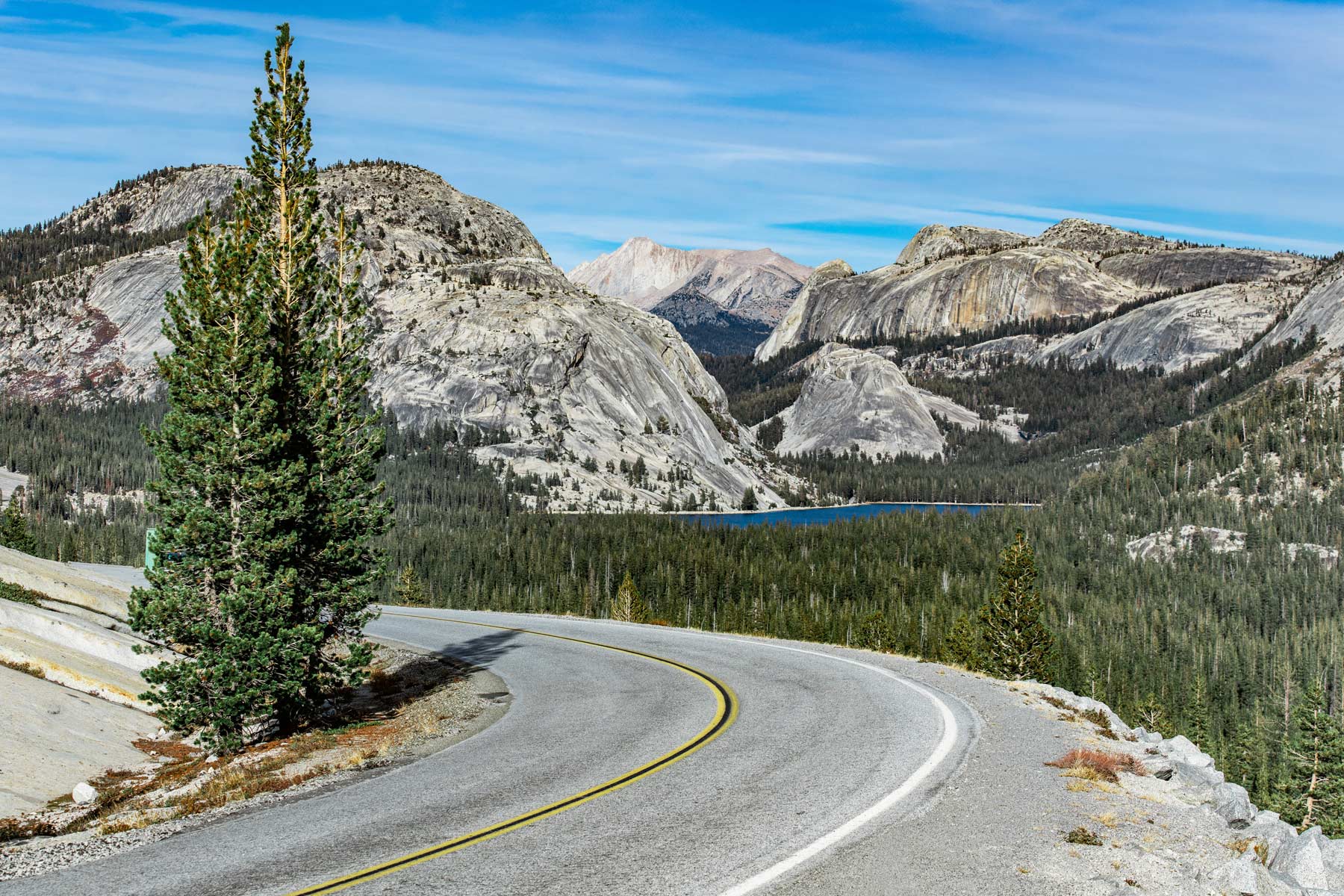
The 46-mile Tioga Road is the highest highway crossing in the Sierra, topping out at 9,943-foot Tioga Pass, and it belongs on any list of America’s great drives. Granite domes, alpine lakes, and high meadows scroll past the windshield for an hour straight.
The road is seasonal. In 2026 it opened May 15, which the park called its earliest opening in 16 years, and it typically closes with the first big storms in November. Mandatory stops, in order: Olmsted Point, Tenaya Lake (the high country’s best swim on a hot day, if you can take the cold), and Tuolumne Meadows.
Heading east out of the park? The descent to Mono Lake drops 3,000 feet past Tioga Pass, and it pairs with our Yosemite to Sequoia road trip guide for a bigger Sierra loop.
10. Cathedral Lakes Trail
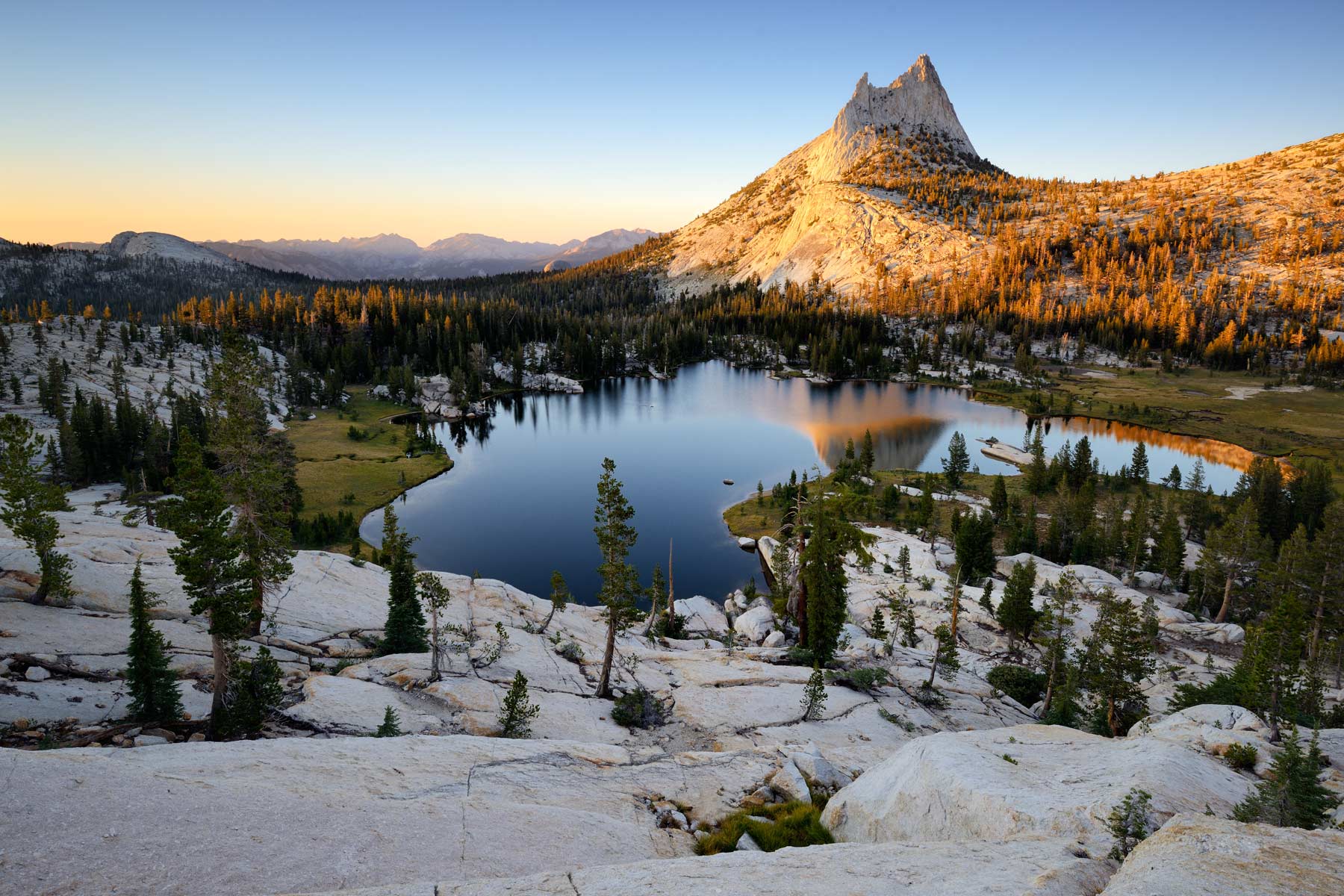
Cathedral Lakes
The best moderate hike in the high country. From Tioga Road the trail climbs steadily through lodgepole forest before breaking out at the lakes, where the granite spire of Cathedral Peak stands over its own reflection. This is the postcard the high country was made for.
Lower Cathedral Lake (the side spur) has the bigger, more photogenic basin. Upper Cathedral Lake sits right on the John Muir Trail and is quieter. Do both if your legs allow. Afternoon light on Cathedral Peak from the lower lake’s west shore is the shot.
Logistics: No permit for day hikes. Parking at the trailhead is a roadside scrum, so arrive early. The season is short, roughly June through October depending on snow, and mosquitoes own July at the lakes. Bring repellent or donate blood.
11. Bridalveil Fall

Bridalveil is usually the first waterfall you see in Yosemite, hanging 620 feet off the Valley’s south wall as you arrive. The Ahwahneechee called it Pohono, and wind constantly swings the falling water sideways, which is how it earned the bridal veil name.
The walk from the parking area to the base is about half a mile round trip, rebuilt and improved during the restoration that wrapped in 2023. In spring it gushes hard enough to soak the viewing area. Unlike its taller neighbor across the Valley, Bridalveil keeps flowing all year, so it’s the reliable waterfall for late-summer visits.
12. Horsetail Fall and the Firefall

For about two weeks every February, the setting sun lines up with Horsetail Fall, a thin seasonal ribbon on El Capitan’s east face, and lights it up like flowing lava. This is the Firefall, and when the conditions cooperate it’s the most surreal ten minutes in the park.
Three things have to align. The fall needs water (it needs recent rain or snowmelt), the western sky needs to be clear at sunset, and you need to be standing in the right spot along Northside Drive. The 2026 window ran roughly February 11-26, with the light hitting in the final minutes before sunset. With no park reservations in 2026, the viewing areas were managed with directed parking and a walk-in.
Our complete Yosemite Firefall guide covers the dates, the physics, and exactly where to stand. Outside February, Horsetail is a quiet trickle most folks drive past without noticing, which makes the whole thing better.
13. Valley View
Tunnel View shows you Yosemite from a balcony. Valley View shows it to you from the floor, with the Merced River in the foreground, El Capitan towering left, and Bridalveil falling right. On calm mornings the river goes glassy and doubles the whole scene.
It’s a small unmarked-feeling pullout on Northside Drive as you leave the Valley, and plenty of folks blow past it. Photographers rate it above Tunnel View for sunset because the warm light lands on El Capitan while the river picks up the sky. Easy to combine with an evening loop out of the Valley.
14. Mirror Lake

Mirror Lake is really a wide, calm stretch of Tenaya Creek that fills with snowmelt each spring and reflects Half Dome and Mount Watkins like polished glass. Catch it in April, May, or June on a still morning and it’s one of the best photographs in the Valley. By August it’s often a sandy meadow, and the name becomes a small joke the park plays on latecomers.
The walk in from shuttle stop 17 is a gentle 2 miles round trip on pavement, one of the easiest outings in the park and a good one for kids. Go early. Still air makes the mirror, and the morning crowd is a fraction of midday’s.
15. The Ahwahnee
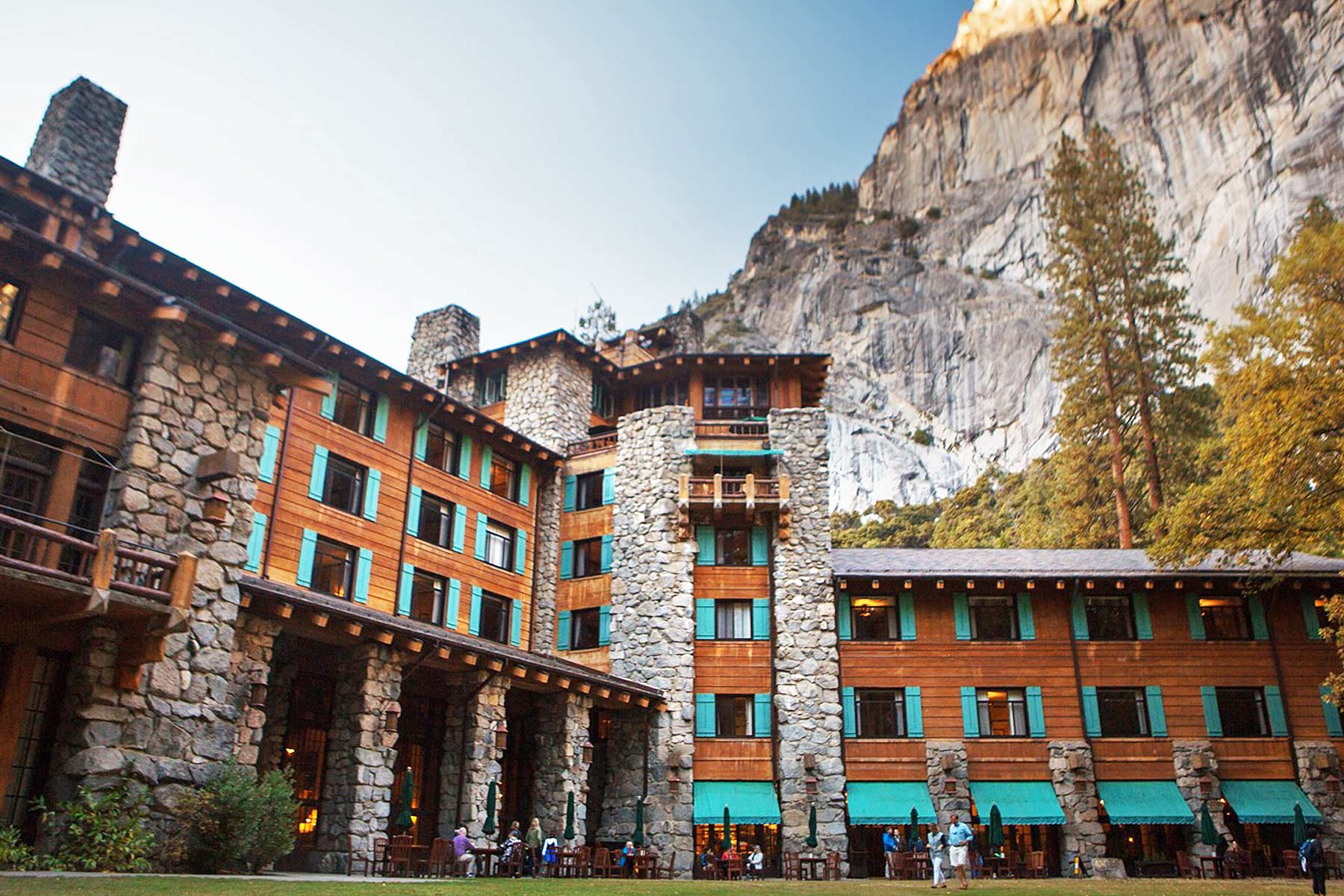
The Ahwahnee is the most famous hotel in the park system, host to queens and presidents since 1927. It was NPS Director Stephen Mather’s idea, first-class hotels for first-class parks, and the granite-and-timber result still looks like it grew out of the Valley floor.
Rooms are expensive and book far in advance, but the public spaces are free. Walk into the Great Lounge, all stained glass and massive fireplaces, and the 34-foot-tall beamed dining room. A drink at the bar is the affordable way to buy an hour inside the building. Off-season weeknights are your best shot at a room without a flinch-inducing rate.
16. Camp in the Valley

Waking up on the Valley floor, with granite walls going pink before the day-trippers arrive, is the full Yosemite experience. The Pines campgrounds (Upper, Lower, and North) put you walking distance from the Mist Trail and the river beaches.
Here’s the honest part. Valley campsites are among the hardest reservations in America. They release in one-month blocks on the 15th of each month at 7 AM Pacific on recreation.gov, and summer dates go in minutes. Set an alarm, log in early, have backup dates ready. All park campgrounds are open and reservable for summer 2026.
Camp 4, the historic walk-in camp where modern rock climbing was invented, sits across the Valley and runs on its own reservation system in peak season. Wherever you land, use the bear boxes. Yosemite’s black bears can open a car like a bag of chips.
17. Hetch Hetchy

Hetch Hetchy was a second Yosemite Valley until 1913, when Congress and President Wilson approved damming it as a reservoir for San Francisco. John Muir fought the dam to the end of his life and lost, and the fight he lost helped launch the modern conservation movement.
Dam Hetch Hetchy! As well dam for water-tanks the people’s cathedrals and churches, for no holier temple has ever been consecrated by the heart of man.
John Muir, 1912
What remains is still spectacular. Granite walls rise straight from the water, waterfalls pour off them in spring, and the crowds that pack the Valley simply do not come here. Walking across O’Shaughnessy Dam, reading the plaques, and looking up that drowned valley is the most thought-provoking half day in the park.
18. Hike to Wapama Falls

Wapama Falls
The best hike at Hetch Hetchy starts by crossing the dam and passing through a rock tunnel, then rolls along the reservoir’s north shore to the footbridges directly beneath Wapama Falls. In peak spring flow the falls pound the bridges hard enough that the park closes them, which tells you what you’re walking into.
It’s about 5 miles round trip with rolling ups and downs, never brutal, and you’ll pass seasonal Tueeulala Falls along the way. Spring wildflowers on this trail are excellent, and this corner of the park gets hot early, so it’s a spring and fall hike more than a July one. Carry water either way.
19. Taft Point and Sentinel Dome
One parking lot on Glacier Point Road serves two of the best short hikes in the park, each about 2.2 miles round trip. Taft Point walks you to an unfenced rim 3,500 feet above the Valley, past deep fissures sliced into the granite, with a profile view of El Capitan across the void. It’s where photographers go when Glacier Point feels too tame, and it demands respect near the edge.
Sentinel Dome, the other direction, is an easy walk to a bare granite summit with a full 360-degree panorama, Half Dome to the high country to the Valley below. It’s the view from Glacier Point with elbow room. Do Sentinel Dome in late afternoon, then catch sunset at Taft Point on the way back.
20. Olmsted Point
Olmsted Point is the Tioga Road pullout that makes everyone slam the brakes. The view runs straight down Tenaya Canyon to Half Dome seen from behind, with Clouds Rest looming above it, all framed by glacier-polished granite and erratic boulders dropped exactly where the ice left them.
A short quarter-mile trail drops from the parking area to the better, quieter overlook below. Sunset here lights Half Dome and Clouds Rest in alpenglow with maybe a tenth of the Tunnel View crowd. It’s also where you’ll stare at Clouds Rest and start talking yourself into hiking it. We endorse this decision.
Enter through the Arch Rock Entrance (CA-140) for the best first impression. The road follows the Merced River through a narrow canyon before dumping you into the Valley with El Capitan and Bridalveil Fall right in front of you. It is the single best arrival in the national park system.
Sample 2-Day Itinerary
The compressed version. Our full Yosemite itinerary guide covers 1 to 5 days with lodging and season-by-season adjustments.
Day 1, The Valley
- Enter before 8 AM. Park once (Yosemite Village or Curry Village) and use the free shuttle all day.
- Morning: Mist Trail to the top of Vernal Fall, continuing to Nevada Fall if your legs vote yes.
- Afternoon: Lower Yosemite Fall, El Capitan Meadow with binoculars, and a stop at The Ahwahnee.
- Evening: Sunset at Tunnel View or Valley View, whichever has parking left.
Day 2, Go High
- Summer: Drive Tioga Road with stops at Olmsted Point and Tenaya Lake, hike Cathedral Lakes or walk Tuolumne Meadows, and exit over Tioga Pass or double back.
- If Tioga is closed: Glacier Point, then Taft Point and Sentinel Dome, then Mariposa Grove on the way out the south entrance.
- Either way, end with sunset somewhere high. You’ve earned it.
Skip the Valley on summer weekends if you can. With no reservation system in 2026, Saturdays are the new rush hour, and Valley parking has been gone by mid-morning on busy weekends. Spend weekends in Tuolumne Meadows or Hetch Hetchy and save the Valley for a Tuesday.
All 20, Ranked
The whole list one more time, in the order we’d do them. Screenshot it and go.
- Tunnel View
- Yosemite Falls
- Glacier Point
- Mist Trail
- El Capitan
- Half Dome
- Mariposa Grove
- Tuolumne Meadows
- Tioga Road
- Cathedral Lakes Trail
- Bridalveil Fall
- Horsetail Fall (Firefall)
- Valley View
- Mirror Lake
- The Ahwahnee
- Camp in the Valley
- Hetch Hetchy
- Wapama Falls
- Taft Point & Sentinel Dome
- Olmsted Point
The top things to do in Yosemite are Tunnel View, Yosemite Falls, Glacier Point, the Mist Trail, and El Capitan. In summer, add Tioga Road and Tuolumne Meadows.
No. Yosemite dropped its day-use reservation system for 2026. Expect long entrance lines and full parking lots on summer mornings, so arrive before 8 AM or after 3 PM.
One full day covers the Valley highlights. Three days lets you add Glacier Point, Mariposa Grove, and the Tioga Road high country without rushing.
May is the best month overall, with peak waterfalls and manageable crowds. September and October trade waterfalls for quiet trails and stable weather.
Why Listen to Us About Yosemite?
We’re Will and Jim Pattiz, the Parks Brothers. We’ve spent our adult lives filming America’s national parks, Yosemite among them in every season, and we’ve worked with the National Park Service, the Department of Interior, and the U.S. Forest Service creating films on important places and issues. This list comes from repeat trips on these specific trails and overlooks, cross-checked against current NPS data.

More Helpful Yosemite Articles
Yosemite Itinerary: Yosemite Itinerary, 1 to 5 Day Planning Guide
Best Hikes in Yosemite: 20 Best Hikes in Yosemite National Park
Reservations: Yosemite Reservations in 2026, Simplified
Clouds Rest: Hike Clouds Rest in Yosemite, Not Half Dome
Half Dome: The Half Dome Hike, An Honest Guide
The Firefall: The Yosemite Firefall in 2026
Yosemite in Fall: Visiting Yosemite in the Fall
Yosemite in May: Yosemite in May, The Best Month Nobody Talks About
Yosemite Facts: 16 Yosemite National Park Facts
Park Hub: Our Yosemite National Park hub
Explore More of California
Yosemite to Sequoia: Yosemite to Sequoia National Park Road Trip
Things to Do Death Valley: 25 Things to Do in Death Valley National Park
Things to Do Joshua Tree: Things to Do in Joshua Tree National Park
Things to Do Pinnacles: Things to Do in Pinnacles National Park
California National Parks: A Guide to California’s National Parks
Affiliate disclosure: Some links on this page earn us a small commission at no extra cost to you. We only recommend gear we actually use.


