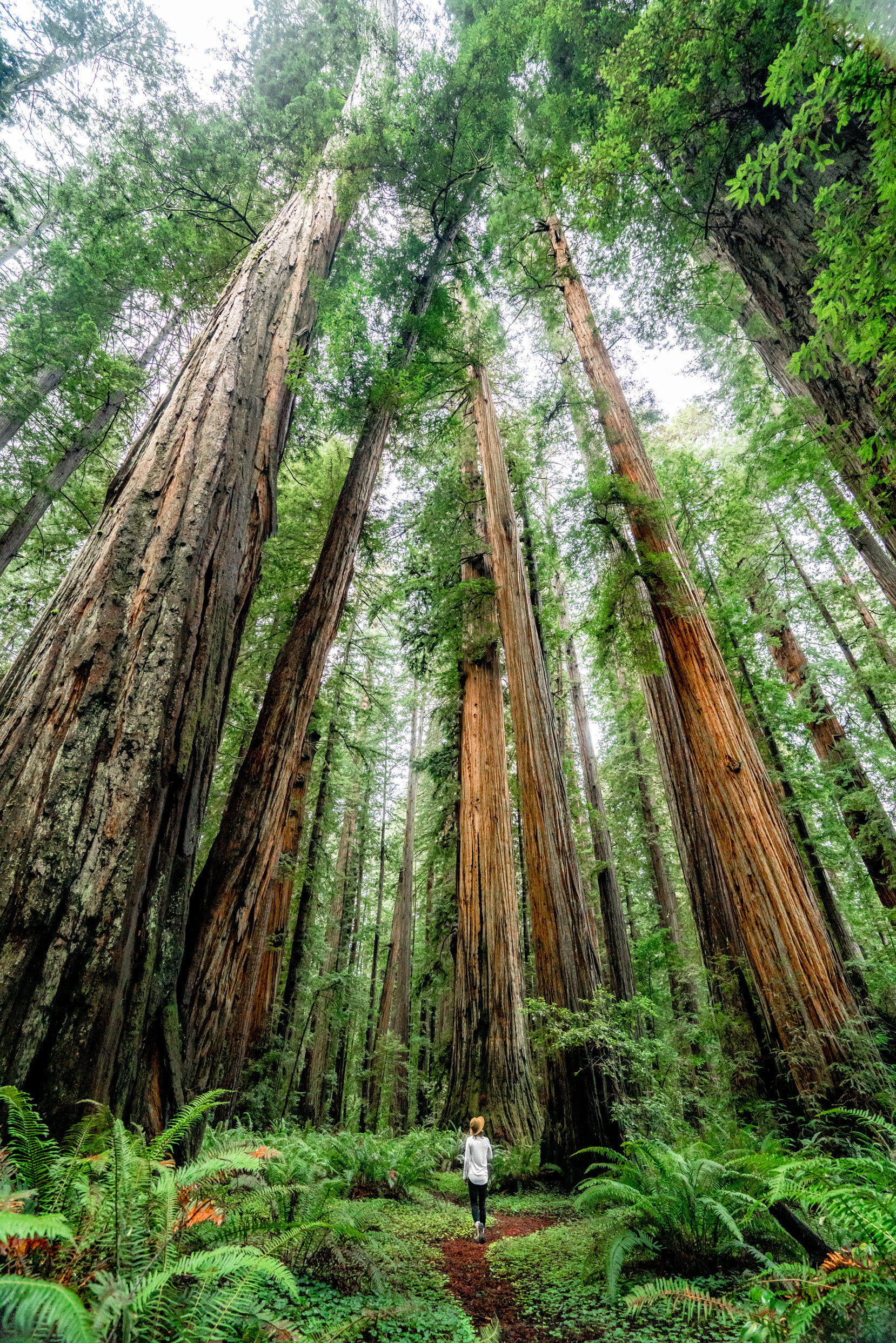


Standing under a 350-foot coast redwood is one of those experiences that recalibrates your sense of scale. My brother Will and I spent weeks filming in Redwood National and State Parks, and the place never stopped humbling us. These are the tallest trees on Earth, and the parks protect not just the groves but a wild stretch of Northern California coast, fern canyons, elk prairies, and old logging roads turned trails.
One thing to know up front: this is a partnership of one national park and three state parks managed together, so a few areas have their own fees and permits. Here is my honest, ranked list of the best things to do in Redwood National Park, with the logistics that actually matter.

For lodging, maps, and how to plan a full trip, see our complete Redwood National Park guide.
Things to Do at a Glance
| Activity | Type | Time Needed | Permit or Fee |
|---|---|---|---|
| Fern Canyon | Hike | 1 to 2 hours | Permit May 15 to Sept 15, $12 day-use |
| Tall Trees Grove | Hike | Half day | Free reservation required |
| Lady Bird Johnson Grove | Easy loop | 1 hour | None |
| Stout Memorial Grove | Easy loop | 45 minutes | None |
| Newton B. Drury Scenic Parkway | Scenic drive | 1 to 2 hours | None |
| Gold Bluffs Beach | Beach | Half day | Permit May 15 to Sept 15, $12 day-use |
1. Walk Through Fern Canyon

Fern Canyon is the one image people remember from these parks: 50-foot walls draped in seven kinds of ferns, with a shallow creek running down the floor. It famously stood in for a prehistoric jungle in a Jurassic Park film, and walking it in person lives up to the hype.
Love Redwood? It's one of 117 threatened public lands destinations we're tracking. Get the free briefing.
- Distance and difficulty: A roughly 1-mile loop, easy, with creek crossings. You will get your feet wet, so wear shoes you do not mind soaking.
- Permit: From May 15 to September 15, you need a day-use reservation for the Gold Bluffs Beach area, which includes the Fern Canyon trailhead. Book it ahead on recreation.gov. There is also a $12 day-use fee collected at the kiosk, cash or check only.
- Access: The final stretch is a narrow, unpaved road that is not suited to large RVs or trailers.
2. Hike to Tall Trees Grove

Tall Trees Grove holds some of the tallest trees on the planet, and the limited-access policy keeps it quiet in a way few groves manage. This is my pick for the most rewarding hike in the park, partly because the reservation system thins the crowds.
- Distance and difficulty: About 4 miles round trip with a steep climb back out of the grove. Plan a half day and bring water.
- Permit: A free reservation is required to access the small trailhead parking area. Reserve in advance, since the daily quota is small.
3. Stroll the Lady Bird Johnson Grove
If you only have time for one easy walk, make it this one. The Lady Bird Johnson Grove is an old-growth loop at elevation, where the trees rise out of coastal fog and the forest feels primeval. It is the grove where the parks were formally dedicated in 1968.
- Distance and difficulty: About a 1.4-mile loop, easy and mostly level, around 1 hour.
- Best time of day: Morning fog makes the light here worth setting an alarm for.
4. Drive the Newton B. Drury Scenic Parkway

This 10-mile alternative to Highway 101 runs straight through old-growth forest in Prairie Creek Redwoods State Park, with pullouts and short trails the whole way. It is the easiest way to feel surrounded by giants without leaving your car, and you can stitch in walks like Big Tree Wayside as you go.
- Time: Allow 1 to 2 hours with stops.
- Tip: Drive it slowly and pull over often. The best trees are not always at the marked stops.
5. Watch Roosevelt Elk at Elk Prairie

Large herds of Roosevelt elk graze the meadows at Elk Prairie and along Davison Road near Gold Bluffs Beach. Seeing bulls with full racks against the forest edge is a highlight of any visit. Keep a safe distance, especially during the fall rut when bulls are aggressive.
- Best time of day: Dawn and dusk for the most activity.
- Safety: Stay at least 50 yards back and never get between elk and their calves.
6. Explore Stout Memorial Grove
Tucked into Jedediah Smith Redwoods State Park in the north, Stout Grove packs some of the most photogenic old growth into a short, flat loop on the bank of the Smith River. The openness of the understory here makes the trees feel even taller.
- Distance and difficulty: About a 0.6-mile loop, easy, around 45 minutes.
- Access: The approach on Howland Hill Road is gravel and narrow but passable for most cars in dry conditions.
7. Drive Howland Hill Road
This unpaved back road threads through dense old growth in Jedediah Smith Redwoods and is one of the most immersive drives in the park system. It is slow going, but the trees crowd right up to the road, and it connects to trailheads like Boy Scout Tree Trail.
- Access: Narrow gravel, not suitable for RVs or trailers. Check conditions in winter when it can wash out.
8. Hike the Boy Scout Tree Trail
For a quieter, deep-forest hike, the Boy Scout Tree Trail off Howland Hill Road is hard to beat. It winds through old growth to a hidden waterfall, and you will likely have long stretches to yourself.
- Distance and difficulty: About 5.3 miles round trip, moderate. Plan 3 hours.
9. Spend Time at Gold Bluffs Beach
This wild, windswept beach below tall bluffs is where forest meets the Pacific, and elk sometimes wander right onto the sand. It pairs naturally with a Fern Canyon visit since they share the same access road and permit.
- Permit and fee: Same as Fern Canyon, a day-use reservation from May 15 to September 15 plus the $12 day-use fee.
10. Hike a Stretch of the Coastal Trail

The California Coastal Trail runs through the parks and delivers a completely different mood from the groves: bluffs, surf, and wildflowers in spring. The Klamath section near the Klamath River Overlook is a great place to scan for migrating gray whales in winter and spring.
11. Stop at the Klamath River Overlook
One of the highest coastal overlooks in the park, this spot sits where the Klamath River meets the sea. It is a prime whale-watching perch in season and a fine place to take in the meeting of river, forest, and ocean.
12. Walk the Trillium Falls Trail
Near the Elk Meadow area, this family-friendly loop passes through old growth to a small waterfall, with wildflowers, including trillium, in spring. It is an easy way to mix forest, water, and a good chance of elk near the trailhead.
- Distance and difficulty: About 2.5 miles round trip, easy to moderate.
13. Photograph the Prairie Creek Trails

The web of trails around Prairie Creek, including the Prairie Creek Trail and James Irvine Trail, is where the forest looks most like the redwood postcards. Ferns, sorrel, and moss carpet everything, and the light filtering through the canopy is reason enough to slow down.
14. Look for Banana Slugs and Wildlife
The redwood forest floor is alive with bright yellow banana slugs, and the parks host black bears, bobcats, and a rich array of birds. Bring kids and turn a walk into a slow-down scavenger hunt for the small stuff on the forest floor.
15. Catch Sunset on the Coast
End a day at a coastal overlook or beach as the fog lifts and the sun drops into the Pacific. After hours among the giants, the open horizon is a fitting way to close out a day in Redwood country.
Planning Your Visit to Redwood National Park
Getting There
The parks stretch along Highway 101 in far Northern California, between roughly Orick and Crescent City. The nearest larger airports are in the Arcata and Eureka area to the south or Crescent City to the north. A car is essential, since the parks span a long, narrow corridor.
Fees and Permits
There is no general entrance fee for Redwood National and State Parks. The fees and permits to plan around are the Fern Canyon and Gold Bluffs Beach day-use reservation and $12 fee from May 15 to September 15, and the free Tall Trees Grove reservation. Some state park day-use areas charge separately. Always confirm current requirements before you go.
Best Time to Visit
Late spring through early fall brings the driest, mildest weather, though summer fog is common and actually helps the redwoods thrive. Summer also means permits for Fern Canyon. Winter is wet and quiet, with the best whale watching and the highest risk of road washouts on the gravel back roads.
Where to Stay
Crescent City and the Arcata and Eureka area offer the most lodging. Within the parks, campgrounds include Elk Prairie, Gold Bluffs Beach, Jedediah Smith, and Mill Creek. Reserve campsites well ahead in summer.
How Many Days Do You Need?
Two full days lets you see the highlights from north to south. Three or more gives you time for longer hikes like Tall Trees and Boy Scout Tree without rushing the drives between areas.
For lodging details, maps, and a full itinerary, see our complete Redwood National Park guide.
What to Bring to Redwood
Gear we recommend for Redwood. Affiliate links support our work at no cost to you.
More Than Just Parks may earn a small commission from purchases made through these links, at no extra cost to you. We only recommend gear we would actually use.
Affiliate disclosure: Some links on this page earn us a small commission at no extra cost to you. We only recommend gear we actually use.
More Than Just Parks Film Watch our 4K film of Redwood We spent weeks in Redwood, one of our favorite public lands destinations, capturing it the way it deserves. Take a few minutes and see it for yourself.