We’ve watched the Milky Way rise over Joshua Tree, Bryce Canyon, and Great Basin, and we can tell you that dark sky national parks are one of the great underappreciated experiences the system has to offer. This guide is built from those nights under the stars.

In this celestial showcase, we’re going to show you our favorite parks and give you some travel tips from our experience under the heavens.

The saying goes you should stop and smell the roses, but we recommend you wander at night toarc see the stars.


What is a Dark Sky Park or Place?

To be clear, every national park includes sensational night sky views. You can’t pick a bad spot. But there are a good handful (and a growing list) that rise to the accolade of an International DarkSky Place.

Simply put, the International Dark Sky organization looks for locations with minimal light pollution, allowing for clear views of the night sky. These places are often remote and have strict regulations on outdoor lighting to preserve the darkness.

Preserving dark skies is important for maintaining healthy ecosystems, promoting human health, preserving cultural heritage, supporting scientific research, and conserving energy.

There are five types of Dark Sky locations:

  1. International Dark Sky Sanctuaries: The most isolated Dark Sky locations. Usually at very little risk for additional light pollution challenges.
  2. International Dark Sky Reserves: Public or private land, these locations focus on keeping peripheral light from accessing the reserve area.
  3. International Dark Sky Parks: These are on public protected lands, like the National Park Service sites in America.
  4. International Dark Sky Communities: This designation goes to communities that have taken steps to limit light pollution and preserve the night sky through concerted and ongoing efforts.

In addition, any certified International Dark Sky Park must prove ongoing efforts to educate visitors about the importance of night skies and show proof of monitoring night skies throughout the year. The United States has the most Dark Sky Places in the world, with 135. Europe is next with 46.


Best Stargazing in U.S. National Parks by Region

No matter where you live in America, you can find a Dark Sky Place or Night Sky prime viewing location within driving distance.

The Southwest has the most Dark Sky designations with 83, followed by the Western US, coming in at 16. The Southeast and Midwest each have 15, while the Northeast has just five locations.

When we whittle that down to national parks, the bulk are in the southwestern and western United States. Going through each region, we’ll add National Monuments or other NPS sites to accommodate our fans from every region.

What if a place isn’t Dark Sky Certified? We’ve seen some of the most amazing night activity in places that didn’t have the official designation, so the Dark Sky Park isn’t a dealbreaker. Our list includes the Dark Sky Parks AND locations known for the best skies and stargazing programs with National Park Service experts.


Southwest U.S. National Park Dark Sky Parks

Did you know that four out of five Americans can’t see the Milky Way from their homes? The vast, arid landscapes of the Southwestern United States provide an ideal canvas for stargazing, with minimal light pollution offering a pristine view of the night sky.

An illuminated tent and campfire under starry skies.
Is this heaven? No, it’s a Dark Sky Park | Best National Parks for Stargazing

You’ll also find the largest gathering of designated Dark Sky Parks in the country – maybe even inspiring your family to help limit light pollution in your hometown.

Arches National Park

Dark Sky Park? Yes, since 2019.

Best Stargazing Spots: Balanced Rock, Windows, Garden of Eden, Panorama Point

Stargazing Events? Throughout the year. Check the calendar.

Camping Allowed? Yes. Reservations are required from March 1 through October 30. Book early! Limited backcountry spots.

First of all, Arches National Park comes with natural photo frames for your night sky photo shoot. It also makes sense that the largest collection of arches in one place worldwide would be a great place to see a large constellation of stars.

Nearly 77,000 acres of preserved land mean plenty of room to immerse yourself in the night skies. Timed entry reservations are required between 7 a.m. and 4 pm. from April 1 through October 31.

Did You Know?: The best time to go stargazing or enjoy the darkest skies is during the New Moon. Without light from the moon, the stars and planets stand out even more.


Big Bend National Park

To get a DarkSky designation, a location needs more than just dark skies. First, a desire to get the designation is needed, which requires community support and funding in a long-term commitment to limiting light pollution.

Dark Sky Park Graphic

Dark Sky Park? Yes, since 2012.

Best Stargazing Spots: Sotol Vista, Mule’s Ears, Santa Elena Canyon, South Rim Trail (backpackers only)

Stargazing Events? Throughout the year. Check the calendar.

Camping Allowed? Yes.

Move over Mighty 5 of Utah, Big Bend National Park takes the priceless skies up a notch as the darkest skies of all National Parks in the continental U.S. Big Bend National Park includes more than 800,000 acres of prime night sky viewing.

Camping options range from front country sites to an RV area to more than 60 backcountry camping locations.

things to do big bend national park texas

Bryce Canyon National Park

Dark Sky Park? Yes, since 2019.

Best Stargazing Spots: Balanced Rock, Windows, Garden of Eden, Panorama Point

Stargazing Events? Throughout the year. Check the calendar.

Camping Allowed? Yes.

At an average elevation of 8,000 feet, Bryce Canyon offers a high-altitude stargazing experience. The air is thinner than lower attitude parks, meaning some of the darkest skies in the country. You also get exceptional views of the Grand Staircase.

“On a clear dark night, you can see 2.2 million light years or 527,000,000,000,000,000 miles to the Andromeda Galaxy.”

bryce canyon national park website


Canyonlands National Park

The Milky Way over a mountain lake in a Dark Sky Park.
Dark Sky Parks offer incredible views of The Milky Way and constellations | Best National Parks for Stargazing

Dark Sky Park? Yes, since 2015.

Best Stargazing Spots: Island in the Sky & Needles, with The Maze offering great views but in a remote and rugged location.

Stargazing Events? Yes, look for ranger events and stargazing activities throughout Southern Utah.

Camping Allowed? Yes.

As the largest of Utah’s Mighty 5, Canyonlands has 527 square miles of stargazing beauty. Star Parties are held here often in different regions, so it’s never the same experience twice.

Star parties are a great way to get expert feedback during the experience, and the crowds won’t inhibit the night sky views as everyone is using the right tools to limit light pollution. The park is open 24/7, so you can also explore on your own.

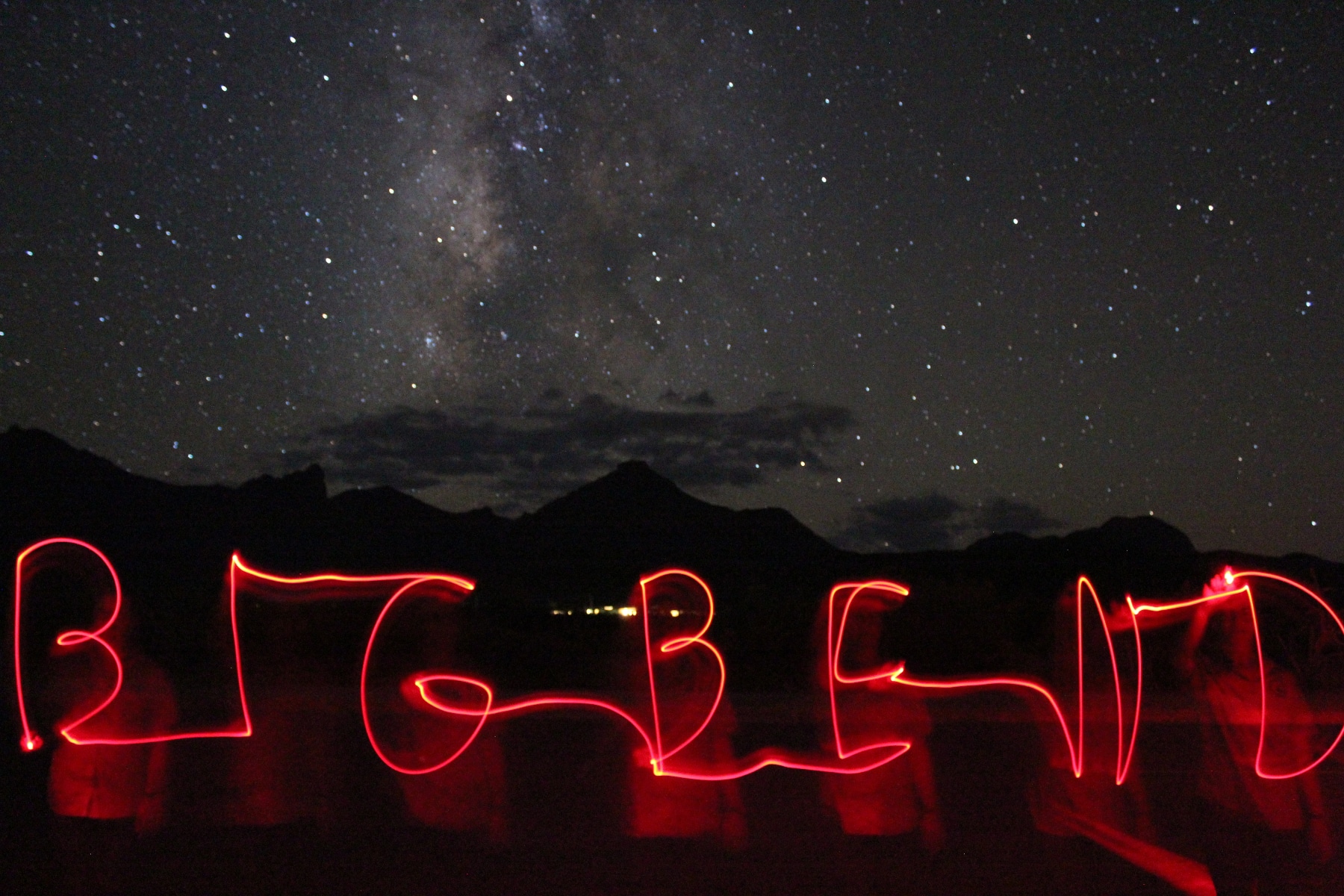
Red Light For Stargazing: You’ll notice many photos that show people or places in our photos have a red glow. That’s because the red lights are much less light-polluting than the traditional white ones but still allow you to navigate different terrains safely. Here’s one we recommend. You can also use a red gel to cover a white flashlight but don’t even use a regular flashlight when stargazing.

stargazing at canyonlands national park
A view from a Star Party at Island in the Sky in Canyonlands National Park | Best National Parks for Stargazing (NPS/Chris Wonderly)

Capitol Reef National Park

Dark Sky Park? Yes, since 2015.

Best Stargazing Spots: Fruita, Waterpocket District, Cathedral District

Stargazing Events? Check the calendar.

Camping Allowed? Yes.

Don’t let the fact that Capitol Reef is the least-visited park in Utah’s Mighty 5 mix. That just means more room for you when it’s time to celebrate the skies. It’s another certified Dark Sky place.

Capitol Reef National Park is perfect for those who want to experience stargazing at a National Park on their own without worrying about traffic or crowds.

DID YOU KNOW?: At one point, Capitol Reef was going to be named “Wayne’s Wonderland.” Read more about that and other AMAZING Facts About Capitol Reef National Park.

Play video
Situated in the heart of Utah’s southern desert, Capitol Reef National Park is home to some of the Earth’s most geological wonders, including massive natural arches, deep sandstone canyons, towering rock pillars, and the dazzling monoliths of Cathedral Valley. Journey with More Than Just Parks as we take you to a fascinating land dotted with geographic marvels and teeming with endless adventure.

Grand Canyon National Park

A view from the forest floor looking up through treetops at the darkest skies with stars shining brightly.
Imagine laying on the forest floor at night and looking up to see this in the darkest skies | Best National Parks for Stargazing

Dark Sky Park? Yes, since 2016.

Best Stargazing Spots: At the North Rim, check out Cape Royal and Bright Angel Point. At the South Rim, Mather Point, Desert View, Moran Point, and Lipan Point.

Stargazing Events? Throughout the year. Check the calendar. Plan for a trip during the summer Star Party.

Camping Allowed? Yes.

For one of the most elaborate and extensive list of night sky activities, head to Grand Canyon National Park. The park holds the most elite status for the night skies, and you can also learn a lot about minimizing light pollution by the way the park orchestrates safety lighting vs. conserving the skies.

The star parties through 2026 are already scheduled:

  • 2026: June 1–8
  • 2025: June 21–28
  • 2026: June 6–13

Keep in mind the North Rim is closed from December through mid-May.


Petrified Forest National Park

Dark Sky Park? Yes, since 2018.

Best Stargazing Spots: Information will be given when you get the permit.

Stargazing Events? Check the calendar.

Camping Allowed? Very limited in the backcountry. A Dark Sky Permit is now required as the park is not open 24/7.

When you want to be left alone to enjoy the night skies – I mean really BE LEFT ALONE, wait until you hear what Petrified Forest National Park of Arizona has in store for you.

The park is only open from 8 a.m. to 5 p.m. with some backcountry camping options taking you a good half mile (minimum) from your vehicle. However, Petrified Forest National Park DOES offer two Dark Sky Viewing Permits a day. TWO! You can’t reserve a spot, and you’ll have to be the first or second person to get one.

When you really want to get away from it all, spend the evening surrounded by stars, 200 million-year-old fossils, the ghosts of Route 66, and some coyotes laying the distant soundtrack.

MORE: 10 AMAZING Facts About Petrified Forest National Park


Zion National Park

Starry skies over Badlands National Park.
Badlands National Park is a great place to see the darkest skies in the Dakotas | Best National Parks for Stargazing

Dark Sky Park? Yes, since 2021.

Best Stargazing Spots: Zion Human History Museum Patio, Pa’rus Trail, Kolob Canyons Viewpoint, end of Kolob Canyons Scenic Drive.

Stargazing Events? Check the calendar.

Camping Allowed? Yes.

Zion National Park needs no formal introduction as it’s royalty among national parks and known as much for its nerve-wracking traffic as its stellar views from narrow canyons to the top of Angels Landing. The park has a whole different personality after dark.

You can find local tour companies in Springdale that will go all-out for the adventure, but you can also access the park 24/7 and find one of many viewpoints. We recommend pairing the trip with a sunset view and then waiting for the stars to come to life. It will give your eyes the time to adjust to the lighting as well.

stargazing in Zion doesn’t mean going to remote locations. The park’s museum patio is one of the favorite spots for watching the night sky.

kolob terrace hoodoo zion national park

Western United States Dark Sky National Parks

As we head out west in our search for the best stargazing spots in national parks, we’ll find spots up and down the West Coast, plus Nevada, Montana and Colorado.

Black Canyon of the Gunnison National Park

Graphic reads "17 Epic Things to Do in Arches National Park.

Dark Sky Park? Yes, since 2015.

Best Stargazing Spots: South Rim locations Chasm View, Dragon Point, and Sunset View, and North Rim views at Chasm View Nature Trail or Kneeling Camel View.

Stargazing Events? Yes, and an annual Astro Fest in September.

Camping Allowed? Yes.

Among the best things to do in Black Canyon of the Gunnison National Park is seeing the night skies. With so many overlooks to choose from, there isn’t a bad seat in the park. In winter, cross-country skiing at night is a popular activity. However, summer is best for the most epic views of the Milky Way.

That’s in addition to the many things to do at the Black Canyon of the Gunnison National Park during the day and throughout all seasons. We recommend Dragon Point as the best spot for stargazing.


Death Valley National Park

Dark Sky Park? Yes, since 2013.

Best Stargazing Spots: Badwater Basin, Harmony Borax Works, Mesquite Flat Sand Dunes, and Ubehebe Crater

Stargazing Events? Throughout the year. Check the calendar. The annual Dark Sky Festival is held in the spring.

Camping Allowed? Yes.

Death Valley National Park, a vast expanse of desert landscapes, is renowned not only for its scorching daytime temperatures but also for its nighttime spectacles. As the sun dips below the horizon, the park transforms into a celestial haven, offering some of the most striking stargazing experiences in the world.

Death Valley’s status as a Gold Tier Dark Sky Park, the highest designation given by the International Dark-Sky Association, further solidifies its reputation as a stargazing paradise.

Is It Hot At Night In Death Valley?: While daytime warnings make sense during the 110°F or higher temperature days, it’s important to know that it won’t cool off much at night. From June through August, temperatures don’t get below 80°F, with July’s average closer to 90°F.


Great Basin National Park

Graphic reads "12 best Hikes in Arches National Park."

Dark Sky Park? Yes, since 2016.

Best Stargazing Spots: Astronomy Amphitheater and Mather Overlook

Stargazing Events? Throughout the year. Check the calendar and plan for the Great Basin Astronomy Festival. Clear Sky Chart for Great Basin National Park.

Camping Allowed? Yes.

Another high-altitude park with peaks as high as 13,600 feet greets you at Great Basin National Park.

Watch this video to see what you can expect in the wilderness of eastern Nevada at night.

PARK TO PARK IN THE DARK: Mix road-tripping and stargazing in one EPIC trip between Great Basin National Park and Death Valley National Park.


Great Sand Dunes National Park and Preserve

Dark Sky Park? Yes, since 2019.

Best Stargazing Spots: The Dunes Overlook Trail and The Star Dune

Stargazing Events? Ranger programs in the summer.

Camping Allowed? Yes.

You can pretty much copy and paste from the list above to see the selling points of the night skies in Great Sand Dunes National Park, but there are two things you won’t find at the other parks (at least, not historically). First, the massive sand dunes make for unique photo ops and a creative way to experience the night skies.

Second, this region in Colorado around Great Sand Dunes National Park is known for dozens of UFO sightings, even by some park rangers.

The fascination with UFOs in the San Luis Valley led to the creation of a UFO Watchtower just outside the park. If you’re into roadside attractions, this is a must-see.


Joshua Tree National Park

Graphic reads "Best Hike in Arches National Park, Devil's Garden Honest Trail Guide."

Dark Sky Park? Yes, since 2019.

Best Stargazing Spots: Cottonwood Campground, anywhere in the backcountry, Pinto Basin Road.

Stargazing Events? Throughout the year. Check the calendar. There’s also an annual Night Sky Festival.

Camping Allowed? Yes.

Joshua Tree National Park stands as one of the most impressive night skies we’ve seen across our many visits to national parks. The desert terrain stands out as the meeting place between the Mojave Desert and the Colorado Desert.

Ideal viewing for the Milky Way is in the summer, and this is one of the best spots in Southern California to experience its majesty. At the same time, the long winter nights and escape from the summer heat bring stargazing crowds in late fall through early spring.

Play video

Mesa Verde National Park

Dark Sky Park? Yes, since 2021.

Best Stargazing Spots: Morefield Campground and Far View Lodge (open May – October) for overnight guests and Geologic Overlook, Mancos Overlook, and the Montezuma Valley Overlook for others.

Stargazing Events? Check the calendar.

Camping Allowed? Yes.

Mesa Verda National Park’s highlights include a full view of how astronomy shaped the lives of the Ancestral Pueblo going back nearly a millennium. We highly recommend taking one of the dwelling ranger-guided tours here to experience the World Heritage Site and then stay to enjoy the International Dark Sky Park.


Rocky Mountain National Park

Night skies above the mountains with the words "Big Bend" spelled out in red letters.
Red lights are the best way to enjoy stargazing to limit light pollution while still being able to see in the dark | Best National Parks for Stargazing

Dark Sky Park? No, but don’t let that deter you. The night skies are treasured.

Best Stargazing Spots: Trail Ridge Road (when open), Bear Lake, Moraine Park.

Stargazing Events? Throughout the year. Also, visit the Estes Park Memorial Observatory.

Camping Allowed? Yes.

You might be wondering why Rocky Mountain National Park, one of the crowned jewels of the park system, isn’t a DarkSky Park. One look at this light pollution map, and you’ll see why. The map also shows the places with the best night skies, and anything above the treeline is also going to offer epic views.

Rocky Mountain National Park proudly has the beauty of the night skies with the “Half the Park is After Dark” program.

There is a DarkSky Chapter in Colorado you can follow to get updates.

Play video
Our view of the night sky at Rocky Mountain National Park during a recent trip.

Waterton-Glacier International Peace Park

Dark Sky Park? Yes, since 2017. It’s also the first one that crosses an international border.

Best Stargazing Spots: St. Mary Lake, Logan Pass, Cameron Lake, Goat Haunt (the darkest skies)

Stargazing Events? Throughout the year. Check the calendar.

Camping Allowed? Yes – 13 sites in the front country!

Bring your passport for this awesome experience of stargazing in an international park. Even if you just stay on the Glacier National Park side, you’ll still get great sky views.

The park is open year-round, but the tough winter weather of Montana and Canada can limit access to certain areas. Check the conditions before you go.

things to do glacier national park
best hikes glacier national park

What About Dark Skies in the Pacific Northwest?

Best Hikes in Big Bend National Park

Even without a DarkSky nod, the Pacific Northwest parks include some of our favorite stargazing spots.

Take, for example, the photo below of the Pacific Northwest. You can see the pin on Crater Lake National Park in Oregon. It has some of the darkest skies in the PNW. At the same time, it doesn’t have an official designation.

However, in March 2026, 2.5 million acres across Lake County received recognition as the Oregon Outback International Dark Sky Sanctuary.

Hurricane Ridge in Olympic National Park is ranked as one of the best stargazing spots in Washington by the state chapter Dark Skies Northwest.


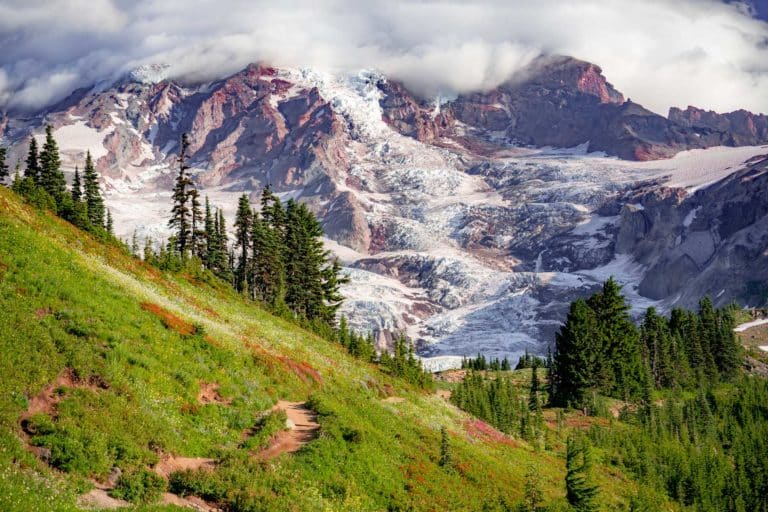
Stargazing at Mount Rainier

Another “non-certified” DarkSky park is Mount Rainier National Park. However, the park offers great guidance on the best places to enjoy the night sky, and it’s another one of our favorite locations to soak in the night skies.


Southeastern United States Dark Sky Parks

The southeast has big cities and beautiful scenery, but there are a few spots where the lights dim enough to let the stars show off at night.

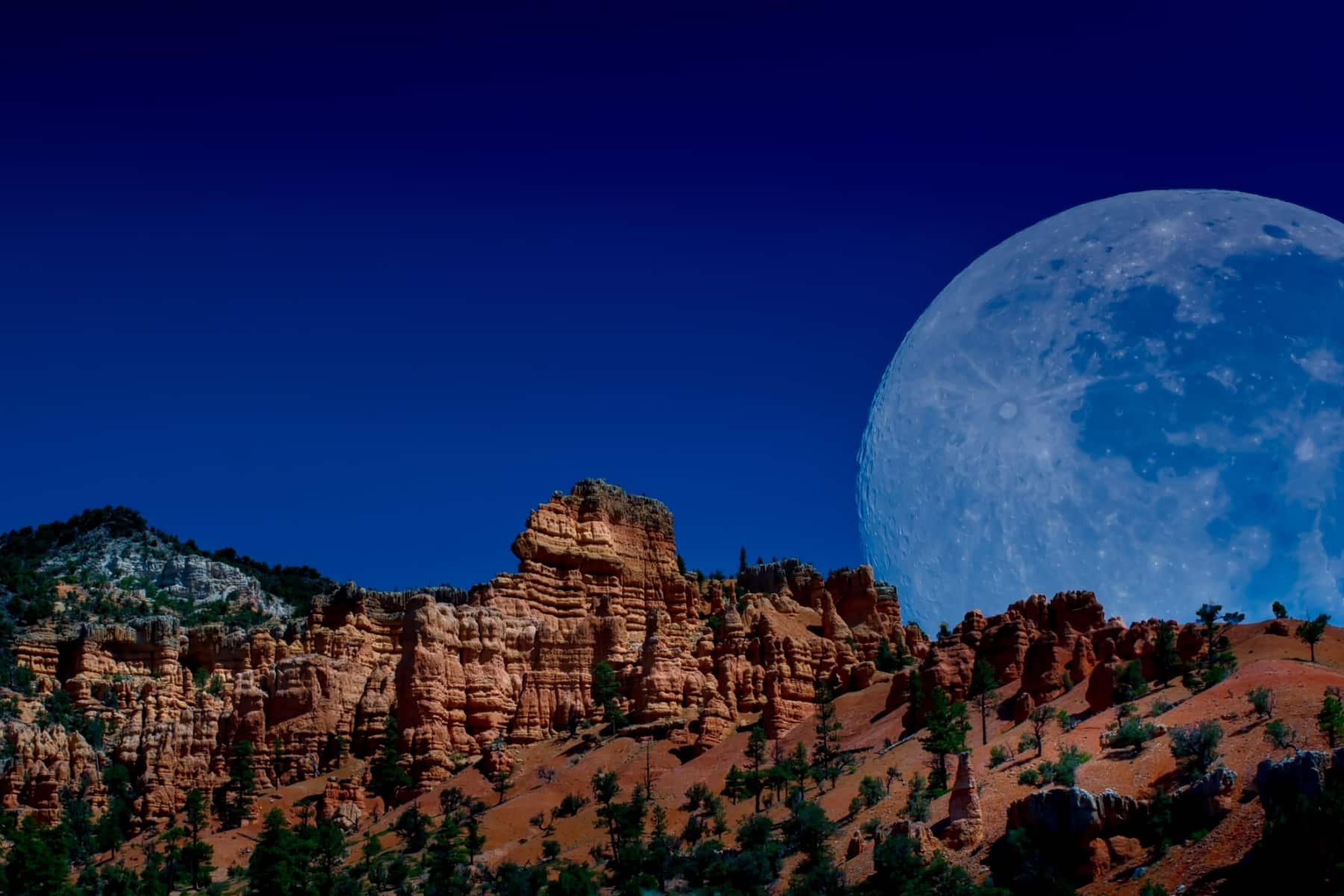
Full moon rising over rocky ledge at Bryce Canyon National Park.
Bryce Canyon National Park’s 8,000-foot elevation makes it ideal for stargazing throughout the year | Best National Parks for Stargazing (Shutterstock/Tim Murphy)

Cape Lookout National Seashore

Dark Sky Park? Yes, since 2021.

Best Stargazing Spots: Anywhere on the beach, Harkers Island Visitor Center parking lot.

Stargazing Events? Throughout the year. Check the calendar.

Camping Allowed? Yes, on the beach!

A day at the beach is nothing compared to a night at the beach, and Cape Lookout National Seashore of North Carolina is known for its “Nightlife.” A special parking area is designated for stargazing, while all the beaches are open for stargazing with the Atlantic Ocean lapping at the sand.


Mammoth Cave National Park

We’re getting to the section of the country with the most light pollution, as the northeast is a small and highly populated area. In fact, only one state has true “pristine” night skies. Can you guess which one that is?

best hikes in the grand canyon

Dark Sky Park? Yes, since 2021.

Best Stargazing Spots: The visitor center’s fields offer the most unobstructed views.

Stargazing Events? Night sky programs are held throughout the year.

Camping Allowed? Yes.

The stargazing opportunities and DarkSky Park designation punctuate the point that Mammoth Cave has as much to do above ground as below ground – and that’s saying a lot.

More than 700 lights were replaced or retrofitted to pave the path to DarkSky designations. Mammoth Cave is the only designated DarkSky place in Kentucky. Tap the photo below to find more epic things to do during your visit.


Buffalo National River

Dark Sky Park? Yes, since 2019.

Best Stargazing Spots: Steel Creek, Buffalo Point, Tyler Bend

Stargazing Events? Throughout the year. Check the calendar.

Camping Allowed? Yes.

As the first Dark Sky designated park in Arkansas, Buffalo National River always had beautiful night skies. It was the adaption made to lighting adjustments – including timers – and ongoing education about DarkSky values that helped earn the illustrious status.


Big Cypress National Preserve

things to do north rim grand canyon

Dark Sky Park? Yes, since 2016.

Best Stargazing Spots: Birdon Road, Deep Lake, Loop Road, Tamiami Trail & Monroe Station

Stargazing Events? Astronomy Programs are held year-round.

Camping Allowed? Yes, eight locations.

Between Miami and Naples, Florida, near the famous “Alligator Alley” interstate, Big Cypress Preserve lets you see the night skies from the swamp. I strongly recommend you check this out in the winter and not the muggy, bug-filled summer.

Even with the immense growth across Florida, Big Cypress is surrounded by preserved land. That includes Everglades National Park, which offers night sky programs by bicycle and kayak.


Midwest U.S. Dark Sky Sites

As we head into the Midwest, we have fewer designated National Parks but still some great sites, including Boundary Areas

Voyageurs National Park

best time to visit grand canyon

Dark Sky Park? Yes, since 2020.

Best Stargazing Spots: Two designated “Dark Sky Areas” in the park – Meadwood Road Day Use Area & Rainy Lake Visitor Center.

Stargazing Events? Check the calendar.

Camping Allowed? Yes, but all require water travel to get there as most of this park is water.

Nearly 220,000 acres cover Voyageurs National Park, and 40% of that is water. That means reflective photography of the skies and stars on the water creates a unique place for stargazing in a national park.

Voyageurs also ranks as one of the top sites to see the Aurora Borealis (Northern Lights) potentially, but you can’t plan a trip around at that. At best, you get a three-day forecast, and the 30-minute forecast from the Space Weather Prediction Center is the one to look for and be ready to move!

Northern Lights in Voyageurs National Park

Other Dark Sky Locations in the Midwest

One of the least visited parks and most remote parks in the system is Isle Royale National Park off the Upper Peninsula of Michigan. It closes from November 1 through April 15 annually because the weather is just too rough. Campsites are available on a first-come, first-served basis, and there are fewer than 40 of them.

However, Isle Royale National Park is also ranked as one of the Top 10 Darkest Skies in the National Park System!

Michigan is also home to:

Several Midwestern states have Dark Sky locations that don’t fall under the National Park Service or Forest Service. You can check your region by searching on the DarkSky International website.

I don’t want to miss Indiana Dunes National Park, which includes night access to the shoreline, with Kemil Beach having the darkest skies. While you’re there, visit Indiana Dunes State Park and Beverly Shores, an International DarkSky Community. It’s impressive how close you can be to Chicago and still have a DarkSky place to visit!


Northeastern U.S. Dark Sky Places

Starry skies in the Grand Canyon from Bright Angel Campground.
If you can score a spot at Bright Angel Campground, you’ll get views like this | Best National Parks for Stargazing. (Shutterstock/Virginia Molnar)

Acadia National Park

Dark Sky Park? No.

Best Stargazing Spots: Cadillac Mountain, Seawall, Jordan Pond, Ocean Path, Sand Beach, Schoodic Peninsula.

Stargazing Events? Check the calendar.

Camping Allowed? Yes, four different sites in four different sections of the park, including two islands.

While Acadia National Park doesn’t have the official DarkSky designation, it’s one of the most actively involved park sites with surrounding communities involved in preserving the darkness.

The night skies of Acadia explode with a natural soundtrack and unique photo ops on its craggy coastline, sandy beaches, and lighthouse-topped cliffs. Between the sunrise view of Cadillac Mountain and the epic sunsets at Bass Harbor, this is an around-the-clock adventure that is quickly making this park’s popularity explode.


Katahdin Woods and Waters National Monument

Dark Sky Sanctuary? Yes, since 2020.

Best Stargazing Spots: Big Spring Brook Hut, Haskell Hut, Katahdin Loop Road Overlook, Sandbank Stream campsites

Stargazing Events? Check the calendar and look for details of the annual Stars Over Katahdin event.

Camping Allowed? Yes.

Katahdin Woods & Waters National Monument ranks as the darkest skies in New England and is a DarkSky Sanctuary, thanks to its remote nature and abutting Maine’s 100 Mile Wilderness (also a DarkSky Park).

This remote location will likely offer more moose than other people and more stars than black flies (which is an impressive comparison) in the summer. You’re as far away from city lights as you are from potable water or mobile service, so plan accordingly.


I can hear your keywords typing quickly in rebuttal “What about Yellowstone/Yosemite/Great Smoky Mountains?!” Yes, those all have wonderful views of the night sky but don’t rise to the level of DarkSky parks, aren’t ranked as the darkest skies in national parks by the NPS Night Sky data collectors, and don’t actively seek a DarkSky rating or are still in process of planning renovations.

At Yellowstone, go away from the major lodges to find the best night skies. If you can handle the trek, Mount Washburn is ideal. Here’s more about what Yellowstone is doing to preserve the night skies. See the photo below we took, which was one of many at Grand Teton National Park’s night skies.

Yosemite does night sky ranger programs and teams up at Glacier Point on summer Saturdays with local astronomers. The team there also monitors night skies and improves lighting to protect from light pollution.

Great Smoky Mountains National Park offers some of the darkest skies *in the region. Even the website for the park can only go as far as to say “Fairly Dark” skies.


How to Rank Dark Skies

The process to rank dark skies is very simple and requires little work from you. Find a night sky mapping system that uses the Bortle system. On a scale of 1-9, the most pristine night skies can be found at Bortle 1, but Bortle 2 is also a pretty darn good show.

In this example, you can see Denver is a Bortle Class 8/9. By the time you get to Boulder, you’re down to Bortle Class 5. At Marmot Point on Trail Ridge Road, you’re down to Bortle Class 3. You’d have to go further north to Roosevelt National Forest to get to Bortle Class 2.

What that means is no matter where you are traveling, use the night sky map or a light meter to measure the Bortle rating. If you have a 1 or a 2, a designation doesn’t impact the quality of the skies.


Dark Skies of Hawaii and Alaska

The unique geography and geology of these distant states make them both ideal for stargazing, but you’ll be among the most adventurous stargazers to get there.

Hawaii Stargazing

We’ve seen the sunrise, sunset, and night skies from Hawai’i Volcanoes National Park and Haleakala National Park. At the same time, we’ve been as impressed with the beach night sky views as we have from the summit 10,000 feet above sea level at the Haleakala summit.

Ideally, you visit during the dry season, from April through October. Check the meteor shower schedule to plan a trip around one of the most jaw-dropping night experiences on any of the islands.


Stargazing in Alaska

When you want great night skies plus the greatest chance of seeing the Northern Lights, head to Alaska. Of course, there’s a BIG caveat when it comes to stargazing in Alaska – it has to be dark. Since the extreme northern location puts it in sunlight much of the time between April and August, you must visit during the colder months to get the best stargazing.

With eight national parks to visit and some of the most rugged terrain on the planet, we hope our Expert Guide to Alaska’s Parks helps you get started (tap on the photo below). Always check park hours in the winter, as some will close or be downright inaccessible.

alaska national parks

List of Best National Parks for Stargazing

  • Arches National Park
  • Big Bend National Park
  • Bryce Canyon National Park
  • Canyonlands National Park
  • Capitol Reef National Park
  • Grand Canyon National Park
  • Petrified Forest National Park
  • Zion National Park
  • Black Canyon of the Gunnison National Park
  • Death Valley National Park
  • Great Basin National Park
  • Great Sand Dunes National Park & Preserve
  • Joshua Tree National Park
  • Mesa Verde National Park
  • Rocky Mountain National Park
  • Waterton-Glacier International Peace Park
  • Mount Rainier National Park
  • Cape Lookout National Seashore
  • Mammoth Cave National Park
  • Buffalo National River
  • Big Cypress National Preserve
  • Voyageurs National Park
  • Acadia National Park
  • Katahdin Woods & Waters National Park
  • Hawai’i Volcanoes National Park
  • Haleakala National Park

Map of Best National Parks for Stargazing


Pin Best Dark Sky Parks for Stargazing


Road Trip Essentials: 35+ Road Trip Essentials (You’ll Love + Packing List)

Planning Tools for Road Trips: 15 Best Free Road Trip Planning Tools (& Apps) 2022

Arizona Road Trips: 10 BEST Arizona Road Trips

Oregon Road Trip: The Ultimate Oregon Road Trip

Utah National Parks Road Trips: 5 Best Utah National Park Road Trips

Colorado Road Trips: The Ultimate Colorado Road Trip (+ 26 Scenic Byways)

California Dreamin’ Road Trip: 16 EPIC California Road Trips (by Region + Photos)