


Las Vegas is the best national park base camp of any major city in America, and we don’t think it’s close. Within 2.5 hours of the Strip you can stand at the lowest point in North America or under 2,000-foot sandstone walls. Within one hour you can be on red rock that embarrasses several actual national parks.
The short version. Death Valley is 2 hours west and Zion is 2.5 hours northeast, and those are the two best national park day trips from any city anywhere. The closest NPS land is Tule Springs at 30 minutes, with Lake Mead five minutes behind it. And the two best things within an hour of your hotel, Red Rock Canyon and Valley of Fire, aren’t national parks at all, which has never once mattered to anyone standing on the Fire Wave.
Below is everything ranked by what it costs you in windshield time versus what it pays back, with 2026 fees, the reservation systems that now exist, and an honest answer to the Grand Canyon question, because the canyon most folks see from Vegas is not the national park.
Every Park Near Las Vegas at a Glance
| Site | Drive From the Strip | What It Is | 2026 Fee | Time Needed |
|---|---|---|---|---|
| Red Rock Canyon | 25 min | BLM conservation area | $20/vehicle + timed entry Oct-May | 2-4 hours |
| Tule Springs Fossil Beds | 30 min | National monument | Free | 1-2 hours |
| Lake Mead | 35 min | National recreation area | $25/vehicle | Half to full day |
| Valley of Fire | 50 min | Nevada state park | $15/vehicle (out of state) | Full day |
| Mojave National Preserve | 1-2 hours | National preserve | Free | Half to full day |
| Death Valley | 2 hours | National park | $30/vehicle | 1-2 days |
| Grand Canyon West | 2.25 hours | Hualapai tribal attraction | From $67/person | Full day |
| Zion | 2.5 hours | National park | $35/vehicle | 1-3 days |
| Joshua Tree | 3 hours | National park | $30/vehicle | 1-2 days |
| Bryce Canyon | 4 hours | National park | $35/vehicle | 1-2 days |
| Grand Canyon South Rim | 4.5 hours | National park | $35/vehicle | Overnight |
| Great Basin | 4.5 hours | National park | Free | Overnight |
No Car? What Actually Works
A huge share of folks asking this question are standing on the Strip without a rental, so let’s handle that before the rankings. The honest math is that a one-day rental usually wins. Two seats on a guided tour cost more than a car, gas, and the entrance fee combined, and the car never tells you it’s time to leave Zabriskie Point.
117 public lands destinations are under threat. Get the free briefing that 27,000+ people use to stay informed and take action.
If you’d rather be driven, the day-trip routes are well covered. Pink Adventure Tours runs guided trips from Strip hotels to Valley of Fire and Grand Canyon West, and Bindlestiff Tours runs small-group day trips to Death Valley and Zion with hotel pickup. Hoover Dam and Lake Mead bus tours leave every morning from every corner of the Strip. We won’t print prices because they move, but budget several times the cost of a park pass per seat.
Red Rock Canyon is the carless traveler’s exception. It’s a 25 minute rideshare from mid-Strip, which makes it the cheapest real public-lands fix in the region. Set up your return ride in advance rather than counting on hailing one at a trailhead.
And the list of what does not work without a car. Tule Springs, Mojave, and Great Basin have no practical tour or transit option from Las Vegas, and the South Rim as a one-day bus trip is nine hours of highway for two hours of canyon. Save those for the trip when you have keys in your pocket.
The Two Big Day Trips
1. Death Valley National Park (2 hours)

The largest national park in the lower 48 starts two hours from your blackjack table, which is one of the stranger facts in American geography. It’s about 120 miles to Furnace Creek, west on US-95 through Amargosa Valley and into the park on CA-190. The road is empty and fast and the scenery starts an hour before the entrance sign.
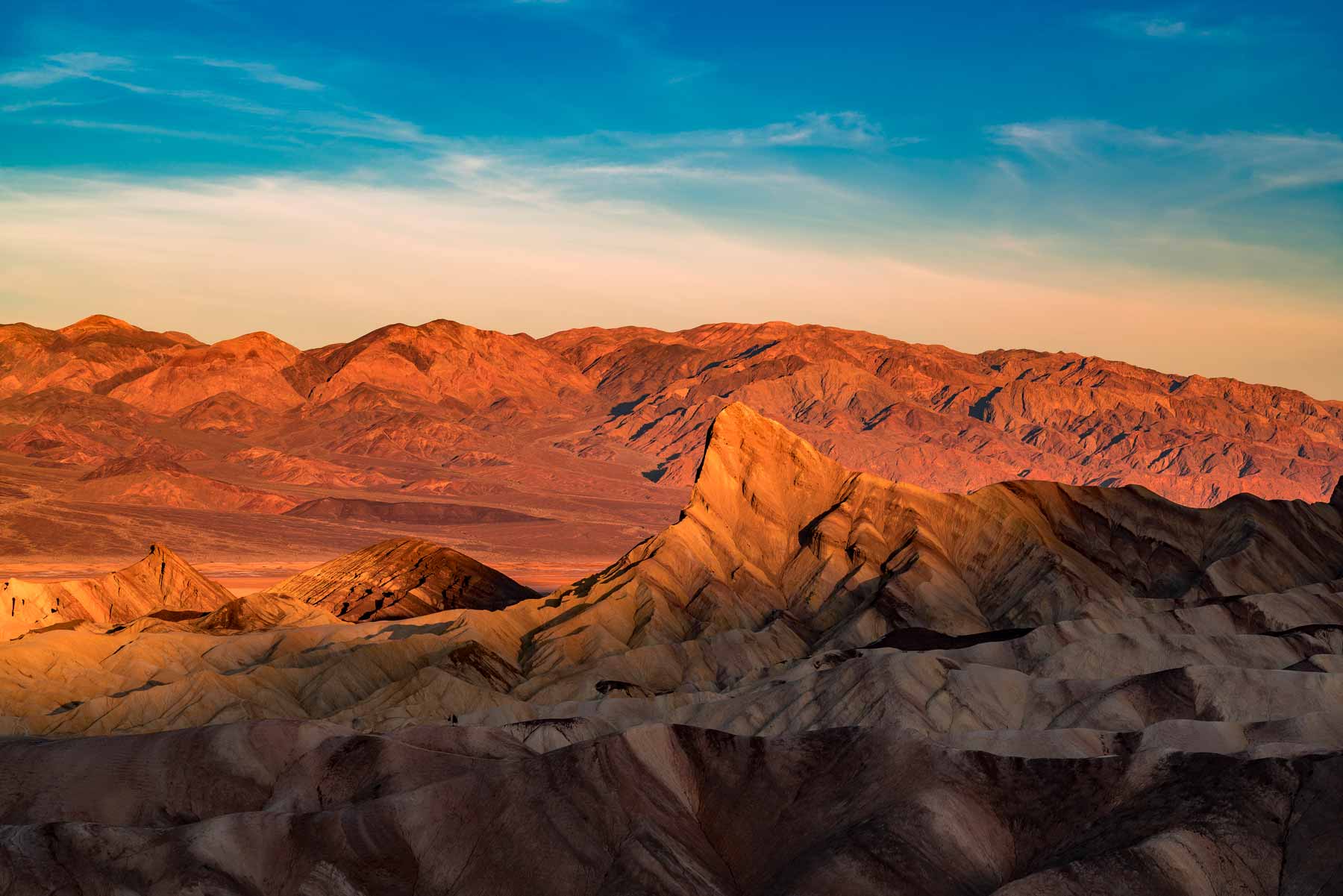
More Than Just Parks has spent weeks filming Death Valley and it’s still the day trip we recommend first, October through April. One loop gets you Zabriskie Point at sunrise, Badwater Basin at 282 feet below sea level, the painted hills of Artists Drive, and the Mesquite Flat dunes by golden hour. That’s a full day that feels like four different planets.
The honesty part. May through September, Death Valley is the hottest place on earth and it is not kidding. Rangers pull folks off trails at 120 degrees every summer. If your trip is in July, go to Zion instead, or limit Death Valley to paved overlooks at dawn with a trunk full of water.
Access notes. $30 per vehicle for 7 days, paid at kiosks or online since there’s no staffed entrance gate. Distances inside the park are enormous, so plan around Furnace Creek and resist the urge to see everything. Our full things to do in Death Valley guide and Death Valley itinerary cover the routing, and the facts post explains why there’s a year-round waterfall in the driest place in America.
2. Zion National Park (2.5 hours)

One hundred sixty miles up I-15, nearly all of it interstate, through the Virgin River Gorge (the best stretch of freeway in the country, fight us) to Springdale. Two and a half hours door to canyon, and Zion hits harder on first sight than any park this side of the Tetons.
One detail that ruins more Vegas day trips than traffic. Utah is on Mountain Time. You lose an hour driving there, so the 7am departure that felt responsible puts you in the visitor center line at 10:30 with everyone else. Leave at 5.
The two famous hikes both have logistics now. Angels Landing requires a lottery permit through Recreation.gov, $6 per application for up to six people plus $3 per person if you win, with seasonal and day-before windows. The Narrows needs no permit for the bottom-up walk, just rented canyon boots from Springdale and a willingness to share the river. Our money is on the Narrows for a day trip, Angels Landing if you win the lottery, and Canyon Overlook at sunset if you want the postcard for one mile of effort.
Access notes. $35 per vehicle for 7 days. The free canyon shuttle is mandatory March through November, so park in Springdale early or add an hour. Campground rates jump July 1, 2026, part of a broader set of changes we covered in our Zion 2026 fee and permit explainer. Full trail rundown in our Zion hikes guide, and timing advice in when to visit Zion.
The Grand Canyon Question
3. Grand Canyon, and Which One You’re Actually Buying

Every tour broker on the Strip sells “the Grand Canyon, 2 hours away.” That’s Grand Canyon West, the Hualapai Tribe’s operation with the glass Skywalk. It is on Hualapai land, outside the national park, and it prices like a show ticket. General admission runs $67 per person and the package that includes the Skywalk is $99. Your America the Beautiful pass means nothing here.
We’re not going to sneer at it. The canyon at Guano Point is real and vast, the Hualapai run a tight operation, and if you have six spare hours and just want to look into the thing once, it delivers. But nobody should confuse it with Grand Canyon National Park.
The South Rim is 280 miles and about 4.5 hours via Kingman and Williams, $35 per vehicle, and it’s the canyon from every photograph you’ve ever seen, 18 miles of rim trail, Desert View Drive, condors riding the thermals. It’s too far for a sane day trip. Stay the night in Tusayan or the park and it becomes one of the great overnights in America. Our guide to the South Rim covers it, and when to visit the Grand Canyon handles the seasons.
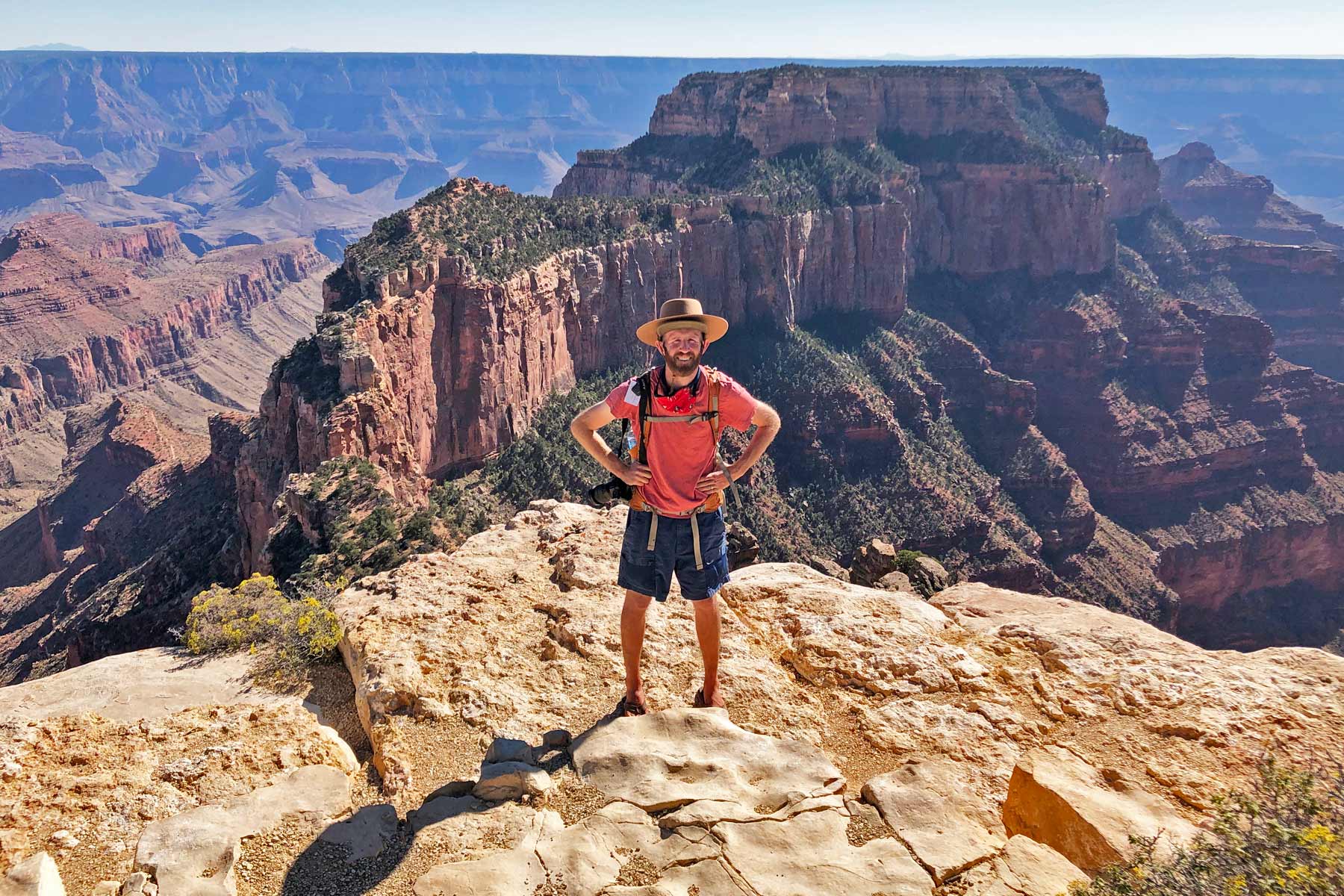
The North Rim needs an honest 2026 note. The Dragon Bravo Fire burned across it in 2025 and took the historic Grand Canyon Lodge with it. The rim reopened May 15, 2026 for day use only, with no lodging, fuel, or potable water inside the park. The viewpoints along Cape Royal Road are open and emptier than they’ve been in decades, but this is an expedition year, not a comfort year, up there.
Our call. One day and modest expectations, West. Any flexibility at all, South Rim overnight. The difference between $99 a person and $35 a carload buys a lot of gas. And if the real question is Zion or the Grand Canyon for your one day trip, it’s Zion, every time. The Grand Canyon worth seeing is an overnight.
The Best Stuff Within an Hour Isn’t NPS
4. Valley of Fire State Park (50 minutes)
The best landscape within an hour of Las Vegas belongs to Nevada State Parks, and it isn’t a close contest. Fifty miles northeast on I-15, $15 per out-of-state vehicle ($10 with Nevada plates), cash-or-card at the gate, no reservation system. Forty-thousand-acre sandstone in shades the national parks would charge double for.
The Fire Wave is the headliner, a striped sandstone swirl at the end of a 1.5-mile round trip, and Mouse’s Tank Road is the best short scenic drive in southern Nevada. White Domes, Elephant Rock, and the petroglyphs at Atlatl Rock fill out a day that consistently outranks people’s Zion day, which we say quietly so Utah doesn’t hear.
Access notes. Get there at opening in any warm month, the lots are small and the heat is real. Know that the marquee trails close for summer. Fire Wave, White Domes, Pastel Canyon, and most of the others are shut May 15 through September 30 after too many heat rescues, and rangers enforce it. In summer you’re driving Mouse’s Tank Road and admiring from pullouts, which is still worth $15.
5. Red Rock Canyon National Conservation Area (25 minutes)
Seventeen miles west of the Strip, run by the BLM, and close enough that you can hike Calico Tanks in the morning and make a 1pm buffet reservation. The 13-mile one-way Scenic Drive loops beneath 3,000-foot red and cream cliffs that hold some of the best rock climbing in the country.
The reservation fine print, current as of June 2026. From October 1 through May 31, entering the Scenic Drive between 8am and 5pm requires a timed-entry reservation on Recreation.gov on top of the $20 vehicle fee. June through September, no reservation, just the fee at the gate. Before 8am you don’t need one any month, and sunrise is when the Calico Hills are at their best anyway.
Access notes. $20 per vehicle, America the Beautiful passes honored, holders still need the (cheap) timed-entry slot in season. If the drive is booked out, the Calico Basin and Red Spring areas outside the fee gate are free and excellent.
6. Lake Mead National Recreation Area (35 minutes)

The closest classic NPS unit to the city, $25 per vehicle, and the honest version is that it’s two different parks. The reservoir itself wears a white bathtub ring from two decades of drought, and the marina scene is what it is. The land around it, 1.5 million acres of mountains and slot washes, is genuinely underrated.
Our picks. The Historic Railroad Trail walks through five huge 1930s tunnels to Hoover Dam views (closed midday in summer heat, go at dawn). Kayaking the Black Canyon below the dam, past hot spring slots and bighorn sheep, is the best paddle in the Southwest, with outfitters handling the launch permits. And the Redstone loop on Northshore Road is a pocket of Valley of Fire-grade sandstone most folks blow past at 60.
Access notes. $25 per vehicle for 7 days. Pair Northshore Road with Valley of Fire, the two connect for the best half-day loop drive in the region.
7. Tule Springs Fossil Beds National Monument (30 minutes)

The technically-closest NPS unit, on the north edge of the valley along US-95, and I’ll be straight with you. It’s a young monument protecting Ice Age fossil beds, mammoths and American lions in the sediment, with no visitor center, no water, and trails still being built. Paleontology folks and park-stamp completists will enjoy an hour here. Everyone else should spend that hour at Red Rock.
Access notes. Free, always open, bring everything you need because the monument provides pleasant desert and nothing else.
The Long Hauls That Earn It
8. Mojave National Preserve (1 to 2 hours)
The 1.6 million acre NPS unit nobody on the Strip will sell you a ticket to, because there’s no ticket. Mojave National Preserve is free, its boundary starts about an hour southwest down I-15, and it holds more solitude than every other entry on this list combined.
The headliner is the Kelso Dunes, about two hours from the Strip, a 3 mile round trip up climbing sand that booms. Kick off a small avalanche near the crest and the dunes answer with a deep rumble you feel in your chest. Only a handful of dune fields in North America do this, and on a weekday you’ll likely have the whole show to yourself.
Access notes. Free, open year round, and the honesty part matters here. There are no services. No gas, no restaurants, no staffed entrance, and the Kelso Depot visitor center is closed for renovations. The road to the dunes trailhead is rough but passable. Fill the tank in Vegas, carry more water than feels reasonable, and skip it in summer.
9. Joshua Tree National Park (3 hours)

About three hours southwest to the Twentynine Palms entrance, and the drive is half the point if you route I-15 to Kelbaker Road, because that road runs straight through Mojave National Preserve (entry 8 above), which turns a transit day into a two-park day.
More Than Just Parks first filmed Joshua Tree in 2013 and it remains the best place in America to watch granite boulders turn pink while coyotes audition in the distance. Hidden Valley, Arch Rock, and a Cottonwood Springs sunset are the day-one hits, and the night sky is the real show. $30 per vehicle. Details in our things to do in Joshua Tree guide and when to visit Joshua Tree.
10. Bryce Canyon National Park (4 hours)

Four hours and 260 miles, which is too far for a day trip and exactly right as the second night of a Utah weekend. Bryce sits at 8,000 feet, so it’s 20 degrees cooler than Vegas and holds snow on the hoodoos into spring, which is the best version of it. Sunrise Point to Sunset Point along the rim, then down through Wall Street on the Navajo Loop, is the single best three hours in Utah.
Access notes. $35 per vehicle. It pairs naturally with Zion, 90 minutes apart, and if you’re forcing us to choose between them we already wrote it up in Zion vs Bryce Canyon. More in our things to do at Bryce guide.
11. Great Basin National Park (4.5 hours)

Nevada’s only full national park is 300 miles straight up US-93 through absolutely nothing, and that’s the sales pitch. Great Basin is one of the least visited parks in the lower 48, it’s free to enter, and it stacks a 13,065-foot peak, 5,000-year-old bristlecone pines, and the Lehman Caves into one quiet mountain island.
This is an overnight, full stop. Book a Lehman Caves tour on Recreation.gov before you go, drive the Wheeler Peak road to 10,000 feet, walk the bristlecone grove, and stay for the sky. Great Basin has some of the darkest measured night skies in the country. Our Great Basin itinerary maps the whole trip from Vegas.
A Weekend From Las Vegas, Three Ways
The within-an-hour weekend (October-April). Saturday, sunrise at Red Rock before the timed-entry window, Calico Tanks, lazy afternoon. Sunday, Valley of Fire via Northshore Road through Lake Mead, Fire Wave in the morning, petroglyphs after lunch, back on the Strip by 5. Two days, no hotel change, under $60 in fees for a carload.
The Death Valley overnight (October-April). Leave Saturday 6am, Zabriskie by 8:30 (you gain nothing in time zones going west, it’s all Pacific), Badwater and Artists Drive midday, dunes at sunset, sleep at Furnace Creek or Stovepipe Wells. Sunday morning Golden Canyon, home by 2pm. This is the best 30 hours within reach of any American city and we’ll defend that in writing.
The Utah weekend (spring or fall). Friday night to Springdale, remembering the lost hour. Saturday, the Narrows or a lottery-won Angels Landing, Canyon Overlook at dusk. Sunday, either 90 minutes east to Bryce for the Navajo Loop, or the quieter play, Kolob Canyons, Zion’s forgotten northwest corner sitting right off I-15 on your drive home. Our Utah road trip guide extends this to all five parks if a weekend turns into a week.


