

Nevada has 7 National Park Service sites, and the one that matters most is Great Basin National Park. It is the only full national park that sits entirely inside the state, and it is the reason to plan a trip out here in the first place.
People think of Nevada as Las Vegas and not much else. That sells the state short. You get a 13,000-foot peak with bristlecone pines older than the pyramids, a limestone cave system you can tour, Ice Age fossil beds on the edge of the suburbs, and one of the darkest night skies left in the Lower 48. I taught history for 25 years before I started visiting these incredible places, and Great Basin is one of the parks I keep going back to.
A note on the count, because rosters are where these lists usually go wrong. Of the 7 NPS units, only Great Basin is a standalone national park inside Nevada. Death Valley is shared with California and sits mostly on the California side. Lake Mead is a national recreation area shared with Arizona. Tule Springs is a national monument in Las Vegas. The other three are long-distance national historic trails that pass through Nevada on their way across the West, so I have grouped them into one section rather than padding the list. That is the honest tally: one national park, one shared park, one recreation area, one monument, and three trails.
Nevada National Park Sites Compared
| Site | Designation | The Draw | 2026 Fee |
|---|---|---|---|
| Great Basin | National Park | Wheeler Peak, Lehman Caves, bristlecone pines, dark skies | Free (cave tour about $15) |
| Death Valley | National Park (shared with CA) | Lowest, hottest, driest. Mostly on the California side | $30 per vehicle |
| Lake Mead | National Recreation Area (shared with AZ) | Hoover Dam, Lake Mead, Lake Mohave, boating and hiking | $25 per vehicle |
| Tule Springs Fossil Beds | National Monument | Ice Age fossils on the edge of Las Vegas | Free |
| California, Old Spanish, Pony Express | National Historic Trails | Pioneer, trade, and mail routes that cross Nevada | Free |
On fees, the math is simple. Death Valley and Lake Mead charge per vehicle, and both are covered by the America the Beautiful annual pass, which runs $80 and pays for itself in about three park visits. Great Basin charges nothing to enter, though the Lehman Caves tour costs around $15 and you should book it ahead. Tule Springs and the three historic trails are free.
117 public lands destinations are under threat. Get the free briefing that 27,000+ people use to stay informed and take action.
1. Great Basin National Park

The best site in the state, and it is not close. Great Basin packs more variety into one park than anything else in Nevada, and almost nobody is there.
Start with the climb. The Wheeler Peak Scenic Drive carries you up to about 10,000 feet, and from there the trail to the 13,063-foot summit runs through groves of ancient bristlecone pines, some of the oldest living things on the planet. Below the high country sit the Lehman Caves, a limestone system that a rancher named Absalom Lehman found in 1885. You see them on a ranger-led tour, which is the only paid part of the park, around $15 a ticket. Book ahead, because the tours fill.
The other reason to stay overnight is the sky. Great Basin is one of the darkest places in the Lower 48, an official International Dark Sky Park, and on a clear, moonless night you can see the Milky Way, meteors, and the Andromeda Galaxy with your own eyes. There are five campgrounds, some closed seasonally for snow. Entrance is free, which is rare for a national park and one more reason to make the drive. For a day-by-day plan, see our Great Basin itinerary.

2. Death Valley National Park
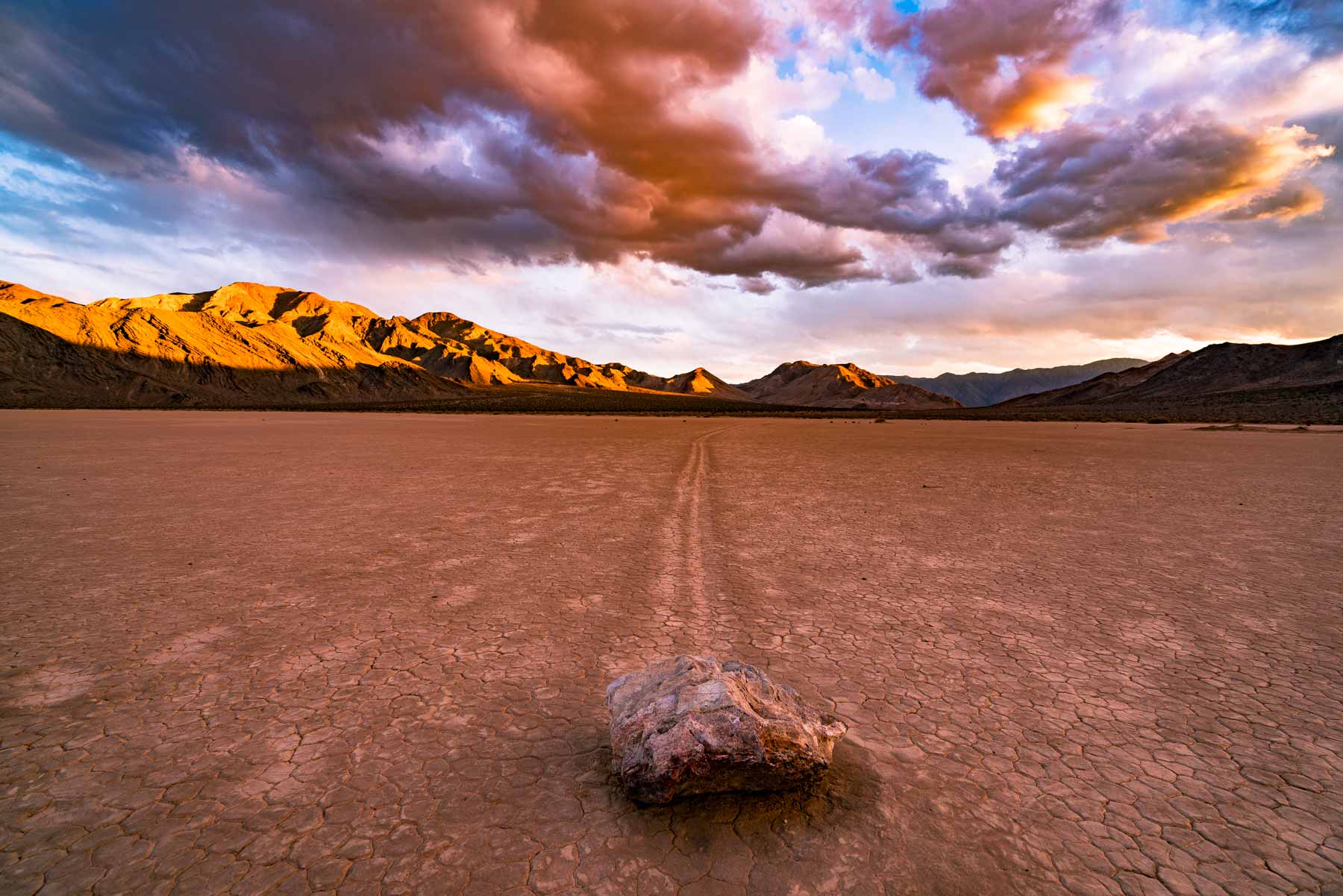
It counts as a Nevada park, but make no mistake, most of it is in California. Death Valley straddles the southeastern California line, and a slice spills into Nevada, which is why it earns a spot here.
This is a park of superlatives. At over 3 million acres it is the largest national park outside Alaska. Badwater Basin, at 282 feet below sea level, is the lowest point in North America, and the summer heat here is the most extreme recorded on Earth. Zabriskie Point is the place to be at sunrise, when low light rakes across the eroded badlands. The entrance fee is $30 per vehicle.
My sons Will and Jim spent weeks filming here, mostly in February and March when the temperatures are survivable. If you only have a day, run Badwater Basin, the salt flats, and Zabriskie Point at sunrise. For the full rundown, see our guide to the best things to do in Death Valley and our list of Death Valley facts.

3. Lake Mead National Recreation Area
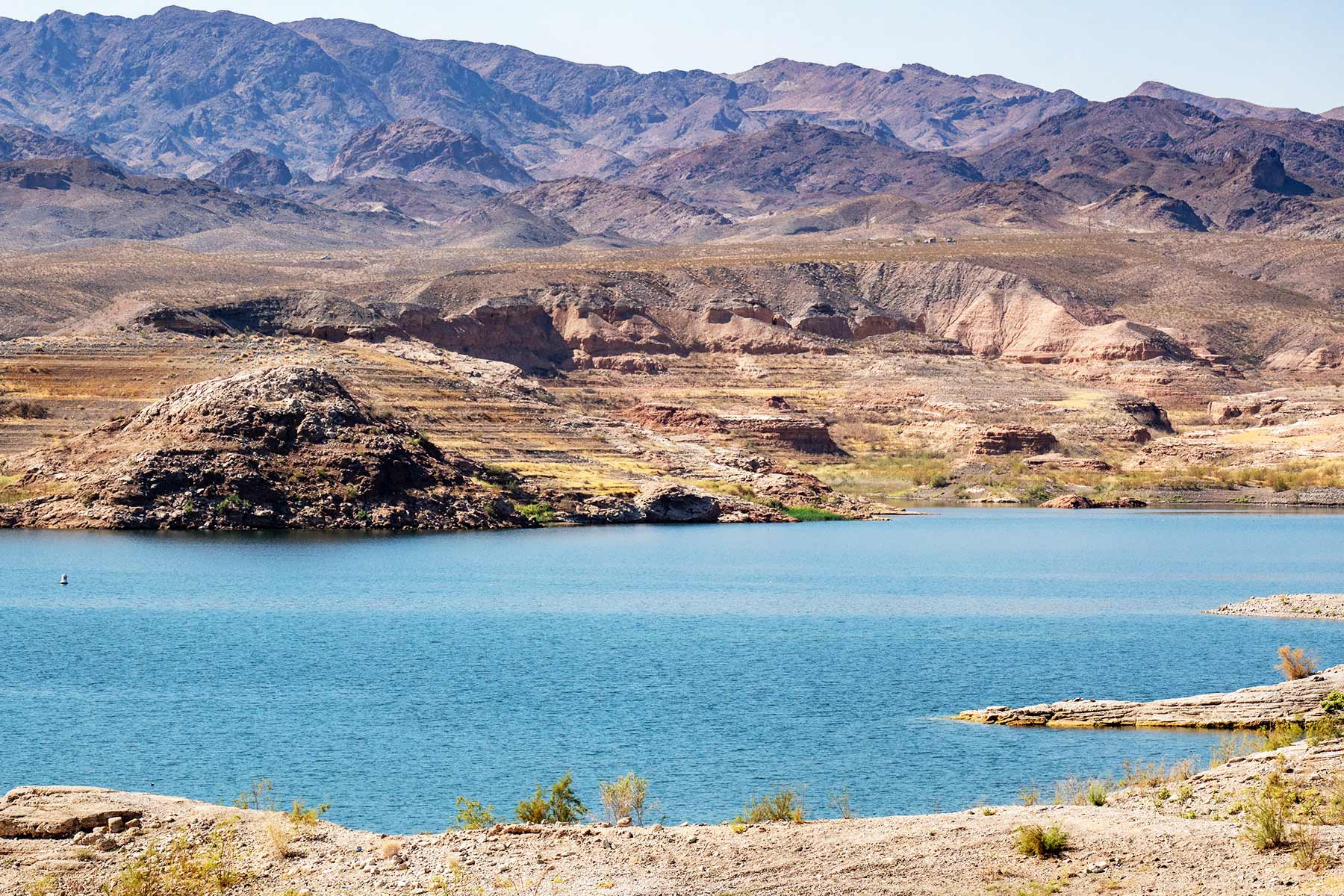
The water park of the desert, and the easiest NPS unit to reach from the Strip. Lake Mead sits about 24 miles southeast of Las Vegas and crosses into Arizona, a national recreation area built around the reservoir behind Hoover Dam.
Lake Mead is the largest reservoir in the United States by maximum capacity. When full it runs 112 miles long with around 550 miles of shoreline, though years of drought on the Colorado River have dropped the level well below that mark and left the old high-water line stark on the rock. The recreation area also takes in Lake Mohave to the south. The fee is $25 per vehicle.
People come to boat, fish, swim, and camp, but the hiking is the underrated part. The Historic Railroad Trail is a flat gravel path through five old tunnels that leads toward Hoover Dam, and the Redstone area winds through red sandstone with interpretive signs on the geology. Plan your hiking for November through March, when the desert is not trying to cook you.
4. Tule Springs Fossil Beds National Monument

An Ice Age graveyard hiding at the edge of the suburbs. Tule Springs Fossil Beds sits on the northern edge of Las Vegas, established as a national monument in 2014.
As a former history teacher I have a soft spot for this one, because there is old and then there is old. The springs and wetlands here preserved the remains of late Pleistocene animals, Columbian mammoths, ancient horses, camels, and bison that roamed the valley during the last Ice Age. The fossil record runs back over 100,000 years, and the site has been important to paleontologists since the 1930s.
Set your expectations correctly before you go. This is an undeveloped monument with no visitor center and few facilities, so it is for the curious, not for amenities. It is free, open for hiking and wildlife watching, and worth an hour if you are already in Las Vegas.
5. Nevada’s Three National Historic Trails
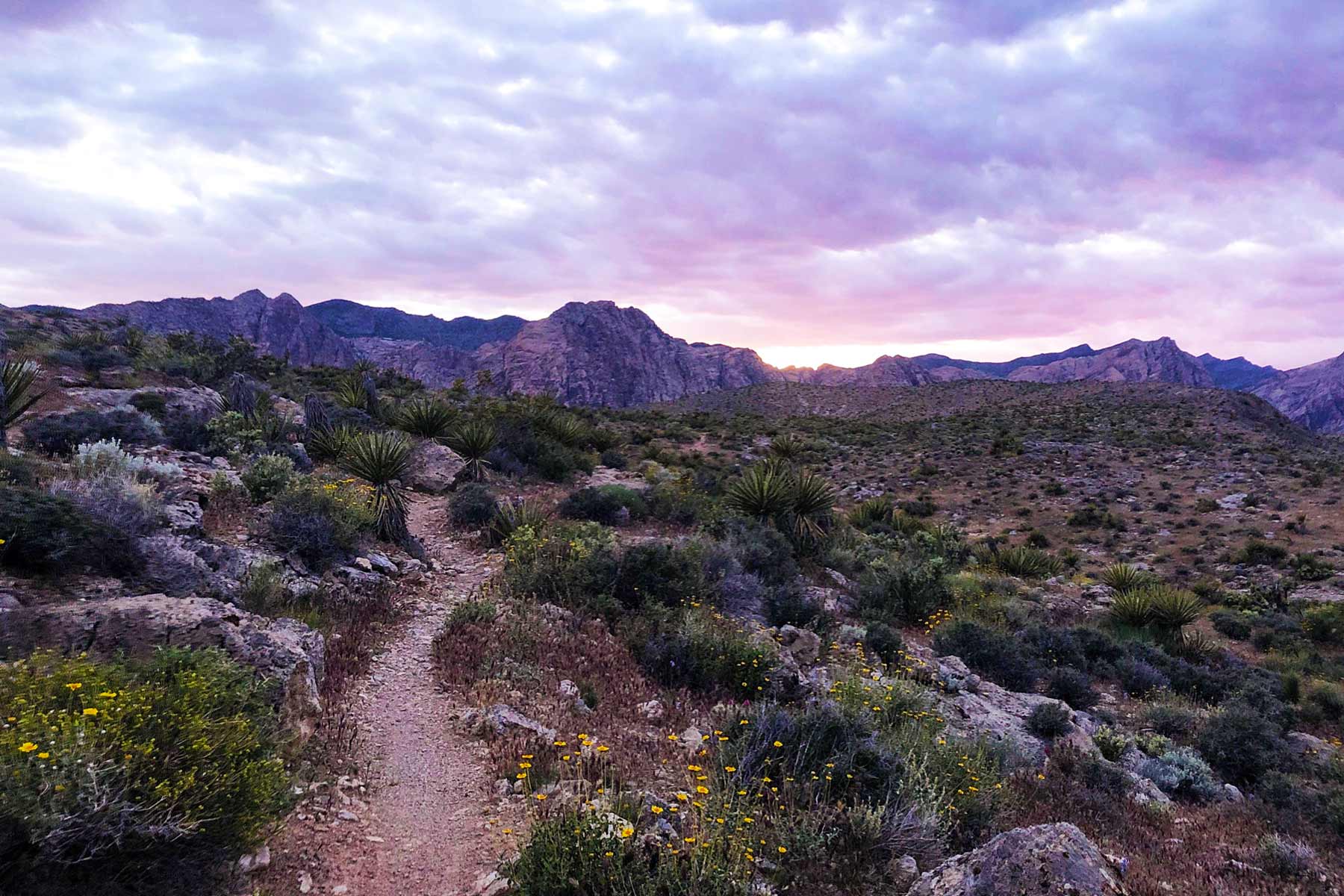
Three long routes pass through Nevada, and none of them is a place you drive to so much as a story you can trace. The National Park Service administers all three as national historic trails, and each crosses the state on its way somewhere bigger.
- California National Historic Trail. Designated in 1992, it follows the routes of the 1840s and 1850s gold-rush emigrants across roughly 5,000 miles and ten states. In Elko you can visit the California Trail Interpretive Center, which does a good job of putting you inside the wagon-road experience.
- Old Spanish National Historic Trail. A trade route running from Santa Fe to Los Angeles, used in the 1830s and 1840s to move goods and livestock across the deserts and mountains of the Southwest. It clips the southern corner of Nevada near Las Vegas.
- Pony Express National Historic Trail. The famous mail relay that ran from 1860 to 1861, covering about 1,800 miles between Missouri and California in roughly ten days. Riders changed horses at relay stations strung across Nevada, and you can still find trail traces and station sites today.
The trails are free, and the Park Service maintains auto-tour routes, maps, and interpretive sites along the way. If history is what you are after in Nevada, also look at our roundup of historic sites in Nevada, and check the NPS California Trail page for the stops that fall inside the state.
How to See Nevada’s Parks
Geography splits these sites into two clusters, so plan around that. The southern group sits within easy reach of Las Vegas: Lake Mead is half an hour out, Tule Springs is on the city’s northern edge, and Death Valley is about two hours west across the California line. You can cover all three in a long weekend based out of Las Vegas, and the historic trails thread through that same country.
Great Basin is the outlier, way up near the Utah border, roughly four to five hours north of Las Vegas. That distance is exactly why it stays quiet, and why it rewards the people who make the effort. Spring and fall are the kindest seasons across the state, since summer in the southern desert is genuinely dangerous and the high country at Great Basin holds snow into June.
If you have one trip, drive to Great Basin and give it two full days, one for Wheeler Peak and the bristlecones, one for Lehman Caves and a night under the stars. It is the only national park that is all Nevada’s, and it is the best thing the state has to offer.


