


Here is the honest version: Illinois has zero true national parks. What it has is 5 National Park Service sites that hold the home where Abraham Lincoln lived before the White House, the planned factory town where American labor history turned, and three of the great westward trails.
I label each below by its real federal designation. Not one is a capital-P National Park. One correction the older lists miss: Pullman was redesignated from a national monument to a national historical park at the end of 2022, so I use the current name. Below are all five, with what is worth your time.
Illinois National Park Service Sites At A Glance
| Site | Federal Designation | Near |
|---|---|---|
| Pullman National Historical Park | National Historical Park | Chicago |
| Lincoln Home National Historic Site | National Historic Site | Springfield |
| Lewis & Clark National Historic Trail | National Historic Trail | Hartford corridor |
| Mormon Pioneer National Historic Trail | National Historic Trail | Nauvoo corridor |
| Trail of Tears National Historic Trail | National Historic Trail | Southern corridor |
1. Pullman National Historical Park
A national historical park on Chicago’s South Side preserving the planned company town that industrialist George Pullman built for his railcar workers in the 1880s. It was designated a national monument in 2015 and redesignated a national historical park in December 2022.
The 1894 Pullman strike and the rise of the Brotherhood of Sleeping Car Porters make this a landmark of American labor and civil rights history. Start at the restored Administration Clock Tower visitor center, then walk the brick streets of the historic town.
117 public lands destinations are under threat. Get the free briefing that 27,000+ people use to stay informed and take action.
Best Civil Rights Sites In America
2. Lincoln Home National Historic Site
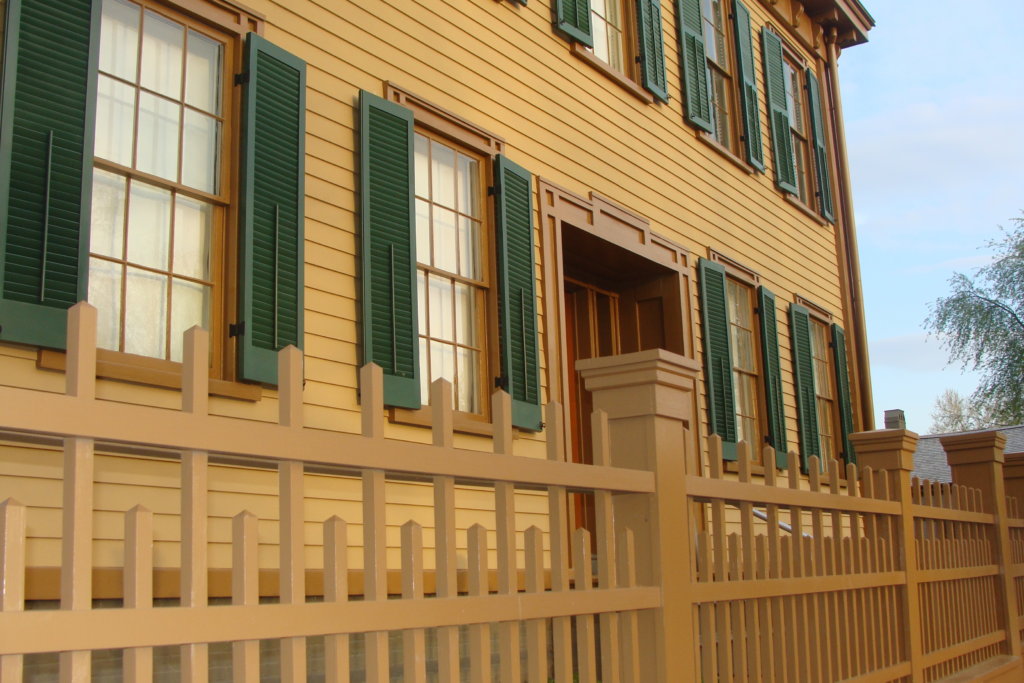
A national historic site in Springfield preserving the only home Abraham Lincoln ever owned, where he and Mary Todd Lincoln lived for 17 years before he left for Washington in 1861.
The NPS has restored a four-block historic neighborhood around the house, so you walk the same streets Lincoln did. Free timed tickets for the house tour are available at the visitor center, and it pairs well with Springfield’s other Lincoln sites.

3. Lewis & Clark National Historic Trail
A national historic trail, an NPS-administered corridor rather than a single gated park. The expedition spent the winter of 1803 to 1804 at Camp Dubois near present-day Hartford, Illinois, the official starting point of the journey west.
You follow it through markers and interpreted sites rather than at one entrance. The Lewis & Clark Confluence Tower and state historic site near Hartford make a good Illinois starting point.

4. Mormon Pioneer National Historic Trail
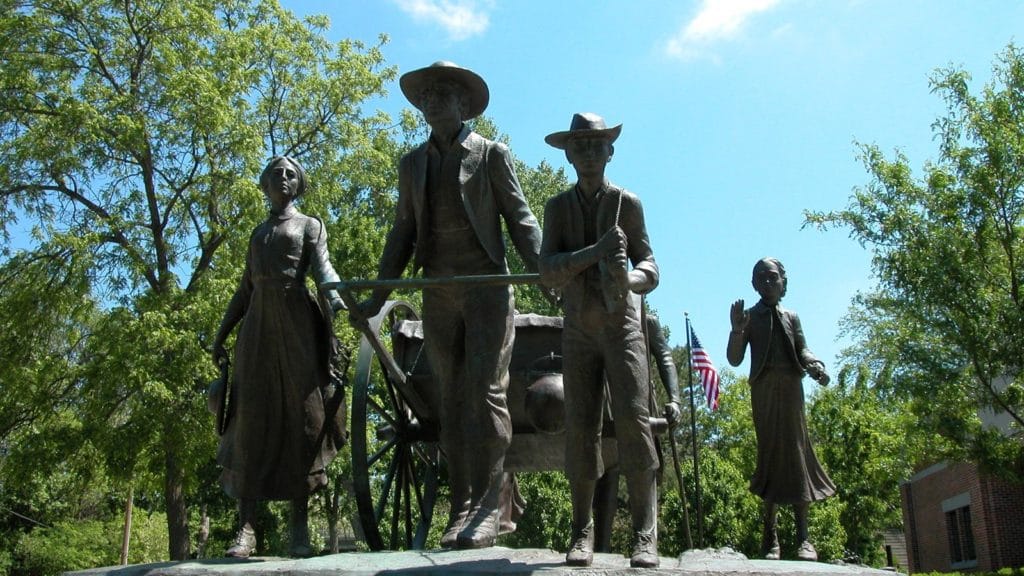
A national historic trail that begins on the Illinois side at Nauvoo, the Mississippi River town the Latter-day Saints built and then left in 1846, setting out on the 1,300-mile journey to the Salt Lake Valley.
Nauvoo today is a restored historic town worth a visit in its own right. From there the trail corridor runs west through several states, followed by markers and interpretive sites.
5. Trail of Tears National Historic Trail
A national historic trail commemorating the forced removal of the Cherokee in the 1830s. One of the principal water and land routes crossed southern Illinois, where thousands endured a brutal winter crossing of the Mississippi.
Certified sites in southern Illinois interpret that crossing. Like the other trails, you experience it through markers and access points rather than a single gate.
Three Newer Illinois Units Worth Knowing
Illinois has gained three NPS sites in recent years that are still developing facilities, so I list them here for completeness rather than as full visitor destinations yet. Pullman aside, watch for these as they grow.
New Philadelphia National Historic Site (2022) protects the first town platted and legally registered by a free African American, Free Frank McWorter. The Emmett Till and Mamie Till-Mobley National Monument (2023) includes Roberts Temple Church of God in Christ in Chicago, where Till’s funeral helped galvanize the civil rights movement. The Springfield 1908 Race Riot National Monument (2024) marks the violence that helped spur the founding of the NAACP.
Planning Your Illinois Trip
The two main destinations bracket the state. Pullman sits on Chicago’s South Side, easy to reach by car or transit. Lincoln Home anchors Springfield in the center, surrounded by other Lincoln sites that make a full day. The three trails meet Illinois at Hartford near St. Louis, Nauvoo on the Mississippi, and the southern tip of the state.
Spring through fall is the best window. Both Pullman and Lincoln Home are free, with timed tickets for the Lincoln house tour. There is no national park entrance pass to buy in Illinois, because there is no national park, but the history here is among the most important in the country.
More state guides: Indiana | Missouri | Oklahoma
Bottom line: Illinois has no national park, but its five National Park Service sites, plus three newer units taking shape, hold a remarkable share of American history, from Lincoln’s home to the birthplace of organized labor’s biggest fights.


