New York has no congressionally designated national park, and it doesn’t need one. The state holds 24 National Park Service units, including the most recognizable monument in America, the room where the federal government was born, and the homes of three presidents. Tony, our resident retired history teacher, was born and raised in New York City and taught this material for decades. This is his home turf.
We’ve ranked all of them honestly, 26 entries in all. The math works like this. The official count is 24 units, we give Ellis Island its own entry because it has earned one even though it belongs to the Statue of Liberty monument on paper, and we include both national scenic trails that cross the state, which the official ledger counts differently. The short version is that the Statue of Liberty and Ellis Island justify a trip by themselves, the Hyde Park sites form the best presidential history day in America, and a handful of the smaller memorials are 30-minute stops you fold into a city walk. Here’s the whole picture.
All 26 New York National Park Sites Compared
| Unit | Type | The Draw | Time Needed |
|---|---|---|---|
| Statue of Liberty | National Monument | Lady Liberty herself, crown climb | Half to full day |
| Ellis Island | National Monument (part of Statue of Liberty NM) | Where 12 million American stories began | 3 to 4 hours |
| Home of Franklin D. Roosevelt | National Historic Site | Springwood and the first presidential library | Half day |
| Eleanor Roosevelt (Val-Kill) | National Historic Site | The only historic site dedicated to a first lady | 2 hours |
| Vanderbilt Mansion | National Historic Site | Gilded Age excess with Hudson views | 2 hours |
| Saratoga | National Historical Park | The battlefield that turned the Revolution | Half day |
| Harriet Tubman | National Historical Park | Tubman’s home of 50 years in Auburn | 2 to 3 hours |
| Women’s Rights | National Historical Park | Seneca Falls and the 1848 convention | 2 to 3 hours |
| Sagamore Hill | National Historic Site | Theodore Roosevelt’s Summer White House | Half day |
| Fire Island | National Seashore | Car-free beaches, lighthouse, Sunken Forest | Full day |
| Upper Delaware | Scenic and Recreational River | 73 miles of undammed river, eagles, Roebling’s bridge | Full day |
| Gateway | National Recreation Area | 27,000 acres of beach and bay in the city’s lap | Half day per unit |
| Stonewall | National Monument | Birthplace of the modern LGBTQ rights movement | 1 to 2 hours |
| African Burial Ground | National Monument | The rediscovered colonial African cemetery | 1 to 2 hours |
| Federal Hall | National Memorial | Washington’s inauguration, the first Congress | 1 hour |
| Hamilton Grange | National Memorial | The only home Hamilton ever owned | 1 hour |
| General Grant | National Memorial | The largest mausoleum in North America | 1 hour |
| Governors Island | National Monument | Two historic forts, a $5 ferry, harbor views | Half day |
| Fort Stanwix | National Monument | The fort that never surrendered, rebuilt whole | 2 hours |
| Theodore Roosevelt Birthplace | National Historic Site | TR’s reconstructed boyhood brownstone | 1 hour |
| Theodore Roosevelt Inaugural | National Historic Site | The Buffalo parlor where TR took the oath | 1 to 2 hours |
| Martin Van Buren | National Historic Site | Lindenwald and the eighth president | 2 hours |
| Saint Paul’s Church | National Historic Site | A 1763 church that served as a war hospital | 1 hour |
| Castle Clinton | National Monument | The fort that processed 8 million immigrants before Ellis | 30 minutes |
| Appalachian Trail | National Scenic Trail | 88 New York miles, including the trail’s lowest point | As long as you like |
| North Country Trail | National Scenic Trail | The longest trail in the system | As long as you like |
New York National Parks Featured in This Video
1. Statue of Liberty National Monument
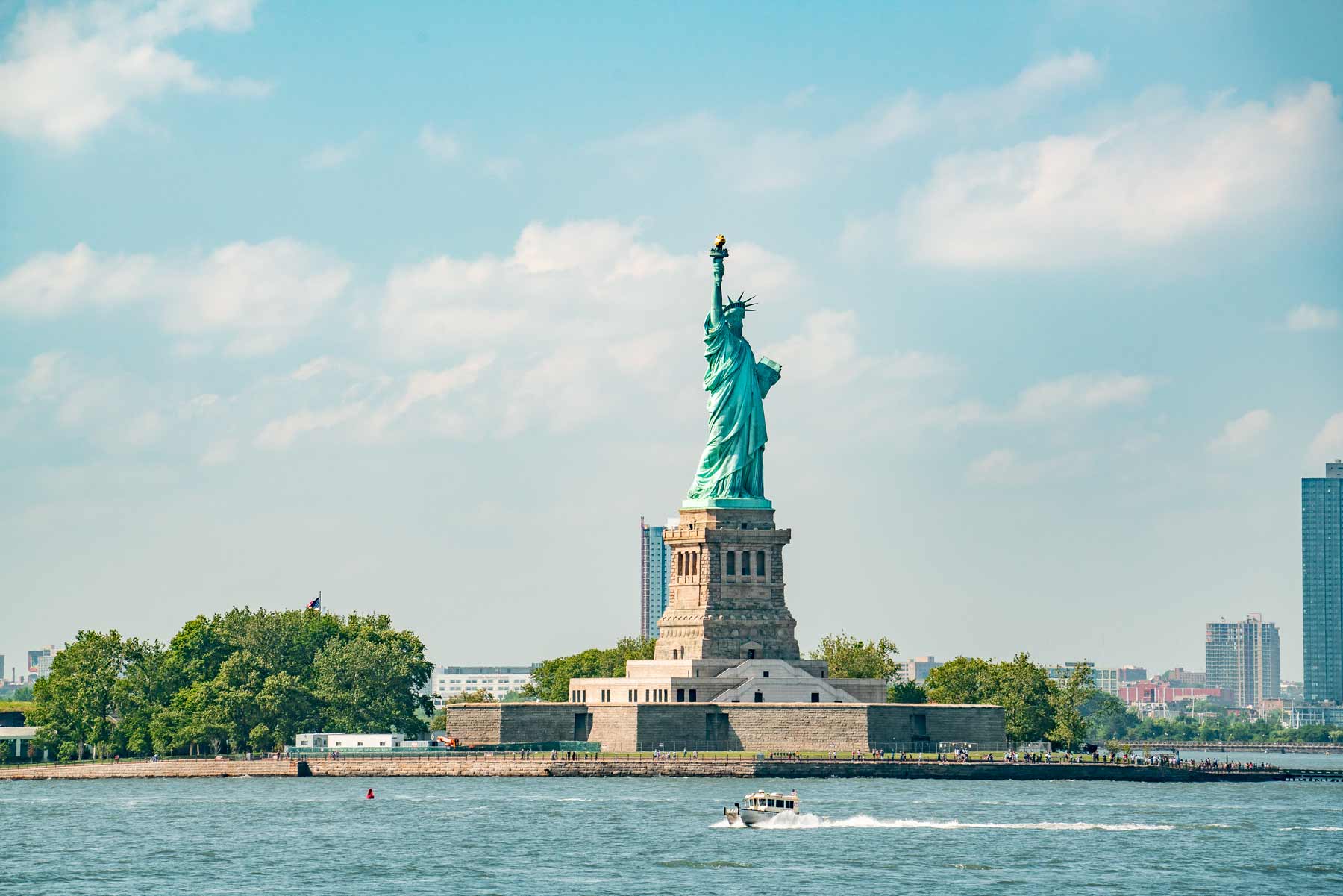
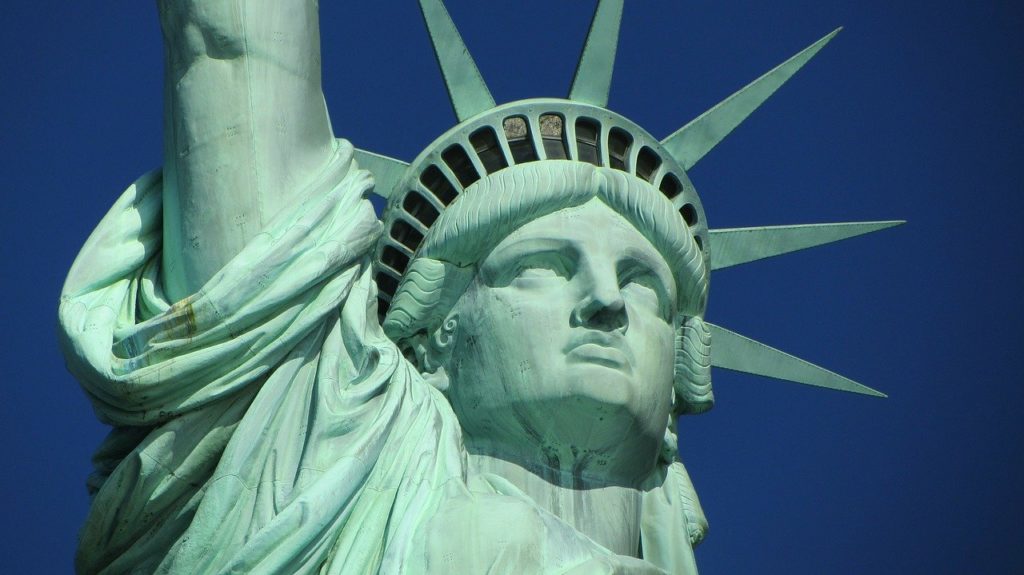
France gave the United States a 151-foot copper colossus in 1886, Frederic Auguste Bartholdi sculpted her, and Gustave Eiffel engineered the iron skeleton that holds her up. She has been the first thing millions of arriving immigrants saw of America, which is why she still means something no other monument quite matches.
Statue City Cruises runs the only legitimate ferry, from the Battery or Liberty State Park, and adult tickets start at $25.50 including Ellis Island and both museums. Crown access costs a few cents more and sells out months ahead. The climb is 393 steps with no air conditioning, and the view of the harbor through Lady Liberty’s diadem is worth every one of them. Anyone selling you a “statue ticket” on the sidewalk is selling you a boat ride past it.
109 public lands are under threat. Get the free weekly briefing that 25,000+ people use to stay informed and take action.
Budget a half day minimum for both islands. More NYC sites in our guide to national parks in New York City.

2. Ellis Island
Between 1892 and 1954, more than 12 million immigrants passed through the inspection lines at Ellis Island. Roughly 40 percent of Americans can trace at least one ancestor to this building. Tony taught this history for decades and still says nothing in a textbook compares to standing in the Registry Room where the lines actually formed.
The National Immigration Museum is included with the same ferry ticket as the statue, and the American Family Immigration History Center holds arrival records for folks tracing their own families. The station closed in 1954 and reopened as a museum in 1990 after a major restoration.


3. Home of Franklin D. Roosevelt National Historic Site
Springwood, in Hyde Park, is where Franklin Roosevelt was born, where he retreated through twelve years of depression and war, and where he and Eleanor are buried in the rose garden. He also built the nation’s first presidential library here and donated it to the public while still in office, a habit every successor copied.
The house is open by guided tour only, $15 for adults, free under 16, first come first served. The library and museum cover the New Deal and the war years in depth, including the programs that put the Civilian Conservation Corps to work in the parks we cover every week. With Val-Kill and Vanderbilt minutes away, Hyde Park is the best presidential history day in the country.

4. Eleanor Roosevelt National Historic Site
Val-Kill is the only national historic site dedicated to a first lady, and Eleanor Roosevelt earned the distinction. Historians surveyed by Siena College and C-SPAN have ranked her the most influential first lady in American history every time they’ve asked the question since 1982.
After FDR’s death she made this modest cottage two miles from Springwood her permanent home, and from it she helped draft the Universal Declaration of Human Rights. The furniture came from Val-Kill Industries, the furniture shop she ran here to teach trades to local workers during the Depression. Tour the cottage, then walk the trails. It’s the most human-scaled presidential site we know.

5. Vanderbilt Mansion National Historic Site
Frederick Vanderbilt’s 54-room Beaux-Arts mansion, finished in 1898 by McKim, Mead and White, was a “country place” the family used a few weeks a year. It survives nearly intact, furnishings and all, which makes it the clearest window into Gilded Age money the Park Service owns.
The house is shown by guided tour, and the grounds, free from dawn to dusk, hold some of the best Hudson River views in the valley along with one of the oldest formal gardens in the country. Two miles from the Roosevelt sites. Do all three in a day.
6. Saratoga National Historical Park
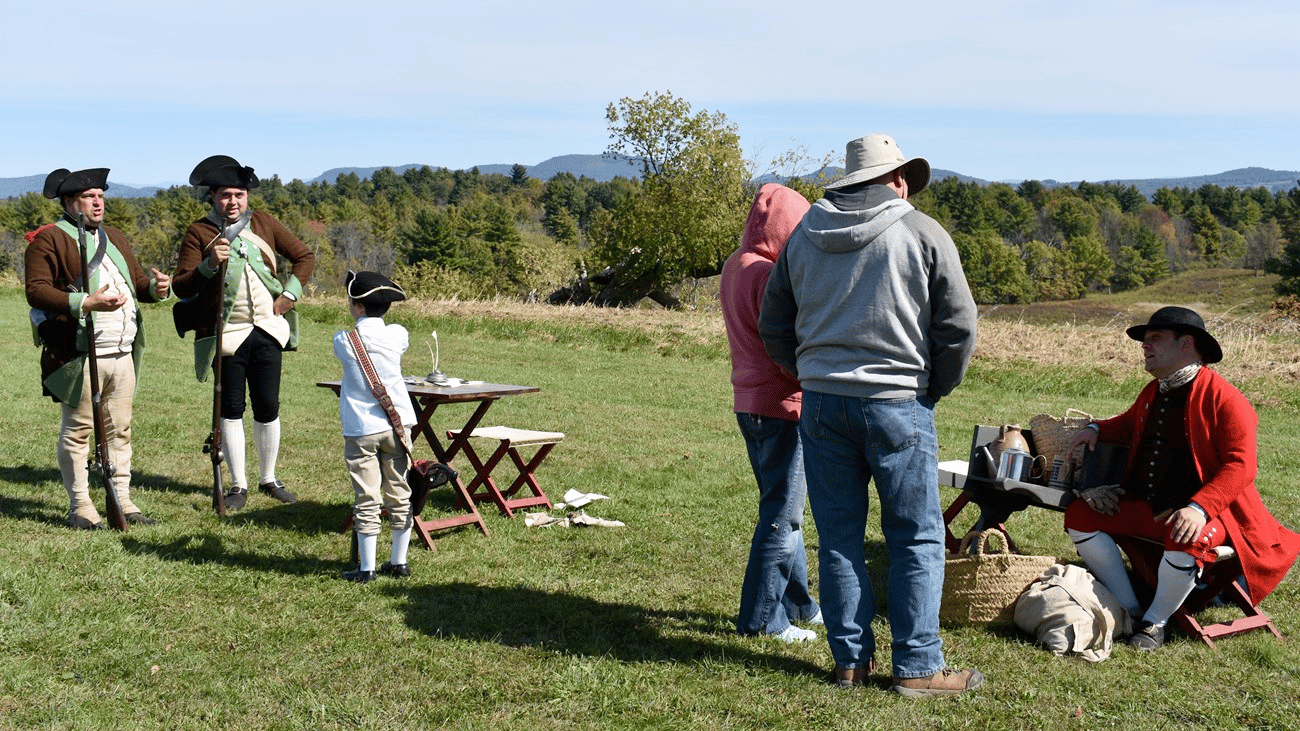
In the fall of 1777, American forces beat a British army in two pitched battles here, and General John Burgoyne surrendered his entire force on October 17. France entered the war openly on the strength of the result. Historians have called Saratoga the turning point of the Revolution for two centuries, and they’re right.
Entry is free. Drive the ten-stop battlefield tour road, and find the Boot Monument, a memorial to Benedict Arnold’s shattered leg that refuses to print his name. Arnold fought brilliantly here before his name became a synonym for treason, and the monument’s silence is the best history lesson in the park. More in our guide to the best Revolutionary War sites in America.

7. Harriet Tubman National Historical Park
Harriet Tubman escaped slavery, returned south roughly 13 times to lead about 70 people to freedom, served the Union Army as a scout and spy, and then lived another 50 years in Auburn, New York, caring for others the entire time. The park preserves her residence, the Home for the Aged she founded, and the Thompson Memorial A.M.E. Zion Church she helped fund.
Admission is free, guided tours run about 90 minutes, and the visitor center keeps limited days, currently Thursday through Saturday, so check hours before driving out. Tubman is buried in Fort Hill Cemetery nearby. She received a military funeral. It was deserved.

8. Women’s Rights National Historical Park
On July 19 and 20, 1848, about 300 people crowded into the Wesleyan Chapel in Seneca Falls for the first women’s rights convention in American history. The Declaration of Sentiments signed there borrowed Jefferson’s opening line and added two words, “and women,” that took another 72 years to reach the Constitution.
The park preserves the chapel, Elizabeth Cady Stanton’s house, and a visitor center that walks through the whole movement. Admission is free, and Seneca Falls pairs naturally with Harriet Tubman’s Auburn, 25 minutes east, for a single Finger Lakes history day folks rarely think to assemble.

9. Sagamore Hill National Historic Site
Theodore Roosevelt lived at Sagamore Hill in Oyster Bay from 1885 until his death in 1919, and ran the country from its porch as the Summer White House. The 23-room house still holds his books, his trophies, and the bed he died in. For the president who did more for the national parks than any other, this is the pilgrimage.
The house is shown by guided tour and tickets go through Recreation.gov, so reserve before making the drive out on Long Island. The Old Orchard Museum and a nature trail down to the beach round out a half day.

10. Fire Island National Seashore
A 26-mile barrier island off Long Island’s south shore, most of it reachable only by ferry and almost entirely car-free. The 1858 Fire Island Lighthouse anchors the west end, and the Sunken Forest at Sailors Haven shelters a maritime holly forest with trees roughly 300 years old, hiding behind the dunes a few hundred feet from the Atlantic.
The Otis Pike High Dune Wilderness is New York State’s only federally designated wilderness, which is a strange and wonderful fact for an island within sight of Long Island beach traffic. Camping at Watch Hill runs mid-May through mid-October and books fast. This is the state’s best NPS site for folks who want sand instead of history, though the William Floyd Estate, home of a Declaration signer, sneaks some in anyway.

11. Upper Delaware Scenic and Recreational River
The answer to “where’s the closest big-nature park unit to the city” is this one. The Upper Delaware protects 73.4 miles of the last major undammed river in the eastern United States, running along the Pennsylvania line from Hancock down to Sparrowbush, about two hours northwest of Manhattan. Folks canoe and raft the rapids and pools all summer, the fishing ranks with the best in the Northeast, and wintering bald eagles gather along the river in numbers that still surprise first-timers. There’s no entrance fee. One caution. Nearly all the land along the river is private, so put in and take out at the marked public access points.
Tony’s pick here is the history hiding in plain sight. Roebling’s Delaware Aqueduct at Lackawaxen, opened in 1848, is the oldest existing wire suspension bridge in America, and John Roebling used it to work out the engineering he later scaled up into the Brooklyn Bridge. You can still drive across it. The Zane Grey Museum sits at the Pennsylvania end, in the house where Grey started writing the westerns that invented the genre.

12. Gateway National Recreation Area
Gateway is 27,000 acres of beaches, marshes, and old coastal forts spread across Jamaica Bay, Staten Island, and Sandy Hook in New Jersey, all of it reachable by subway, bus, ferry, or car. The Jamaica Bay Wildlife Refuge is one of the best urban birding spots in America, with over 300 species recorded a glide path away from JFK’s runways.
Jacob Riis Park brings the historic bathhouse and the city’s classic beach day. Fort Wadsworth sits under the Verrazzano Bridge, and Sandy Hook holds the 1764 Sandy Hook Lighthouse, the oldest operating lighthouse in the United States. Entry is free, though beach parking lots charge in summer.

13. Stonewall National Monument
The June 1969 uprising at the Stonewall Inn turned a routine police raid into the spark of the modern LGBTQ civil rights movement. In 2016 the site became the first national monument dedicated to that history, centered on Christopher Park and the surrounding Greenwich Village streets.
The Stonewall National Monument Visitor Center at 51 Christopher Street opened on June 28, 2024, the 55th anniversary of the uprising, and it’s free. The monument works best as part of a Village walk, and the history works on anyone who shows up curious.

14. African Burial Ground National Monument
In 1991, crews excavating for a federal office tower at 290 Broadway hit intact human remains 30 feet below the street. Archaeologists had rediscovered a six-acre cemetery where an estimated 15,000 free and enslaved Africans were buried between the 1630s and 1795, the oldest and largest known African burial ground in North America.
The outdoor memorial, dedicated in 2007, and the indoor visitor center tell the story of the people who built colonial New York, including the wall that gave Wall Street its name. Free, open weekdays, and a short walk from Federal Hall, which makes for a Lower Manhattan history pairing that reframes everything around it.

15. Federal Hall National Memorial
George Washington took the first presidential oath of office on this spot on April 30, 1789, when New York City was the nation’s capital. The first Congress met here, and the Bill of Rights was introduced here. The original building is gone. The current Greek Revival structure, built in 1842 as a Custom House, holds the inaugural Bible and a slab of the balcony Washington stood on.
It’s free, it’s open weekdays, and it takes an hour. The contrast of Washington’s statue facing the New York Stock Exchange is the most photographed history lesson on Wall Street.

16. Hamilton Grange National Memorial
Alexander Hamilton rose from an orphaned childhood in the West Indies to build the American financial system, and the Grange, finished in 1802 in what was then countryside, was the only home he ever owned. He got two years in it before Aaron Burr ended his life at Weehawken in 1804.
The house has been moved twice to dodge the street grid, most recently in 2008 when it was carried whole into St. Nicholas Park in Harlem. Admission is free, the restored parlor floor is small and excellent, and yes, attendance climbed sharply after a certain musical. The history was always this good.

17. General Grant National Memorial
Ulysses S. Grant commanded the armies that saved the Union and served two terms as president. When he died in 1885, about 90,000 donors funded the largest mausoleum in North America, dedicated on Riverside Drive in 1897 before a crowd estimated at a million people. Grant and his wife Julia rest inside.
Admission is free, a 20-minute film and exhibit gallery cover the life, and the Hudson River setting is quietly grand. Grant’s reputation has been climbing for two decades as historians reassess Reconstruction, and the memorial reads differently once you know that story. More context in our guide to America’s best Civil War sites.

18. Governors Island National Monument
A 172-acre island a half mile off the Battery, Governors Island served as a military post for two centuries under the Army and then the Coast Guard until 1996. The national monument protects Fort Jay and Castle Williams, two fortifications built to keep the British out of the harbor after the Revolution.
The ferry costs $5 round trip and rides free on weekend mornings before 11 am. The rest of the island has become one of the city’s favorite parks, so the forts come with bike rentals, hammocks, and the best skyline view in New York that doesn’t require a window seat.
19. Fort Stanwix National Monument
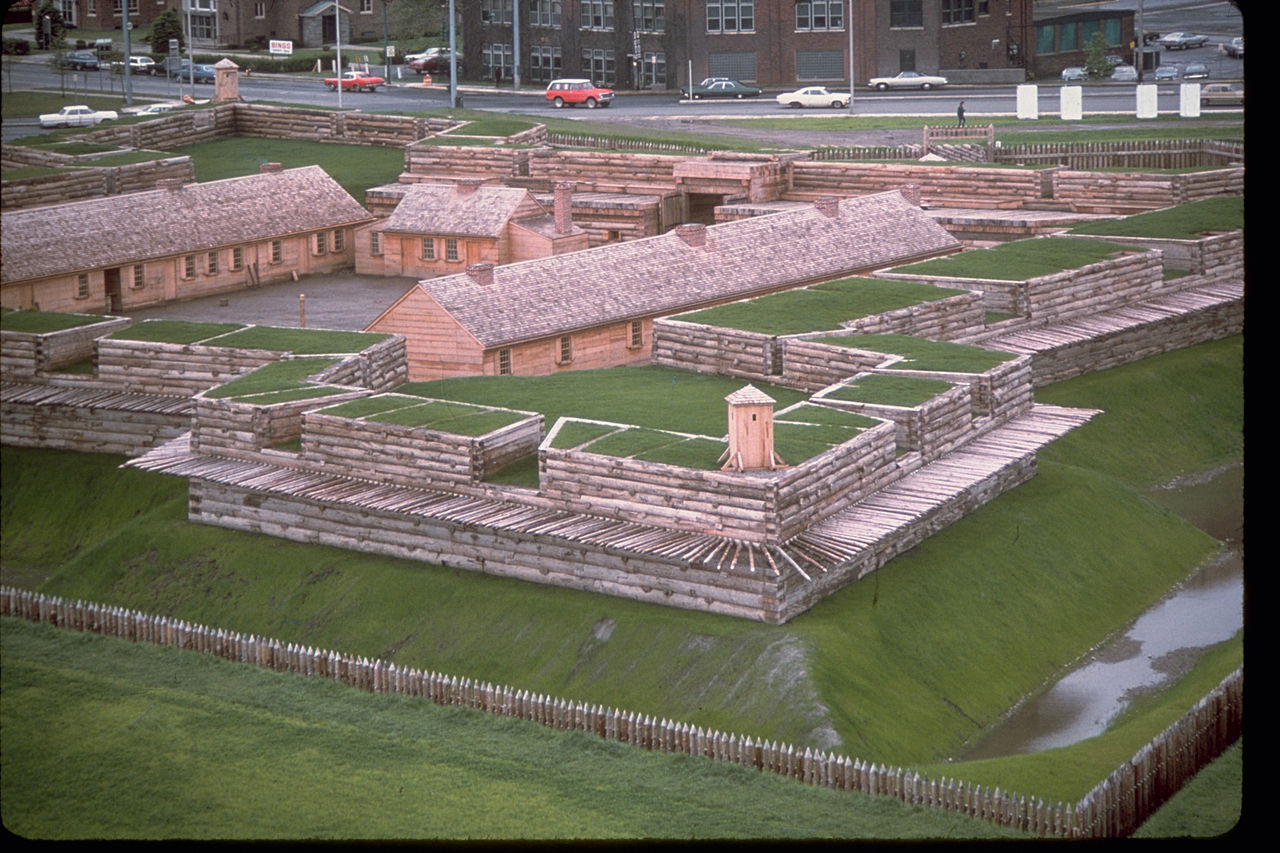
In August 1777, Colonel Peter Gansevoort’s garrison held Fort Stanwix through a three-week siege by British, German, Loyalist, and allied Haudenosaunee forces under Barry St. Leger. The siege failed, St. Leger’s wing never reached Saratoga, and Burgoyne surrendered two months later. “The fort that never surrendered” earned the nickname honestly.
The fort in downtown Rome is a full reconstruction on the original footprint, free to visit, with a strong museum at the Willett Center and living history programs in season. It also marks the Oneida Carrying Place, the portage that made this ground worth fighting over for centuries before 1777.

20. Theodore Roosevelt Birthplace National Historic Site
Theodore Roosevelt was born in a brownstone at 28 East 20th Street in 1858 and spent his sickly, asthmatic childhood there building the strength that became the whole legend. The original house was demolished in 1916, then rebuilt to the period in 1923 by the same architect, Theodate Pope Riddle, one of America’s first licensed female architects, and refurnished by Roosevelt’s widow and sisters.
Admission is free and the period rooms are shown by ranger-led tour. It’s an hour well spent between Union Square and the Flatiron, and the only place to meet TR before the parks, the Rough Riders, and the rest.

21. Theodore Roosevelt Inaugural National Historic Site
President McKinley was shot at Buffalo’s Pan-American Exposition in September 1901 and died eight days later. Theodore Roosevelt took the oath of office in the library of the Ansley Wilcox house on Delaware Avenue on September 14, in borrowed formal clothes, and the country got its youngest president and, in time, its greatest conservationist.
The Wilcox Mansion is open by guided tour, $12 for adults with reservations recommended, and the exhibits on the assassination and the frantic 48 hours that followed are first-rate. Pair it with Niagara Falls, 30 minutes away, and you’ve justified the trip to Buffalo twice over.
22. The Martin Van Buren National Historic Site
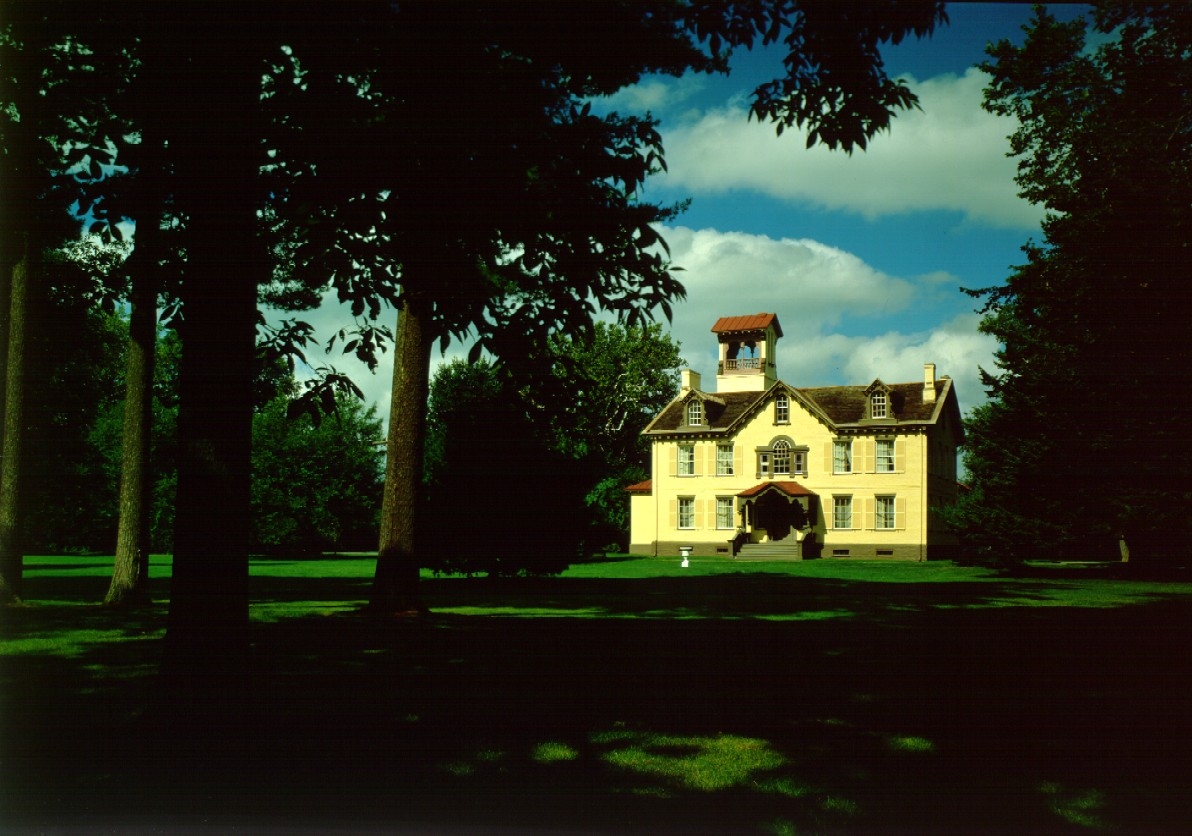
Martin Van Buren, the first president born a citizen of the United States rather than a British subject, retired to Lindenwald, a 36-room estate outside his hometown of Kinderhook, and ran two more presidential campaigns from its parlors. One popular origin story for the word “okay” traces it to his nickname, Old Kinderhook, whose supporters formed O.K. Clubs in 1840.
House tours run seasonally, the grounds and farm trails are free year-round, and the site sits 30 minutes from the Hyde Park cluster. Van Buren will never headline anyone’s trip. His house is better than his reputation.

23. Saint Paul’s Church National Historic Site
One of New York’s oldest parishes, with a stone church begun in 1763 that served as a military hospital after the nearby Battle of Pell’s Point in 1776. The churchyard’s earliest stones date to the early 1700s, and the bell in the tower came from the same London foundry as the Liberty Bell.
It’s free, it’s in Mount Vernon just over the Bronx line, and it’s the quietest site on this list. Tony argues that’s the appeal. Colonial history with no line is still colonial history.
24. Castle Clinton National Monument
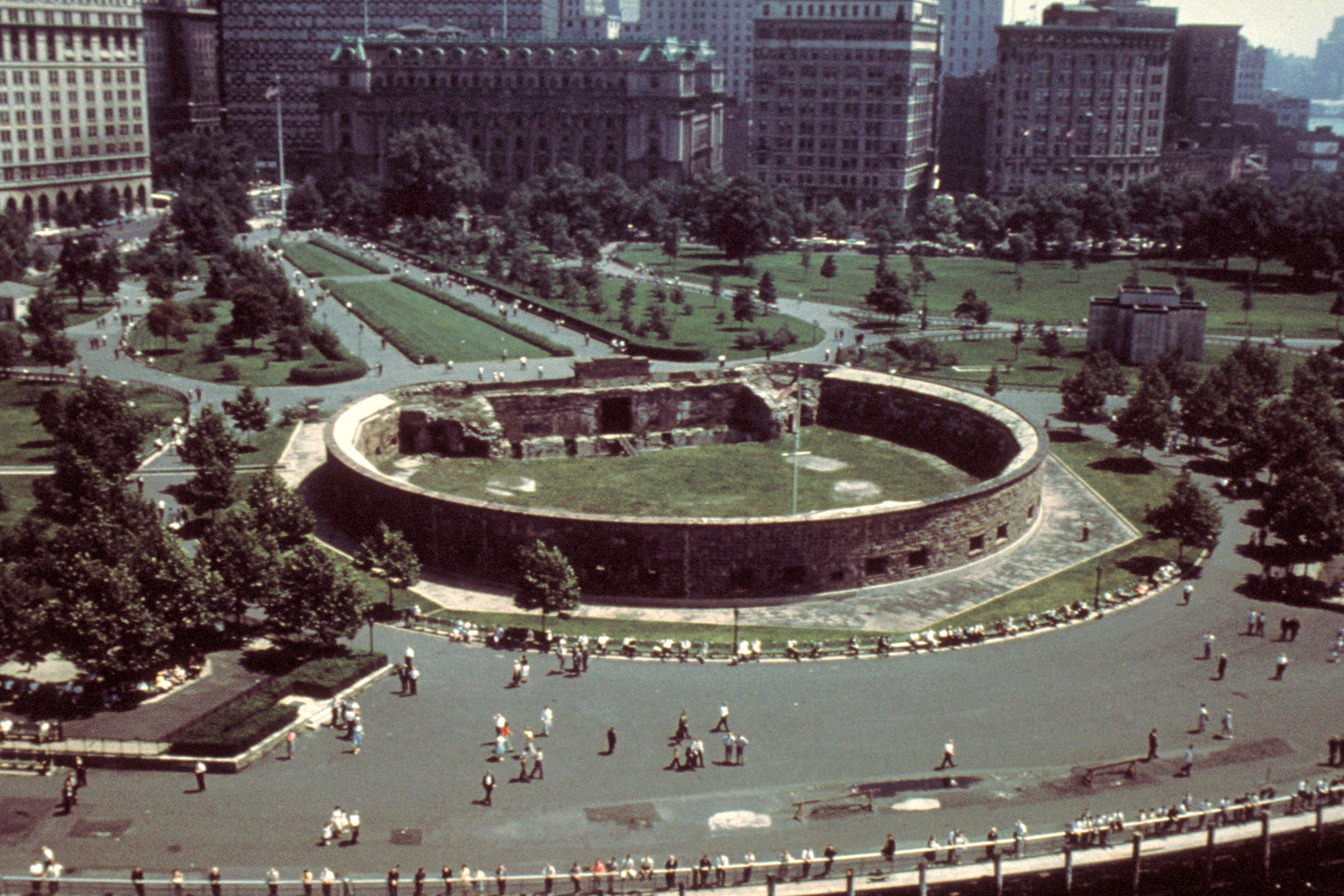
Built in 1811 to keep the British out of New York Harbor, this sandstone fort in Battery Park never fired a shot in anger. Instead it lived several other lives. As Castle Garden it was the city’s great concert hall, where P.T. Barnum presented Jenny Lind in 1850. Then it became America’s first official immigration depot, processing more than 8 million arrivals between 1855 and 1890, before Ellis Island existed. Then it spent four decades as the city aquarium.
Today it’s free, and it’s mostly the place you buy Statue of Liberty ferry tickets. Spend ten minutes with the exhibit panels anyway. If your family arrived before 1890, this fort is your Ellis Island.

25. Appalachian National Scenic Trail
About 88 of the Appalachian Trail’s roughly 2,190 miles cross New York, and they include two of the trail’s best trivia answers. The very first section of the A.T. ever opened, in 1923, runs through Bear Mountain State Park, and the lowest elevation on the entire Georgia-to-Maine route, about 124 feet, sits inside the Bear Mountain Trailside Museums and Zoo.
For a day hike with a payoff, take the climb out of Bear Mountain or the famous view from the Lemon Squeezer in Harriman. Metro-North’s Appalachian Trail station, a concrete platform in a field, lets you do it without a car, which feels very New York.
26. North Country National Scenic Trail
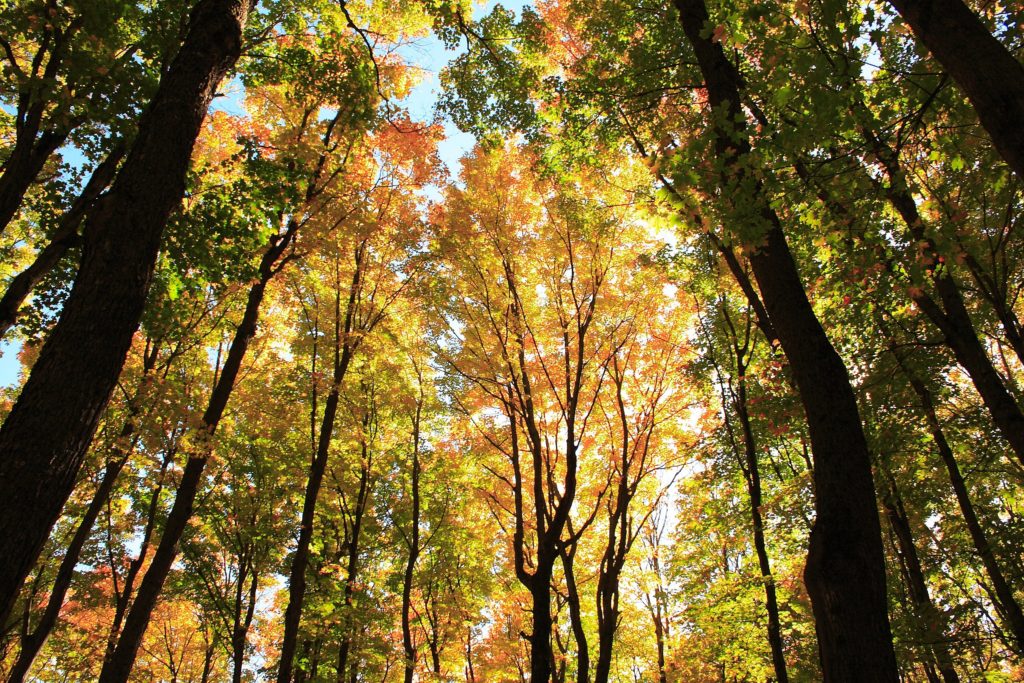
The North Country Trail runs about 4,800 miles from North Dakota to Vermont, the longest trail in the National Trails System, and its New York leg rides the Finger Lakes Trail through gorge country before climbing into the Adirondack foothills. Almost nobody hikes the whole thing. That’s not the point of a trail like this.
The point is that a national park unit probably passes within an hour of wherever you live in upstate New York, and the waterfall sections of the Finger Lakes stretch hold their own against anything east of the Rockies.
Worth knowing. The Lower East Side Tenement Museum at 97 Orchard Street is a National Park Service affiliated site rather than a full park unit, and it’s one of the best museums in the city. Apartment tours tell the stories of the real immigrant families who lived in the building between 1863 and 1935. Book ahead, tours sell out.

Planning a New York National Parks Trip
Three Trips That Cover Almost Everything
- The City Weekend. Statue of Liberty and Ellis Island on day one. On day two, walk Lower Manhattan from Castle Clinton past Federal Hall and the African Burial Ground, then up to Stonewall, with Hamilton Grange, Grant’s tomb, TR’s birthplace, and Governors Island as the choose-your-own additions. Every site is subway distance.
- The Hudson Valley Day. Springwood, Val-Kill, and the Vanderbilt Mansion are within ten minutes of each other in Hyde Park. Add Martin Van Buren’s Lindenwald 30 minutes north, and Saratoga makes it an overnight.
- The Upstate History Run. Women’s Rights in Seneca Falls and Harriet Tubman in Auburn are 25 minutes apart in the Finger Lakes. Fort Stanwix is an hour east, the TR Inaugural Site and Niagara Falls two hours west.
When to Go and What Things Cost
Most of these sites are free, which makes New York the best value in the park system. The exceptions are the statue ferry at $25.50, the $15 Hyde Park house tours, the $12 TR Inaugural tour, and the $5 Governors Island ferry. May, June, September, and October are the sweet spots statewide. Fire Island and Gateway peak in summer, the historic house tours thin out beautifully in fall, and several house museums reduce hours in winter, so check before driving.
Reserve ahead for three things. Crown access at the statue, Sagamore Hill house tours, and the Tenement Museum.
Why Listen to Us About New York’s Parks
We’re a team of park-obsessed filmmakers and writers, and our resident historian Tony spent his career teaching this material before retiring in 2018 to go see all of it in person. He was born and raised in New York City. The rankings reflect his verdicts, and we’ve learned not to argue with him about Grant.