

I spent decades teaching the Civil War in a classroom. Then I started visiting the battlefields, the forts, and the prisons. Here is what I can tell you: standing where those soldiers stood changes how you understand everything about this conflict.
I am a retired history teacher who now researches and writes for More Than Just Parks. What follows is my guide to ten Civil War sites worth your time, ranked, with the real history behind each one and what you will see when you visit. Some are famous. A few are not. I have noted the correct designation and managing agency for each, because these are sacred grounds and the details matter.
A word before we begin. The Civil War was fought over slavery. The Confederate cause was the defense of human bondage, and I have tried throughout to tell these stories honestly, including the parts that are hard to read.
The 10 Best Civil War Sites at a Glance
| Rank | Site | Designation & Agency | Location | Key Event |
|---|---|---|---|---|
| 1 | Gettysburg National Military Park | National Military Park (NPS) | Gettysburg, PA | Turning point of the war, July 1863 |
| 2 | Vicksburg National Military Park | National Military Park (NPS) | Vicksburg, MS | Siege splits the Confederacy, July 1863 |
| 3 | Antietam National Battlefield | National Battlefield (NPS) | Sharpsburg, MD | Bloodiest single day, Sept 17, 1862 |
| 4 | Fredericksburg & Spotsylvania National Military Park | National Military Park (NPS) | Fredericksburg, VA | Four major battles, 1862-1864 |
| 5 | Shiloh National Military Park | National Military Park (NPS) | Shiloh, TN | Costly Union victory, April 1862 |
| 6 | Manassas National Battlefield Park | National Battlefield Park (NPS) | Manassas, VA | First major land battle, July 1861 |
| 7 | Chickamauga & Chattanooga National Military Park | National Military Park (NPS) | GA & TN | Battles for the Deep South, 1863 |
| 8 | Brices Cross Roads National Battlefield Site | National Battlefield Site (NPS) | Baldwyn, MS | Confederate cavalry victory, June 1864 |
| 9 | Pea Ridge National Military Park | National Military Park (NPS) | Garfield, AR | Secured Missouri for the Union, 1862 |
| 10 | Andersonville National Historic Site | National Historic Site (NPS) | Andersonville, GA | Notorious POW camp, 1864-65 |
10. Andersonville National Historic Site
Location: Andersonville, Georgia | Managed by: National Park Service
117 public lands destinations are under threat. Get the free briefing that 27,000+ people use to stay informed and take action.
We begin at number ten with the most notorious Confederate prisoner-of-war camp of the war. Andersonville, officially Camp Sumter, held Union prisoners in southern Georgia. Of the roughly 45,000 men confined there, nearly 13,000 died of disease, exposure, and starvation.
Robert H. Kellogg was twenty years old when he walked through the gates. Captured at Plymouth, North Carolina, he later described what he saw: “As we entered the place, a spectacle met our eyes that almost froze our blood with horror. Before us were forms that had once been active and erect, stalwart men, now nothing but mere walking skeletons, covered with filth and vermin. Many of our men exclaimed with earnestness, ‘Can this be hell?'”
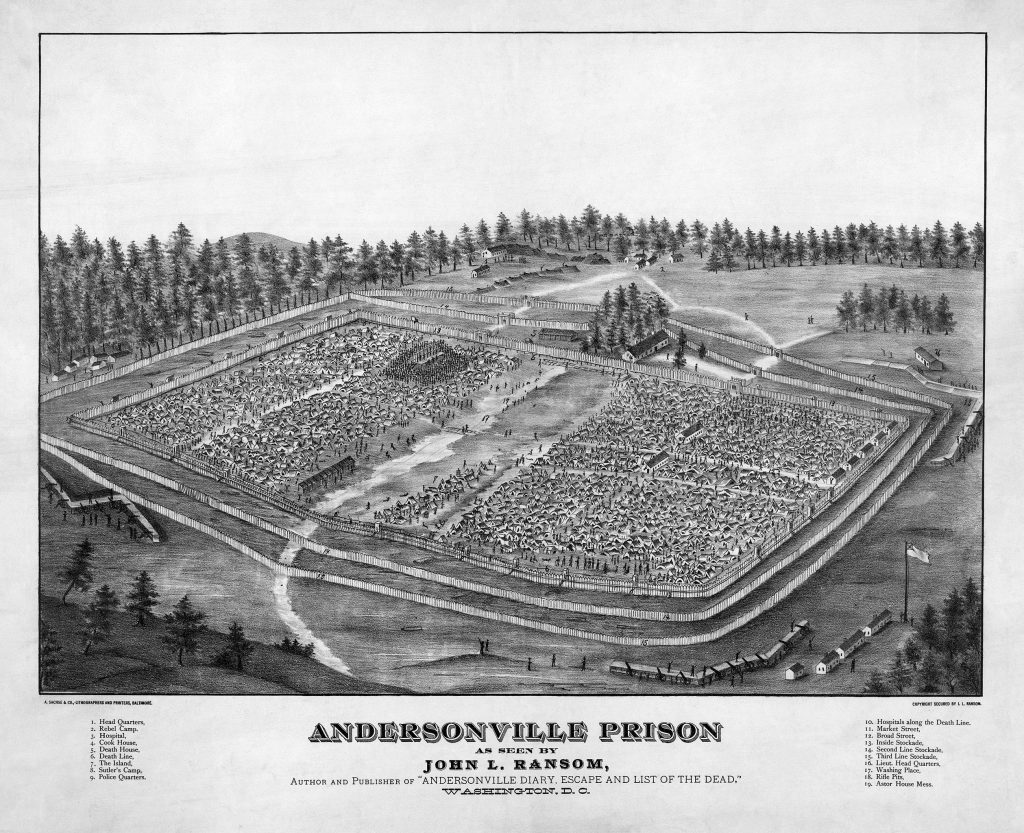
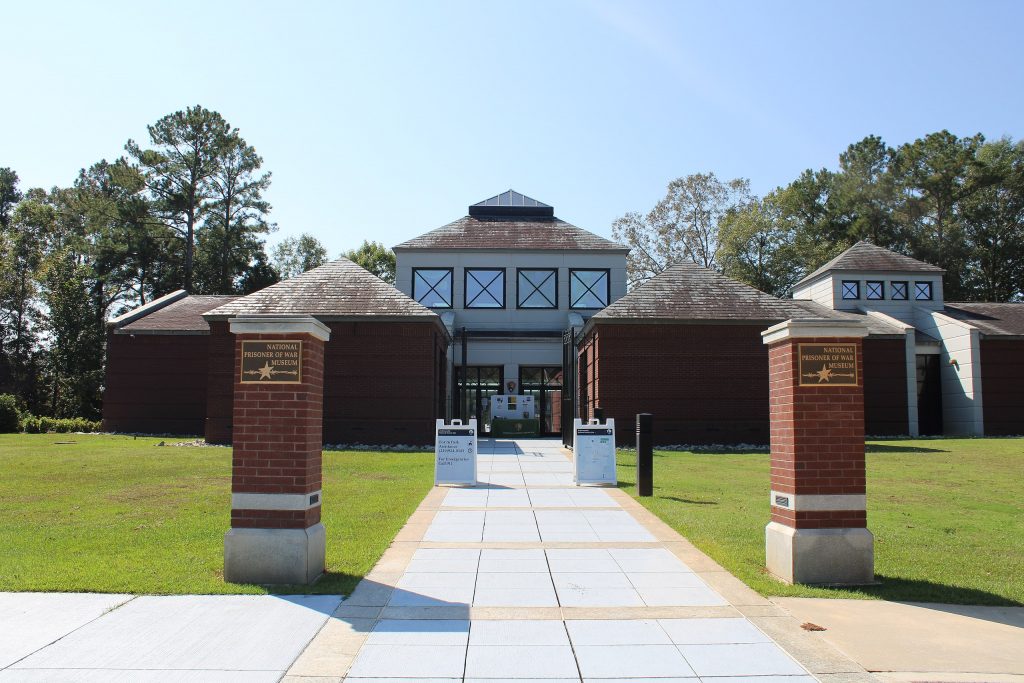
Andersonville National Historic Site preserves the prison grounds and serves as the only national park unit that memorializes all American prisoners of war. The site includes the National Prisoner of War Museum, the prison site, and Andersonville National Cemetery, where the Union dead were buried in long trenches. Most visitors spend at least two hours here, and anyone with a deep interest in the war can easily fill a day.
Further Reading on Andersonville
- Andersonville by MacKinlay Kantor, the Pulitzer-winning novel of the camp
- John Ransom’s Andersonville Diary, a first-hand account by a prisoner who lived through it
- Andersonville and Camp Douglas: The History of the Civil War’s Deadliest Prison Camps by Charles River Editors
For more on the state, see our guide to historic sites in Georgia.
9. Pea Ridge National Military Park
Location: Garfield, Arkansas | Managed by: National Park Service
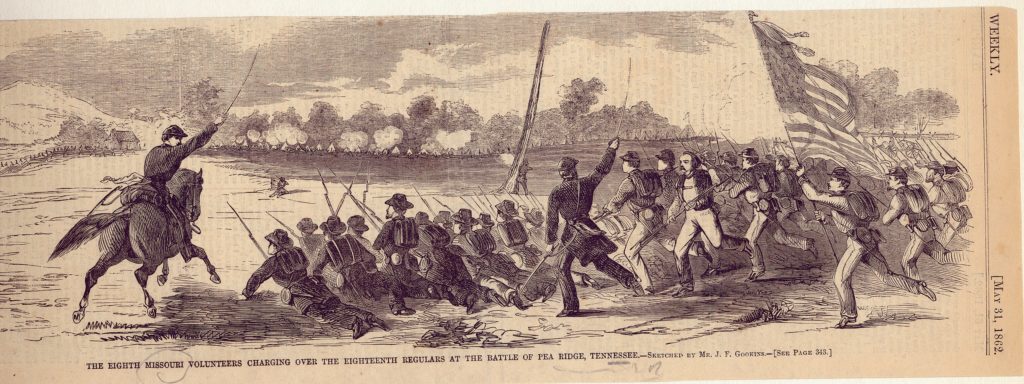
Number nine is a battlefield even some Civil War readers have never heard of. In March 1862, more than 23,000 soldiers fought at Pea Ridge, the most decisive Civil War battle west of the Mississippi River. The Union victory there secured Missouri for the rest of the war and opened Arkansas to later Federal advances. Today it is one of the most intact Civil War battlefields in the country.
What to See at Pea Ridge
Start with the 28-minute film “Thunder in the Ozarks,” which tells the story of the battle. The visitor center museum, first opened in 1963 and fully updated in 2010, anchors the experience, and a 7-mile driving tour loops the battlefield past Elkhorn Tavern and the major points of the fight. For more, read The Battle of Pea Ridge: The Civil War Fight for the Ozarks by James R. Knight.
8. Brices Cross Roads National Battlefield Site
Location: Baldwyn, Mississippi | Managed by: National Park Service
Number eight is a small one-acre memorial in northern Mississippi that marks one of the war’s most lopsided tactical victories, and it forces an honest reckoning with the man who won it.
On June 10, 1864, Confederate cavalry under Nathan Bedford Forrest defeated a much larger Union force at Brice’s Crossroads. As a cavalry tactician, Forrest was formidable, and military historians have studied his battles for generations. But his skill on the field cannot be separated from the rest of his record, and any honest history has to say so plainly.

The Full Record of Nathan Bedford Forrest
Before the war, Forrest was one of the wealthiest men in the South, and his fortune came from trading enslaved people in Memphis. In April 1864, two months before Brice’s Crossroads, his troops overran Fort Pillow on the Mississippi River. After the garrison was overwhelmed, Forrest’s men killed surrendering Union soldiers, the majority of them Black troops, in what is remembered as the Fort Pillow Massacre. As many as 300 men were killed, many after laying down their arms. In the North, Forrest became known as the “Butcher of Fort Pillow.”
After the war, Forrest became the first Grand Wizard of the Ku Klux Klan. That is the man who won at Brice’s Crossroads. The battlefield is worth visiting and the history is worth knowing, but it should be understood whole.
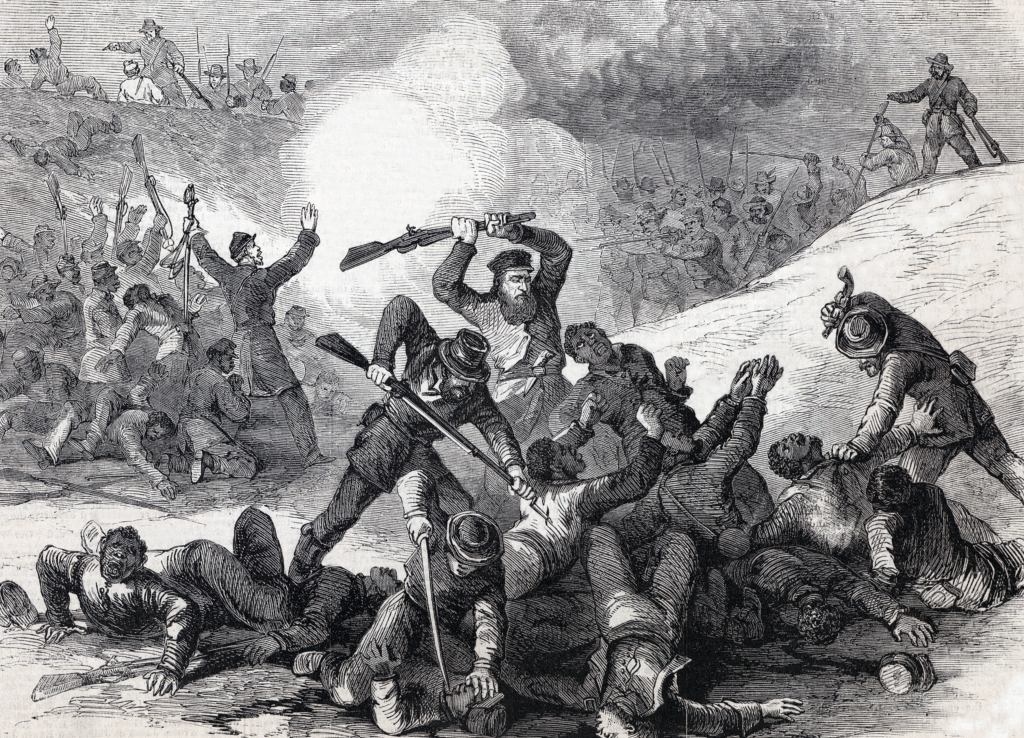
“That devil Forrest must be hunted down and killed if it costs ten thousand lives and bankrupts the federal treasury.”
General William T. Sherman
For a clear-eyed account of Fort Pillow, read River Run Red: The Fort Pillow Massacre in the American Civil War by Andrew Ward. For a full biography that holds both his generalship and his cruelty in view, see Nathan Bedford Forrest: A Biography by Jack Hurst.
Visiting Brices Cross Roads
The state of Mississippi, the American Battlefield Trust, and the Brice’s Crossroads National Battlefield Commission have assembled a strong self-guided tour, from roadside monuments and panels to short interpretive trails. The one-acre national battlefield site sits at the crossroads west of Baldwyn. Nearby, the Brice’s Crossroads Visitor and Interpretive Center offers a film and museum on the battle.

See more in our guide to Mississippi national parks.
7. Chickamauga & Chattanooga National Military Park
Location: Fort Oglethorpe, Georgia and Chattanooga, Tennessee | Managed by: National Park Service
Number seven covers two battles across two states. During the war, Chattanooga was the “Gateway to the Deep South,” and the fights at Chickamauga and Chattanooga in 1863 proved decisive in the Confederacy’s defeat. Established in 1890, this was the first national military park in the United States.
At Chickamauga in September 1863, Confederate General Braxton Bragg defeated Union General William Rosecrans in the bloodiest battle of the western theater, with more than 16,000 Union and 18,000 Confederate casualties. The Union army was saved from collapse by the stubborn stand of General George Thomas, who earned the nickname the “Rock of Chickamauga.”
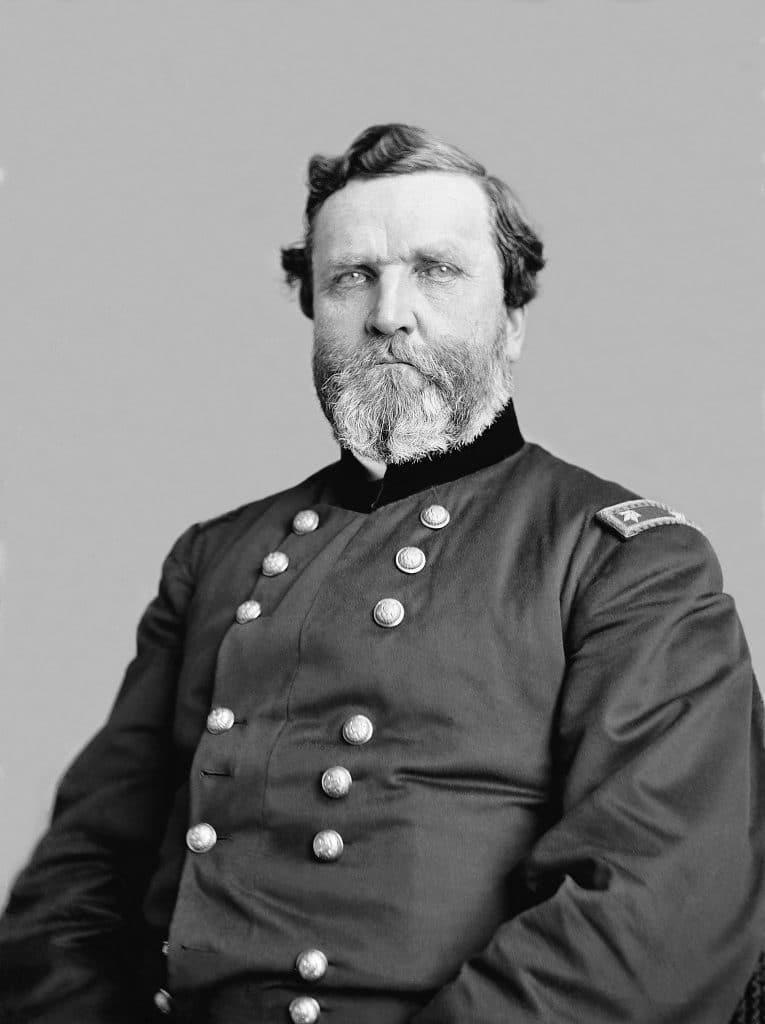
Two months later, Ulysses S. Grant reorganized the battered Union forces and won at Orchard Knob, Lookout Mountain, and Missionary Ridge. Those victories broke the siege of Chattanooga, drove the Confederates back into Georgia, and set the stage for Sherman’s Atlanta Campaign and his march to the sea in 1864.
What to See
Begin at the Chickamauga Battlefield Visitor Center at the north end of the park, which holds exhibits on the Battle of Chickamauga and the campaign for Chattanooga, then drive the battlefield tour and visit the heights at Lookout Mountain and Missionary Ridge.

See more in our guide to Tennessee national parks.
6. Manassas National Battlefield Park
Location: Manassas, Virginia | Managed by: National Park Service
On July 21, 1861, two untested armies clashed on the fields above Bull Run in the first major land battle of the Civil War. The First Battle of Manassas, or First Bull Run, began when about 35,000 Union troops under General Irvin McDowell marched out of Washington to strike a Confederate force of roughly 20,000 under General P.G.T. Beauregard.
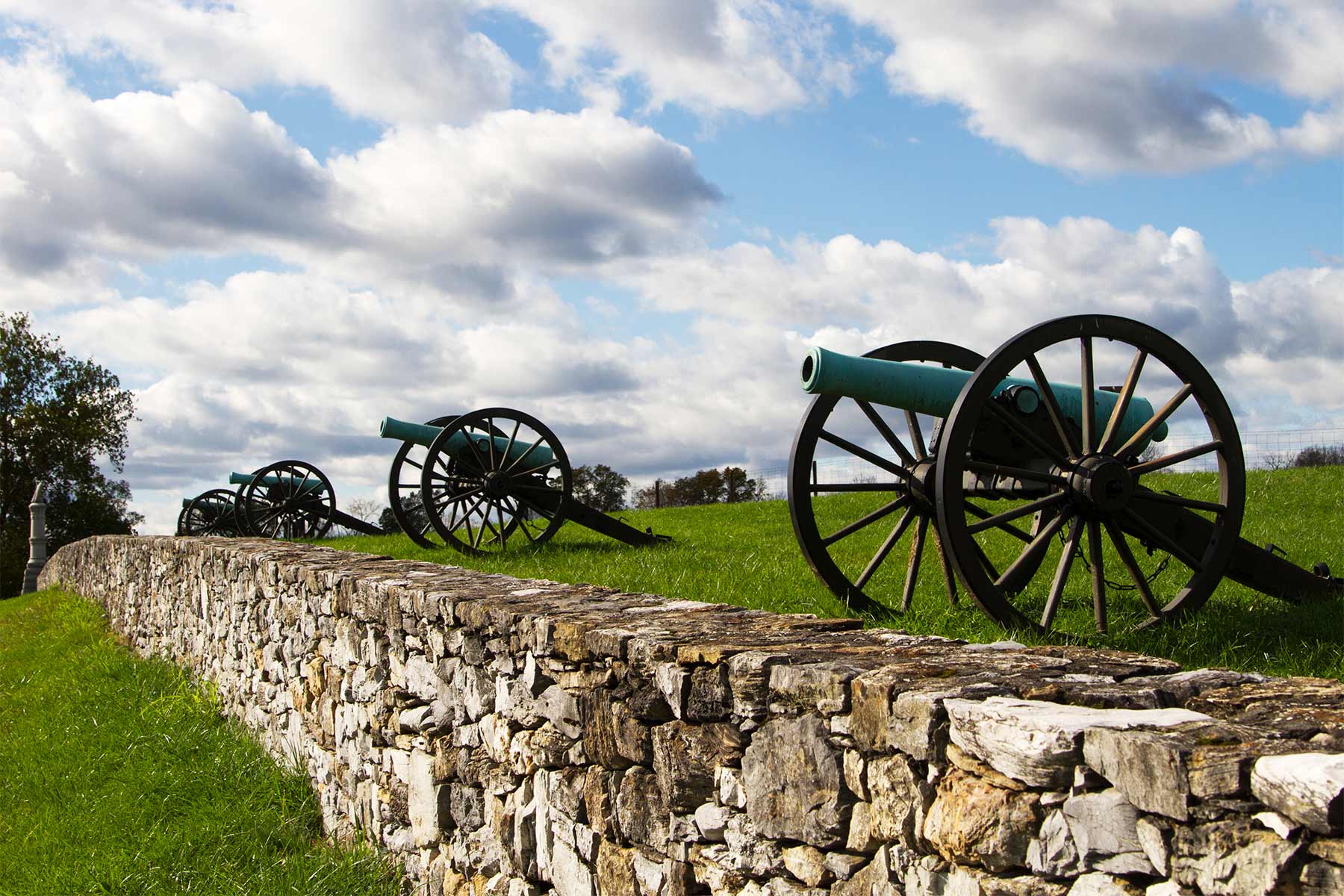
“There Stands Jackson Like a Stone Wall”
After fighting on the defensive for most of the day, Confederate forces rallied around the brigade of General Thomas Jackson, whose stand earned him the name “Stonewall.” The Confederates broke the Union right and sent the Federals into a chaotic retreat toward Washington. The victory gave the South confidence and shocked the North into realizing the war would be neither short nor easy. For more, read The First Battle of Manassas: An End to Innocence by John J. Hennessy.
“There is Jackson standing like a stone wall! Let us determine to die here, and we will conquer.”
Brigadier General Barnard E. Bee
The Second Battle of Manassas
The Confederates named the battle for the town of Manassas, while the Union named it Bull Run for the stream. Two battles were fought on this ground. The Second Battle of Manassas, in August 1862, was a clear Confederate victory in which Robert E. Lee struck the army of John Pope before George McClellan could reinforce it. The win cemented Lee’s reputation and cleared the way for his first invasion of the North. For more, see Return to Bull Run: The Campaign and Battle of Second Manassas, also by Hennessy.

What to See at Manassas
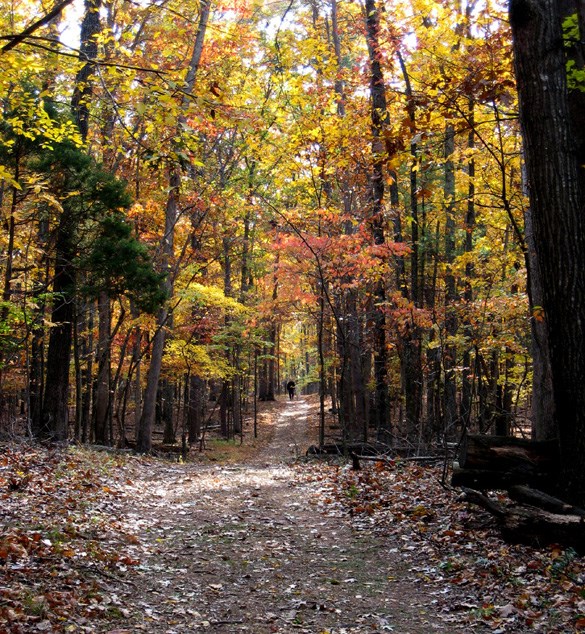
The park covers roughly 5,100 acres with more than 40 miles of trails. A series of loop trails cross the key ground of both battles, with trailside markers describing the action and the experiences of soldiers and civilians alike.
See more in our guide to historic sites in Virginia.
The Top 5 Civil War Sites
5. Shiloh National Military Park
Location: Shiloh, Tennessee | Managed by: National Park Service
Robert E. Lee once said, “It is well that war is so terrible, otherwise we should grow too fond of it.” Shiloh proved his point. Fought over two days on April 6 and 7, 1862, the battle produced 23,741 casualties, more than all of the war’s earlier major battles combined.
Also Known as the Battle of Pittsburg Landing
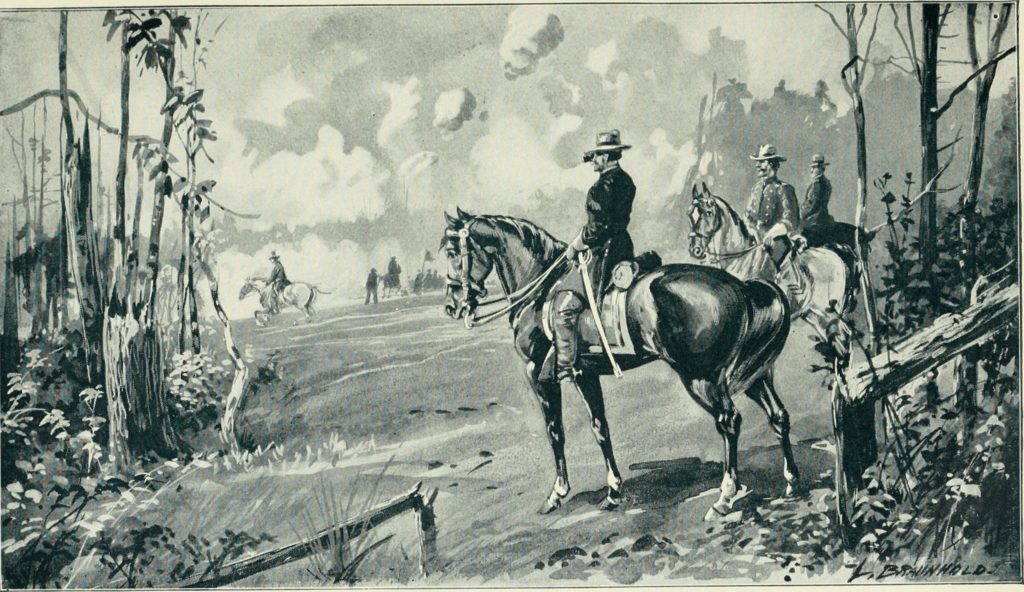
The battle pitted Union General Ulysses S. Grant against Confederate General Albert Sidney Johnston. Grant’s army of roughly 40,000 was camped near Pittsburg Landing when Johnston launched a surprise attack on the morning of April 6, catching the Federals off guard and driving them back toward the river.
“The Devil’s Own Day”
The first day went badly for the Union. That night, Grant’s lieutenant William Tecumseh Sherman found him under a tree and said, “Well, Grant, we’ve had the devil’s own day, haven’t we?” Grant replied, “Yes. Lick ’em tomorrow, though.” During the first day’s fighting, Confederate commander Albert Sidney Johnston was struck in the leg, severing an artery, and bled to death on the field.
On April 7, Grant ordered a counterattack that drove the Confederates from the field. Their new commander, P.G.T. Beauregard, ordered a withdrawal. Shiloh ended Confederate hopes of blocking the Union advance into Mississippi and doomed the Confederate initiative in the West.

What to See at Shiloh
The park spans the Shiloh Battlefield and the Corinth Civil War Interpretive Center across the line in Mississippi. Things to do include:
- Museums and films: The Shiloh Battlefield shows the award-winning film “Shiloh: Fiery Trial,” and the Corinth center adds films on the battles of Shiloh and Corinth.
- Self-guided auto tour: A 12.7-mile route with 22 stops at places such as the Peach Orchard, the Hornet’s Nest, and the Johnston death site. A separate tour covers Civil War Corinth.
- Ranger programs: Daily ranger-led programs run from Memorial Day to Labor Day.
- Living history: Both sites host living history events from April to October.
For deeper reading, the three indispensable Civil War authors are Bruce Catton, Shelby Foote, and James M. McPherson. For Shiloh specifically, I recommend Shiloh and the Western Campaign of 1862 by O. Edward Cunningham, Shiloh, Bloody Shiloh by Wiley Sword, and Shiloh: The Battle That Changed the Civil War by Larry J. Daniel.

4. Fredericksburg & Spotsylvania National Military Park
Location: Fredericksburg, Virginia | Managed by: National Park Service
No single national park unit holds more major Civil War battles than this one. Four were fought on or near this ground: Fredericksburg, Chancellorsville, the Wilderness, and Spotsylvania. It is one of the bloodiest landscapes in American history.

Fredericksburg
The Battle of Fredericksburg, in December 1862, was one of the deadliest of the war, with nearly 20,000 casualties on both sides. It featured the first opposed river crossing in American military history and the war’s first major urban combat. It ended in a Confederate victory.
Chancellorsville
The Battle of Chancellorsville, from April 30 to May 6, 1863, was Lee’s greatest victory, a win against a much larger Union force. The South paid a heavy price, though: Stonewall Jackson was mistakenly shot by his own men while returning from a reconnaissance and died of his wounds days later.
The Wilderness
The Battle of the Wilderness, in May 1864, was the first clash between Ulysses S. Grant and Robert E. Lee. Neither side could claim victory, but it opened Grant’s relentless Overland Campaign. Unlike his predecessors, Grant did not retreat after a hard fight. He kept moving south toward Richmond, accepting heavy losses he could replace and Lee could not.
“I can’t spare this man. He fights.”
Abraham Lincoln, on Ulysses S. Grant
Spotsylvania

The last of the four battles, fought in May 1864, pitted about 100,000 Union troops against 52,000 Confederates. The fiercest fighting came in pouring rain on May 12, when the two sides fought hand to hand for some 20 hours at a salient in the Confederate line known afterward as the Bloody Angle. Repulsed again and again, Grant settled in for a longer war, and Lee understood that time was running against the Confederacy.
What to See
Each of the four battlefields has its own trails, and an audio tour is available through the National Park Service app. Key stops include:
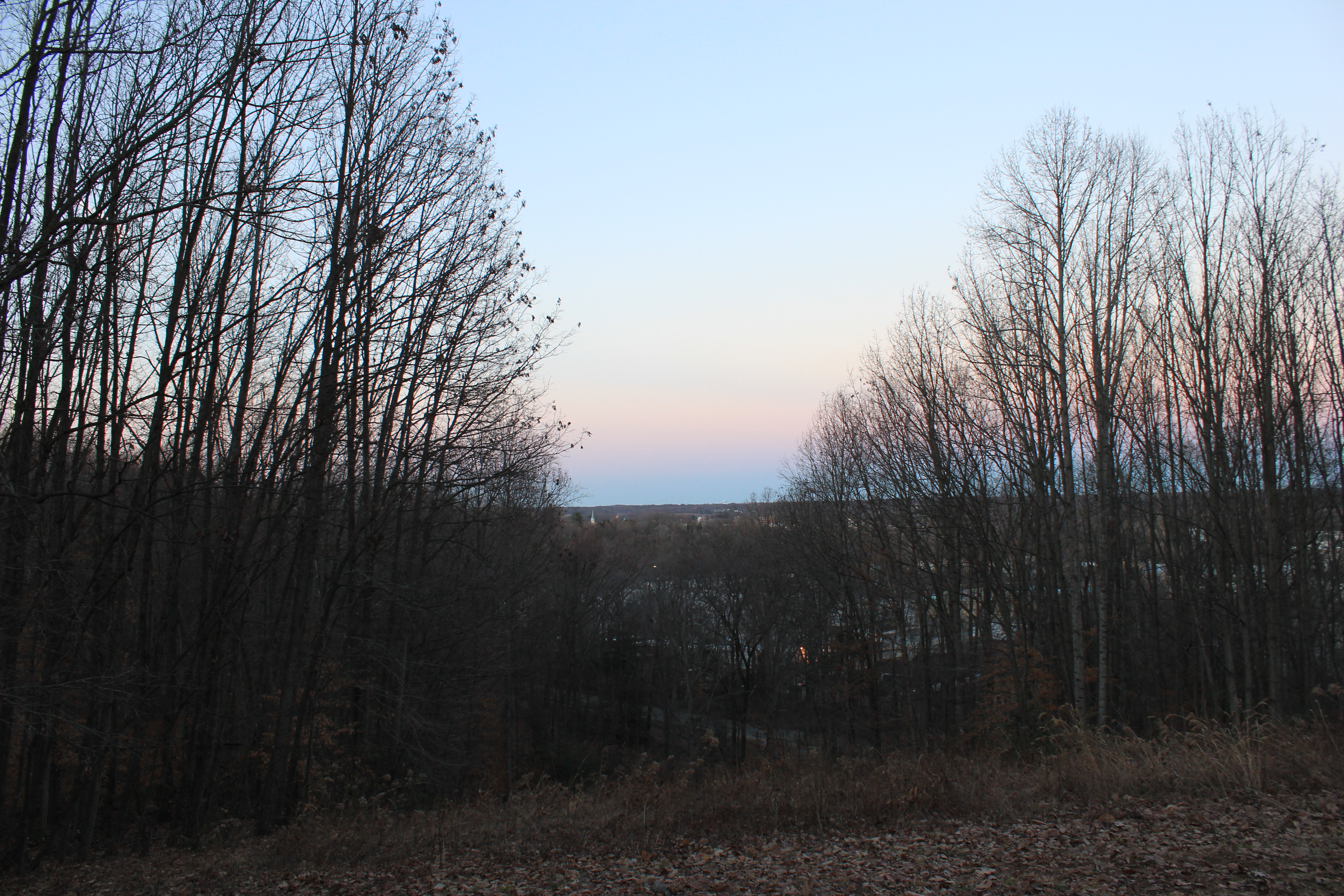
- The Sunken Road: Where wave after wave of Union soldiers charged Marye’s Heights at Fredericksburg, and none came closer than 50 yards to the stone wall.
- Chatham Manor: A plantation worked by enslaved people. The Park Service describes it plainly as embodying the war’s central cause, the determination of white Southerners to preserve slavery and the wealth it produced.
- Lee’s Hill: Also called Telegraph Hill, where Lee made his headquarters at Fredericksburg.
- The Union Breakthrough: Where George Meade’s division briefly pierced the Confederate line before being driven back.
3. Antietam National Battlefield
Location: Sharpsburg, Maryland | Managed by: National Park Service
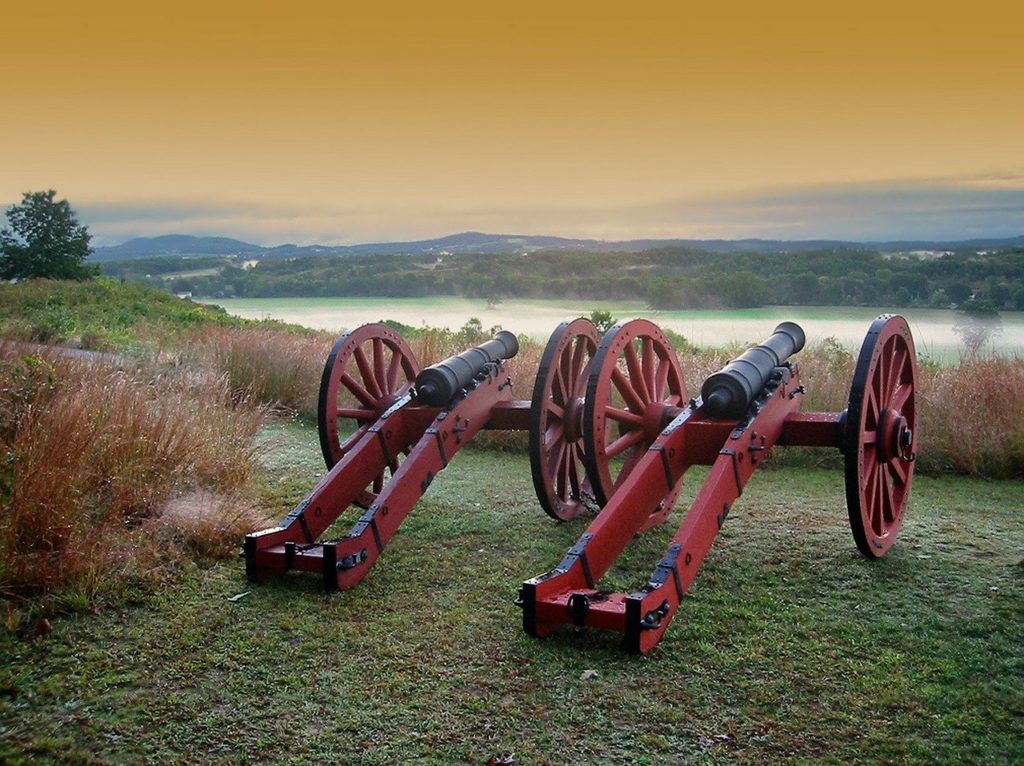
The Battle of Antietam, on September 17, 1862, was the bloodiest single day in American history, with about 23,000 men killed, wounded, or missing. Lincoln was desperate for a Union victory against Lee’s Army of Northern Virginia. Many historians call Antietam a tactical stalemate, but Lee’s invasion of the North was stopped, and that was decisive enough for Lincoln to issue the Emancipation Proclamation.
How Antietam Changed the Course of History

- It opened the door to emancipation. The Union victory gave Lincoln the moment he needed to announce the Emancipation Proclamation, reframing the war as a fight against slavery.
- It halted European recognition. A string of Confederate wins had brought France and Britain close to recognizing the Confederacy. Lee’s failure at Antietam stopped that momentum.
- It lifted Northern morale and helped Lincoln’s Republicans in the 1862 elections.
- It brought the war home. Antietam was among the first battles documented by photography, and images of the dead shocked the civilian public.
- It cost McClellan his command. Lincoln removed George McClellan after he failed to pursue Lee’s retreating army.
Lee’s Lost Order
Before the battle, Lee issued Special Order 191 detailing his plans. A copy was lost and recovered by Union soldiers of the 27th Indiana, giving McClellan a rare look at the Army of Northern Virginia’s movements. “Here is a paper,” McClellan said, “with which, if I cannot whip Bobby Lee, I will be willing to go home.” His caution still cost him a chance at a decisive victory. The lasting value of that intelligence remains debated. (Source: American Battlefield Trust)
What to See at Antietam
Start at the visitor center, then follow the self-guided 8.5-mile auto tour with 11 stops, beginning at the Dunker Church. If you would rather walk, the park has trails through the Cornfield, Bloody Lane, the Final Attack, and Snavely Ford. The Newcomer House at the eastern gateway serves as the visitor center for the Heart of the Civil War Heritage Area.
The Pry House and the Birth of Modern Battlefield Medicine
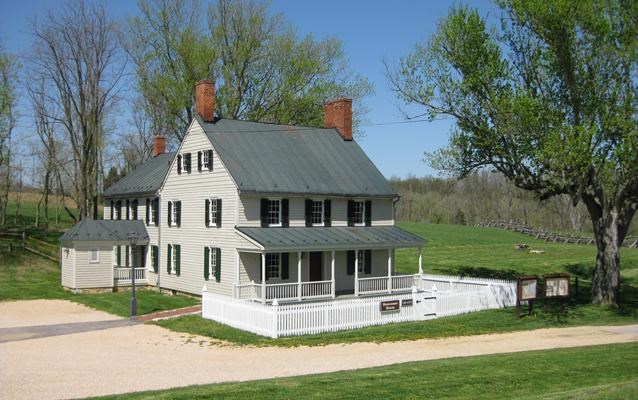
The Pry House, built in 1844, served as McClellan’s headquarters during the battle and as the post of Major Jonathan Letterman, the army’s medical director. Antietam is considered the birthplace of modern battlefield medicine. Here Letterman built an organized system for finding, evacuating, and treating the wounded. The Letterman Plan still forms the basis of medical response on battlefields and in disasters worldwide. Today the house holds the Pry House Field Hospital Museum, a satellite of the National Museum of Civil War Medicine. To learn more, read Surgeon in Blue: Jonathan Letterman, the Civil War Doctor Who Pioneered Battlefield Care by Scott McGaugh.

2. Vicksburg National Military Park
Location: Vicksburg, Mississippi | Managed by: National Park Service
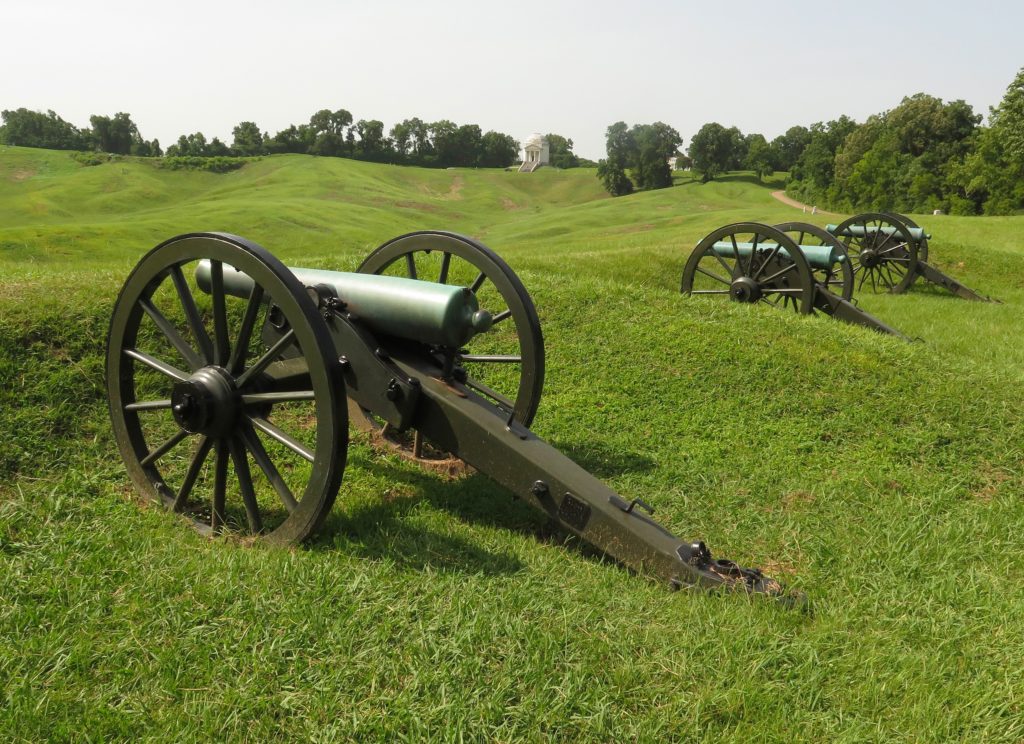
The 47-day siege of Vicksburg gave the Union control of the Mississippi River, a vital supply line, and fulfilled a central aim of the Union’s Anaconda Plan to cut off the Confederacy. It was here, many historians argue, that Grant proved only long, hard fighting and sound logistics would win the war.
Cutting the Confederacy in Two
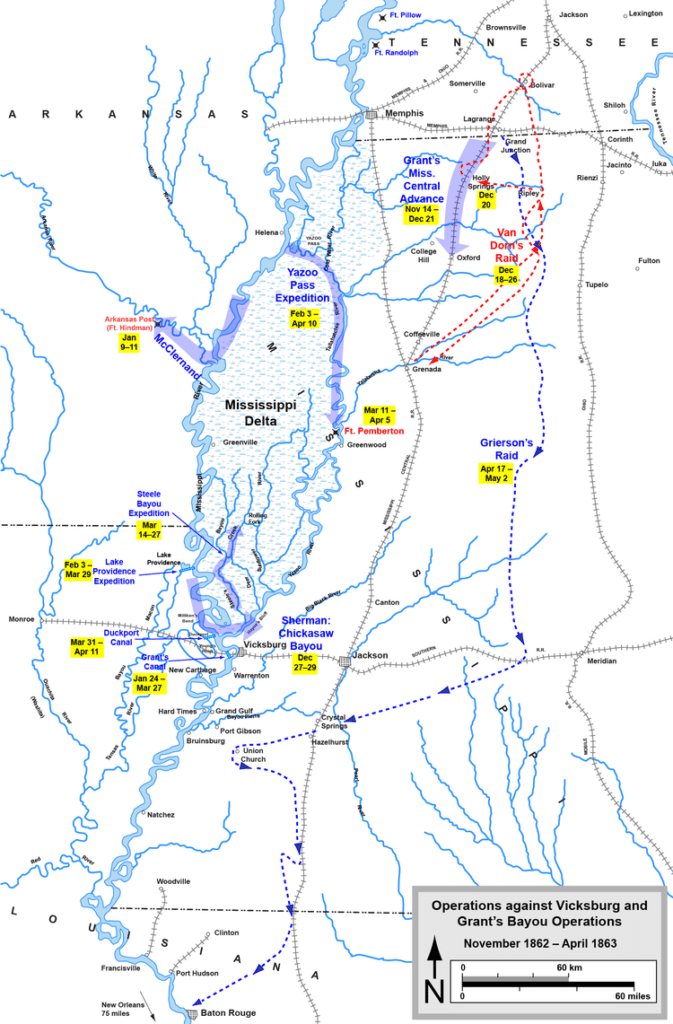
The victory split the Confederacy and doomed its efforts in the West. Grant moved his army down the west bank of the Mississippi, crossed the river below the city in a well-planned amphibious operation, and cut loose from his supply lines to live off the countryside. His army then dug 15 miles of trenches and pinned John C. Pemberton’s force of about 29,000 inside the city. With 70,000 troops and no Confederate relief in sight, Grant tightened the noose. Pemberton surrendered on July 4, 1863. The town of Vicksburg would not celebrate the Fourth of July again for 81 years.
For more, I recommend Vicksburg: Grant’s Campaign That Broke the Confederacy by Donald L. Miller and Vicksburg, 1863 by Winston Groom.
What to See at Vicksburg
Begin at the visitor center, then drive or take a guided tour of the 1,800-acre park. Highlights include:
- More than 1,400 monuments, tablets, and markers honoring soldiers from both sides, plus 20 miles of reconstructed trenches and earthworks.
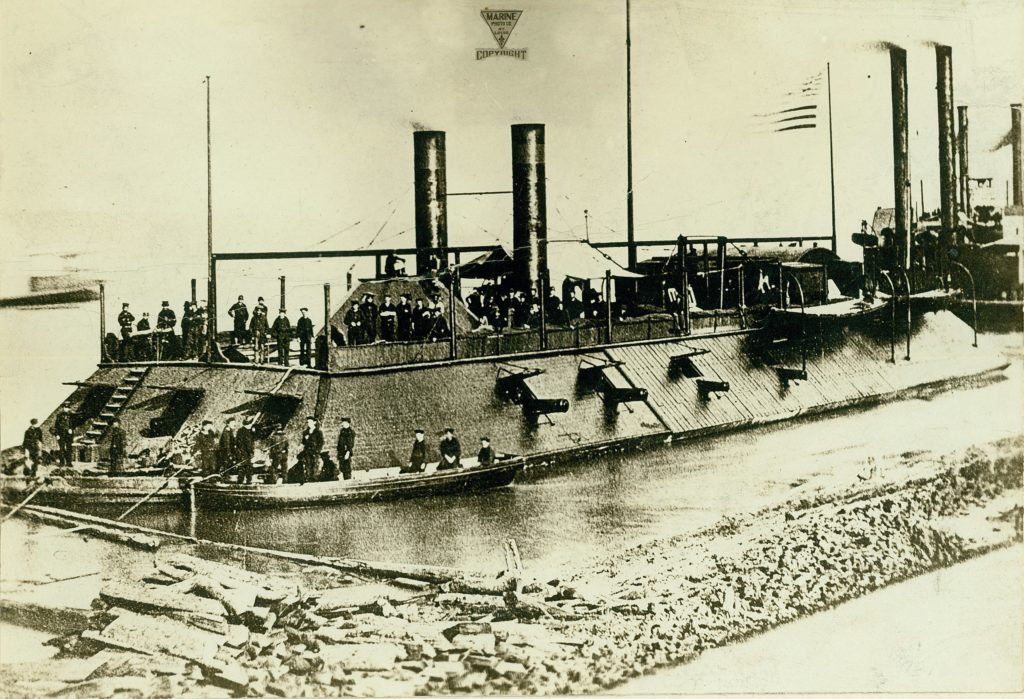
- The USS Cairo, a Union ironclad gunboat sunk in 1862, raised a century later, and now displayed with a museum of artifacts recovered from the wreck.
- Vicksburg National Cemetery, the antebellum Shirley House, nine fortifications, 141 cannons, and 15 historic bridges.
1. Gettysburg National Military Park
Location: Gettysburg, Pennsylvania | Managed by: National Park Service
The Battle of Gettysburg, fought July 1 to 3, 1863, is the most important battle of the Civil War. Paired with the fall of Vicksburg the same week, it marked the turning point of the conflict. The battle was part of Lee’s plan to invade the North and win European recognition for the Confederacy. Had he succeeded, his army might have threatened Washington itself.
Joshua Lawrence Chamberlain at Little Round Top
On the second day, the fighting turned on the Union left at Little Round Top, where Colonel Joshua Lawrence Chamberlain and his 20th Maine held the end of the line. With ammunition nearly gone and the Confederates pressing again, Chamberlain ordered his men to fix bayonets and charge downhill. The move broke the assault and saved the Union flank. He later received the Medal of Honor for the stand. To learn more, see Through Blood and Fire at Gettysburg by Joshua Lawrence Chamberlain.

Pickett’s Charge
On the third day, Lee gambled everything on a frontal assault against the Union center on Cemetery Ridge. Roughly 12,500 Confederate soldiers in nine brigades advanced three-quarters of a mile across open ground under heavy artillery and rifle fire. A few reached the low stone wall, but they could not hold and were thrown back with more than 50 percent casualties. Pickett’s Charge ended the battle and Lee’s campaign in the North. For more, read Pickett’s Charge at Gettysburg by James A. Hessler.

The Gettysburg Address
On November 19, 1863, at the dedication of the Soldiers’ National Cemetery, Lincoln delivered one of the most famous speeches in American history. In a few short sentences, he placed the war in the long arc of the nation’s fight for freedom and argued that the living could best honor the dead by finishing the work they died for, so that “government of the people, by the people, for the people, shall not perish from the earth.” To learn more, read Lincoln at Gettysburg: The Words That Remade America by Garry Wills.

What to See at Gettysburg
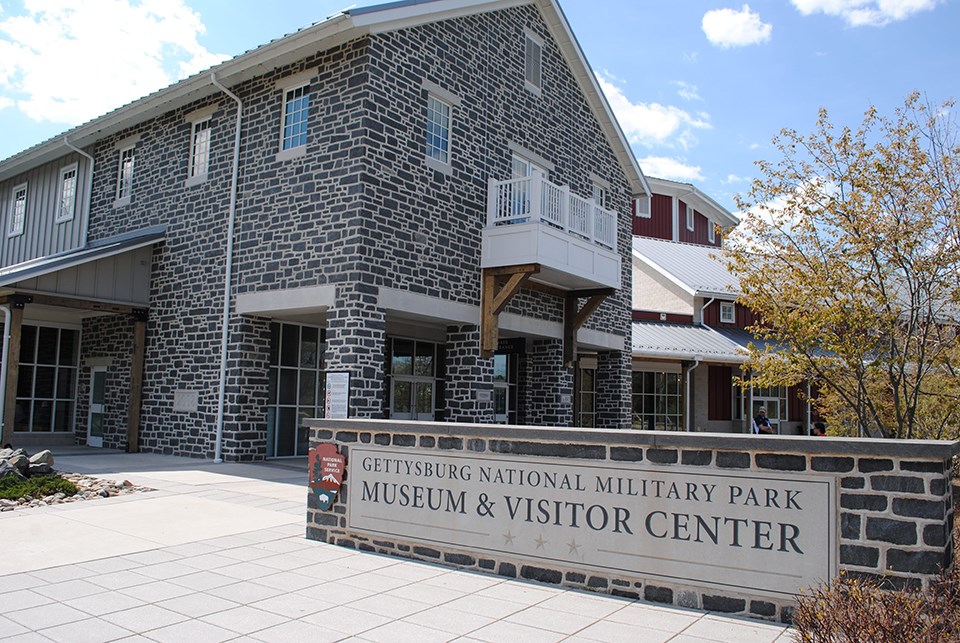
Begin at the Gettysburg National Military Park Museum and Visitor Center, then explore the field. Highlights include:
- Battlewalk and campfire programs led by park rangers.
- Living history programs every weekend from April to October.
- Dedication Day events each November 19, marking the dedication of the cemetery.
- The Gettysburg Cyclorama, a massive painting that recreates the fury of Pickett’s Charge. (Source: NPS)
The 10 Best Civil War Sites
- Gettysburg National Military Park, Pennsylvania
- Vicksburg National Military Park, Mississippi
- Antietam National Battlefield, Maryland
- Fredericksburg & Spotsylvania National Military Park, Virginia
- Shiloh National Military Park, Tennessee
- Manassas National Battlefield Park, Virginia
- Chickamauga & Chattanooga National Military Park, Georgia & Tennessee
- Brices Cross Roads National Battlefield Site, Mississippi
- Pea Ridge National Military Park, Arkansas
- Andersonville National Historic Site, Georgia
Jim Pattiz and Will Pattiz, collectively known as the Pattiz Brothers, are my sons, and they love the national parks. I wrote this guide as their father, a retired history teacher who has walked these battlefields and read their stories for years.
Helpful Articles
- Historic Sites in Virginia
- Historic Sites in Pennsylvania
- Historic Sites in Georgia
- Mississippi National Parks
- Tennessee National Parks
- Massachusetts National Parks
- South Carolina National Parks
Affiliate disclosure: Some links on this page earn us a small commission at no extra cost to you. We only recommend gear we actually use.


