


Missouri has 7 National Park Service units, plus a remarkable seven national historic trails that cross the state, and one of those units is a full national park. Gateway Arch is the national park, the smallest in the system, and the most recognizable monument in the country.
I taught American history for 25 years, and Missouri is a teacher’s state. This is the jumping-off point for the westward expansion, where the wagon trains formed up and pointed at the Pacific, which is why so many trails radiate out from here. It is also the home ground of two presidents, a Civil War battlefield, and a river system the country chose to protect before almost any other. I have traveled across the state, and the Ozark riverways alone are worth the drive.
A note on the count, because Missouri’s trail tally throws people. There are 7 place-based units in the state. The famous trails, California, Lewis and Clark, Oregon, Pony Express, Santa Fe, Trail of Tears, and the new Butterfield Overland, are NPS-administered but they are long-distance corridors that pass through, so I have grouped them at the end rather than padding the list to fourteen. Note too that Gateway Arch was redesignated from a memorial to a national park in 2018, and Ste. Geneviève became a national historical park in 2020.
Missouri National Park Sites Compared
| Site | Designation | The Draw | 2026 Fee |
|---|---|---|---|
| Gateway Arch | National Park | The 630-foot arch, the tram to the top, the westward expansion museum | Free grounds, tram about $19 |
| Ozark | National Scenic Riverways | The first NPS unit to protect a river system, spring-fed floating | Free |
| Ste. Geneviève | National Historical Park | The oldest permanent European settlement west of the Mississippi | Free |
| George Washington Carver | National Monument | Birthplace of the scientist, the first national monument to a Black American | Free |
| Wilson’s Creek | National Battlefield | The first major Civil War battle west of the Mississippi | Free |
| Harry S Truman | National Historic Site | The home of the 33rd president in Independence | Free |
| Ulysses S. Grant | National Historic Site | White Haven, the estate of the 18th president near St. Louis | Free |
On fees, Missouri is almost entirely free. The grounds and museum at Gateway Arch cost nothing, and the only paid part is the tram ride to the top of the arch, around $19 for adults, which you should book ahead. Ozark charges only for camping and a couple of cave tours. The historic sites and battlefield are free. There is no need for the annual pass to tour Missouri unless your trip continues into states with vehicle fees.
117 public lands destinations are under threat. Get the free briefing that 27,000+ people use to stay informed and take action.
1. Gateway Arch National Park

The smallest national park in the country, and the most famous structure in it. The 630-foot stainless steel arch on the St. Louis riverfront was redesignated from the Jefferson National Expansion Memorial to a national park in 2018, which gave Missouri its first capital-N national park.
The arch is the tallest monument in the United States, and the engineering still impresses up close. A small tram carries you up the inside of the curve to a viewing gallery at the top, where windows look out over the city and the Mississippi. Below ground, a renovated museum tells the story of the westward expansion the arch commemorates, from the Native nations who were here first to the wagon trains that set out from this very spot. The grounds and museum are free. The tram is the only ticketed part, about $19, and it sells out, so reserve ahead.
2. Ozark National Scenic Riverways

The first place the country ever set aside to protect a river, and still the best reason to drive into the Ozarks. Established in 1964, Ozark National Scenic Riverways protects 134 miles of the spring-fed Current and Jacks Fork rivers, the first NPS unit created to safeguard a wild river system.
The water comes up cold and clear out of some of the largest freshwater springs in the country. Big Spring alone pushes out hundreds of millions of gallons a day. People come to float, canoe, and tube the gentle current, fish the eddies, and explore caves and old mills along the banks. The gravel bars make for easy camping, and the hardwood hills are beautiful in October. Entry is free, with fees only for camping and the guided cave tours at Round Spring.
3. Ste. Geneviève National Historical Park

The oldest permanent European settlement west of the Mississippi, and one of the newest units in the system. Founded by French colonists around 1750 and made a national historical park in 2020, Ste. Geneviève preserves a rare collection of French colonial architecture.
The town holds the largest concentration of French vertical-log houses in North America, built in a style you will not see anywhere else in the country. The park is a partnership, so the Park Service owns only a few of the buildings while the living town surrounds them. You walk the streets, tour the historic homes, and get a feel for a French outpost on the edge of the continent. Admission is free, and it is an easy day trip south of St. Louis.
4. George Washington Carver National Monument

The first national monument honoring a Black American, on the farm where he was born. Near Diamond in southwest Missouri, the monument preserves the birthplace of George Washington Carver, the scientist and educator born into slavery who transformed Southern agriculture.
It was established in 1943, the first NPS unit dedicated to an African American and the first to anyone other than a president. The site holds the boyhood farm, a nature trail through the prairie and woods where Carver first developed his love of plants, the family cemetery, and a museum and lab space. It is a thoughtful, free stop, and a reminder of how far one life can travel from where it began.
5. Wilson’s Creek National Battlefield

The first major Civil War battle west of the Mississippi. Wilson’s Creek, fought in August 1861 near Springfield, was where the struggle for Missouri turned bloody, and where Nathaniel Lyon became the first Union general killed in the war.
The battlefield is well preserved and quiet, with a five-mile auto tour loop past the key positions and Bloody Hill, where the heaviest fighting fell. A walking trail and the restored Ray House, used as a field hospital, round out the visit. The visitor center has one of the better Civil War research libraries in the region. Admission is free.
6. Harry S Truman National Historic Site
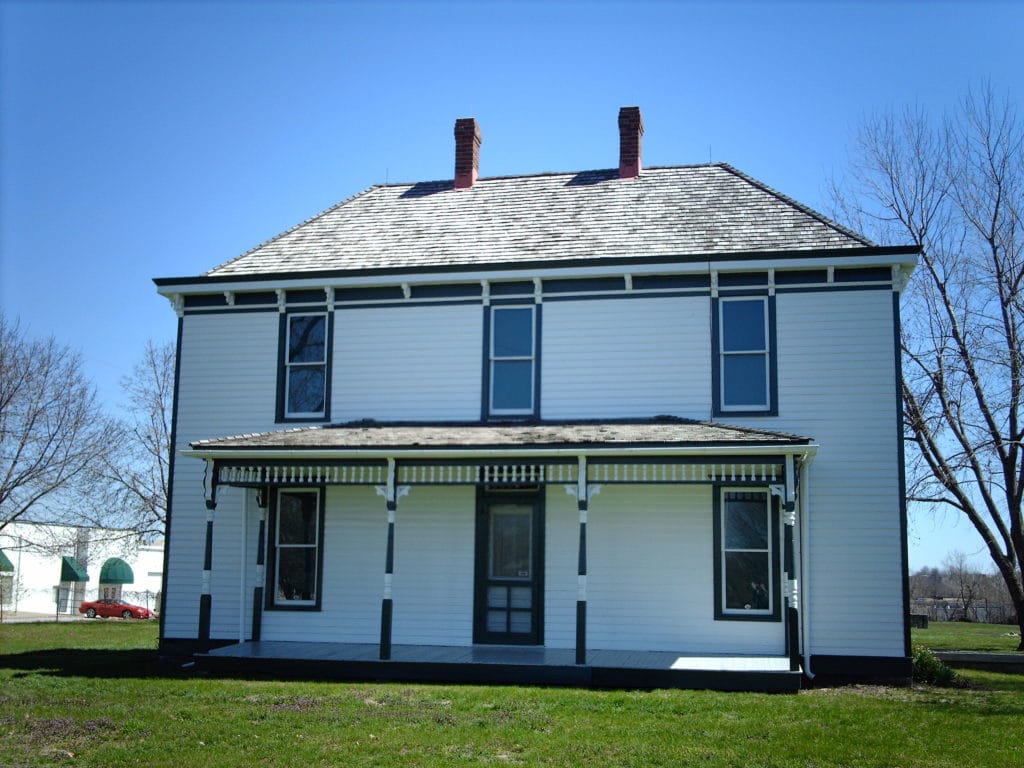
The home of the most plainspoken president the country ever had. In Independence, the site preserves the white Victorian house Harry and Bess Truman called home for more than half a century, before and after the White House years.
This is the house where the man who ended World War II went back to living an ordinary life, walking the neighborhood and answering his own door. Ranger-led tours take you through the home, kept much as the Trumans left it. The site also includes the family farm in nearby Grandview, where Truman worked the land before politics. Admission is free, with tour tickets from the visitor center.
7. Ulysses S. Grant National Historic Site

The estate that shaped the general who won the Civil War. White Haven, just outside St. Louis, was the home of Julia Dent Grant’s family and where Ulysses S. Grant lived for much of his early married life.
The site does not flinch from the hardest part of the story. White Haven was a slave-holding plantation, and the Park Service tells the lives of the enslaved people who worked it alongside the story of the man who would later command the army that ended slavery. The main house, painted its original bold green, is open by ranger tour, with a museum in the old stable. Admission is free.
The Seven National Trails That Cross Missouri
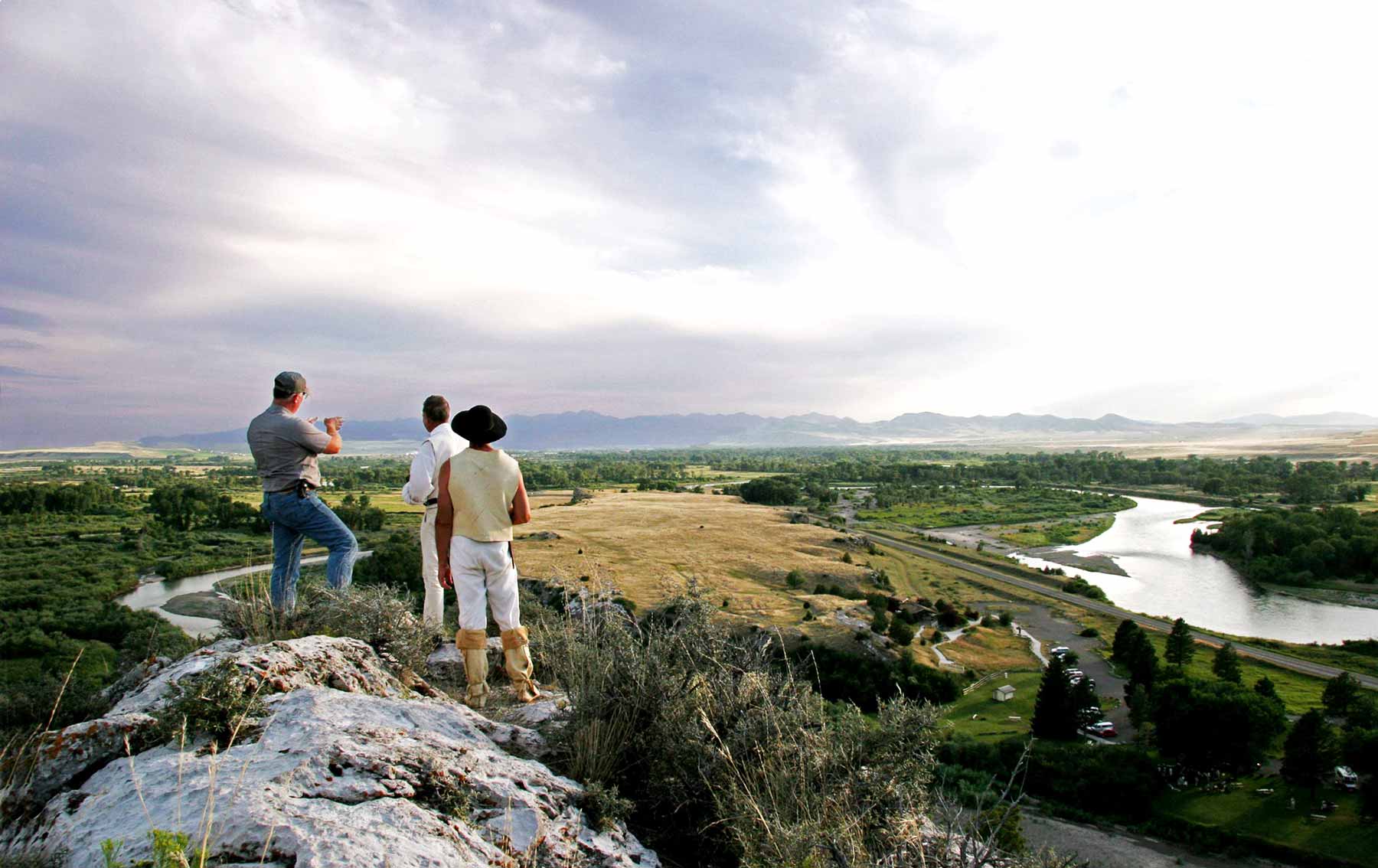
No state in the country is crossed by more NPS-administered national historic trails than Missouri. Seven of them thread the state. The California, Oregon, Santa Fe, and Pony Express trails all gathered emigrants and freight along the Missouri River before launching them west. The Lewis and Clark trail traces the 1804 expedition up the Missouri. The Trail of Tears marks the forced Cherokee removal that crossed the state in the 1830s. The newest, the Butterfield Overland trail designated in 2023, follows the route of the first transcontinental mail stage. These are corridors rather than single sites, but you can find interpretive markers, river overlooks, and visitor centers along their paths across Missouri.
A few places people expect on a Missouri parks list are run by other agencies. Mark Twain National Forest is managed by the Forest Service, and the popular state parks like Ha Ha Tonka and Elephant Rocks are run by Missouri’s own park system, not the NPS. Lake of the Ozarks is a state and commercial area, not to be confused with the Ozark National Scenic Riverways.
How to Plan a Missouri National Parks Trip
Missouri’s parks bracket the state. The St. Louis side gives you Gateway Arch, the Grant site, and Ste. Geneviève within an hour of downtown, an easy two-day loop. The Kansas City side anchors the Truman home in Independence. The southern Ozarks hold the riverways, Wilson’s Creek near Springfield, and the Carver monument near Joplin, which together make a long but rewarding weekend through the hill country.
Spring and fall are the best seasons, with the Ozark color peaking in October and the rivers running cool in early summer. If you are building a wider Midwest or Plains trip, Missouri connects naturally to the parks of Kansas and Arkansas to the south and west. For the bigger picture, our guide to the best national parks puts Gateway Arch in national context.
The bottom line
Missouri is a history state with one great river park hiding in the Ozarks. Gateway Arch is the headliner, the Ozark riverways are the surprise, and the run of presidential and Civil War sites fills out a trip with real substance. Add in the seven trails that launched the country westward, and Missouri tells the story of expansion better than any state in the union.


