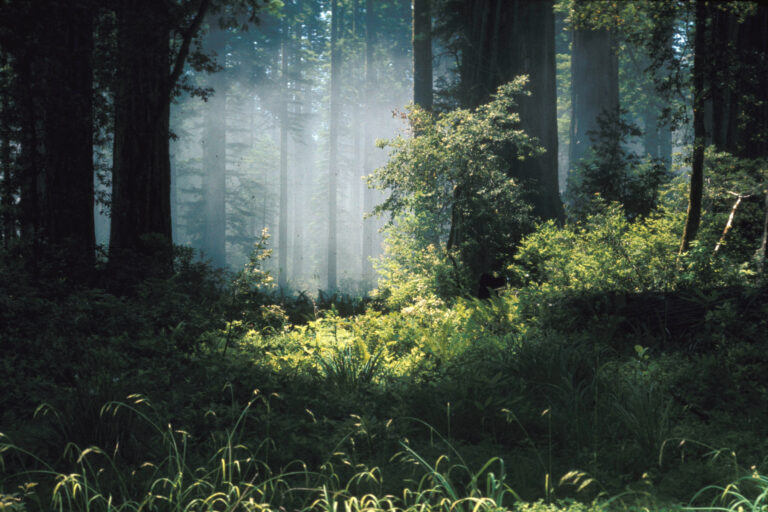


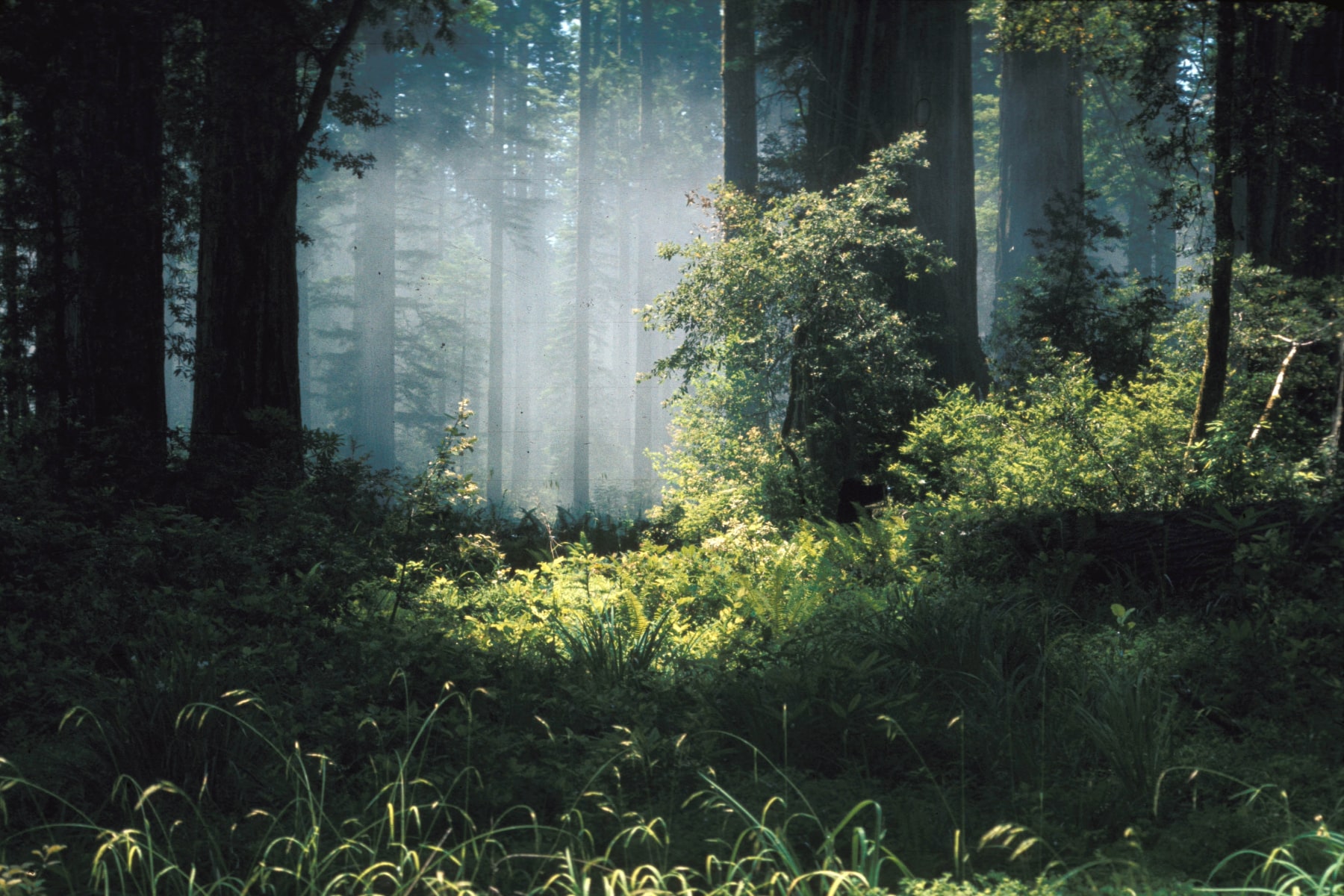
Redwood National Park in December is rainy but mild, with daytime highs between 45 and 55 degrees Fahrenheit and over 60 inches of rain a year, most of it from December to February. Visitation drops to a fraction of its summer level, and the park is free to enter.
We get it. When most people think about planning a national park trip, winter rarely makes the shortlist. And a park famous for rain? That sounds like a hard sell.
But here’s the thing. Redwood National Park in winter is one of the most sensational experiences we’ve ever had in the national park system. The rain that keeps most visitors away is the very thing that makes these ancient forests come alive. The fog drifts through the canopy like something out of a dream. The ferns glow an almost impossible shade of green. And you will have groves of 2,000-year-old trees entirely to yourself.
Love Redwood? It's one of 117 threatened public lands destinations we're tracking. Get the free briefing.
If that doesn’t sound spectacular, we don’t know what does.
So let’s get into everything you need to know about visiting Redwood National Park in winter. We’ll cover the weather, the best trails, wildlife, photography, and all the practical details to help you plan a trip you won’t forget.
Winter Weather in Redwood National Park
Redwood National Park Weather, December to February
Let’s set expectations right away. It rains in Redwood country. A lot. The park and surrounding area receive over 60 inches of rainfall per year, and the vast majority of that arrives between December and February. You will get wet. Plan on it.
But here’s what surprises most people. Temperatures during winter are remarkably mild. Daytime highs hover between 45 and 55 degrees Fahrenheit, and it rarely drops below freezing. While the rest of the country is buried in snow and dealing with single-digit wind chills, Northern California’s coast stays gentle enough for comfortable hiking as long as you dress for the rain.
The rain here isn’t the violent, thunderstorm kind. It’s a steady, soft presence that blankets the forest for days at a time. And between the rain events, you’ll get these windows of fog and filtered light that are genuinely unlike anything else in the national park system.
Why Rain Is the Whole Point
We can’t stress this enough. The rain is not something to tolerate in Redwood. It’s the reason these trees exist.
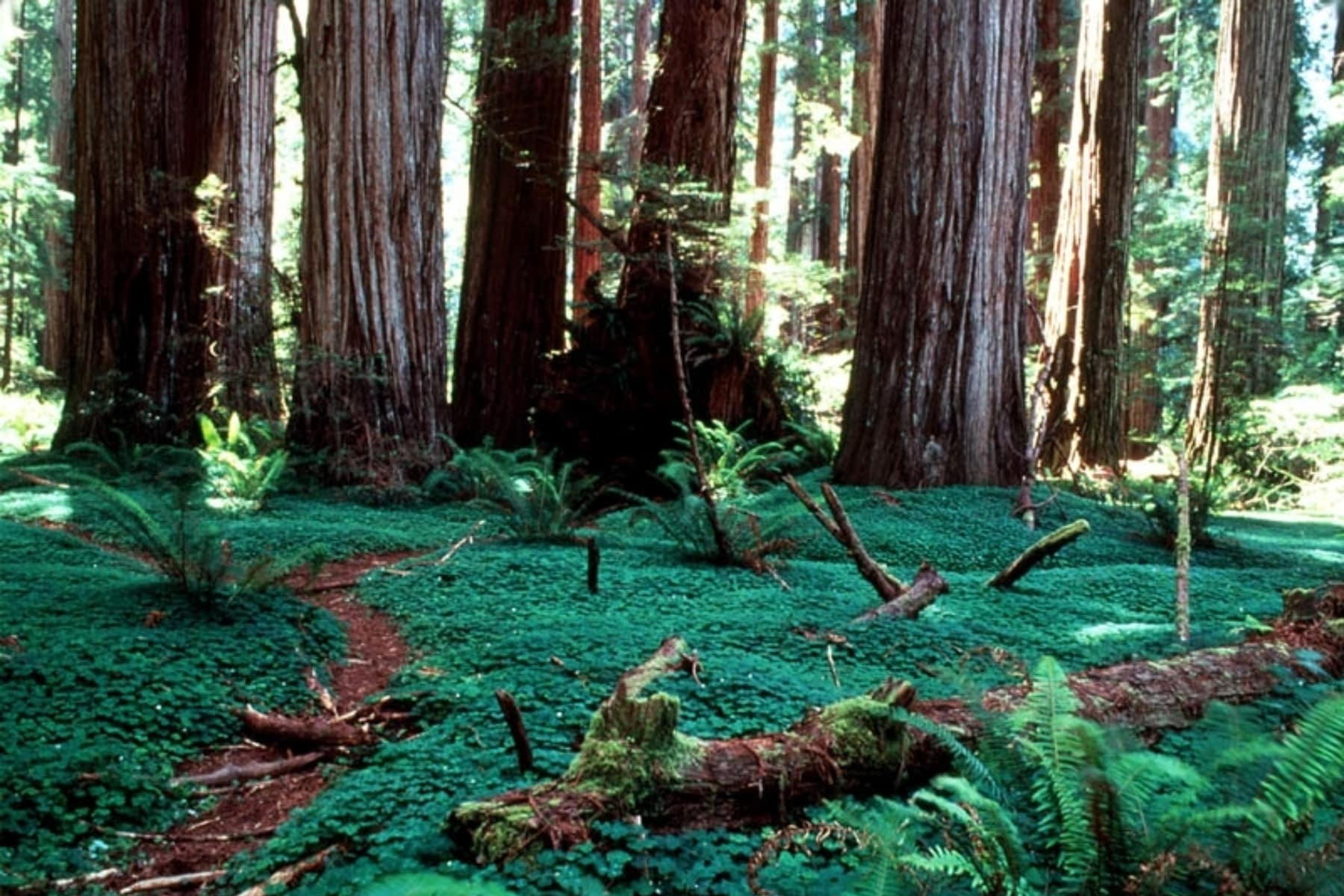
Coast redwoods are the tallest living organisms on Earth, and they depend on the combination of heavy winter rainfall and summer fog to survive. The winter rains saturate the soil, feed the creeks, and nourish the dense understory of ferns, sorrel, and mosses that carpet the forest floor. When you walk through an old growth grove after a solid rain, everything glistens. The bark of the redwoods turns a deep, rich auburn. Every surface is alive with moisture.
If you’ve only seen photos of Redwood National Park in summer, you’ve seen it in its quieter state. Winter is when the forest is fully awake. It’s an incredibly immersive experience, and honestly, it’s the version of Redwood we find most moving.
Almost Zero Crowds
This is one of the biggest reasons we encourage winter visits. Redwood National and State Parks receive roughly 500,000 visitors per year, and the overwhelming majority come between June and September. In December, January, and February, visitation drops to a fraction of that.
What does this mean in practice? It means you will walk through Lady Bird Johnson Grove without seeing another person. It means you can stand at the base of a 300-foot redwood and hear nothing but the rain on the canopy above you. It means the parking areas that are packed in July will have two or three cars.
For us, solitude is one of the most valuable things a national park can offer. And Redwood in winter delivers it like few other parks in the system.
Roosevelt Elk in Winter

Roosevelt elk are one of Redwood’s most fascinating residents, and winter is a sensational time to observe them. Herds gather in the open meadows along Davison Road and in the Elk Prairie area of Prairie Creek Redwoods State Park, where they graze throughout the day.
These are the largest elk subspecies in North America. Bulls can weigh over 1,000 pounds, and seeing a full herd in a misty winter meadow, framed by old growth forest behind them, is one of those wildlife moments that stays with you.
Keep a sharp eye out and always maintain a safe distance. At least 50 feet is the recommendation, though we’d suggest even more. These animals are wild and deserve our respect.
Banana Slugs and the Wet Season Understory
If you’re traveling with kids, winter in Redwood has a secret weapon. Banana slugs.
These bright yellow, palm-sized slugs are the unofficial mascots of the Pacific Northwest rainforest, and they are far more active during the wet winter months. You’ll spot them on trails, on fallen logs, and on the forest floor. Kids absolutely love them, and they’re a terrific gateway into conversations about decomposition, nutrient cycling, and forest ecology.
Beyond the slugs, the entire understory comes alive in winter. Mushrooms push up through the duff in dozens of shapes and colors. Mosses drape every surface. The sword ferns and redwood sorrel that line the trails are at their greenest and most lush. For anyone interested in the smaller, quieter side of the forest, winter is the season to visit.
Best Winter Trails

Not every trail in the park system is ideal in winter, so let us point you toward the ones that really shine during the rainy season. For the full trail breakdown, check out our guide to the best hikes in Redwood National Park.
Lady Bird Johnson Grove Trail (1.5 miles, easy)
This is our top recommendation for a winter visit. The loop trail winds through a spectacular old growth grove on a ridgetop, and the elevated position means it drains well even after heavy rain. In winter fog, this grove feels absolutely otherworldly.
Simpson-Reed Trail (1 mile, easy)
A short, flat loop through old growth in Jedediah Smith Redwoods State Park. It’s accessible year-round and never gets too muddy. Perfect if you want an easy walk through ancient trees without worrying about trail conditions.
Stout Grove (0.5 miles, easy)
One of the finest old growth groves in the entire park system, and it’s a quick walk from the trailhead. Winter rain turns the colors in this grove up to eleven. The greens are electric, the bark is almost red, and the scale of the trees is genuinely humbling.
Fern Canyon (1 mile, moderate)
We need to be honest about this one. Fern Canyon is one of the most spectacular places in Redwood, but winter conditions can make it tricky. The canyon floods regularly during the rainy season, and the access road (Davison Road) may be closed or impassable. Check conditions before you go. If it’s open and you’re prepared to get your feet wet, the canyon draped in winter moisture is sensational.
Trillium Falls Trail (2.8 miles, moderate)
This loop trail passes a beautiful waterfall that runs strongest in winter. It’s a slightly longer hike with some elevation gain, but the payoff is worth it.
Storm Watching on the Coast
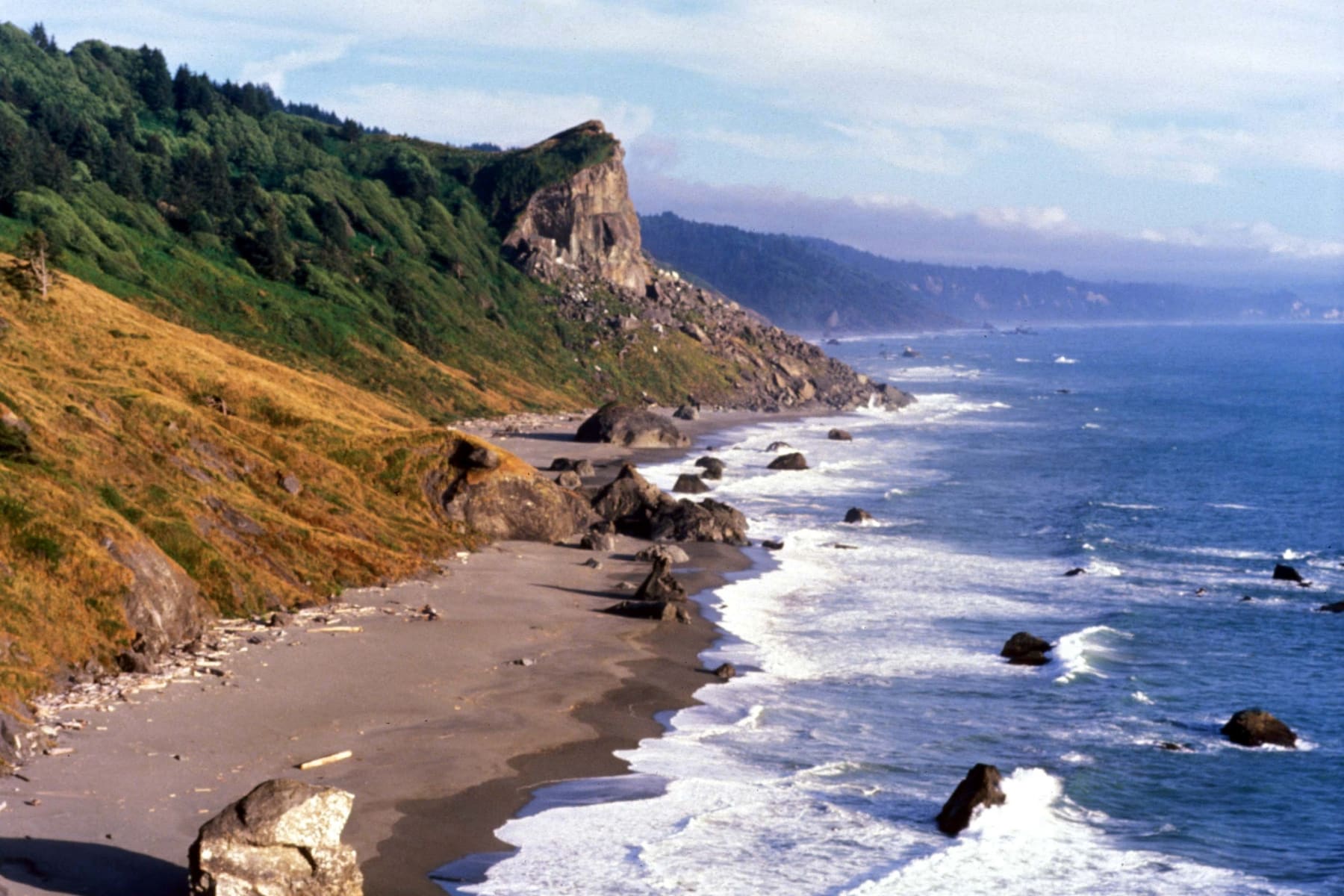
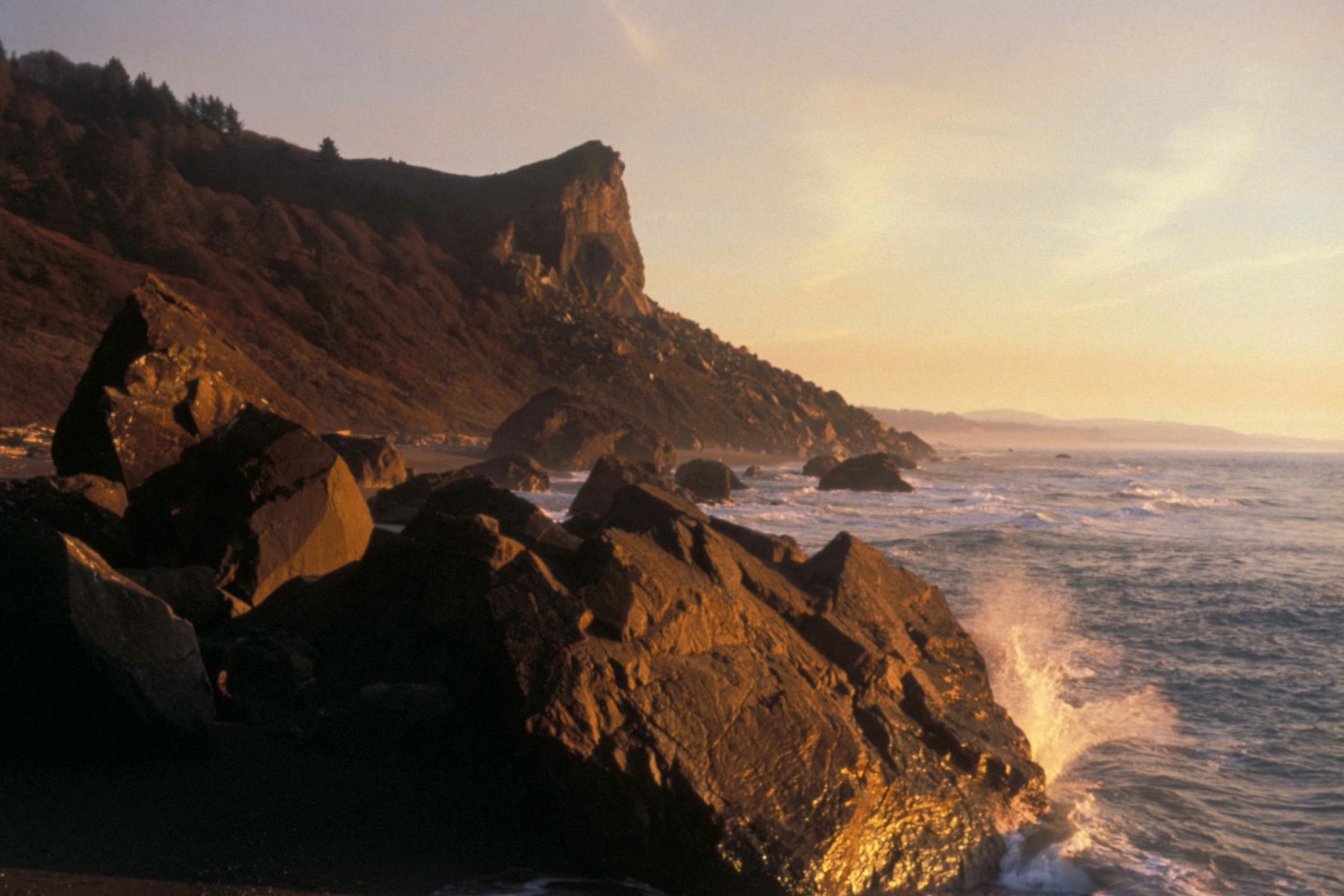
Redwood National Park isn’t just a forest park. It includes over 40 miles of wild Pacific coastline, and in winter, that coastline puts on a show.
Pacific storms send massive swells crashing into the sea stacks and rocky headlands along the coast. High Bluff Overlook, near the Klamath River, is one of the best spots to watch the drama unfold from a safe vantage point. Crescent Beach Overlook and the Enderts Beach area also offer spectacular storm watching.
A word of caution here. Never turn your back on the ocean, and stay well above the waterline during winter storms. Sneaker waves are a real and serious danger on this coast. Enjoy the power from a distance. That’s the safest and most spectacular way to take it all in.
Photography in Winter

If you’re a photographer, we’ll be direct. Winter is the best season to photograph Redwood.
The soft, diffused light that comes with overcast skies and fog is ideal for shooting in a forest environment. You won’t fight harsh shadows or blown-out highlights. The dynamic range stays manageable all day long, not just at golden hour.
Here’s what to shoot. Fog drifting through the canopy at Lady Bird Johnson Grove. Rain droplets on sword fern fronds. The rich, saturated bark of the old growth trees. Roosevelt elk in misty meadows. Mushrooms on nurse logs. The dramatic winter surf along the coast.
Practical note on gear. Bring a rain cover for your camera, microfiber cloths for wiping lenses, and ziplock bags for added protection. Moisture is constant, so plan accordingly.
Camping and Lodging
Some campgrounds in the park system close for winter, but not all. Jedediah Smith Campground stays open year-round and sits right alongside the Smith River in one of the most beautiful settings of any campground we’ve visited. Sites are first-come, first-served in winter, and you’ll rarely have trouble finding one.
For lodging, Crescent City is your primary base on the north end of the park. It’s a small town with a handful of motels and restaurants, plus grocery stores for stocking up on supplies. On the south end, the tiny community of Orick offers fewer options but puts you closer to Fern Canyon and the Bald Hills area.
If you prefer a roof over your head, book early. Winter options are limited, and the few quality spots fill up faster than you might expect.
Practical Tips for a Winter Visit

Let’s run through the essentials so you can plan with confidence.
Entrance fees. Redwood National Park is free to enter. Always has been, always will be. The state parks within the system (Prairie Creek, Jedediah Smith, Del Norte Coast) charge an $8 day-use fee for parking areas.
Clothing. Waterproof everything. A quality rain jacket, waterproof hiking boots, and rain pants will transform your experience. Layers underneath, since 50 degrees and wet can feel colder than the thermometer suggests.
Driving. US-101 runs through the heart of the park and stays open year-round. The Newton B. Drury Scenic Parkway through Prairie Creek is a spectacular drive even in rain. Howland Hill Road into Jedediah Smith is unpaved and can get rough in winter, so check conditions.
Services. Visitor centers may have reduced winter hours. Check the NPS website before your trip for the latest schedule. Crescent City has gas, groceries, and basic services. Orick is more limited.
Cell service. Spotty at best throughout the park. Download maps and trail info before you arrive.
For more ideas on what to see and do, check out our full guide to things to do in Redwood National Park.
Is Winter the Best Time to Visit Redwood?

We’ll say this. It’s our favorite time.
Summer has its advantages. Longer days, drier trails, and easier access to places like Fern Canyon and the backcountry. Fall brings its own quiet beauty. But winter gives you the version of Redwood that feels the most honest to what this place actually is. A temperate rainforest on the edge of the Pacific. Drenched, ancient, and spectacularly alive.
If you’re comfortable hiking in rain and you value solitude over convenience, winter is the season. The forest is waiting. And there’s no one else in line.
That’s a wrap folks!
What to Bring to Redwood
Gear we recommend for Redwood. Affiliate links support our work at no cost to you.
More Than Just Parks may earn a small commission from purchases made through these links, at no extra cost to you. We only recommend gear we would actually use.
Affiliate disclosure: Some links on this page earn us a small commission at no extra cost to you. We only recommend gear we actually use.
More Than Just Parks Film Watch our film of Redwood We spent weeks in Redwood, one of our favorite public lands destinations, capturing it the way it deserves. Take a few minutes and see it for yourself.