


Kentucky has 7 National Park Service units, and the one that matters most is Mammoth Cave National Park. It is the only full national park in the state, the longest known cave system on the planet, and the reason most people make the trip.
I taught American history for 25 years before I started visiting public lands destinations, and Kentucky is a state that rewards a closer look. Beyond the cave, this is Lincoln country, where the 16th president was born, and Civil War borderland, where a divided state fought itself. Two of Kentucky’s units were created only in the last few years, which makes the state’s roster one of the freshest in the region.
A note on the count. There are 7 place-based units, plus the Lewis and Clark and Trail of Tears national historic trails, which pass through and which I have grouped rather than padding the list. Of the seven, only Mammoth Cave is a full national park. Three units, Cumberland Gap, Big South Fork, and Fort Donelson, are shared with neighboring states. And two, Camp Nelson and Mill Springs, are recent additions, designated in 2018 and 2020.
Kentucky National Park Sites Compared
| Site | Designation | The Draw | 2026 Fee |
|---|---|---|---|
| Mammoth Cave | National Park | The longest cave system on Earth, more than 400 mapped miles | Free park, cave tours about $8 to $11 |
| Cumberland Gap | National Historical Park (shared KY/TN/VA) | The mountain pass that opened the West, 85 miles of trails | Free |
| Big South Fork | National River and Recreation Area (shared KY/TN) | Gorges, arches, whitewater, and quiet backcountry | Free |
| Abraham Lincoln Birthplace | National Historical Park | The cabin site and farm where Lincoln was born | Free |
| Camp Nelson | National Monument | A Civil War emancipation site, designated 2018 | Free |
| Mill Springs Battlefield | National Monument | An early Union victory in the West, designated 2020 | Free |
| Fort Donelson | National Battlefield (shared KY/TN) | Grant’s first major win, with Fort Heiman on the Kentucky side | Free |
On fees, Kentucky is one of the cheapest states to tour. Every unit is free to enter, including Mammoth Cave itself. The only cost at the cave is the guided tours, which run roughly $8 to $11 for adults depending on the route, and you should book them ahead because they sell out. There is little need for the annual pass unless your trip continues into states with vehicle fees.
117 public lands destinations are under threat. Get the free briefing that 27,000+ people use to stay informed and take action.
1. Mammoth Cave National Park
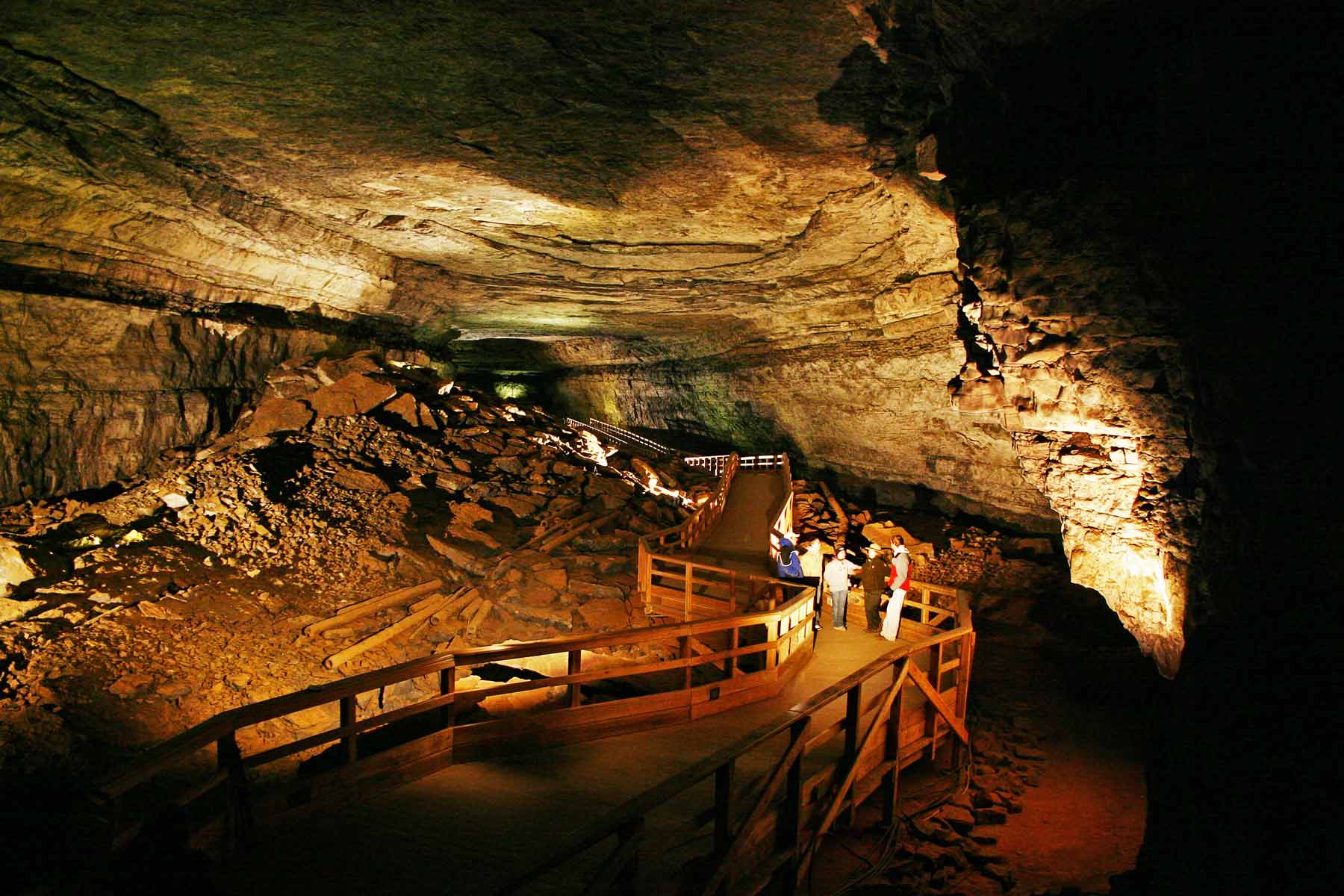
The best site in the state, and one of the natural wonders of the world. Mammoth Cave is the longest cave system known anywhere on Earth, with more than 400 miles surveyed and more being mapped all the time, and it is the entire reason Kentucky has a national park.
The only way to see the cave is on a ranger-led tour, and there is a tour for everyone. The Frozen Niagara route is short and full of dripstone formations, the Historic Tour walks the old saltpeter-mining passages, and the Grand Avenue tour runs four hours and several miles for those who want the deep experience. Above ground, the park protects 80 square miles of Kentucky hill country along the Green River, with hiking, paddling, and camping. The park is free, and the cave tours run about $8 to $11. Book them in advance, especially in summer. The cave stays a steady 54 degrees year-round, so bring a layer.

2. Cumberland Gap National Historical Park

The mountain doorway that let America move west. Cumberland Gap is the natural notch in the Appalachian wall where Kentucky, Tennessee, and Virginia meet, the route Daniel Boone blazed and hundreds of thousands of settlers followed onto the frontier.
The park protects more than 20,000 acres and over 85 miles of trails along the Cumberland Mountains. The Pinnacle Overlook gives you a long view across three states, and you can tour Gap Cave or hike to the remote Hensley Settlement, a preserved mountain homestead. The historic gap road has been restored to roughly its pioneer-era appearance. It is shared across three states, free to visit, and a good base for the southeastern Kentucky highlands.
3. Big South Fork National River and Recreation Area
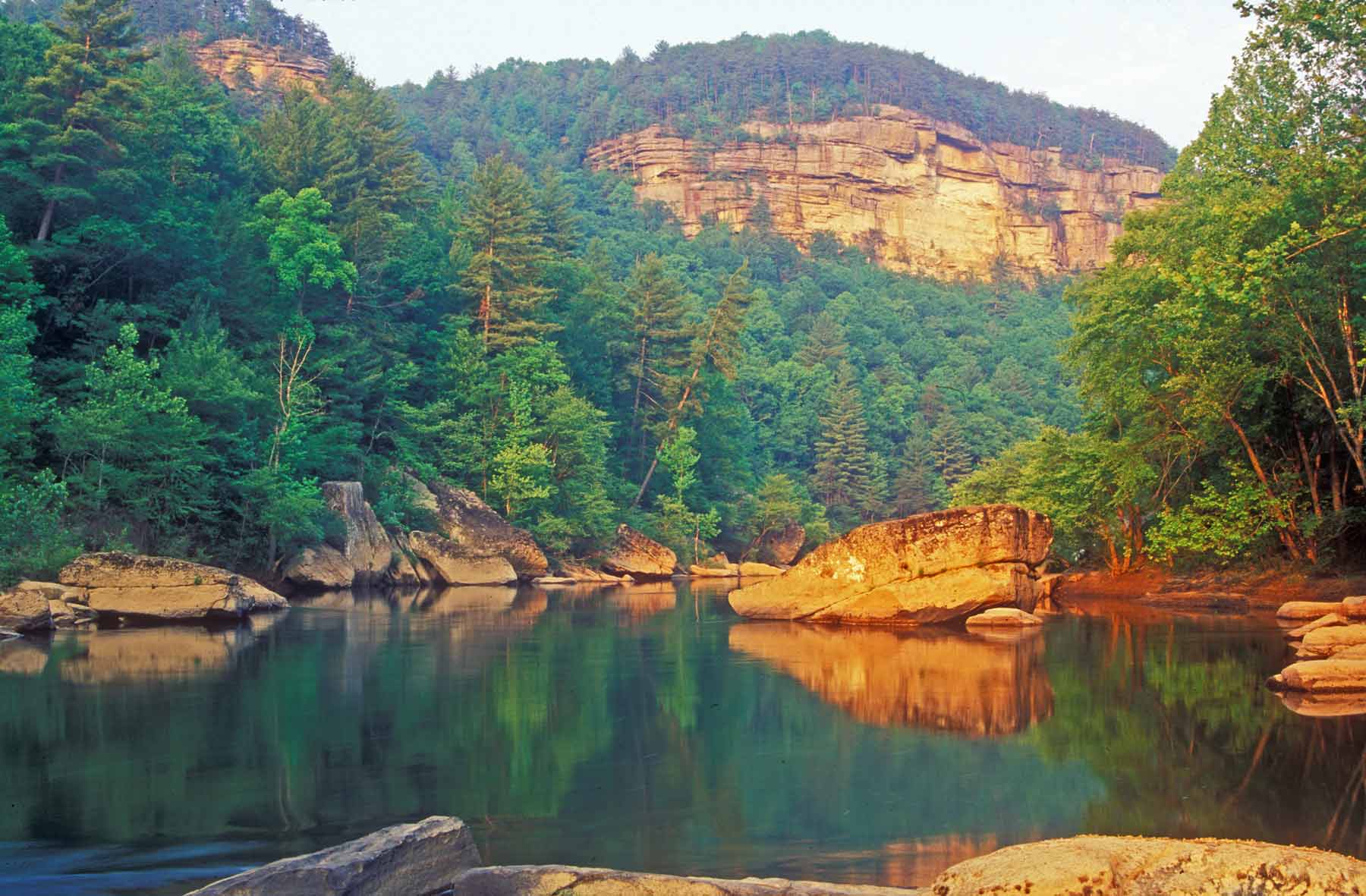
The wild river country most people drive right past. Big South Fork protects the gorge of the Big South Fork of the Cumberland River, a sandstone canyon shared between Kentucky and Tennessee that rivals better-known parks for sheer ruggedness.
This is a recreation area in the truest sense. People come to run whitewater, ride horses on hundreds of miles of trail, climb the sandstone, and hike to natural arches and old coal-mining ruins. The Blue Heron mining community on the Kentucky side has been preserved as an interpretive site. It is quiet, undeveloped, and free, which makes it one of the better escapes in the region.
4. Abraham Lincoln Birthplace National Historical Park

Where the man who saved the union began. Near Hodgenville, this park preserves the farm where Abraham Lincoln was born in 1809, the humble starting point of one of the most consequential lives in American history.
The centerpiece is a grand neoclassical memorial, built in the early 1900s, that enshrines a symbolic log cabin on the site of the original birthplace. A flight of 56 granite steps, one for each year of Lincoln’s life, leads up to it. The park also protects the nearby Knob Creek farm, where Lincoln spent his earliest boyhood years. It is a free and reflective stop in central Kentucky, and an essential one for anyone tracing the Lincoln story.
5. Camp Nelson National Monument

One of the most important sites of emancipation in the country, and Kentucky’s first national monument. Designated in 2018, Camp Nelson preserves a Civil War supply depot near Nicholasville that became a major recruitment and training center for the United States Colored Troops.
For enslaved men in a state that did not free its own people until the war’s end, enlisting at Camp Nelson was a path to freedom, and their families followed them here seeking it too. Thousands of Black soldiers were trained at the camp, and a refugee community grew up around it. The site includes restored earthworks, a reconstructed barracks, the historic Oliver Perry House, and a museum that tells this story with care. Admission is free.
6. Mill Springs Battlefield National Monument
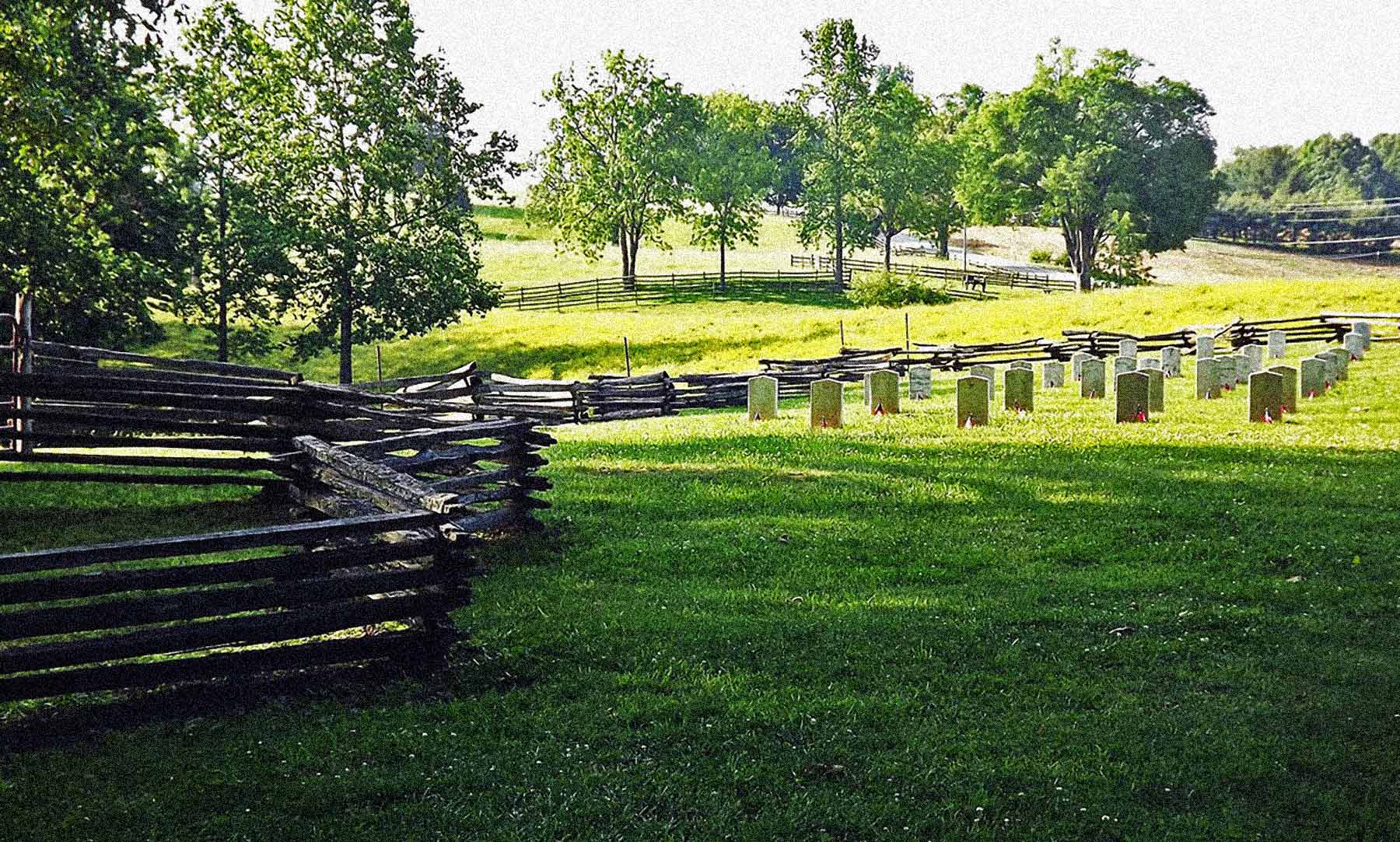
An early Union victory that cracked the Confederate line, and one of the newest units in the system. Established as a national monument in 2020, Mill Springs preserves the field near Nancy where a January 1862 Union win broke the eastern end of the Confederate defensive line in Kentucky.
It was an early and badly needed boost for the Union, and it helped open the path into Tennessee. The battlefield is well preserved, with a driving tour, walking trails, a national cemetery, and a visitor center that lays out the fight. It is quiet, free, and an easy add-on if you are touring the southern Kentucky parks.
7. Fort Donelson National Battlefield
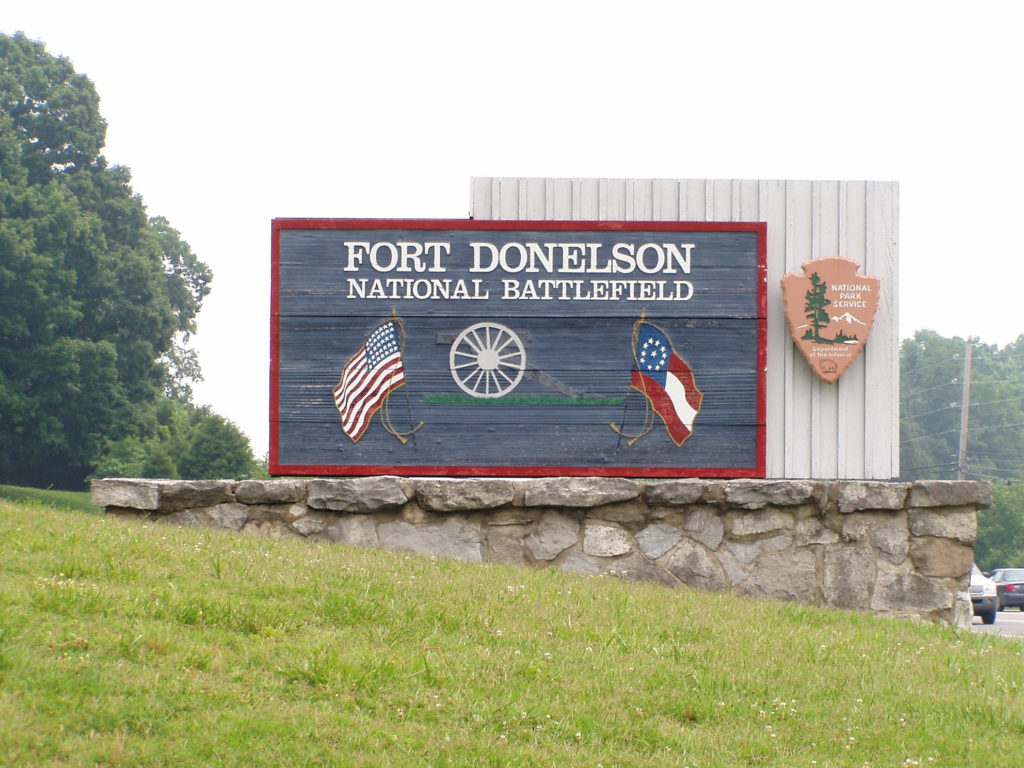
Where Ulysses S. Grant first became a household name. Fort Donelson is centered just across the line in Tennessee, but the battlefield reaches into Kentucky at Fort Heiman, which is why it belongs on this list.
The Union capture of Fort Donelson in February 1862 was the first major victory of the war, opening the Cumberland River into the Confederate heartland. When the Confederate commander asked for terms, Grant replied that nothing but unconditional surrender would be accepted, and the nickname Unconditional Surrender Grant was born. The battlefield has a driving tour, river batteries, and a national cemetery. Admission is free.
The Trails Through Kentucky, and What Is Not NPS
Two NPS-administered national historic trails cross Kentucky. The Lewis and Clark trail touches the state at the Falls of the Ohio near Louisville, where the expedition gathered recruits, and the Trail of Tears traces the Cherokee removal that passed through western Kentucky. Both are corridors rather than single gated sites.
A few popular places get wrongly counted as Kentucky national parks. The Daniel Boone National Forest and the Red River Gorge inside it are managed by the Forest Service. Land Between the Lakes, despite its national recreation area name, is also a Forest Service unit, not NPS. And Cumberland Falls and Natural Bridge are Kentucky state parks. All worth a visit, none of them NPS units.
How to Plan a Kentucky National Parks Trip
Kentucky’s parks fall into three clusters. Central Kentucky around the Mammoth Cave and Lincoln country gives you the cave, the Lincoln birthplace, and Camp Nelson near Lexington within an easy loop. The south-central region adds Mill Springs and Fort Donelson’s Kentucky reach. And the far southeast holds Cumberland Gap and Big South Fork in the highlands. Mammoth Cave is the anchor for any trip, so give it a full day at minimum.
Spring and fall are the best seasons, with the hardwood color peaking in October and the rivers running well in spring. The cave stays comfortable year-round, which makes it a good summer escape. If you are building a wider trip, Kentucky pairs with the parks of Tennessee next door, including the shared units. For the bigger picture, our guide to the best national parks puts Mammoth Cave in national context.
The bottom line
Mammoth Cave alone makes Kentucky worth the trip, a natural wonder on a world scale that costs almost nothing to see. Around it the state has built a deep roster of Lincoln history, Civil War battlefields, and a pair of new monuments that tell the harder stories of emancipation. Go for the cave, and stay for the history.


