


There are exactly 10 national parks east of the Mississippi, and every one of them is on this list. The Great Smoky Mountains pull in more than 12 million visitors a year. Congaree gets around 215,000. Both earned their spot, for very different reasons.
I grew up on this coast, lived in Maine for a stretch, and we’ve been filming in these parks for years. If a park is on this list, we have stood in it and can tell you exactly what to expect when you go. A quick note on the count: these are the 10 full “national parks” specifically. The East holds dozens of other National Park Service sites, seashores, monuments, and historic parks, but those are a different designation.
Here are the 10 best East Coast national parks, ranked, with an honest take on each.
East Coast National Parks at a Glance
| Park | State | Nearest Major City | Drive Time | Entrance Fee |
|---|---|---|---|---|
| Great Smoky Mountains | TN / NC | Knoxville, TN | 45 min | Free (parking tag required) |
| Acadia | ME | Portland, ME | 3 hr | $35/vehicle |
| Shenandoah | VA | Washington, DC | 1.5 hr | $30/vehicle |
| Everglades | FL | Miami, FL | 1 hr | $30/vehicle |
| Congaree | SC | Columbia, SC | 30 min | Free |
| Biscayne | FL | Miami, FL | 45 min | Free |
| New River Gorge | WV | Charleston, WV | 1 hr | Free |
| Dry Tortugas | FL | Key West, FL (ferry) | 2.5 hr ferry | $15/person |
| Cuyahoga Valley | OH | Cleveland, OH | 30 min | Free |
| Mammoth Cave | KY | Nashville, TN | 1.5 hr | Free (tour tickets extra) |
The first eight sit reasonably close to the Atlantic. The last two, Cuyahoga Valley and Mammoth Cave, push inland past the coastal zone, but they remain well within reach of any East Coast road trip and they earn their place on the strength of what is inside them.
117 public lands destinations are under threat. Get the free briefing that 27,000+ people use to stay informed and take action.

1. Great Smoky Mountains National Park
- Location: Tennessee & North Carolina
- Entrance Fee: Free (Park It Forward parking tag required: $5/day, $15/week, $40/year)
- Best Time to Visit: Late spring for synchronous fireflies, October for peak foliage
- Resources: Park Guide | Fall in the Smokies | Where to Stay
The most visited national park in the country, by a wide margin, straddles the Tennessee and North Carolina line in the heart of the southern Appalachians. More than 12 million people come through each year, which is roughly double the count of any other park in the system.
Locals and President Franklin Roosevelt spared this land from logging in 1934, and the result is one of the oldest forests on the continent spread across more than 800 square miles. Summer draws the heaviest crowds, but the park is big enough that you can always find quiet if you are willing to walk for it. Autumn lights the ridges up in color. And do not overlook late spring, when the synchronous fireflies put on their show near Elkmont (entry is by lottery permit).
Read our full Great Smoky Mountains guide before you go.

2. Acadia National Park

- Location: Maine
- Entrance Fee: $35/vehicle (7-day pass)
- Best Time to Visit: Late spring for fewer crowds, early October for foliage
- Resources: Things to Do | Acadia Film | Where to Stay
Acadia has been pulling vacationers up the Maine coast for well over a century, and the appeal is easy to understand. From the summit of Cadillac Mountain you can catch one of the first sunrises in the United States, and you can drive most of the way up (timed vehicle reservations are required in season, book them on recreation.gov).
Summers here are mild, cooled by the North Atlantic, and the lobster roll shacks along the water are part of the experience. Having lived in Maine, I will be blunt: this park is packed in July and August. Go in late spring for the best balance of weather and breathing room. The fall is gorgeous too, but that secret is long out. Whenever you come, climb something. The views from South Bubble, Champlain Mountain, or the Beehive are worth every step.
Watch our Acadia film here.

3. Shenandoah National Park
- Location: Virginia
- Entrance Fee: $30/vehicle (7-day pass)
- Best Time to Visit: October for leaf color, late spring and summer for relief from valley heat
- Resources: Where to Stay | East Coast Road Trip
Virginians know it simply as Shenandoah, a long ribbon of the Blue Ridge where old hardwoods, rocky overlooks, and black bears share the high ground. The park protects more than 200,000 acres and over 500 miles of trail, including 101 miles of the Appalachian Trail.
The headline attraction is Skyline Drive, 105 miles along the spine of the mountains with 75 overlooks. Fall is the marquee season for leaf peepers, while late spring and summer offer cool escape from the heat in the valleys below. When Skyline Drive ends at the park’s southern edge, the Blue Ridge Parkway picks up right where it leaves off and runs all the way to the Smokies.

4. Everglades National Park
- Location: Florida
- Entrance Fee: $30/vehicle (7-day pass)
- Best Time to Visit: December through April, the dry season, when mosquitoes ease off
- Resources: Things to Do | Where to Stay
The Everglades is recognized as one of the most important ecological sites on the planet. It is a national park, a UNESCO World Heritage Site, an International Biosphere Reserve, and a Wetland of International Importance all at once, and it is the largest tropical wilderness in the country.
This is one of the last sanctuaries on earth for the American crocodile and the Florida panther. Explore it by canoe, kayak, airboat, or on the boardwalks at Shark Valley and Anhinga Trail. However you move through it, the sheer density of wildlife is unlike anywhere else in the system. Come in the dry season unless you have a high tolerance for mosquitoes.

5. Congaree National Park
- Location: South Carolina
- Entrance Fee: Free
- Best Time to Visit: Fall and winter, when the mosquitoes finally back off
- Resources: Things to Do | Where to Stay
Visiting Congaree feels like stepping back in time. It protects the largest intact stretch of old-growth bottomland hardwood forest left in the southeastern United States, a kind of waterlogged cathedral that once covered the coastal South and now survives in only a handful of protected pockets. Some of the trees here are among the tallest in the East.
This is one of the least-visited parks on the coast, which is a gift if you like solitude. Paddle the Cedar Creek canoe trail or walk the elevated boardwalk loop out over the floodplain. One warning: skip late spring and early summer unless you genuinely do not mind mosquitoes, because Congaree is infamous for them and even posts a “mosquito meter” at the visitor center.

6. Biscayne National Park
- Location: Florida
- Entrance Fee: Free
- Best Time to Visit: Mid-December through mid-April for dry weather and calm seas
- Resources: Where to Stay
Back to Florida for a genuinely coastal park. Palm-fringed keys, white sand, coral reefs, and clear turquoise water make up most of what Biscayne protects. You just have to get on a boat to see it.
The Park Service likes to say “half the park is after dark.” Here you could say most of the park is underwater. Ninety-five percent of Biscayne is water, which makes it one of the largest marine parks in the system. Snorkeling the reefs, paddling among the mangroves, and visiting the historic lighthouse on Boca Chita Key are the main draws. Bring a towel, bring a mask, and plan around a boat tour or your own vessel.

7. New River Gorge National Park
- Location: West Virginia
- Entrance Fee: Free
- Best Time to Visit: Summer for rafting, fall for color, the third Saturday of October for Bridge Day
- Resources: NPS Site | Where to Stay
No East Coast list is complete without the newest member of the family. New River Gorge became America’s 63rd national park in December 2020, and despite the name the New River is one of the oldest rivers on the continent. The signature image is the New River Gorge Bridge, 876 feet above the water and once the longest single-span arch bridge in the world.
Whitewater rafting and rock climbing draw most of the crowds, with miles of hiking and the Endless Wall Trail rounding things out. Summers are mild, fall turns the gorge gold and red, and the park is still pleasantly uncrowded compared to its western cousins. Go now, while that is still true.

8. Dry Tortugas National Park
- Location: Florida
- Entrance Fee: $15/person (includes fort access)
- Best Time to Visit: March through May for calm seas and nesting sea turtles
- Resources: Where to Stay
Florida is flush with national parks, and this is the wildest of them. To reach Dry Tortugas you travel about 70 miles past the end of Key West into open water, to a cluster of seven small islands and a remote, hard-won national park most people never see.
The centerpiece is Fort Jefferson, a hexagonal Civil War-era coastal fortress built from more than 16 million bricks. Getting out is the hard part: it means a ferry from Key West (roughly $200 round trip) or a seaplane, and conditions inside the park are spartan with no fresh water and no services. Earn it, though, and you get some of the clearest snorkeling, best sea kayaking, and most solitary national park experiences on the continent.


9. Cuyahoga Valley National Park
- Location: Ohio
- Entrance Fee: Free
- Best Time to Visit: Fall for foliage along the river, spring for waterfalls at peak flow
- Resources: Where to Stay
Cuyahoga Valley is an unlikely park, a green corridor of river, forest, and waterfalls tucked between Cleveland and Akron. The 65-foot Brandywine Falls is the showpiece, but the real character comes from the Towpath Trail along the old Ohio and Erie Canal and the boulders and ledges scattered through the woods.
Do not miss the Cuyahoga Valley Scenic Railroad, which runs the length of the park and lets you ride one way and bike or hike the other through its Bike Aboard program. It is an easy day trip from either city and a genuine surprise for anyone who assumes Ohio has nothing to offer.
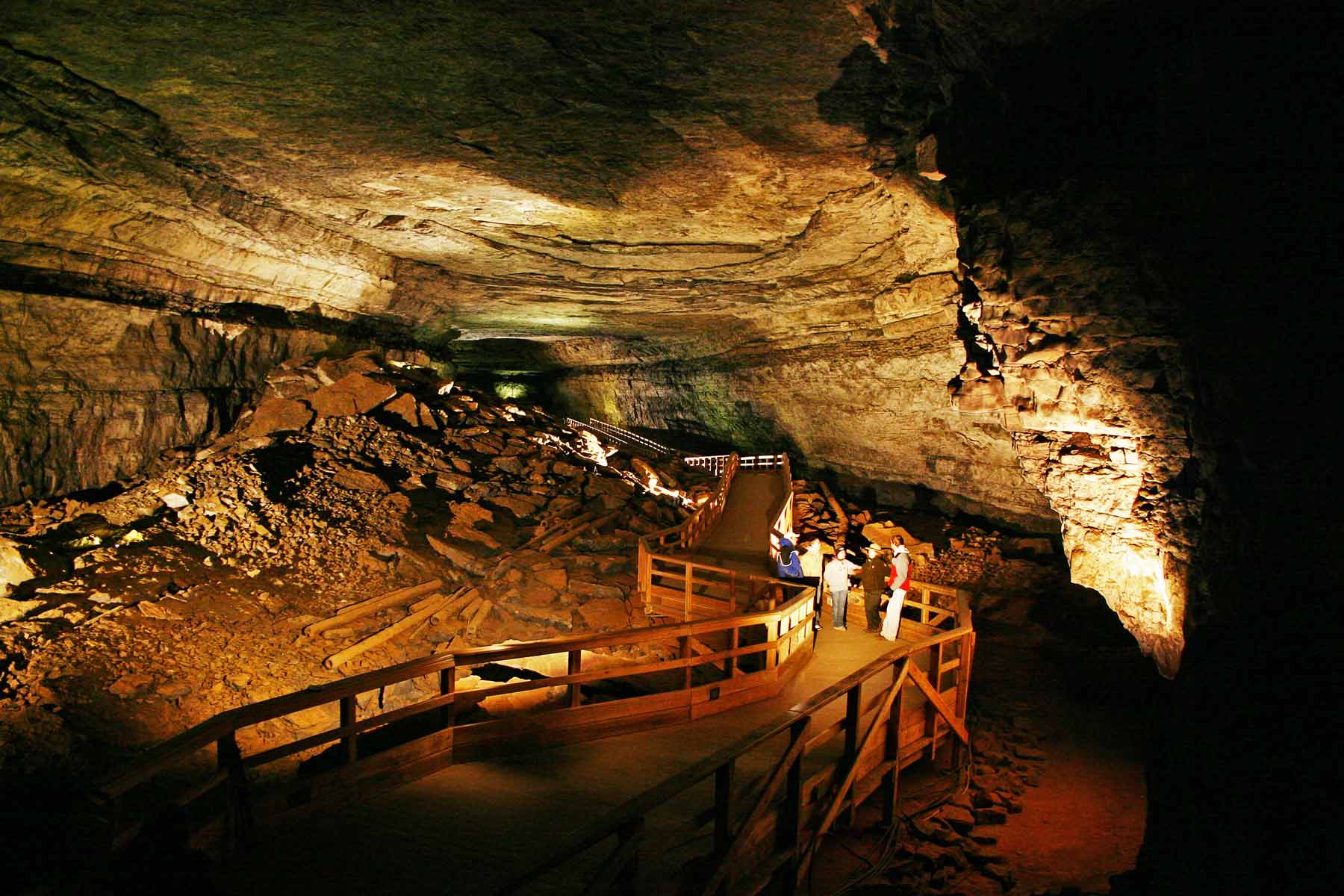
10. Mammoth Cave National Park
- Location: Kentucky
- Entrance Fee: Free (cave tour tickets run roughly $8 to $80 depending on the tour)
- Best Time to Visit: Year-round, since the cave holds a steady 54°F no matter the season
- Resources: Where to Stay
The longest known cave system in the world, with more than 420 surveyed miles and counting, is Kentucky’s only national park. The surface scenery is modest next to anything out west, but the underground experience stands on its own.
Tours range from flat, easy walks to the all-day Wild Cave crawl, and advance reservations through recreation.gov are close to mandatory, since the popular tours sell out weeks ahead. Above ground there are over 80 miles of trail and quiet canoeing on the Green River. Save this one for when you want a park experience nothing else can match.
The 10 East Coast National Parks, Ranked

- Great Smoky Mountains National Park, Tennessee & North Carolina
- Acadia National Park, Maine
- Shenandoah National Park, Virginia
- Everglades National Park, Florida
- Congaree National Park, South Carolina
- Biscayne National Park, Florida
- New River Gorge National Park, West Virginia
- Dry Tortugas National Park, Florida
- Cuyahoga Valley National Park, Ohio
- Mammoth Cave National Park, Kentucky
Multi-Park Trip Combos
If you have a few extra days, these pairings work especially well together:
- Weekend combo, Shenandoah plus New River Gorge. About four hours apart via I-64. Drive Skyline Drive on day one, then head south for world-class rafting and gorge views. A near-perfect long weekend.
- Florida triple, Everglades plus Biscayne plus Dry Tortugas. All three sit within a few hours of Miami, with Dry Tortugas reached by ferry from Key West. You can knock out three national parks in under a week and still get beach time.
- Southern Appalachia, Great Smoky Mountains plus Congaree. Roughly 4.5 hours apart. The Smokies bring the big mountain scenery, and Congaree drops you into an ancient cypress forest that feels like another planet. An underrated combination.
Do You Have a Favorite East Coast National Park?
Planning an East Coast parks road trip? Drop your route in the comments and we will give you our honest take on the itinerary.
And if we have talked you into a trip, start with our Acadia guide and our Great Smoky Mountains guide.
Helpful Related Articles
- Things to Do in the Smokies: Great Smoky Mountains National Park Guide
- Acadia Planning: Things to Do in Acadia National Park
- Everglades: Things to Do in Everglades National Park
- Road Trip Routes: The Best East Coast Road Trip


