


Winter is when the national parks shed their crowds and turn into something else entirely. Geyser basins steam against the snow, hoodoos wear white caps, and a frozen waterfall replaces the summer line of cars. We have filmed in the parks in deep winter, and the truth is that some of them are at their absolute best once the snow flies. This is our ranking of the best national parks to visit in winter, split into two kinds of trip: parks worth braving the cold for, and parks where you go to escape it entirely.
Winter visits take more planning than summer ones. Roads close, hours shorten, and weather turns on a dime, so check current conditions and closures before every trip. The payoff is solitude, low rates, and scenery you simply cannot see any other time of year.

Best National Parks for Winter at a Glance
| Rank | Park | State | Winter Draw |
|---|---|---|---|
| 1 | Yellowstone | WY / MT | Geysers and wolves in the snow |
| 2 | Olympic | Washington | Hurricane Ridge snowplay |
| 3 | Crater Lake | Oregon | Snowshoeing the rim |
| 4 | Bryce Canyon | Utah | Snow-capped hoodoos |
| 5 | Zion | Utah | Crowd-free red rock |
| 6 | Yosemite | California | The Firefall and quiet valley |
| 7 | Grand Teton | Wyoming | Skiing and wildlife |
| 8 | Rocky Mountain | Colorado | No reservations, open Bear Lake Road |
| 9 | Sequoia | California | Giant trees in the snow |
| 10 | Mount Rainier | Washington | The deepest snow in the Lower 48 |
Parks Worth Braving the Cold For
1. Yellowstone National Park

Yellowstone in winter is the one park visit that genuinely feels like another planet. Steam pours off the geyser basins into bitter cold air, bison shoulder snow aside to reach the grass, and the Lamar Valley becomes the best place in the Lower 48 to watch wolves hunt across white meadows. Most interior roads close to cars from early November to late April, so you reach the heart of the park by snowcoach or guided snowmobile. The one exception is the road between Gardiner and Cooke City, on the Montana side, which stays open all winter and delivers you straight to the wolves. See our Lamar Valley wildlife guide and our things to do in Yellowstone.
2. Olympic National Park
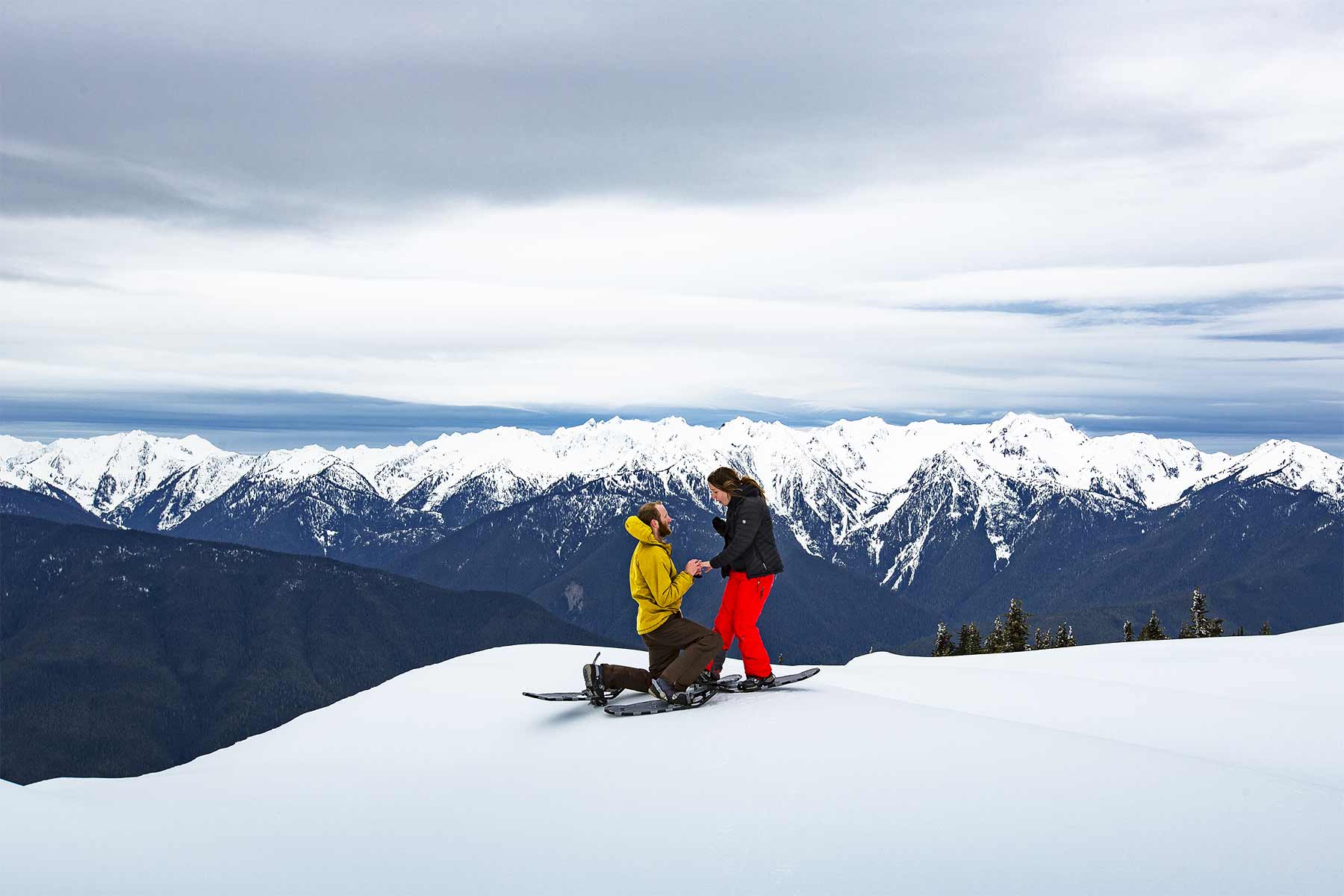
Olympic is three parks in one, and winter shows off two of them at once. Down on the coast and in the rainforest, the weather is much like summer, cool, gray, and green. Up at Hurricane Ridge, it is full alpine winter, with snowshoeing, sledding, and even a small ski area. The catch is access: Hurricane Ridge Road typically runs on limited days through winter, so call the park’s road and weather hotline before you drive up. See our things to do in Olympic.
117 public lands destinations are under threat. Get the free briefing that 27,000+ people use to stay informed and take action.
3. Crater Lake National Park

Crater Lake gets buried, more than 40 feet of snow falls on the rim in an average year, and the impossibly blue water against the white rim is a sight few people make the effort to see. The rim drive closes to cars, so the park becomes a quiet playground for cross-country skiing, snowshoeing, and fat biking. On a clear, dark night, it is also one of the better spots in the Northwest to catch the aurora during strong solar activity. See our things to do in Crater Lake.
4. Bryce Canyon National Park

At 8,000 to 9,000 feet, Bryce is the Utah park most likely to give you real snow, and the contrast of white powder on orange hoodoos is unlike anything else in the park system. Sunrise from Inspiration Point, with the amphitheater glowing under a fresh dusting, is the shot to chase. The main road stays plowed and open, and the cold keeps the crowds away.
5. Zion National Park

Zion in winter is the same towering red-rock canyon, minus the infamous summer crowds. The main scenic drive stays open, and you can often have overlooks to yourself. The Narrows is likely too cold to wade and Angels Landing is risky in snow or ice, but the lower trails and the quiet make it a different, calmer park. See our best things to do in Zion and our guide to Kolob Canyon.
6. Yosemite National Park
Yosemite Valley stays open all winter, and the high-water summer mob is gone. Snow caps the granite, the waterfalls run thin and icy, and for a couple of weeks in February the setting sun lights up Horsetail Fall on El Capitan until it glows like lava, the natural Firefall. It draws a crowd of photographers, and the park typically requires a reservation for that window, so plan ahead. Tioga Pass and Glacier Point Road close for the season. See our things to do in Yosemite.
7. Grand Teton National Park
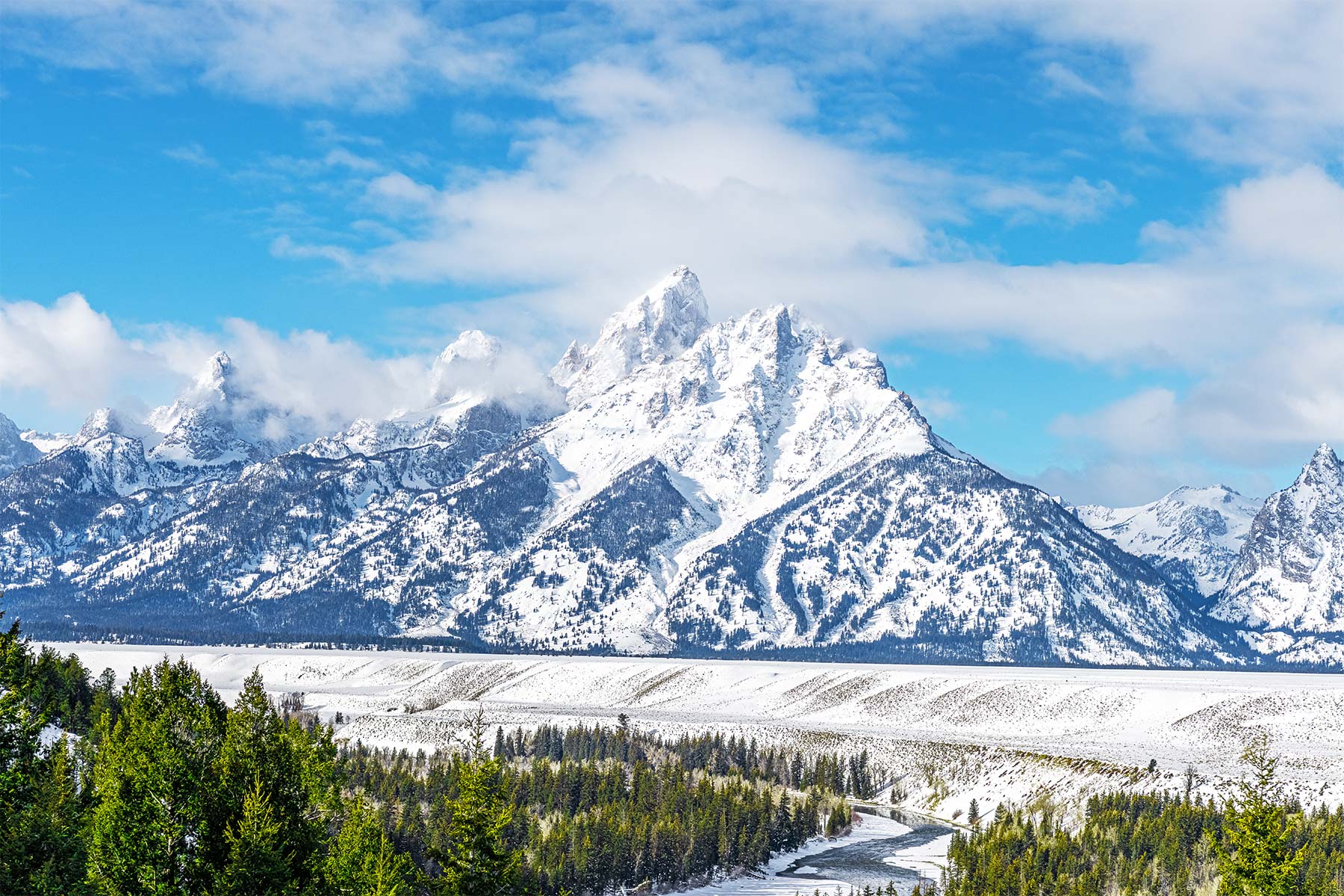
Winter strips Grand Teton down to its essentials: white valley, gray peaks, and very few people. January highs sit in the 20s and lows drop into single digits, but the cross-country skiing and snowshoeing are superb, and wildlife stands out sharply against the snow. The nearby town of Jackson makes a comfortable base. See our things to do in Grand Teton.
8. Rocky Mountain National Park

Here is a winter perk most people miss: Rocky Mountain’s summer timed-entry reservation system does not run in winter, so you can come and go freely. Trail Ridge Road closes, but Bear Lake Road stays open, putting alpine lakes and snowshoe trails within easy reach. The elk move down to lower meadows, and the park is dramatically quieter than its summer self. See our Rocky Mountain hikes.
9. Sequoia National Park
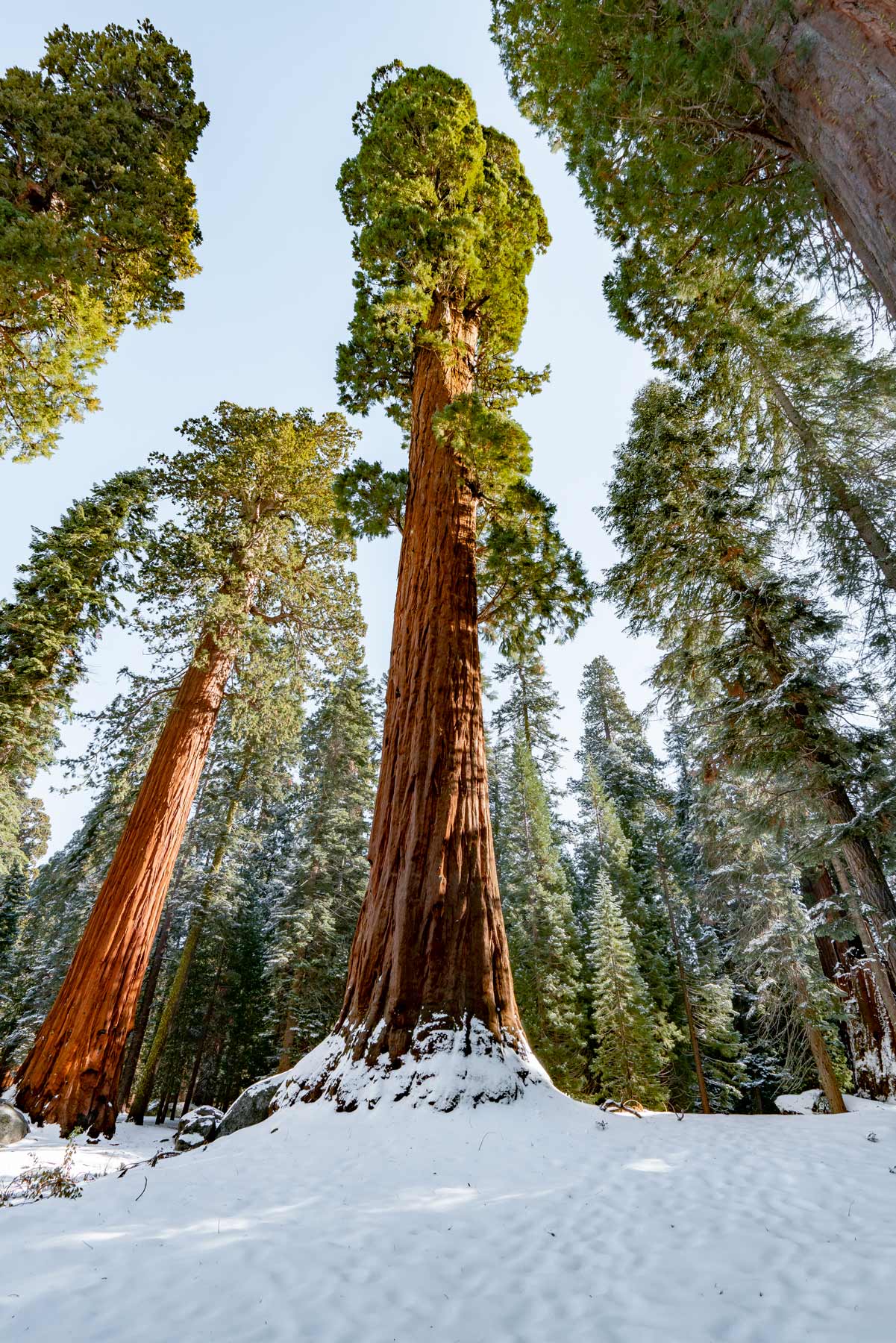
There is no better time to feel small than standing under the General Sherman Tree, the largest tree on Earth, while snow sifts down through the branches. Winter blankets the Giant Forest, and the Congress Trail among the big trees is a quiet, accessible snowshoe walk. Cozy lodges with fireplaces make the cold part of the appeal. See our things to do in Sequoia and our best hikes.
10. Mount Rainier National Park

Mount Rainier catches some of the deepest snowfall in the contiguous United States, and the Paradise area is built for it. The road up to Paradise is plowed all winter, opening the door to snowshoeing, sledding, and backcountry skiing beneath the volcano. On clear nights it is one of the best places for stargazing in the Pacific Northwest.
Parks to Escape Winter Entirely
If your idea of a great winter trip is leaving the cold behind, these five parks deliver mild temperatures and open trails while the rest of the country shovels out.
Death Valley National Park

The hottest place on Earth in summer is one of the most pleasant parks to hike in winter, with highs commonly in the 70s. Death Valley is the largest national park in the Lower 48, and winter is the season to explore its dunes, canyons, and salt flats without risking your life to the heat. Plan with our Death Valley itinerary and things to do.
Saguaro National Park

Just outside Tucson, Saguaro offers mid-60s highs, abundant sunshine, and forests of the giant saguaro cactus found nowhere else in the country. Winter is hiking weather here, and the long desert sunsets are reason enough to come. See our things to do in Saguaro.
Hawaii Volcanoes National Park

On the Big Island, winter means warm days with less humidity than summer and long nights for watching the glow of Kilauea. Walk the Thurston Lava Tube, drive the Chain of Craters Road to the coast, and witness an active volcano up close. See our Hawaii Volcanoes guide.
Haleakala National Park

Maui’s Haleakala runs from a 10,000-foot volcanic summit, one of the great sunrise viewpoints anywhere, down to the lush Kipahulu coast with its waterfalls and pools. Winter is the dry, comfortable season to take it all in.
Virgin Islands National Park

On the island of St. John, this park covers roughly two-thirds of the island in white-sand beaches, turquoise water, snorkeling reefs, and sea-turtle-filled bays, with winter highs in the 80s. It is about as far from a snow shovel as a national park gets. See our things to do in the Virgin Islands.
Planning a Winter Parks Trip
Check closures first. Winter roads and facilities close on their own schedules, and weather can shut access without warning. Confirm road status and hours on the park’s website before every trip, and carry chains where required.
Two trips, two wardrobes. Decide early: are you chasing snow or fleeing it? The gear and the planning are completely different. Both make for a great winter, but they do not mix in one suitcase.
More seasonal guides. See our picks for February, our list of free entrance days, and our national parks ranked.

We are Will and Jim Pattiz, the filmmakers behind More Than Just Parks. We have filmed in the parks in deep winter, and our work has been featured by the National Park Service, the Department of the Interior, and outlets across the country. A snowed-in geyser basin or an empty red-rock canyon will change how you think about these places. Bundle up and go.


