National Parks Near St. Louis come with an honest catch worth stating up front. St. Louis sits right on top of the smallest national park in the country, and it is genuinely worth your time, but the rest of the National Park Service sites within a day’s drive are mostly small historic homes and one excellent river. There are no big mountain-and-canyon national parks anywhere close. The nearest of those is a long way west.
We have spent our careers filming national parks and public lands, and we are not going to pretend a 20-minute tour of a president’s house is the same experience as a week in the backcountry. What this guide does is give you the real drive math, the correct designation for each place, and a straight verdict on whether the gas and hours are worth it.
Here are five National Park Service sites you can reach from St. Louis, ranked by how much you get back for the driving you put in.
National Parks Near St. Louis At A Glance
| Destination | Type (NPS designation) | Drive Time (one-way from St. Louis) | Worth The Drive? |
|---|---|---|---|
| Gateway Arch National Park | National Park | In St. Louis | Yes. It is right here and it is a real national park. |
| Ulysses S. Grant National Historic Site | National Historic Site | About 20 min (13 mi) | Yes for the short hop. It is a house and museum, not a hike. |
| Ozark National Scenic Riverways | National Scenic Riverways | About 2.5 to 3 hr (150 mi) | Yes. The one real outdoor payoff on this list. |
| Harry S. Truman National Historic Site | National Historic Site | About 3.5 hr (240 mi) | Only if you are already heading to Kansas City. |
| George Washington Carver National Monument | National Monument | About 4.5 hr (280 mi) | Worthwhile but far. Pair it with a southwest Missouri trip. |
1. Gateway Arch National Park
Drive from St. Louis: It is in downtown St. Louis. No drive required.
109 public lands destinations are under threat. Get the free weekly briefing that 25,000+ people use to stay informed and take action.
At 91 acres, Gateway Arch National Park is the smallest national park in the country. It became a national park in 2018, after a long run as the Jefferson National Expansion Memorial. The Arch itself rises 630 feet, the tallest monument in the United States, and it marks St. Louis as the launching point for 19th century westward expansion, from the Louisiana Purchase to the Lewis and Clark Corps of Discovery.
The visitor center, dug into a berm below the Arch, reopened after a $380 million renovation and runs more than 150,000 square feet of museum space. The tram ride to the top, in small five-person capsules, is the signature thing to do, and the view over the Mississippi and the city is the reason to make the climb.
Honest caveat: tram-to-the-top tickets sell out, often weeks ahead and frequently on summer weekends. Book your timed tram slot online in advance rather than showing up and hoping. A limited number of same-day tickets are released at 9am each day, but counting on those in peak season is a gamble. The museum and grounds are free; the tram and the documentary film are ticketed.

More on Gateway Arch National Park
2. Ulysses S. Grant National Historic Site
Drive from St. Louis: About 20 minutes (13 miles) southwest via I-55 and Gravois Road.
This one is easy to justify because it is barely a drive at all. The site, also called White Haven, was the family home of Julia Dent, the woman Grant married, and it shaped a large part of his early life. The grounds run about 10 acres of what was once a much larger farm.
Most historians rate Grant the general higher than Grant the president, and for good reason. His tenacity broke the Army of Northern Virginia and ended the Civil War. But his presidency deserves more credit than it gets, particularly the Civil Rights Act of 1875 and his hard campaign against the Ku Klux Klan to protect the political rights of African Americans in the South.
Start with the 22-minute orientation film, then walk the grounds and the museum, which sits in a horse stable Grant designed and finished in 1872. The museum is self-guided across six permanent exhibits. Tours of the main house are ranger-led and limited in size, so check times before you go.
Honest caveat: this is a house, a stable museum, and a film. Plan on an hour or two, not a day. If history is not your thing, the appeal here is modest.

Related: 10 of the best Civil War Sites in America
3. Ozark National Scenic Riverways
Drive from St. Louis: About 2.5 to 3 hours (roughly 150 miles) south via I-55 and US-60.
If you want actual nature rather than another house tour, this is the trip to make. Established in 1964, Ozark National Scenic Riverways was the first area in the country set aside specifically to protect a river system. It covers about 80,000 acres along the Current and Jacks Fork rivers, both spring-fed, cold, and clear.
The water is the whole point. People come to canoe, kayak, tube, swim, and fish, and the rivers are gentle enough for families. Beyond the floating, the park protects hundreds of freshwater springs, caves, and historic spots like Alley Mill. Hunting is allowed within the boundaries away from developed areas, which is unusual for an NPS unit.
According to the Park Service, the area holds 112 species of fish, 197 species of birds, 58 species of mammals, plus dozens of amphibians and reptiles and roughly 1,000 plant species. It is the most biologically interesting destination on this list by a wide margin.
Honest caveat: summer weekends on the Current River get crowded and rowdy in spots, especially near the popular access points. Go on a weekday or in late spring or early fall if you want quiet water. Outfitters handle canoe and tube rentals; reserve ahead in peak season.

4. Harry S. Truman National Historic Site
Drive from St. Louis: About 3.5 hours (240 miles) west via I-70 to Independence, near Kansas City.
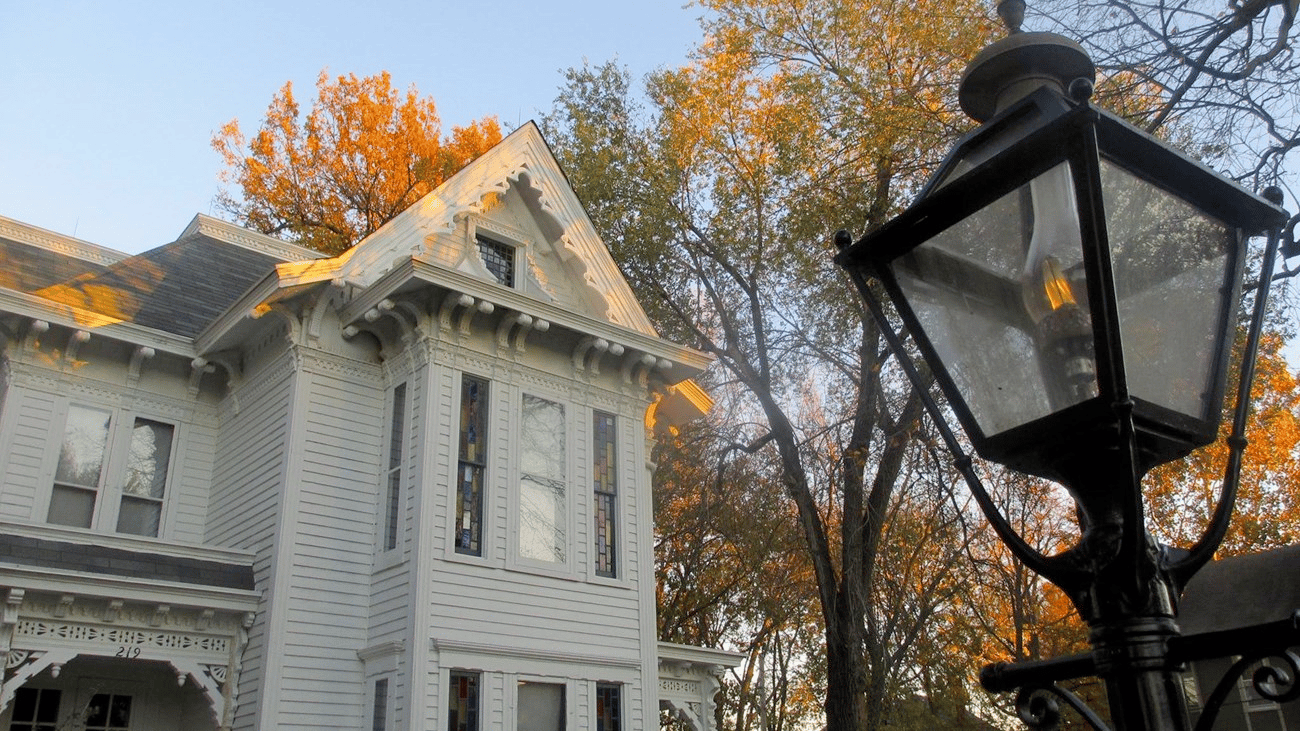
Truman went from a Missouri county judge to the presidency that opened the nuclear age. He left office deeply unpopular, but his reputation has climbed steadily since. He set the policy of containment that defined the Cold War, and on July 26, 1948, his Executive Order 9981 ended racial segregation in the U.S. Armed Forces. He also enlarged Social Security and protected the New Deal.
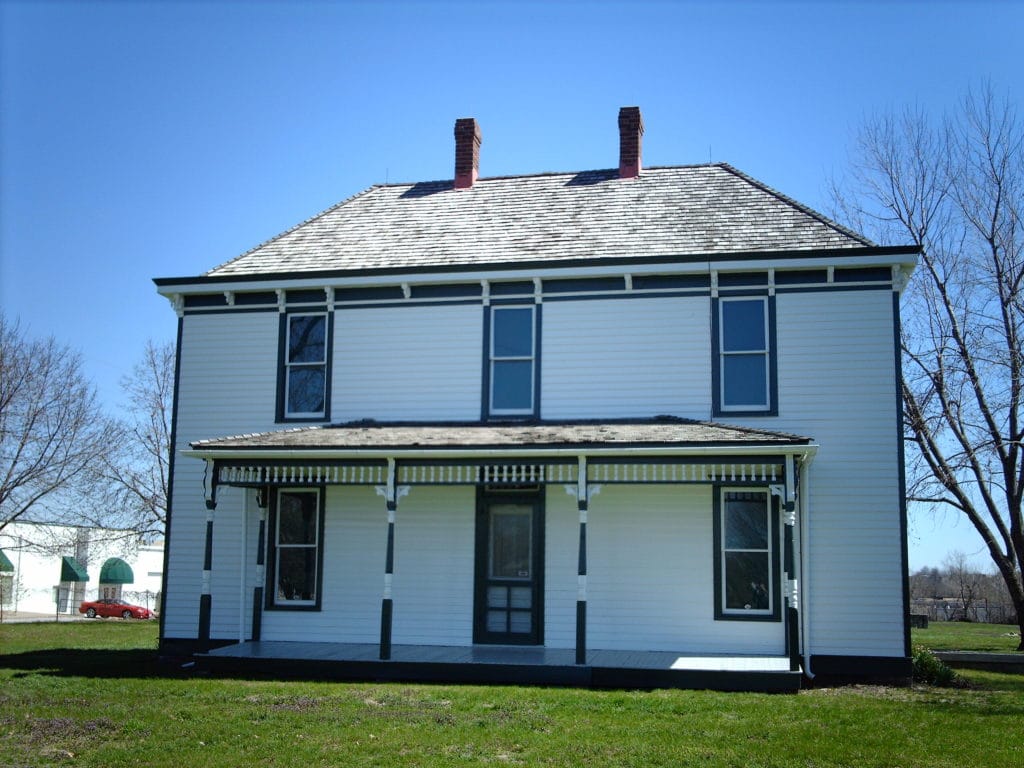
The historic site is a cluster of properties tied to Truman, centered on his longtime home in Independence and the Truman Farm Home in Grandview. You can tour the main house, walk his old neighborhood, and visit the farm. The nearby Harry S. Truman Presidential Library and Museum, run separately, rounds out the day for anyone who wants the full presidency.
Honest caveat: this is most of the way across the state. Driving 3.5 hours each way for a house tour is hard to justify on its own. It makes sense if you are already visiting Kansas City, where you can fold in the home, the farm, and the library over a day or two. The site is open Wednesday through Sunday, and home tours are ticketed and limited.
5. George Washington Carver National Monument
Drive from St. Louis: About 4.5 hours (roughly 280 miles) southwest via I-44, near Diamond in the far corner of the state.
Established on July 14, 1943, this was the first national monument dedicated to an African American and the first dedicated to anyone other than a president. It marks the birthplace of George Washington Carver, the botanist and agricultural scientist who was born into slavery and went on to transform Southern farming through crop rotation and soil conservation. In 1916 he became the first African American to lead a department at the Tuskegee Institute.
The monument includes a museum, a film, interactive exhibits on Carver’s life and science, the restored birthplace cabin area, and a short nature trail through the prairie and woods where Carver explored as a boy. It is a thoughtful, well-run site, and free to enter.
Honest caveat: it sits in the far southwest corner of Missouri, closer to Joplin than to St. Louis. A 4.5-hour drive each way is a lot for a half-day site. The smart play is to pair it with a broader southwest Missouri or Ozarks trip rather than driving out and back in one shot.

“Education is the key to unlock the golden door of freedom.”
George Washington Carver
Planning Your Visit
Best base: St. Louis itself. Gateway Arch and the Grant site are both within a short drive of downtown, so you can knock out two NPS units in a single day without leaving the metro area. Everything else is a real road trip.
How to combine sites: the only pairing that works without serious mileage is Gateway Arch plus the Grant site, both in town. Truman fits a Kansas City trip. Carver fits a southwest Missouri or Ozarks loop. Ozark National Scenic Riverways stands on its own as a weekend.
Best season: the historic sites are fine year-round. For the Riverways, aim for late spring through early fall for warm water, and pick weekdays to dodge the summer-weekend crowds.
Fees: the Grant site, Truman site, Carver monument, and Ozark National Scenic Riverways are free to enter. At Gateway Arch the grounds and museum are free, but the tram to the top and the documentary film are ticketed, and the tram sells out, so book ahead.
We do not make this stuff up out of thin air. We have spent our adult lives exploring and filming America’s national parks and public lands. We have worked with the National Park Service, the Department of the Interior, the USDA, and the U.S. Forest Service for years, and our films have run in publications around the world.
To learn more, see our deeper guide to Gateway Arch National Park and our roundup of the best Civil War Sites in America.