

California holds more world-famous landmarks than almost any state in the country, natural and human-made alike. This is the land of giant sequoias and the Golden Gate, of Hollywood and the gold rush, of Spanish missions and theme-park castles. I taught American history for years before I started visiting these places, and California never stops surprising me with the sheer range of what it has to offer.
Below is our list of 25 landmarks in California worth building a trip around. It runs from National Park Service wilderness to pop-culture icons, and I have noted what each place is and why it matters. Several are national parks, and a couple are UNESCO World Heritage Sites. Let’s dig in.
California Landmarks At A Glance
| Landmark | Area | Type |
|---|---|---|
| Golden Gate Bridge | San Francisco | Suspension bridge |
| Death Valley National Park | Eastern California | National Park (NPS) |
| Disneyland | Anaheim | Theme park |
| Joshua Tree National Park | Southern California | National Park (NPS) |
| Yosemite National Park | Sierra Nevada | National Park (NPS) / UNESCO |
| TCL Chinese Theatre | Hollywood | Historic theater |
| Redwood National Park | Northern coast | National & State Parks (NPS) / UNESCO |
| John Muir National Historic Site | Martinez | National Historic Site (NPS) |
| Hollywood Sign | Los Angeles | Landmark sign |
| Alcatraz Island | San Francisco Bay | Former prison (NPS) |
| The Getty Museum | Los Angeles | Art museum |
| Lake Tahoe | Sierra Nevada | Alpine lake |
| Fisherman’s Wharf | San Francisco | Waterfront district |
| Rodeo Drive | Beverly Hills | Shopping district |
| Coronado Island | San Diego | Resort community |
| Mission Basilica San Diego de Alcalá | San Diego | Historic mission |
| Belmont Park | San Diego | Historic amusement park |
| Sequoia National Park | Sierra Nevada | National Park (NPS) |
| Griffith Park & Observatory | Los Angeles | Park & observatory |
| Hearst Castle | San Simeon | Historic estate (State Park) |
| Santa Monica Pier | Santa Monica | Historic pier |
| Palace of Fine Arts | San Francisco | 1915 exposition hall |
| Napa Valley | North Bay | Wine region |
| Santa Cruz Beach Boardwalk | Santa Cruz | Historic boardwalk |
| Hollywood Walk of Fame | Hollywood | Landmark sidewalk |
25. Hollywood Walk of Fame
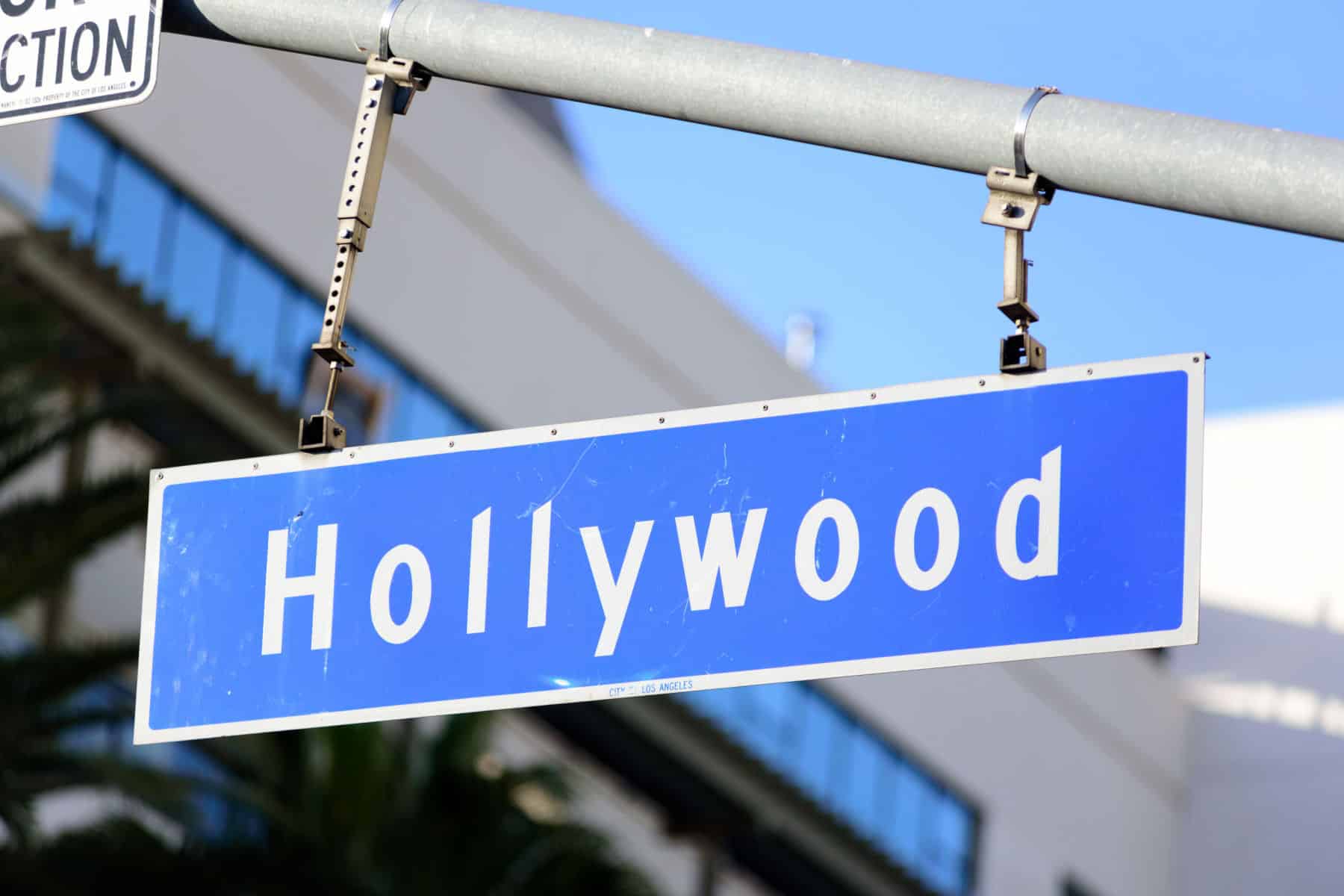
We start on the most famous sidewalk in the world. The Hollywood Walk of Fame, running along Hollywood Boulevard and Vine Street, honors entertainers with more than 2,700 brass-and-terrazzo stars, the first laid in 1960.
From silent-film stars to modern celebrities, the stars trace the history of American show business underfoot. It is free to walk, and finding your favorite name is a genuine Hollywood thrill.
117 public lands destinations are under threat. Get the free briefing that 27,000+ people use to stay informed and take action.
24. Santa Cruz Beach Boardwalk

At number 24 is the oldest seaside amusement park on the West Coast. The Santa Cruz Beach Boardwalk opened in 1907 along Monterey Bay and still runs its classic rides above the sand.
Its 1924 Giant Dipper wooden roller coaster and 1911 Looff carousel are both National Historic Landmarks. With its old-fashioned charm and free beach access, it is a beloved piece of California summers.
23. Napa Valley
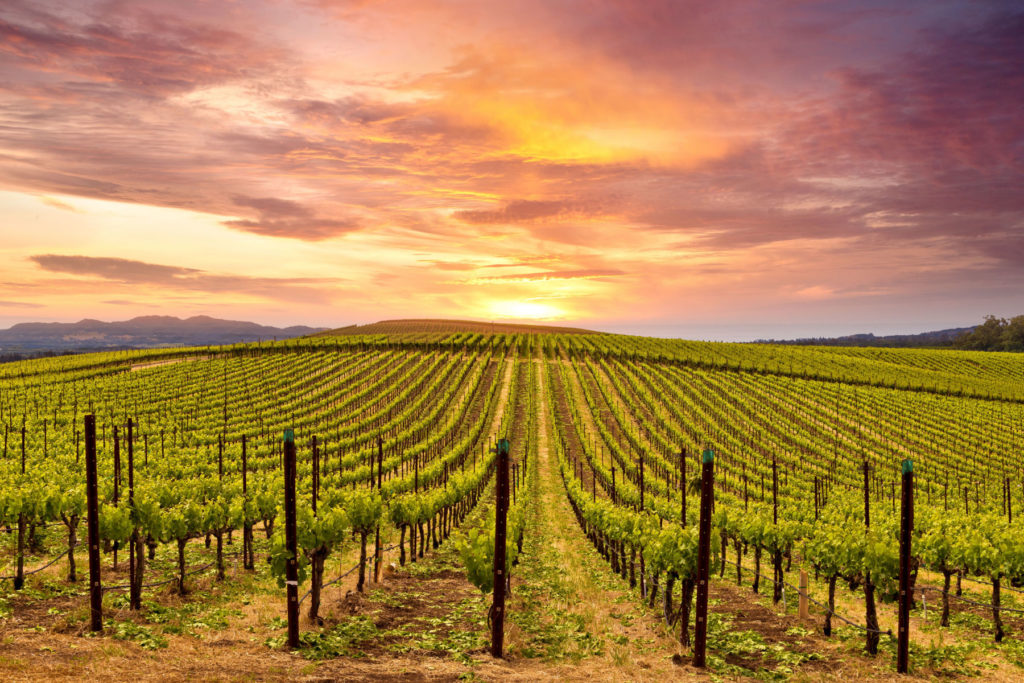
Number 23 is the heart of American wine country. Napa Valley, north of San Francisco, rose to global fame after its wines beat French rivals at the 1976 Judgment of Paris tasting, putting California on the world’s wine map.
Hundreds of wineries dot the valley, from historic estates to modern showpieces, surrounded by rolling vineyards. Whether you tour by car, bike, or the Napa Valley Wine Train, it is one of the most scenic regions in the state.
22. Palace of Fine Arts in San Francisco

At number 22 is the most romantic structure in San Francisco. The Palace of Fine Arts was built for the 1915 Panama-Pacific International Exposition, celebrating the city’s recovery from the 1906 earthquake.
Designed by architect Bernard Maybeck with a soaring domed rotunda reflected in a lagoon, it was the only major structure from the fair kept permanently and was later rebuilt in concrete. The grounds are a favorite for photos and quiet walks.
21. Santa Monica Pier
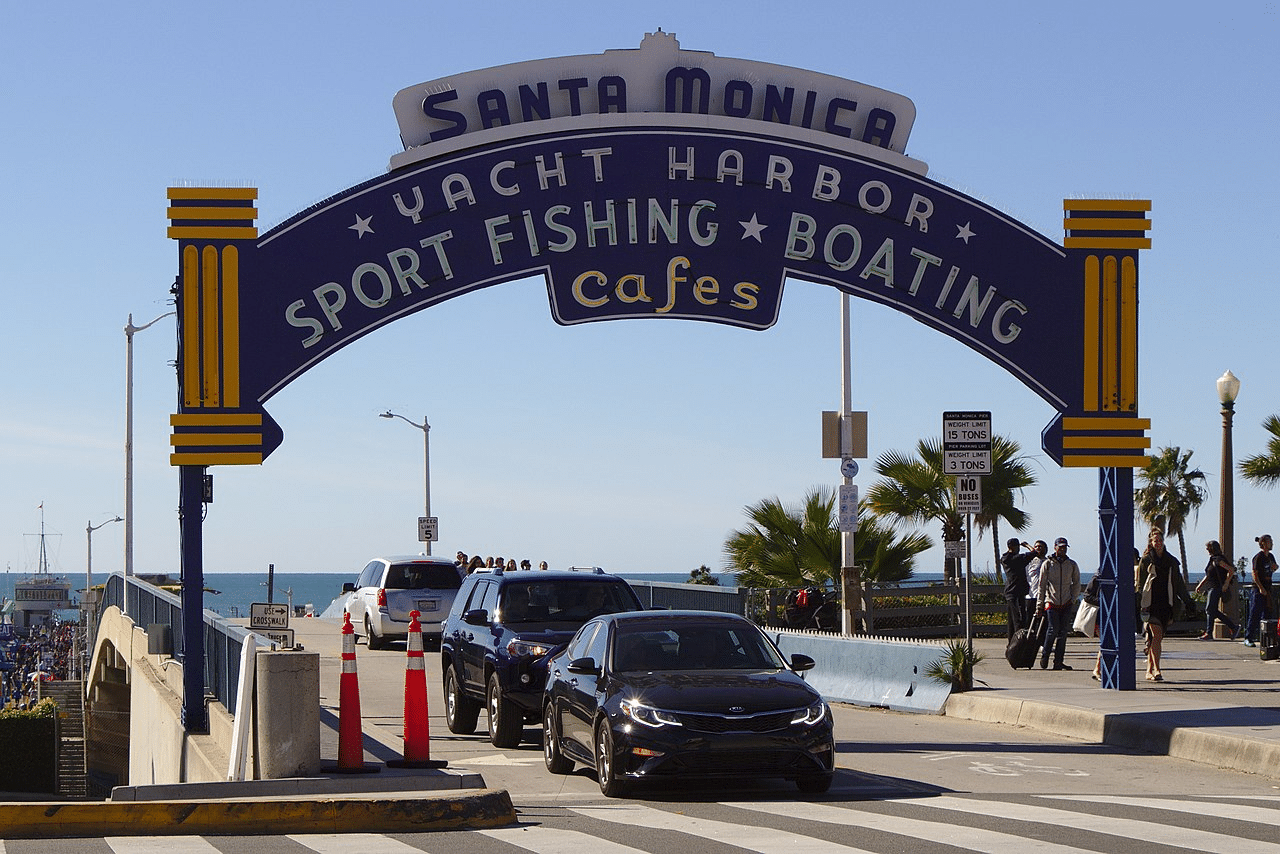
Number 21 is a Southern California icon. The Santa Monica Pier, opened in 1909, juts into the Pacific and marks the western end of historic Route 66.
Its Pacific Park amusement area features a solar-powered Ferris wheel and a 1922 carousel, and the surrounding beach and promenade draw crowds year-round. It is the quintessential California beach scene.
20. Hearst Castle
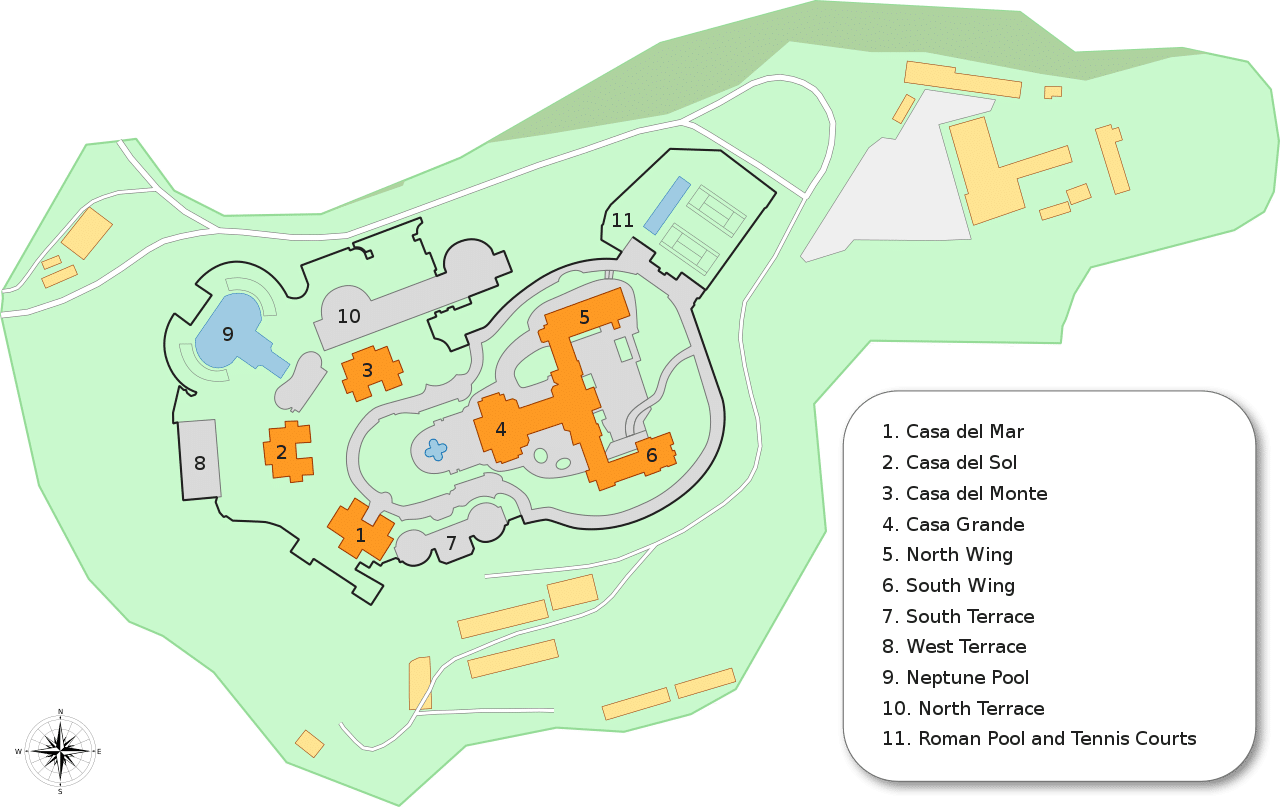
At number 20 is one of the most opulent estates in America. Hearst Castle, on a hilltop above San Simeon, was the lavish home of newspaper magnate William Randolph Hearst, designed by architect Julia Morgan and built from 1919 to 1947.
The 165-room estate, with its famous Neptune Pool and priceless European art, once hosted Hollywood stars and world leaders. Now a California State Park and National Historic Landmark, it offers guided tours of its astonishing rooms and gardens.
19. Griffith Park & Observatory

Number 19 offers the best view in Los Angeles. Griffith Park, one of the largest urban parks in the country, climbs the hills above the city, crowned by the Art Deco Griffith Observatory, which opened in 1935.
The observatory is free, with telescopes, science exhibits, and a sweeping view of the Hollywood Sign and the L.A. basin. It has starred in countless films, from Rebel Without a Cause to La La Land. Come at sunset for the full effect.
18. Sequoia National Park

At number 18 is the home of the largest trees on earth. Sequoia National Park, established in 1890 as the second national park in the country, protects groves of giant sequoias in the southern Sierra Nevada.
The General Sherman Tree, the largest living thing on the planet by volume, towers here. The park also holds Mount Whitney, the highest peak in the lower 48. Explore more in our guide to things to do in Sequoia and the Sequoia and Kings Canyon facts.
17. Belmont Park
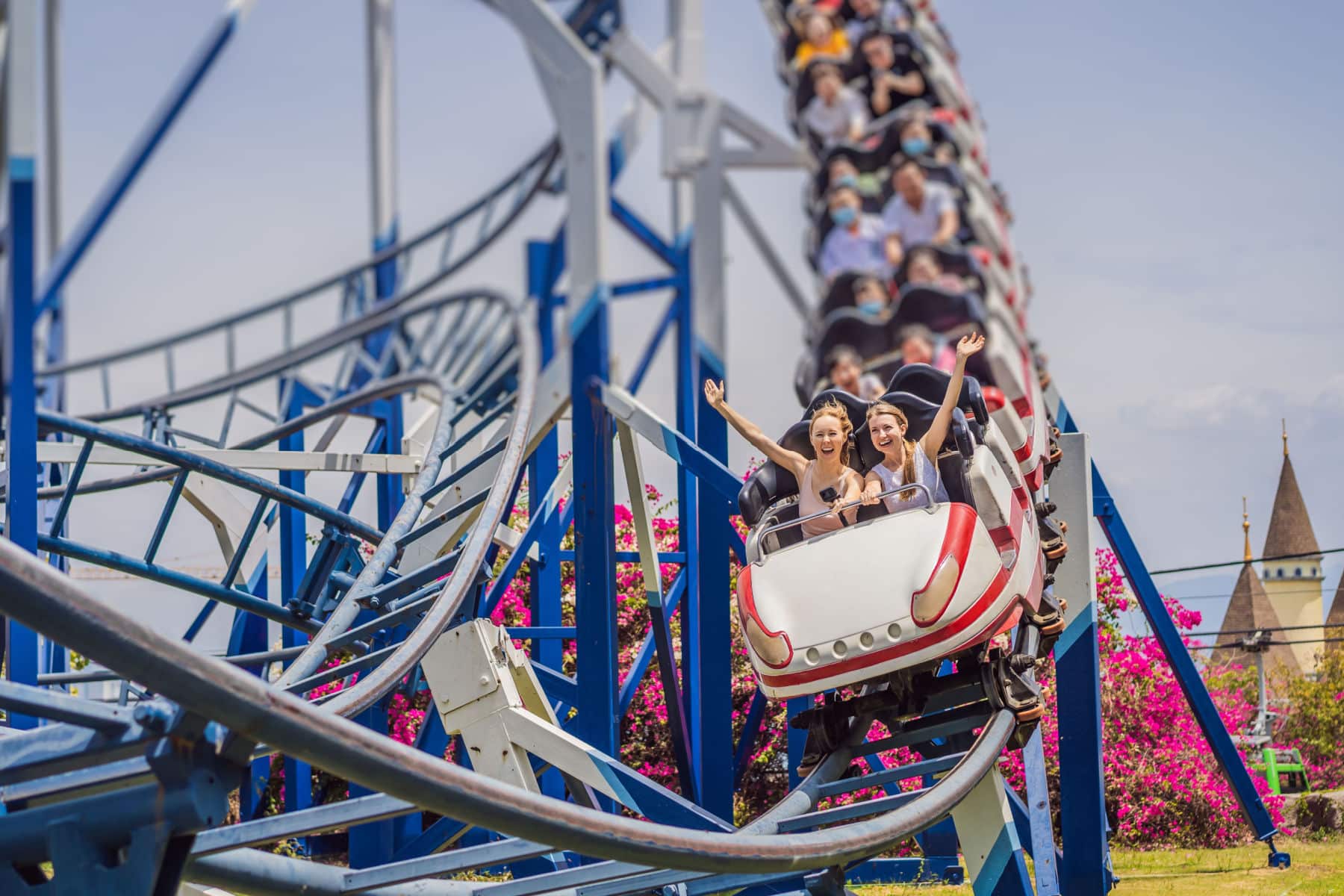
Number 17 is a classic seaside amusement park. Belmont Park, on Mission Beach in San Diego, opened in 1925 and remains a free-to-enter beachfront playground.
Its centerpiece is the Giant Dipper, a historic 1925 wooden roller coaster and National Historic Landmark that still rattles riders along the boardwalk. With games, rides, and the beach right there, it is a fun stop in San Diego.
16. Mission Basilica San Diego de Alcalá

At number 16 is the first of California’s Spanish missions. Mission Basilica San Diego de Alcalá was founded in 1769 by Father Junípero Serra, the first of the 21 missions that would stretch up the California coast.
The mission system marked the start of European colonization in California, a history that brought profound and often devastating change to the region’s Indigenous peoples. Still an active Catholic parish and a National Historic Landmark, the mission tells that complex founding story.
15. Coronado Island
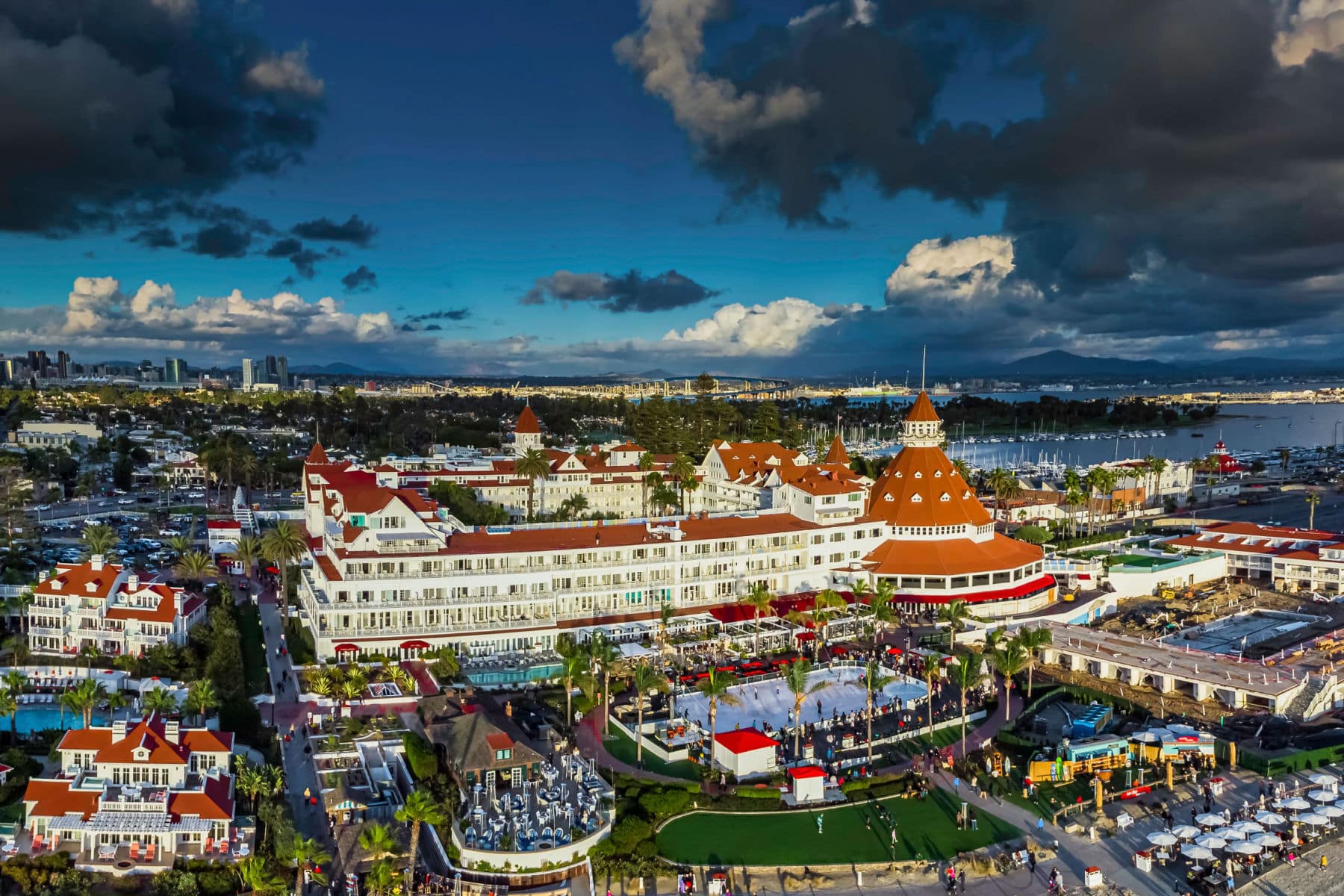
Number 15 is a resort community across the bay from San Diego. Coronado, connected to the mainland by a graceful bridge and a sandy spit, is best known for the Hotel del Coronado, a sprawling Victorian beach resort that opened in 1888.
The Hotel del, a National Historic Landmark, has hosted presidents and movie stars and starred in the film Some Like It Hot. With its wide white beaches, it is one of the most pleasant spots in Southern California.
14. Rodeo Drive, Beverly Hills
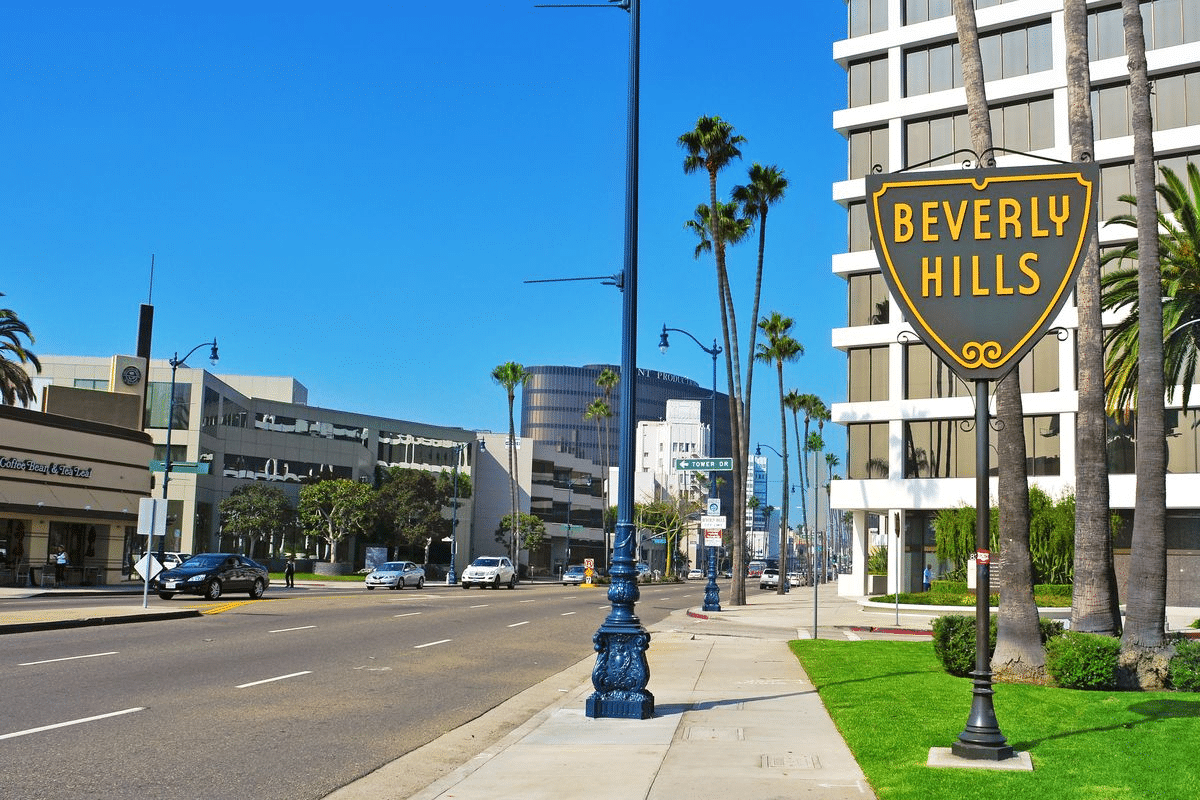
At number 14 is the most famous shopping street in the world. Rodeo Drive, in Beverly Hills, is three blocks of flagship luxury boutiques that have become shorthand for wealth and glamour.
Even if you are only window shopping, the people-watching and the architecture, including the European-style Two Rodeo lane, make it worth a stroll. It is the Beverly Hills of the movies, made real.
13. Fisherman’s Wharf
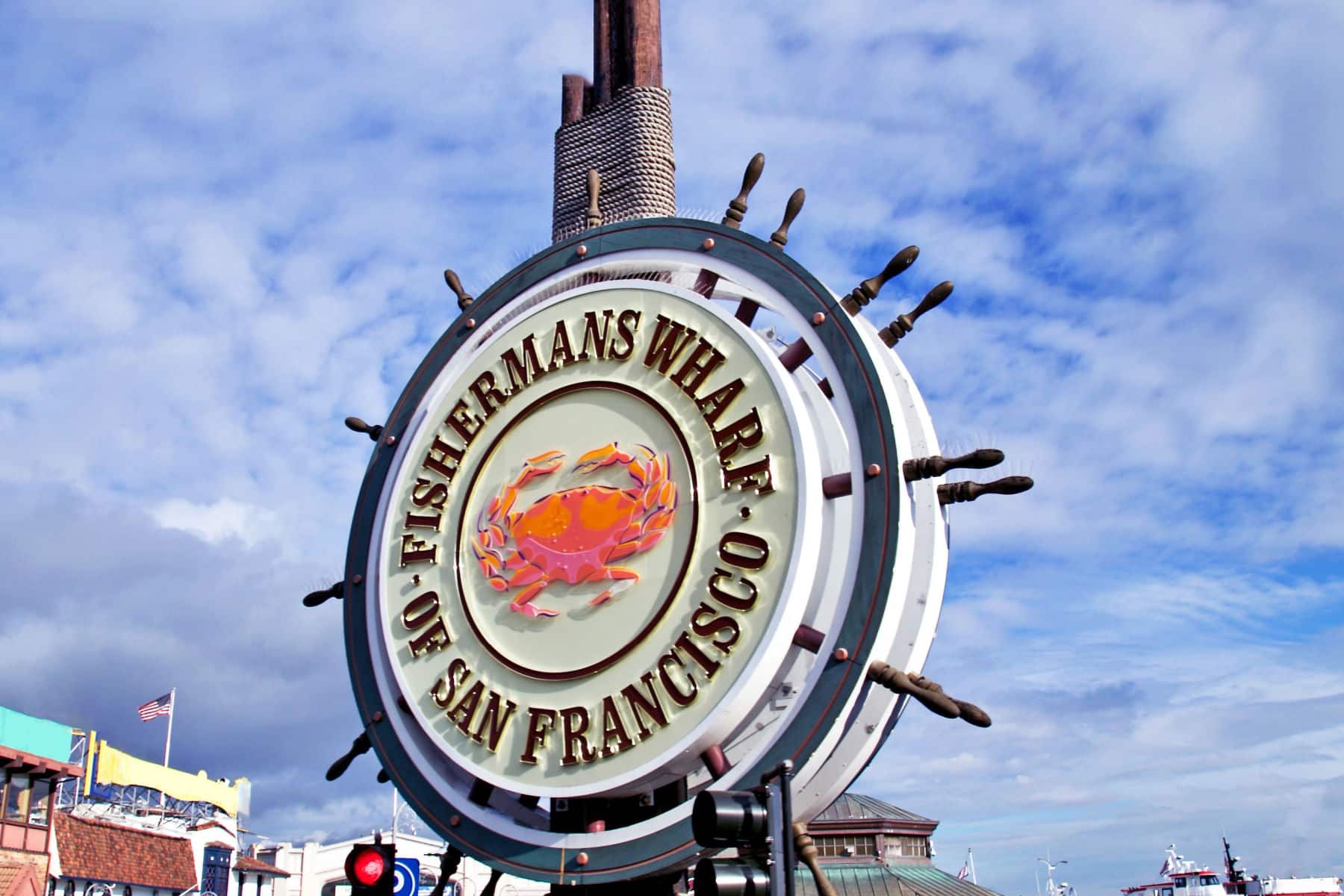
Number 13 is San Francisco’s busiest waterfront. Fisherman’s Wharf has been the heart of the city’s fishing industry since the mid-1800s and remains a working harbor today.
The area around Pier 39 draws crowds for fresh Dungeness crab, sourdough bread, and the colony of sea lions that hauled out on the docks in 1989 and never left. It is touristy, but the seafood and bay views earn its place.
12. Lake Tahoe
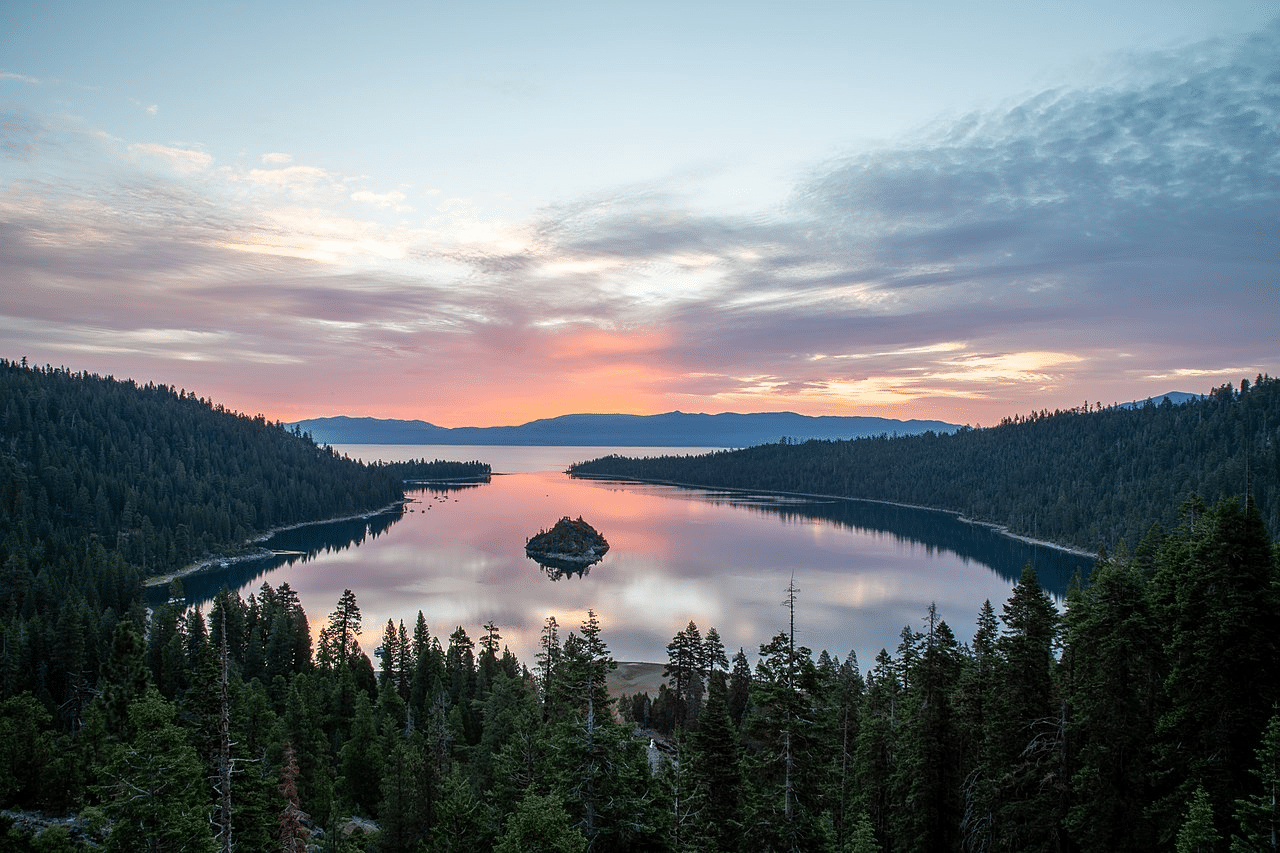
At number 12 is one of the most beautiful lakes in America. Lake Tahoe, straddling the California-Nevada border high in the Sierra Nevada, is the largest alpine lake on the continent and famous for its astonishingly clear, deep-blue water.
Ringed by mountains, it is a year-round playground for skiing, hiking, and boating, with Emerald Bay among the most photographed spots in the state. It is California’s great mountain retreat.
11. The Getty Museum
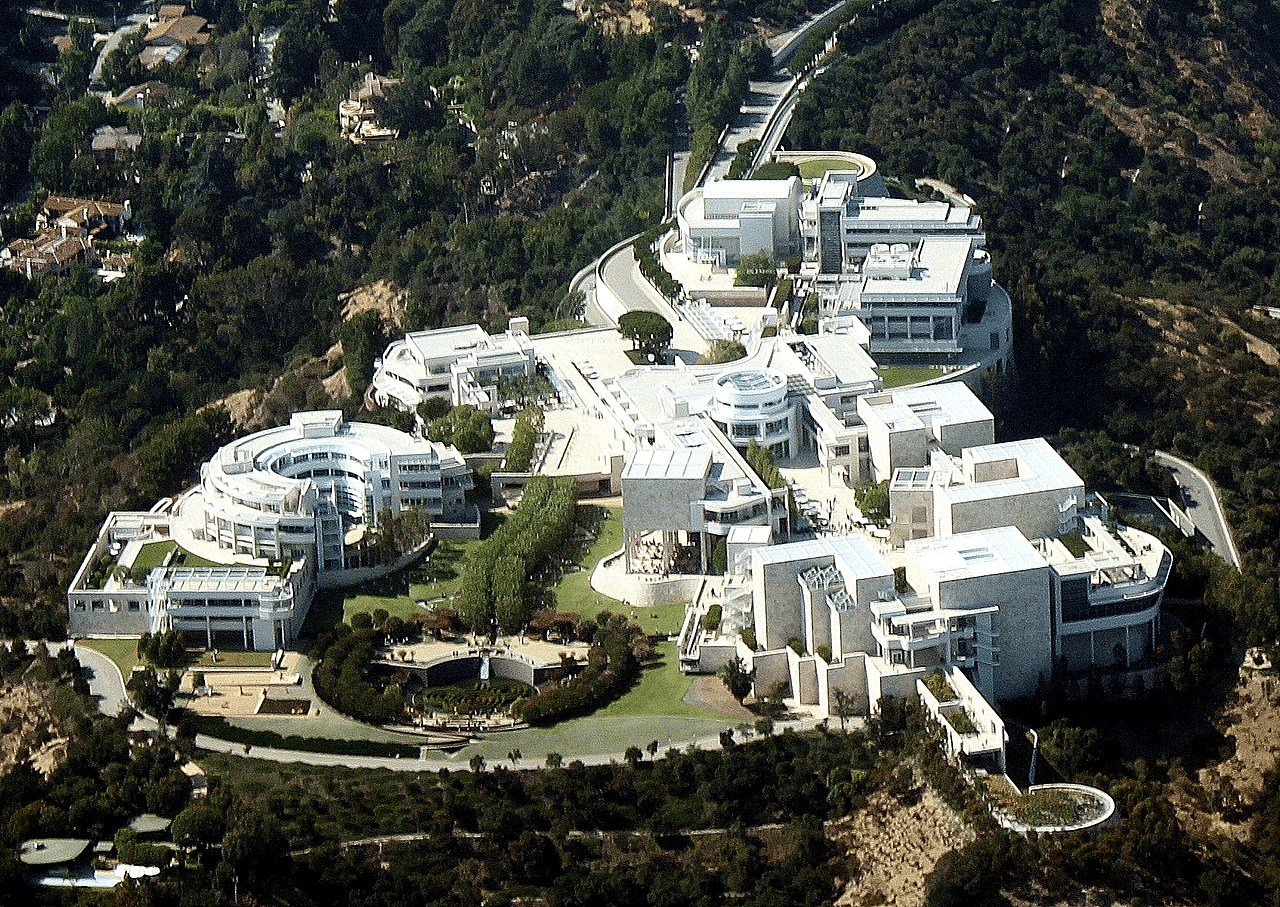
Number 11 is one of the great art museums of the West. The J. Paul Getty Museum, at the hilltop Getty Center in Los Angeles, holds European paintings, sculpture, and photography in a striking travertine campus designed by Richard Meier.
The collection includes Van Gogh’s Irises, and the gardens and architecture rival the art. Best of all, admission is free, and a tram carries you up to the views over the city and the sea.
10. Alcatraz Island

At number 10 is one of the most famous prisons in the world. Alcatraz Island, in San Francisco Bay, held a federal penitentiary from 1934 to 1963 that imprisoned notorious criminals including Al Capone.
From 1969 to 1971 the island was occupied by Native American activists in a protest that helped reshape federal Indian policy. Now part of the Golden Gate National Recreation Area, its cellhouse audio tour is one of the best the Park Service offers. Book your ferry ahead.
9. Hollywood Sign
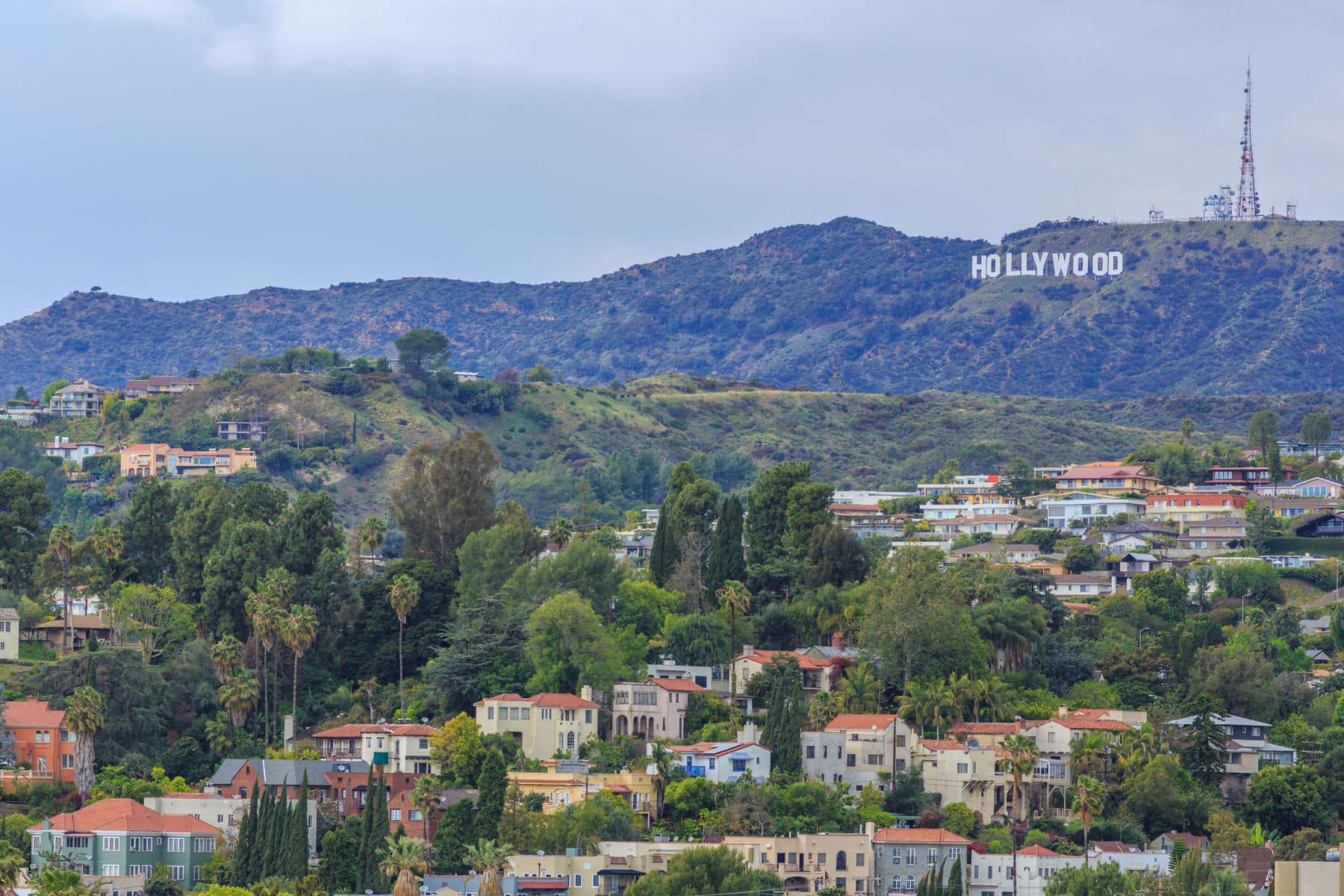
Number nine is the global symbol of the movie industry. The Hollywood Sign, perched on Mount Lee above Los Angeles, was erected in 1923 as a real-estate advertisement reading Hollywoodland before it was shortened in 1949.
The 45-foot white letters have come to stand for the dream of stardom itself. You cannot reach the sign directly, but trails in Griffith Park lead to excellent viewpoints. It is California’s most recognizable man-made landmark.
8. John Muir National Historic Site

At number eight is the home of the father of the national parks. John Muir National Historic Site, in Martinez, preserves the Victorian home where the great naturalist and conservationist lived and wrote in his later years until his death in 1914.
Muir’s writing and advocacy helped create Yosemite, Sequoia, and other parks, and he founded the Sierra Club. Run by the National Park Service, the site is a fitting tribute to the man whose mission this site, and ours, carries forward.
7. Redwood National Park

Number seven protects the tallest trees on earth. Redwood National and State Parks, on the northern California coast, safeguard old-growth coast redwoods that can rise more than 360 feet, the tallest living things on the planet.
The parks are a joint partnership between the National Park Service and California State Parks, and the whole was named a UNESCO World Heritage Site in 1980. Walking among these ancient giants is humbling. See our guide to things to do in Redwood National Park.
6. TCL Chinese Theatre
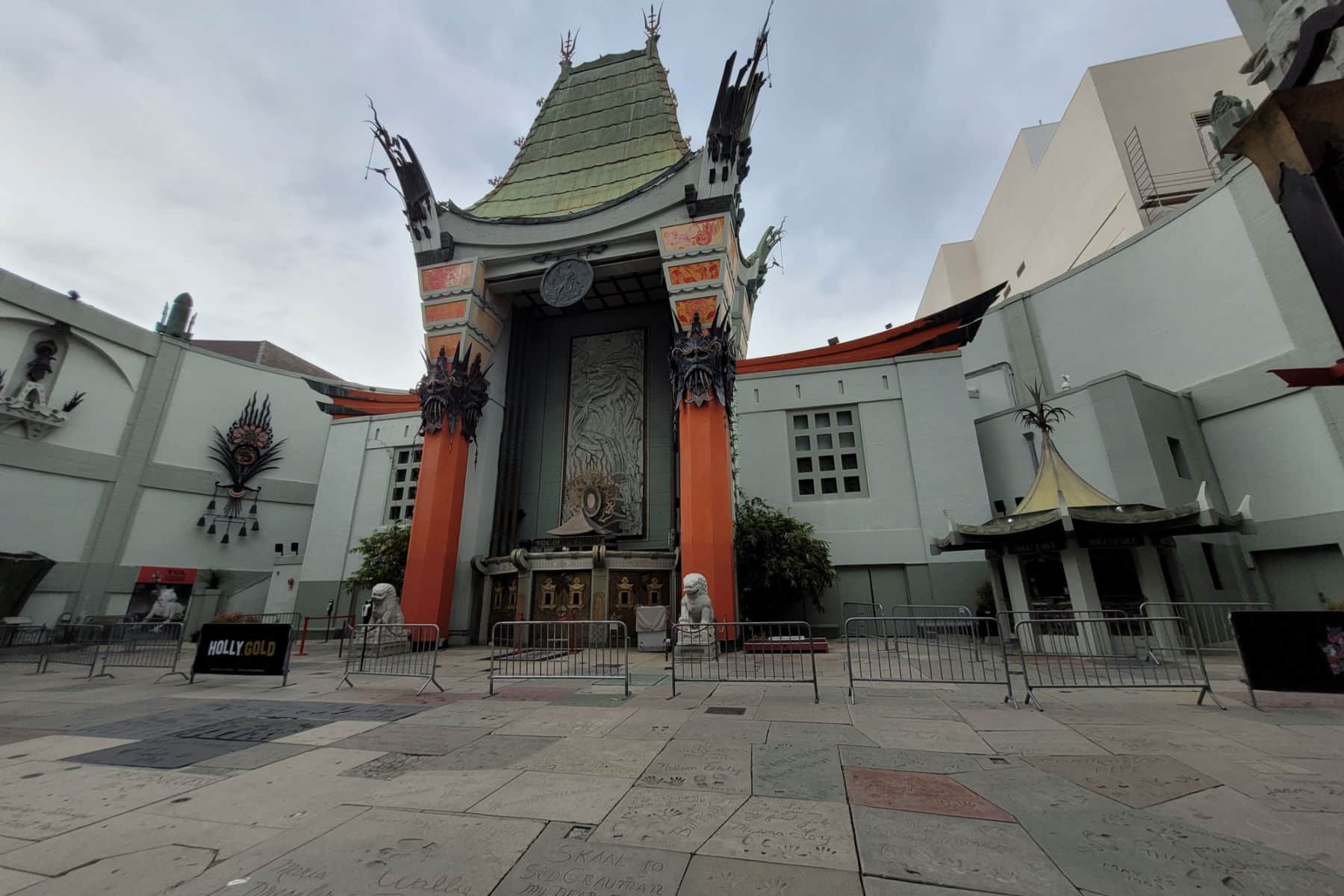
At number six is the most famous movie palace in the world. The TCL Chinese Theatre, opened in 1927 as Grauman’s Chinese Theatre on Hollywood Boulevard, is an ornate pagoda-style cinema that has hosted countless film premieres.
Its forecourt is famous for the handprints and footprints of movie stars pressed into the concrete, a tradition dating to the 1920s. Still a working theater, it is the beating heart of old Hollywood.
5. Yosemite National Park
Number five is one of the most beloved parks in the country. Yosemite National Park, in the Sierra Nevada, is famous for its towering granite cliffs, including El Capitan and Half Dome, its giant sequoias, and its thundering waterfalls.
Protected in part thanks to John Muir and designated a national park in 1890, Yosemite became a UNESCO World Heritage Site in 1984 and draws around four million visitors a year. Plan your visit with our guide to things to do in Yosemite National Park.
4. Joshua Tree National Park
At number four is a desert dreamscape. Joshua Tree National Park, where the Mojave and Colorado deserts meet, is famous for its twisted namesake yucca trees and surreal piles of monzogranite boulders.
A magnet for rock climbers, stargazers, and artists, the park was first protected as a national monument in 1936 and made a national park in 1994. Its dark skies are among the best in Southern California. See our guide to things to do in Joshua Tree National Park.
3. Disneyland

Number three is where the modern theme park was born. Disneyland, in Anaheim, opened in 1955 as the first park Walt Disney built, and the only one he personally oversaw.
From Sleeping Beauty Castle to the original attractions Walt himself dreamed up, it remains a landmark of American popular culture. Generations have made the pilgrimage to what its creator called the happiest place on earth.
2. Death Valley National Park

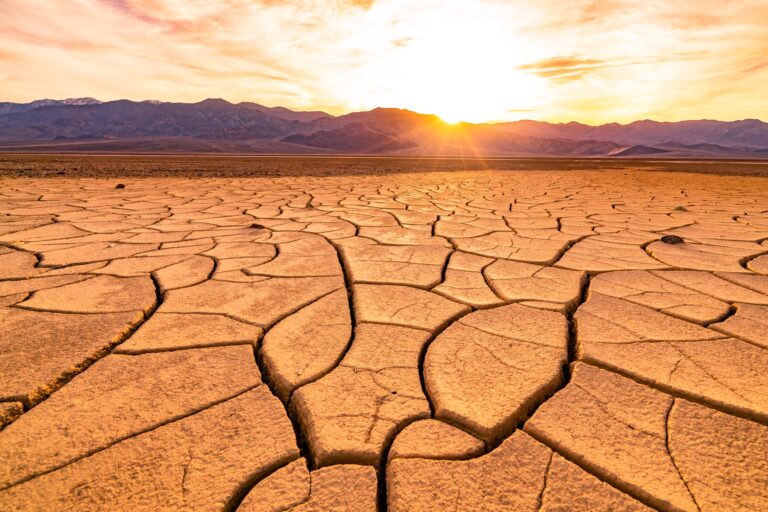
At number two is the hottest, driest, and lowest place in North America. Death Valley National Park, on the California-Nevada border, holds the record for the highest air temperature ever reliably measured on earth, 134 degrees Fahrenheit.
Despite its name, the park is full of life and astonishing beauty, from the salt flats of Badwater Basin, 282 feet below sea level, to sculpted sand dunes and painted hills. The largest national park in the lower 48, it became one in 1994. See our guide to the best things to do in Death Valley National Park.
1. Golden Gate Bridge

Topping the list is the symbol of California and of the American West itself. The Golden Gate Bridge opened in 1937, spanning the strait between the Pacific Ocean and San Francisco Bay in a sweep of International Orange steel.
For 27 years it was the longest suspension bridge in the world, and its Art Deco towers rise 746 feet above the water. Walk or bike across it, view it from the Marin Headlands, or watch the fog roll through the towers. There is no better place to end a tour of California.
More Things To Do In California
California rewards travelers who go deeper. If you are building an itinerary, here are a few ways to keep exploring:
- Go deeper on the state’s national parks with our guides to Yosemite, Sequoia, Redwood, Joshua Tree, Death Valley, and Pinnacles.
- Compare a national-park road trip with our guide to things to do in Yellowstone.
However you build your trip, give California the time it deserves. These 25 landmarks are a strong start, and each one connects to a larger chapter in the story of the Golden State.