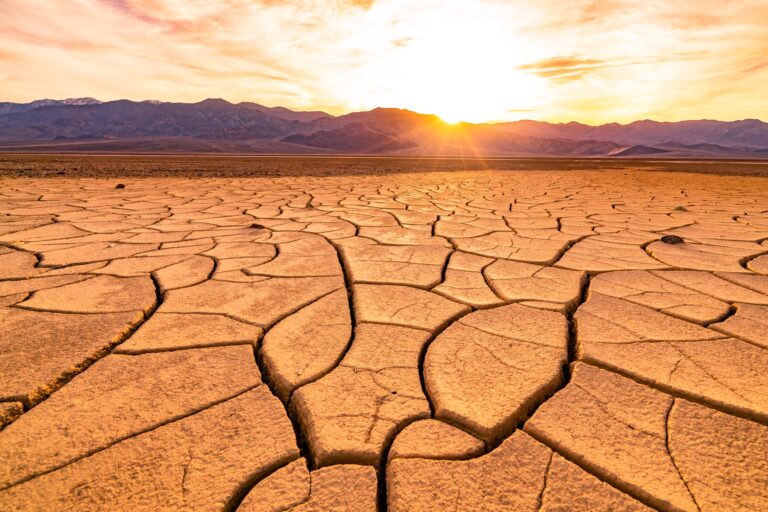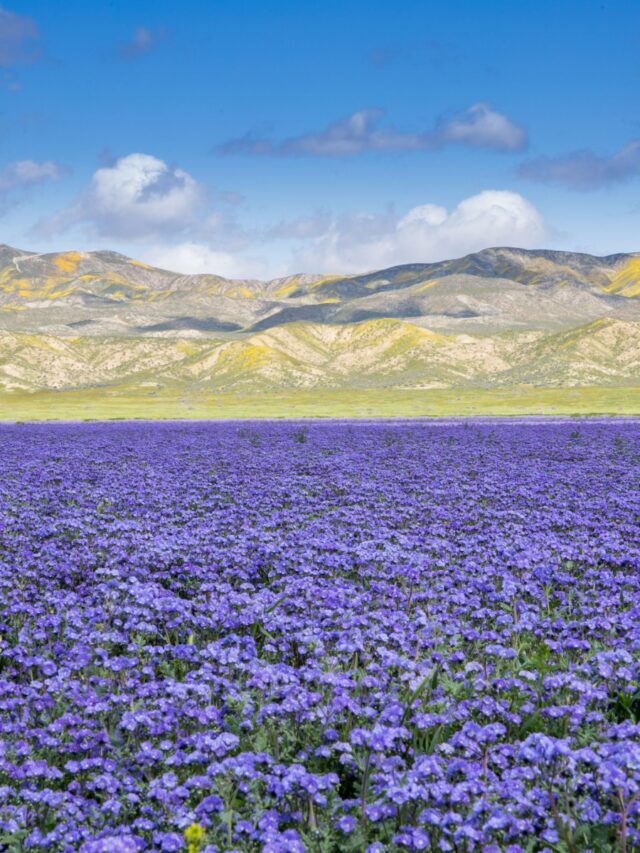


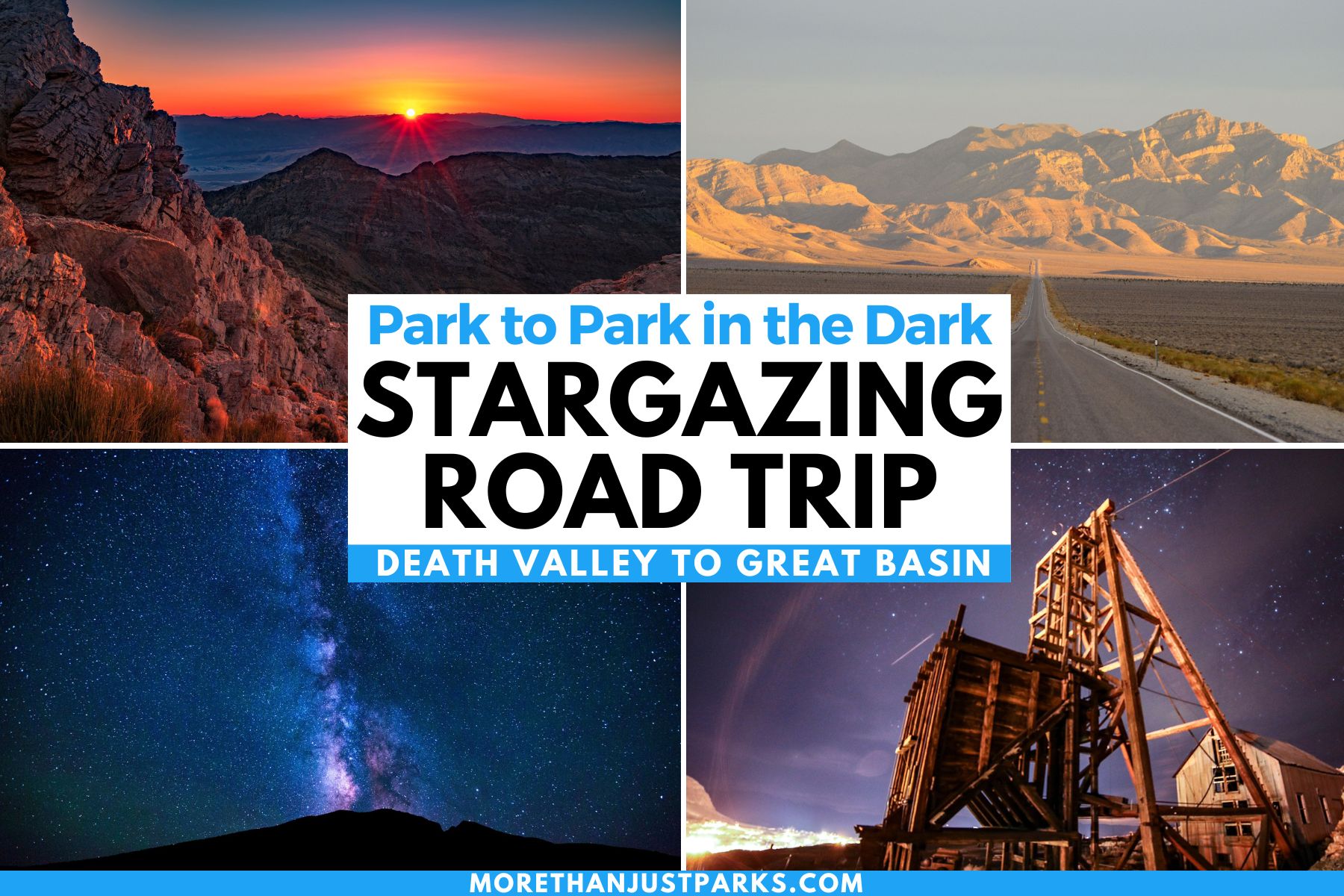
Of all the trips I’ve shared with you over the years, this one ranks as my favorite. I grew up in Nevada (IYKYK), and the desert skies blanketed with layers of stars, streaks of comets, and the occasional unexplained light deserve the attention they’re starting to get. This is a road trip built specifically for people who want to see the Milky Way with their own eyes, not through a screen.
The route connects two International Dark Sky Parks, Death Valley National Park and Great Basin National Park, through some of the emptiest, darkest, most hauntingly beautiful landscape in the Lower 48. You’ll drive past ghost towns, gem fields, the Extraterrestrial Highway, and a motel full of clowns. I’m not making any of that up.
I’ve driven this route four times and refined it down to the version you’re reading now. What follows is a ground-up road trip guide built on real miles and real nights spent staring straight up.
6 Quick Planning Tips for This Road Trip
- Buy the America the Beautiful Interagency Pass. You’ll pass through enough public lands on this route to make the $80 pass pay for itself twice over. It covers entrance fees at both national parks and every other federal site along the way.
- This road trip redefines the word remote. The longest stretch without a gas station spans 170 miles. Stock up on water, food, blankets, a first aid kit, a spare (inflated) tire, and flares. I keep a 5-gallon water jug and a case of energy bars in the back of my truck as standard desert kit.
- The main route uses paved roads, but off-roading options exist throughout. The average sedan won’t handle the dirt side roads. If you plan to venture off pavement, get a high-clearance four-wheel-drive vehicle.
- Bring the right lights. A red flashlight preserves your night vision for stargazing. A black light reveals scorpions glowing neon green in the dark (which is both useful and slightly terrifying). For astrophotography on a phone, this clip-on telescope makes a real difference.
- Pack for extremes. Desert days can hit 110 degrees while nighttime temperatures drop into the 40s. Bring layers. Sunscreen is a must for daytime. Bug spray is optional but smart.
- Moisturize aggressively. The arid desert will dry you out fast. After decades living in Nevada, I can tell you to skip the scented products and go straight for deep moisturizer like Nivea. Put Vaseline or lubricant in your nose to prevent nosebleeds. That sounds extreme until you’re on day three and your sinuses feel like sandpaper.
Why Astrotourism Matters
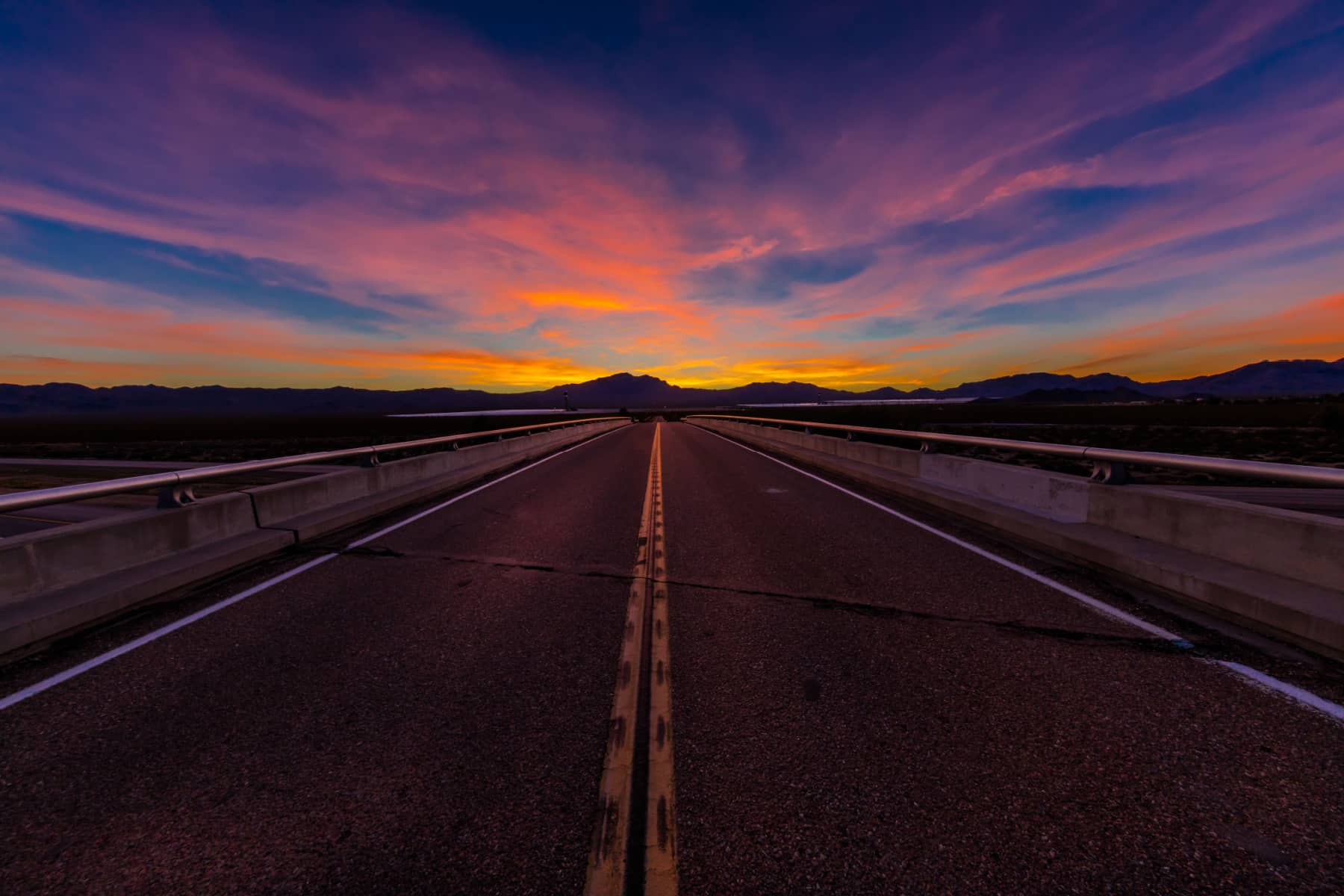
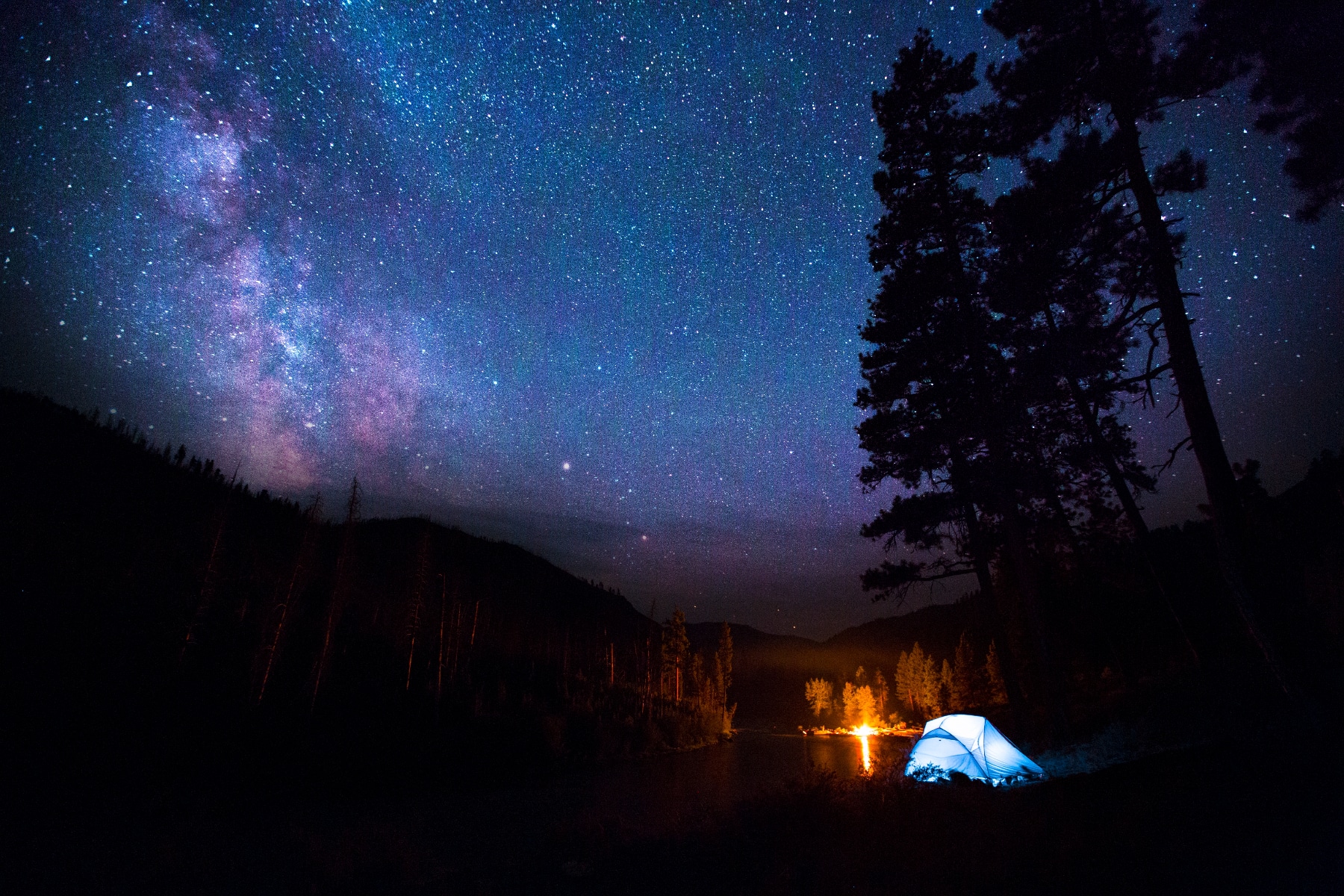
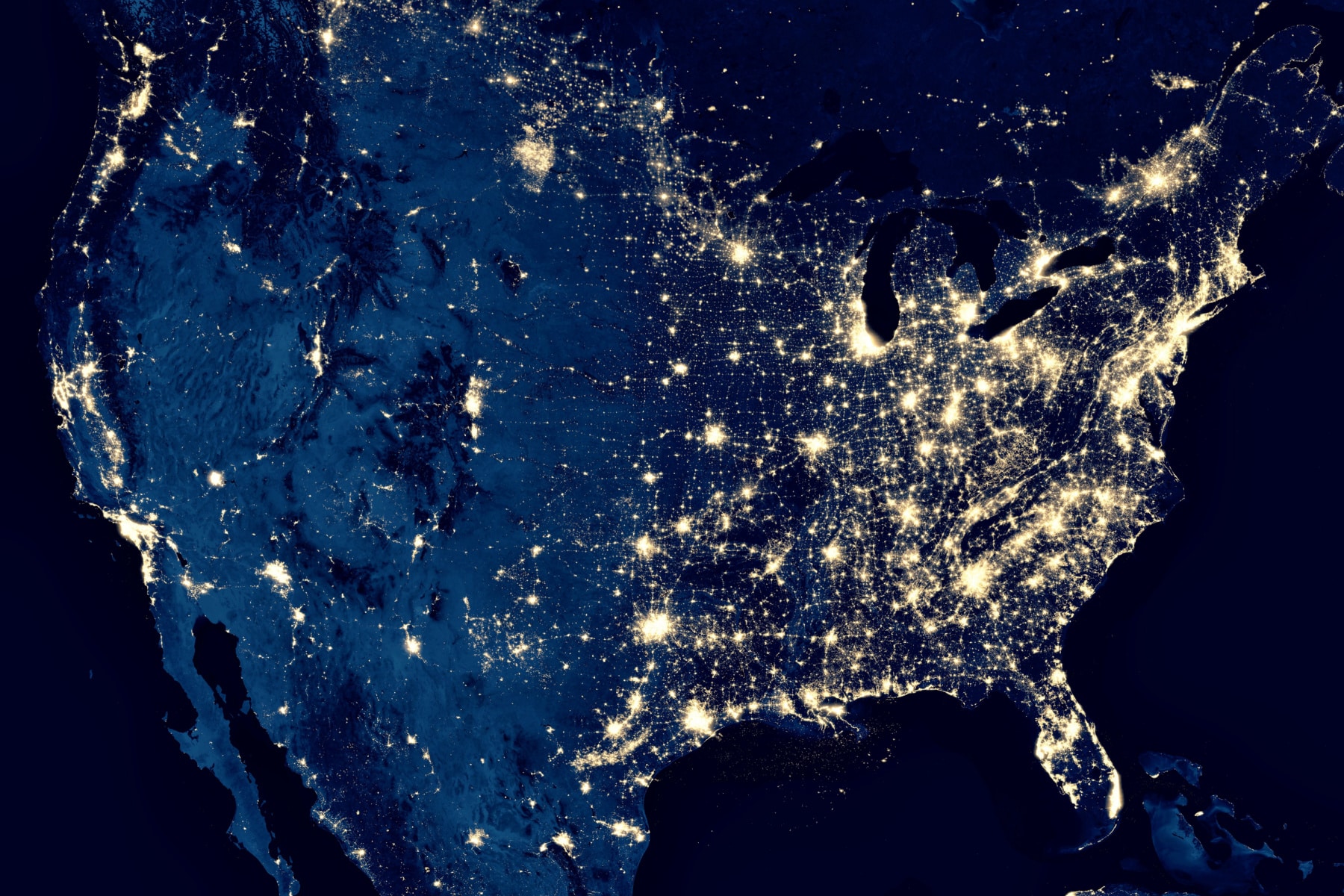
Somewhere between 80% and 99% of Americans live in places where light pollution obscures the Milky Way. Think about that for a second. The thing that every human who ever lived looked up and saw, the river of stars that inspired myths and navigation and the basic human sense of wonder, has been erased from the sky for most of us.
117 public lands destinations are under threat. Get the free briefing that 27,000+ people use to stay informed and take action.
Astrotourism is the growing practice of traveling to places where the night sky still works the way it’s supposed to. Deserts, mountains, and remote islands, places where artificial light hasn’t drowned out the stars. It’s more than sightseeing. When the Milky Way wraps around you from horizon to horizon, you feel physically smaller and emotionally larger at the same time. I don’t know how else to describe it.
Popular astrotourism activities include stargazing, meteor watching, and aurora viewing. But for my money, the best version of it is just lying on a blanket in absolute silence and looking up. This road trip gives you four or five nights to do exactly that.
What Makes a Dark Sky Park
A Dark Sky Park is a designated area that actively protects and preserves the night sky by minimizing light pollution. DarkSky International (formerly the International Dark-Sky Association) evaluates parks on four main criteria before granting the designation. You can see how many of these places survive on our interactive dark sky map.
- Restricted lighting. Shielded fixtures, downward-directed lights, and strict policies on artificial illumination.
- Remote location. Minimal development and distance from major light sources.
- Public education. Programs that promote the importance of dark skies and explain light pollution’s effects on wildlife, health, and astronomy.
- Designated viewing areas. Dedicated spots with minimal interference, often equipped with telescopes and information boards.
Both parks on this road trip hold the designation. Death Valley National Park was named a Gold Tier International Dark Sky Park in 2013. Its vast basin and minimal development create some of the darkest skies in the Lower 48. Great Basin National Park earned its designation in 2016. Its remote eastern Nevada location and high-elevation terrain push the darkness to another level entirely.
The Route Overview
The Park to Park in the Dark road trip runs roughly 700 miles from Las Vegas through Death Valley National Park, up Nevada’s empty middle, and east to Great Basin National Park, then loops back to Vegas. The entire route can be done in 4-5 days, but I’d recommend a full week to give yourself unhurried nights at both Dark Sky Parks and time to explore the small towns and ghost towns along the way.
The route passes through some of the most isolated country in the contiguous United States. In certain stretches, the nearest person is 50 miles away. That isolation is exactly what makes the night sky here so spectacular.
Starting from Las Vegas
Fly into Harry Reid International Airport (LAS) and rent a car. If you plan to go off-road at any point, get a high-clearance SUV or truck. The rental car counter decisions you make here determine half your trip.
Before you leave the city, consider a quick stop at Red Rock Canyon National Conservation Area, just 20 minutes west of the Strip. The 13-mile scenic drive is a standout, and Red Rock offers darker skies than you would expect this close to the neon capital of the world. You’ll need a timed entry permit. Book it online in advance.
My favorite early stargazing spot is the Late Night Trail in Cottonwood Valley, along the “hump to Pahrump.” The drive from the airport to Pahrump takes an hour. Stop there for supplies and a full tank of gas. Death Valley is about another hour west.
For those with extra time, Ash Meadows National Wildlife Refuge sits between Pahrump and Death Valley. It’s home to the endangered pupfish and the largest Mojave Desert oasis. Devil’s Hole, where the pupfish live, shows a small opening over a subterranean void at least 500 feet deep, descending into a series of uncharted underwater caves. It’s one of the strangest natural features I’ve ever seen.
STAR TIP If you’re serious about astronomy, reach out to the Las Vegas Astronomical Society. They host Star Parties at the top of Mount Potosi throughout the year, and the views from up there are outstanding.
For more to do in the area, check out our guide to 9 national parks near Las Vegas.
Stargazing at Death Valley National Park
Death Valley holds Gold Tier status as a Dark Sky Park, the highest level of certification. Despite the intimidating name, the park offers far more than just heat and salt flats. At night, the landscape transforms completely. The salt pans reflect starlight. The canyon walls frame the sky like a planetarium. And the silence is total.
The Milky Way here doesn’t just appear. It dominates. On a moonless night, you can see the galactic center with enough detail to make out the dust lanes. I’ve shot long-exposure photographs in Death Valley that look digitally enhanced, but they’re straight out of camera. The sky is genuinely that dramatic.
Best Stargazing Spots in Death Valley
Badwater Basin. At 282 feet below sea level, this is the lowest point in North America. The flat salt pan extends for miles, giving you an unobstructed 360-degree view of the sky. The salt crystals catch starlight in a way that makes the ground shimmer. It’s surreal.
Harmony Borax Works. Less visited at night and just as dark. The old mining ruins make interesting foreground subjects for astrophotography.
Mesquite Flat Sand Dunes. The dunes offer a completely different stargazing vibe. You hike out into the sand, find a ridge, and lie back. The curved dune shapes frame the Milky Way beautifully.
Dante’s View. At 5,475 feet, this overlook gives you an elevated perspective. You can see the lights of Las Vegas as a faint orange glow 120 miles to the southeast, which is a stark reminder of what light pollution looks like from the other side.
Plan to spend at least two nights in Death Valley. One night is never enough because clouds, wind, or a bad moon phase can ruin a session. Two nights doubles your odds of perfect conditions. Our full guide covers 25 things to do in Death Valley beyond stargazing, and our Death Valley itinerary helps you plan daytime activities between night sessions.
The Drive North Through Nevada
From Death Valley, you’ll head northeast through Beatty, Nevada, and into the long, empty middle of the state. This stretch is where the road trip becomes something more than a drive between parks. It becomes a time machine.
Rhyolite Ghost Town
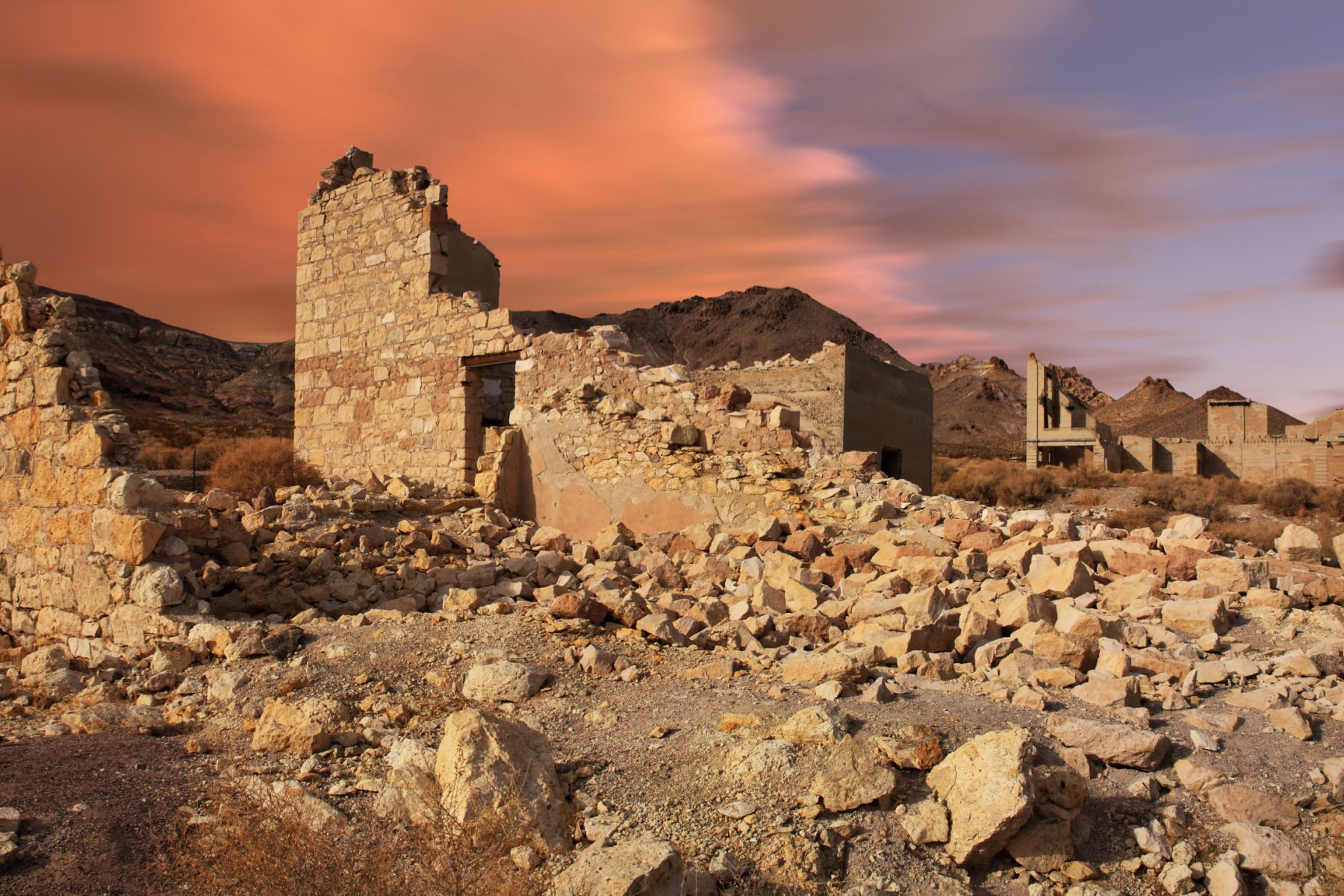
Just outside Beatty, the ghost town of Rhyolite is a mandatory stop. In 1907, this was a booming gold mining town of 5,000 people with a stock exchange, an opera house, and electric lights. By 1916, it was completely abandoned. The remaining structures, including the famous Bottle House and the crumbling bank building, are some of the most photogenic ruins in the American West. At night, the ruins make dramatic silhouettes against the stars.
Goldfield and the International Car Forest
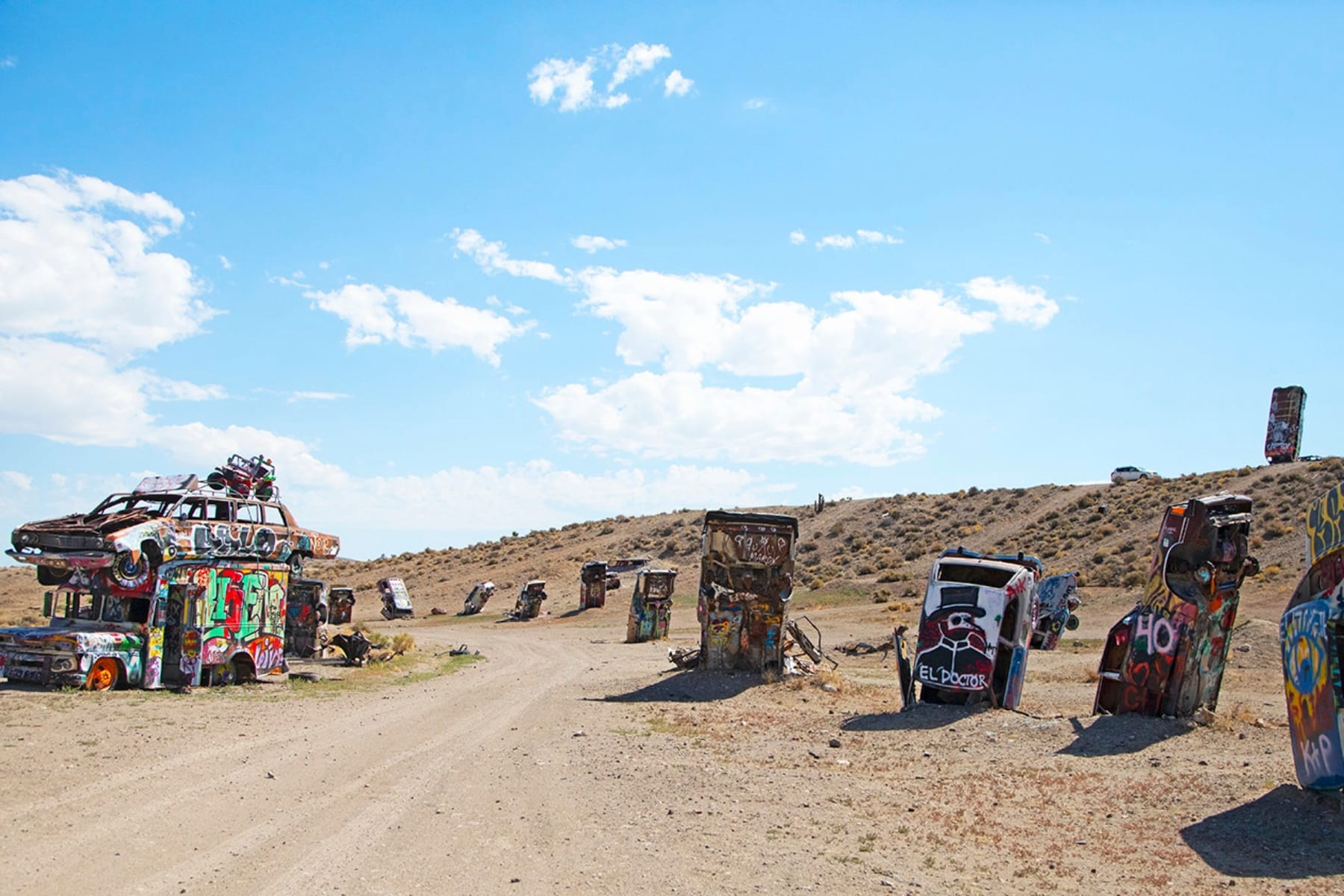
Goldfield peaked at 20,000 residents during the 1906 gold rush and now has a population of about 250. The International Car Forest of the Last Church is exactly what it sounds like: old cars buried nose-first in the desert, covered in graffiti art. It’s weird. It’s wonderful. It’s Nevada.
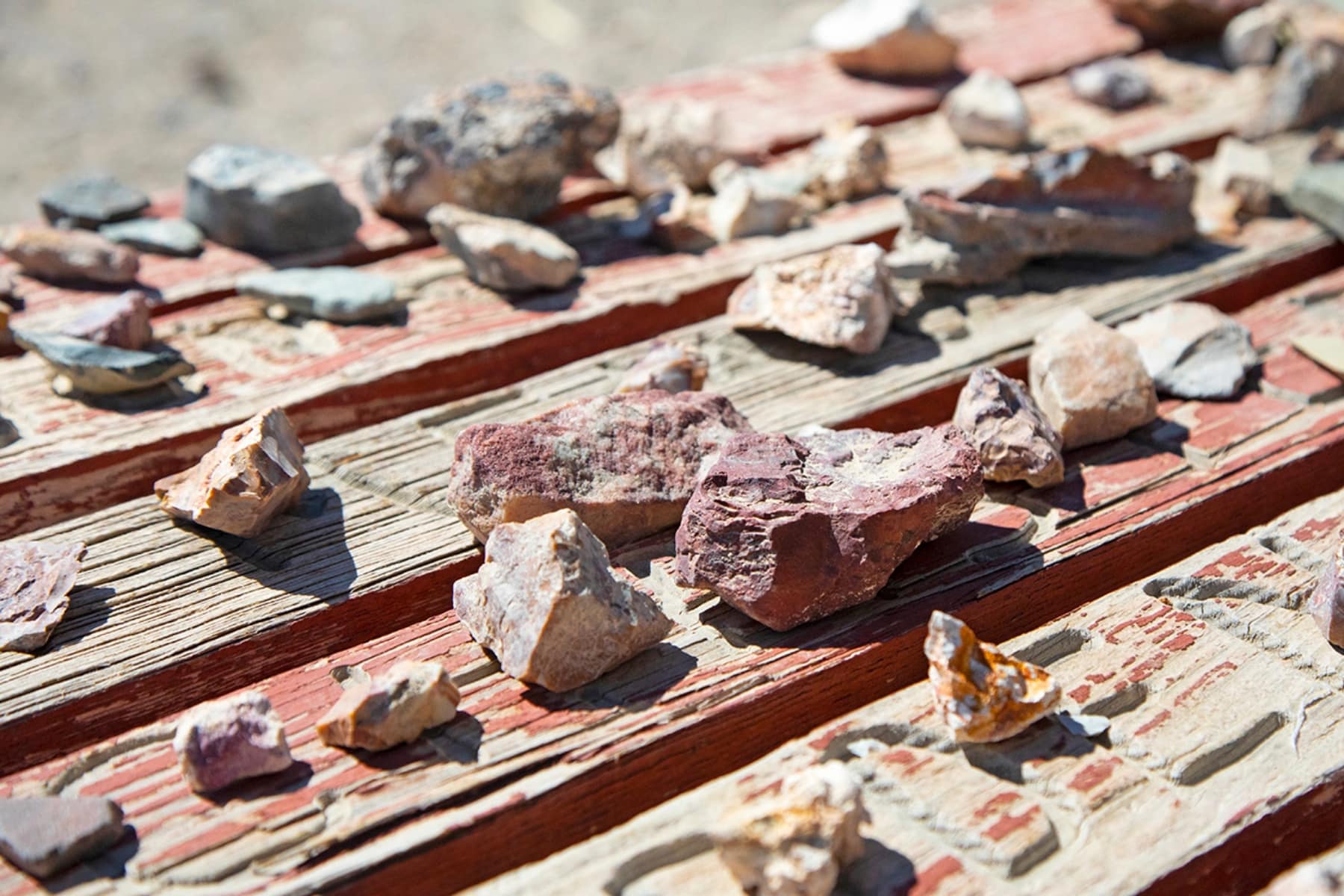
Nearby Gemfield offers the chance to hunt for chalcedony and other semi-precious stones in the open desert. Bring a UV light since some of the minerals fluoresce under blacklight, which makes for an unexpected nighttime activity.
Tonopah
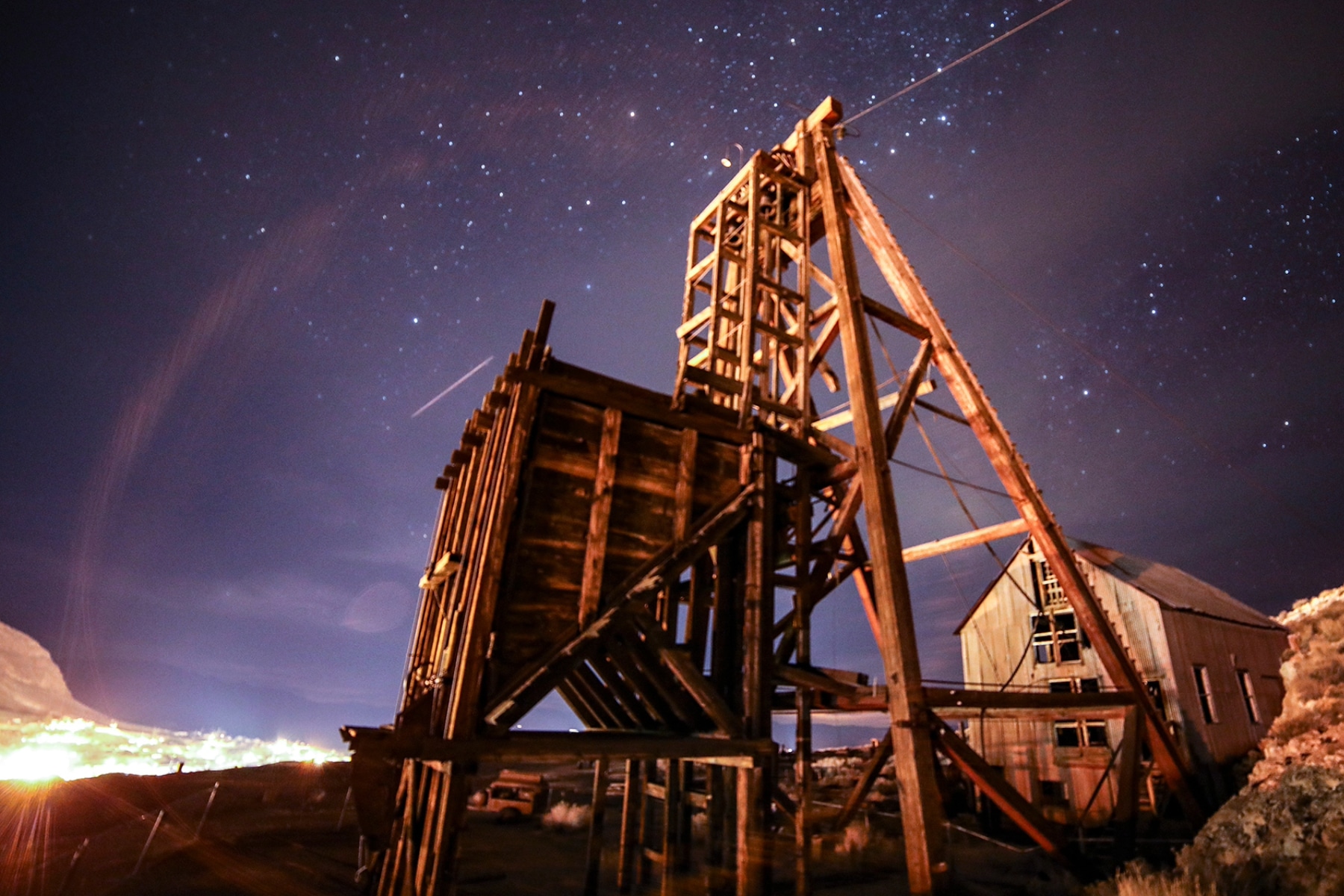
Tonopah sits at the rough midpoint of the Nevada stretch and makes a natural overnight. The old mining town sits at 6,000 feet, which means cooler nights and even darker skies than the lower desert. The Tonopah Mining Park is worth a visit during the day, and the historic Mizpah Hotel is legitimately one of the most interesting places I’ve stayed in Nevada.
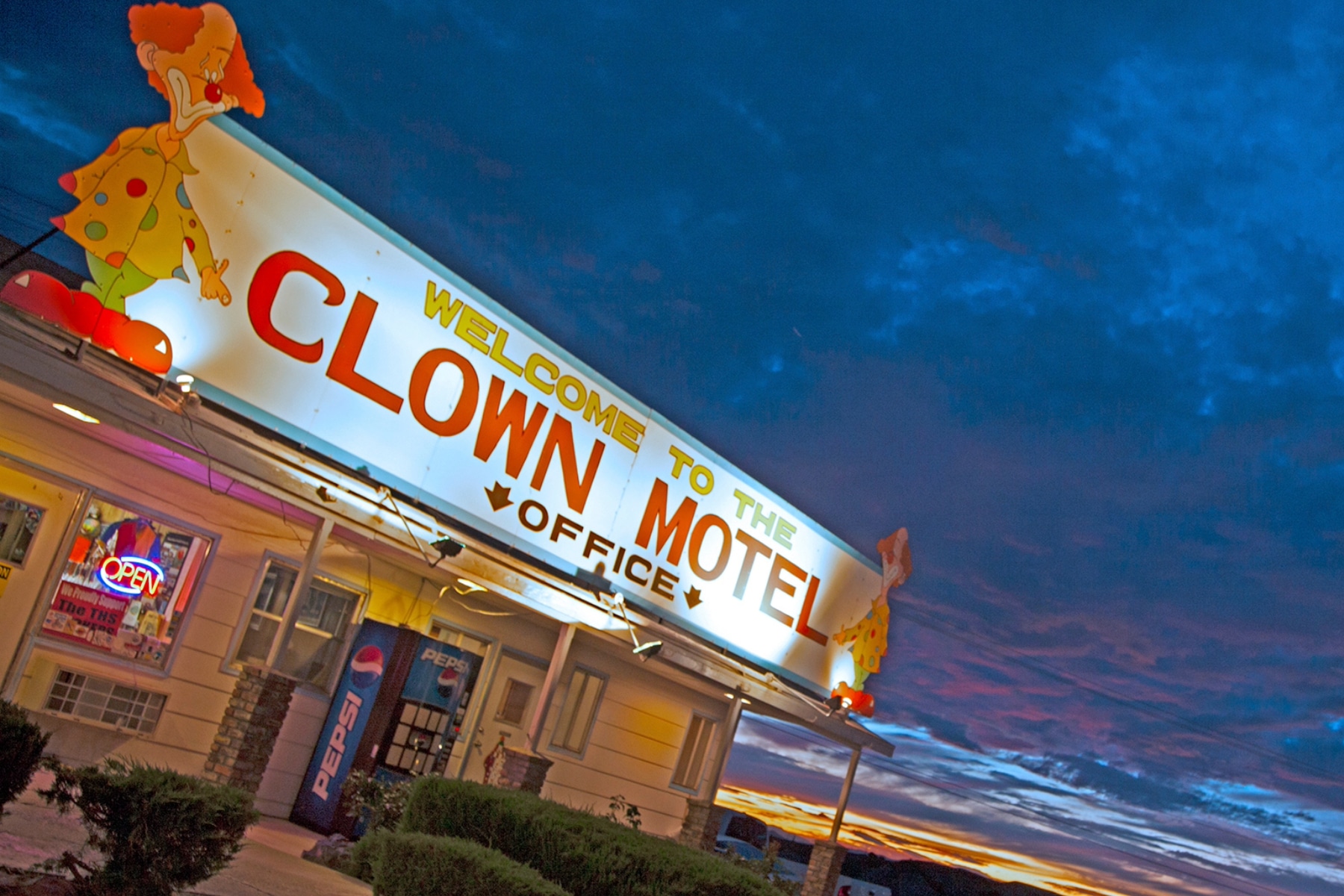
Then there’s the Clown Motel, right next to the old Tonopah Cemetery. It’s been called “America’s Scariest Motel” and, yeah, I can confirm it lives up to the name. Whether you stay there or not, it’s worth a photo.
Stargazing at Great Basin National Park
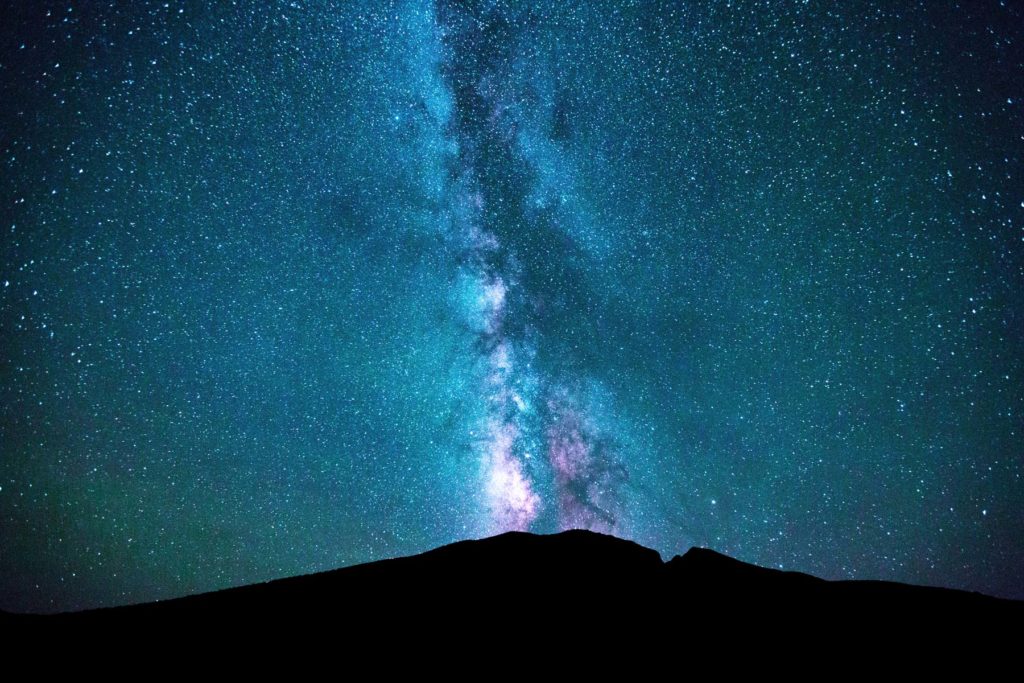
Great Basin is the end goal of this road trip, and it delivers. This is one of the darkest places in the contiguous United States, with a Bortle scale rating of 2 in the best conditions. For reference, a Bortle 1 is essentially an uninhabited island in the middle of the ocean. Great Basin gets close to that.
The park sits in remote eastern Nevada, tucked against the Snake Range with Wheeler Peak rising to 13,063 feet. The combination of high elevation, zero nearby cities, and the park’s active dark sky management means you can see celestial objects here that are invisible from most of the country. The zodiacal light (a faint triangular glow along the ecliptic) is visible. The Andromeda Galaxy appears not as a smudge but as a distinct oval. On a good night, I’ve counted shooting stars at a rate of one every 90 seconds without any meteor shower in progress.
Best Stargazing Spots in Great Basin
Wheeler Peak Campground. At 9,886 feet, this is one of the highest campgrounds in the park system. The altitude puts you above much of the atmospheric haze. Bring warm layers because nighttime temperatures regularly dip below freezing even in July.
Mather Overlook. Accessible by car and offering an open sky view to the south and west. The park sometimes hosts ranger-led astronomy programs here.
Lehman Caves Visitor Center area. Lower elevation (6,800 feet) and warmer, which makes extended stargazing more comfortable. The trade-off is slightly less darkness, but “slightly less” at Great Basin still beats anywhere within 500 miles of a major city.
Beyond stargazing, Great Basin has plenty to do in daylight. The things to do in Great Basin include Lehman Caves tours, the Wheeler Peak summit hike, and a bristlecone pine grove with trees older than 3,000 years. The park’s fascinating facts give you more context on why this small, overlooked park punches so far above its weight.
The Return Loop Through Lincoln County
Caliente
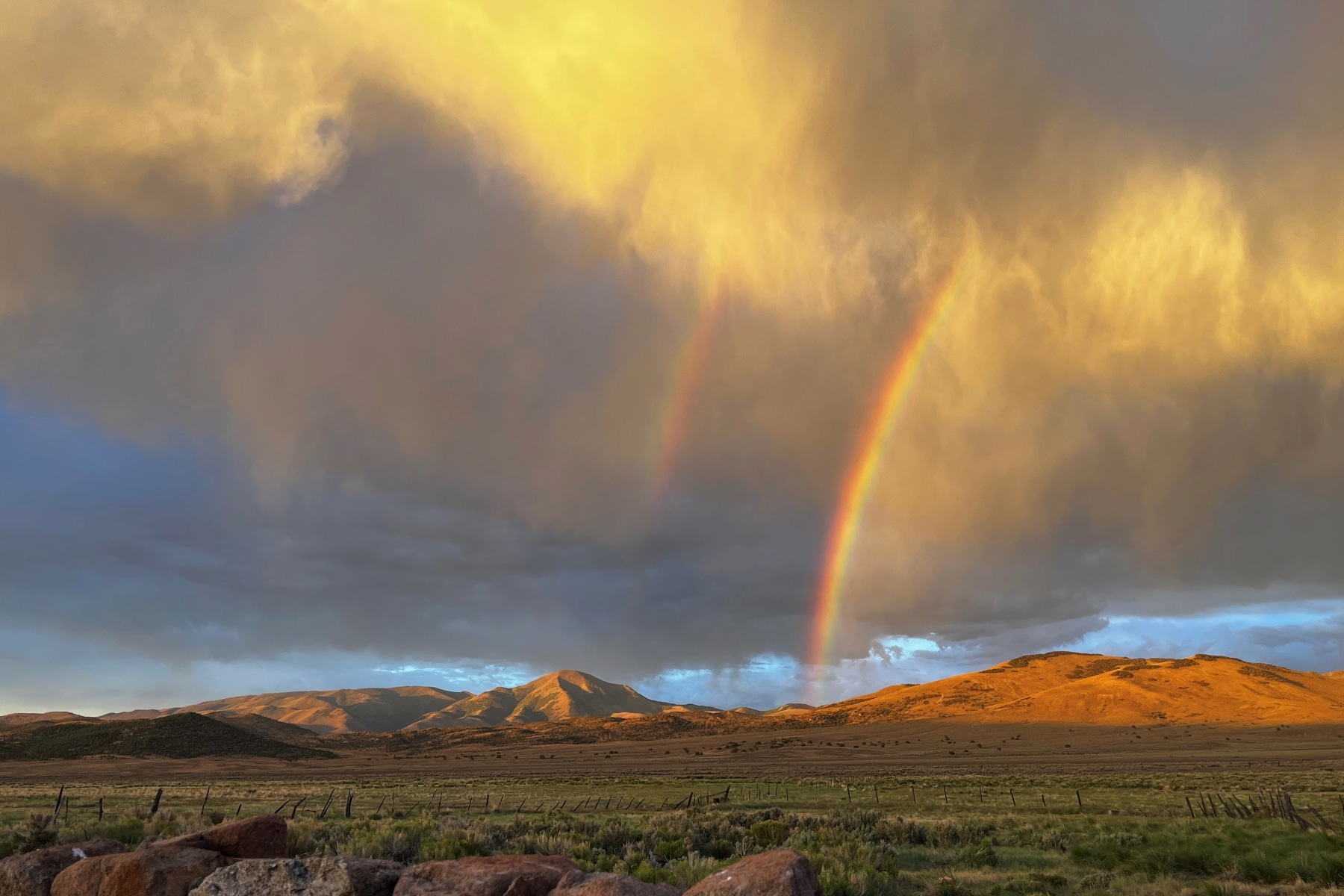
The return leg heads south through Lincoln County. Caliente is a small town that inspired Western author Zane Grey and makes a good rest stop. Impressive roses line the main drag through town, which is not something you expect in the Nevada desert. Mountain bikers flock to this area for the trail network, and five state parks sit within 50 miles.
Rock climbers should check out Big Rocks Wilderness, nicknamed “The Mecca.” Plenty of big boulders make for fun scrambling, and the night skies from camp are predictably excellent. Campsites and fire rings are available, but don’t expect amenities or facilities.
The ET Highway and Area 51 Adjacent
Less than 45 minutes west of Caliente is Crystal Springs and Hiko, where you can opt to take the southern leg of the Extraterrestrial Highway toward Rachel. If you’ve ever wondered about Area 51, one entrance sits just 20 miles from this stretch of road. No, I’m still not going to tell you how to get there.
Hiko is home to the Alien Research Center, which doubles as a stargazing spot and a clearinghouse for conspiracy theories. Whatever your feelings on extraterrestrial life, the irony of searching for aliens from one of the best stargazing corridors in the country is not lost on me.
From Hiko, you’re 90 minutes from Las Vegas and back under the neon. The contrast between the dark skies of the previous four days and the blinding Strip is jarring in the best way. It makes you appreciate what you just saw.
Astrophotography Tips for This Route
I’ve shot the night sky extensively along this route, so here are the basics that actually matter.
Camera settings. Manual mode. ISO 3200-6400. Aperture as wide as your lens allows (f/2.8 or wider is ideal). Shutter speed of 15-25 seconds depending on focal length. Use the 500 rule (divide 500 by your focal length for maximum exposure time before stars trail).
Timing. Check the moon phase before you go. A new moon or thin crescent is ideal. Even a half moon washes out the Milky Way significantly. The galactic center is best positioned for shooting between April and September.
Foreground. The best night sky photos include something interesting in the foreground. Ghost town ruins, Joshua trees, rock formations, sand dunes. This route gives you all of them.
Phone photography. Modern smartphones (iPhone 15 Pro and later, Samsung Galaxy S23 and later) have genuinely capable night modes. Use a tripod, set the longest exposure available, and you’ll get results that would have required a $3,000 camera five years ago.
Explore More
- 9 Best National Parks Near Las Vegas
- 7 Nevada National Parks to Visit
- 25 Things to Do in Death Valley National Park
- 20 Things to Do in Great Basin National Park
- 10 Historic Sites in Nevada
- 10 Best National Park Road Trips Across America
- All 63 US National Parks Ranked by Experts
Affiliate disclosure: Some links on this page earn us a small commission at no extra cost to you. We only recommend gear we actually use.