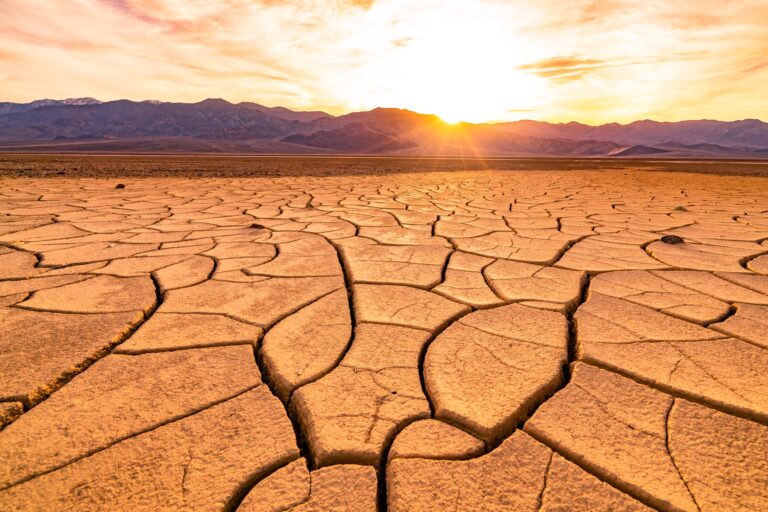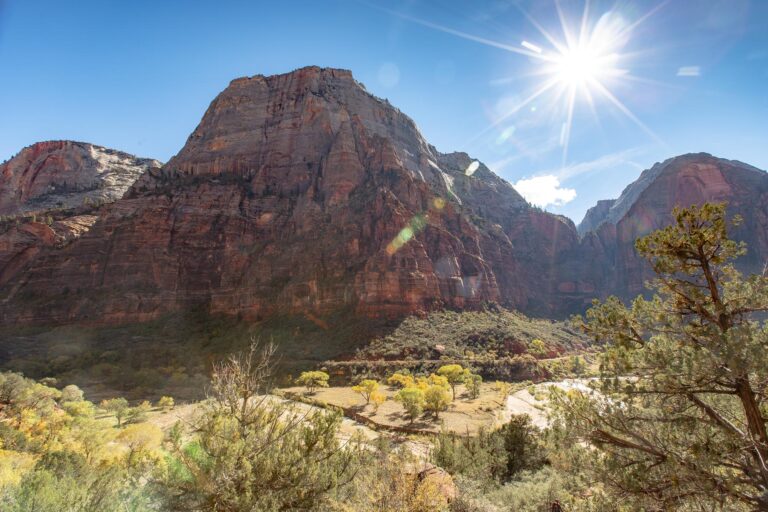

Death Valley has a reputation problem. People hear the name and think of the hottest place on earth, which it is. They picture cracked mud, shimmering heat, and a landscape that wants to kill you, which is also fair. But there’s a window each year when this 3.4-million-acre national park transforms into something completely different. That window is spring.
I’ve shot Death Valley in every season. Summer, when I burned through two gallons of water before noon. Winter, when the RV caravans stretched from Furnace Creek to Stovepipe Wells. And spring, when the light was golden, the crowds were thin, and the desert floor was doing things I’d never seen in any other national park.
If you’re planning a trip to Death Valley in spring, here’s what you need to know.
Spring Weather in Death Valley
The weather transition from March to May in Death Valley is one of the most dramatic in the national park system. It goes from pleasant to punishing in about 8 weeks.
Love Death Valley? It's one of 109 threatened public lands we're tracking. Get the free weekly briefing.
March is the sweet spot. Daytime highs sit in the low to mid-80s, and overnight lows drop into the 50s. You can hike all day without worrying about heat exhaustion. The wind picks up in the afternoons, but it’s manageable.
April pushes into the 90s during the day with lows in the 60s. Still hikeable if you start early, but the window for comfortable outdoor activity starts shrinking. By mid-April, afternoon temps regularly clear 95.
May is where spring ends and survival begins. Highs push past 100 and keep climbing. The National Park Service starts issuing heat advisories, and for good reason. I don’t recommend planning a first visit in May unless you know exactly what you’re getting into.
The takeaway is simple. Book for March. If March doesn’t work, early April. After that, you’re racing the thermometer.
Why Spring Beats Winter (Even Though Winter Is “Peak Season”)
Winter is technically Death Valley’s busiest season. The snowbirds pour in from November through February, and every campground and hotel room within 50 miles fills up. The weather is beautiful, sure. But here’s what nobody tells you about winter in Death Valley.
The RV traffic is relentless. Campgrounds like Furnace Creek and Sunset become small cities. The parking lots at Badwater Basin and Zabriskie Point get genuinely chaotic by mid-morning. And the days are short, which cuts into your time for photography and exploration.
Spring fixes most of these problems.
By mid-March, the winter crowds have largely dispersed. You’ll still see visitors, but the difference is noticeable. I’ve stood at Badwater Basin in March with maybe 15 other people spread across 7,000 acres of salt flat. Try that in January.
The days are longer too. In March you’re getting 12+ hours of daylight, which means more time at golden hour on both ends. For anyone who cares about light (and you should), that matters enormously.
And then there’s the wildflower potential, which is the real reason spring deserves a closer look.
The Superbloom (When It Happens)
I need to be honest here, because the internet has created unrealistic expectations about Death Valley superblooms.
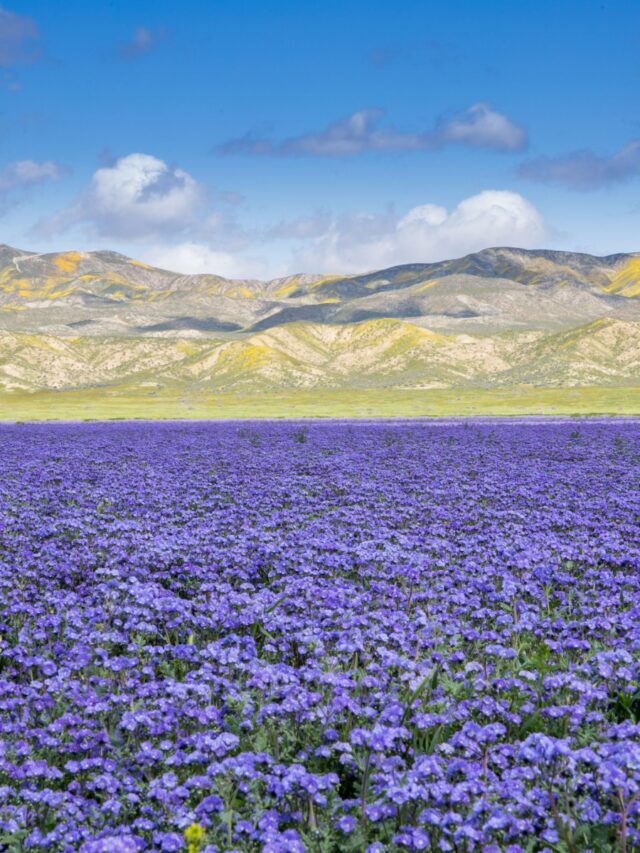
A true superbloom, the kind where the desert floor explodes in yellow and purple from horizon to horizon, requires a very specific set of conditions. You need above-average winter rainfall (at least an inch, ideally more), spread across several weeks rather than dumped all at once. You need mild temperatures through February. And you need a lack of drying winds during the critical germination period.
When all of that lines up, which happens maybe once every 5-8 years, the results are extraordinary. Badwater Road becomes a carpet of desert gold. Jubilee Pass lights up with paintbrush and phacelia. The alluvial fans near Ashford Mill turn colors I’ve only seen in post-processed photographs, except here it’s real and it’s 20 miles long.
Most years, though, the bloom is subtle. A scattering of wildflowers along the washes, some color in the canyons, maybe a patch of desert five-spot near the sand dunes. It’s still beautiful. It’s just not Instagram-famous.
If you’re chasing a superbloom, watch the NPS Death Valley wildflower reports starting in late January. Peak bloom, when it happens, usually falls between late February and mid-April depending on elevation. Lower elevations bloom first.
But don’t make the superbloom the only reason you go. Death Valley in spring is worth it regardless of what the wildflowers decide to do.
Best Things to Do in Death Valley in Spring
Badwater Basin
At 282 feet below sea level, Badwater Basin is the lowest point in North America and one of the most surreal landscapes I’ve ever photographed. The salt flat itself covers over 7,000 acres of fractured, hexagonal salt formations that stretch toward the Panamint Range.
In spring, the temperatures are actually reasonable enough to walk out onto the flats. I recommend going at least half a mile from the parking lot (most people turn around after 200 yards, which is a mistake). The further out you go, the more the silence takes over, and the geometric salt patterns get wilder.
Go in the late afternoon. The low-angle light turns the salt white-gold and throws long shadows across the formations. It’s one of the 25 best things to do in the park, and it’s better in spring than any other season because you can actually stand out there without risking heat stroke.
Mesquite Flat Sand Dunes at Sunrise
The Mesquite Flat dunes sit right off Highway 190 near Stovepipe Wells, and they’re the most accessible dune field in the park. The tallest dune rises about 100 feet, which doesn’t sound like much until you’re slogging through sand at 5:30 in the morning trying to reach the crest before the sun clears the Grapevine Mountains.
Spring mornings at the dunes are perfect. Cool enough to enjoy the walk, warm enough that you don’t need layers. The light comes in low and gold, and every ripple in the sand throws a shadow. If you get there 30 minutes before sunrise, you’ll have the dunes mostly to yourself.
No trail. Just pick a direction and walk. The dunes look close but they’re deceptive. Give yourself at least 90 minutes for a proper visit.
Mosaic Canyon
This is my go-to recommendation for people who want an easy, impressive hike in Death Valley. The trailhead is 2 miles up a gravel road from Stovepipe Wells, and within the first quarter mile you’re walking through polished marble walls that look like they belong in a museum.
The canyon narrows quickly. In places the walls are close enough to touch on both sides, and the breccia and marble formations catch the light in ways that make every photographer’s brain light up. The hike is about 4 miles round trip if you go to the upper narrows, but most people are satisfied with the first mile.
Spring is ideal because the canyon stays shaded through most of the day, which means cooler temps even when the valley floor is heating up.
Zabriskie Point and Dante’s View
Zabriskie Point is a 2-minute walk from the parking lot and probably the most photographed spot in Death Valley. The badlands below it, all golden and folded and layered, look like another planet at sunrise. Get there 20 minutes early and claim a spot. It gets crowded even in spring.
Dante’s View is the bigger payoff. At 5,476 feet, you’re looking straight down at Badwater Basin almost a mile below, with Telescope Peak (11,049 feet) across the valley. The temperature up here can be 25 degrees cooler than the valley floor, which in spring means it’s actually jacket weather.
Visit both. Zabriskie at sunrise, Dante’s View in the late afternoon when the shadows fill the valley.
Artist’s Drive
Artist’s Drive is a 9-mile one-way scenic loop that cuts through some of the most colorful geology in the park. The volcanic deposits have oxidized into greens, pinks, reds, and purples that look artificial until you realize you’re staring at millions of years of chemistry.
The road is narrow and winding. No RVs or vehicles over 25 feet allowed, which keeps it relatively peaceful. Artist’s Palette, the main viewpoint about halfway through, is worth at least 20 minutes. Walk past the interpretive sign and up the wash for better angles.
Spring light makes the colors pop. Overcast days are actually better here because direct sunlight can wash out the subtler hues.
Ubehebe Crater
At the north end of the park, Ubehebe Crater is a 600-foot-deep volcanic explosion crater that’s roughly half a mile across. The hike around the rim is about 1.5 miles with some exposed, windy stretches, but the views down into the crater and across the valley are worth every step.
Little Hebe, a smaller crater just south, is connected by the rim trail and adds another 15 minutes. Most people skip it, which means you’ll probably have it to yourself.
The drive to Ubehebe takes about an hour from Furnace Creek on a paved road, so plan to make it part of a full day exploring the northern section of the park.
Photography in Spring
Death Valley in spring is a photographer’s park. The combination of long golden hours, clear desert air, and landscapes that look like they were designed for wide-angle lenses makes this one of the best places I’ve ever shot.
A few specifics.
Golden hour at the dunes. The Mesquite Flat dunes at sunrise are a cliche for a reason. The sidelight reveals texture in the sand that disappears by 9 AM. Bring a telephoto in addition to your wide angle. The compressed perspective of dune ridges at 200mm is stunning.
Night sky. Death Valley is one of the largest Dark Sky National Parks in the country, and spring nights are ideal. Not too cold, not too hazy. The best spots for astrophotography are Mesquite Flat dunes (sand foreground with the Milky Way), Zabriskie Point (badlands under stars), and the Harmony Borax Works interpretive trail. No moon nights in spring are magic here.
Spring light vs. winter light. Winter gives you lower sun angles, which is great for dramatic shadows. But the days are short, and you lose the warm tones by mid-afternoon. Spring light is higher but warmer, and you get an extra 2-3 hours of shooting time. For landscapes, I’ll take spring light in Death Valley every time.
Practical Information
Entrance fee. \$30 per vehicle, valid for 7 days. Or use your America the Beautiful pass.
Gas. Fill up before you enter the park. Furnace Creek has a gas station, but expect to pay roughly \$2 per gallon more than you would in Pahrump or Beatty. On a 2-3 day Death Valley itinerary, you’ll burn through more fuel than you expect. The park is 156 miles long.
Water. One gallon per person per day, minimum. This is not a suggestion. In spring, you won’t feel as thirsty as you would in summer, which makes dehydration sneaky. Carry more than you think you need.
Cell service. Essentially none. There’s spotty coverage at Furnace Creek and sometimes at Stovepipe Wells, but once you’re on the road, you’re off the grid. Download offline maps before you arrive.
Where to stay. The Oasis at Death Valley (the former Furnace Creek Ranch and Inn) is the main lodging option inside the park. Book months in advance for spring dates. For camping, Furnace Creek campground takes reservations, while Sunset, Stovepipe Wells, and several backcountry sites are first-come, first-served.
How to get there. Most visitors come from Las Vegas (about 2 hours to the east entrance) or from the Owens Valley via Highway 190. The drive in from either direction is spectacular.
The Bottom Line
Death Valley in spring is the best-kept timing secret in the national park system. The weather is comfortable, the crowds are manageable, the wildflowers might show up, and the light is as good as it gets anywhere in the American West.
But respect the transition. Spring in Death Valley doesn’t last long. By May, the heat returns with an authority that has killed people. Check the forecast obsessively. Carry water like your life depends on it (because it does). And get out early in the morning when the desert is at its most beautiful anyway.
The park covers 3.4 million acres. At 282 feet below sea level at its lowest and 11,049 feet at its highest, it contains more geological and biological range than most people realize. Spring is the season when you can actually experience all of it without the heat trying to stop you.
Plan for March. You’ll thank me later.
What to Bring to Death Valley
Gear we recommend for Death Valley. Affiliate links support our work at no cost to you.
Affiliate disclosure: Some links on this page earn us a small commission at no extra cost to you. We only recommend gear we actually use.