


February splits the national park system in two. Up north, the snow parks are deep in winter, made for skis and snowshoes. Down south, the desert and coastal parks hit their sweet spot, with warm days, cool nights, and the smallest crowds of the year. This guide covers the best of both, with real temperatures, honest crowd notes, and the caveats most lists skip.
It’s organized by category rather than as a countdown: top winter-activity parks first, then warm-weather escapes, then our overall picks for the month. A full at-a-glance table sits at the bottom. If you’ve visited any of these in February, drop your experience in the comments.

Top National Parks for Winter Activities
The catch with the snow parks is that too much of a good thing closes roads. Ice, avalanche risk, and low visibility scare some people off. But if you’re after fresh powder for skiing, snowboarding, or snowshoeing, these parks deliver in February.
Yosemite National Park, California
Yosemite in February has all the usual winter draws, but one thing sets it apart: Horsetail Fall. For a couple of weeks in mid-to-late February, when conditions line up, the setting sun lights the waterfall on the east face of El Capitan until it glows like molten lava, the famous “Firefall.”
117 public lands destinations are under threat. Get the free briefing that 27,000+ people use to stay informed and take action.
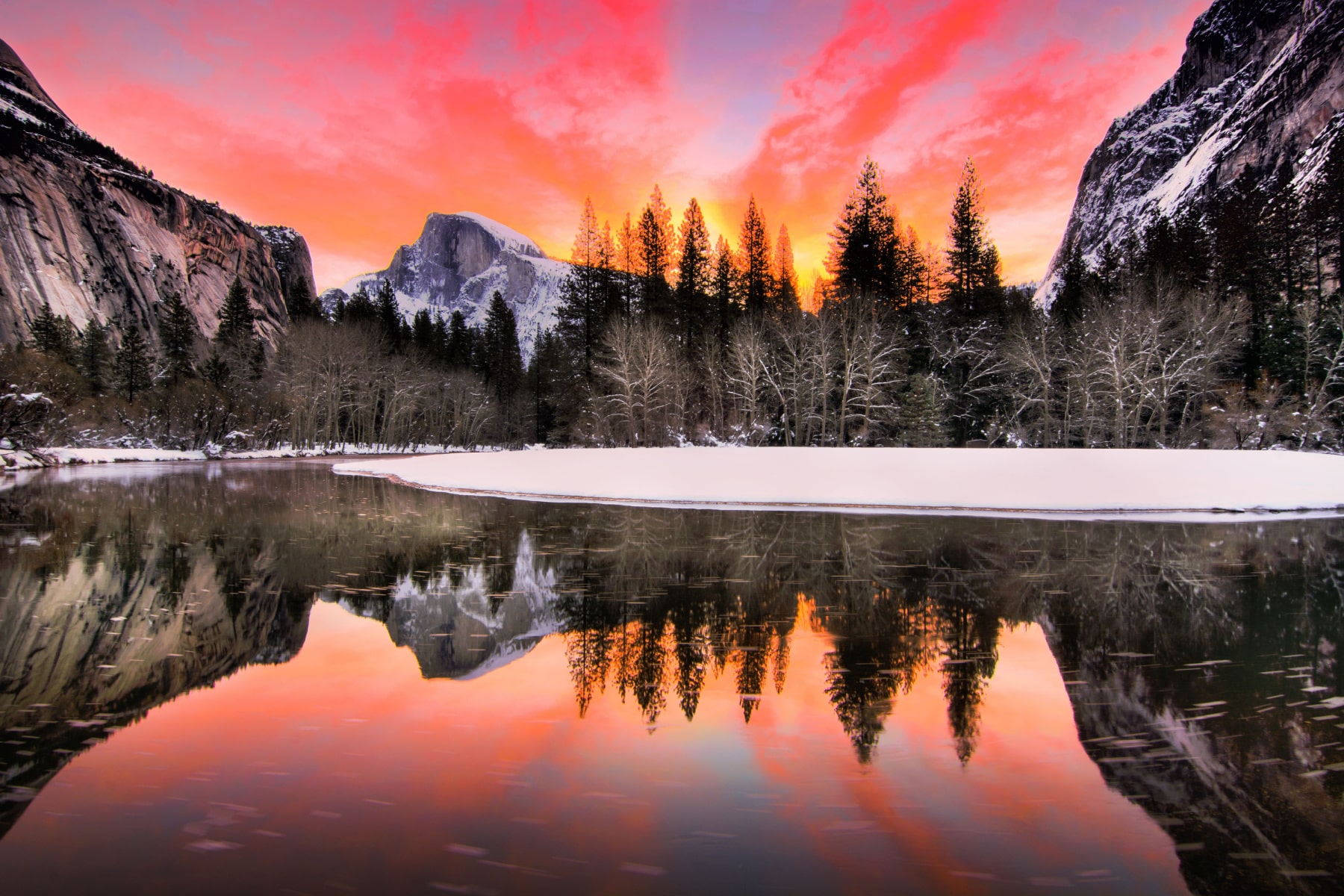
The catch: the Firefall now draws huge crowds, and the park requires reservations on February weekends during the event. Expect traffic and road closures around sunset. If solitude is your goal, this is the one time to avoid the valley.
John Muir, who did as much as anyone to protect Yosemite, never wrote about the Firefall. You may end up seeing something he never did.
Rocky Mountain National Park, Colorado
Rocky Mountain in winter is everything you’d want from a February getaway: snow-cloaked trails, the quiet whoosh of skis, and a long Rockies winter that’s still going strong. February averages up to a foot of snow, though March and April bring the heaviest falls.
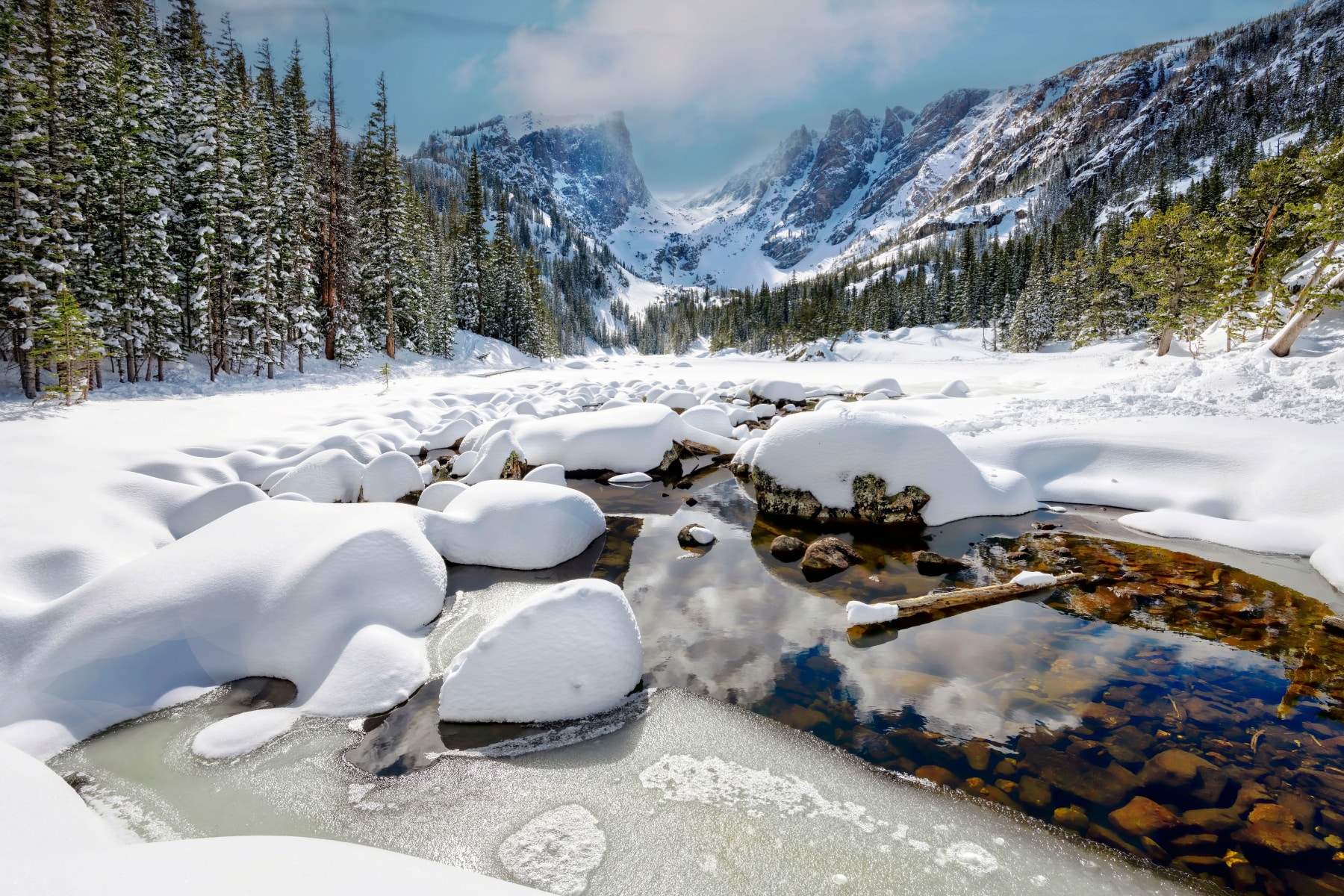
Nearby Estes Park rents all the gear you’ll need, and these mountains pretty much define winter sports. After a long, cold day, the lodges and fireplaces around the park are a welcome reward. For deeper planning, see our Rocky Mountain National Park guide.
Protect your eyes: Sun glaring off snow can damage your eyes. A pair of glacier glasses or snow goggles is worth packing, especially if you have astigmatism.
Glacier National Park, Montana
Glacier in winter calls for a gut check. This is a park with few amenities and miles of deep, snow-covered trail. Snow can pile up to 30 feet by late winter, and as much as 80 feet at the Big Drift along Going-to-the-Sun Road.
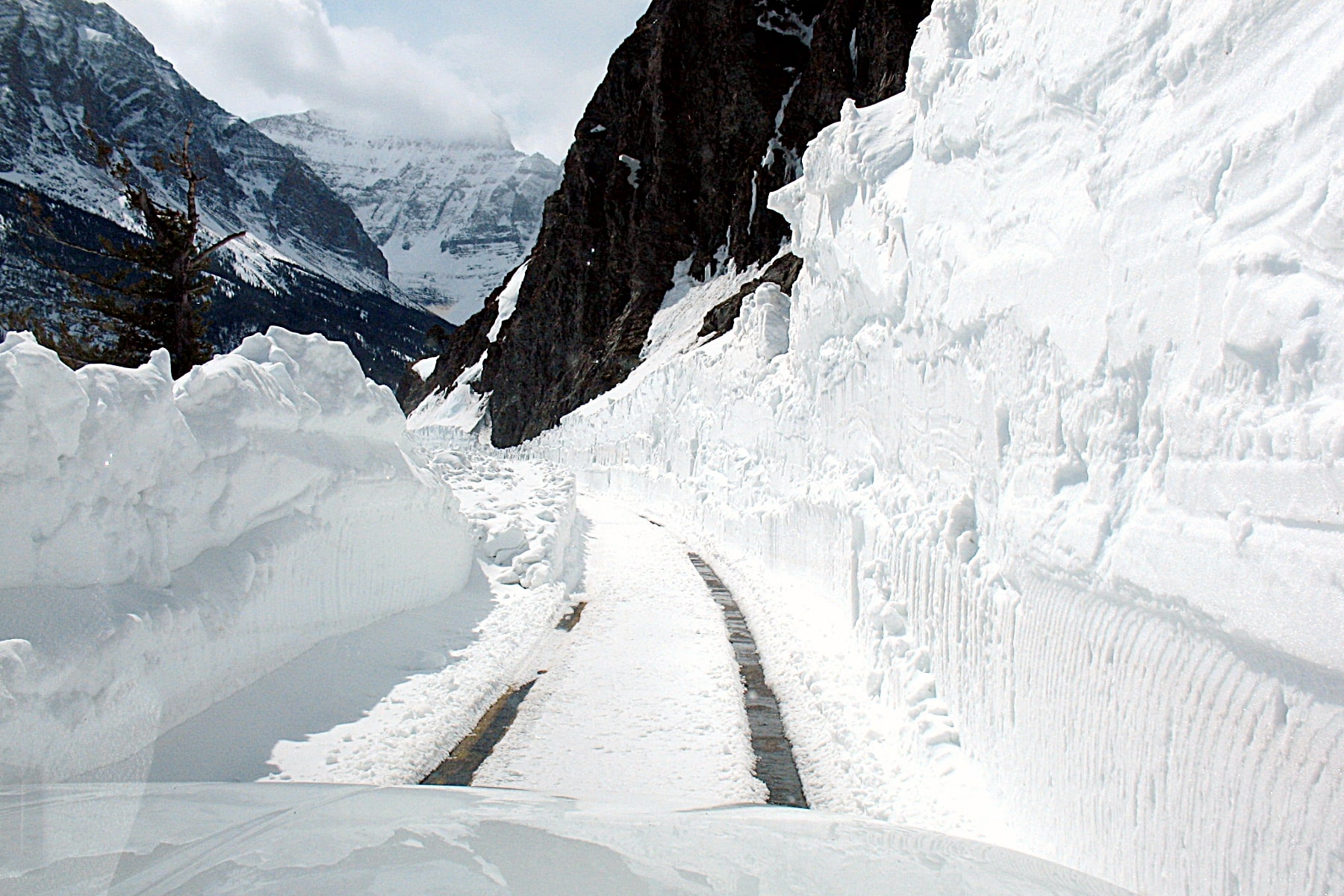
Experienced winter travelers will love Glacier’s solitude. Going-to-the-Sun Road closes beyond Avalanche Creek, but the stretch past Lake McDonald Lodge is left unplowed for skiing and snowshoeing. If you don’t have the backcountry experience, several authorized outfitters run guided winter trips, including ice climbing. See our full Glacier National Park guide for more.
Olympic National Park, Washington
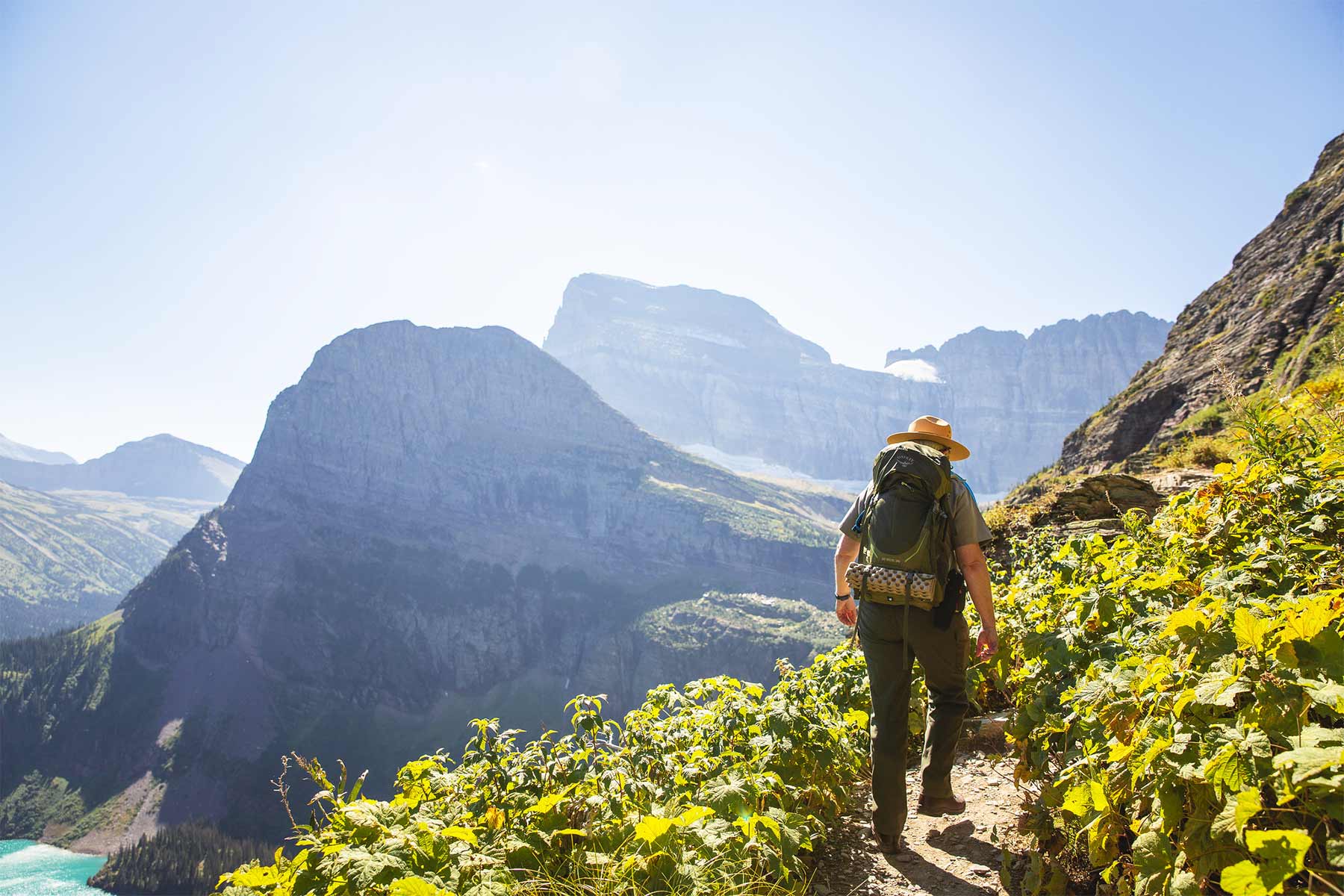
Olympic’s variety shines in winter as much as summer. The biggest draw in February sits a mile high at Hurricane Ridge, where you can tube, snowshoe, or ski at the small ski and snow area. Down low, the rainforest rarely freezes, and winter storms swell the waterfalls and pound the beaches, giving you three distinct ecological zones in one trip.
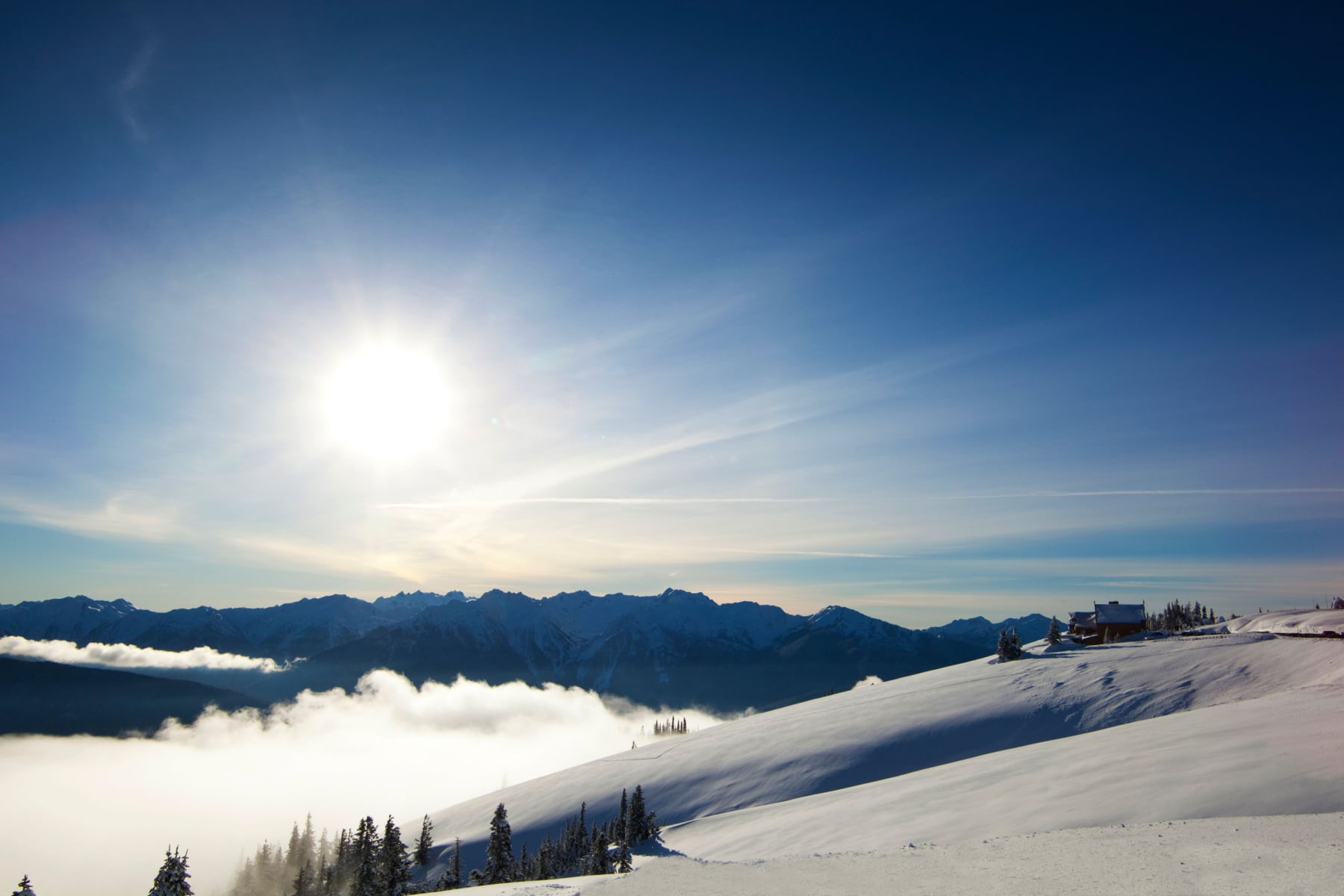
Ranger-guided snowshoe walks and the climb up Hurricane Hill are highlights, and the rainforest stays green and walkable through the wettest months.
Grand Teton National Park, Wyoming
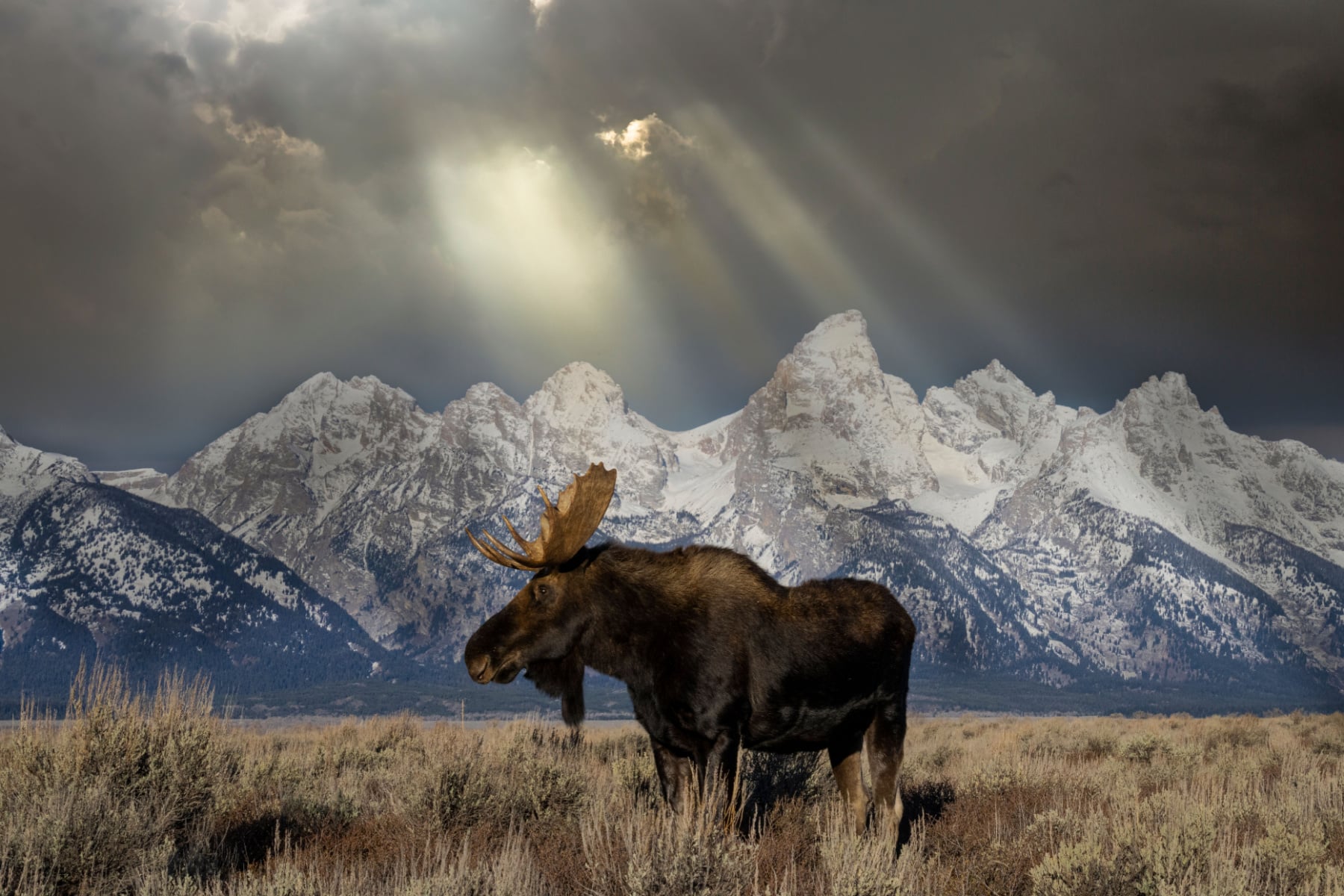
Grand Teton in February is a quiet, snowbound counterpoint to its summer crowds. The valley floor opens up for cross-country skiing and snowshoeing, and wildlife is easier to spot against the white, from moose in the willows to elk on the nearby National Elk Refuge.
Yellowstone National Park, Wyoming
For all the talk of closed roads, Yellowstone is very much open in winter, just not to ordinary cars. The winter season usually opens around mid-December, and by February there’s enough snow for snowmobiles, snowcoaches, skis, and guided tours.
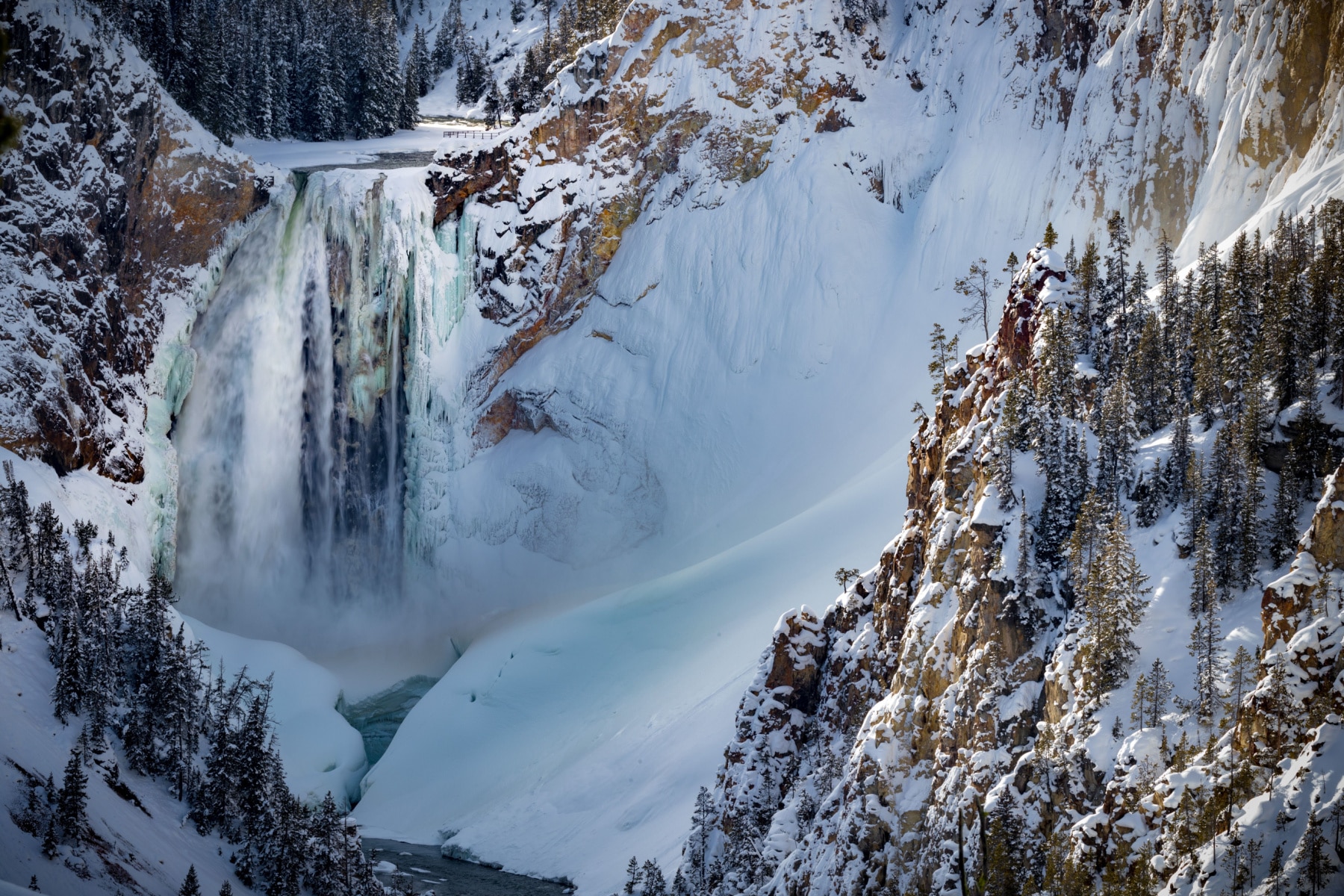
Most lodges run shuttle and tour options that pick you up and drop you back. Winter wildlife tours turn up wolves on fresh snow and bison shouldering through drifts. Old Faithful and Mammoth Hot Springs stay accessible, with warming huts along the way.
Acadia National Park, Maine
Winter Acadia trades summer crowds for snow-quiet trails. Many park roads close, but the carriage roads become a perfect snowshoe and cross-country ski network. February visitation is so low the island can feel like yours.
This Mount Desert Island park has seen visitation climb sharply over the past decade, which makes the off-season even more appealing. Thunder Hole, Sand Beach, and Otter Point stay accessible, and the Schoodic Peninsula scenic drive stays open all winter.

Warm-Weather Escapes for February
Kick off the snow boots. These parks hit their best weather of the year in February, before spring crowds arrive.
Everglades National Park, Florida
February is one of the best months at Everglades National Park, for good reason. It’s the dry season in South Florida, so the brutal summer heat, humidity, and mosquitoes are gone, and there’s no hurricane risk.
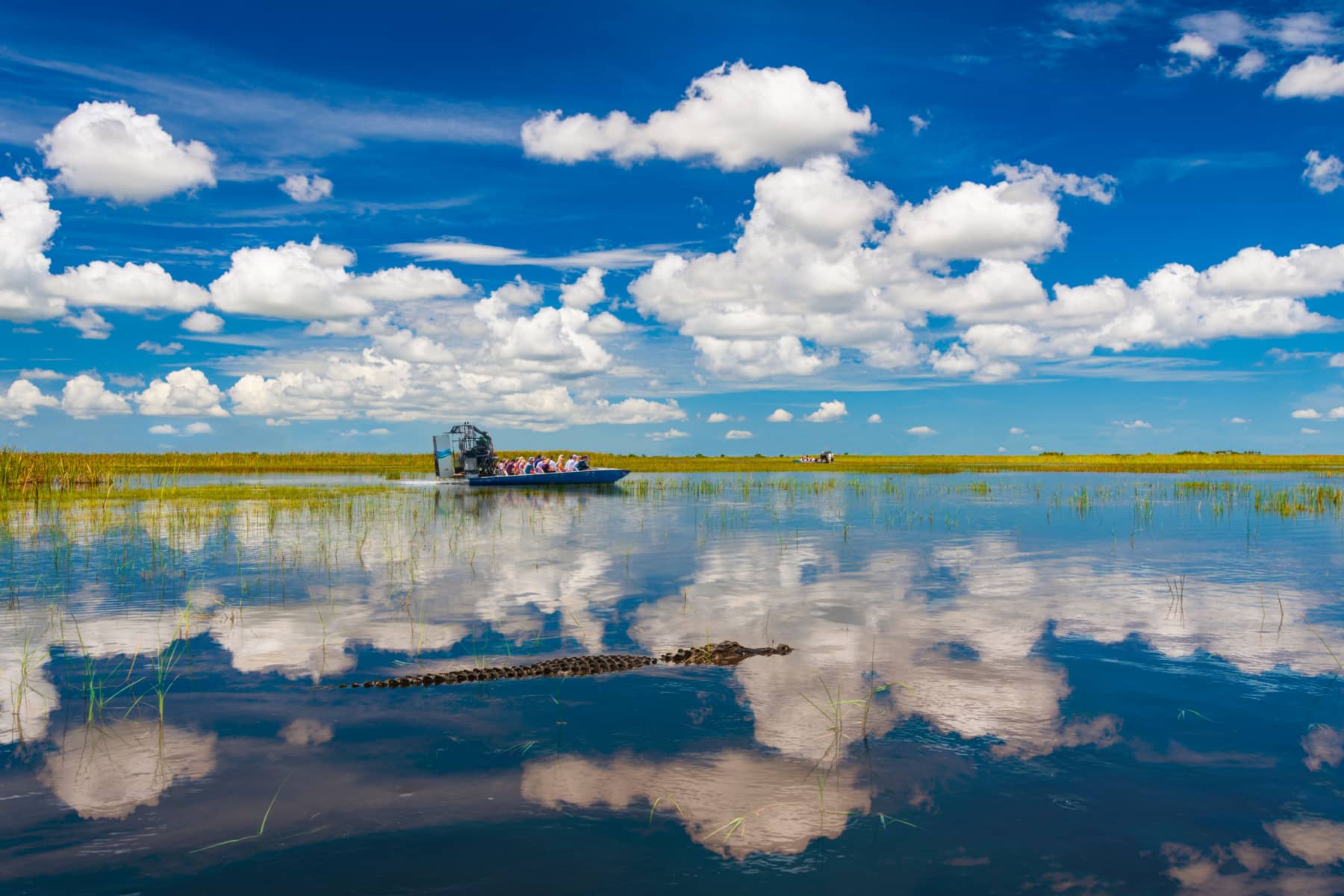
Wildlife concentrates around the remaining water this time of year, so you’re nearly guaranteed to spot gators basking on the banks. Explore by trail, boat, or airboat, and take advantage of cool, low-humidity nights for backcountry camping.
Biscayne National Park, Florida
Just south of Miami, Biscayne National Park is 95 percent water and the largest marine park in the system. It’s the pick for February beach time.
If you can, splurge on a boat rental, with or without a captain depending on your skills. Snorkel or dive the coral reefs, climb the 65-foot Boca Chita Lighthouse, or stick to the mainland for beaches, a paddling trail, and good sunrise spots. It pairs well with a trip out to Dry Tortugas.
Dry Tortugas National Park, Florida
Dry Tortugas is one of the least-visited national parks, yet it sells out months ahead. Reachable only by boat or seaplane from Key West, it’s a way to feel like you’ve escaped to the tropics without leaving the country.
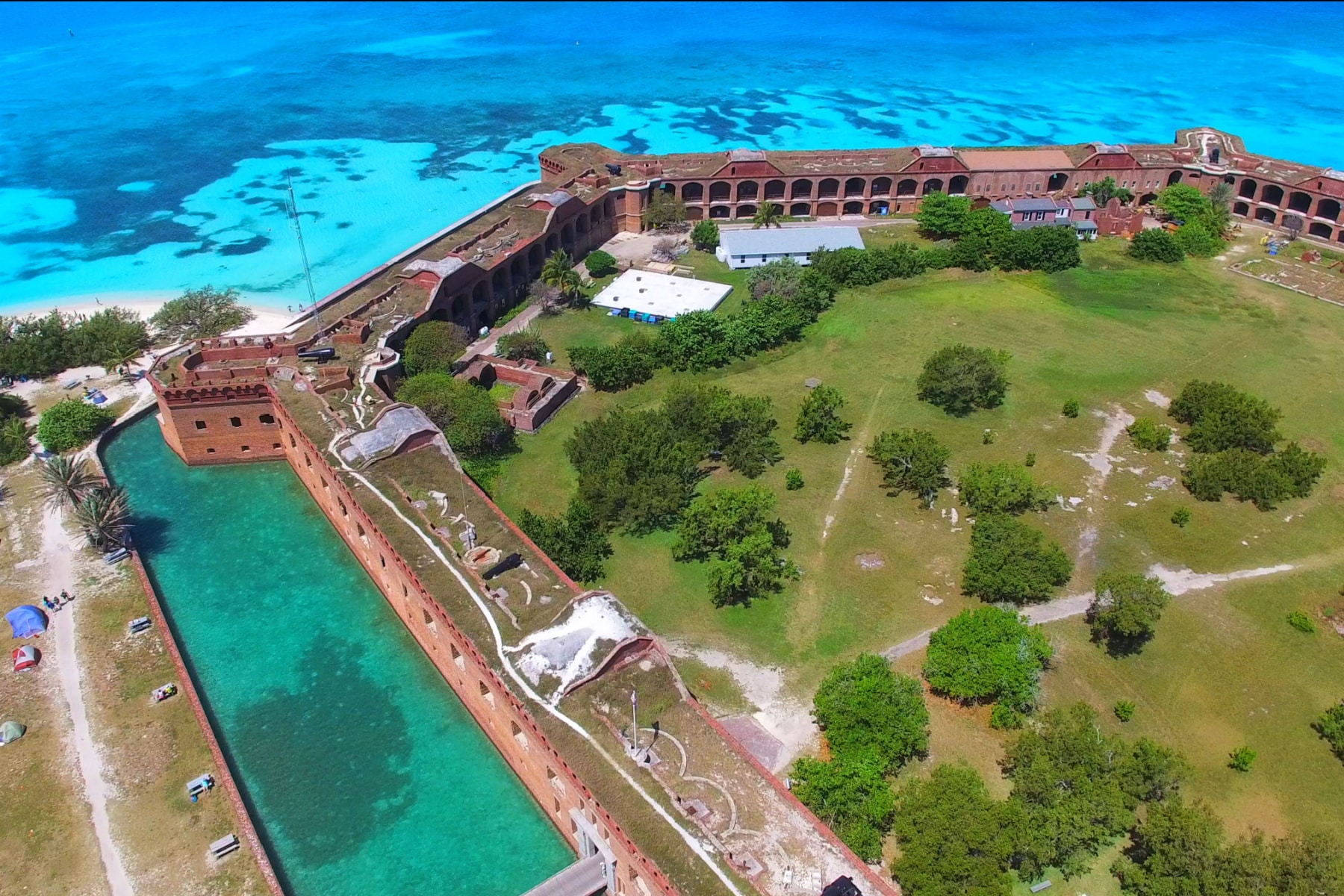
The ferry crosses calm winter seas to Fort Jefferson, a massive Civil War-era fort rising straight out of the ocean. The snorkeling is excellent, with coral reefs and shipwrecks just offshore. February runs dry and sunny in the mid-70s. Most people come on a day trip, since camping is limited and requires the Yankee Freedom ferry.
Big Bend National Park, Texas
Big Bend in southwest Texas offers a mild winter and three ecosystems in one park: the Chisos Mountains, the Rio Grande, and the Chihuahuan Desert. The park shares roughly 118 miles of river border with Mexico, and you can legally cross to the small town of Boquillas from inside the park.
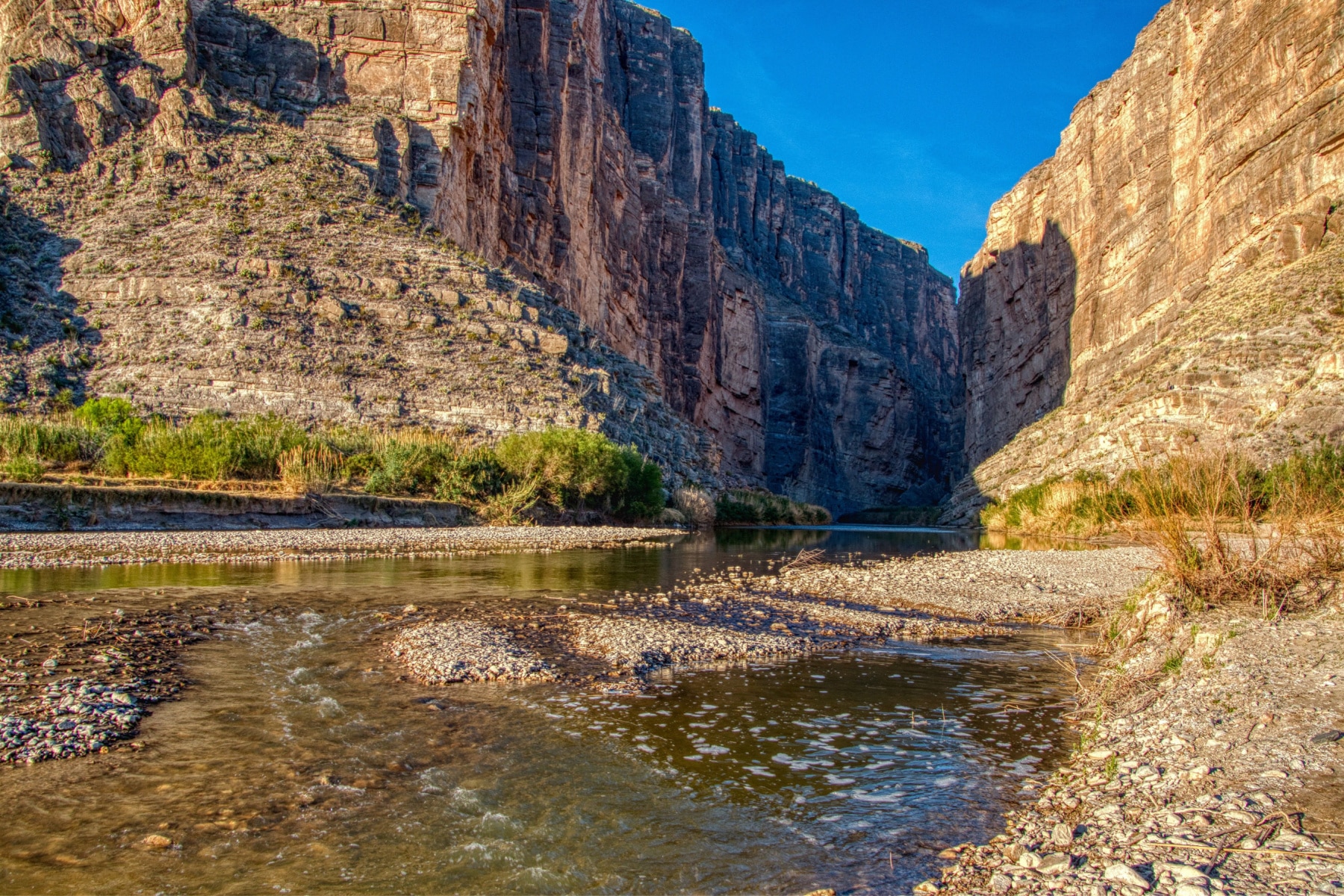
Peak visitation hits in March, so February gives you quieter trails. Summer’s heat makes long hikes impossible, but winter opens them all up. The Langford Hot Springs stays open year-round, a natural hot tub on the riverbank. And as an International Dark Sky Park, Big Bend has some of the darkest skies in the Lower 48, so pack layers for the stargazing.
Hawaii’s National Parks
February is peak tourist season in Hawaii, but the trade-off is obvious: it’s never winter here. Hawaii’s two national parks are Hawai’i Volcanoes, on the Big Island, and Haleakala, on Maui.
At Hawai’i Volcanoes you can walk among some of the most active volcanoes on Earth, over cooled lava and along a wild coastline. At Haleakala, you climb from the coast to a summit more than 10,000 feet up, past waterfalls and rainforest. The Haleakala crater hike is one of the strangest, most rewarding I’ve done.
Is Maui open? Yes. As Maui continues to recover from the 2023 wildfires, respectful tourism helps the local economy. Visitors are asked to avoid the areas hit hardest, especially Lahaina.


Joshua Tree National Park, California
Joshua Tree is at its best in winter. Summer scorches, but February brings highs in the 60s and chilly nights ideal for stargazing at this Dark Sky Park. Get here before the spring crowds.

Snow is rare enough to be a novelty when it happens. You can hike all day without worrying about heat, but still drink at least a gallon of water; winter dehydration is real. Rock climbers should plan for early February, since raptor nesting season closes some popular routes later in the month.
White Sands National Park, New Mexico
February at White Sands delivers near-perfect weather, with highs in the 70s and crisp 40-degree nights. It’s also one of the least-crowded months at this surreal landscape of white gypsum dunes.
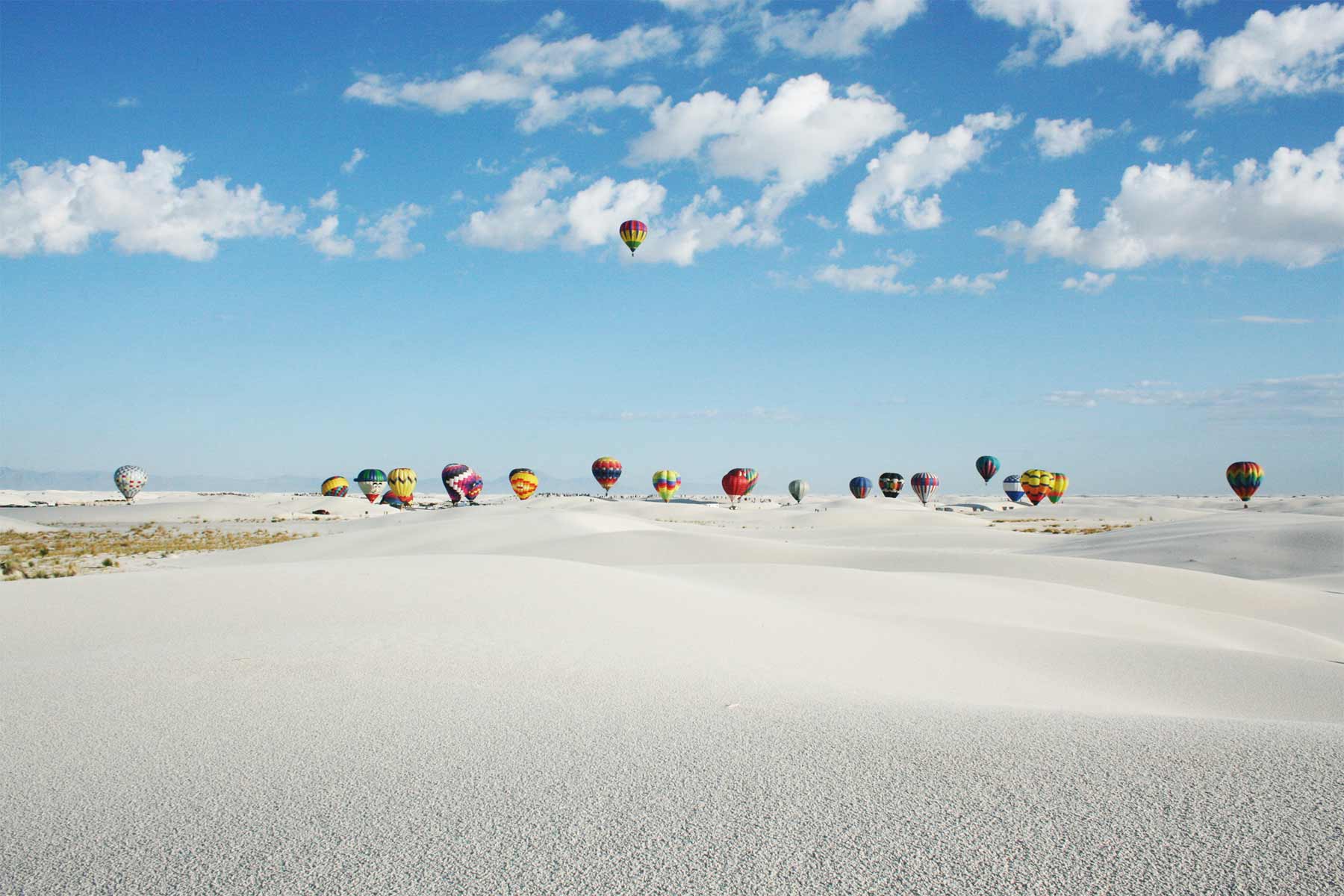
The night skies here are something else. The park typically closes in the evening, but you can request a stay-late permit to have the dunes nearly to yourself under the stars. February also offers a rare chance at a Lake Lucero tour, the “birthplace of the dunes.”
Make it a double: Pair White Sands with Carlsbad Caverns, about three hours away. February’s slower pace means a better shot at preferred tour times.
Saguaro National Park, Arizona
Just outside Tucson, Saguaro makes a fine February day-and-night trip, with comfortable 70s before the peak season hits. The trails wind among the giant saguaro cactus, which grows only in the Sonoran Desert, making this one of the few places on Earth to see them up close.
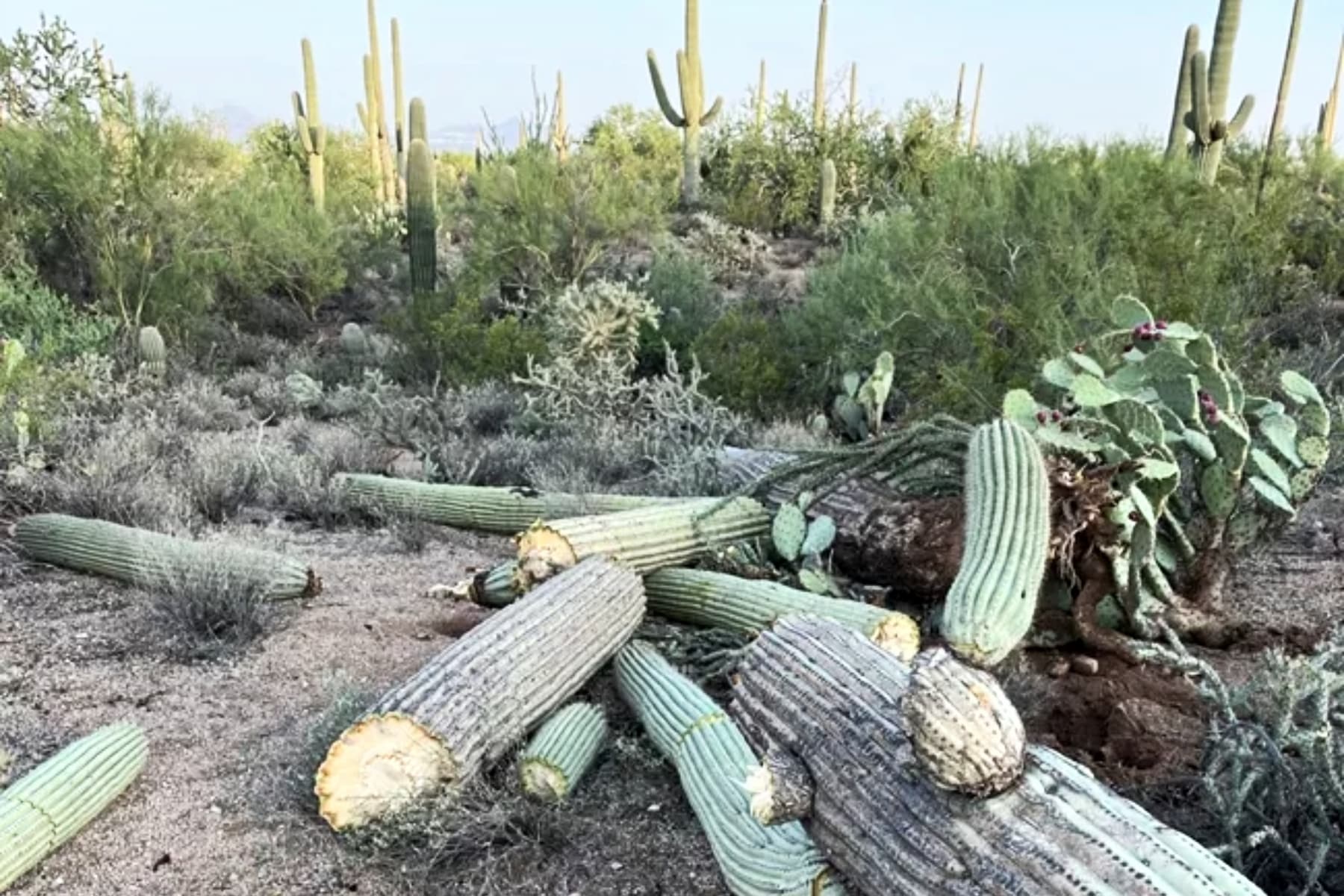
Chilly nights make this a great stargazing stop; Saguaro was named an Urban Night Sky Place. Bring a jacket, and a couple of desert-night tricks: a red flashlight to protect your night vision, and a blacklight to spot scorpions, which glow, before you sit on a rock.

Parks to Skip (or Approach With Caution) in February
Most parks offer something in February, but a few are better left for another season.
- Isle Royale, Michigan: Closed in winter; lake and island conditions are too dangerous.
- Most Alaska parks: Open, but limited daylight and sub-zero cold make access tough.
- Voyageurs, Minnesota: You can drive ice roads over frozen lakes, but the cold is unforgiving and it suits only experienced winter travelers.
- Zion, Utah: Angels Landing and the Narrows, the reasons most people come, are icy, snowy, or dangerously cold in February.
What about the Grand Canyon in February? Hit or miss. Only the South Rim is open (the North Rim closes in winter), so no rim-to-rim. Roads are treated with cinder, not salt, popular viewpoints can be slick, and trail water sources freeze.
February National Parks at a Glance
| Park | Type | Typical February High | Crowds |
|---|---|---|---|
| Yosemite | Snow / Firefall | 40s F | High at sunset |
| Rocky Mountain | Snow sports | 30s-40s F | Low |
| Glacier | Backcountry snow | 20s-30s F | Very low |
| Olympic | Snow + rainforest | 40s F | Low |
| Grand Teton | Snow / wildlife | 20s-30s F | Low |
| Yellowstone | Snowcoach / wildlife | 20s-30s F | Low |
| Acadia | Carriage-road snow | 30s F | Very low |
| Everglades | Warm / dry season | 70s F | High |
| Biscayne | Warm / marine | 70s F | Moderate |
| Dry Tortugas | Warm / island | 70s F | Sells out |
| Big Bend | Mild desert | 60s-70s F | Moderate |
| Hawaii (both) | Tropical | 70s-80s F | High |
| Joshua Tree | Cool desert | 60s F | Moderate |
| White Sands | Mild desert | 70s F | Low |
| Saguaro | Mild desert | 70s F | Low |
More Park Guides
- All 63 parks ranked: National Parks Ranked by Experts
- Most visited: Most Visited National Parks
- Least visited: Least Visited National Parks
- Best winter parks: National Parks in Winter Worth Visiting
- Every month: Best National Parks for Every Month of the Year
Which park are you visiting in February? Drop a comment below with your plans and I’ll help with specifics.
Affiliate disclosure: Some links on this page earn us a small commission at no extra cost to you. We only recommend gear we actually use.


