

North Carolina packs an enormous amount of American history into one state. The first English colonists in the New World vanished here. The first powered airplane lifted off a dune on the Outer Banks. The first documented gold in the country turned up in a creek bed. And on a Greensboro lunch counter, four college students helped change the course of the civil rights movement.
I taught American history for decades before I started visiting these places in person, and I can tell you that standing on the ground where the story happened changes how you understand it. This is my list of the 10 historic sites in North Carolina that I think are worth the trip, counting down to my favorite. Some are run by the National Park Service, some by the state, and a few by private nonprofits. At More Than Just Parks, we cover all of it.
Let’s get started.
Historic Sites In North Carolina At A Glance
| Site | Location | Managed By | Good To Know |
|---|---|---|---|
| Wright Brothers National Memorial | Kill Devil Hills | National Park Service | $7 per adult; first powered flight, 1903 |
| Guilford Courthouse Nat’l Military Park | Greensboro | National Park Service | First Revolutionary War battlefield made a national military park (1917); free |
| Carl Sandburg Home NHS | Flat Rock | National Park Service | Footbridge out; about a 0.7-mile detour to the house |
| Fort Raleigh NHS | Roanoke Island | National Park Service | Site of the 1587 Lost Colony; free |
| Overmountain Victory Nat’l Historic Trail | NC/VA/TN/SC | National Park Service | A trail, not a single park; commemorates the 1780 march to Kings Mountain |
| Int’l Civil Rights Center & Museum | Greensboro | Private nonprofit | Original Woolworth building; 1960 sit-in |
| Reed Gold Mine | Midland | State of North Carolina | Reopened Jan 2, 2026; first documented U.S. gold find; free |
| Tryon Palace | New Bern | State of North Carolina | Reconstructed colonial governor’s residence and gardens |
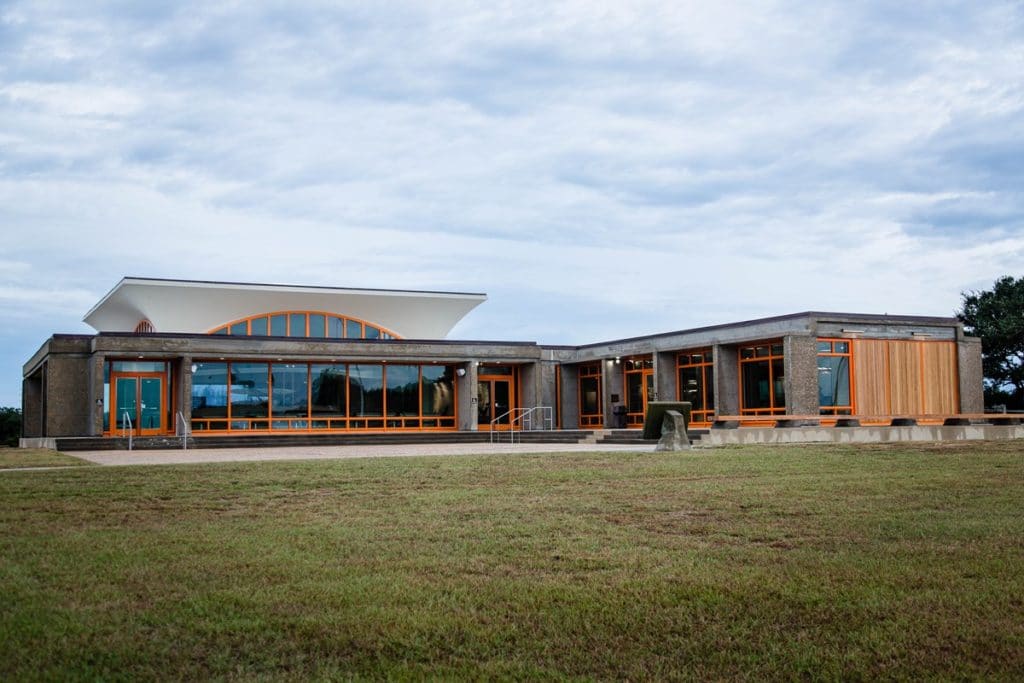
| Fort Fisher State Historic Site | Kure Beach | State of North Carolina | New visitor center opened Oct 2024; free |
10. Fort Fisher State Historic Site

We begin at Kure Beach with a Confederate earthwork that guarded the last open Atlantic port of the Confederacy. Fort Fisher protected blockade runners slipping in and out of Wilmington, the supply line that kept Robert E. Lee’s army fed and armed late in the Civil War.
117 public lands destinations are under threat. Get the free briefing that 27,000+ people use to stay informed and take action.
Union forces tried to take the fort in December 1864 and failed. They came back in January 1865 with the largest amphibious assault the U.S. had attempted to that point, and this time the fort fell. With it went Wilmington, and the Confederacy’s days were numbered.
This is a state historic site, not a national park unit. A new visitor center opened in October 2024, and admission is free. You can walk the surviving earthworks, see a reconstructed seacoast gun, and look over artifacts recovered from blockade runners that sank just offshore.
9. Tryon Palace

From a fort we move to a palace. In New Bern, Tryon Palace was built for royal governor William Tryon and finished in 1770, serving as the colonial capitol of North Carolina. The original burned in 1798. What you see today is a careful 1950s reconstruction set among formal gardens, run by the State of North Carolina.
The grounds tell more than the governor’s story. New Bern was a working colonial town, and the site interprets the lives of the enslaved and free people of color who made it run. Honest history makes the visit richer.
Things To Do At Tryon Palace
- Tour the palace: Take a guided walk through the restored 18th-century rooms and learn who lived and worked there.
- Walk the gardens: The formal gardens change with the seasons and host events throughout the year.
- Visit the North Carolina History Center: A modern museum on site covers Indigenous history, the colonial era, and the Civil War with interactive exhibits.
- Explore the historic district: The surrounding New Bern streets are full of preserved homes and the kind of waterfront that rewards a slow stroll.
8. Reed Gold Mine

Here is a piece of history most people never learn in school. The first documented gold find in the United States happened not in California but in North Carolina, in 1799, when a boy named Conrad Reed pulled a 17-pound nugget out of Little Meadow Creek on his family’s farm.
That find set off the country’s first gold rush. For decades gold mining was second only to farming as an employer in the state, and North Carolina led the nation in gold production until the California strikes of 1848. Reed Gold Mine, now a state historic site, reopened on January 2, 2026, after restoration work. Admission is free, you can tour the underground tunnels, and seasonal gold panning is a hit with kids.
7. International Civil Rights Center & Museum

On February 1, 1960, four students from North Carolina A&T State University sat down at the whites-only lunch counter of the F.W. Woolworth store in Greensboro and refused to leave. Ezell Blair Jr., Franklin McCain, Joseph McNeil, and David Richmond, remembered as the A&T Four, were not served. They came back the next day, and the day after, joined by more students each time. The Greensboro sit-ins spread across the South and became one of the most important nonviolent campaigns of the civil rights movement.
That same Woolworth building is now the International Civil Rights Center & Museum, a private nonprofit. The original lunch counter is still there. This is sobering, essential history, and the people who run it tell it with care.
6. Overmountain Victory National Historic Trail

This one is a trail rather than a single park, so set your expectations accordingly. The Overmountain Victory National Historic Trail follows the roughly 330-mile route that frontier militia, the “Overmountain Men,” marched in the autumn of 1780 to confront a British loyalist force.
That march ended at the Battle of Kings Mountain in South Carolina, a decisive American victory that Thomas Jefferson later called the turn of the tide in the South. The trail threads through North Carolina, Virginia, Tennessee, and South Carolina, with interpretive stops along the way.
5. Fort Raleigh National Historic Site
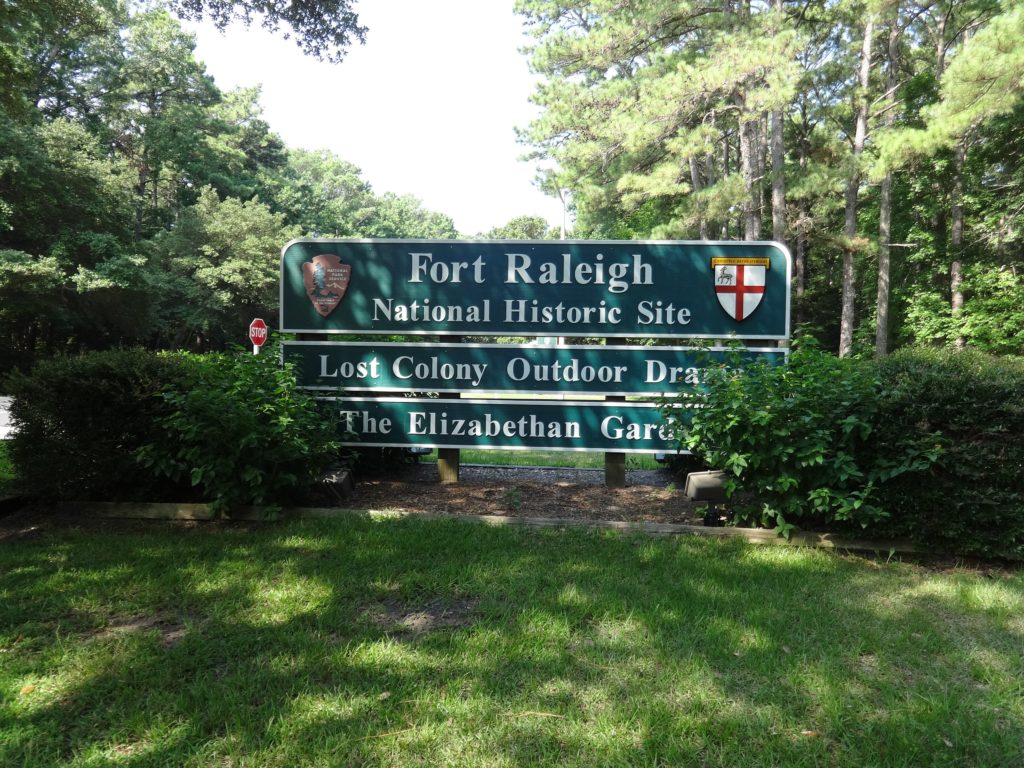
On Roanoke Island sits the great unsolved mystery of early America. Fort Raleigh National Historic Site protects the area where England’s first attempt at a permanent New World colony took root in 1587, then vanished. When a relief ship finally returned in 1590, the 100-plus colonists were gone, the only clue a single word carved into a post: CROATOAN.
The Park Service runs the site, which is free, with a visitor center and trails through the woods. One thing to keep straight: the long-running outdoor drama “The Lost Colony” is produced by the Roanoke Island Historical Association, a separate organization, not by the NPS. Both are worth your time, but they are different operations.
4. Carl Sandburg Home National Historic Site
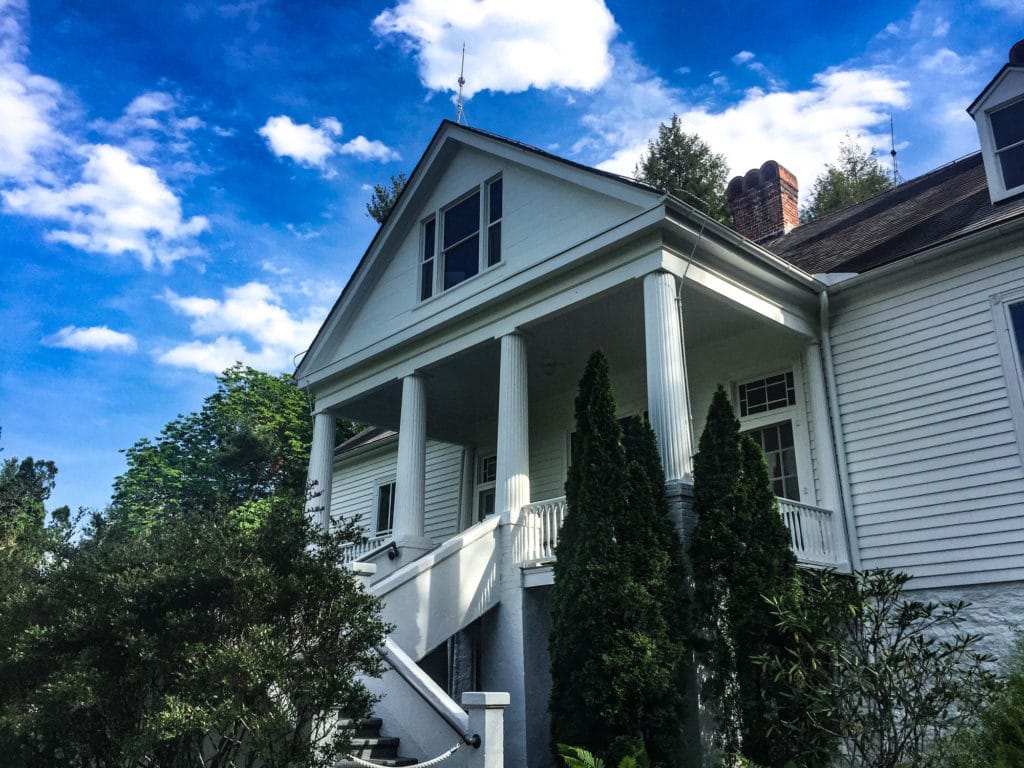
The poet and Lincoln biographer Carl Sandburg spent the last 22 years of his life at Connemara, a farm in Flat Rock. Carl Sandburg Home National Historic Site preserves the house, his library of thousands of books, and the goat herd his wife Lilian bred, descendants of which still graze the pastures.
One practical heads-up: a footbridge here was damaged in recent storms, so reaching the house currently involves a detour of roughly 0.7 miles. Wear good shoes and give yourself extra time. The walk through the woods and pastures is part of the charm.
Things To Do At The Carl Sandburg Home
- Tour the house: Ranger-led tours take you through the home much as the Sandburgs left it, books and all.
- Meet the goats: The working dairy goat herd is a favorite with kids, especially during kidding season in spring.
- Hike the trails: Several miles of trails climb to overlooks and circle the ponds on the property.
3. Guilford Courthouse National Military Park
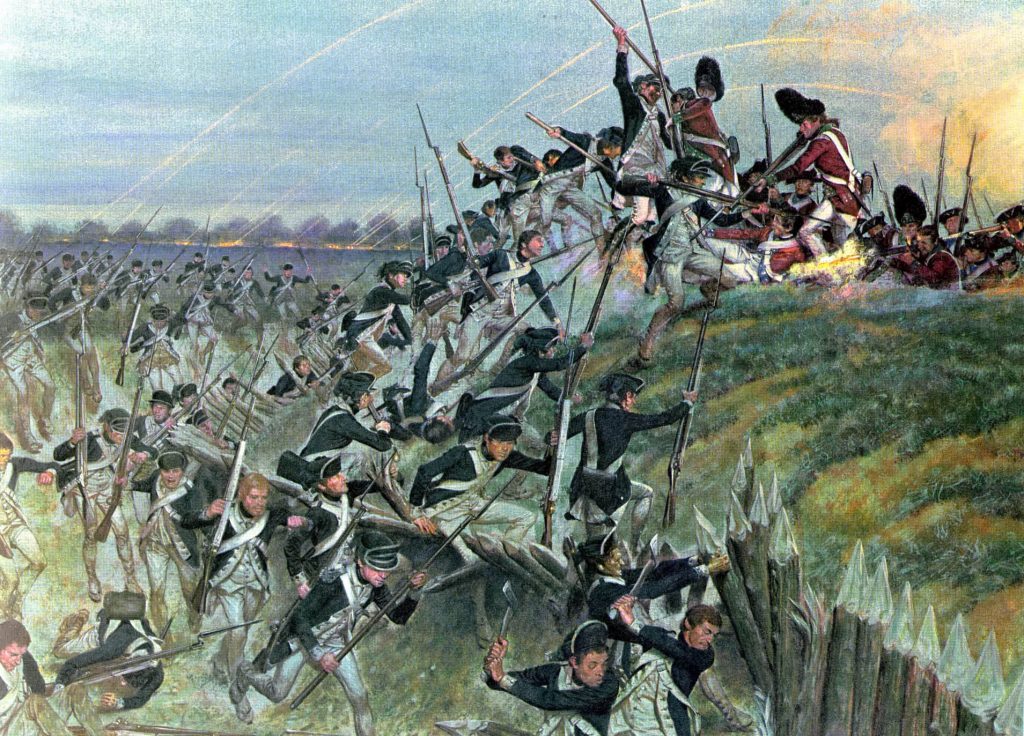
On March 15, 1781, American General Nathanael Greene met Lord Cornwallis at Guilford Courthouse in present-day Greensboro. The British won the field but lost roughly a quarter of their army doing it, losses Cornwallis could not replace. The bloodletting here pushed him toward Virginia and, ultimately, surrender at Yorktown.
Established in 1917, this was the first Revolutionary War battlefield preserved as a national military park. It is free, with monuments scattered across rolling wooded ground and a clear, well-paced auto and walking tour. For anyone who wants to understand how the Revolution was won in the South, this is the place to start.
2. Wright Brothers National Memorial

People say Kitty Hawk, but the first powered flight actually happened a few miles south at Kill Devil Hills, and that is where the Wright Brothers National Memorial stands today. On December 17, 1903, Orville Wright flew 120 feet in 12 seconds. By the fourth flight that morning, Wilbur covered 852 feet. The age of flight began on a windswept dune on the Outer Banks.
The memorial, which charges $7 per adult, marks the takeoff point and the distances of all four flights with stone markers you can walk between. A granite monument crowns the big dune, and the visitor center holds a full-scale reproduction of the 1903 Flyer. Standing where it happened, you really feel how improbable the whole thing was.
1. Reflecting On North Carolina’s Place In The American Story
What strikes me about North Carolina is how many American beginnings trace back here. The first English colony. The first gold rush. The first powered flight. And on a Greensboro lunch counter, one of the first sparks of a movement that forced the country to live up to its founding promises.
Visit a few of these places in a single trip and you start to see the throughline: ordinary people, in an ordinary-looking landscape, doing things that changed the nation. That is the best reason I know to go see them for yourself.
More Things To Do In North Carolina
If history is your reason for the trip, build the rest of your itinerary around the state’s parks and wild places. Here are a few guides to help you plan.