

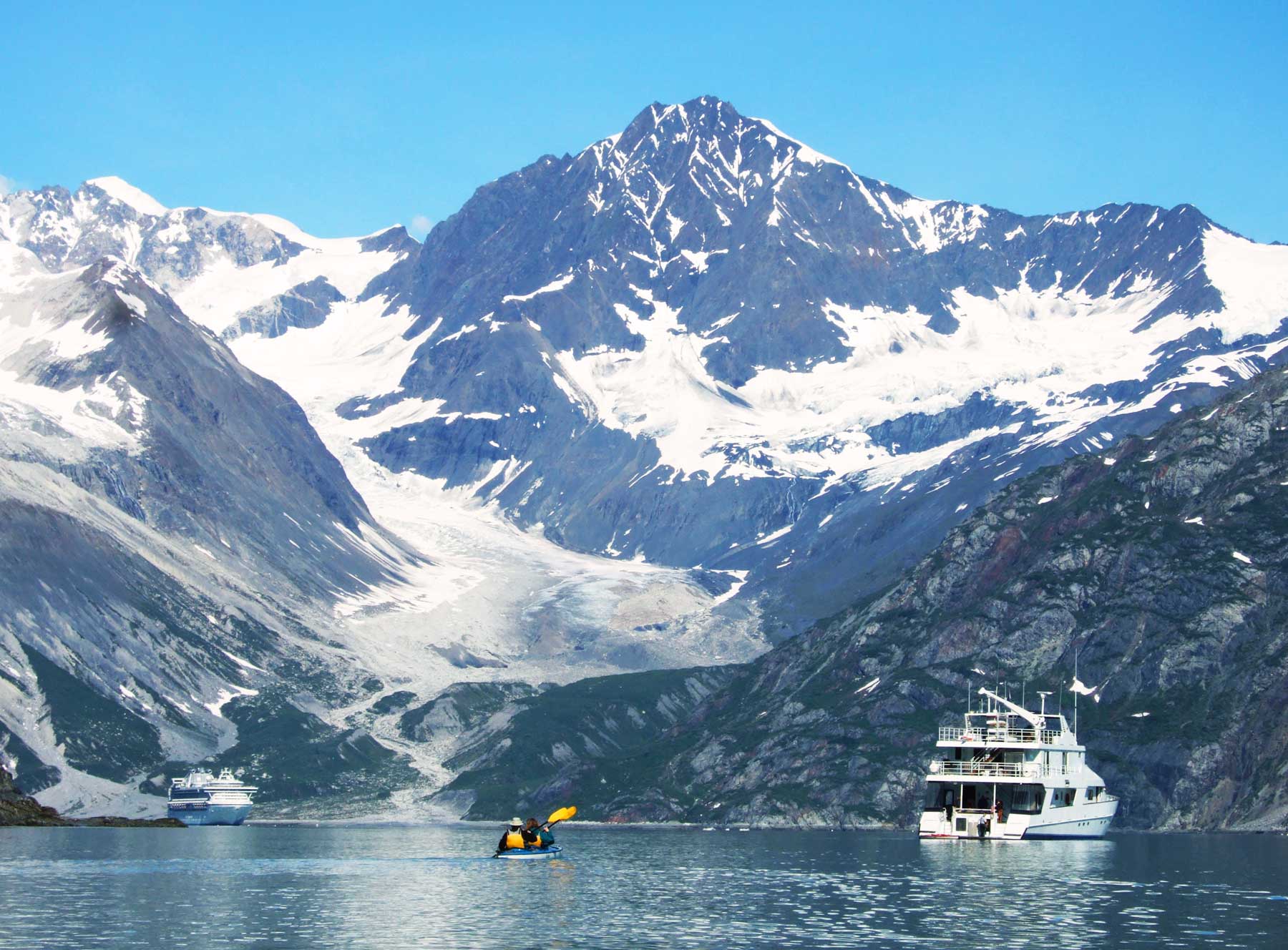
Glacier Bay National Park facts. A little over 250 years ago, the bay that gives this park its name did not exist; it was buried under a single river of ice. The glacier has since retreated 65 miles, opening one of the most dramatic landscapes in Alaska, a marine wilderness of tidewater glaciers, fjords, rainforest, and whales.
I taught history for a career before I started visiting these parks, and Glacier Bay is a place where natural and human history move together: the homeland of the Huna Tlingit, the proving ground for the science of ecology, and a front-row seat to a changing climate. For planning, see our Alaska national parks guide. Below are 11 facts about Glacier Bay National Park, each one checked against the record.
Basic Facts About Glacier Bay
- Location: Southeast Alaska, along the Inside Passage
- Size: About 3.3 million acres, part of a 24-million-acre bi-national World Heritage Site
- Highest point: Mount Fairweather, about 15,300 feet
- Average annual precipitation: Bartlett Cove receives about 70 inches
- Established: Proclaimed a national monument in 1925, established as a national park and preserve in 1980, and inscribed as a UNESCO World Heritage Site in 1992.

READ MORE: Alaska National Parks: A Guide For Visiting
1. The Park Has More Than 1,000 Glaciers
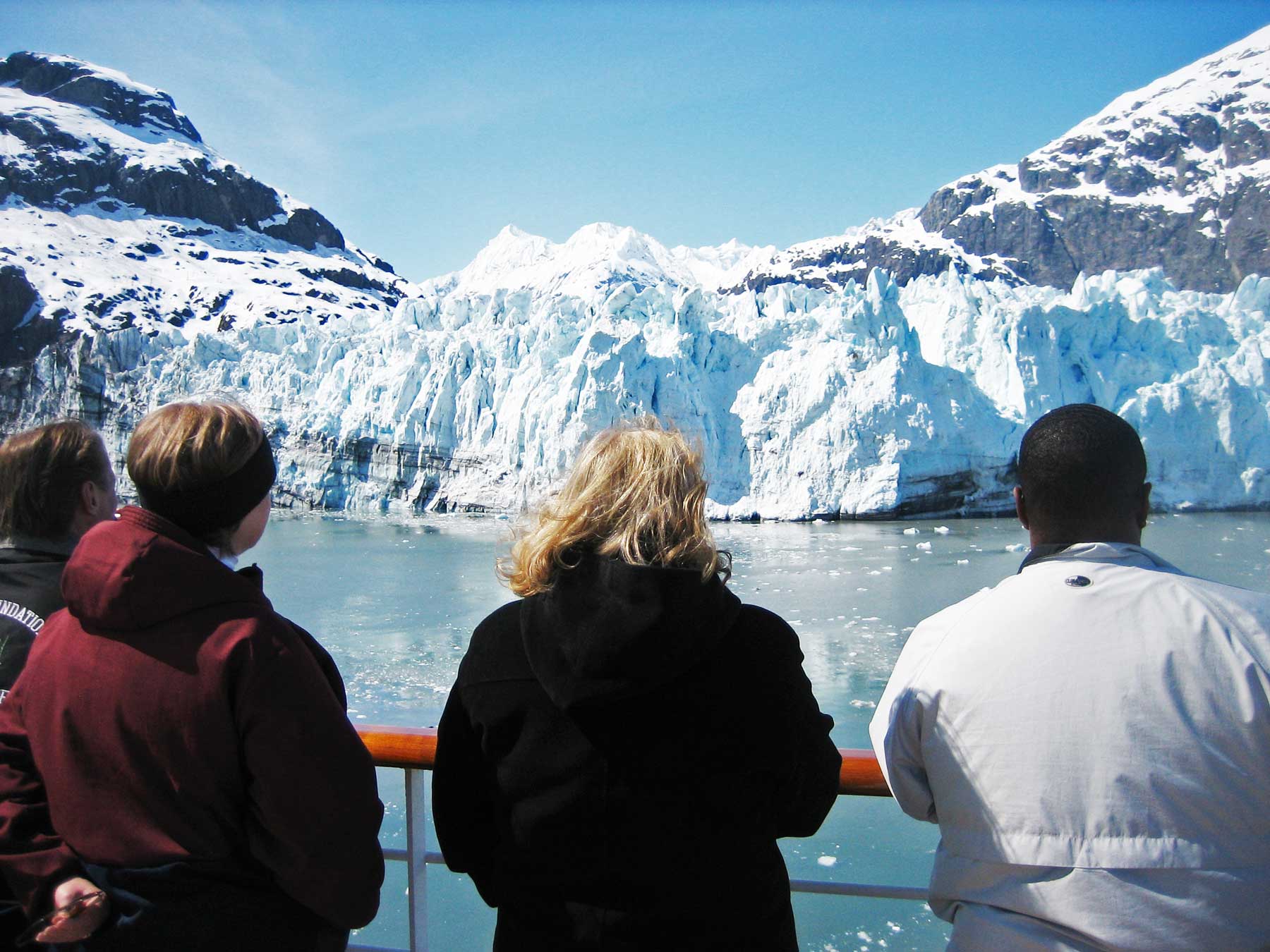
The name is no exaggeration. Glacier Bay contains more than 1,000 glaciers, both tidewater glaciers that meet the sea and terrestrial glaciers high in the mountains.
Love Glacier? It's one of 117 threatened public lands destinations we're tracking. Get the free briefing.
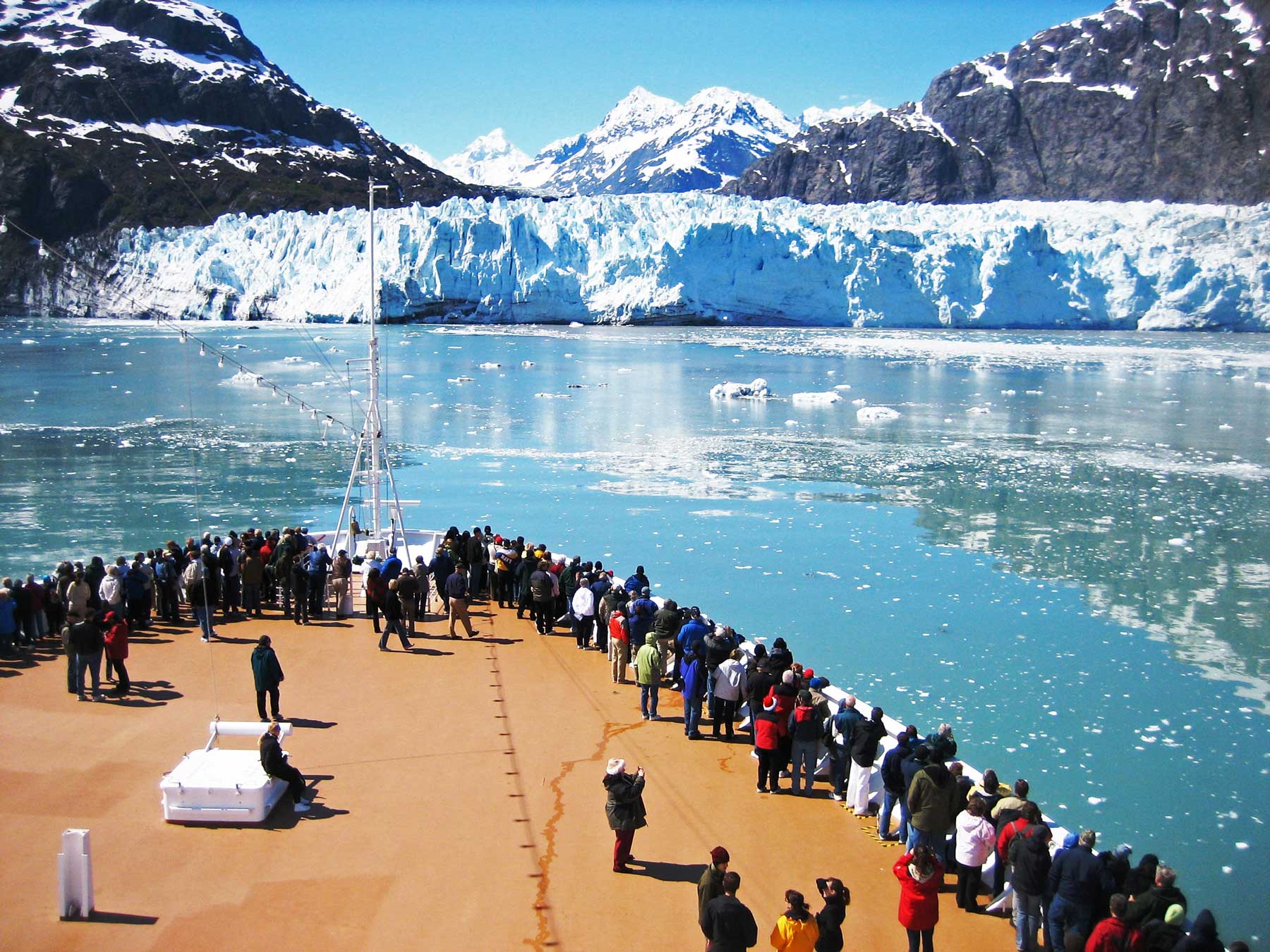
As recently as about 250 years ago, the entire bay was filled by one massive glacier. As it retreated, it split into the many separate glaciers seen today. Some of the tidewater glaciers calve ice into the sea with such force that boats keep a careful distance.
2. John Muir Helped Make Glacier Bay Famous
The bay was no discovery to the people who already knew it. Long before any outsider arrived, this was the homeland of the Huna Tlingit. When the naturalist John Muir first traveled here in 1879, he came with Tlingit guides, and his vivid writing introduced Glacier Bay to the wider world.
Muir, a Scottish-American naturalist often called the “father of the national parks,” went on to champion the protection of wild places across the country and helped found the Sierra Club. His Glacier Bay accounts drew the scientists and travelers who would follow.
READ MORE: John Muir Facts: America’s Greatest Conservationist
3. It Is Part Of A Vast World Heritage Site
Glacier Bay was inscribed as a UNESCO World Heritage Site in 1992, joining one of the largest internationally protected areas on Earth.
It is part of a bi-national complex that links Glacier Bay and Wrangell-St. Elias in the United States with Kluane and Tatshenshini-Alsek in Canada. Together these parks protect roughly 24 million acres of glaciers, icefields, and peaks straddling the border, the first bi-national entry on the World Heritage List.

4. More Than 40 Mammal Species Live Here
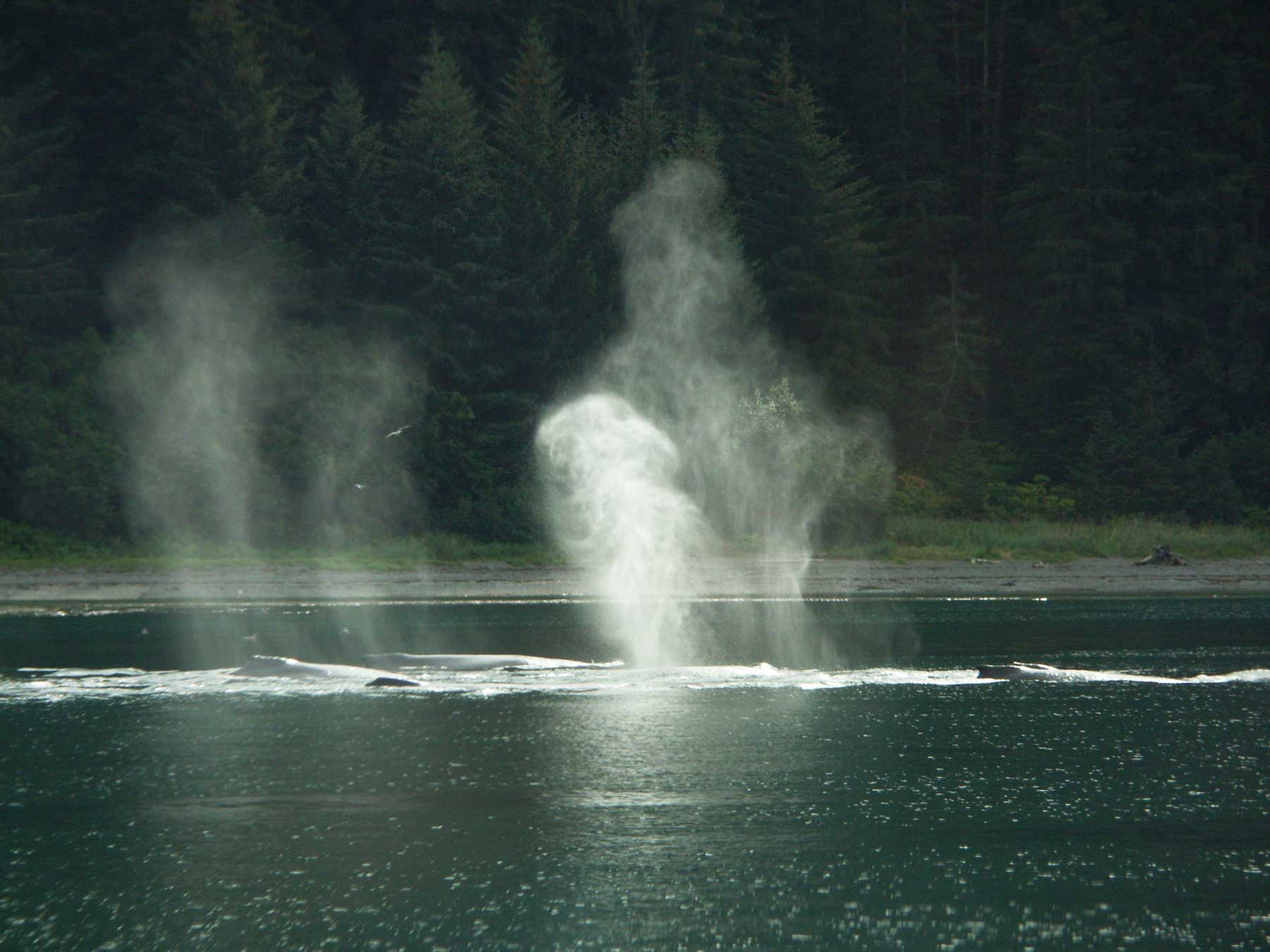
Glacier Bay is home to more than 40 species of mammals, on land and in the water, from brown and black bears and mountain goats to humpback whales, orcas, harbor seals, and sea lions.
One of the great recovery stories here belongs to the sea otter. Hunted to near disappearance in the region, the population has rebounded to several thousand in recent decades. The National Park Service advises watching the water with your eyes first, then reaching for binoculars once you spot movement.
5. The Park Holds About 300 Plant Species Across Five Ecosystems
Glacier Bay spans five major ecosystems: wet tundra, coastal forest, alpine tundra, glaciers, and meadows. Across them grow about 300 species of plants.
Common species include the chocolate lily, devil’s club, Indian paintbrush, nagoonberry, lupine, and Sitka spruce. Because the land here was buried under ice so recently, Glacier Bay is one of the best places on Earth to watch plant life reclaim bare ground.
6. A Botanist Helped Save The Park For Science
William Skinner Cooper, a botanist at the University of Minnesota, recognized Glacier Bay as an ideal natural laboratory for studying how plants recolonize land newly exposed by retreating ice.
In the 1920s, Cooper led a campaign that helped persuade President Calvin Coolidge to protect Glacier Bay as a national monument in 1925. The research plots he established on his first visits have been revisited for a century, making them the longest-running plant-succession study in the world.
7. It Is Part Of An International Peace Park
The bi-national complex that includes Glacier Bay carries a “Park for Peace” designation, a status given to certain transboundary conservation areas to celebrate cooperation across national borders.
According to the International Union for Conservation of Nature, Parks for Peace are meant to protect shared ecosystems while honoring peace and partnership between neighboring nations. Few places make the case better than this stretch of wild country shared by the United States and Canada.

8. The Glacier Ice Glows Blue
One of the first things visitors notice is the startling blue of the glacier ice. There is a reason for it, and it comes down to physics.
Dense glacier ice has had most of its air squeezed out by the sheer weight above it. That compact ice absorbs the longer, red wavelengths of light and reflects back the blue, much the way a sapphire does, so the ice appears a deep, glowing blue.

9. It Holds Some Of The Highest Coastal Mountains On Earth
The Fairweather Range, topped by Mount Fairweather at about 15,300 feet, is among the highest coastal mountain ranges in the world, rising almost straight out of the Pacific.
These peaks are also among the least-climbed mountains of their height in North America. The weather is brutal, with well over 100 inches of precipitation a year, and storms regularly pin climbers down for days or end expeditions outright. A single climb can take a month.
The range sits in active earthquake country. According to the National Park Service, the Fairweather-Queen Charlotte Fault cuts across the park’s western edge, and the collision of the Pacific Plate and the Yakutat Microplate is still pushing these mountains upward today.
10. The Park Is Larger Than Some States
Glacier Bay covers about 3.3 million acres. To put that in perspective, Rhode Island is roughly 777,000 acres, so the park is about the size of four Rhode Islands.
And much of that vast area is still under ice. Roughly 27 percent of the park is covered by glaciers, somewhere around 2,000 square miles of moving ice.
11. There Is Far Less Ice Now Than In The 1950s
Glacier Bay is, in a sense, a product of the Little Ice Age, a period of glacial advance that peaked around 1750. Since then, the glacier that once choked the bay has retreated about 65 miles, one of the fastest documented glacial retreats anywhere.
The retreat has not stopped. Research shows roughly 11 percent less glacial ice in Glacier Bay than in the 1950s, and the great majority of Alaska’s glaciers are now thinning or retreating. The park is one of the clearest places in the country to see climate change reshaping the land in real time.

11 Glacier Bay National Park Facts At A Glance
- The park has more than 1,000 glaciers
- John Muir helped make Glacier Bay famous
- It is part of a vast World Heritage Site
- More than 40 mammal species live here
- The park holds about 300 plant species across five ecosystems
- A botanist helped save the park for science
- It is part of an international peace park
- The glacier ice glows blue
- It holds some of the highest coastal mountains on Earth
- The park is larger than some states
- There is far less ice now than in the 1950s

Related Links
- Glacier Bay National Park hub
- Alaska National Parks
- John Muir Facts
- All 63 National Parks Ranked By Experts
- More Than Just Parks Films
What to Bring to Glacier Bay
Gear we recommend for Glacier Bay. Affiliate links support our work at no cost to you.
More Than Just Parks may earn a small commission from purchases made through these links, at no extra cost to you. We only recommend gear we would actually use.
Affiliate disclosure: Some links on this page earn us a small commission at no extra cost to you. We only recommend gear we actually use.