


Wind Cave is two parks stacked on top of each other. Underground sits one of the longest and most complex caves in the world, famous for a rare honeycomb-looking formation called boxwork that you barely find anywhere else. Above it rolls 33,000 acres of mixed-grass prairie and ponderosa pine, full of bison, elk, and prairie dogs. Most people come for the cave and leave surprised by the surface.
Below are 15 things to do in Wind Cave, ranked and grouped so you can split your time between the cave tours and the wildlife up top. Each item lists the trailhead or location, distance, difficulty, and the best time to be there. For the full overview and current tour schedule, start at our Wind Cave National Park hub.

Here is our 8K film shot across the park if you want a sense of what waits above and below ground.
At a Glance
| Activity | Type | Distance / Time | Difficulty |
|---|---|---|---|
| Natural Entrance Tour | Cave tour | 0.6 mi, 1.25 hrs, 300 stairs | Moderate |
| Fairgrounds Tour | Cave tour | 0.6 mi, 1.5 hrs, 450 stairs | Strenuous |
| Garden of Eden Tour | Cave tour | 0.3 mi, 1 hr, 150 stairs | Moderate |
| Rankin Ridge Trail | Hike | 1 mi loop, 1 hr | Easy to moderate |
| Wildlife Loop / Highway 87 | Drive | Varies | Easy |
| Boland Ridge Trail | Hike | 5.3 mi RT | Strenuous |
| Prairie dog towns | Wildlife | Roadside | Easy |
| Stargazing | Night sky | Any clear night | Easy |
Exploring the Cave
Cave tours are ranger-guided and ticketed, and they are the reason most people come. Tickets run roughly $7 to $16 depending on the tour and your age, and you book them on Recreation.gov from 120 days up to 2 days out, with about half held for advance reservation. The historic elevator has gone through modernization work that has caused seasonal tour changes in recent years, so check the current schedule and availability on the park’s site before you build your day around a specific tour.
Love Wind Cave? It's one of 117 threatened public lands destinations we're tracking. Get the free briefing.
1. Take the Natural Entrance Tour
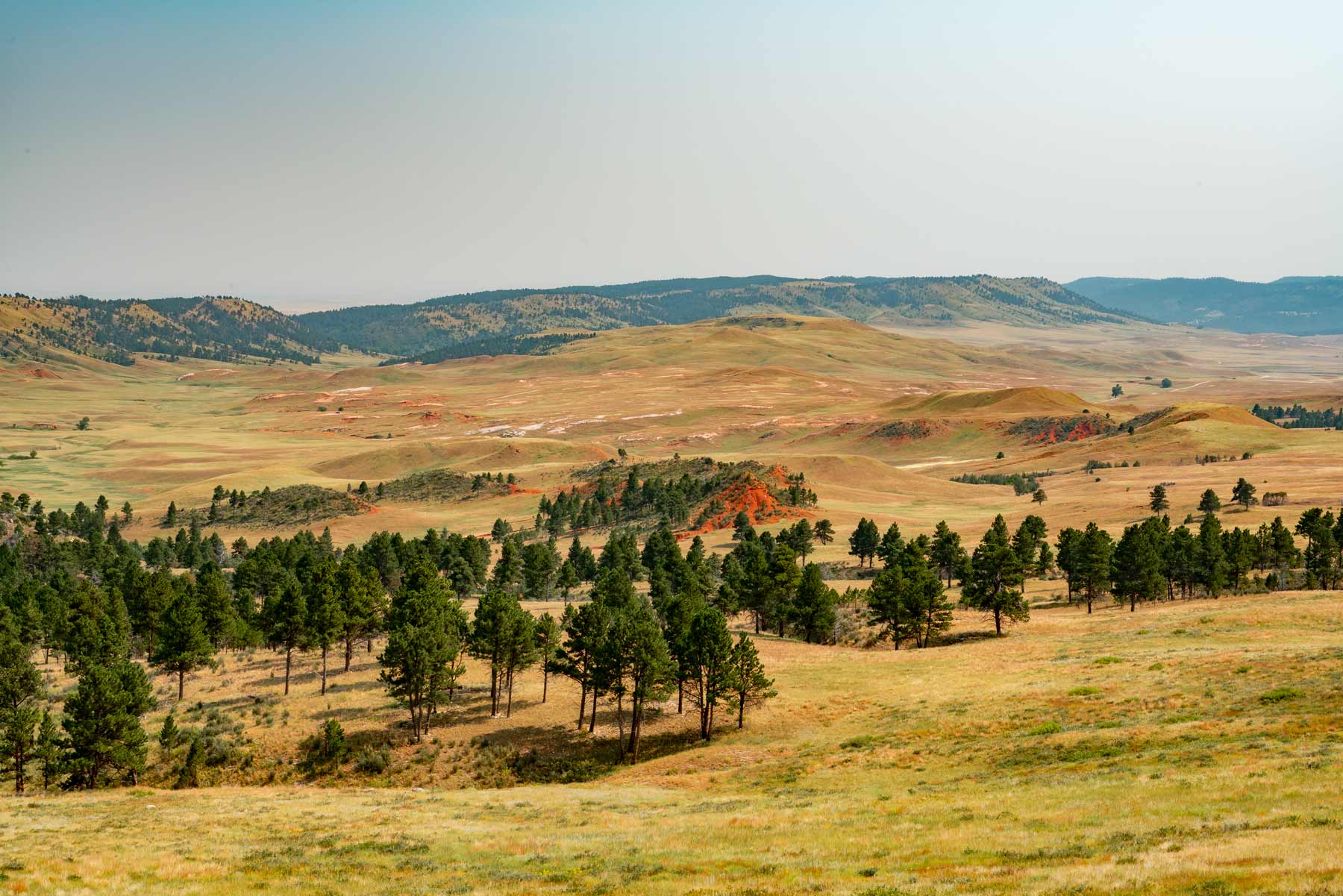
Location: Visitor center. Distance: 0.6 miles underground. Duration: about 1 hour 15 minutes. Difficulty: Moderate, around 300 stairs. Best time: Book the first tour of the day.
This is the tour I would put first. You enter through a constructed walk-in near the cave’s natural opening, then descend past the best displays of boxwork in the park before riding the elevator back up. The boxwork looks like someone glued honeycomb to the ceiling, and Wind Cave holds the majority of the world’s known supply. The stairs are the catch, so come ready to climb.
2. Take the Fairgrounds Tour
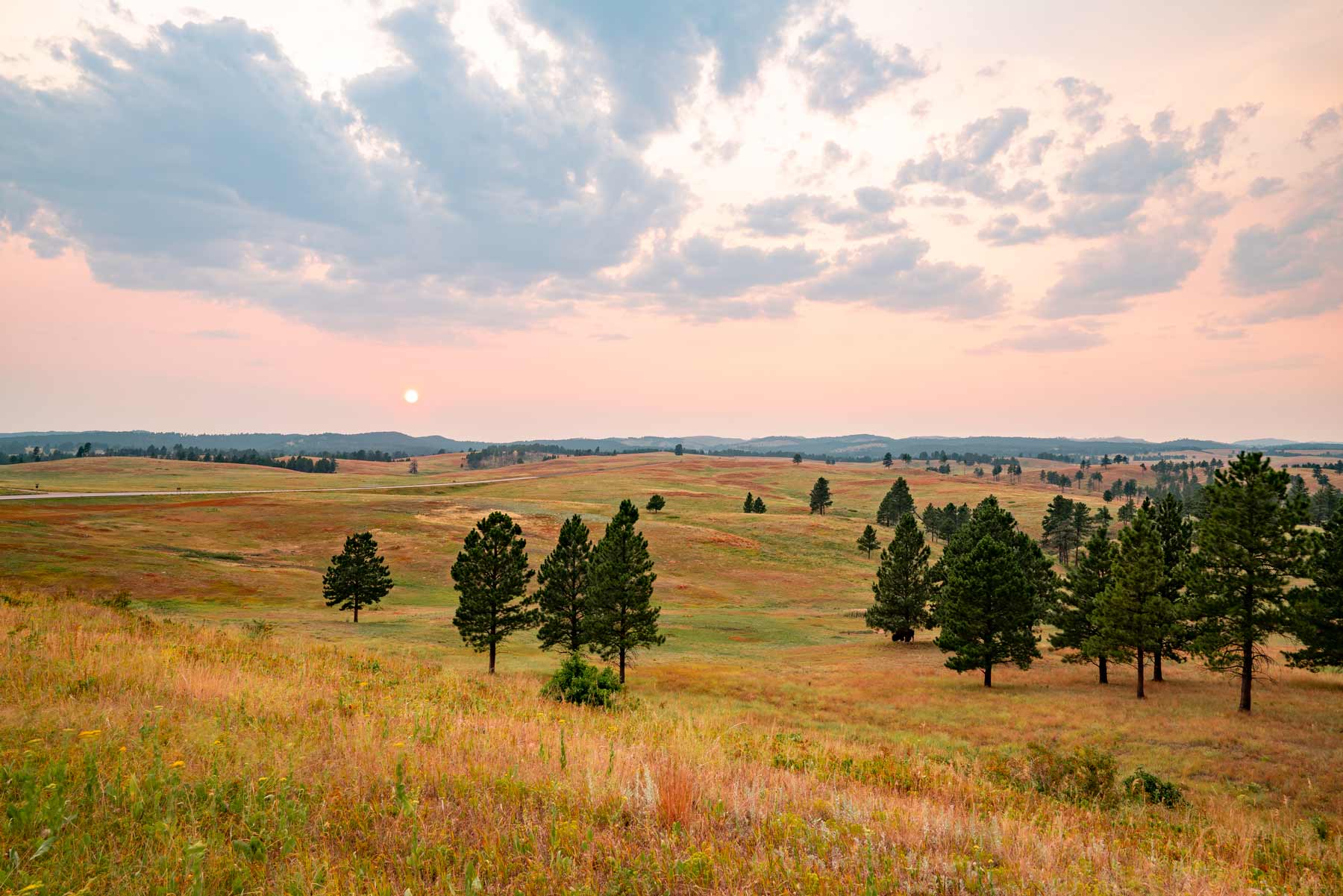
Location: Visitor center. Distance: 0.6 miles. Duration: about 1.5 hours. Difficulty: Strenuous, around 450 stairs. Best time: When you want the fullest cave experience.
The most complete of the regular tours, visiting both upper and lower levels and showing off boxwork, popcorn, and frostwork formations in the larger rooms. It is the longest and the most stairs, so it is best for people who want to see the most and do not mind the climb. This is the tour to pick if the cave is your whole reason for the trip.
3. Take the Garden of Eden Tour
Location: Visitor center. Distance: 0.3 miles. Duration: about 1 hour. Difficulty: Moderate, around 150 stairs. Best time: When you want a shorter visit.
The easiest of the regular tours, and the right call for families, anyone short on time, or visitors who would rather not tackle 300-plus stairs. It uses the elevator both ways and still shows you a good sample of boxwork and other formations. Short, but a real look at what makes this cave special.
The Best Hikes and Drives Up Top
4. Hike the Rankin Ridge Trail

Trailhead: Rankin Ridge, off NPS 5. Distance: 1-mile loop. Elevation gain: about 214 feet. Difficulty: Easy to moderate. Best time: Late afternoon.
The best short hike in the park, climbing through ponderosa pine to the highest point in Wind Cave at 5,013 feet. A fire lookout tower crowns the top, with views over Buffalo Gap and the Black Hills rolling off in every direction. The loop is family-friendly and the payoff per mile is hard to beat.
5. Hike the Boland Ridge Trail

Trailhead: Off NPS 6 in the northeast corner. Distance: 5.3 miles round trip. Difficulty: Strenuous. Best time: Cool morning.
The big backcountry hike, climbing onto a high ridge with some of the widest prairie views in the park. It sees almost no foot traffic, so this is where you go to have the surface to yourself and your odds of spotting wildlife up. Carry water and watch the weather, since there is no shade and no bailout.
6. Drive Highway 87 and NPS 5

Route: SD Highway 87 and NPS 5 through the park. Difficulty: Easy. Best time: Dawn or dusk for wildlife.
The scenic roads through the park double as the best wildlife corridors. Highway 87 runs north toward Custer State Park, while the gravel NPS 5 climbs past the Rankin Ridge area. Drive them slowly at dawn or dusk and you will likely share the road with bison. Give the animals plenty of room and stay in your car when they are close.
7. See the Place Where Wind Cave Was Discovered
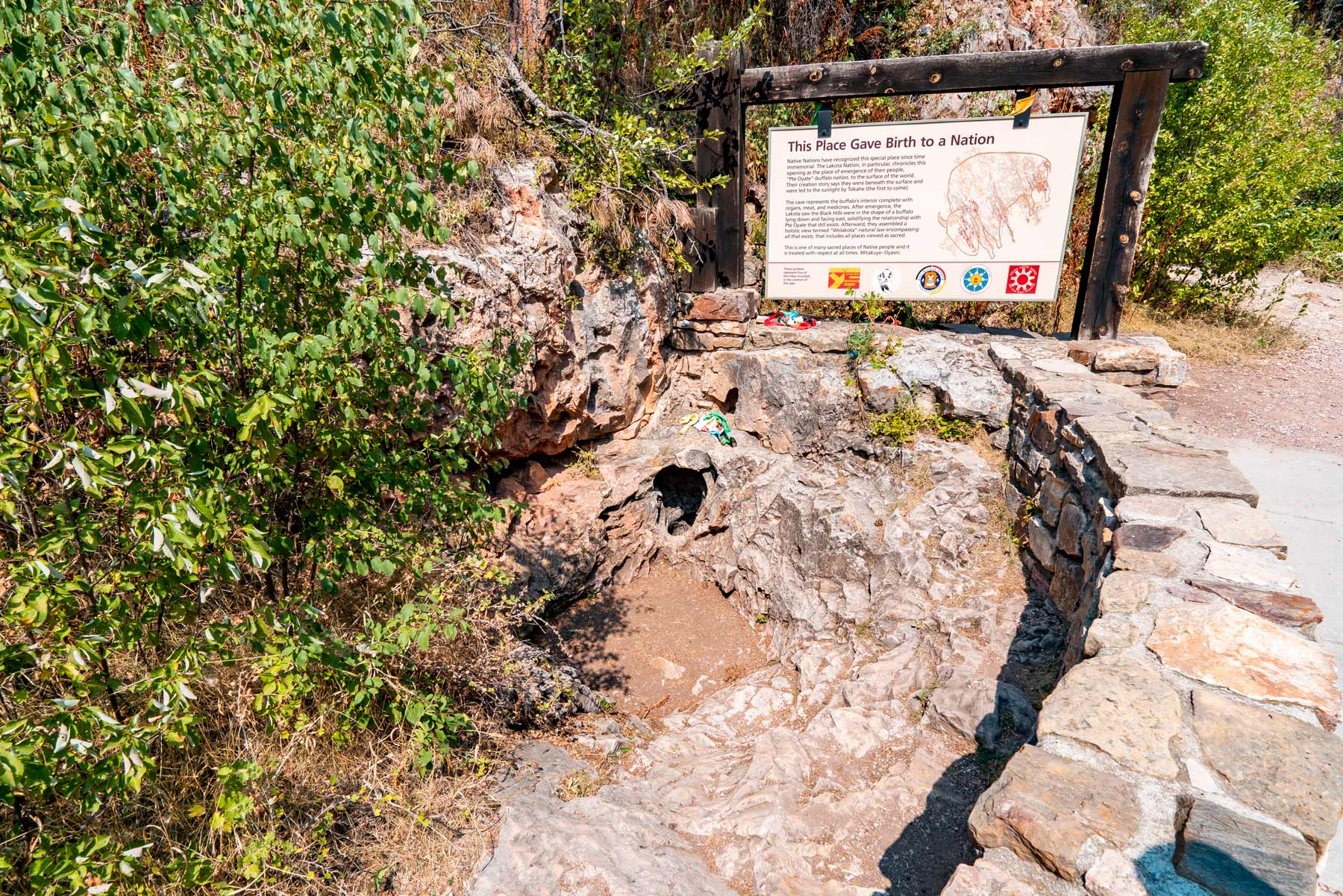
Location: Short walk from the visitor center area. Difficulty: Easy. Best time: Any time.
The cave’s only natural entrance is a hole barely big enough to crawl through, and wind rushing in and out of it is how settlers found the cave in 1881. Stand close on a day with a pressure swing and you can hear the cave breathe. The Lakota knew this place long before, and it holds deep significance in their origin story.
Wildlife and the Prairie
8. See the Bison

Where: Prairie throughout the park, often along Highway 87. Difficulty: Easy. Best time: Morning and evening.
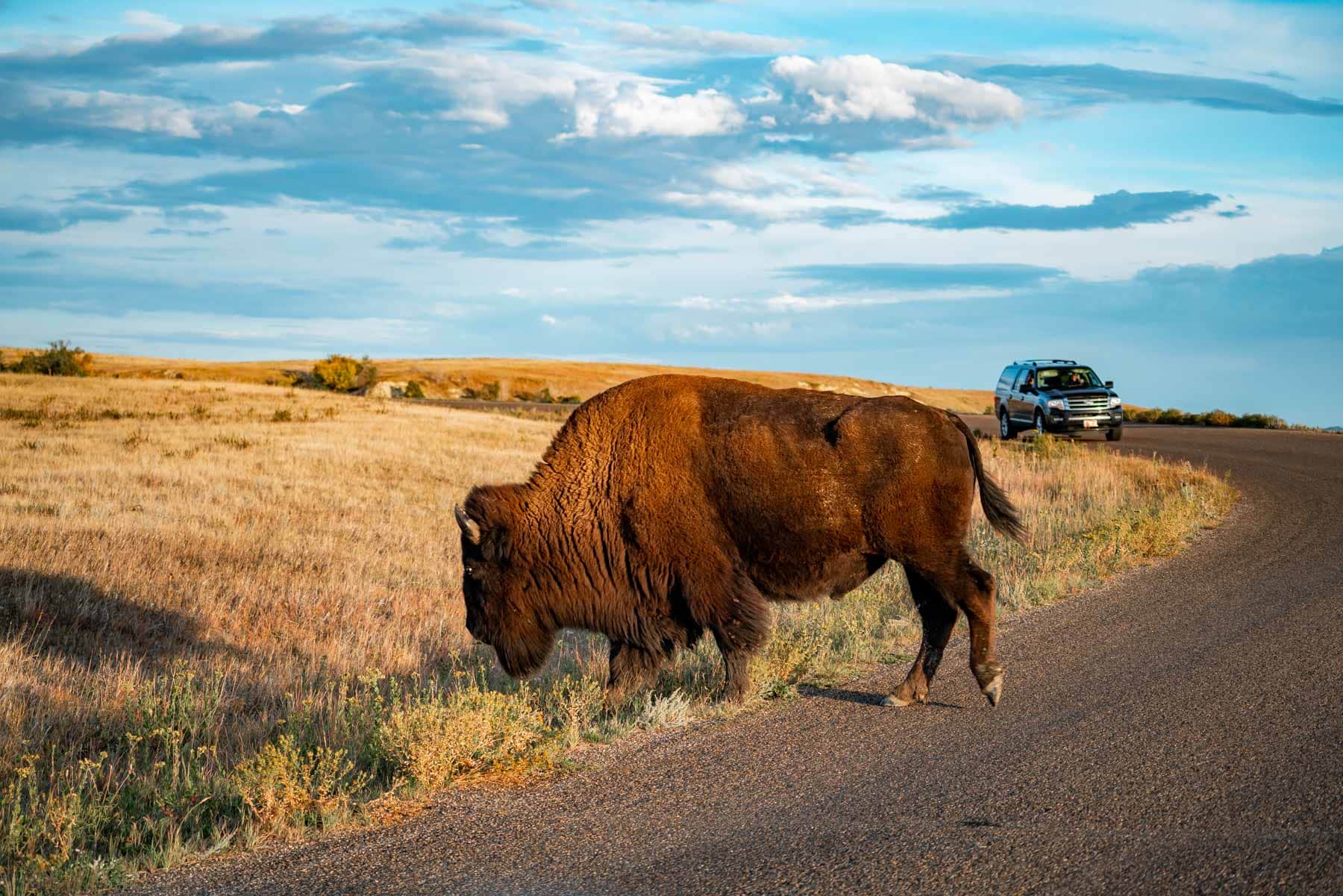
Wind Cave protects one of the few genetically pure bison herds left in the country, descended from animals reintroduced in 1913. They roam free, so you will often find them on or beside the road. Stay at least 25 yards back, and farther is smarter. They look slow and calm right up until they are not.
9. See the Prairie Dogs

Where: Towns along US Highway 385 and SD Highway 87. Difficulty: Easy. Best time: Midday when they are active.
Black-tailed prairie dog towns dot the grasslands, and watching them bark warnings and pop between burrows is genuinely fun. They are also a keystone species, feeding the hawks, badgers, and snakes that live off the colony. Stay in your car or keep your distance, and never feed them.
10. Look and Listen for Elk

Where: Forest edges and meadows, dawn and dusk. Difficulty: Easy. Best time: Early fall for the rut and bugling.
Elk move through the park’s forest edges and are most active at first and last light. Come in late September and you may hear the bulls bugling during the rut, one of the great sounds of the prairie autumn. Bring binoculars, because they keep their distance better than the bison do.
11. Go Bird Watching

Where: Prairie and forest edges parkwide. Difficulty: Easy. Best time: Spring and early summer mornings.
The mix of prairie and pine forest makes for solid birding, with western meadowlarks singing from the grass and raptors working the prairie dog towns. Spring mornings are the most active. A pair of binoculars and a slow walk along any trail edge will turn up more than you expect.
After Dark and Overnight
12. Go Stargazing
Where: Open prairie away from the visitor center. Difficulty: Easy. Best time: New moon, clear night.
With almost no development and Custer State Park as a buffer, the night sky here is dark and wide open. Pull off at a prairie overlook, let your eyes adjust, and the Milky Way comes out strong. The park runs occasional ranger night-sky programs in summer, so check the schedule.
13. Camp at Elk Mountain

Location: Elk Mountain Campground, near the visitor center. Difficulty: Easy. Best time: Late spring through early fall.
The park’s only campground sits in the pines a short drive from the cave, with first-come and reservable sites depending on season. It is quiet, simple, and well placed for early-morning wildlife drives. Falling asleep to the prairie quiet and waking up to bison in the distance is the move.
Quieter Corners
14. Hike or Drive to Lookout Point

Trailhead: Off NPS 5. Distance: About 4.5 miles round trip via the Lookout Point and Centennial trails. Difficulty: Moderate. Best time: Morning.
A prairie hike that drops to Beaver Creek and gives you a real feel for the grassland away from the roads. You can string it into a longer loop with the Centennial Trail. It is a good way to put some distance between yourself and the visitor center crowds without committing to a full backcountry day.
15. Walk a Section of the Centennial Trail

Trailhead: Multiple access points along NPS 5 and Highway 87. Distance: As far as you want. Difficulty: Easy to moderate. Best time: Spring and fall.
The 111-mile Centennial Trail runs across the Black Hills and cuts through Wind Cave, so you can sample a piece of it without committing to the whole thing. Inside the park it crosses classic mixed-grass prairie and pine, and it is one of the best ways to get fully off the pavement. Carry water and watch for bison on the trail.
Planning Your Wind Cave Visit
Fees and Reservations
There is no fee to enter Wind Cave National Park or to hike its surface trails. The cave tours are the only thing you pay for, running roughly $7 to $16 by tour and age, booked on Recreation.gov from 120 days up to 2 days in advance. Because the historic elevator has seen modernization work that affects tours from year to year, confirm the current tour schedule before you go.
How Many Days You Need
A half day is enough to take one cave tour, hike Rankin Ridge, and drive the wildlife roads. A full day lets you add a second tour or a longer hike like Boland Ridge and still leave time for a sunset wildlife drive. Pair it with nearby Custer State Park and the Black Hills for a multi-day trip.
Where to Stay
Inside the park, Elk Mountain Campground is the only option, set in the pines near the visitor center. For more services, the town of Hot Springs is about 10 miles south, and Custer and Rapid City are within easy reach to the north. There is also dispersed camping on the surrounding public lands destinations in the Black Hills National Forest.
When to Go
Late spring through early fall is prime, with cave tours running their fullest schedule and the prairie alive with wildlife and birdsong. Summer can be hot and busy on top, though the cave stays a steady 54 degrees year-round. Fall brings the elk rut and golden grass. Winter is quiet, with a reduced tour schedule and a good chance of having the prairie to yourself.
Frequently Asked Questions
Do I need a reservation for Wind Cave?
There is no entrance fee or reservation to enter the park, but cave tours are ticketed and often sell out in summer. Book your tour on Recreation.gov in advance, from 120 days up to 2 days before your visit, and confirm the current schedule first.
What is boxwork?
Boxwork is a rare honeycomb-shaped calcite formation that hangs from cave ceilings and walls, formed as the surrounding rock eroded away and left thin fins behind. Wind Cave holds the majority of the world’s known boxwork, which is the main reason to take a tour here.
Which cave tour is best?
For most visitors the Natural Entrance Tour, which shows the best boxwork in about 1 hour 15 minutes. If you want the fullest experience and do not mind the stairs, take the Fairgrounds Tour. For an easier, shorter option, choose the Garden of Eden Tour.
Can I see bison at Wind Cave?
Yes. The park protects one of the few genetically pure bison herds in the country, and they roam freely, often right along the roads. Drive Highway 87 at dawn or dusk for the best odds, stay at least 25 yards back, and never approach them.
Building a Black Hills trip? Wind Cave pairs naturally with nearby Custer State Park, Jewel Cave, and Mount Rushmore for a full week in the region.
What to Bring to Wind Cave
Gear we recommend for Wind Cave. Affiliate links support our work at no cost to you.
More Than Just Parks may earn a small commission from purchases made through these links, at no extra cost to you. We only recommend gear we would actually use.
Affiliate disclosure: Some links on this page earn us a small commission at no extra cost to you. We only recommend gear we actually use.
More Than Just Parks Film Watch our 8K film of Wind Cave We spent weeks in Wind Cave, one of our favorite public lands destinations, capturing it the way it deserves. Take a few minutes and see it for yourself.


