


South Dakota has 7 National Park Service sites, and Badlands National Park is the best one, and it is not close. The state also holds a second national park (Wind Cave), the carved faces at Mount Rushmore, two long caves, a Cold War missile field, and a couple of long-distance routes that pass through on their way somewhere else.
I taught American history for 25 years before I retired, and then I decided to see some of these magnificent places that I had spent so much time talking about. South Dakota is one of the places I keep going back to. The light on the Badlands at dawn is the best I have stood in anywhere in the country. That is a personal opinion, but I will defend it.
Here is the honest take. You can see the headliners in a long weekend because they cluster. Mount Rushmore, Wind Cave, and Jewel Cave sit close together in the Black Hills, all within about an hour of each other. Badlands is roughly an hour east of Rapid City, and Minuteman Missile sits right beside it off Interstate 90. The two river and trail units are different animals and most travelers never set foot on them in any deliberate way.
A note on the count, because rosters are where these lists go wrong. South Dakota has two full national parks, Badlands and Wind Cave. It does not have two national monuments in the sense people assume. Jewel Cave is a national monument, and Mount Rushmore is a national memorial, not a national park. The other three units are a national historic site, a national recreational river shared with Nebraska, and a national historic trail that runs across eleven states. Add them up and you get 7 NPS units. Wounded Knee, Crazy Horse, and the Corn Palace are real and worth knowing about, but they are not National Park Service sites, so they are not on this list.
117 public lands destinations are under threat. Get the free briefing that 27,000+ people use to stay informed and take action.
South Dakota National Park Sites Compared
| Site | Designation | The Draw | 2026 Fee |
|---|---|---|---|
| Badlands | National Park | Eroded buttes and spires over mixed-grass prairie, bison and bighorn, the Loop Road | $30 per vehicle |
| Wind Cave | National Park | One of the world’s longest caves with rare boxwork, plus prairie and bison above | Free entrance, cave tours about $14 to $18 |
| Mount Rushmore | National Memorial | Borglum’s carving of four presidents | No entrance fee, parking about $10 |
| Jewel Cave | National Monument | Third-longest cave on Earth, 220-plus mapped miles | Free entrance, tours ticketed |
| Minuteman Missile | National Historic Site | Cold War ICBM launch facility, Delta-09 and Delta-01 | Free, reserve the Delta-01 tour |
| Missouri River | National Recreational River | About 100 free-flowing miles shared with Nebraska | Free |
| Lewis & Clark Trail | National Historic Trail | Multi-state route following the 1804 expedition | Free |
On fees, only Badlands charges a per-vehicle entrance fee, $30, good for seven days. Wind Cave and Jewel Cave are free to enter, and you only pay for the cave tour itself, which runs roughly $14 to $18 depending on the route. Mount Rushmore has no entrance fee at all, though you will pay around $10 to park. The historic site and the trail and river units are free. If you plan to visit several federal parks this year, the America the Beautiful annual pass is $80 and covers the Badlands entrance, which is the only place here it actually saves you money.
1. Badlands National Park
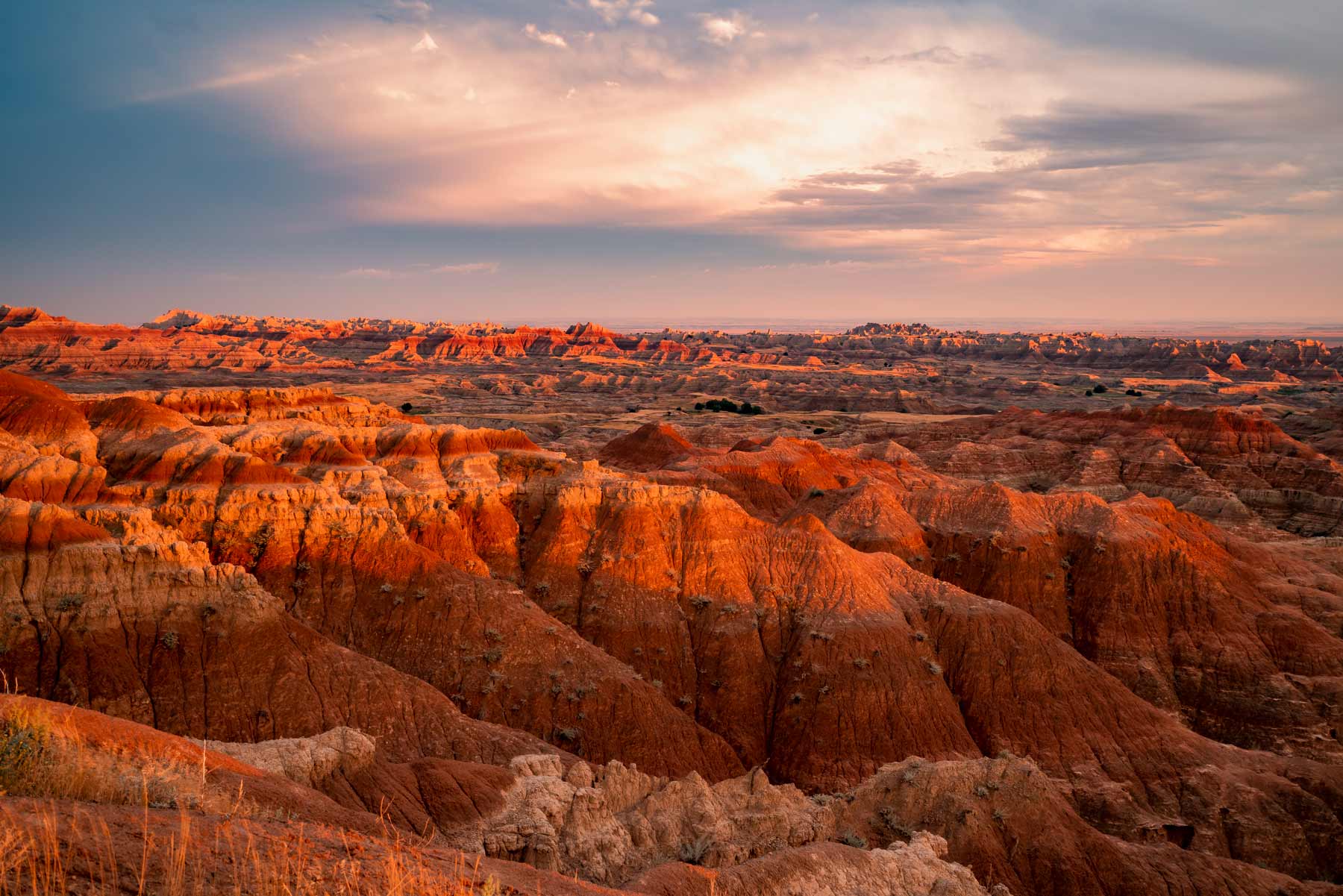
This is the best site in South Dakota and one of the most underrated national parks in the country. If you only do one thing in the state, drive the Badlands Loop Road at sunrise.
Badlands became a national park in 1978 and protects about 244,000 acres of eroded buttes, spires, and one of the largest stretches of mixed-grass prairie left in the United States. The rock you are looking at is millions of years of sediment carved by water and wind into ridgelines that change color through the day. The park also holds one of the richest fossil beds in the world. Saber-toothed cats and three-toed horses came out of this ground.
What to actually do: drive the Loop Road and stop at every overlook, because they are all different. Hike the Notch Trail, a short scramble up a log ladder to a canyon rim with a view over the White River Valley. Watch for bison and bighorn sheep along Sage Creek Rim Road, where the prairie dogs put on a show. Entrance is $30 per vehicle for 2026, and the park is open year-round, though deep winter shuts down some services.
2. Wind Cave National Park

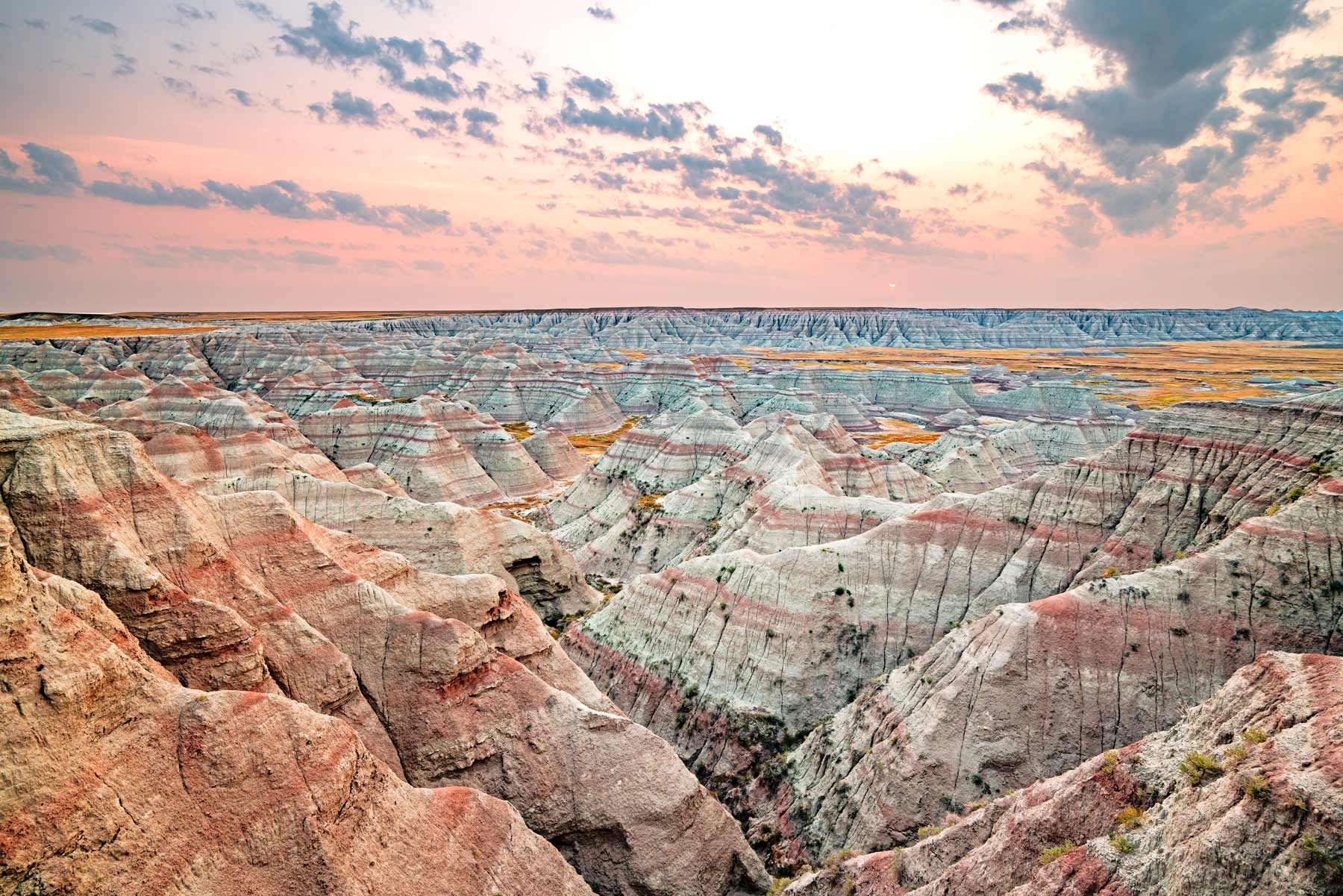
The second of South Dakota’s two national parks, and the only one people forget is a national park at all. It is two parks in one, a world-class cave below and open bison prairie above.
Wind Cave was established in 1903, making it the seventh national park in the country and the first cave anywhere to get national park status. Underground it is one of the longest and most complex cave systems on Earth, and it holds the world’s largest concentration of boxwork, a delicate honeycomb of calcite blades that almost nothing else on the planet displays at this scale. The cave got its name from a rancher in 1881 who watched the wind blow out of a small hole in the ground. That hole, the natural entrance, is still there and central to Lakota emergence tradition.
What to actually do: take a ranger-led cave tour, the only way in, with options from an easy walk to a more demanding route, ticketed at roughly $14 to $18 for 2026. Up top, hike some of the park’s 30-plus miles of prairie trail and watch for bison, elk, and pronghorn. Entrance to the park is free. It sits about an hour south of Rapid City, an easy pair with Jewel Cave and Rushmore.
3. Mount Rushmore National Memorial

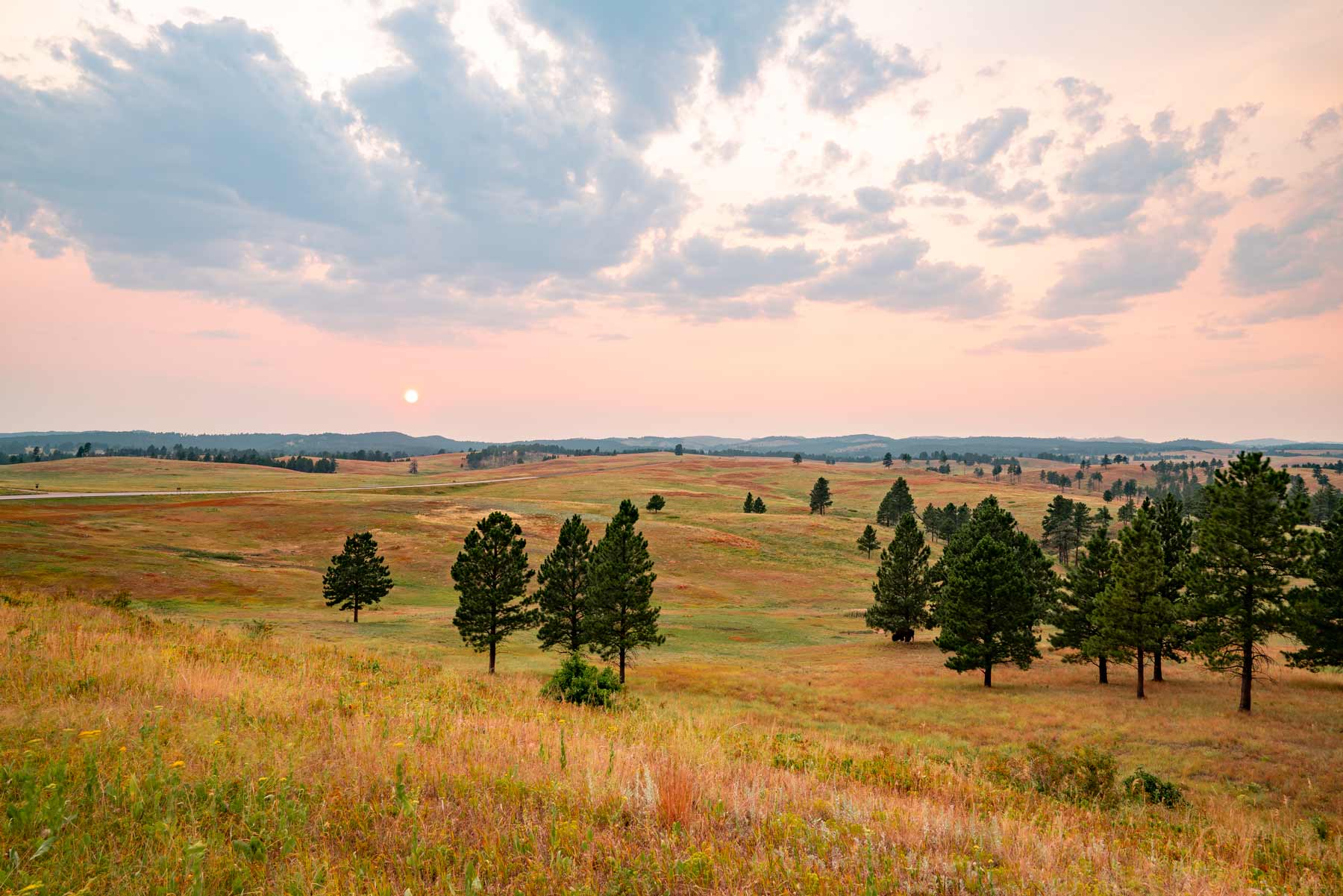
The most famous site in the state, and a national memorial, not a national park, no matter how often it gets called one. See it once, then spend your real time at the two national parks.
The carving took 14 years, from 1927 to 1941. Here is a fact most visitors get wrong, and I corrected it in class for 25 years: the four presidents were not chosen by the federal government. The sculptor, Gutzon Borglum, picked them. The original plan called for carving each figure from the waist up, but the money ran out and the work stopped at the faces. It is also worth knowing the memorial sits in the Black Hills, land the Lakota never ceded, and that history is part of the place.
What to actually do: walk the Avenue of the Flags up to the Grand View Terrace for the clean head-on view, then take the Presidential Trail, a 0.6-mile loop with 400-plus steps that brings you right under the noses. Stop at the Sculptor’s Studio and the Lincoln Borglum Visitor Center for the how-they-did-it story. If you can stay until dark from late May through September, the evening lighting ceremony is the best time to be here. There is no entrance fee, but parking runs about $10.
4. Jewel Cave National Monument

The third-longest cave in the world, and the better cave tour of the two in the Black Hills if you only have time for one. Most people drive past it on their way to Rushmore and miss it entirely.
Jewel Cave was protected as a national monument in 1908 under Theodore Roosevelt. Surveyors have now mapped more than 220 miles of passage, and they keep finding more, which is why nobody knows how big it really is. Two brothers found it in the late 1800s after feeling cold air rushing out of a hole in the rock, and it is named for the calcite crystals that line the walls. The monument sits west of Custer, about 25 minutes from Wind Cave.
What to actually do: book a ranger-led tour, since that is the only way in. The Scenic Tour is the standard, an half-mile walk with a lot of stairs, while the Discovery Tour is shorter and easier. Tours are ticketed and the monument is free to enter. Reserve ahead in summer, because these fill.
5. Minuteman Missile National Historic Site
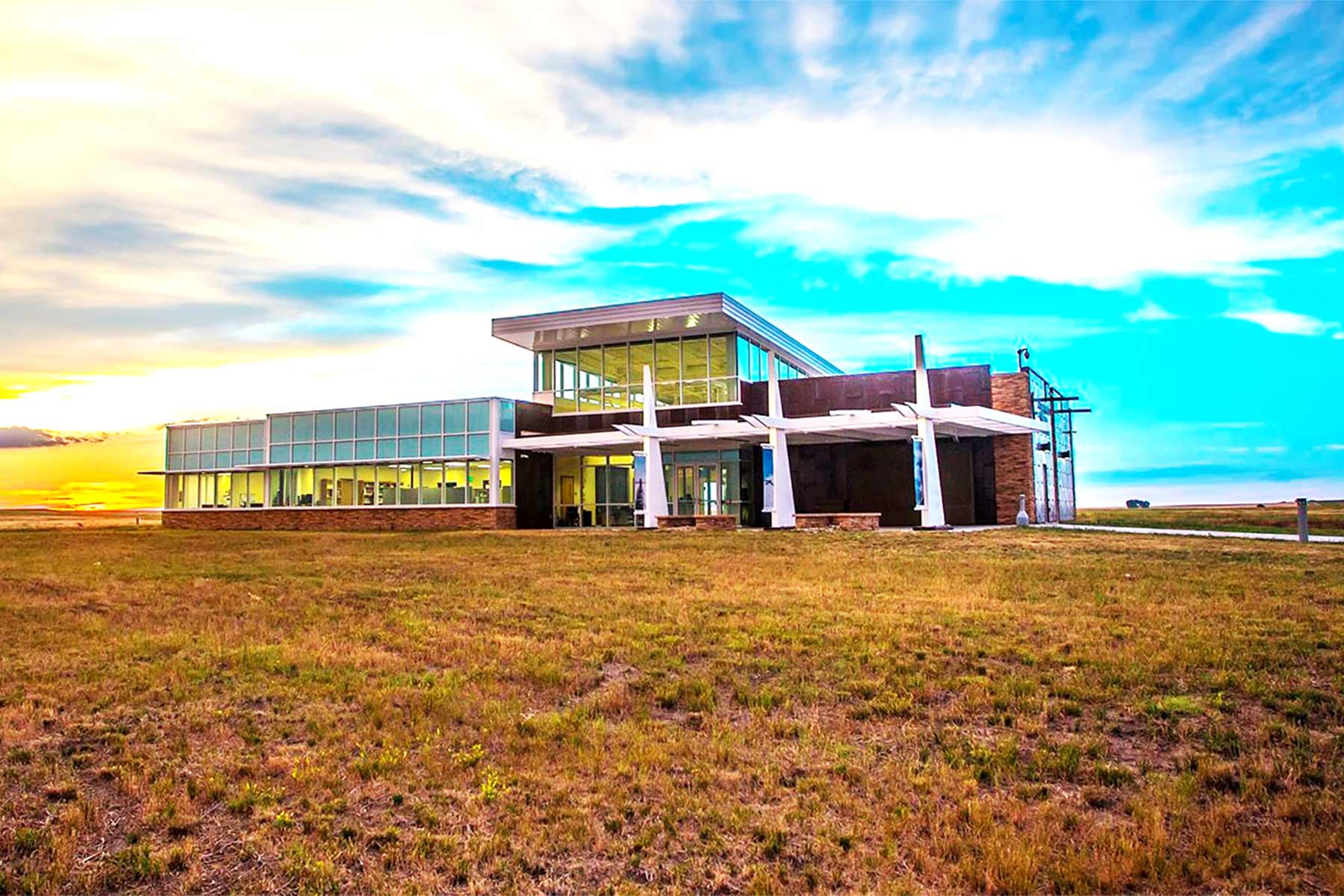
The most quietly powerful site in the state, and the one I send every history-minded traveler to. It preserves a real Cold War ICBM launch system, and standing in the control capsule does something a textbook never could.
Established in 1999, the site protects a piece of the Minuteman II missile network that sat ready under the Great Plains for thirty years. At the peak of the Cold War, a thousand of these missiles were buried across the northern plains, each able to reach the other side of the world in half an hour. Two facilities are preserved here: Delta-09, a missile silo you can look down into, and Delta-01, the underground launch control center where two officers waited out their shifts with the keys.
What to actually do: start at the visitor center off Interstate 90, which lays out the whole story with exhibits and a film. Drive to Delta-09 to see the silo, and reserve the guided tour of the Delta-01 launch control facility, which descends into the capsule itself. The site is free, but the Delta-01 tour is small and books out, so reserve early. It sits right beside the Badlands, so pair them.
6. The River and Trail Units
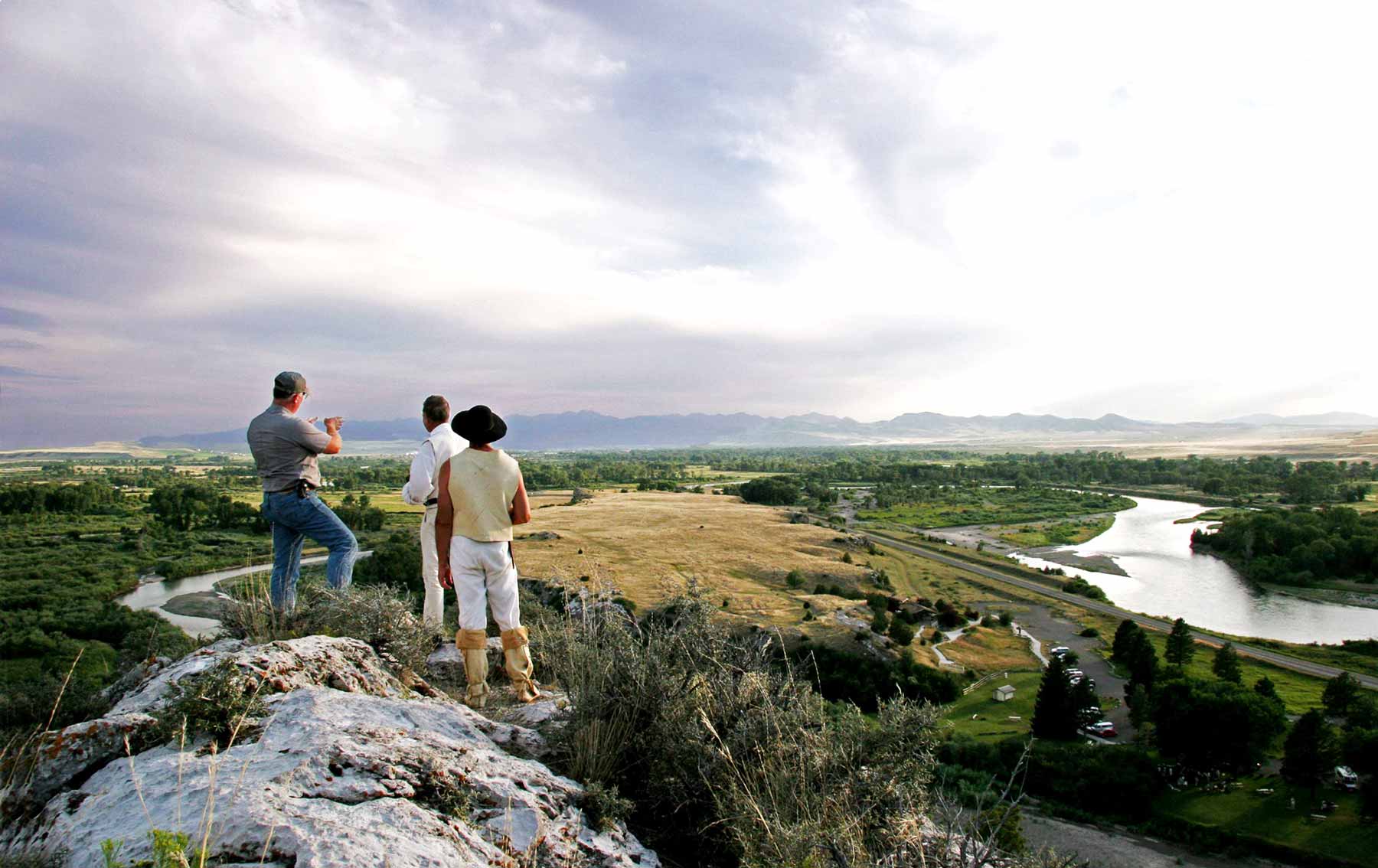
Two units that pass through South Dakota rather than sit inside it, and both are free. They round out the roster to 7, and they are worth a paragraph even if you never plan a trip around them.
- Missouri National Recreational River. About 100 miles of the Missouri left to run free, shared with Nebraska along the state’s southeastern edge. These are the last stretches of the river that still look close to what Lewis and Clark saw, with sandbars, side channels, and chalk bluffs. Free, and best seen by boat or from a riverside overlook.
- Lewis & Clark National Historic Trail. A route, not a single park, tracing the 1804 to 1806 expedition across eleven states from Illinois to the Oregon coast. Through South Dakota it follows the Missouri River corridor, marked by interpretive sites rather than a trailhead. Free.
A clear cold morning with high wind: we caught in a trap a large gray wolf, and last night obtained in the same way a fox who had for some time infested the neighbourhood of the fort.
Meriwether Lewis
How to See South Dakota’s Parks
Fly into Rapid City and you are within striking distance of everything. Here is a clean three-day plan. Day one, drive east to the Badlands at dawn, run the Loop Road, hike the Notch Trail, then stop at Minuteman Missile on the way back since it is right there off the interstate. Day two, head into the Black Hills for Mount Rushmore in the morning and either Wind Cave or Jewel Cave in the afternoon. Day three, do the other cave and keep some daylight for the Black Hills drives, Needles Highway and Iron Mountain Road, which are worth the time on their own.
If you have one trip and one day, go to the Badlands at sunrise. Nothing else in the state comes close to that light.


