


Mammoth Cave is the longest known cave system on Earth, with more than 425 mapped miles of passages winding beneath the green hills of central Kentucky. It is also a genuinely good park above ground, with forest trails, the Green River, and quiet hollows. We’ve walked the Historic tour by lantern light, hiked the surface trails in fall color, and paddled a stretch of the river. After spending real time here, we put together this ranked, honest guide to the best things to do in Mammoth Cave National Park, with the 2026 tour-booking rules you need before you go.
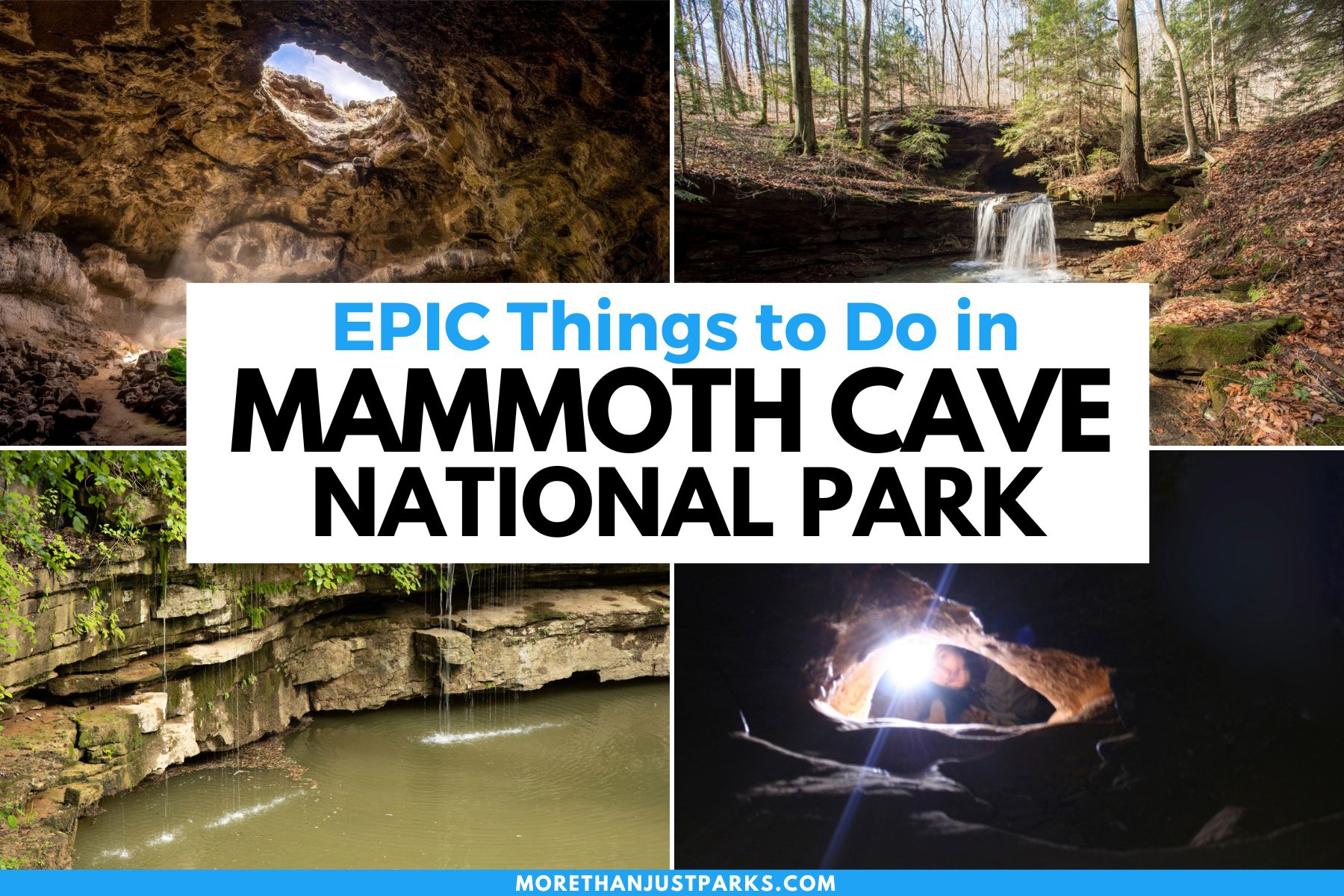
The most important thing to know: nearly all of the cave can only be seen on ranger-led tours, and those tours require reservations booked in advance through Recreation.gov. Walk-up tickets are limited and the popular tours sell out. Everything cave-related below assumes you have booked ahead. For more in the region, see our guide to Kentucky’s national parks.
At a Glance: 15 Things to Do in Mammoth Cave
| Activity | Type | Effort / Time | Reservation |
|---|---|---|---|
| Take the Historic Tour | Cave tour | 2 mi, moderate, 2 hrs | Rec.gov |
| Domes and Dripstones Tour | Cave tour | 0.75 mi, moderate, 2 hrs | Rec.gov |
| Frozen Niagara Tour | Cave tour | 0.25 mi, easy, 1.25 hrs | Rec.gov |
| Violet City Lantern Tour | Cave tour | 3 mi, strenuous, 3 hrs | Rec.gov |
| Grand Avenue Tour | Cave tour | 4 mi, strenuous, 4 hrs | Rec.gov |
| Wild Cave Tour | Cave tour | 5 mi, very strenuous, 5-6 hrs | Rec.gov |
| Great Onyx Lantern Tour | Cave tour | 1 mi, moderate, 2.25 hrs | Rec.gov |
| Hike the surface trails | Hike | Varies | None |
| Paddle the Green River | Paddling | Half to full day | None |
| Bike the Railroad Bike Trail | Cycling | 9 mi one way | None |
| Ride horseback | Riding | Varies | Outfitter |
| Hike to Cedar Sink | Hike | 1.8 mi loop, moderate | None |
| See Sand Cave and Floyd Collins history | History | Easy | None |
| Stargaze in dark skies | Scenic | Easy | None |
| Visit the visitor center exhibits | Indoor | Easy, 30 min | None |
1. Take the Historic Tour
The Historic Tour is the classic Mammoth Cave experience and the one to book first. It runs about two miles through the largest passages and past landmarks like the Bottomless Pit and the tight squeeze called Fat Man’s Misery, with stories of saltpeter mining and 19th-century tourism along the way. It is moderate, with around 440 stairs and the famous narrow Mammoth Dome tower climb. Distance: 2 miles. Difficulty: moderate. Time: about 2 hours. Book through Recreation.gov.
2. Tour Domes and Dripstones
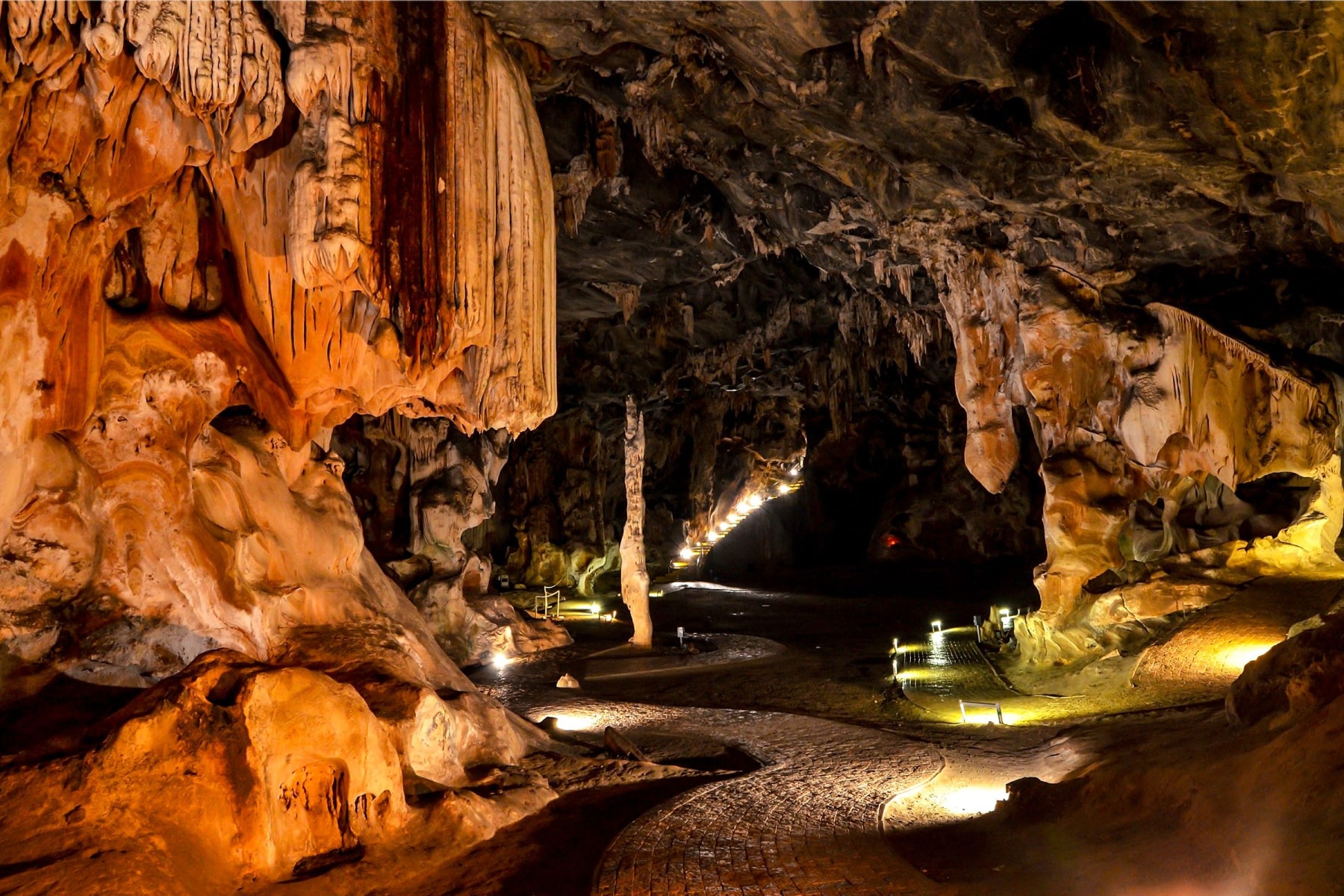
This tour delivers the most variety in a manageable package, descending 280 steps into the dramatic vertical shafts of the domes and pits, then crossing into a decorated section of stalactites and flowstone at Frozen Niagara. It is a good pick if you want both the scale of the shafts and the cave formations. Distance: 0.75 miles. Difficulty: moderate. Time: about 2 hours. Reserve ahead.
Love Mammoth Cave? It's one of 117 threatened public lands destinations we're tracking. Get the free briefing.
3. Take the Frozen Niagara Tour
The shortest and easiest of the regular tours, Frozen Niagara focuses on the cave’s most decorated area, a cascade of flowstone that looks like a frozen waterfall, along with draperies and columns. With fewer stairs and a quarter-mile route, it is the best choice for families with small kids or anyone with limited mobility. Distance: 0.25 miles. Difficulty: easy. Time: about 1.25 hours.
4. Walk the Violet City Lantern Tour
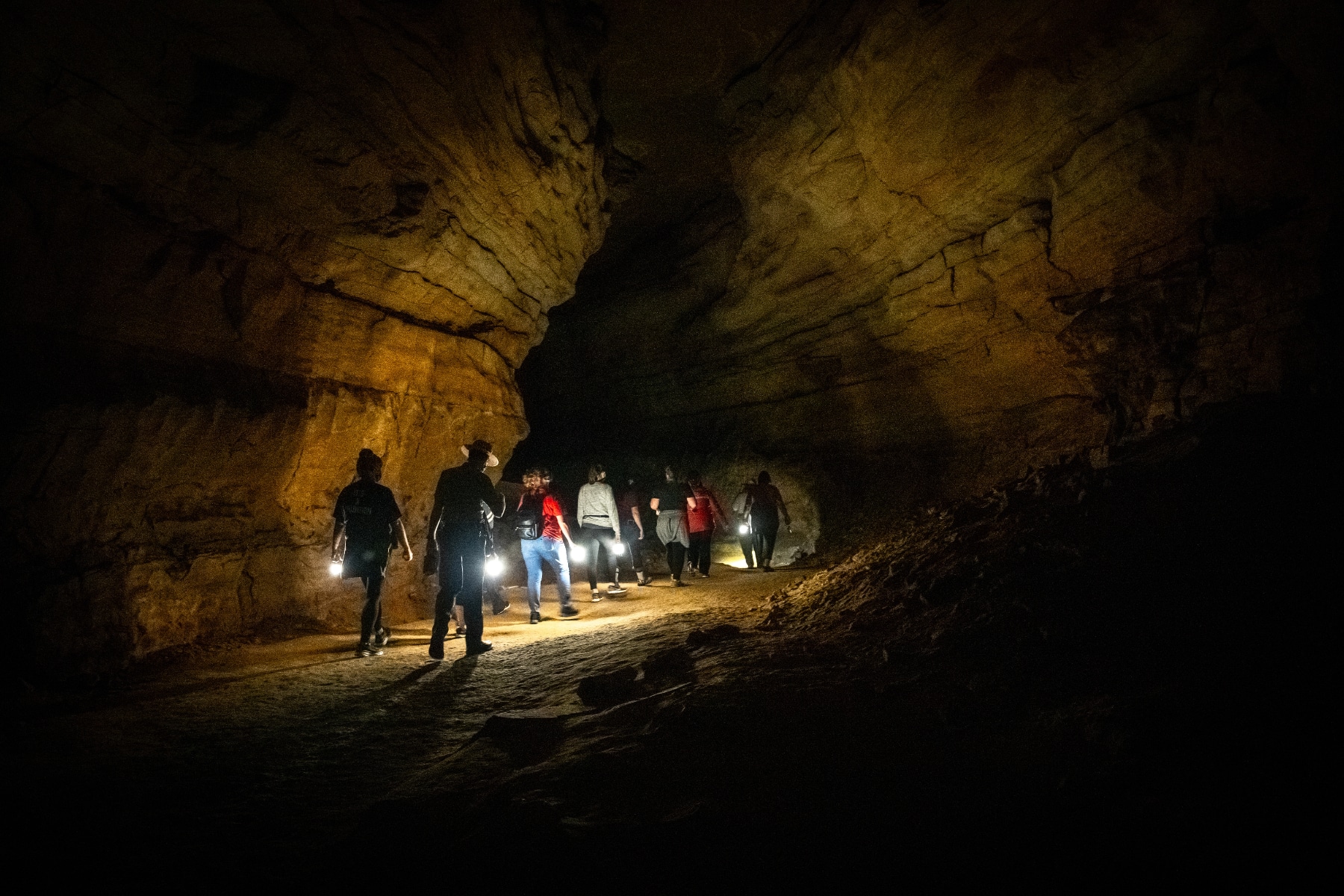
This is our favorite for atmosphere. The Violet City Lantern Tour explores three miles of passage lit only by the lanterns the rangers carry, exactly as visitors saw the cave more than a century ago. The flickering light, the deep dark beyond, and the stories make it feel like stepping back in time. It is strenuous and offered on a limited schedule. Distance: 3 miles. Difficulty: strenuous. Time: about 3 hours. Book early.

5. Take the Grand Avenue Tour
For the most cave in a single outing short of going wild, the Grand Avenue Tour covers about four miles over four hours, linking several sections of the system including Frozen Niagara. It is a real workout with hundreds of stairs and long stretches of walking, best for fit visitors who want to go deep. Distance: 4 miles. Difficulty: strenuous. Time: about 4 hours. Bring water and a snack.
6. Go Caving on the Wild Cave Tour
The Wild Cave Tour is the hardest thing you can do here, a five-mile, five-to-six-hour expedition into undeveloped passages that involves crawling, climbing, and squeezing through tight spots in coveralls and helmets the park provides. There are age and fitness requirements and a chest-size limit for the tightest crawl. This is for adventurous, fit visitors only. Difficulty: very strenuous. Reserve well ahead.
7. Take the Great Onyx Lantern Tour
Great Onyx is a separate cave from the main system, reached by a short bus ride and toured by lantern light past gypsum formations and flowstone not found on the standard routes. The limited schedule and offbeat location keep it quiet, and it is a treat for repeat visitors who have already done the headline tours. Distance: about 1 mile. Difficulty: moderate. Time: about 2.25 hours.
8. Hike the Surface Trails
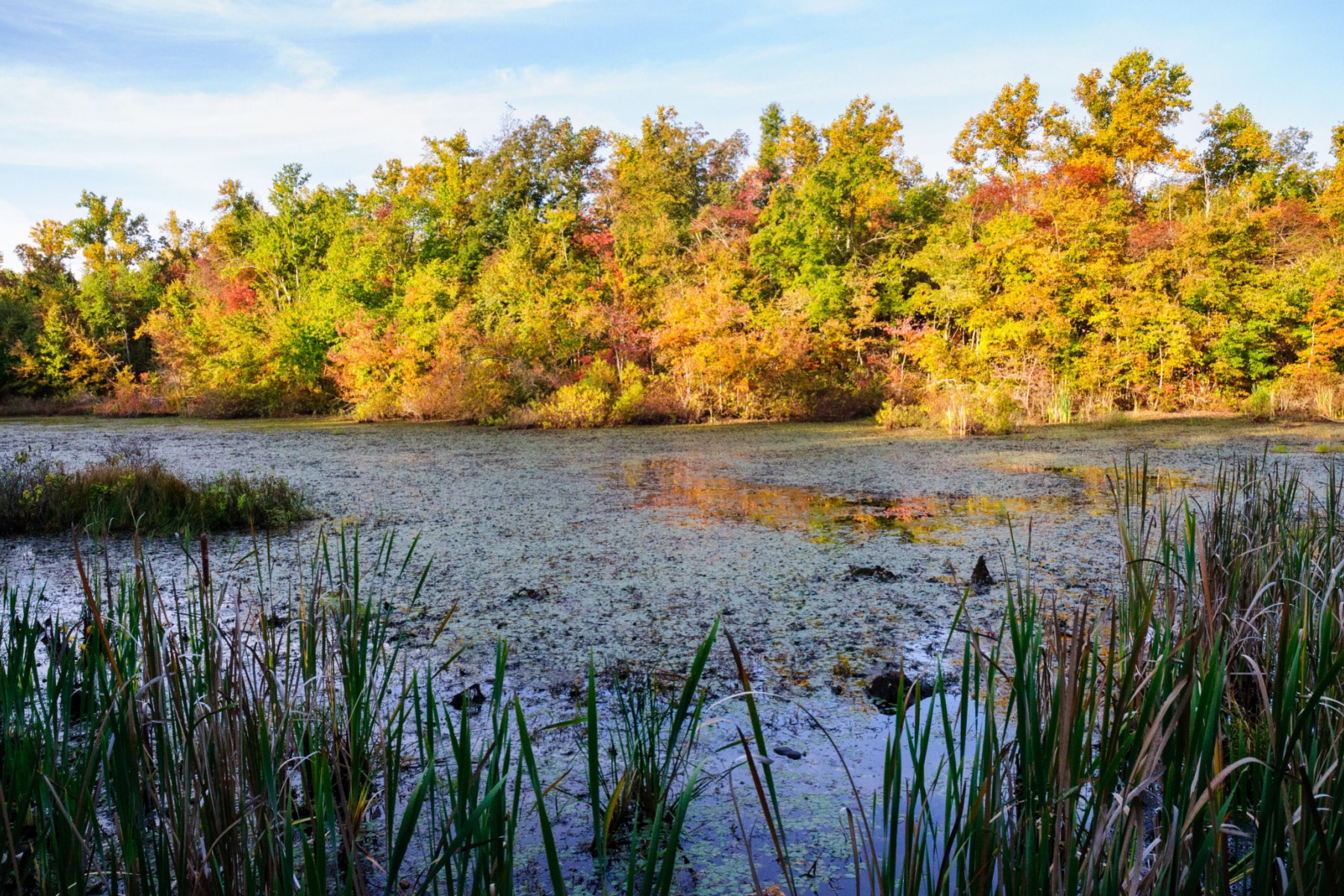
Most visitors never realize the park has more than 80 miles of surface trails through hardwood forest, sinkholes, and along the Green River. The easy Heritage Trail and River Styx Spring Trail near the visitor center are great quick walks, while the North Side trails offer longer backcountry routes. Fall color here is genuinely excellent. Difficulty: varies. See the park’s hiking page for options.
9. Paddle the Green River
The Green River and its tributary the Nolin wind through the park, offering calm, family-friendly canoeing and kayaking past forested banks where you might spot deer, turtles, and herons. Local outfitters near the park rent boats and run shuttles for half- and full-day floats. It is a peaceful counterpoint to the cave and a fine way to spend a warm afternoon. Effort: easy to moderate.
10. Bike the Railroad Bike and Hike Trail
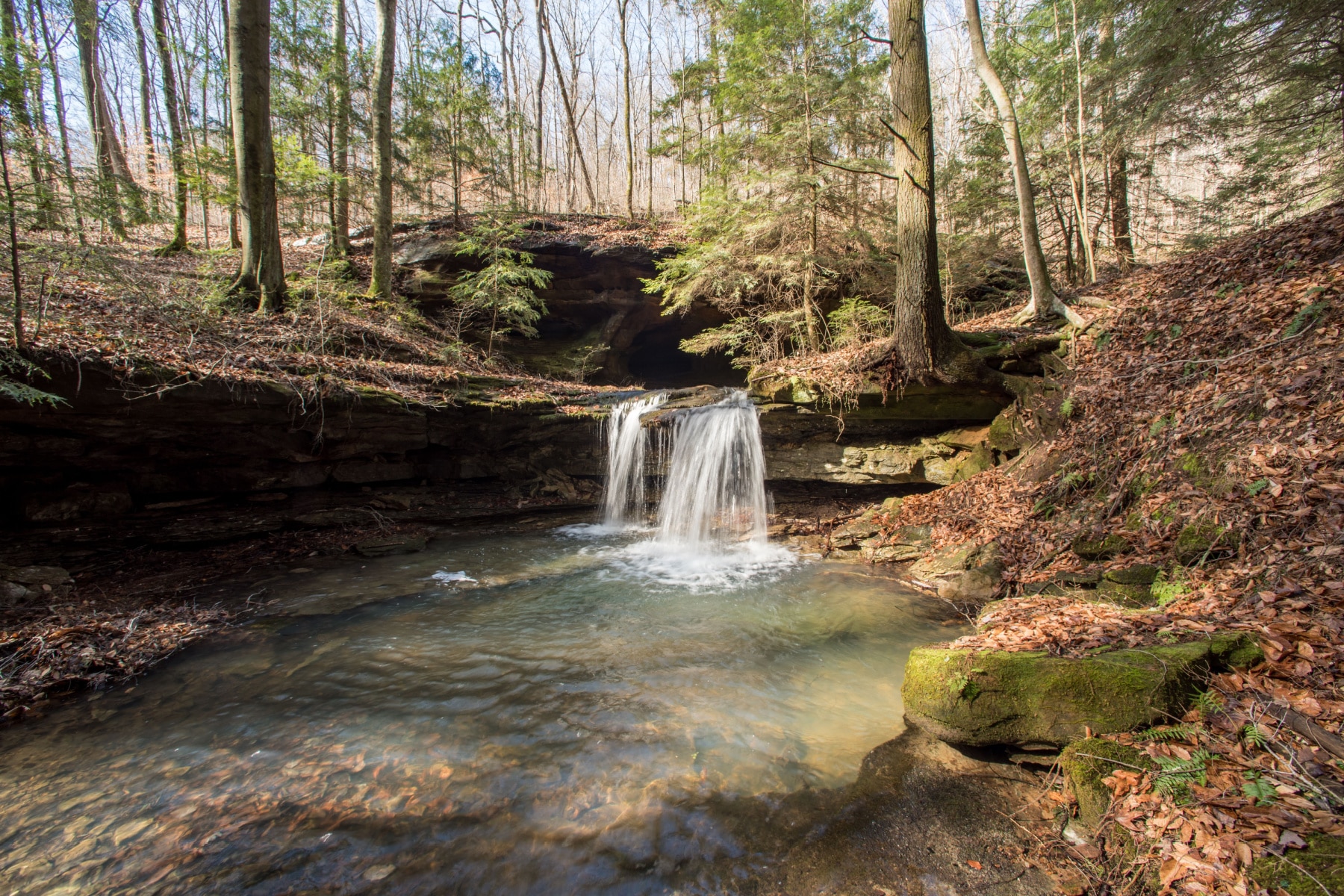
The Mammoth Cave Railroad Bike and Hike Trail follows the route of the old park railroad for about nine miles between the town of Park City and the visitor center, on a mostly gentle crushed-gravel path through the woods. It is good for families and a relaxed way to see the surface country. Bring your own bike or rent nearby. Distance: 9 miles one way. Difficulty: easy to moderate.
11. Ride Horseback
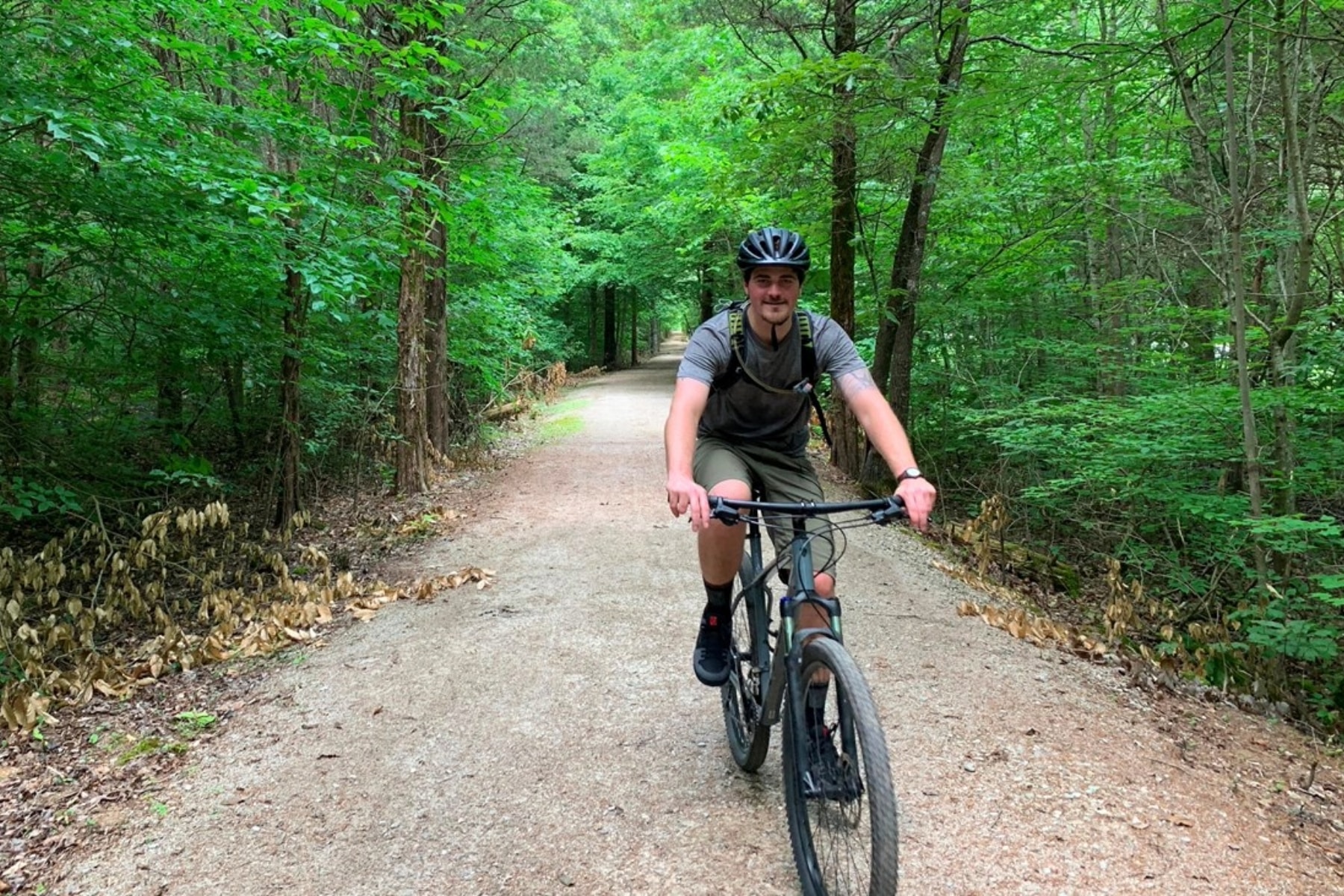
The park’s North Side has dedicated horse trails through quiet backcountry forest, and a nearby stable offers guided rides for those without their own horse. It is a relaxed way to cover ground and see the park the way early visitors often did. Effort: easy to moderate. Arrange guided rides through the local outfitter.
12. Hike to Cedar Sink
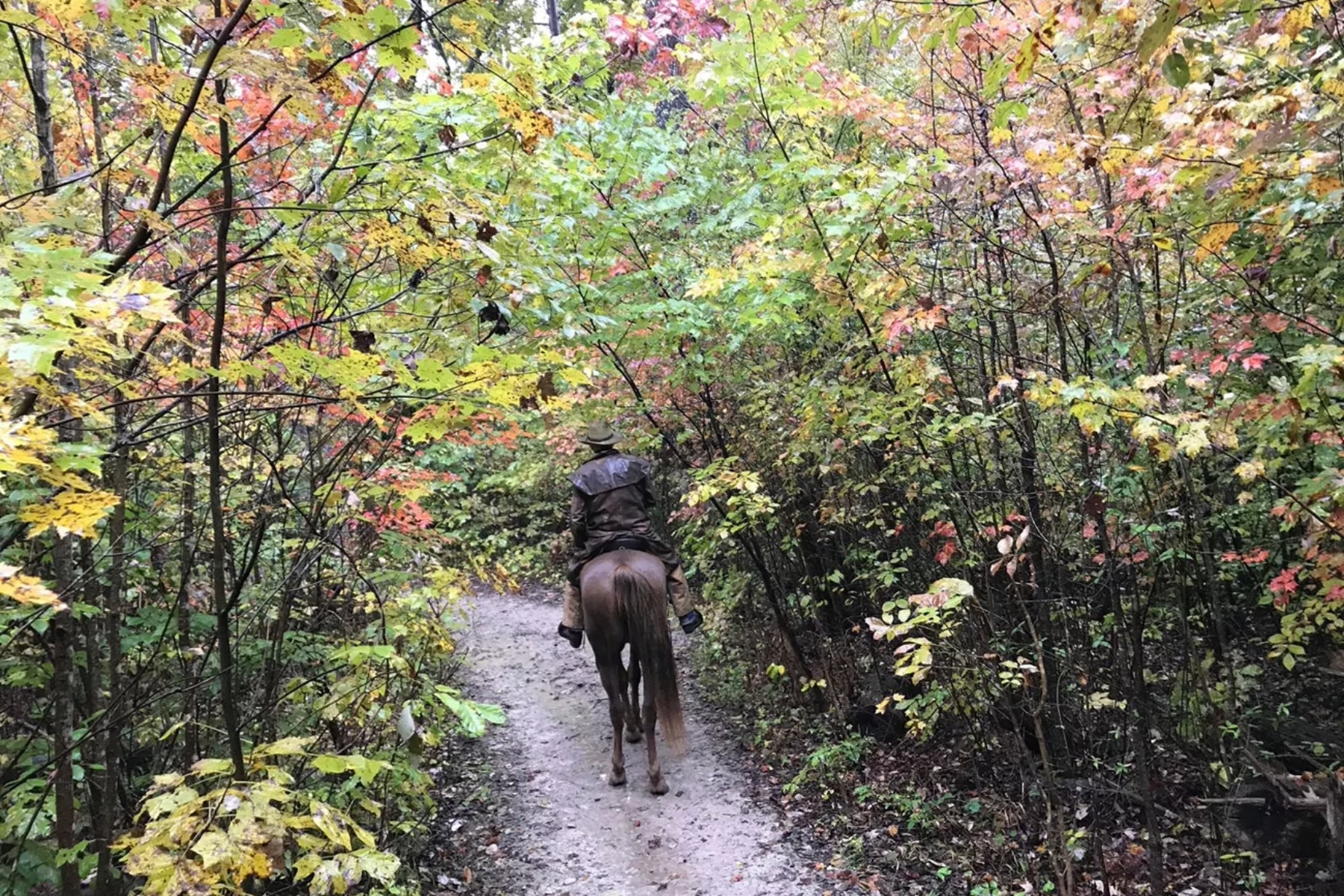
The Cedar Sink Trail is the best short surface hike for understanding karst country, a 1.8-mile loop that descends via boardwalks and stairs into a massive sinkhole where a river appears and disappears underground. It is a vivid lesson in how the cave system formed, and a peaceful, shaded walk. Distance: 1.8 miles. Difficulty: moderate. Time: about an hour.

13. Learn the Floyd Collins and Sand Cave Story
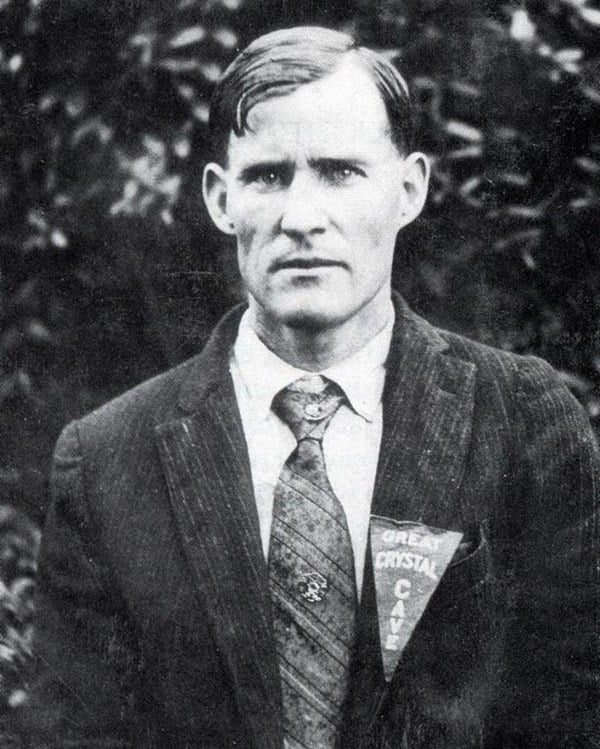
Sand Cave is where cave explorer Floyd Collins became trapped in 1925, an ordeal that became one of the biggest news stories of the era. A short, easy walk leads to an overlook of the cave entrance with interpretive signs telling the story, and Collins is buried nearby. It is a sobering, strange piece of the region’s cave history. Effort: easy.
14. Stargaze Under Dark Skies
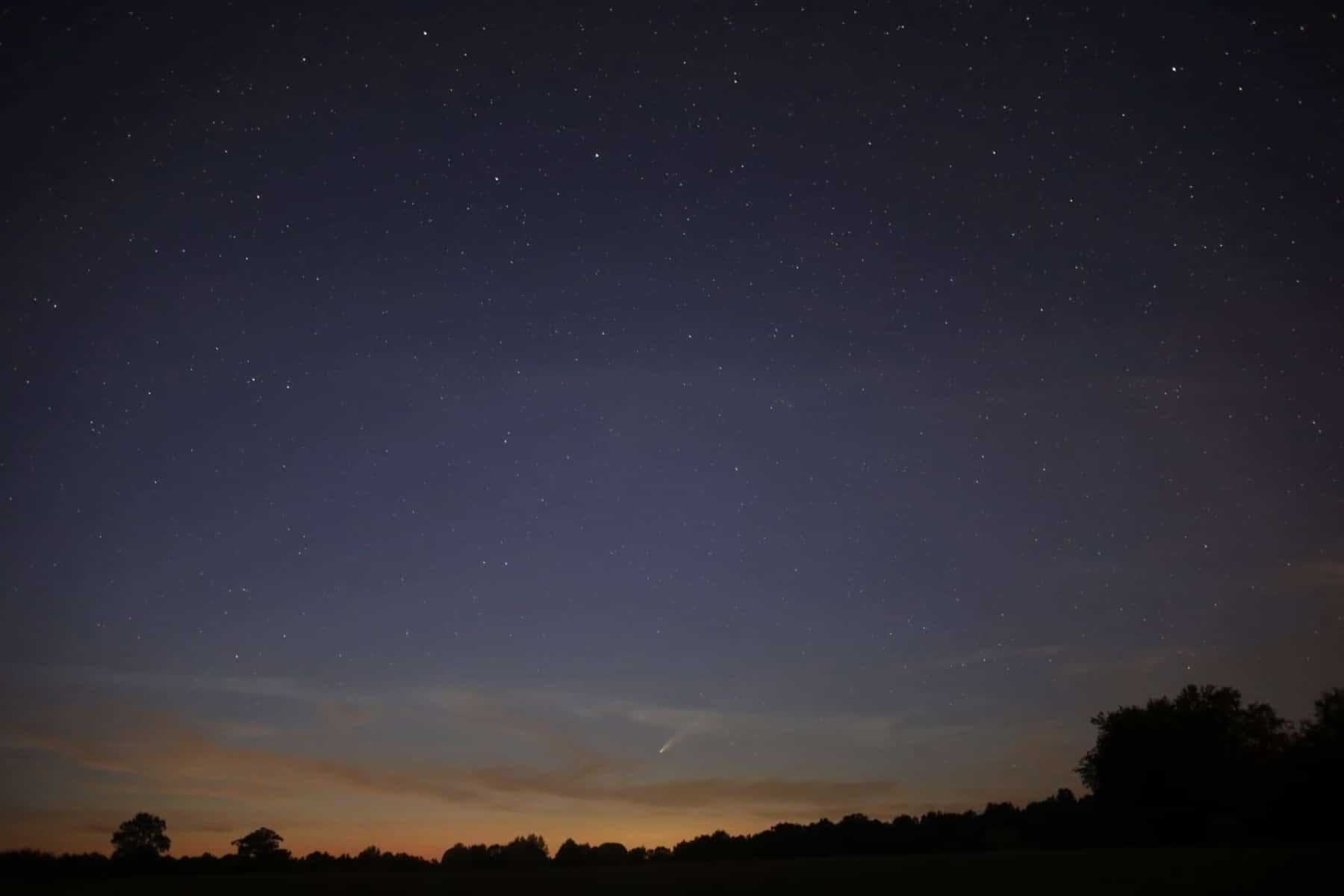
Mammoth Cave is a certified International Dark Sky Park, and the rural Kentucky setting means genuinely dark nights once the day-use crowds leave. Find an open area like the campground or a parking overlook, let your eyes adjust, and the stars come out in force. The park hosts occasional astronomy programs; check the schedule. Effort: easy.
15. Visit the Visitor Center Exhibits
The visitor center is the hub for everything: tour check-in, ranger advice, and exhibits that lay out the cave’s geology, human history, and the rare animals that live in the dark. Stop here first to confirm your tour and understand what you are about to walk into. Effort: easy. Time: 30 minutes.
Planning Your Visit: Know Before You Go (2026)
- No entrance fee, but tours cost: Mammoth Cave does not charge a park entrance fee, but every cave tour has a ticket price. Tours must be booked in advance through the Mammoth Cave tours page on Recreation.gov, and popular tours sell out, especially in summer and on weekends.
- Book early: Reserve your tours as soon as your dates are available. See the full lineup on the NPS cave tours page and confirm fees on the fees page.
- Cave conditions: The cave stays around 54 degrees year-round, so bring a light jacket and closed shoes with grip. Tours involve stairs; check each tour’s difficulty.
- White-nose syndrome screening: To protect the bats, you may be asked to walk across a decontamination mat; do not wear clothing or shoes that have been in other caves.
- Surface in any season: The trails, river, and bike path are open year-round and shine in fall, while the cave is a great rainy-day or hot-day option.
- Conditions: Check current conditions for tour changes or trail closures before you go.
Keep Exploring Mammoth Cave
For more on planning your trip, visit our Mammoth Cave National Park hub and our guide to Kentucky’s national parks. You can also watch our cinematic national park films at the More Than Just Parks films library.
What to Bring to Mammoth Cave
Gear we recommend for Mammoth Cave. Affiliate links support our work at no cost to you.
More Than Just Parks may earn a small commission from purchases made through these links, at no extra cost to you. We only recommend gear we would actually use.
Affiliate disclosure: Some links on this page earn us a small commission at no extra cost to you. We only recommend gear we actually use.


