
North Dakota National Parks! We’ve got five incredible national park sites for you to see on your next visit to the Roughrider State.
Parks Featured in This Guide
3 parks mapped — click a pin for details
I’ve been to so many of these amazing places since retiring from teaching in 2018. Did I mention that I taught history? I spent a lifetime teaching about the history behind these momentous sites. Then I got to see them firsthand. And now I’m sharing the stories of these incredible places with you. It doesn’t get any better than that!
National Parks In North Dakota includes fascinating forts, breathtaking scenery, magnificent parks, legendary trails and so much more.

We get asked that question a lot because there’s a difference between a “national park” and a “national park site.” To help you understand that difference you might want to check out our article titled: What Is A National Park Really?
If you’re planning a trip to the Roughrider State then one book that I highly recommend is: Greater Than a Tourist- North Dakota USA: 50 Travel Tips from a Local by Rachel Reko.
We’re going to give you five reasons why you’ll want to make North Dakota your next vacation destination.
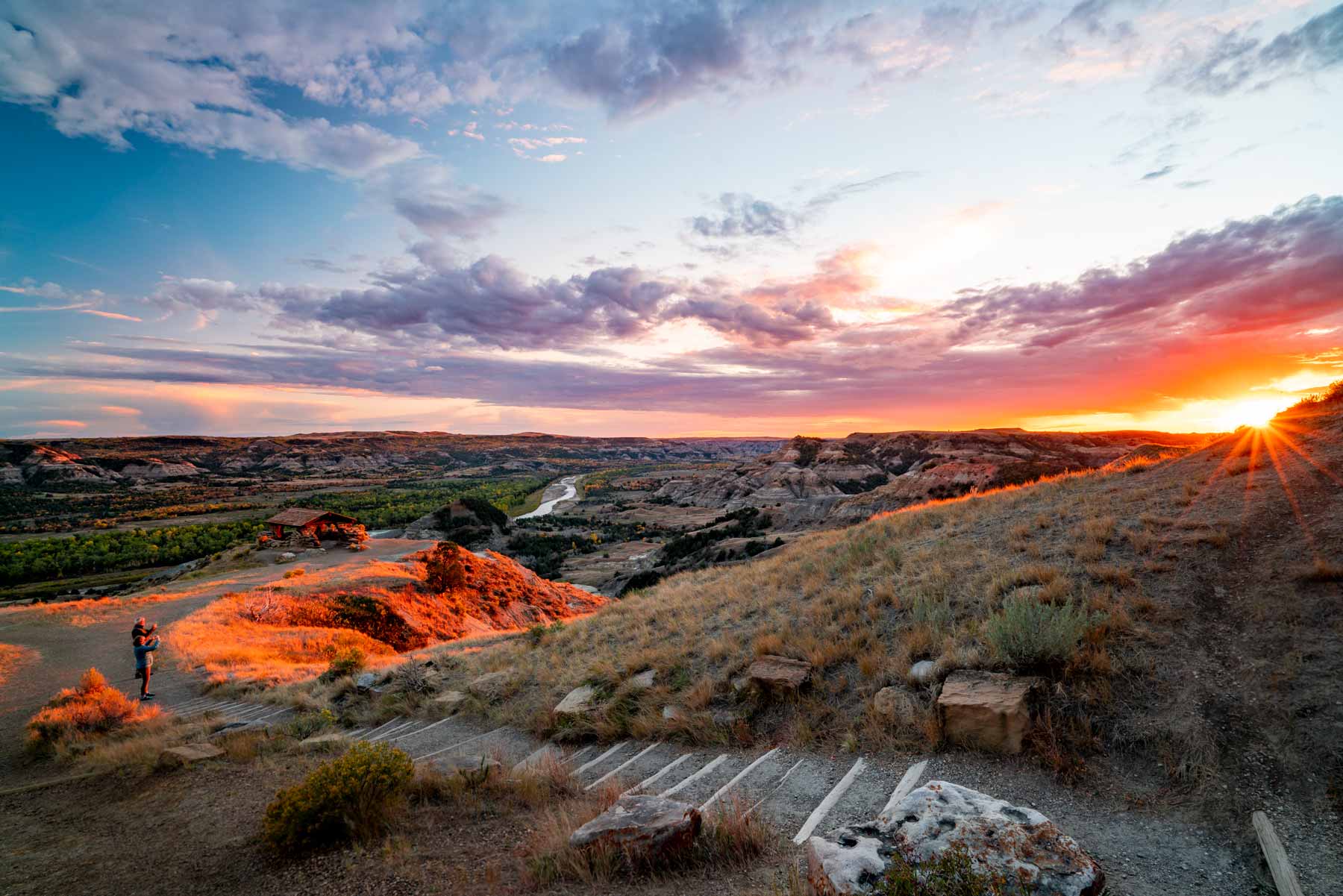
Table Of Contents
National Parks Of North Dakota
1. Fort Union Trading Post National Historic Site
I may be a retired history teacher, but I still love the past which is what excites me about traveling to these wonderful national parks. And the North Dakota National Parks offer some of the very best. A case in point is the Fort Union Trading Post National Historic Site.
It’s a historical reconstruction of one of the most important fur trading posts on the Upper Mississippi.
I recommend beginning your trip by watching a wonderful film about the Fort Union. During its 39 years of existence, from 1828 to 1867, it was a center of economic and social exchange between Northern Plains Tribes and other cultures.
You come away from this film with an understanding that this was no ordinary post. It was the most important post of its time.
The film is only 9-minutes long and you can see in the Bourgeois House Visitor Center Museum‘s video kiosk during regular open hours. It’s worth it.
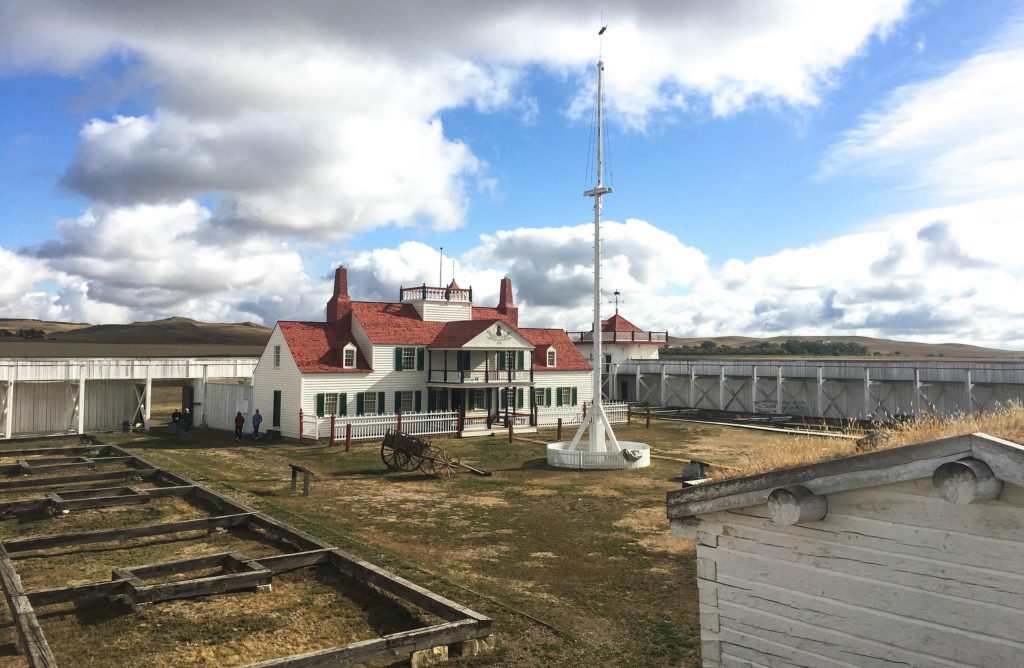
Fort Union’s Trade House
You have a wonderful opportunity to travel back in time with a visit to Fort Union’s Trade House. A costumed Park Ranger will explain how this place was the fort’s most important building.
I have to give these incredible Park Rangers a shout out. Not only are they friendly and helpful, but they get dressed up in these amazing costumes and go all out to make you believe they were actually there back in the day.
Trading was the name of the game back in the day. American Fur Company Traders and the fort’s tribal trade partners, the Assiniboine, Crow, Blackfeet, Plains Cree, Plains Ojibwa, Mandan, Hidatsa, Arikara, Lakota, and others, all entered this space for one purpose, the act of trade.
So it was more than just a store on the Upper Missouri River.
The Trade House was where diplomatic negotiations transpired, families reconnected, stories were shared, and feasts were held. It was truly a happening place.
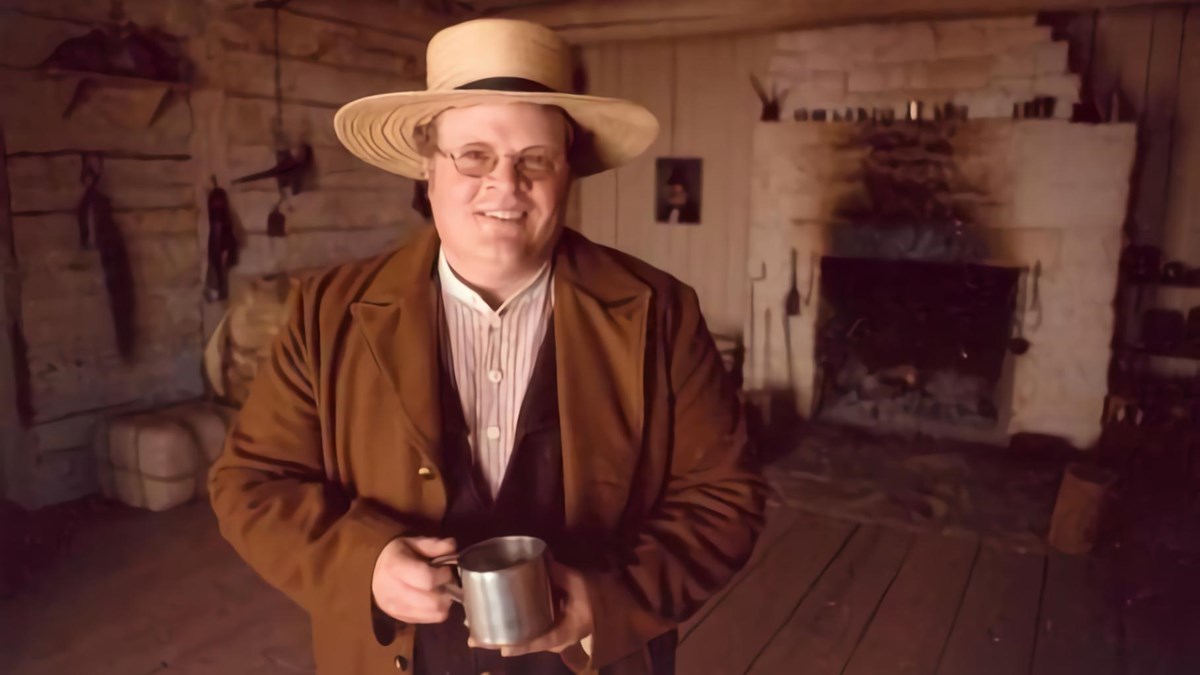
There’s A Wonderful Bookstore & Gift Shop Too
So many books, so little time. I enjoy researching and writing articles for the Pattiz Brothers who happen to be my sons. And the best part of all is that they pay me in books! It works for them and it works for me.
The only one it doesn’t work for is my wife who tells me that we’re running out of bookshelves, but I digress . .
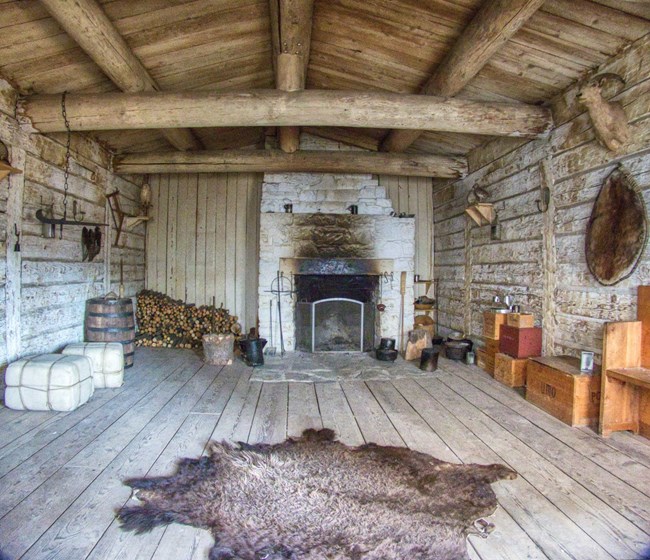
2. Knife River Indian Villages National Historic Site
One of the lesser known yet intriguing North Dakota National Parks is the Knife River Indian Villages National Historic Site.
The Knife River Indian Villages National Historic Site is dedicated to preserving the cultural and historical heritage of the Northern Plains Indians, specifically the Hidatsa people. The site was established in 1974 and covers approximately 1,758 acres of land along the Knife River.
The Hidatsa people have a rich cultural heritage and a long history of living along the Knife River. They were known for their agricultural skills, including their ability to grow crops in the challenging environment of the Northern Plains.
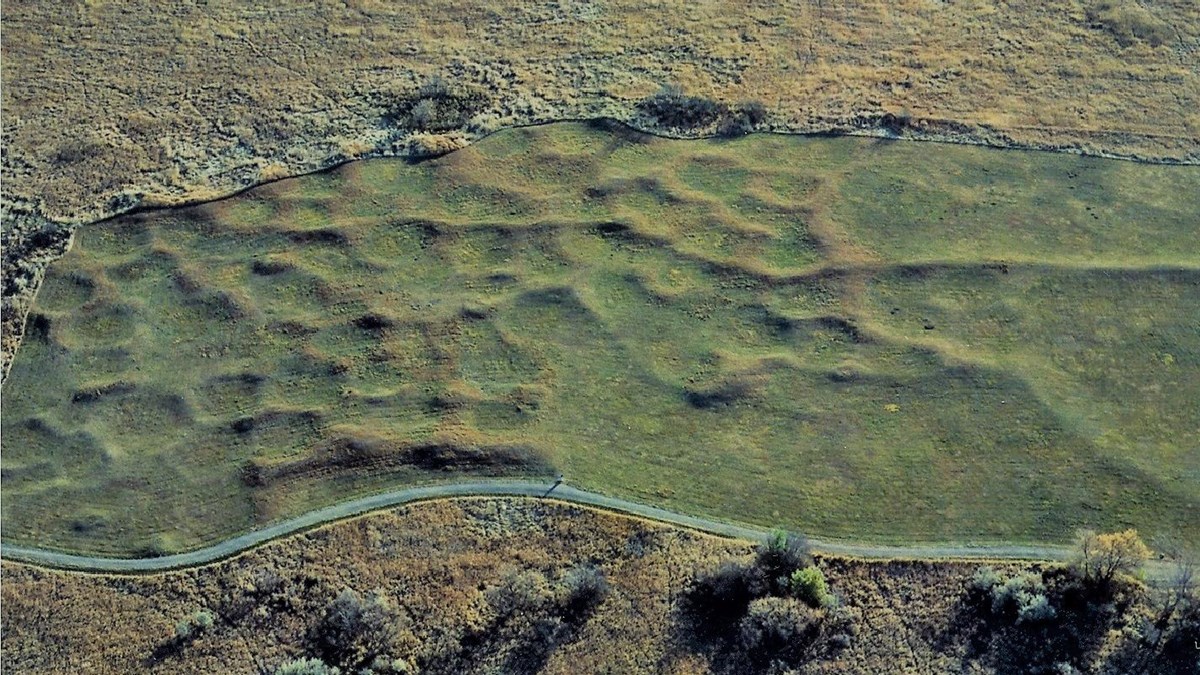
The Knife River Indian Villages were the center of Hidatsa life for hundreds of years and were made up of a series of earth lodges, or semi-subterranean homes, surrounded by fields and gardens.
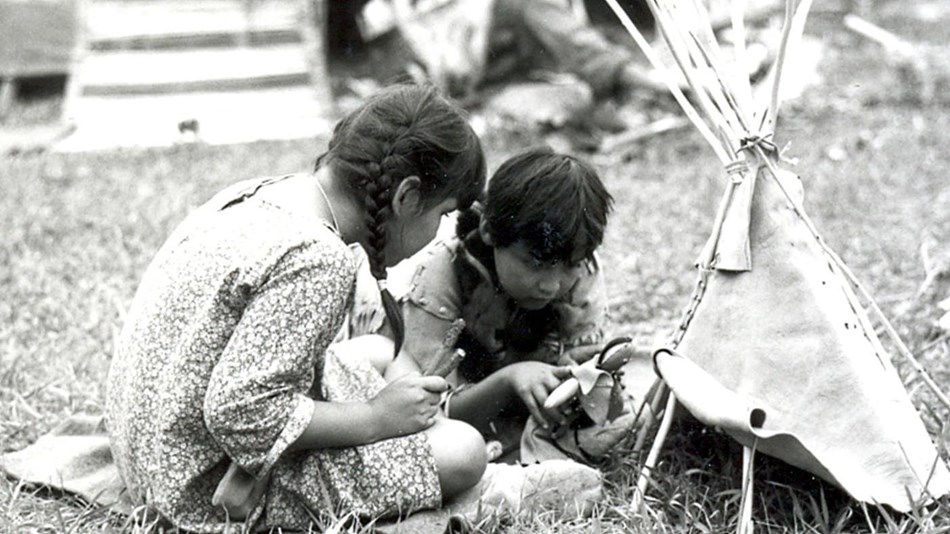
The Sites Includes The Remains Of Two Hidatsa Villages
The site includes the remains of two Hidatsa villages, Awatixa Village and Metaharta Village, which were occupied from the 17th century to the late 1800s. Visitors to the site can explore the remains of the villages, including the earth lodges and the remains of gardens and fields, and learn about the daily life and culture of the Hidatsa people.
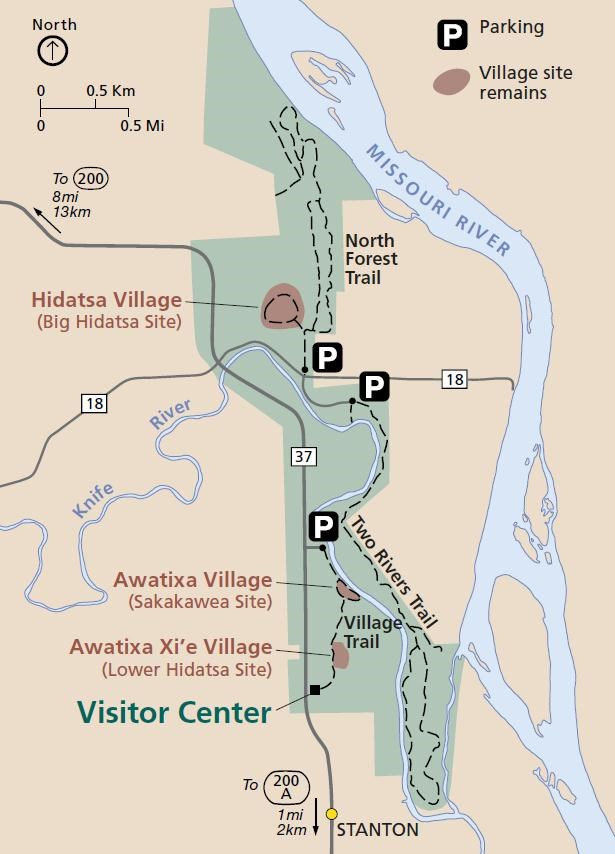
The Knife River Indian Villages National Historic Site is an important cultural and historical resource, providing a window into the history and heritage of the Northern Plains Indians.
Through its interpretive programs, exhibits, and educational programs, the site helps to preserve and promote the cultural heritage of the Hidatsa people and the Northern Plains region.
Outside visitors will see a full scale reconstructed Earthlodge, Hidatsa garden, and village sites.
3. Lewis & Clark National Historic Trail
North Dakota National Parks also includes a legendary trail which celebrates two of America’s most intrepid explorers.
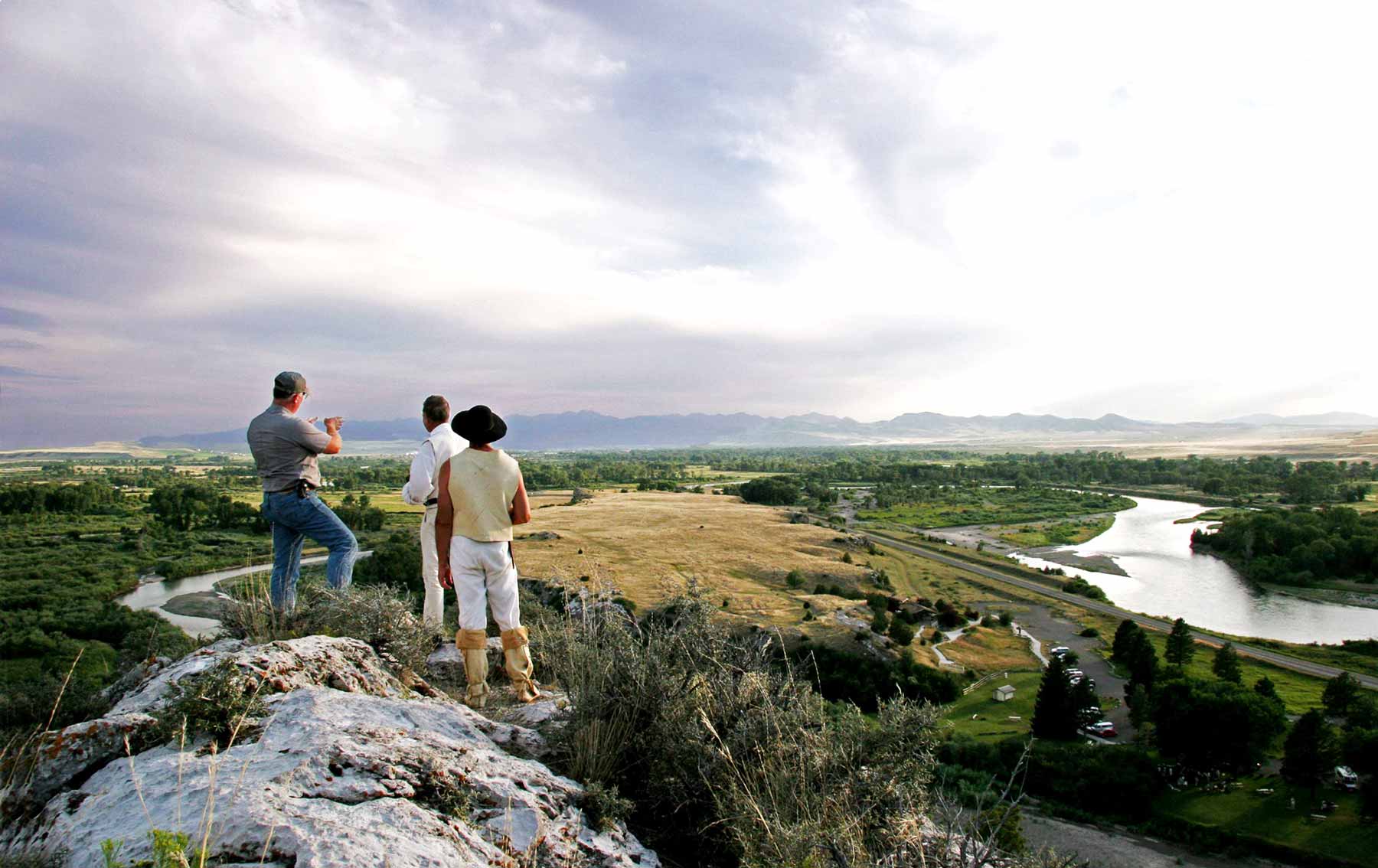
The Lewis & Clark National Historic Trail is a historic trail in the United States that follows the route of the Lewis and Clark Expedition, which took place from 1804 to 1806. The trail covers over 4,000 miles, stretching from the Mississippi River near St. Louis, Missouri, to the Pacific Ocean in Oregon.
The Lewis and Clark Expedition was commissioned by President Thomas Jefferson as part of his efforts to explore the western territories of the United States and to find a water route to the Pacific Ocean.
The expedition was led by Captain Meriwether Lewis and Second Lieutenant William Clark, who were accompanied by a team of men, including French-Indian interpreter Toussaint Charbonneau and his wife, Sacagawea, a Shoshone woman who played a critical role in the success of the expedition.
The Trail Traces The Route Of The Expedition
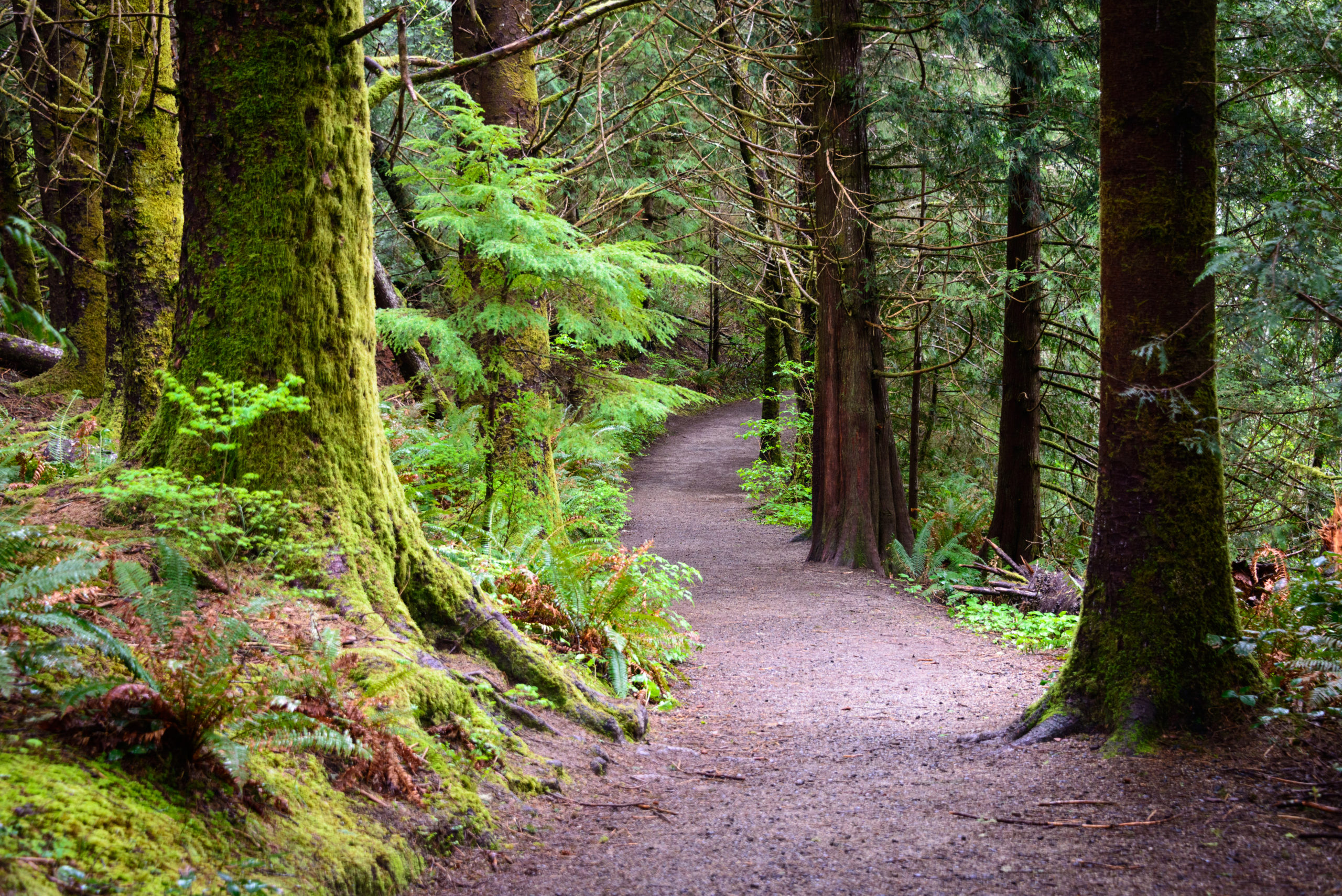
The Lewis & Clark National Historic Trail traces the route of the expedition, passing through scenic landscapes, historic sites, and important landmarks, including the Missouri and Columbia Rivers, the Rocky Mountains, and the Pacific Ocean. Visitors can hike, bike, or boat along the trail and experience the beauty and history of the western United States.
The Lewis & Clark National Historic Trail is an important part of the American story and provides a unique window into the history and culture of the early American west.
The trail is protected and managed by the National Park Service and is open to the public for exploration and enjoyment.
4. North Country National Scenic Trail
Included among the wonderful North Dakota National Parks are not one, but two amazing trails.
The North Country National Scenic Trail is a 4,600-mile long-distance hiking trail that extends from New York to North Dakota in the United States. The trail is one of eleven National Scenic Trails in the United States and is managed by the National Park Service.
The trail was established by the National Trails System Act of 1968, which aimed to create trails for the enjoyment and education of the public. The North Country National Scenic Trail was officially designated as a National Scenic Trail in 1980.
The History Of The North Country National Scenic Trail
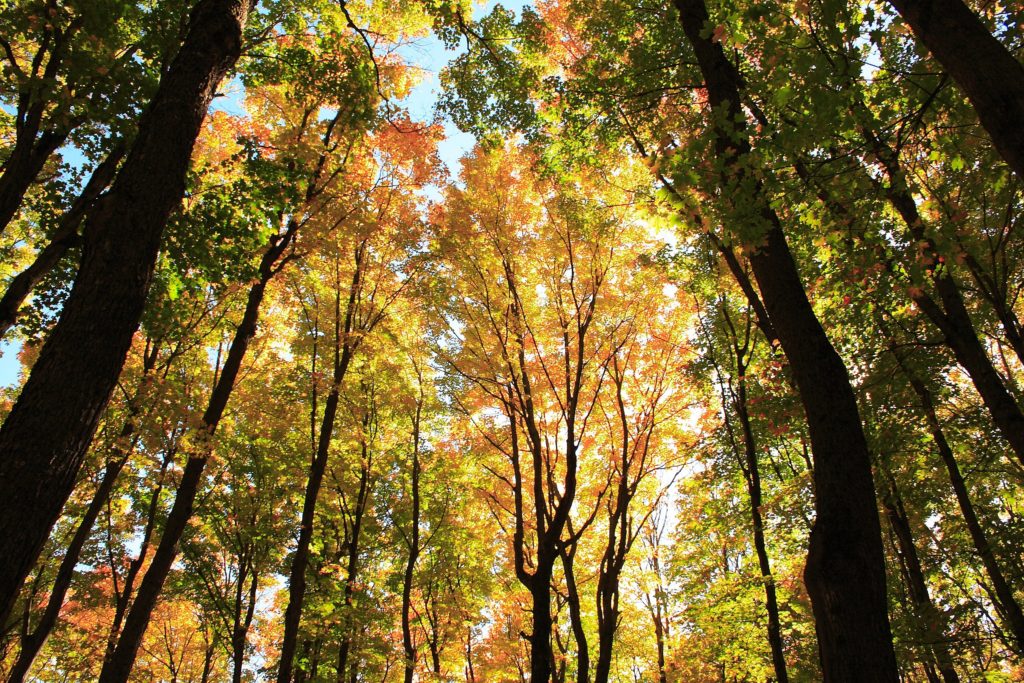
One of the longest trails in the nation starts in North Dakota. In 1980, the North Country National Scenic Trail (NCT) was authorized by Congress. It stretches 4,600 miles from upstate New Hampshire to its western terminus at Lake Sakakawea State Park.
The trail actually traversed seven states until 2019 when Vermont was added. The Vermont section is only about 70 miles long. It is open for year-round use but it is best to check the weather and trail conditions before using the trail.
In North Dakota this includes longer (backpackable) segments within the Sheyenne National Grasslands, along Lake Ashtabula, along the New Rockford Canal, within Lonetree Wildlife Management Area and along the McClusky Canal.
Shorter, (day-hike) segments may be found within the Ekre Grassland Preserve, between Colfax and Walcott, the Sheyenne State Forest, at Fort Ransom State Park, from Kathryn to Clausen Springs Recreation Area, within Valley City, at Audubon National Wildlife Refuge, and at Lake Sakakawea State Park. (Source: North Dakota National Scenic Trail)

5. Theodore Roosevelt National Park
If you only have time to see one of the North Dakota National Parks then I would recommend that you visit Theodore Roosevelt National Park.
It’s my favorite park in the state and one of the favorites in the United States.
This magnificent park celebrates the man whom many regard to be our nation’s greatest conservation president.
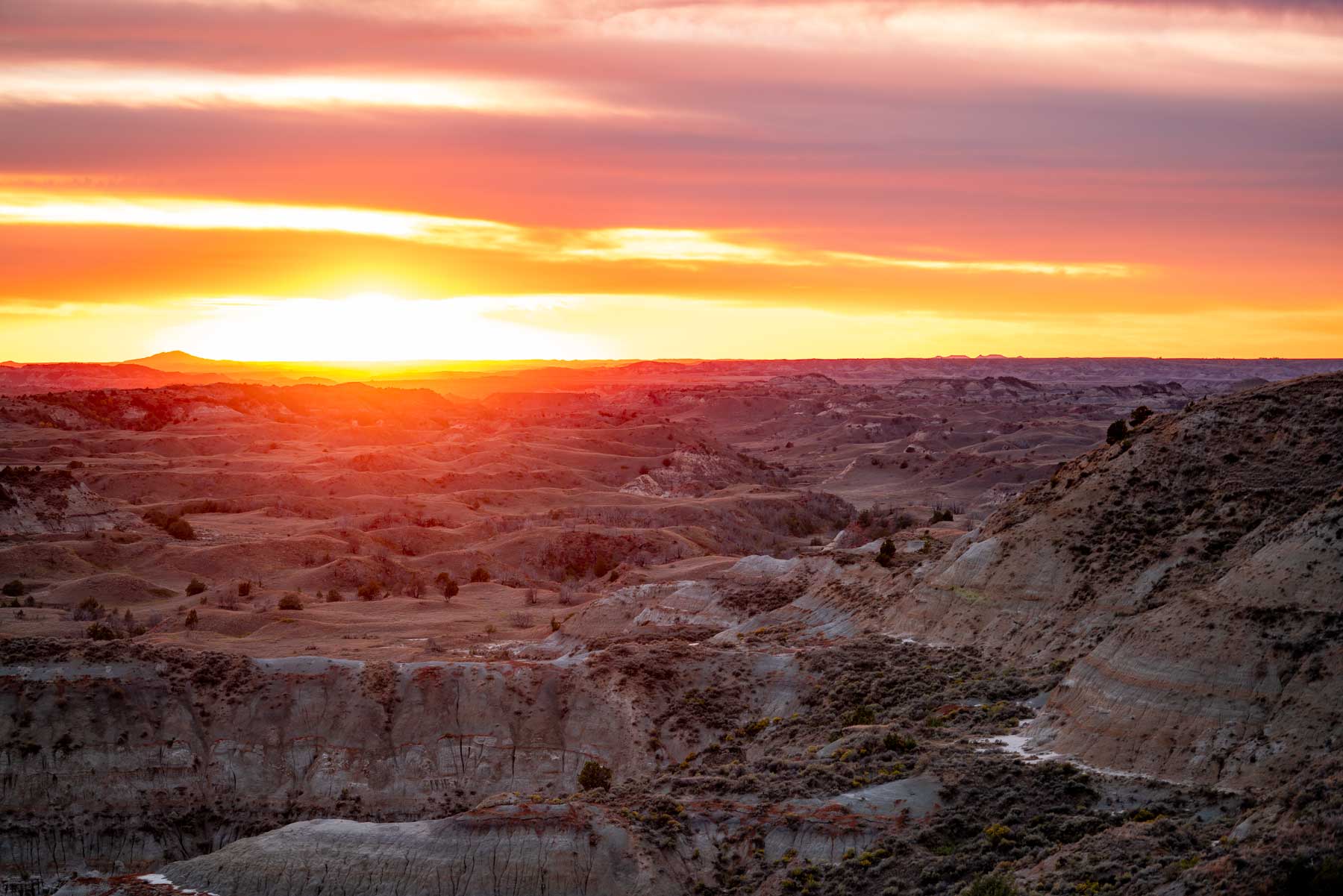
Encompassing over 70,000 acres, the park has an stunning array of breathtaking badlands, snaking rivers, diverse wildlife including our national mammal, and colorful canyons.
This is a land teeming with rugged beauty, massive mammals, and epic overlooks.

“It was here that the romance of my life began.”
-Theodore Roosevelt
Things to Know Before You Visit
Dogs are not allowed on trails in most national parks due to their potentially disruptive presence with the natural ecosystem. The basic rule is they are allowed where cars can go so be sure to check the rules before bringing along your furry friend.
Interesting Statistics
- Location: Medora, North Dakota
- Established: November 10, 1978
- Size: 70,446 acres
- Native Lands: Arikara, Blackfeet, Chippewa, Cree, Crow, Gros Ventre, Hidatsa, Mandan, Rocky Boy, Sioux
- Visitors: 749,389 (in 2018)
- Entrance Fees: $30 per vehicle; $70 annual pass (or $80 for America the Beautiful Pass)

Map
Our goal here at More Than Just Parks is to share the beauty of America’s national parks and public lands through stunning short films in an effort to get Americans and the world to see the true value in land conservation.


A Short History Of The Theodore Roosevelt National Park History
According to the National Park Service the area of land now considered the national park was once a swampy wetland full of cypress like trees, fish, and reptiles (about 65 million years ago).
Eventually ash from volcanic eruptions filled the swamps with sediment that was compacted over millions of years into different colored rock layers (I wonder what color our time will be…) and buried.
An ice age came and formed massive glaciers over much of North America. When the glaciers began to melt away the Little Missouri River was formed. As the river began eroding away the softest sediment it left behind amazing formations revealing millions of years of geological history.
This set the stage for the earliest known human inhabitants of the area, Native Americans.
Native Peoples in the Badlands
According to the National Parks Conservation Association, the Hidatsa and Mandan tribes used the lands within the park as bison hunting and eagle trapping grounds. The Arikara, Blackfeet, Chippewa, Cree, Crow, Gros Ventre, Rocky Boy, & Sioux tribes are also associated with these lands.
The Lakota referred to the now park area as “mako sica” (mah-koh see-kah) which was translated by Europeans as “badlands.”
Theodore Roosevelt In The Badlands
In 1883, at the age of 24, young Theodore Roosevelt was lured in to the Badlands by an acquaintance promoting the area as prime ranch lands.
Excited about the prospects for an open-range cattle industry, he invested in a ranch along the Little Missouri River near Medora before returning to New York.
His aim then was to kill a bison before there were no more left on the continent and to get a taste of the real American west.
Upon arriving he was quickly mesmerized by the otherworldly landscapes and natural beauty of the area. The clean air was also a great remedy for his chronic asthma.

“I have always said I would not have been president had it not been for my experience in North Dakota”
-Theodore Roosevelt
The Maltese Cross Cabin
After spending a few weeks in the area hunting (and killing his first bison) he decided to purchase the Chimney Butte Ranch for $14,000.
As the ranch’s official brand, the Maltese Cross was the name that the cabin Roosevelt had built on the property as a temporary home.
The cabin can still be toured today (after taking a trip to St. Louis for the world fair & Portland, Oregon for the Lewis and Clark Centennial Exposition).

The Elkhorn Ranch
After the unexpected and tragic deaths of his wife and mother on the same day, a devastated Roosevelt returned to North Dakota in 1884 to make ranching his full-time business.
He found a ranching boom in progress in the Little Missouri River Valley. Encouraged by the success of his Maltese Cross Ranch, he purchased 1,000 head of cattle and selected a site for a second ranch. He purchased the rights for a second ranch for $400 and named it Elkhorn.
Elkhorn Ranch, about 35 miles north of Medora, became headquarters for Roosevelt’s cattle operations. Completed by the spring of 1885, the 30’ by 60’ Elkhorn Ranch house was one of the finest in the Badlands, with eight rooms and a porch on the east elevation.
This ranch, which he referred to as his “home ranch”, was where he based his cattle operations.

Disaster Struck
Roosevelt’s ranching business reached a peak in 1885 and 1886, but disaster struck during the winter of 1886 and 1887. More cattle already were grazing on the open range than it could support by the fall of 1886.
Winter brought heavy snows, partial thawing, and subzero temperatures that created a crust over the snow that the cattle could not break through.
When Roosevelt returned in the spring of 1887, he learned that he had lost over half his herd. By the early 1890s, he had abandoned his Elkhorn Ranch and returned to the Maltese Cross Ranch. He came back periodically to the area until 1898, but felt that open-range ranching in Dakota Territory was “doomed, and can hardly outlast the century.”
He sold the last of his stock in 1898. Roosevelt lost much of his fortune in the Badlands but never regretted the time he spent there.
The Winning Of The West
Defeated politically and running out of money after a ranch deal gone bad, Theodore Roosevelt began writing his epic history of the conquest of the American West in 1888.
He wove a sweeping drama, well documented and filled to the brim with Americans fighting Indian confederacies in the north and south while dealing with the machinations of the British, French, and Spanish and their sympathizers.
I heartily recommend Roosevelt’s multi-volume: The Winning of the West.
Roosevelt Returned To Medora In 1903
President Theodore Roosevelt embarked on a nine and a half week journey across the North American continent in April of 1903. The Pennsylvania Railroad Company provided a special six-car train, decorated and equipped for a 14,000 mile cross-country journey.
Roosevelt’s final stop on his cross-country tour was in Medora, North Dakota. Practically the entire population of the Badlands turned out to greet him.
Arriving after dark, Roosevelt later recalled that “the entire population of the Badlands down to the smallest baby had gathered to meet me… They all felt I was their man, their old friend; and even if they had been hostile to me in the old days when we were divided by the sinister bickering and jealousies and hatreds of all frontier communities, they now firmly believed they had always been my staunch friends and admirers.”
Roosevelt continued, “I shook hands with them all and…I only regretted that I could not spend three hours with them.” (Source: Mandan Historical Society)

Creation of The Park
Shortly after Roosevelt’s death in 1919 the search for a memorial location commenced and Medora was selected. An early plan called for a massive 1.2 million acre park but local ranchers complained that the land was too valuable for grazing.
In the 1930s the land dried up due to poor grazing & agricultural practices and with it came the great depression forcing ranchers to sell their land to the government on the cheap.
Little Missouri National Grasslands was established with some of those lands earmarked for a park. The CCC broke ground on what was to become two state park sites in 1934 but work stopped in 1941 with the advent of World War II.
In 1946 after congress voted down inclusion of the lands into the national park system due to not possessing the qualities befitting a national park, the land was transferred US Fish & Wildlife and Theodore Roosevelt National Wildlife Refuge was created.
During the Truman administration the refuge was turned into a National Memorial Park.
Finally, on November 10, 1978 President Jimmy Carter signed into law creating this incredible national park.

Things to Do At The Park
1. See America’s National Mammal, The Bison:
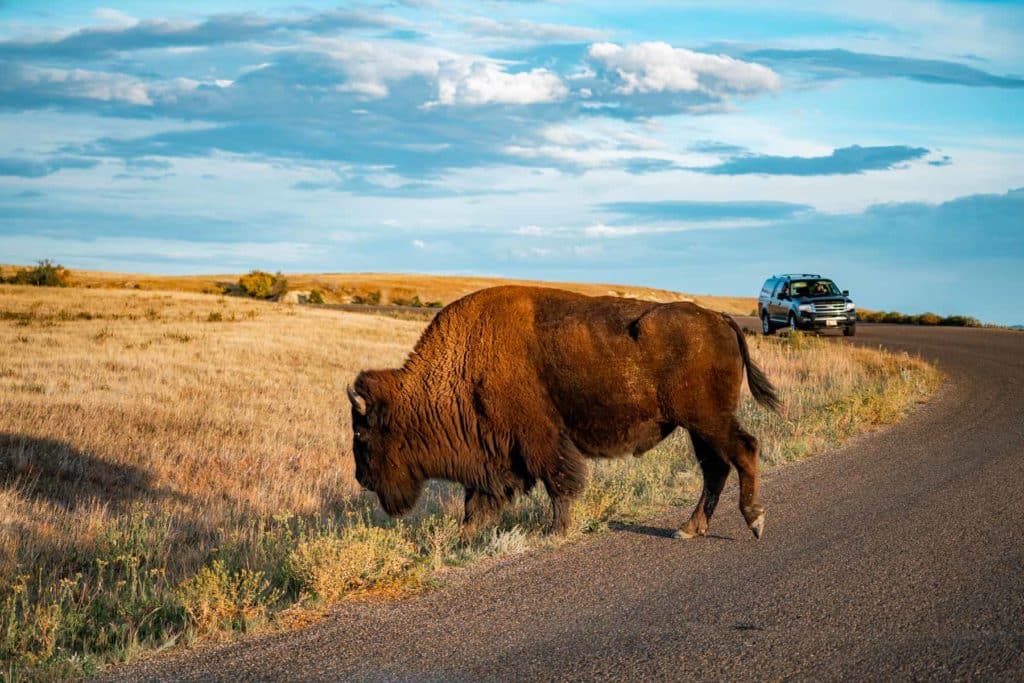
The park’s most popular resident happens to be our national mammal, the Bison. Seeing one of these majestic creatures in person is truly a sight to behold.
The bison is the largest mammal in North America. Their common name (buffalo) comes from the French who called them “les boeufs” (which means oxen) and over time that being changed to buffalo.
These majestic animals are visible in both the North and South Units of the park. In the South Unit they can typically be spotted shortly after crossing the interstate bridge into the park upon descending into the first canyon, among other places.
In the North Unit, they can typically be spotted immediately after entering the park.

2. See a sunset from River Bend Overlook
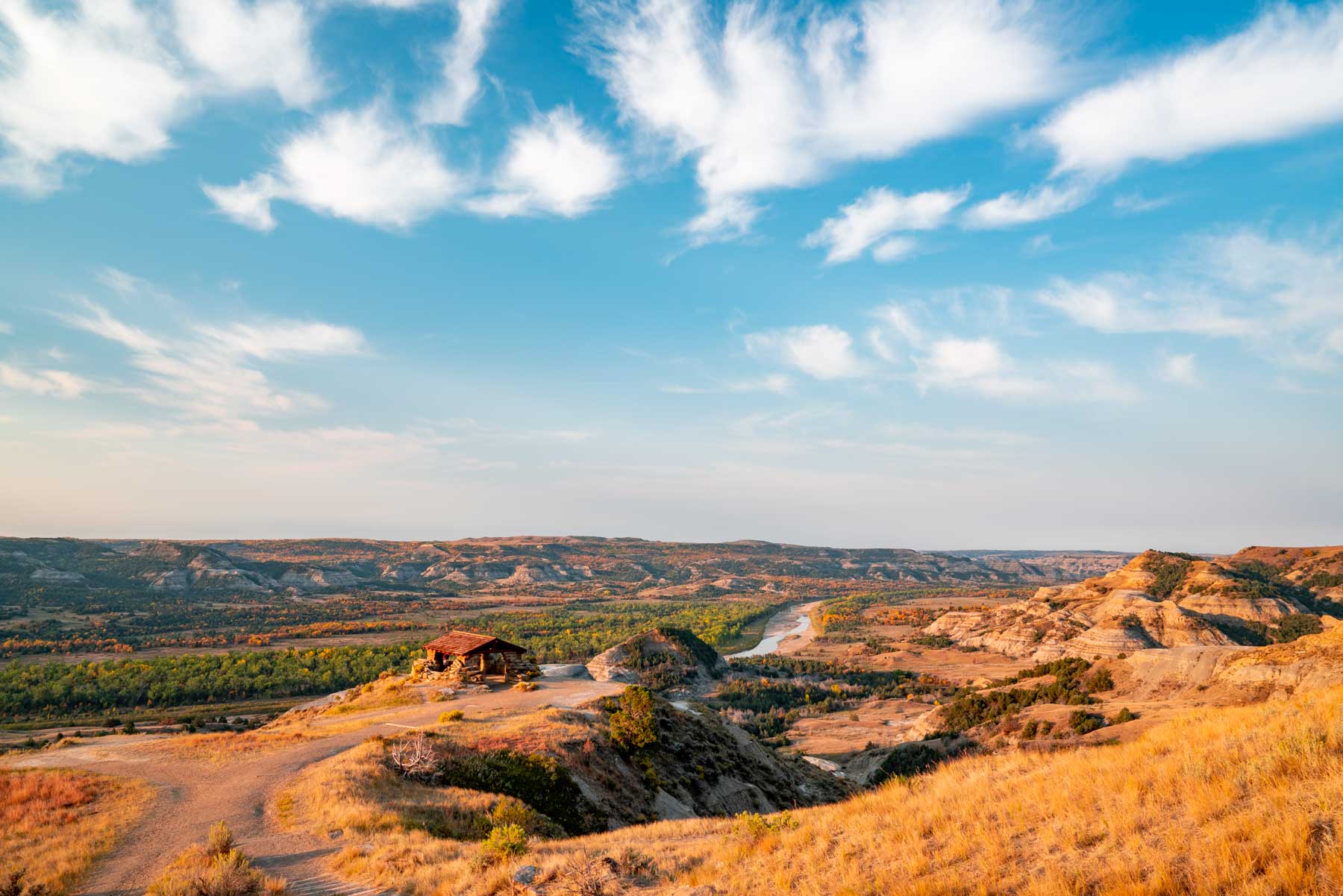
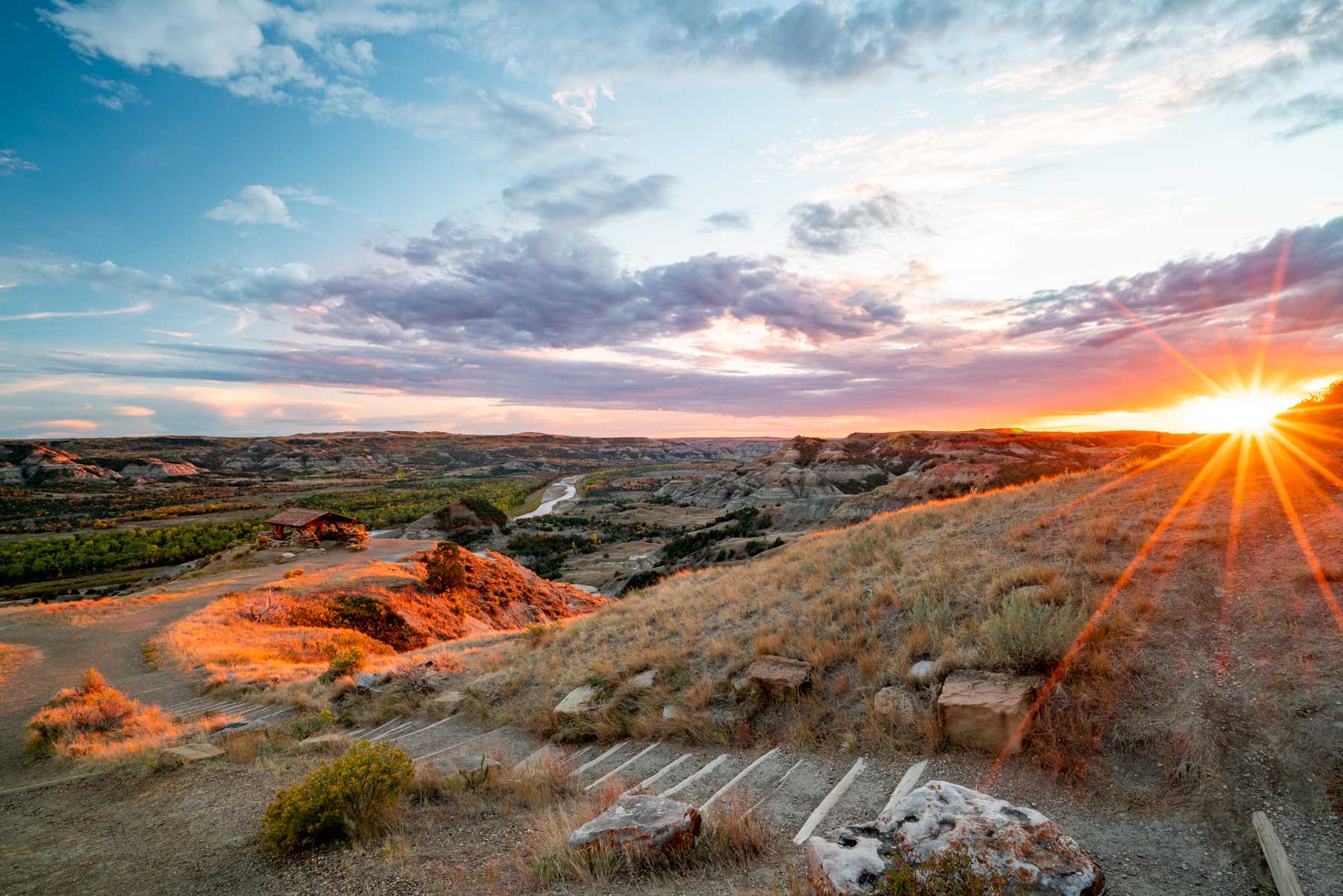
Perhaps the best place in the park to see the sunset is River Bend Overlook. Located in the North Unit, this vista offers epic, panoramic views of the Little Missouri River and surrounding badlands.
It’s also a very short walk from the parking lot down to the viewing pavilion.
CAUTION: During our visit I sat and watched the sunset from the grassy hill featured in the foreground. Upon the 10 step walk back to the trail featured in the photo above I encountered a prairie rattlesnake.
I never would have seen it were it not for the tell-tale rattle noise which I found to be reassuringly loud.
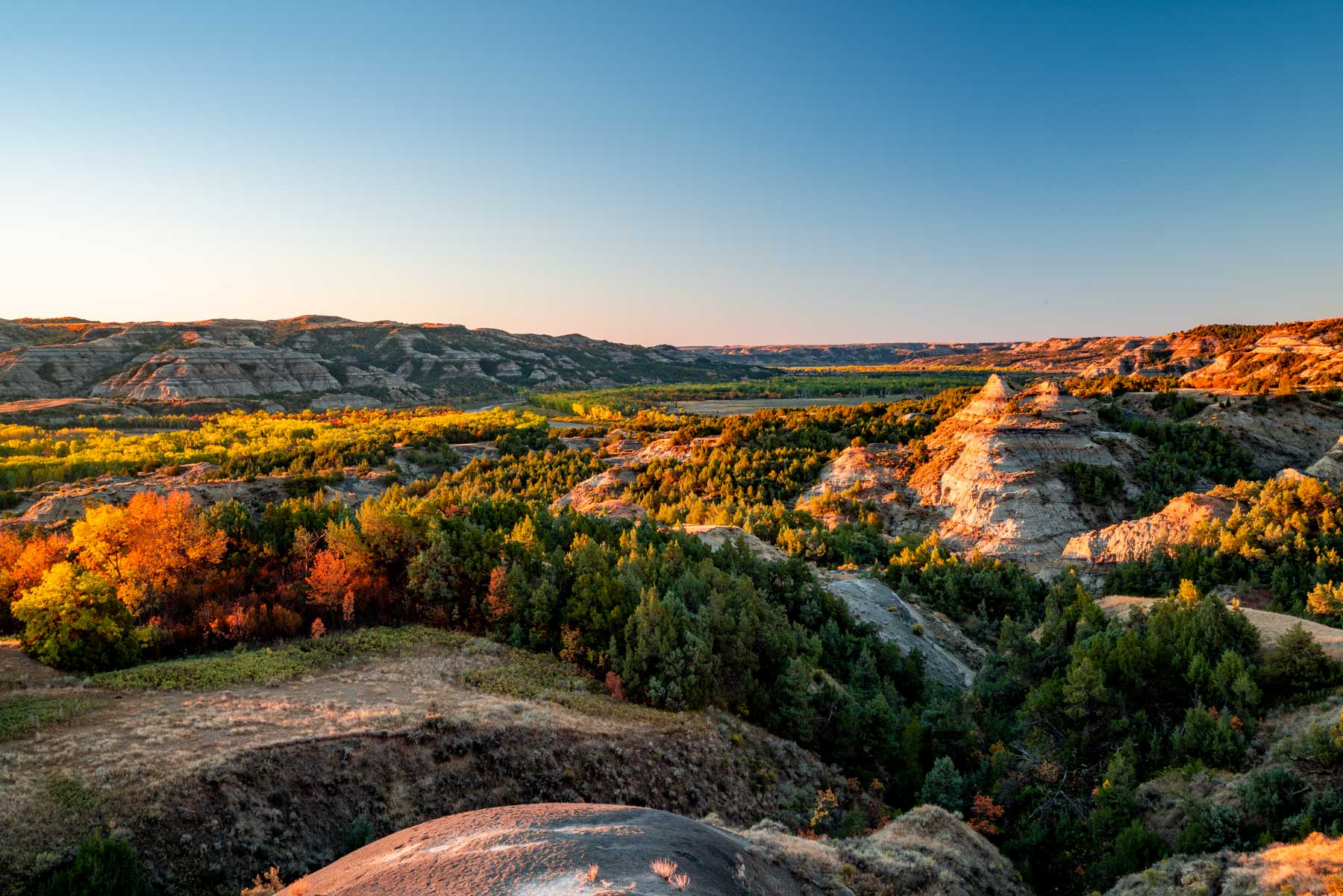
3. See a sunrise from Oxbow Overlook
The best place to watch a sunrise is Oxbow Overlook. This spot features breathtaking panoramic views of the Little Missouri River Valley that will wow at anytime during the day.
From the overlook there are several trail opportunities including the popular Achenbach Trail. If you look closely into the canyon below you can often spot bison grazing.
Oxbow Overlook is located in the North Unit of the park at the very end of the main park road.
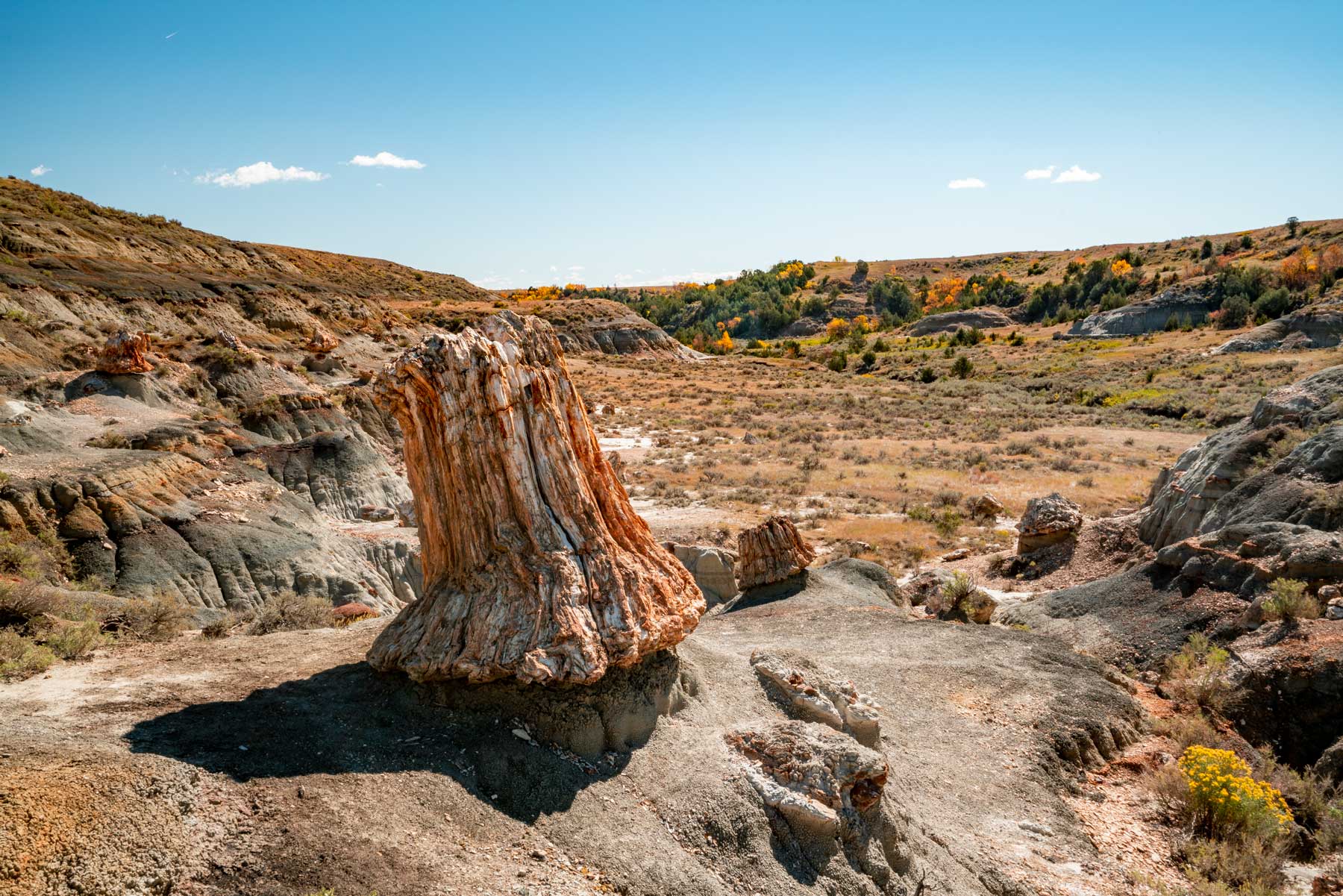
4. Discover the Ancient Petrified Forest Trail
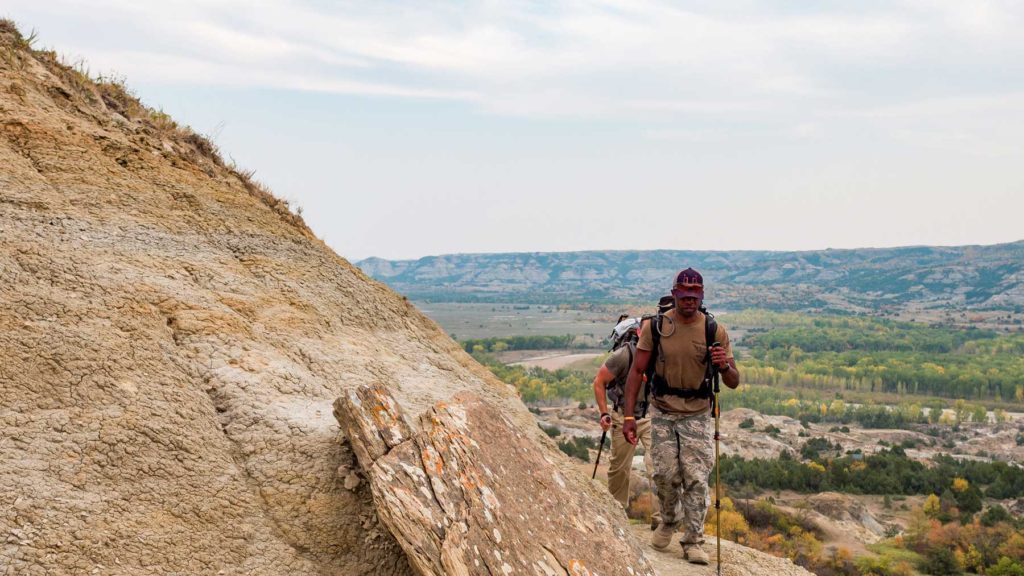
My favorite hike (and easily one of the highlights of the entire trip) was the Petrified Forest Trail.
I almost didn’t hike this trail as I had not read much about it anywhere but had some extra time left on my last day in the park. Boy was I glad I did!
- Length: Depends (1.5 miles each way to either of the petrified forests OR can do 10 mile loop)
- Time: 2-10 hours depending on how long you linger
- Elevation: Maybe 200ft
According to the National Park Service, the park has the third highest concentration of petrified wood in the United States. Who knew!
To get to the trailhead you actually have to leave the South Unit of the park and drive down the interstate one stop to West River Rd. Signs (or google maps) will eventually lead you to the trailhead from there.
We opted for the North Trail as we were told by another hiker that had done both that it was far superior – we were not disappointed.
Now I’ve been to Petrified Forest National Park, and absolutely loved it, but the Petrified Forest blows the one in Arizona out of the water. The stumps of trees are absolutely massive, some of them more than 6 feet tall and larger!
5. Admire the Wild Horses
One of the most sought after animal sightings is that of the non-native wild horses that exist in the park today. We saw horses (and lots of them) every day that we were in the park.
If you’re determined to see these animals in the wild, the South Unit is your best bet. We saw them most often near the Coal Vein Trail. Keep your eyes peeled on the tops of hills and you’re likely to see some.

Check Out Our Amazing Film

Encompassing over 70,000 acres, Theodore Roosevelt National Park has a stunning array of breathtaking badlands, snaking rivers, diverse wildlife including our national mammal, and colorful canyons.
Journey with us as we explore a land teeming with rugged beauty, massive mammals, epic overlooks, and the place where Theodore Roosevelt once claimed “it was here that the romance of my life began.”
This installment in the More Than Just Parks award-winning series featuring Theodore Roosevelt National Park was done not only to showcase the amazing recreational opportunities that exist in the park but to underscore the importance of protecting North Dakota’s wild places so they stay legendary.
Theodore Roosevelt National Park is an American national park of the badlands in western North Dakota comprising three geographically separated areas. Honoring U.S. President Theodore Roosevelt, it is the only American national park named directly after a single person.
North Dakota is known for its Badlands, now part of the 70,000-acre Theodore Roosevelt National Park. Roosevelt’s journey to the Dakota Territory in 1883 to hunt bison was among his Western ventures that instilled in him a fervor for preservation of natural lands, and ultimately the first national parks.
The following is a list of must-see historic sites in North Dakota:
Theodore Roosevelt National Park
North Dakota Heritage Center & State Museum
Fort Union Trading Post National Historic Site
Knife River Indian Villages National Historic Site
Fort Totten Historic Site
Lewis & Clark National Historic Trail
Fort Abraham Lincoln
Ronald Reagan Minuteman Missile Site State Historic Site
Chateau De Mores State Historic Site
North Country National Scenic Trail
Pembina State Museum
Bagg Bonanza Farm
The Enchanted Highway
Fort Buford State Historic Site
Standing Buffalo Monument
We’re Jim Pattiz and Will Pattiz, collectively known as the Pattiz Brothers (and sometimes the Parks Brothers) and we absolutely LOVE the national parks.
You should probably know that we don’t just make this stuff up out of thin air. We’ve spent our entire adult lives exploring and filming America’s national parks and public lands.
We’ve worked with the National Park Service, the Department of Interior, USDA, and the U.S. Forest Service for years creating films on important places and issues. Our work has been featured in leading publications all over the world and even some people outside of our immediate family call us experts on the national parks.

Map Of The National Parks Of North Dakota
List Of National Parks In North Dakota
- Fort Union Trading Post National Historic Site
- Knife River Indian Villages National Historic Site
- Lewis & Clark National Historic Trail
- North Country National Scenic Trail
- Theodore Roosevelt National Park
We Hope You’ll Join Our Journey
We hope you’ll follow our journey through the parks and help us to keep them the incredible places that they are. If you’re interested in joining the adventure then please sign up below!
Related Helpful Posts
Things to Do at Theodore Roosevelt NP: Things to Do at Theodore Roosevelt National Park
Theodore Roosevelt NP Guide: Theodore Roosevelt National Park is Insanely Beautiful (Helpful Guide)