


Hot Springs National Park sits right in the middle of a town in Arkansas, built around 47 thermal springs that the federal government protected back in 1832, forty years before Yellowstone. It is one of the most unusual parks in the country, and one of the oldest pieces of protected land in America.
I taught history for decades before I started visiting the parks, and Hot Springs is a history teacher’s park. The story here is about people, water, and what Americans have chosen to protect. Here are 12 facts about the park, each checked against the National Park Service and the record. Where the old numbers had been overtaken by events, I corrected them.
Hot Springs National Park: The Basics
- Location: Garland County, Arkansas, beside the city of Hot Springs
- Size: About 5,550 acres, one of the smallest national parks
- Protected: Set aside as a federal reservation in 1832; became a national park in 1921
- Highest point: Music Mountain, 1,405 feet
- The draw: Historic Bathhouse Row and 47 natural thermal springs
For a full plan, see our guide to the best of Hot Springs National Park and our roundup of Arkansas national parks.
1. It Is One of the Oldest Protected Lands in America
This is the fact that matters most. On April 20, 1832, President Andrew Jackson signed legislation setting aside the springs and surrounding mountains as a federal reservation, to be kept out of private hands “for any other purpose whatsoever.”
Love Hot Springs? It's one of 117 threatened public lands destinations we're tracking. Get the free briefing.
That makes Hot Springs the first time the federal government set aside land specifically to protect it for public use, forty years before Yellowstone became the first official national park in 1872. Hot Springs did not get the “national park” title until 1921, so Yellowstone still holds the “first national park” claim. But as protected ground, this place came first.
2. It Is One of the Smallest National Parks
At roughly 5,550 acres, Hot Springs is one of the smallest national parks in the country. For decades it was the smallest of them all.
That changed in 2018, when the Gateway Arch in St. Louis, at about 91 acres, was redesignated a national park and took the title of smallest. Hot Springs now ranks second from the bottom. It is still tiny by park standards, wrapped right around a working city, which is part of what makes it so unusual.

3. There Are 47 Thermal Springs, and the Park Must Give the Water Away
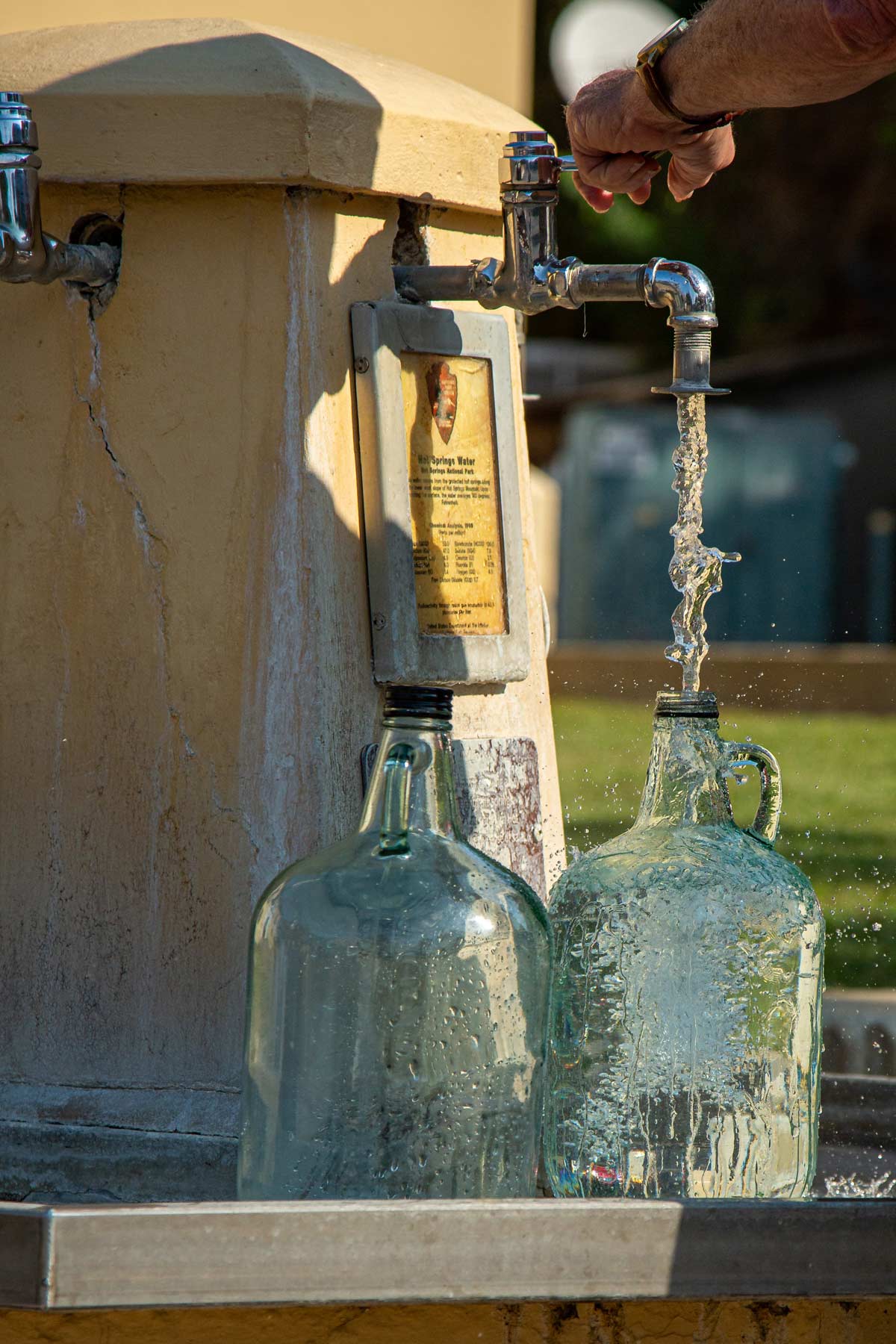
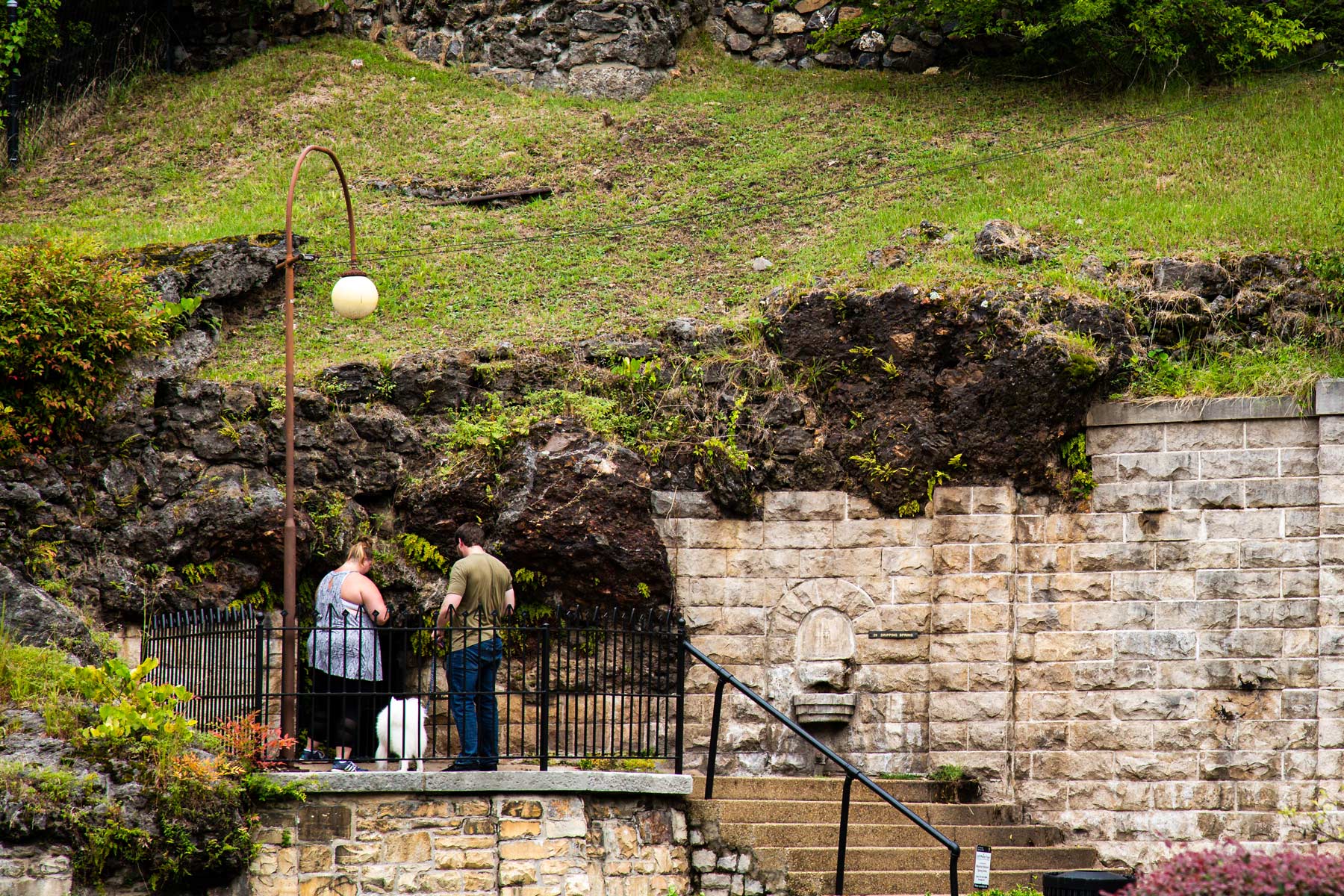
The park protects 47 naturally heated springs flowing from the slope of Hot Springs Mountain. Here is the strange part: Hot Springs is the only unit in the entire national park system required by law to give away its primary natural resource, the thermal water, to the public, free and in its natural state.
You can fill a jug at public fountains around the park and carry the water home. Most of the springs’ flow path runs hidden beneath the Ouachita Mountains, which is why the surrounding watershed is protected too. People have been using these waters for thousands of years, including the Quapaw and Caddo peoples long before the bathhouses arrived.
4. The Water Fell as Rain About 4,000 Years Ago
The water in these springs is old. According to the National Park Service, the thermal water emerging today fell as rain roughly 4,000 years ago, around the time the Egyptians were building the pyramids.
That rain slowly seeped deep into the Earth, where it was heated, then traveled back up through cracks in the rock to reach the surface at about 143°F. It is safe to drink, monitored to U.S. drinking-water standards, and the high temperature kills most harmful bacteria. The result is a glass of water older than most of recorded history.
5. The Springs Are Not Volcanic
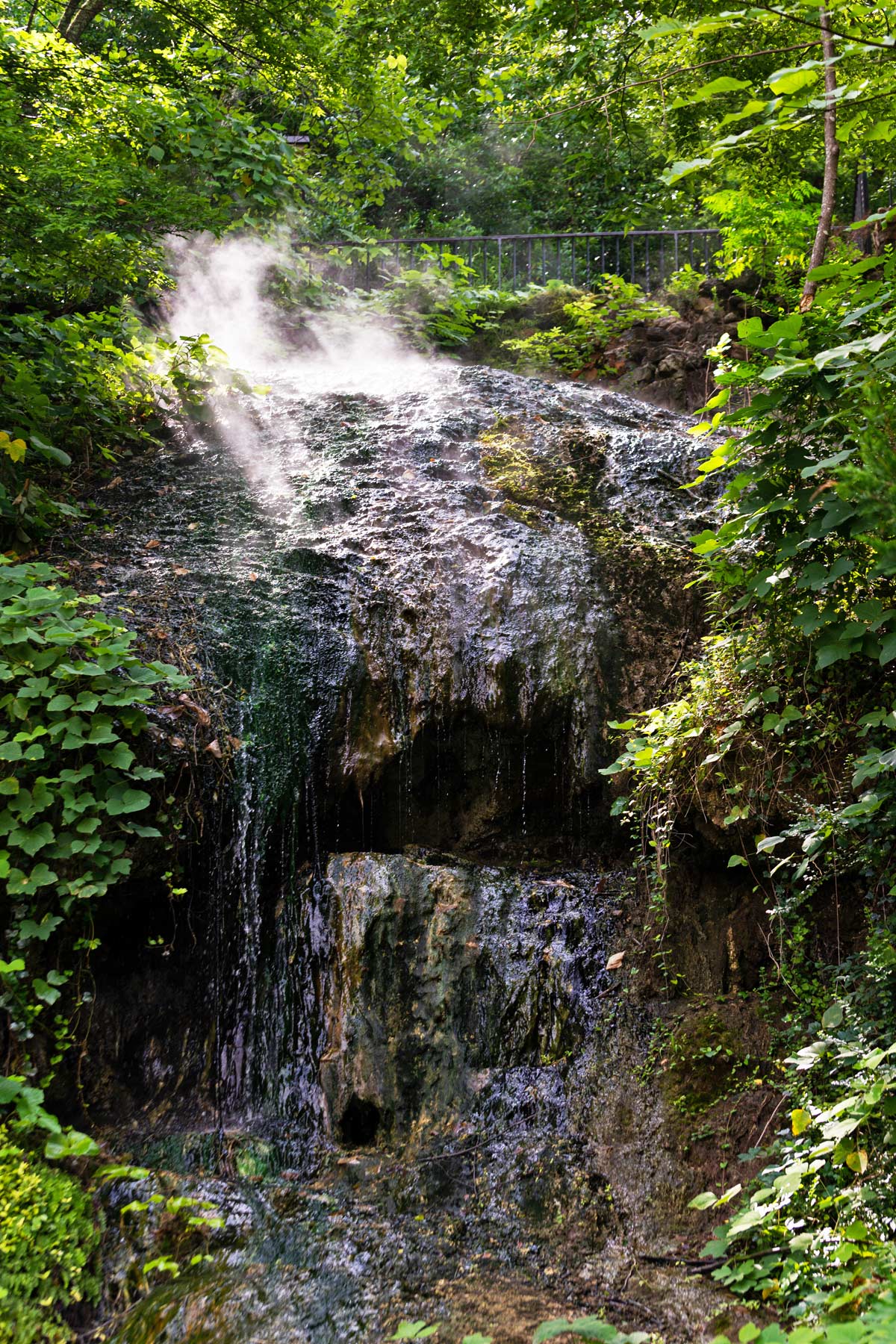
People assume hot springs mean volcanoes. Not here. There is no volcanic activity anywhere near Hot Springs National Park.
The heat comes from depth instead. Rainwater sinks thousands of feet down through fractures in the rock of the ancient Ouachita Mountains, where the Earth’s natural heat warms it, then rises quickly back to the surface before it can cool. It is a plumbing system, not a volcano, and it has been running steadily for a very long time.
6. Thomas Jefferson Sent an Expedition Here in 1804
Everyone knows Lewis and Clark, but Thomas Jefferson sent out other expeditions to explore the new Louisiana Purchase. One of them came straight to Hot Springs.
In 1804, Jefferson dispatched William Dunbar, a planter and scientist, and Dr. George Hunter, a Philadelphia chemist, up the Ouachita River to study “the hot springs.” Their crew mapped the area, described its plants and animals, tested the waters, and sent Jefferson one of the first scientific reports on the territory the United States had just bought from France. A spa town soon grew up around the springs, and Hot Springs became known as the “American Spa.”

7. Bathhouse Row Made It “America’s Spa”
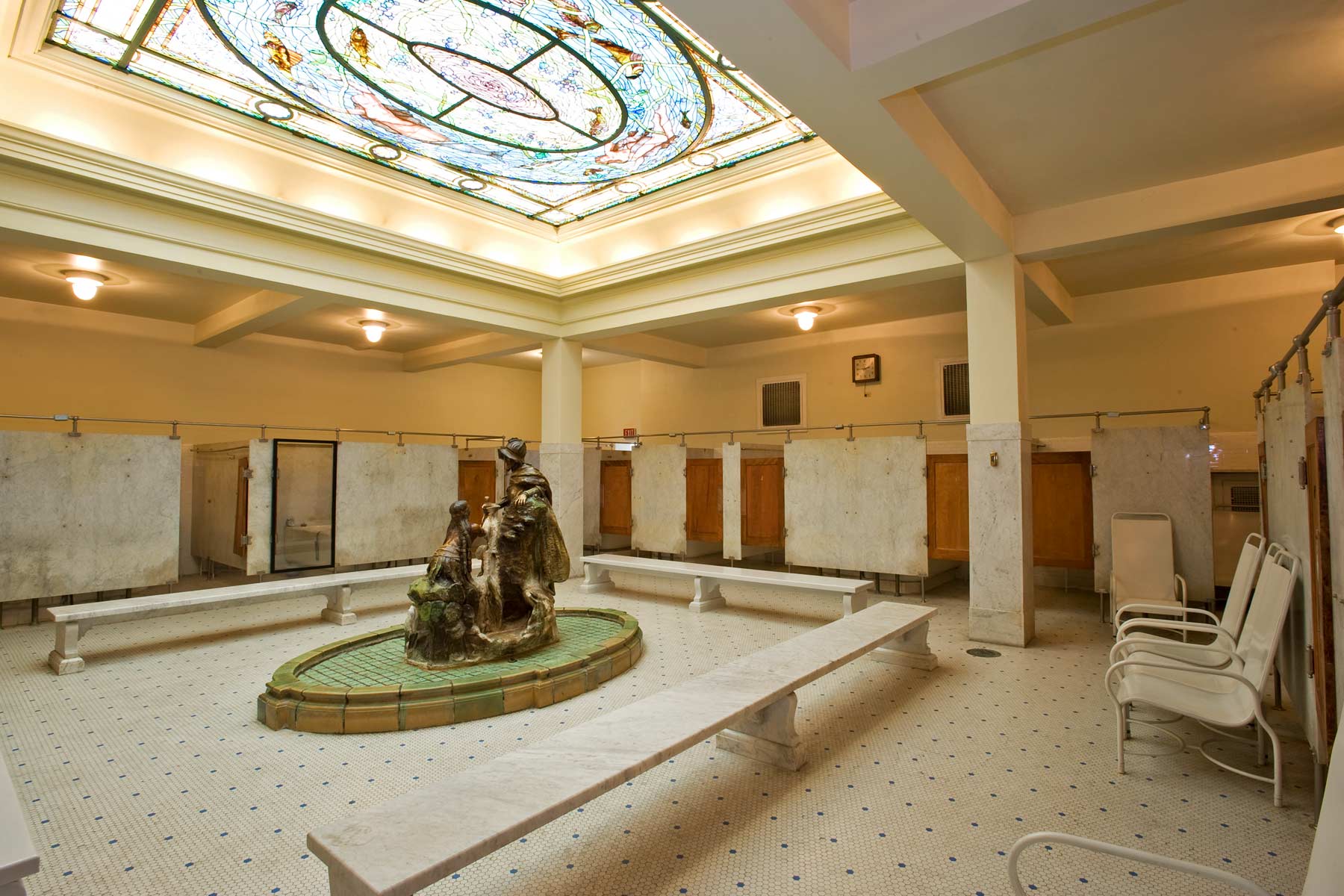
The heart of the park is Bathhouse Row, a line of grand early-1900s bathhouses fed directly by the thermal springs. The first bathhouses were crude tents and lumber sheds over the springs. As the resort boomed, those gave way to the elegant masonry-and-steel buildings you see today.
People came from all over for the supposed healing powers of the water, and the guest list got famous. Visitors over the years included Babe Ruth, Cy Young, Helen Keller, and a string of presidents. Two bathhouses on the Row, the Buckstaff and the Quapaw, still offer thermal baths today, so you can soak the same way visitors did a century ago.

8. It Was a Gangster Hideaway, and Has a Museum to Prove It
Hot Springs had a wilder side. From the late 1800s into the mid-1900s, the town was a haven for gambling, bootlegging, and organized crime, drawing some of the most notorious gangsters in America.
Regulars and visitors included Al Capone, Frank Costello, Bugs Moran, and “Lucky” Luciano, who was actually arrested by local police while in town, so much for the nickname. The story is told today at the Gangster Museum of America in downtown Hot Springs. It is a strange and very American mix: a federal health resort that doubled as a mob getaway.
9. The Father of Landscape Architecture Was Almost Hired Here
Here is one for the history buffs. In the 1890s, as the government planned ambitious landscaping for the reservation, the original idea was to hire Frederick Law Olmsted.
Olmsted is the man who practically invented landscape architecture in America, the designer of New York’s Central Park, the grounds of the U.S. Capitol, and the Biltmore Estate. After a series of disagreements, his firm withdrew from the Hot Springs project, so his fingerprints never quite landed here. But the near-miss says something about how seriously the country took this little spa in Arkansas.

10. A Great Fire Reshaped the Town in 1878
The park’s history has a tragic chapter. In 1878, a fire swept up the valley and destroyed much of downtown Hot Springs, sparing only a handful of hotels and bathhouses at the north end.
The early buildings had been rough and poorly kept, so many residents came to see the fire as more blessing than disaster. It cleared the way for the sturdier, handsomer construction that became Bathhouse Row. Sometimes a town gets a second chance the hard way.
11. There Are 26 Miles of Trails Above the Bathhouses
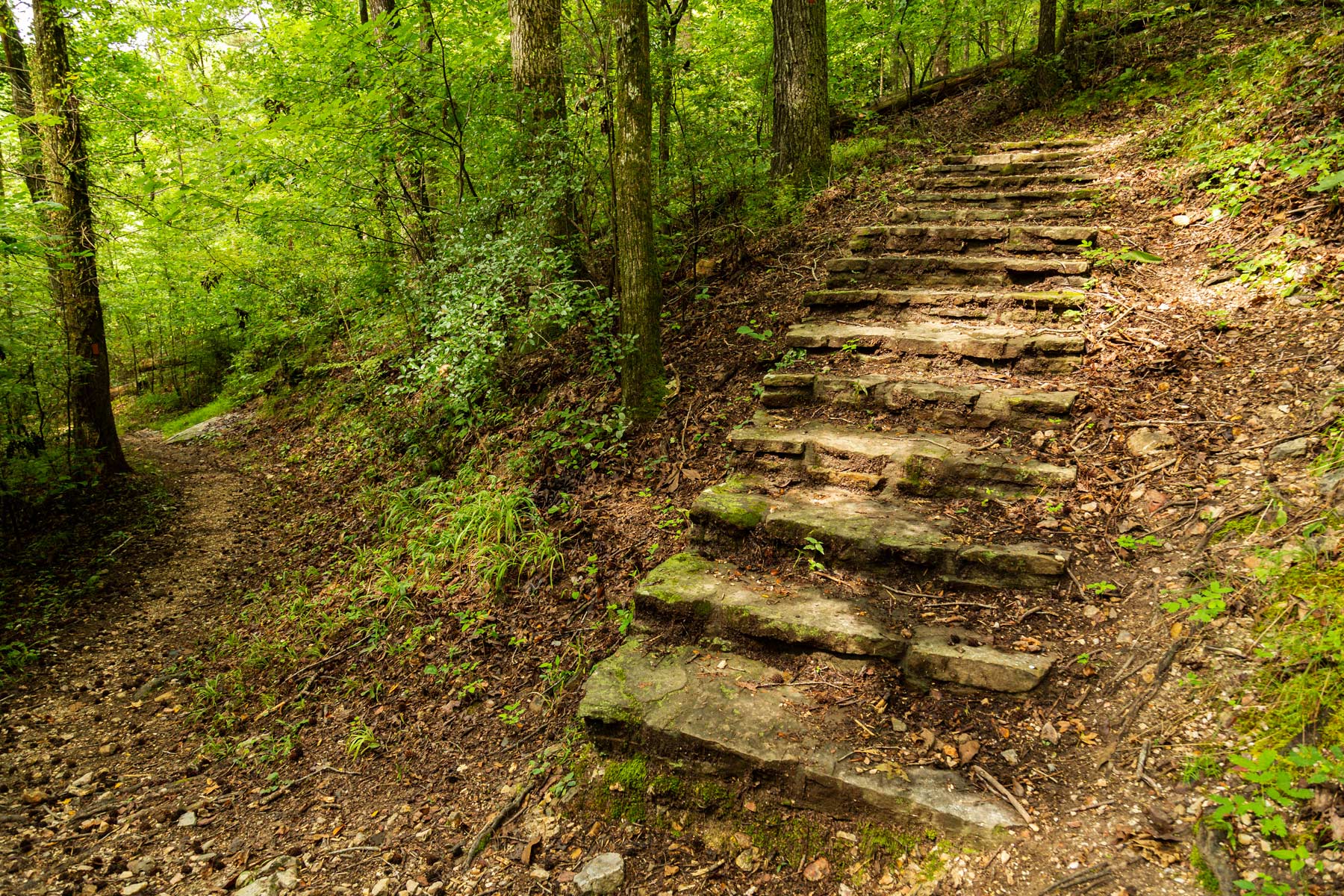
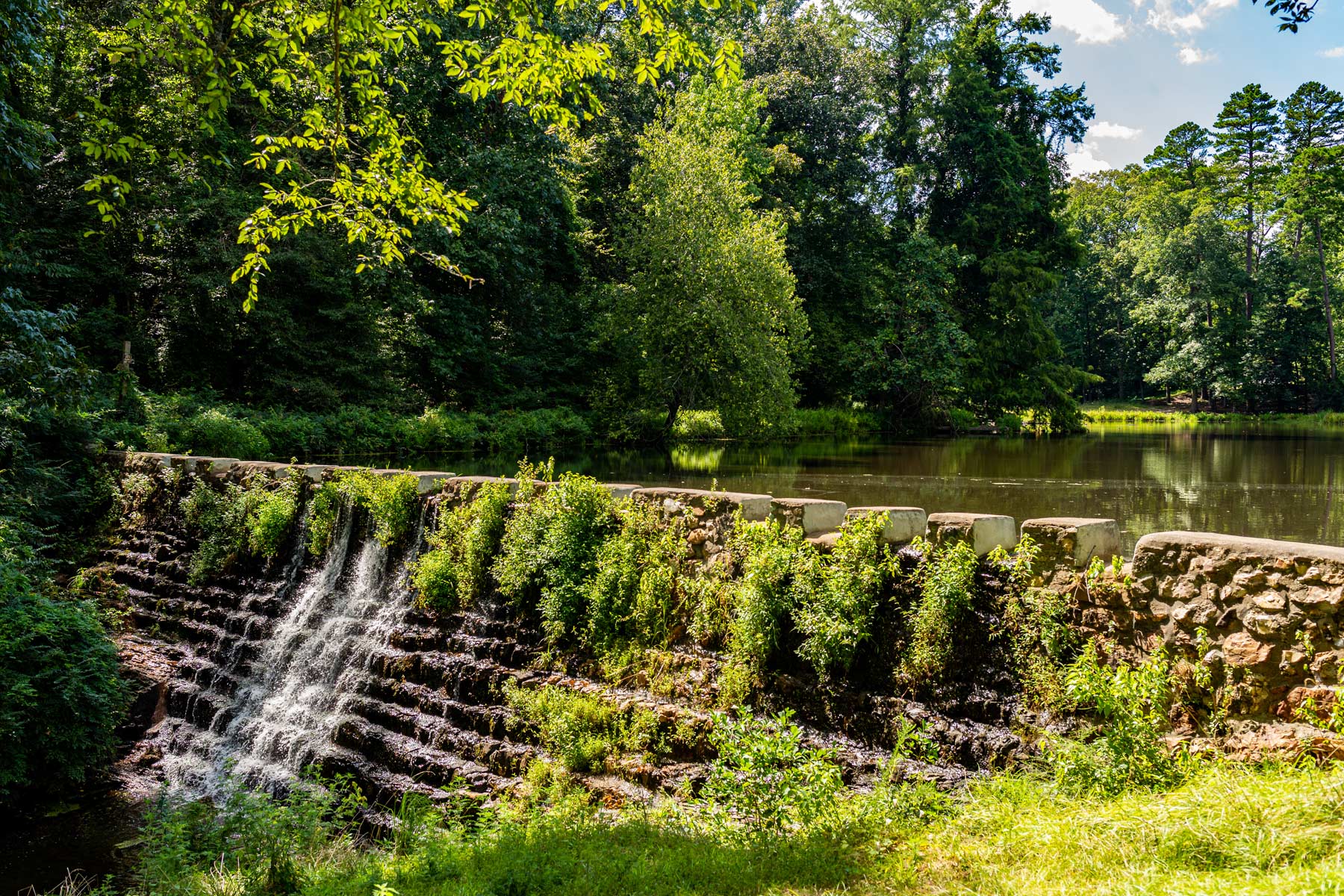
Hot Springs is not only Bathhouse Row. Climb the hills behind it and you will find about 26 miles of trails winding through oak and pine forest, most of them connected and easy to string together.
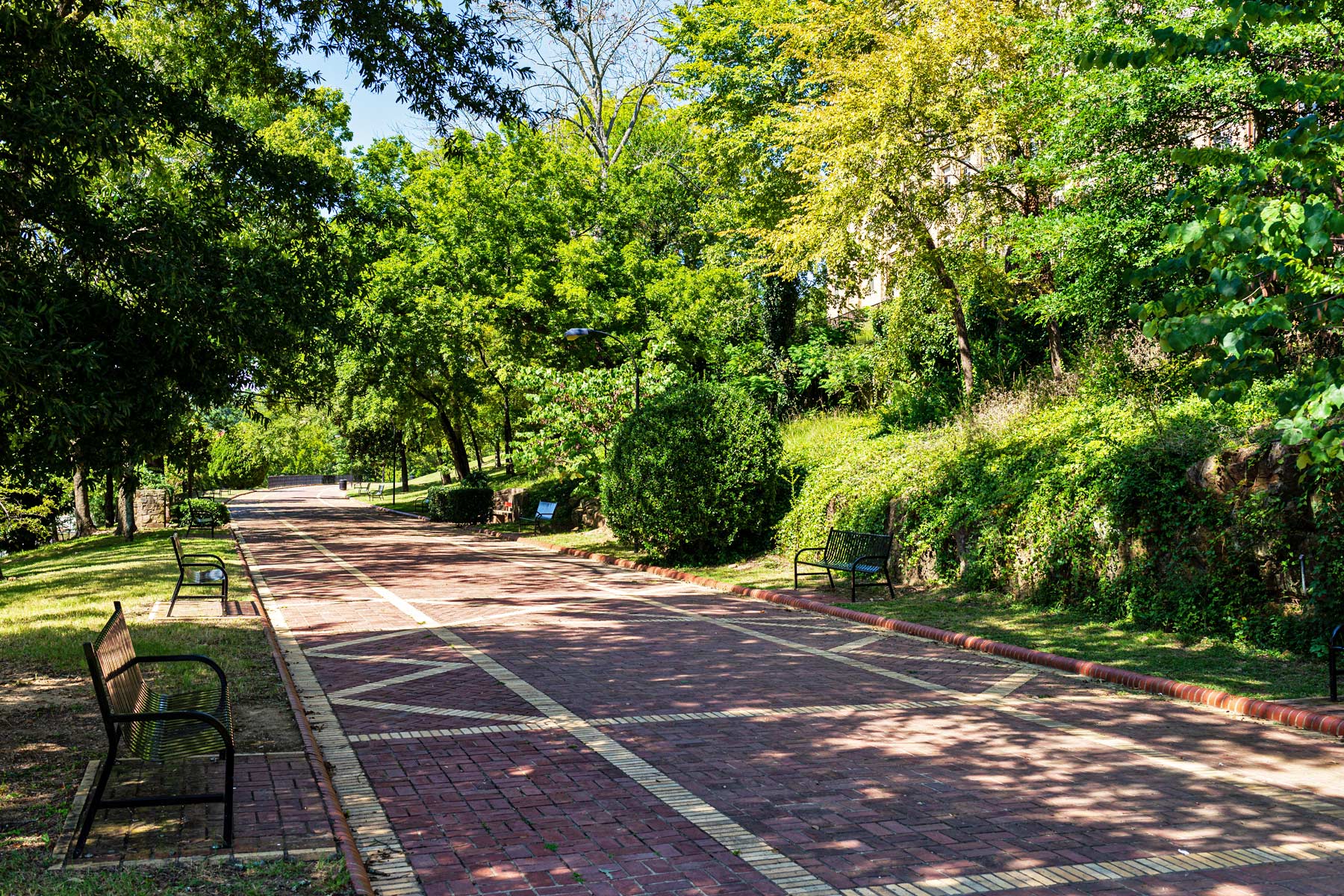
The Grand Promenade offers a shaded stroll right above the bathhouses, and the Hot Springs Mountain Tower gives you a long view over the Ouachitas. For a real hike, the Sunset Trail runs out into the park’s quieter, wilder corners. There is also camping at the Gulpha Gorge Campground for tents and RVs.
12. It Became the 18th National Park in 1921
After the National Park Service was created in 1916, the old Hot Springs Reservation was renamed Hot Springs National Park in 1921, making it the 18th national park in the system.
It remains one of a kind: a national park that protects a piece of working American downtown as much as a piece of nature. Bathhouse Row and the Grand Promenade are a National Historic Landmark District, and the springs that started it all still flow, free to anyone who comes to fill a cup. That is a fitting legacy for the country’s oldest protected land.

Plan Your Hot Springs Trip
Hot Springs pairs a soak on Bathhouse Row with a hike in the hills, all within walking distance of town. Start with our guide to the best of Hot Springs National Park, and see what else is close in our Arkansas national parks guide.
What to Bring to Hot Springs
Gear we recommend for Hot Springs. Affiliate links support our work at no cost to you.
More Than Just Parks may earn a small commission from purchases made through these links, at no extra cost to you. We only recommend gear we would actually use.
Affiliate disclosure: Some links on this page earn us a small commission at no extra cost to you. We only recommend gear we actually use.


