
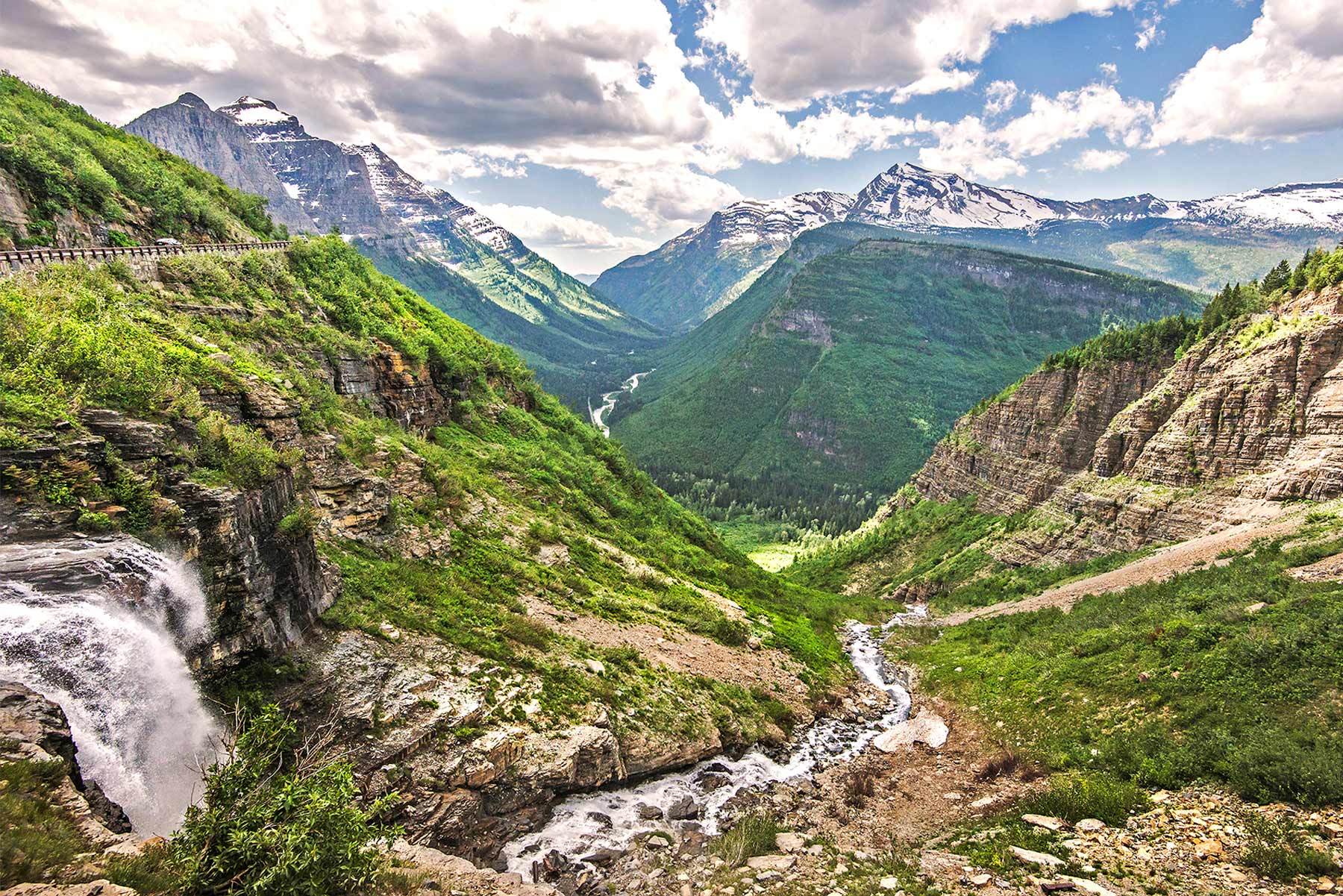


If you’ve been planning a Glacier trip and bracing yourself for the 8am reservation scramble, we have genuinely good news. For the first summer since 2020, Glacier National Park does not require vehicle reservations. Anywhere. Not on Going-to-the-Sun Road, not in the North Fork, not at Many Glacier or Two Medicine.
That’s the headline, and it’s confirmed directly by the National Park Service. But before you close this tab and hit the road, there are two new wrinkles for 2026 that folks need to understand, because they change how you’ll plan a Logan Pass day. The park added a three-hour parking limit at Logan Pass and a new ticketed shuttle system, and the shuttle tickets work a lot like the old vehicle reservations did.
We’ll walk through all of it, step by step. And if you’re still building your trip, our Glacier National Park guide and our list of the best things to do in Glacier are the places to start.
The Quick Version
| Item | 2026 Status |
|---|---|
| Vehicle reservation for Going-to-the-Sun Road | Not required |
| Vehicle reservation for North Fork, Many Glacier, Two Medicine | Not required |
| Park entrance pass | Required, $35 per vehicle for 7 days in summer |
| Logan Pass parking | Free, but limited to 3 hours, July 1 to September 7 |
| Logan Pass shuttle | Ticket required for every rider age 2 and up, booked on Recreation.gov, and they sell out fast |
| Campsites and lodges | Still need reservations, book as early as you can |
What Changed, and Why
A little history helps here. From 2021 through 2025, Glacier required timed vehicle reservations during peak season for its busiest corridors, with the exact rules shifting almost every year. One summer it covered Going-to-the-Sun Road and the North Fork, another year Many Glacier and Two Medicine were included too. Reservations were released on Recreation.gov about 120 days in advance, with a batch held back and released at 7pm Mountain Time the evening before, and they routinely vanished in minutes. If you ever set an alarm for a Glacier reservation drop, you remember.
Love Glacier? It's one of 117 threatened public lands destinations we're tracking. Get the free briefing.
For 2026, the park discontinued the whole system. The NPS says the goal is to improve the public’s ability to visit Logan Pass for short stops while making the shuttle work more reliably for folks heading out on longer hikes. In plain terms, instead of filtering cars at the entrance gates, the park is now managing the actual pinch point, which has always been the Logan Pass parking lot.
One thing to keep in mind. The park has said vehicles may be temporarily diverted when areas like Many Glacier or Two Medicine fill up. No reservation system doesn’t mean unlimited capacity. It means first come, first served, and we’d plan our mornings accordingly.
What You Still Need at the Gate
Every vehicle still needs a park entrance pass. In summer that’s $35 per private vehicle, good for 7 days. The annual Glacier pass runs $70, and the America the Beautiful interagency pass ($80 for US residents) covers entry here and at every other national park. Note that Glacier no longer accepts cash at entrance stations.
One change worth flagging for international travelers. As of 2026, foreign tourists age 16 and up pay an additional $100 per person fee unless they’re admitted with an annual pass or an America the Beautiful pass. For most international travelers the practical answer is the $250 non-resident annual pass. If you’re hosting family from abroad this summer, build that into the budget.
The New Logan Pass Parking Rules
Here’s wrinkle number one. From July 1 through Labor Day, September 7, 2026, parking at Logan Pass is limited to three hours, enforced 24 hours a day. When you find a spot, you grab a free timestamped permit from a kiosk and put it on your dashboard. That’s the whole process. No advance booking, no fee. Two pieces of fine print worth knowing. The park says the time limit may continue past Labor Day if funding allows it to extend the shuttle season, so don’t assume September 8 is a free-for-all. And the park hasn’t published what an overstay costs you. We wouldn’t volunteer to find out.
Three hours is enough time to hike to Hidden Lake Overlook, visit the Logan Pass Visitor Center, or catch a ranger program. It is not enough time for the Highline Trail, and that’s by design. Overnight parking at the pass is prohibited except for permitted backcountry campers and Granite Park Chalet guests.
We think this deserves a fair shake. The old system locked people out of the entire west side without a reservation. The new one lets everyone drive the road and asks day hikers doing big miles to ride the shuttle instead of camping a car at the pass all day. Speaking of which.
The Ticketed Logan Pass Shuttle
Wrinkle number two, and the one that requires actual planning. Glacier’s free hop-on shuttle along Going-to-the-Sun Road is gone for 2026, replaced by a pilot ticketed shuttle running July 1 through September 7. Every rider age 2 and up needs their own ticket. Kids under 2 ride free on a ticketed adult’s lap.
Here’s how booking works, and we highly encourage folks doing the Highline Trail or any other long hike from the pass to treat this like the reservation it effectively is.
- Where to book: Recreation.gov (search Glacier National Park Logan Pass Shuttle Tickets) or the call center at 877-444-6777.
- Advance window: a portion of tickets went on sale 60 days ahead on a rolling basis, starting May 2, 2026 at 8am Mountain Time. On May 2 you could book for July 1, and the window keeps rolling daily.
- Next-day window: the remaining tickets are released at 7pm Mountain Time each evening for the following day, starting June 30. This is your second chance if you didn’t plan two months out, though as we explain below, demand has made it a genuine contest.
- Cost: just a $1 non-refundable processing fee per ticket.
- Limits: up to 10 tickets per day per account. Tickets are non-transferable, they’re assigned to a specific boarding location and departure time rather than working hop-on style, and you’ll need a photo ID that matches the reservation.
- Boarding: west side shuttles leave from the Apgar Visitor Center and Lake McDonald Lodge. East side shuttles leave from the St. Mary Visitor Center and Rising Sun. The park has also mentioned early morning express routes for hikers.
- On board: no pets, and bear spray has to be secured so it can’t discharge in the bus. Plan your pack accordingly.
If those release windows sound familiar, it’s because they mirror the old vehicle reservation rhythm. The 7pm next-day drop is the one to put in your phone. Set the alarm for 6:55, have your Recreation.gov account logged in, and know which departure time you want before the tickets go live.
The Schedule That Decides Your Day
Before you build a hiking plan around this shuttle, look hard at the timetable, because it’s a morning-up, evening-down system, not an all-day loop.
| Leg | 2026 Times |
|---|---|
| West side departures (Apgar Visitor Center, Lake McDonald Lodge) | 6, 7, 9, 10, and 11am only |
| East side departures (St. Mary Visitor Center, Rising Sun) | 6 to 11am, hourly |
| Returns from Logan Pass | Last westbound 7:30pm, last eastbound 8pm, and no eastbound departures from the pass between noon and 3pm |
| The Loop pickups | Westbound roughly 10:30am to 8pm |
Read that middle row twice. You cannot ride up to Logan Pass in the afternoon, and if you’re heading back to St. Mary, the pass goes quiet from noon to 3pm. Hikers who summit Hidden Lake Overlook at 1pm and stroll back to the shuttle stop will be sitting a while.
One more change that affects west-side families. The 2026 shuttle does not serve Avalanche Lake or Trail of the Cedars, which the old free shuttle did. That means Avalanche parking is back to musical chairs in July and August. Arrive before 8am or after 4pm, the same rhythm that has always worked at Many Glacier, and have a backup stop in mind for the middle of the day.
When Shuttle Tickets Sell Out (And They Do, in Seconds)
Now for the part the official pages won’t tell you, because we’d rather you hear it from us than learn it at 8:00 and 30 seconds some morning. Demand for these tickets has been ferocious. Park staff have put the shuttle’s capacity at roughly 700 to 800 riders a day, and since the advance windows opened, hikers have reported tickets vanishing in under 30 seconds, with some folks trying for several days straight before getting through. GearJunkie ran a whole piece on the frustration in early June. If you’ve already lost a 7pm drop or two, you’re not doing it wrong. There simply aren’t many seats.
So here’s the playbook for a Logan Pass day without a shuttle ticket, in the order we’d try it.
- Keep working the 7pm drop. Tickets release nightly for the next day, and persistence genuinely pays here. Logged in, exact time chosen, 6:55 alarm. Weekdays beat weekends.
- Hike up to Granite Park Chalet from the Loop. The three-hour limit applies at Logan Pass, not at the Loop, so you can park there and climb the Granite Park Trail, about 4 miles and 2,200-plus feet of climbing each way. It’s a stout 8-mile round trip that earns you the same high country the Highline crowd is up there for, no ticket required.
- Get dropped off. The new rules limit parking, not people. If someone in your group is willing to play chauffeur, they can drop hikers at Logan Pass and drive back down, no shuttle ticket or parking permit involved, because the car never parks. Just make sure the pickup plan accounts for that thin afternoon schedule above.
- Book a guided seat over the pass. The historic red bus tours and Blackfeet-owned Sun Tours both cross Going-to-the-Sun Road and book directly with the operators, not Recreation.gov. They sell out too, but on a calendar measured in days, not seconds.
- Be honest about the out-and-back. We’ve seen folks plan to park at the pass and day-hike the Highline “partway” inside three hours. A taste of the Garden Wall ledges, sure. But Haystack Pass and the Grinnell Glacier Overlook are out of reach in that window for most hikers, so treat the three hours as a sampler, not a workaround.
One scheduling note while we’re being honest. The Logan Pass lot has historically filled before dawn in midsummer and stayed mostly full all day. The three-hour turnover should loosen that somewhat, but we’d still treat anything after 7am in July as a gamble.
Going-to-the-Sun Road Timing Still Rules Everything
None of the above matters until the road itself is open, and that’s up to the snowpack. Plow crews start in early April and typically work until mid-June or early July before the full road over Logan Pass opens. The park does not predict opening dates, and we’d never book a trip before late June that depends on driving the full road. Even after it opens, high trails like the Highline can stay closed for hazardous snow well into July. For what it’s worth, the 2026 plow season ran ahead of the usual pace after a mild winter, with crews reaching the Big Drift, the last great obstacle east of the pass, by late May. The park’s road status page has the live word, and it’s the first thing we’d check before any trip in June.
Check the park’s road status page the week of your trip, and have a lower-elevation backup plan. Trail of the Cedars, Lake McDonald, and the Many Glacier valley are all wonderful when the pass is still buried. Our Glacier itinerary guide is built around exactly this kind of flexibility.
What a Logan Pass Day Looks Like Now
Since this is a brand new system, let’s make it concrete with the two most common trip plans.
The scenic day. You want to drive the road, walk to Hidden Lake Overlook, and soak it in. Enter through West Glacier early, ideally rolling through the gate by 7am, and drive up while the light on the peaks is at its best anyway. Park at Logan Pass, grab your timestamped permit from the kiosk, and you’ve got three hours. Hidden Lake Overlook runs about 2.8 miles round trip with a stiff little climb, which fits the window comfortably with time left over for the visitor center. Then continue east, stop at Wild Goose Island and St. Mary Falls, and loop home however you please. No reservations involved at any point.
The big hike day. You’re doing the Highline Trail, which most folks hike one way from Logan Pass down to the Loop, about 11.8 miles. Three hours of parking won’t cover it, so this is a shuttle day, and the timetable shapes it. Park at the Apgar Visitor Center or Lake McDonald Lodge and take a morning departure, the 6 or 7am if you can get it, because there are no rides up after 11am. Hike the Highline, then catch a westbound shuttle at the Loop, where pickups run until about 8pm. That return window is generous, so take your time on the Garden Wall. When it works, this honestly beats the old days of begging a stranger for a hitch back to your car at the pass. The catch is getting the ticket at all, which is why the playbook above exists.
Quick Answers to the Questions We Keep Getting
Do I need a reservation to drive Going-to-the-Sun Road in 2026? No. Any time of day, either direction, just your entrance pass.
Can I still catch sunrise or sunset at Logan Pass? Yes, and this is a real upgrade over the old system. The parking limit applies around the clock, but three hours covers a sunrise or sunset comfortably, and there’s no reservation window to wait on.
I’m staying at a lodge inside the park. Does anything change for me? Lodging guests never needed extra paperwork to reach their lodge, and now nobody needs it for anything. Your booking confirmation and entrance pass are all you carry.
What happens if Many Glacier fills up? Rangers may temporarily hold vehicles at the entrance until parking opens up, the same way busy trailhead lots have always worked. Arrive before 8am or after 4pm and you’ll rarely meet a holdup.
Is the shuttle ticket the same thing as the old vehicle reservation? No. The shuttle ticket puts you on a bus to Logan Pass. Your car comes into the park reservation-free either way.
Shuttle tickets are sold out for my dates. Is my Highline day dead? Not necessarily. Keep hitting the 7pm next-day release, and read the sold-out playbook above. The Loop route to Granite Park Chalet, a drop-off at the pass, or a red bus or Sun Tours seat can all save the day.
What Still Requires a Reservation in 2026
Dropping vehicle reservations did nothing to loosen up beds and campsites. If anything, expect more competition for them this summer, since the last barrier to a spontaneous Glacier trip is gone.
- Campgrounds: the major ones (Apgar, Fish Creek, St. Mary, Many Glacier, Two Medicine and more) book on Recreation.gov, most with a 6-month rolling window. Summer weekends go fast.
- In-park lodges: Lake McDonald Lodge, Many Glacier Hotel, Rising Sun, Swiftcurrent and the rest book through the park concessioners, often a year or more out for peak dates.
- Backcountry permits: advance permits run through Recreation.gov, with a portion held for walk-up requests.
- Boat tours, horseback rides, and red bus tours: all separate bookings with the operators, and the famous ones sell out.
Our Honest Take on the New System
We expect this summer to be busy. The reservation system, whatever its frustrations, metered the crowds, and now the meter is off in a year when Glacier has been drawing near-record visitation. And we’ll say the quiet part plainly. For folks who just want to drive the road and stand at the pass, 2026 is a genuine improvement. For Highline hikers depending on a shuttle seat, it’s arguably the hardest year Glacier has ever thrown at them, and pretending otherwise wouldn’t help you plan. Our advice is the same advice that has always worked here. Be at the entrance early, before 7am if a Logan Pass parking spot matters to you. Use the three-hour window for Hidden Lake and the visitor center. Book shuttle tickets for the big hikes, with a backup from the sold-out playbook. And give yourself at least one day on the east side, where the crowds thin and the scenery somehow gets better. Our guide to the best hikes in Glacier covers both sides of the divide.
While we’re being honest about the summer, one more variable belongs on your radar. Glacier sits squarely in wildfire smoke country, and this year’s fire outlook for the Northwest runs above normal. Our fire season planning guide walks through the free tools we use to check smoke and fire conditions the week before any late-summer trip here.
One more honest note. This is a pilot year. The park is explicitly testing whether parking limits and a ticketed shuttle can replace vehicle reservations, which means 2027 could look different again. We’ll update this guide the moment the NPS announces anything new.
The Bottom Line
No vehicle reservations in Glacier in 2026. Bring your entrance pass, plan around the three-hour Logan Pass limit starting July 1, and book Recreation.gov shuttle tickets if you’re hiking long from the pass. For drivers, that’s the whole system, and frankly it’s the simplest Glacier has been to visit in five years. For shuttle-dependent hikers it’s a nightly 7pm contest with a few hundred seats, so go in with the playbook and a backup plan, and you’ll still get your day on the Garden Wall.
Now get out there and see that road. It earns every bit of its reputation. That’s a wrap for this one, folks, and we hope it saves you a 7pm refresh-button panic or two this summer.
What to Bring to Glacier
Gear we recommend for Glacier. Affiliate links support our work at no cost to you.
More Than Just Parks may earn a small commission from purchases made through these links, at no extra cost to you. We only recommend gear we would actually use.
Affiliate disclosure: Some links on this page earn us a small commission at no extra cost to you. We only recommend gear we actually use.


