

South Carolina holds some of the most consequential ground in American history. The first shots of the Civil War were fired here, in Charleston Harbor. A pivotal Revolutionary War victory was won here at Cowpens. And in the Lowcountry, the era of Reconstruction unfolded as formerly enslaved people built schools, churches, and a new vision of freedom. Telling South Carolina’s story honestly means reckoning with both the triumphs and the brutal realities of slavery that shaped this state.
I taught American history for decades, and few states offer a richer classroom. Here are 10 historic sites in South Carolina I think are worth seeing, counting down to my favorite. Some are National Park Service units, some are state sites, and a couple are private. At More Than Just Parks, we cover all of it.
Let’s get started.
Historic Sites In South Carolina At A Glance
| Site | Location | Managed By | Good To Know |
|---|---|---|---|
| Fort Sumter & Fort Moultrie Nat’l Historical Park | Charleston | National Park Service | Redesignated 2019; first shots of the Civil War |
| Cowpens National Battlefield | Gaffney | National Park Service | Decisive 1781 Revolutionary War victory |
| Charles Pinckney National Historic Site | Mount Pleasant | National Park Service | Snee Farm; interprets the lives of the enslaved |
| Overmountain Victory Nat’l Historic Trail | Multi-state | National Park Service | A trail; route to the 1780 Battle of Kings Mountain |
| Reconstruction Era National Historical Park | Beaufort County | National Park Service | Redesignated from a monument in 2019 |
| Patriots Point Naval & Maritime Museum | Mount Pleasant | State agency | USS Yorktown; not an NPS site |
| Kings Mountain National Military Park | Blacksburg | National Park Service | 1780 Patriot victory |
| Oconee Station State Historic Site | Walhalla | State of South Carolina | Stone blockhouse and trading post |
| Boone Hall Plantation | Mount Pleasant | Private | Interprets slavery and Gullah heritage |
| Redcliffe Plantation State Historic Site | Beech Island | State of South Carolina | James Henry Hammond enslaved about 50 people here |
10. Redcliffe Plantation State Historic Site

We begin at Beech Island with a site that does not flinch from hard history. Redcliffe was the home of James Henry Hammond, a U.S. senator and governor who delivered the infamous “Cotton is King” speech defending slavery. He enslaved roughly 50 people at Redcliffe.
117 public lands destinations are under threat. Get the free briefing that 27,000+ people use to stay informed and take action.
Today this state historic site preserves not only the mansion but the surviving slave quarters, and it centers the lives of the enslaved people whose labor built and sustained the place. That honest interpretation is exactly why it belongs on this list. You cannot understand South Carolina without confronting the system Hammond spent his life defending.
9. Boone Hall Plantation

Near Mount Pleasant, the famous live-oak avenue at Boone Hall has drawn visitors and filmmakers for generations. But the most important part of this private plantation is the row of original brick slave cabins along Slave Street, among the few such structures that survive in the South.
The enslaved people held here made the bricks themselves, in the plantation’s own kilns. Today Boone Hall interprets their lives and the living Gullah Geechee culture their descendants carried forward, including presentations of Gullah history and song. Come for the beauty, but stay for the fuller, harder story the site tells.
8. Oconee Station State Historic Site

Up in the foothills near Walhalla, Oconee Station preserves a stone blockhouse built around 1792 as a frontier military outpost, later used as a trading post. Nearby stands the brick Richards House from 1805.
This quiet state historic site sits in beautiful Upstate country, and a short trail leads to Station Cove Falls, one of the prettier waterfalls in the region. It is a peaceful spot to pair a bit of frontier history with an easy hike.
7. Kings Mountain National Military Park

On October 7, 1780, Patriot militia surrounded and defeated a loyalist force on the slopes of Kings Mountain. The victory was total, and it reversed British momentum in the South at a low point for the American cause.
This was the destination of the Overmountain Men, the frontier fighters who marched hundreds of miles to get here. The national military park preserves the battlefield with a paved interpretive trail that climbs the ridge where the fighting happened. It is a sobering, well-told stop for anyone interested in the Revolution.
6. Patriots Point Naval & Maritime Museum

Across the harbor from Charleston, the aircraft carrier USS Yorktown anchors one of the largest naval museums in the country. The “Fighting Lady” earned 11 battle stars in World War II and later recovered the Apollo 8 astronauts.
This is a state agency operation, not a national park unit, run by the Patriots Point Development Authority. You can roam the carrier’s decks and hangar bay, tour a destroyer and a submarine moored alongside, and walk through a recreated Vietnam-era firebase. Give yourself most of a day.
5. Reconstruction Era National Historical Park
In Beaufort County, the years right after the Civil War saw one of the most hopeful and least understood experiments in American history. As Union forces took the Sea Islands early in the war, the planters fled and roughly 10,000 formerly enslaved people began building free lives, founding schools like the Penn School, buying land, and shaping what freedom might mean.
The Reconstruction Era National Historical Park tells that story. Note that it was redesignated from a national monument to a national historical park in 2019. This is essential history that for too long went untold, and the Park Service tells it with the seriousness it deserves.
4. Overmountain Victory National Historic Trail

Set your expectations correctly here: this is a trail, not a single park. The Overmountain Victory National Historic Trail traces the roughly 330-mile route the Overmountain Men marched in 1780 to confront the British at Kings Mountain.
The trail crosses Virginia, Tennessee, North Carolina, and South Carolina, with interpretive sites along the way. Following even a portion of it gives you a real sense of the determination it took for ordinary frontier farmers to cross the mountains and change the course of the Revolution.
3. Charles Pinckney National Historic Site
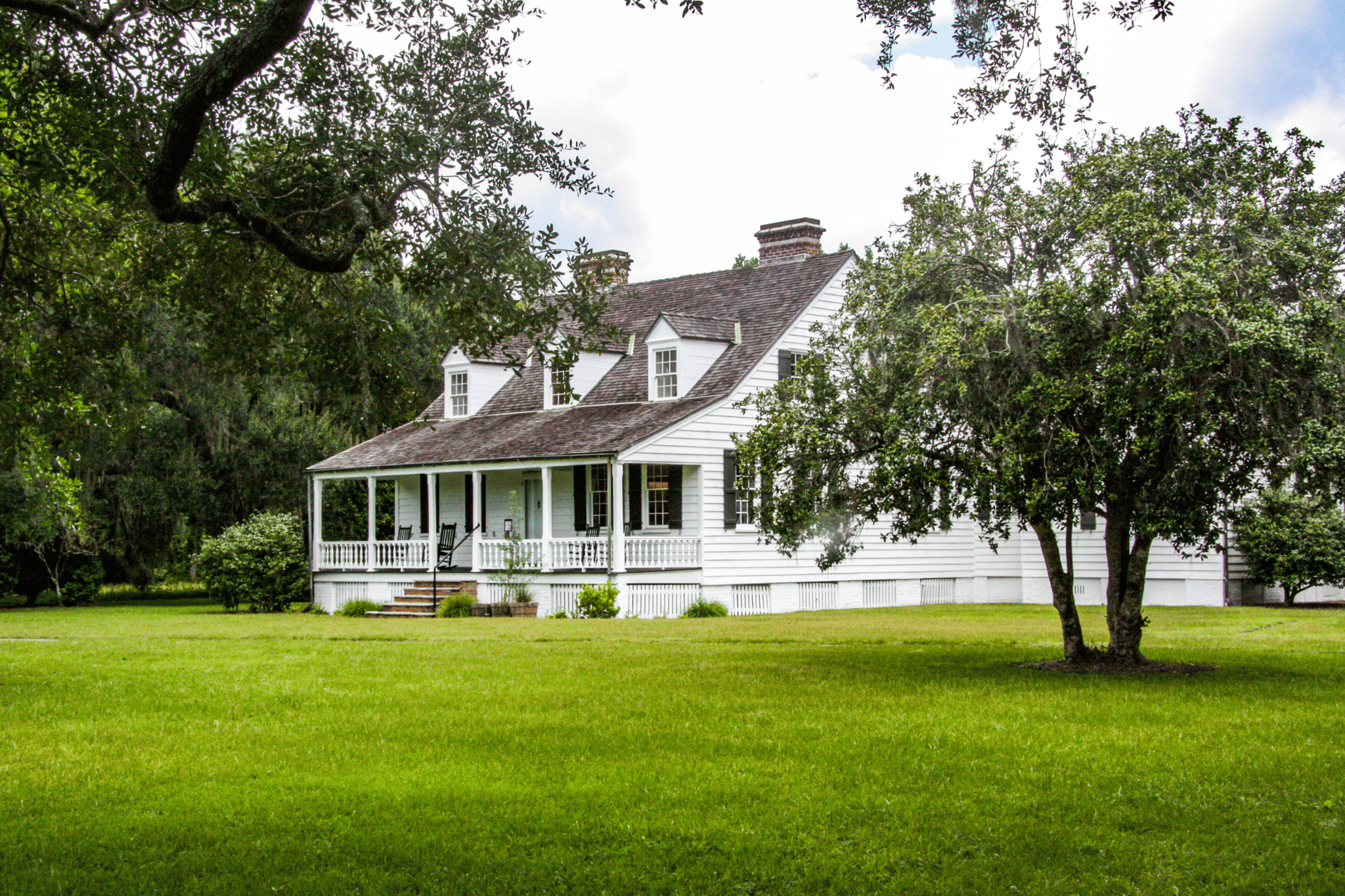
In Mount Pleasant, Charles Pinckney National Historic Site preserves a remnant of Snee Farm, the country estate of one of the principal authors of the U.S. Constitution. Pinckney was a major contributor to the document drafted in Philadelphia in 1787.
He was also an enslaver, and the Park Service does not shy from that contradiction. The site interprets the lives of the enslaved people who worked Snee Farm, holding the founder’s ideals about liberty up against the bondage on which his world was built. That honesty is what makes the visit worthwhile.
2. Cowpens National Battlefield
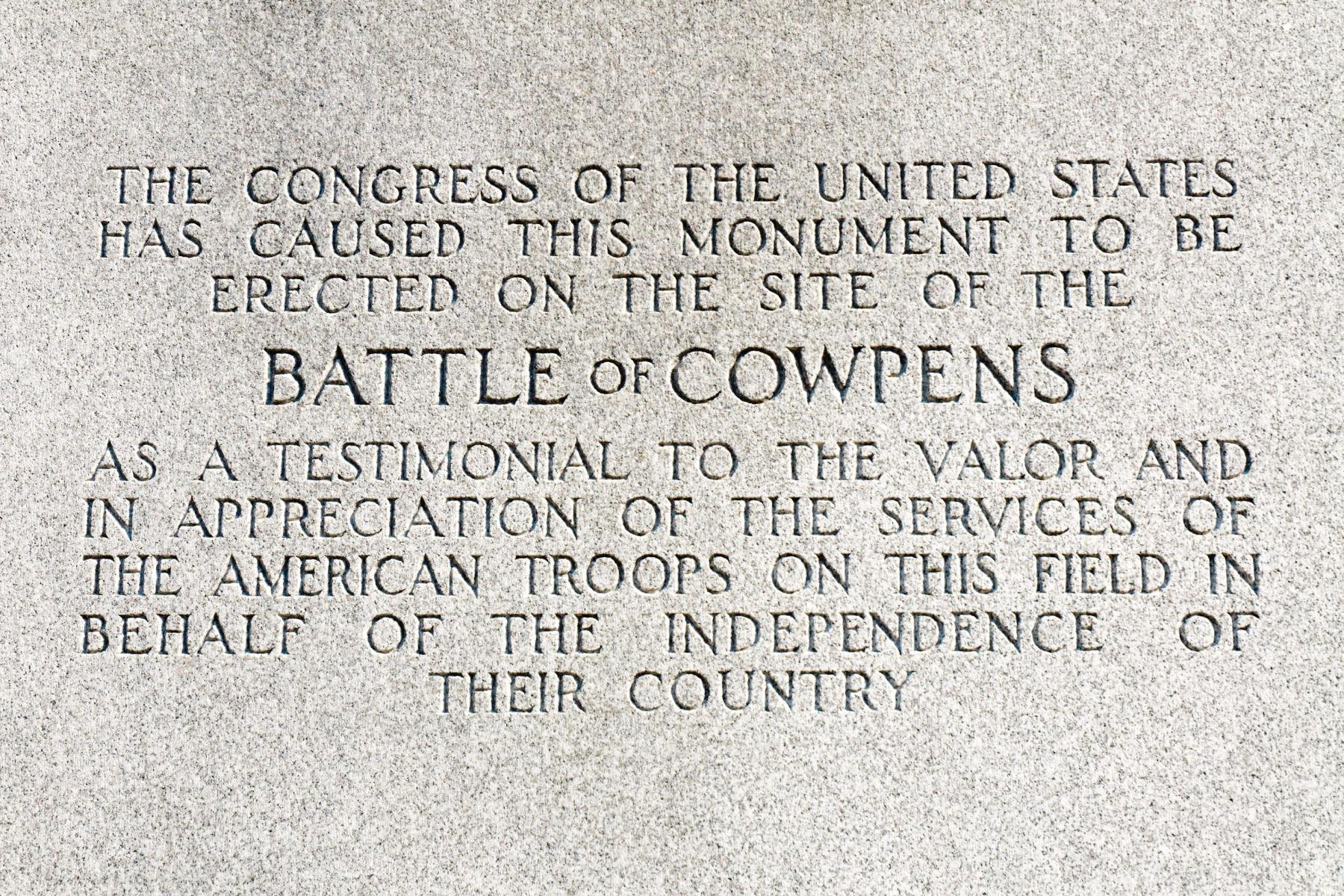
On January 17, 1781, American General Daniel Morgan pulled off a masterpiece of battlefield tactics at Cowpens. Using a clever double-envelopment, his force shattered a feared British column under Banastre Tarleton in under an hour. It was one of the most lopsided Patriot victories of the war.
Cowpens, together with Kings Mountain and Guilford Courthouse just across the line in North Carolina, drained Cornwallis of the strength he needed and set him on the road to Yorktown. The battlefield has a fine visitor center, a walking trail across the field, and a short auto loop. For students of military history, it is a must.
1. Fort Sumter and Fort Moultrie National Historical Park
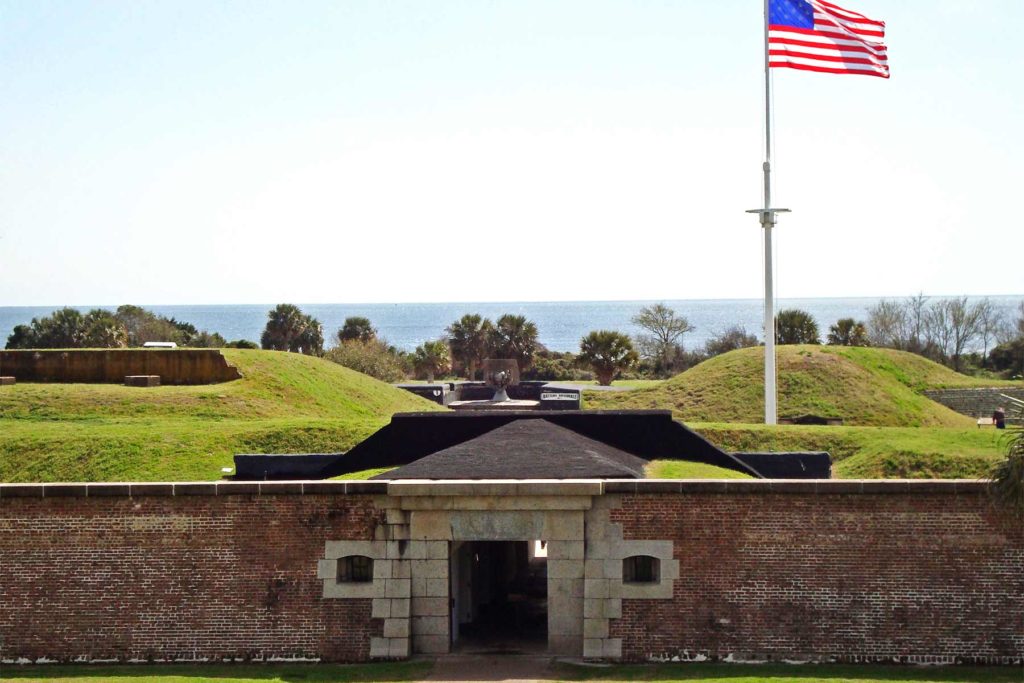
At the top of my list is the place where the Civil War began. Before dawn on April 12, 1861, Confederate guns ringing Charleston Harbor opened fire on the Union garrison at Fort Sumter. The bombardment lasted 34 hours, and the war that followed would claim more American lives than any conflict before or since.
The site is now part of Fort Sumter and Fort Moultrie National Historical Park, redesignated under that name in 2019 (it had been Fort Sumter National Monument). Fort Sumter is reached only by boat, and the ride across the harbor is part of the experience. Fort Moultrie, on Sullivan’s Island, tells nearly two centuries of coastal defense history and is reachable by car. Standing in the harbor where it all started, you feel the weight of what came next.
More Things To Do In South Carolina
Plan the rest of your trip with these guides.