
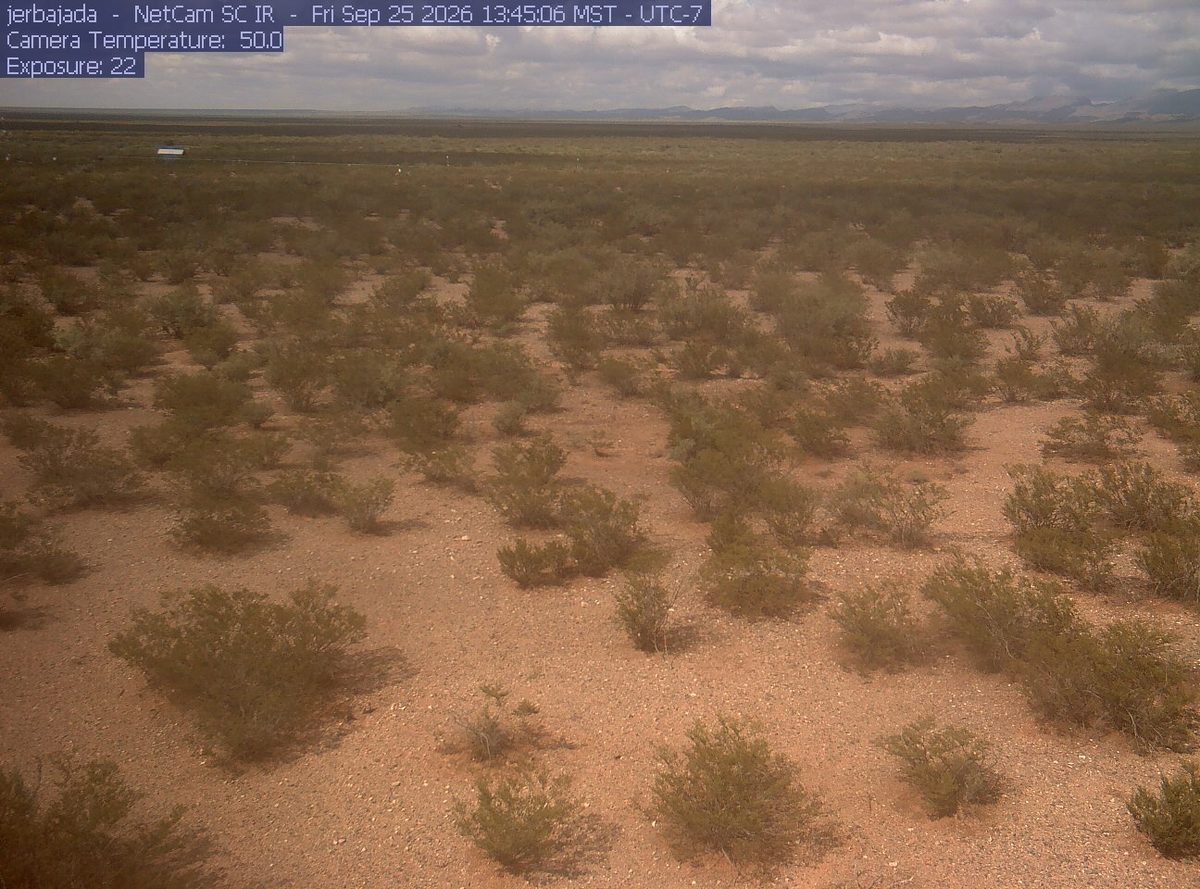
We don’t forecast fall color here. Gypsum dunes and desert scrub. No deciduous canopy. Our model reads latitude and elevation and will happily produce a date for anywhere; publishing one here would be a category error rather than an uncertain forecast, so we don’t.
That’s 4 days later than our model alone would say. This September has been running warm, which shifts peak color.
The place
Two hundred and seventy-five square miles of gypsum sand so white it hurts to look at without sunglasses. White Sands is the largest gypsum dunefield on earth, rolling across the Tularosa Basin in waves that move, reshape, and bury everything slow enough to get caught. At sunset the dunes shift from white to gold to pink, and you can sled down them on a waxed plastic disc like a kid who wandered into another planet.
Established 2019. About 702,000/year visitors.
If you can only come on certain days
Set the days you can be here. Everything under them answers for those days, not for peak.
Sunday 1 November to Monday 2 November
You’ll find it peak color.
That's the day our forecast puts peak color here.
- What turns
- bigtooth maple, velvet ash, Fremont cottonwood, willow, Arizona walnut
- Entrance
- $25
What turns, and when
- bigtooth maple17%
- velvet ash17%
- Fremont cottonwood17%
- willow17%
- Arizona walnut8%
- chinkapin oak8%
Also named across New Mexico, outside what the canopy read measures here: Quaking Aspen, Narrowleaf Cottonwood, Gambel Oak, Rocky Mountain Maple.
Aspens turn gold in the Sangre de Cristo and Jemez mountains, Gambel oaks go russet and orange at lower elevations, and cottonwoods line the Rio Grande bosque in butter yellow.
Across New Mexico as a whole: Late September at 10,000 feet, early-to-mid October at lower elevations.
This forecast is built from the species that stand here, their elevation and this September’s weather, and corrected in season by cameras, foresters and our own crew. Out here we score it against NASA's satellite record of when the canopy shuts down, read inside each unit’s own boundary: two dates in three land within 12 days of it. How this map is made