


Channel Islands National Park protects five rugged islands off the Southern California coast, along with the rich waters around them, a place so undeveloped it is often called the Galapagos of North America. There are no cars, no lodges, and no crowds, just sea caves, kelp forests, endemic wildlife like the island fox, and some of the best sea kayaking and diving in the country. We’ve ridden the boat across from Ventura, paddled into the sea caves of Santa Cruz, and watched whales feed on the crossing. After spending real time here, we put together this ranked, honest guide to the best things to do at Channel Islands National Park, with the logistics you need before you go.
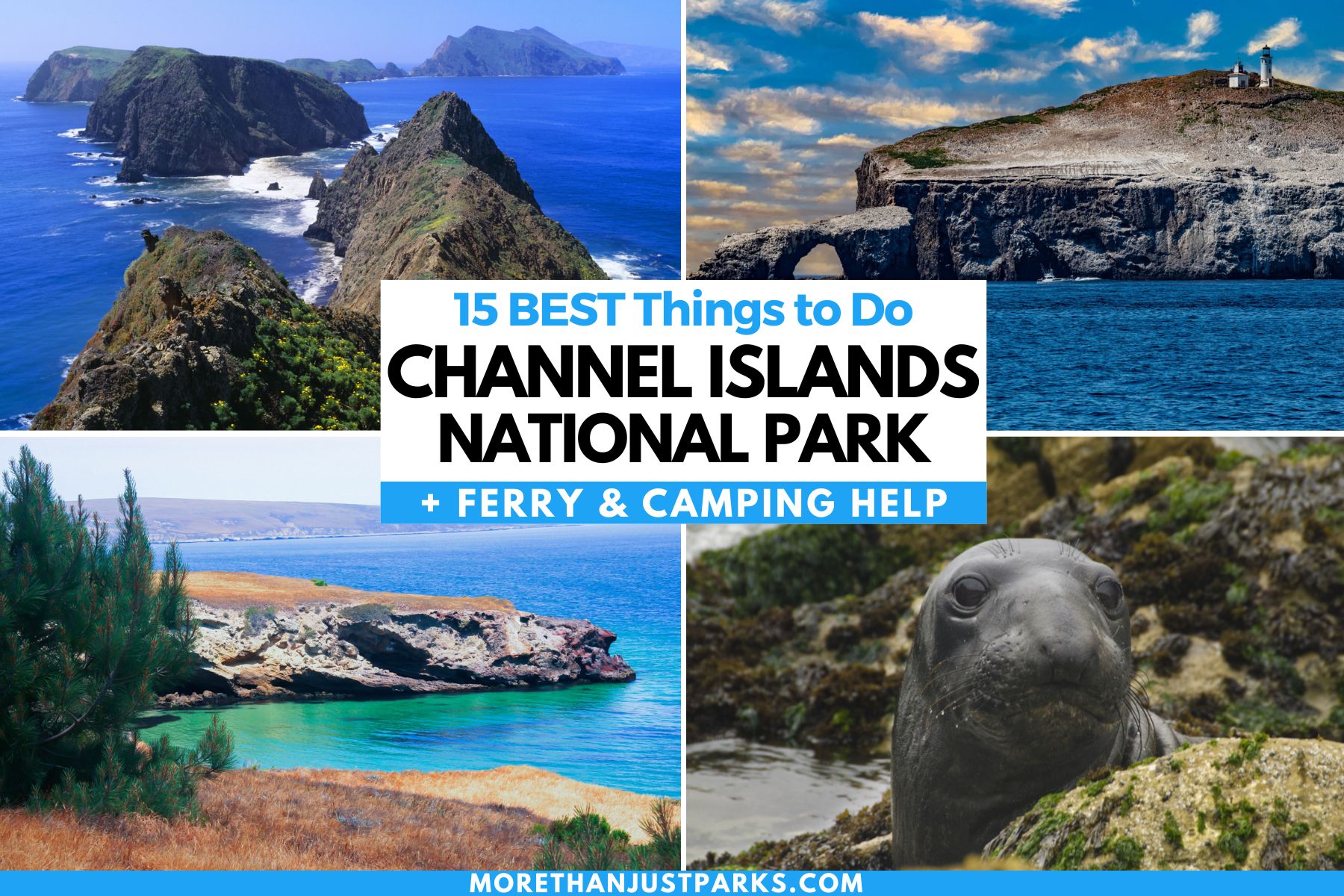
The most important thing to know: the islands are reached only by boat or small plane, and the park concessioner boat from Ventura Harbor is how nearly everyone gets there. Trips run year-round but sell out, and seas can be rough, so plan ahead. Santa Cruz and Anacapa are the easiest to reach for a day trip; the outer islands take more commitment. For more in the region, see our guide to California’s national parks.
At a Glance: 15 Things to Do at Channel Islands
| Activity | Type | Effort / Time | Island |
|---|---|---|---|
| Take the boat to Santa Cruz Island | Boat | 1 hr crossing | Santa Cruz |
| Sea kayak the sea caves | Paddling | Half day, moderate | Santa Cruz |
| Hike Cavern Point and Potato Harbor | Hike | 2-5 mi, moderate | Santa Cruz |
| Hike Scorpion to Smugglers Cove | Hike | 7.5 mi, strenuous | Santa Cruz |
| Visit Anacapa and Inspiration Point | Hike | 2 mi loop, easy-moderate | Anacapa |
| See Arch Rock and the lighthouse | Scenic | Easy | Anacapa |
| Snorkel or dive the kelp forest | Water | Moderate-advanced | Multiple |
| Watch for whales and dolphins | Wildlife | Easy | Crossing |
| Look for the island fox | Wildlife | Easy | Santa Cruz / Santa Rosa |
| Explore Santa Rosa Island | Hike | Varies | Santa Rosa |
| Visit Santa Barbara Island | Hike | Varies | Santa Barbara |
| Backpack San Miguel Island | Backcountry | Strenuous | San Miguel |
| Camp overnight on an island | Camping | Reserve ahead | Multiple |
| Tidepool the rocky shores | Wildlife | Easy | Anacapa / Santa Cruz |
| Visit the Ventura visitor center | Indoor | Easy, 30 min | Mainland |
1. Take the Boat to Santa Cruz Island
The crossing itself is part of the experience, and Santa Cruz is the best island for a first visit. The concessioner boat from Ventura reaches Scorpion Anchorage in about an hour, dropping you at the most developed and trail-rich part of the park, with the only restrooms and ranger station on the islands. From here you can hike, kayak, snorkel, or just relax on the beach. Book your boat well ahead through the park concessioner. See the Santa Cruz Island page for details. Effort: easy crossing, seas permitting.
2. Sea Kayak the Sea Caves
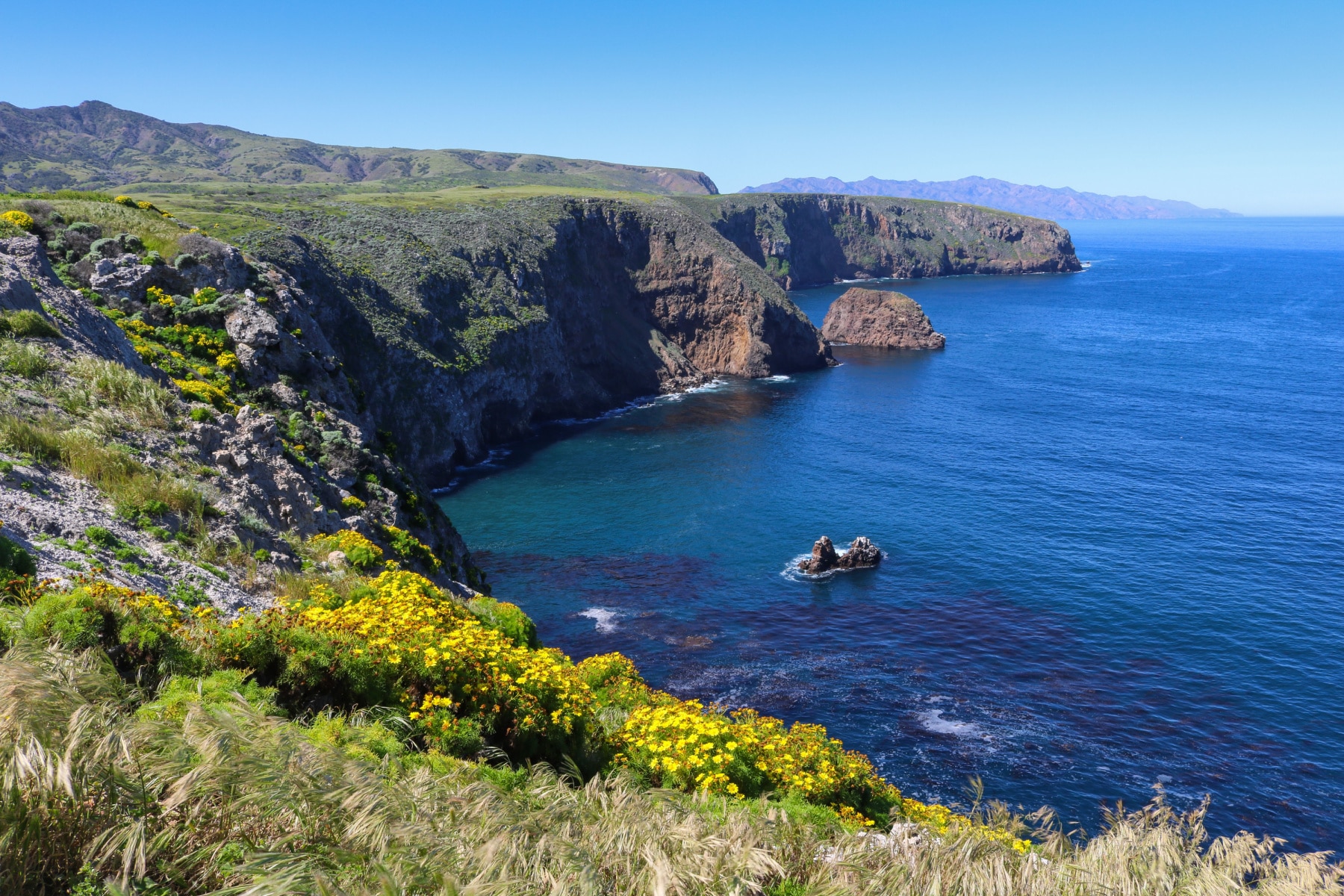
Santa Cruz Island has one of the largest concentrations of sea caves in the world, and paddling into them is the signature adventure of the park. Guided kayak tours from Scorpion explore the coastline and its grottoes, including some of the longest sea caves anywhere, with sea lions and birds for company. Conditions must be calm, so trips are weather-dependent. Bring a guide unless you are a very experienced sea kayaker. Difficulty: moderate. This is our top pick for an active visit.
Love Channel Islands? It's one of 117 threatened public lands destinations we're tracking. Get the free briefing.
3. Hike Cavern Point and Potato Harbor
From Scorpion, the Cavern Point Loop is a roughly two-mile walk to bluffs with sweeping ocean views and prime whale-watching, while continuing to Potato Harbor adds up to about five miles round trip for a look down at a dramatic curved cove. These are the best moderate day hikes on Santa Cruz and showcase the island’s grassy headlands. Distance: 2 to 5 miles. Difficulty: moderate. Time: 1 to 3 hours.
4. Hike Scorpion to Smugglers Cove
For a bigger outing, the trail from Scorpion to Smugglers Cove is about 7.5 miles round trip over rolling terrain to a remote beach and olive grove on the island’s east end. It is exposed and strenuous, with real elevation gain, so carry plenty of water and start early. The solitude and the cove at the far end make it worth the effort. Distance: about 7.5 miles. Difficulty: strenuous. Time: 4 to 5 hours.
5. Visit Anacapa and Inspiration Point
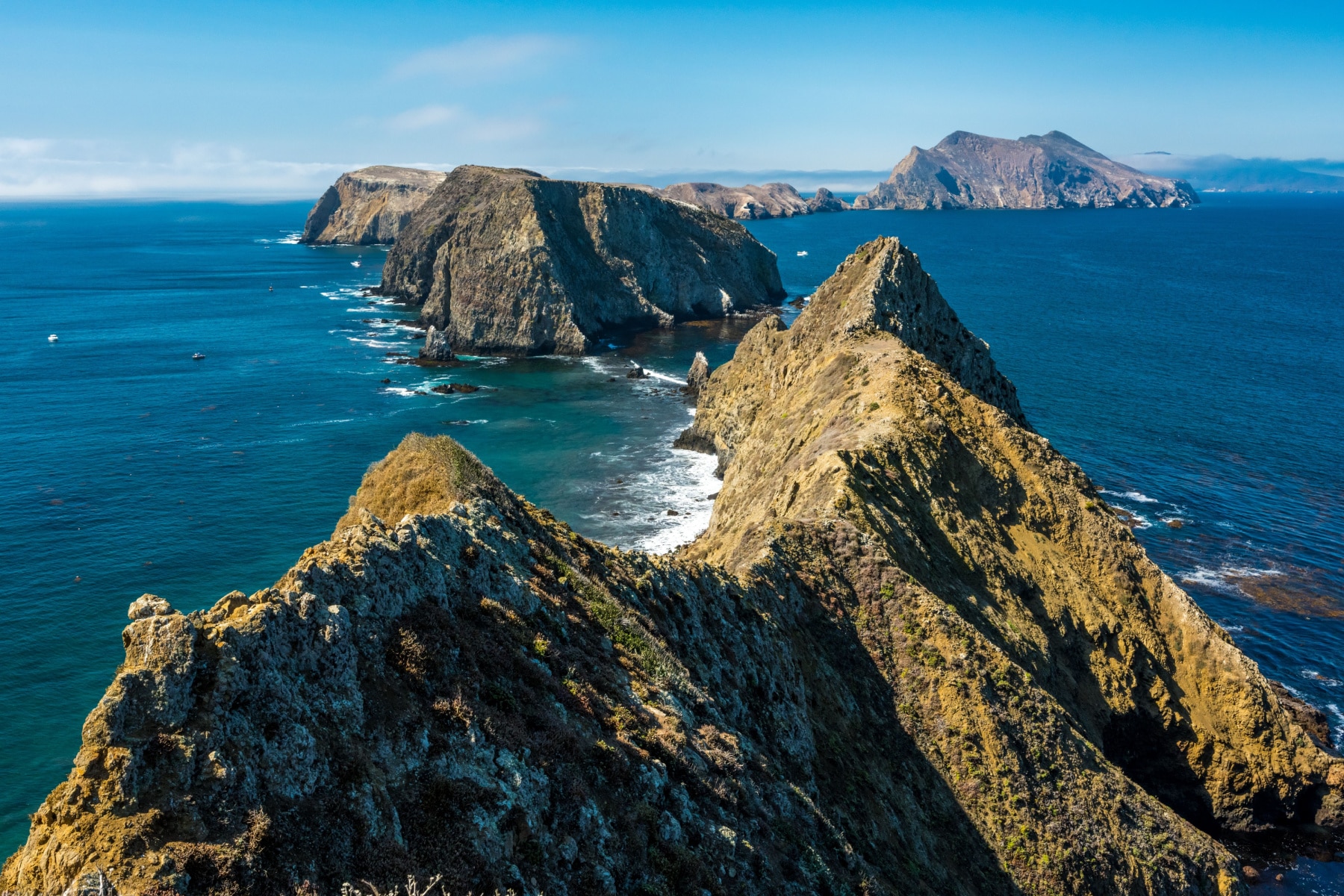
Anacapa is the closest island and a great half-day or day trip, though you climb more than 150 stairs from the landing to reach the top. A roughly two-mile loop trail leads to Inspiration Point, where you look out over the chain of islets in one of the most iconic views in the park. Distance: about 2 miles. Difficulty: easy to moderate after the stairs. Time: 1 to 2 hours. See the Anacapa page.
6. See Arch Rock and the Lighthouse
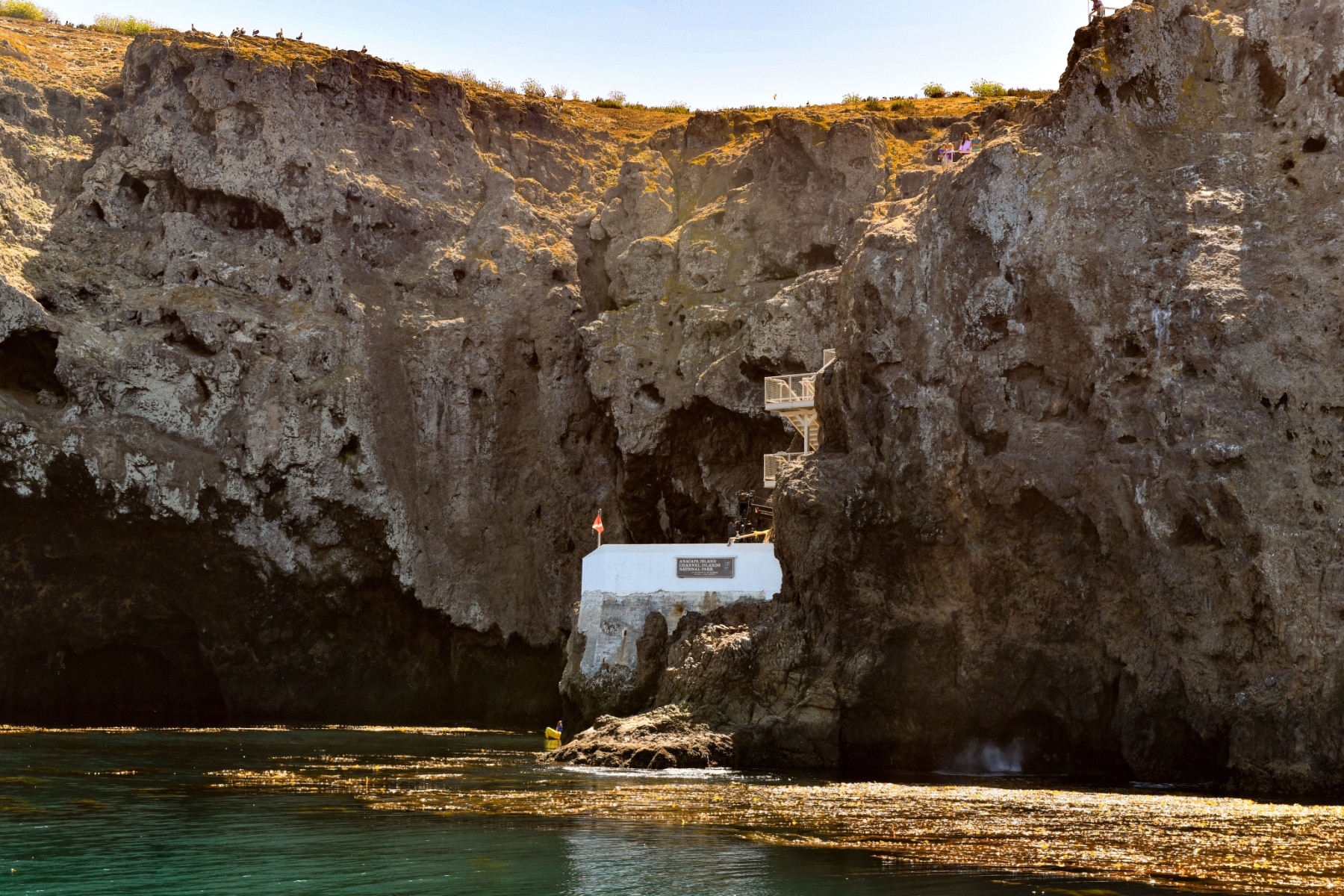
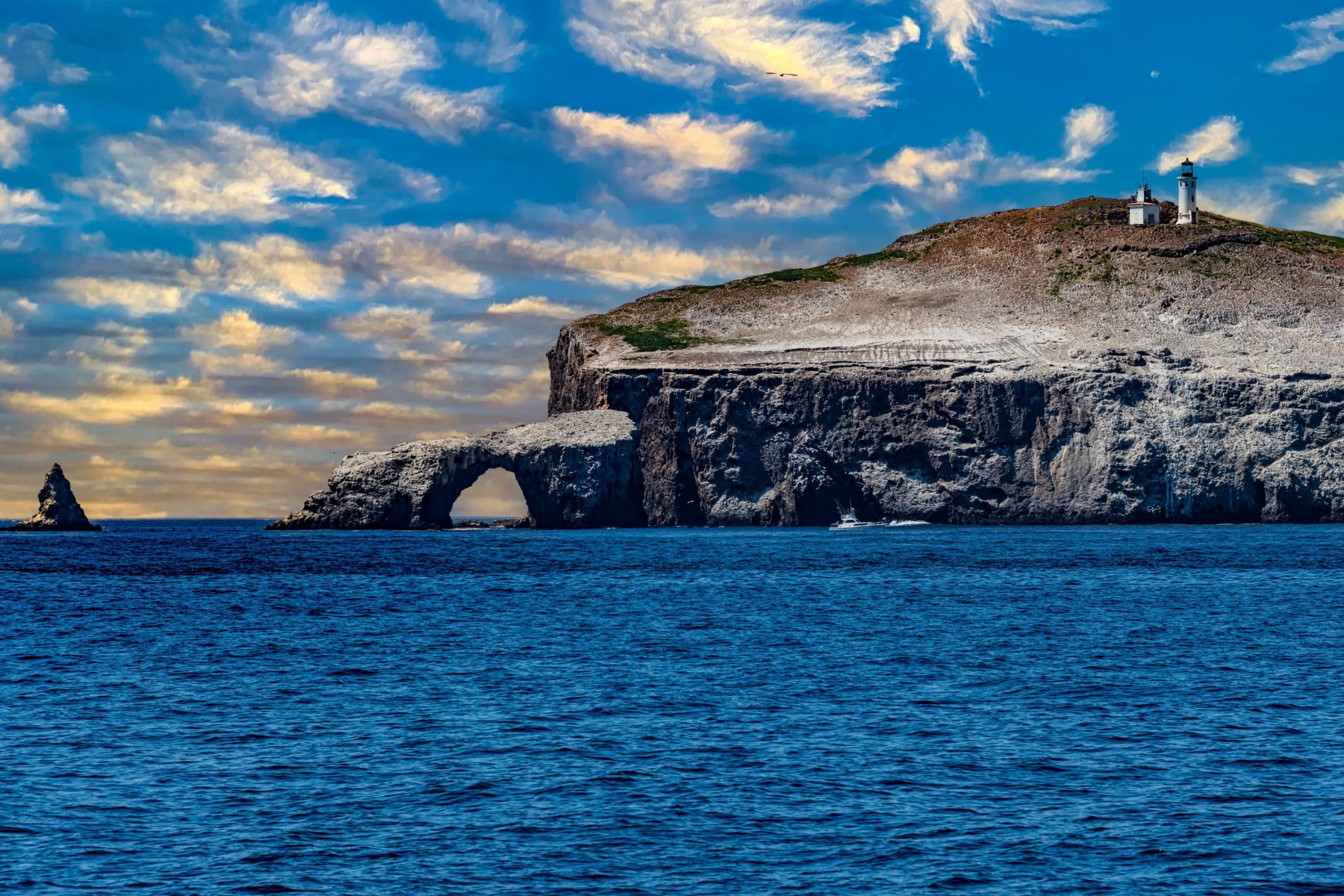
The emblem of the park, Arch Rock is a natural sea arch off the east end of Anacapa, best seen from the boat on the way in and from the island’s overlooks. Nearby, the historic Anacapa Lighthouse still guides ships through the channel. Together they make Anacapa the most photogenic short visit in the park. Effort: easy.
7. Snorkel or Dive the Kelp Forest
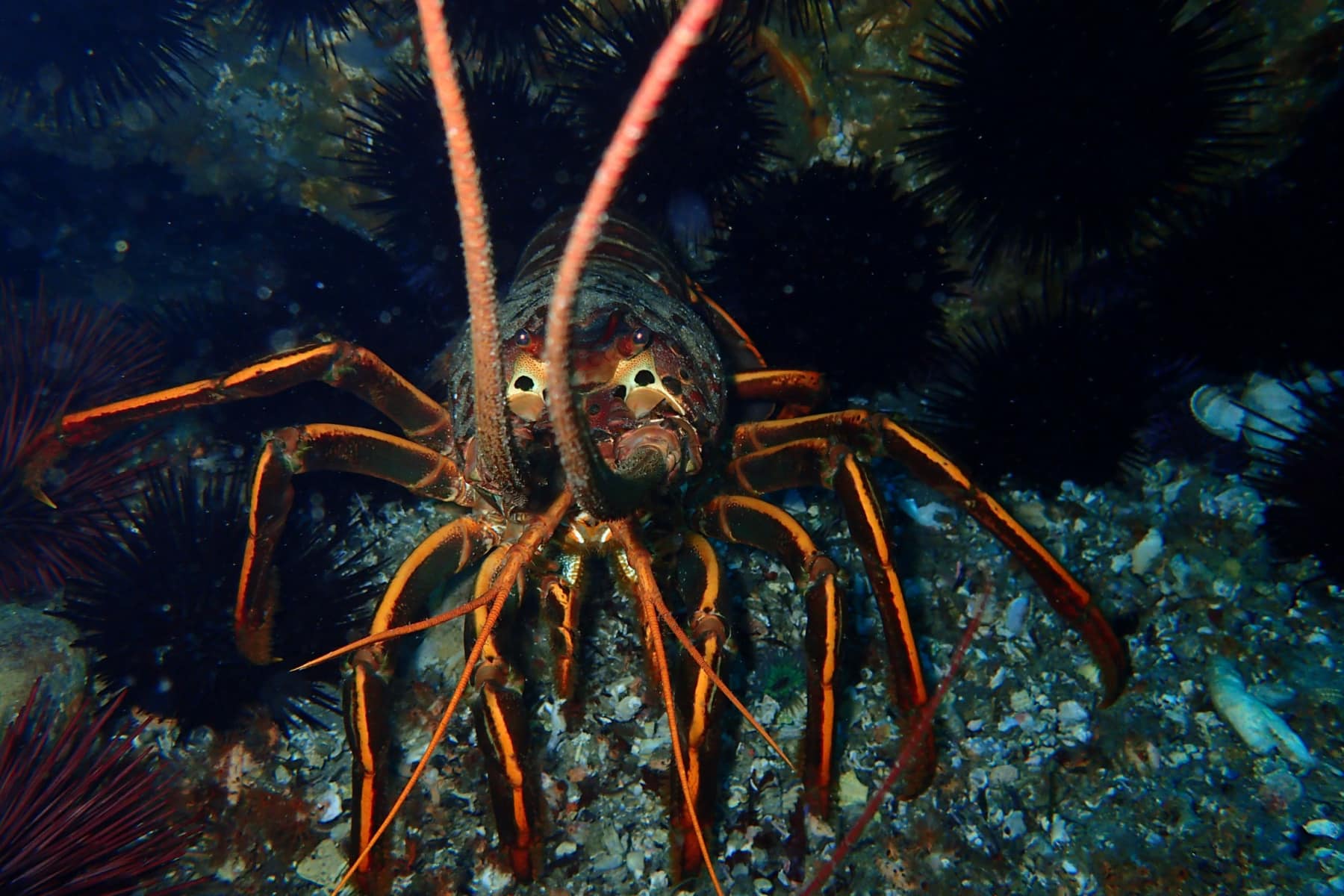
The waters around the islands hold some of the healthiest kelp forests on the West Coast, protected within a marine sanctuary and reserve, and snorkeling or diving them is like floating through an underwater cathedral full of garibaldi, sea lions, and the occasional lobster. Anacapa’s landing cove and Scorpion are popular snorkel spots, while dive charters reach deeper sites. The water is cold, so wear a wetsuit. Difficulty: moderate to advanced. See outdoor activities.
8. Watch for Whales and Dolphins
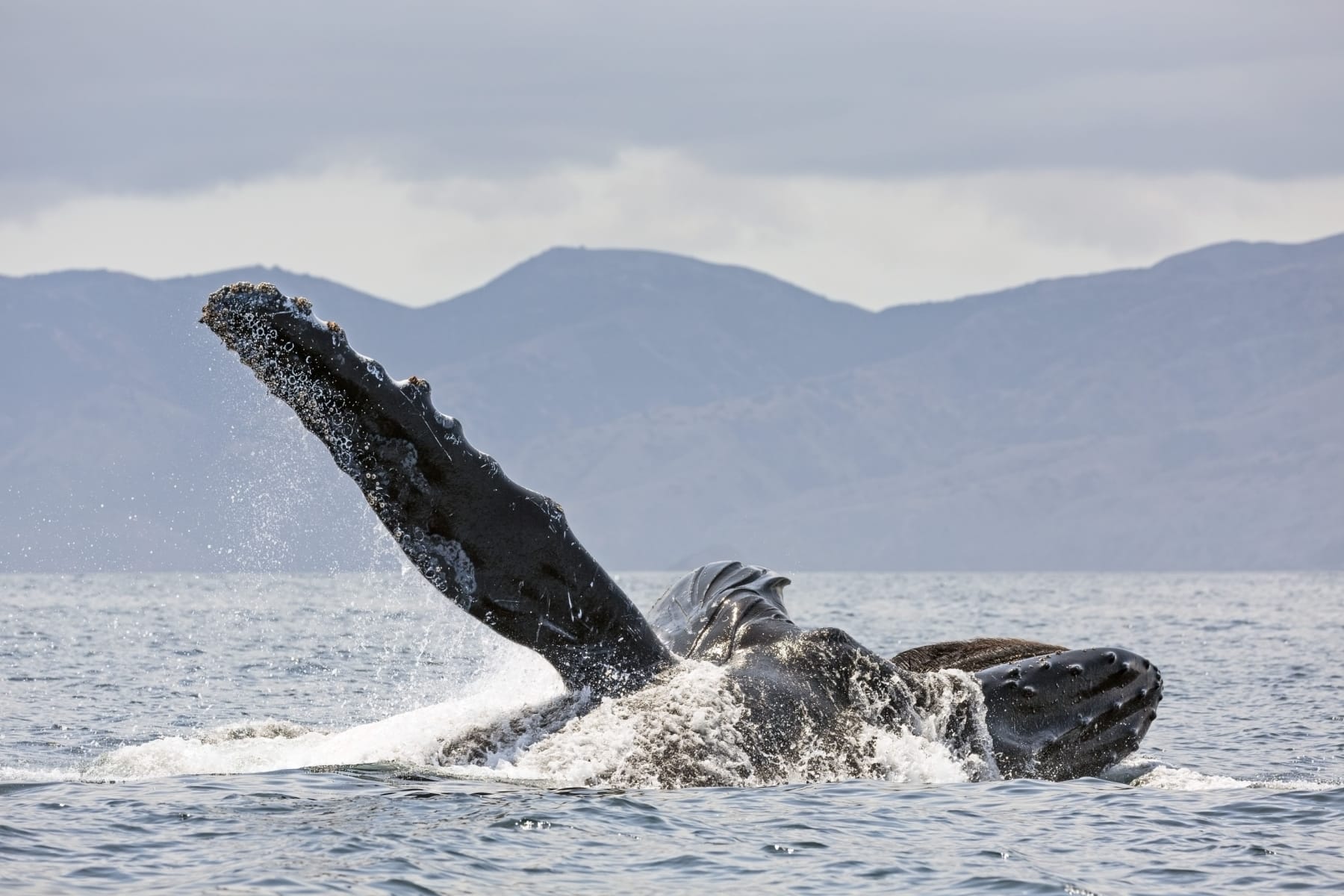
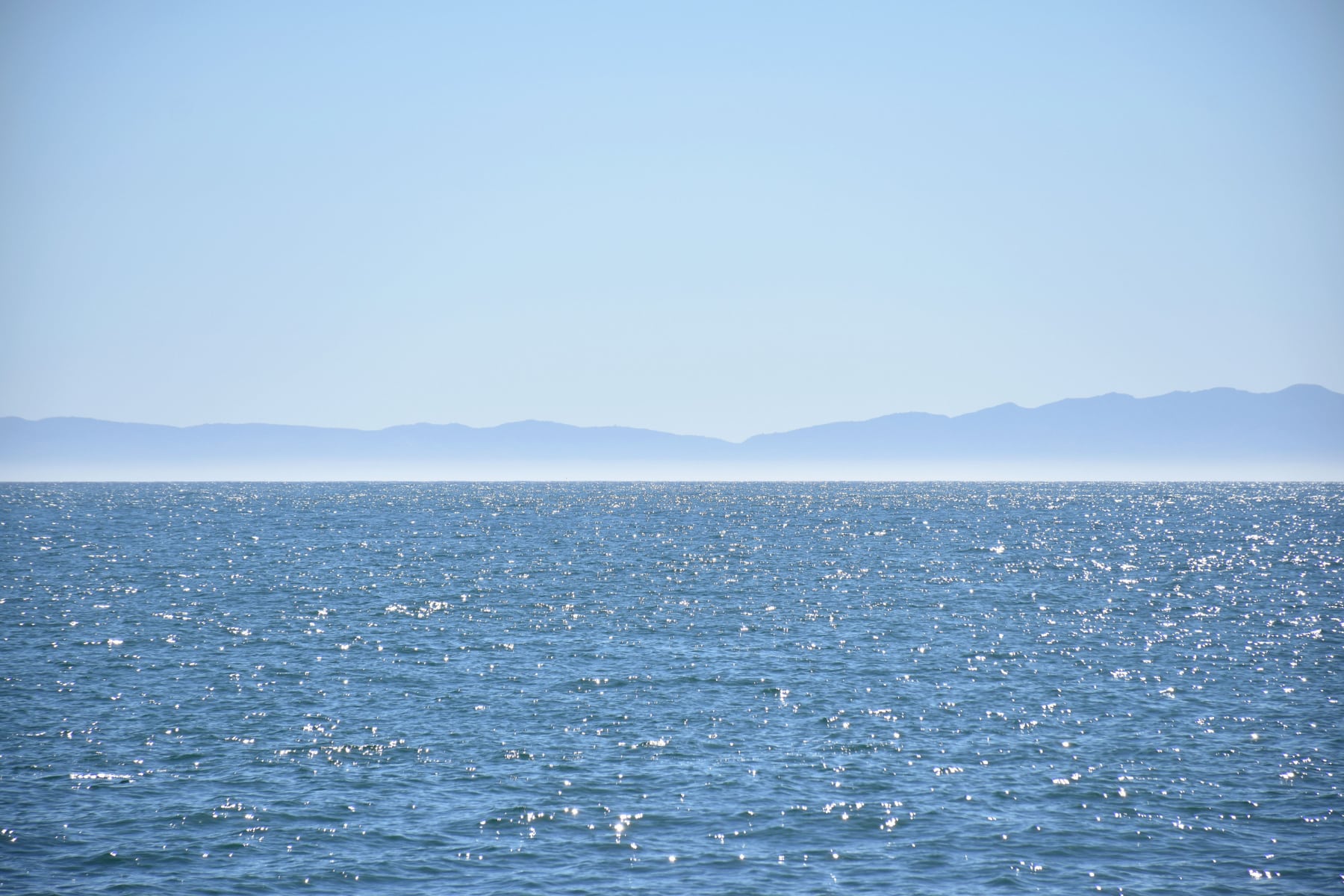
The Santa Barbara Channel is one of the best whale-watching corridors in the world. The crossing alone often delivers sightings, with gray whales in winter and spring, blue and humpback whales in summer and fall, and pods of common dolphins numbering in the thousands year-round. Many boat trips slow down for sightings. Effort: easy. Bring layers and a camera and watch the water the whole way.
9. Look for the Island Fox
The island fox, a house-cat-sized fox found nowhere else on Earth, is one of the great conservation success stories of the park, brought back from the brink of extinction. They are remarkably bold and often seen trotting around the Scorpion campground and trails on Santa Cruz and Santa Rosa. Never feed them, and store all food in the provided boxes. Effort: easy. A real highlight for wildlife lovers.
10. Explore Santa Rosa Island
Santa Rosa is the second-largest island, with windswept hills, white-sand beaches, and a rare grove of Torrey pines found in only one other place on Earth. The longer crossing and exposed conditions keep visitors few, rewarding those who make the trip with genuine solitude and excellent hiking. It is better as an overnight than a day trip given the travel time. Difficulty: varies. See the Santa Rosa Island page.
11. Visit Santa Barbara Island
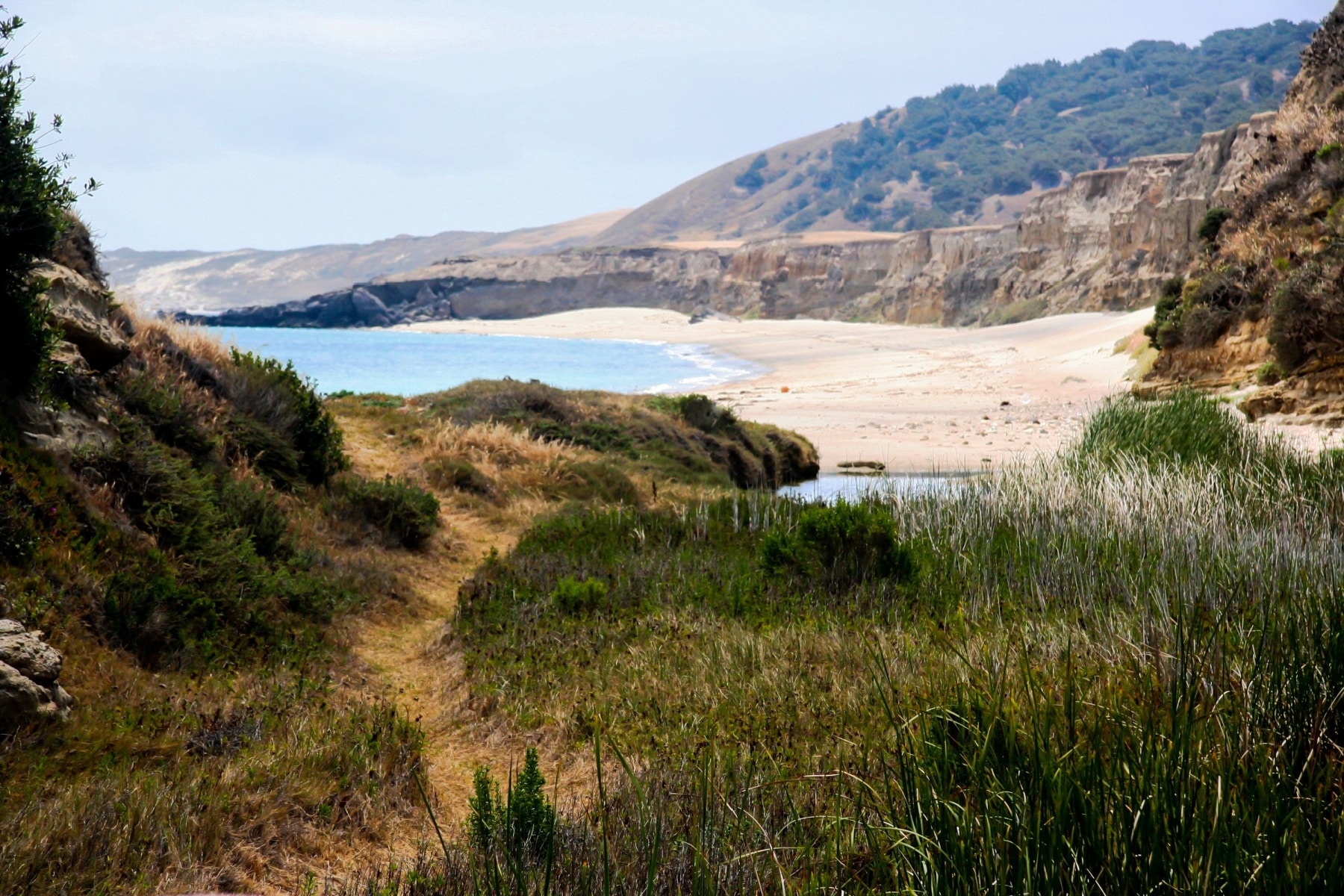
The smallest island in the park, Santa Barbara is a remote outpost far to the south, ringed by sea cliffs and home to huge seabird colonies and lounging sea lions and elephant seals. Boat service is infrequent and seasonal, so it takes planning, but the wildlife and the feeling of having an island to yourself are the draw. Difficulty: moderate. See the Santa Barbara Island page.
12. Backpack San Miguel Island
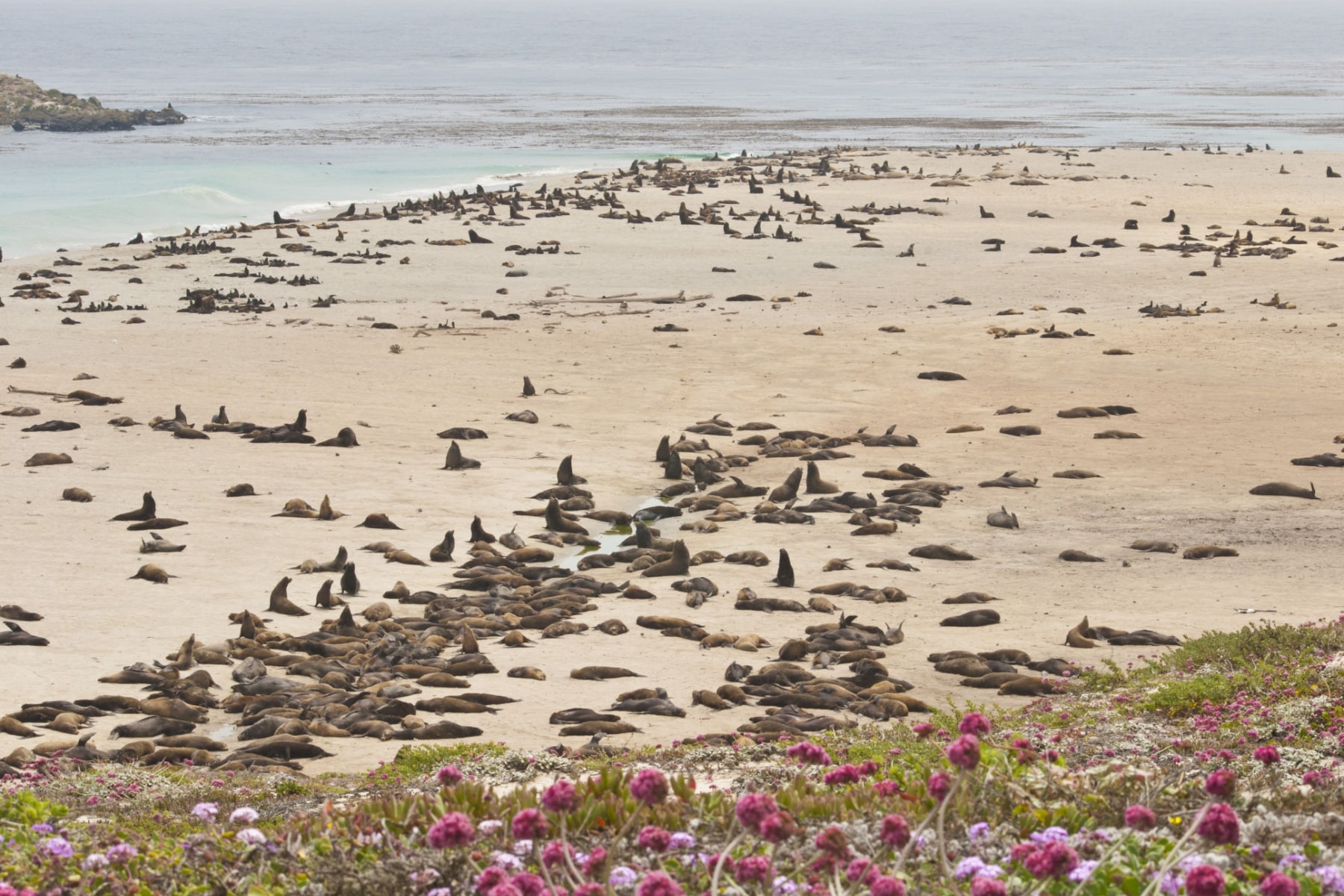
San Miguel is the wildest, windiest, and most remote of the five islands, famous for the enormous gathering of seals and sea lions at Point Bennett, one of the largest such congregations in the world. Access is limited and weather-dependent, ranger-escorted for parts, and the crossing is long and rough. This is for adventurous, experienced visitors only. Difficulty: strenuous. See the San Miguel Island page.
13. Camp Overnight on an Island
Spending a night on the islands is how you see them at their best, after the day boats leave. Each island has a primitive campground requiring advance reservations, and you must pack in all your water and food and pack out all trash. Scorpion on Santa Cruz is the most accessible; the others are increasingly remote. Reserve early and prepare for wind and no shade. Effort: easy to moderate, full self-sufficiency required.
14. Tidepool the Rocky Shores
At low tide, the rocky shores of Anacapa and Scorpion reveal vibrant tide pools full of sea stars, anemones, crabs, and urchins. Ranger-led tide pool walks help you find and understand the life without harming it. Check a tide chart, watch your footing on slick rock, and look but do not collect. Effort: easy. A great activity for families.
15. Visit the Ventura Visitor Center
Before you board, the Robert J. Lagomarsino Visitor Center at Ventura Harbor has exhibits, a film, a tide pool touch tank, and rangers to help you plan, plus a viewing tower that looks out toward the islands. It is the best place to get oriented and is worth a stop even if rough seas cancel your crossing. Effort: easy. Time: 30 minutes.
Planning Your Visit: Know Before You Go (2026)
- Getting there: The islands are reached only by the park concessioner boat from Ventura (and sometimes Oxnard) or by small plane to Santa Rosa. Boats sell out, especially summer weekends, so book ahead. See boating and transport info.
- No entrance fee: Channel Islands does not charge a park entrance fee; your main cost is the boat or plane. Camping requires a reservation fee. Confirm on the NPS fees page.
- Bring everything: There is no food, water, or supplies on any island. Pack all your water and food, and pack out all trash. Store food in the boxes to protect the island fox.
- Conditions matter: Crossings can be rough and trips are sometimes canceled by weather or seas. Take motion-sickness medication, dress in layers, and check current conditions.
- Choose your island: Santa Cruz and Anacapa are best for day trips; Santa Rosa, Santa Barbara, and San Miguel are remote and better as overnights. See the park’s places to go.
- Best time: Spring brings wildflowers and gray whales, summer and fall bring the calmest seas and warmest water for diving, and winter is quiet with excellent whale watching.
Keep Exploring Channel Islands
For more on planning your trip, visit our Channel Islands National Park hub and our guide to California’s national parks. You can also watch our cinematic national park films at the More Than Just Parks films library.
What to Bring to Channel Islands
Gear we recommend for Channel Islands. Affiliate links support our work at no cost to you.
More Than Just Parks may earn a small commission from purchases made through these links, at no extra cost to you. We only recommend gear we would actually use.
Affiliate disclosure: Some links on this page earn us a small commission at no extra cost to you. We only recommend gear we actually use.


