

The Fourth of July is the busiest travel week of the summer, and the marquee national parks pay for it: shuttle lines, full lots, and traffic crawling past the overlooks. The fix is not to skip the public lands, it is to pick the right ones. More Than Just Parks has filmed across the country, and there is a whole set of national parks and forests where you can spend Independence Day under open sky with room to breathe. This is our list of where to go to celebrate the Fourth without the crowds, plus the one place worth braving them.
We have split it into national parks first, then national forests, which are managed by the Forest Service rather than the Park Service but offer some of the best uncrowded public land in the country, and finally the classic fireworks finale if you want the full patriotic show.

Where to Spend the Fourth at a Glance
| Destination | Type | State | Why It Works on the Fourth |
|---|---|---|---|
| Capitol Reef | National Park | Utah | Utah’s quietest of the Mighty 5 |
| Great Sand Dunes | National Park | Colorado | Open 24/7, no reservations |
| North Cascades | National Park | Washington | Least visited park near a big city |
| Petrified Forest | National Park | Arizona | No campground means fewer people |
| Redwood | National Park | California | Tallest trees, wild coast |
| Voyageurs | National Park | Minnesota | A water park reached by boat |
| Black Hills | National Forest | South Dakota | 1.2 million acres of room |
| Bridger-Teton | National Forest | Wyoming | Wilderness next to the Tetons |
| Dixie | National Forest | Utah | Red rock without the park gates |
| Flathead | National Forest | Montana | Wild country beside Glacier |
National Parks for a Crowd-Free Fourth
1. Capitol Reef National Park

Capitol Reef is the quietest of Utah’s five national parks, which makes it the smart Fourth of July pick in a state where Arches and Zion will be overrun. You get the same red-rock drama, the Waterpocket Fold and the orchards of historic Fruita, with a fraction of the people. The small town of Torrey nearby has food and lodging, the hiking is excellent in the morning, and the dark skies make for terrific stargazing after the sun goes down. See our things to do in Capitol Reef.
2. Great Sand Dunes National Park
Great Sand Dunes holds the tallest dunes in North America, rising against a Rocky Mountain backdrop in remote southern Colorado. The park is open 24 hours a day year-round with no entry reservations and no visitor cap, so even a holiday rarely feels crowded. Sandboard the dunes by day, splash in seasonal Medano Creek, and stay for some of the darkest skies in the country at night. See our things to do in Great Sand Dunes.
117 public lands destinations are under threat. Get the free briefing that 27,000+ people use to stay informed and take action.
3. North Cascades National Park

Less than three hours from Seattle sits the least visited of Washington’s three national parks, a wilderness of more than 300 glaciers and jagged peaks that earns the nickname the American Alps. It is light on amenities and a backpacker’s dream, which is exactly why it stays quiet on a weekend when Mount Rainier and Olympic fill up. Drive the North Cascades Highway for the big views, then disappear up a trail.
4. Petrified Forest National Park

Petrified Forest in northeastern Arizona protects a landscape of blue mesas, striped hills, ancient petroglyphs, and 200-million-year-old fossilized wood scattered across the desert. Because there is no developed campground inside the park, it sees fewer overnight crowds than most, and a Fourth of July afternoon thunderstorm rolling across the Painted Desert is a sight worth the drive. See our things to do in Petrified Forest.
5. Redwood National Park

The tallest trees on Earth live along 40 miles of wild Northern California coastline, in a park that pairs ancient redwood groves with elk-grazed prairies, clear rivers, and fog-draped beaches. It is far enough from the major population centers to stay manageable even on a holiday, and walking beneath trees older than the country itself is a fitting way to spend the Fourth. See our things to do in Redwood.
6. Voyageurs National Park
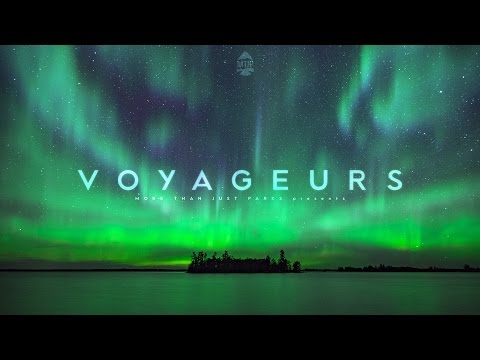
On the Canadian border in northern Minnesota, Voyageurs is a watery maze of interconnected lakes and forested islands reached almost entirely by boat. That barrier to entry is the point: rent or bring a boat and you can find an island to yourself even on the Fourth. Calm water, loon calls, and a campfire under a northern summer sky beat any traffic jam. See our things to do in Voyageurs.
National Forests for Wide-Open Space
National Forests are managed by the U.S. Forest Service, not the National Park Service, which usually means fewer rules, fewer crowds, and more room to spread out, perfect for a holiday weekend.
7. Black Hills National Forest

Rising 1.2 million acres above the South Dakota prairie, the Black Hills hold the highest peaks east of the Rockies, plus 450 miles of hiking trails, two scenic byways, and 1,300 miles of streams. It is a recreation paradise with room for everyone, and it sits a short drive from Mount Rushmore if you want a dose of Americana on the Fourth. See our Black Hills National Forest guide.
8. Bridger-Teton National Forest

Right next to Grand Teton National Park, the Bridger-Teton spreads across 3.4 million acres of western Wyoming, much of it designated wilderness and part of the largest intact ecosystem in the Lower 48. With more than 3,000 miles of road and trail and thousands of miles of unspoiled rivers, it offers the same Teton country as the national park with a fraction of the holiday traffic.
9. Dixie National Forest

The largest national forest in Utah stretches nearly 2 million acres across 170 miles of the state’s rugged southwest, with alpine lakes, aspen forests, red deserts, and rock formations that rival its famous national park neighbors, Bryce Canyon, Zion, and Capitol Reef. If those parks are packed on the Fourth, the Dixie offers the same country with elbow room.
10. Flathead National Forest

In Montana’s northwestern corner, the Flathead covers 2.4 million acres of mountain wilderness next to Glacier National Park, with more than 1 million acres of designated wilderness, 2,600 miles of trails, and wildlife from grizzlies to lynx to timber wolves. It is the wild backdoor to Glacier country, and far quieter than the park itself on a holiday weekend.
If You Want the Fireworks: The National Mall

If the Fourth without fireworks does not feel right, the original is hard to beat. The National Mall, managed by the National Park Service, hosts one of the country’s great pyrotechnic displays each Independence Day, with rockets bursting over the Washington Monument and the Lincoln Memorial. It is crowded, but it is the kind of crowd that belongs on the Fourth of July.
Planning Your Fourth of July Trip
Book early or go boondocking. The Fourth fills campgrounds fast. Reserve well ahead, or lean on the national forests, which often allow dispersed camping and have far more room than the parks.
Mind fire restrictions. Personal fireworks are prohibited on national park and national forest land, and summer fire bans are common. Check current restrictions before you go and leave the sparklers at home.
More ideas. See our picks for the best national parks in July, the least visited national parks, and our national parks ranked.
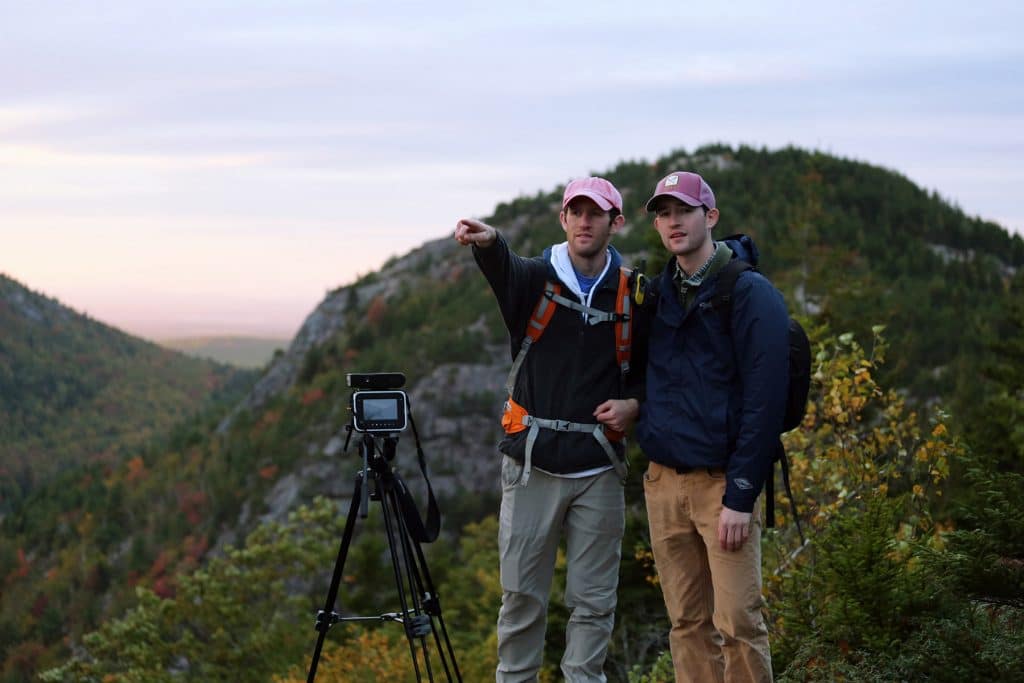
My sons Will and Jim Pattiz are the filmmakers behind More Than Just Parks. They have filmed across the national parks and forests, and their work has been featured by the National Park Service, the Department of the Interior, and outlets across the country. Their advice for the Fourth is simple. Go where the country is widest and the people are fewest. You will remember it longer than any traffic jam.


