
From our time filming and traveling across the national park system, we’ve collected a lot of practical knowledge that we share here. This guide is built from experience, not theory.
What started as one of the most contentious debates in public lands history has, for now, reached a resolution that most climbers can live with. The Protecting America’s Rock Climbing (PARC) Act became law on January 4, 2025, and it changed the entire landscape of this fight. But the details matter, and the story of how we got here matters too.
What Happened with Fixed Anchors
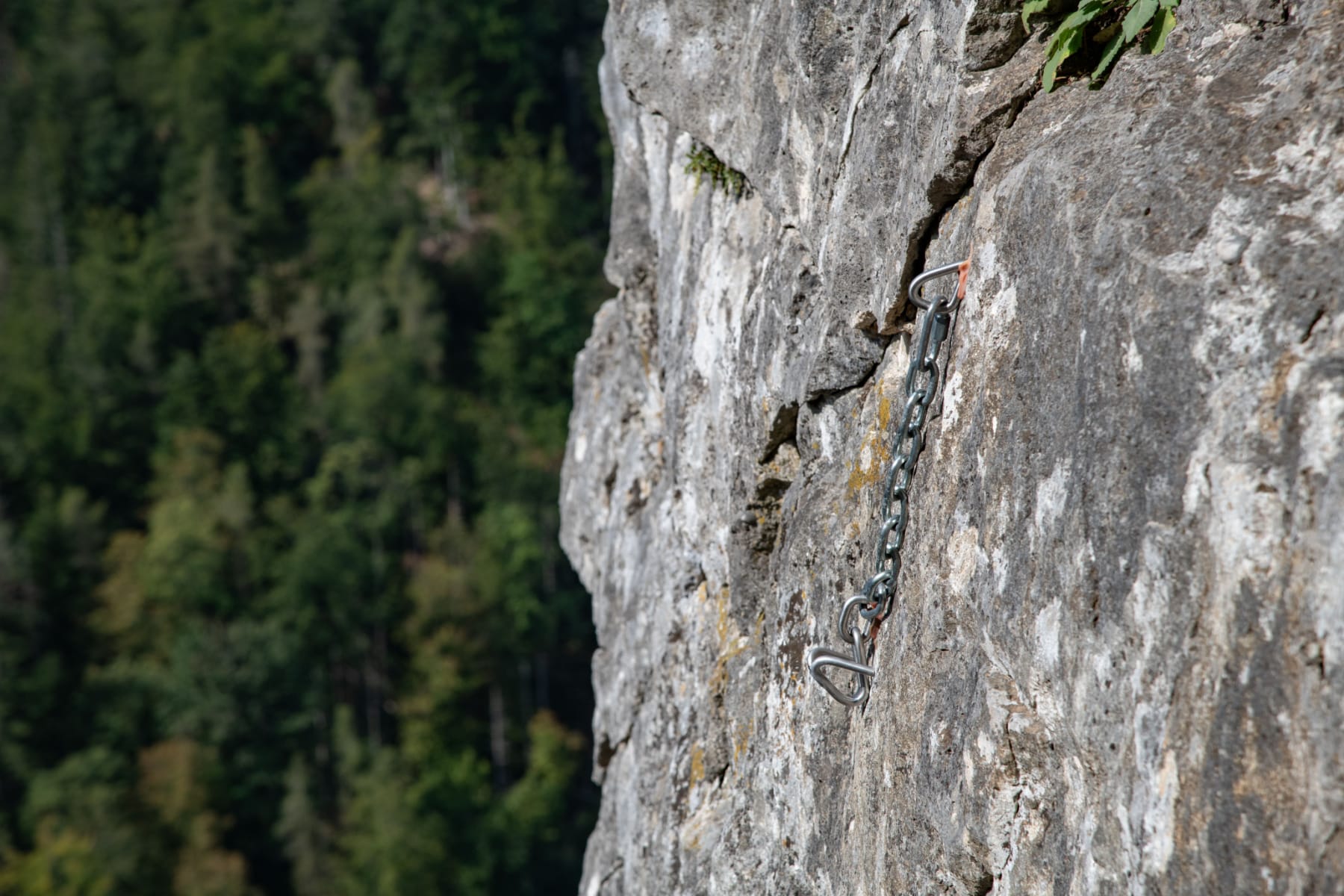
In late 2023, both the National Park Service and the U.S. Forest Service released proposals that would have classified fixed anchors as prohibited “installations” under the 1964 Wilderness Act. Bolts, pitons, slings, the hardware that technical climbers have relied on since well before Congress passed the Wilderness Act. All of it would have been illegal without prior approval from individual park or forest managers.
The proposals touched off an eruption in the climbing community. And rightfully so. Under those rules, every fixed anchor on El Capitan in Yosemite would have technically been a federal violation. Same for routes in Rocky Mountain National Park, where 94% of the land is designated wilderness. Same for 95% of Yosemite. Same for 80% of Yellowstone.
The definition of “installation” in the proposals included “anything made by humans that is not intended for human occupation and is left unattended or left behind when the installer leaves the wilderness.” A single bolt smaller than your thumb would have carried the same legal weight as a fire tower or a bridge.
The Wilderness Act and the “Minimum Tool” Principle
The 1964 Wilderness Act established the National Wilderness Preservation System with a clear purpose. Keep certain federal lands in their natural condition. No roads, no motors, no commercial enterprise except where specifically allowed. The Act’s Section 4(c) prohibits “structures” and “installations” in wilderness areas unless they serve administrative purposes.
For decades, land managers treated climbing hardware as something different from a building or a bridge. Fixed anchors are small. They serve a safety function. They enable a recreational activity that Congress never intended to ban when it passed the Wilderness Act. Climbers were climbing in wilderness long before the Act existed, and the Act itself says nothing about prohibiting the activity.
The “minimum tool” principle is how agencies decide what level of human intervention is acceptable in wilderness. A helicopter flight to rescue an injured hiker passes the test. A paved parking lot does not. The question that consumed the climbing world for over a year was whether a half-inch bolt drilled into granite qualified as an “installation” or as the minimum tool necessary for safe passage on a route that cannot be climbed any other way.
The Original NPS Proposal
Director’s Order 41, also known as Wilderness Stewardship, outlined the NPS guidelines for managing wilderness areas, including rock climbing activities. The NPS proposed using a Minimum Requirements Analysis (MRA) to determine the least restrictive means of managing climbing in wilderness.
“Fixed anchors or fixed equipment should be rare in wilderness.. ‘clean climbing’ techniques should be the norm in wilderness.
Director’s Order 41 SS7.2
That language sparked outrage. “Fixed anchors should be rare in the wilderness” and “‘Clean climbing’ techniques should be the norm in the wilderness.” Clean climbing means relying entirely on removable protection placed in natural cracks and features. It works on some routes. On many others, particularly long multi-pitch climbs on blank faces, it is physically impossible. Telling climbers to “clean climb” El Capitan’s Dawn Wall is like telling someone to swim across the Pacific without a boat.
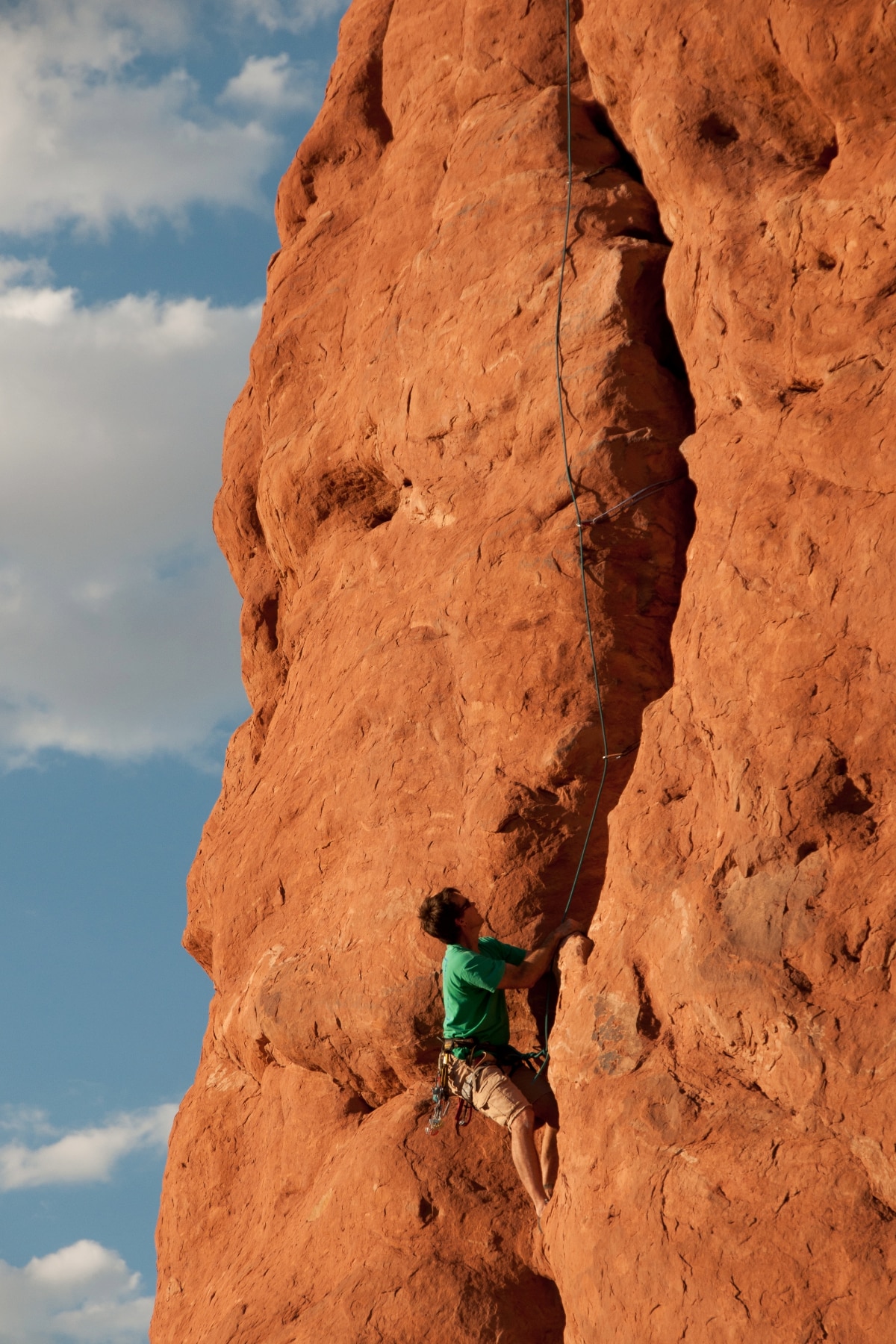
The reality is that the vast majority of classic American climbing routes in wilderness rely on some combination of removable protection and fixed anchors. A typical multi-pitch route might have bolted anchors at belay stations every 100 to 200 feet, with the climbing between them protected by removable gear. Remove those anchors and you do not make the route cleaner. You make it lethal. Rappel anchors, the bolts climbers use to descend after a climb, are especially critical. Without them, climbers literally cannot get down from routes they have completed.
CLEAN Climbing is a style that emphasizes using natural features like cracks and crevices for protection instead of relying on fixed anchors. Clean climbers place removable gear sparingly and retrieve it when they pass. It is a legitimate and admirable approach on routes where the rock allows it. It is not a universal solution.
The proposal also required permits for placing fixed anchors. What wasn’t clear was how a climber 800 feet up a wall who suddenly needs an anchor for safety was supposed to get a permit while dangling above the ground. The bureaucratic disconnect between the people writing policy and the people actually on the rock was glaring.
The NPS guidance also stated that “fixed anchors may, for various reasons, pose a safety risk that the NPS cannot always mitigate.” Under this logic, routes deemed too dangerous could have their fixed anchors removed entirely. The climbing community pointed out the obvious contradiction. Removing the safety hardware from a climbing route does not make it safer. It makes it deadly. The anchors exist precisely because the route cannot be safely ascended or descended without them.
The Original Forest Service Proposal
The USFS released its own proposal in parallel with the NPS version. The Forest Service manages 36 million acres of designated wilderness, much of it prime climbing terrain in ranges across the West. Their proposal aimed to establish a consistent national framework for managing fixed anchors, with options ranging from unrestricted use to complete prohibition depending on individual wilderness areas.
The Forest Service proposal included similar MRA requirements and also required climbers to remove unnecessary fixed anchors. The agency continued working with Tribal nations to protect cultural resources and sacred sites, a legitimate concern that nobody in the climbing community disputed.
Both proposals generated an enormous public comment response. The climbing community, outdoor industry, and conservation groups flooded the comment portals. The Access Fund organized a massive campaign. Over 100,000 comments were submitted on the NPS proposal alone. It was one of the largest public comment responses to any NPS rulemaking in recent memory, a clear sign that the climbing community had found its political voice on this issue.
What Changed Everything
Congress stepped in. The Protecting America’s Rock Climbing (PARC) Act passed both chambers with unanimous bipartisan support and was signed into law on January 4, 2025, as part of the broader EXPLORE Act.
Representatives John Curtis of Utah and Joe Neguse of Colorado sponsored the House version. Senators John Barrasso, Joe Manchin, John Boozman, Maria Cantwell, and John Hickenlooper championed it in the Senate. Unanimous support from both parties on a public lands issue is rare. It happened here because the original proposals were that broadly opposed.
The PARC Act does four critical things. First, it requires federal agencies to create clear guidelines for managing climbing on public lands. Second, it codifies fixed anchors as appropriate in wilderness areas, meaning agencies cannot issue blanket bans. Third, it permanently protects all existing climbing routes established before January 4, 2025. Those routes can continue to be used and maintained. Fourth, it mandates that any future climbing management guidance must go through a public comment process before becoming final.
In December 2024, even before the law was signed, the NPS had already reversed course and discontinued development of its proposal. Park leaders will continue managing climbing on a park-by-park basis consistent with existing law, including the Wilderness Act, but the blanket ban on fixed anchors is dead.
Where Things Stand Now in 2026
The NPS side is settled. The proposal is withdrawn. Climbing continues as it has for decades in national park wilderness.
The Forest Service is further along in its process. Under the PARC Act, the USFS is now developing revised directives (Forest Service Manual 2355) that recognize recreational climbing, including fixed anchors, as an appropriate activity on National Forest System lands. The key provisions of their draft guidance state that fixed anchors in existence as of January 4, 2025 may be retained, maintained, or replaced unless a climbing management plan determines they pose negative impacts to natural or cultural resources.
For new fixed anchors placed after January 4, 2025, the rules are tighter. They are classified as installations under the Wilderness Act and are prohibited unless a Minimum Requirements Analysis determines they are the minimum necessary. In practice, this means new routes in wilderness will require more process than before, but existing routes are protected.
The PARC Act set an 18-month deadline for agencies to finalize their climbing management guidance, which puts the target somewhere around summer 2026. Any guidance must go through public comment before it becomes final.
Wilderness vs. Non-Wilderness in National Parks
It is worth understanding what these regulations actually affect. The proposals and the law only apply to designated wilderness areas. Not all national park land is wilderness. But the overlap is significant.
Yosemite is 95% designated wilderness. Rocky Mountain is 94%. Yellowstone is 80%. Grand Teton, North Cascades, Olympic, Glacier, and dozens of other parks with major climbing histories have substantial wilderness designations. The routes that define American climbing, from the big walls of Yosemite to the alpine faces of the Cascades, are almost entirely within wilderness boundaries.
Congress designated these areas as wilderness for good reasons. Wilderness designation provides extra protection for natural resources, limits motorized access and development, and preserves the character of wild places. Nobody in the climbing community is arguing against wilderness protection. The argument was always that climbing has been part of these landscapes since before they were designated, and that a half-inch bolt does not transform a wilderness into an industrial zone.
Other parks with significant wilderness and active climbing communities include North Cascades (93% wilderness), Olympic (95%), Glacier, Sequoia and Kings Canyon, and Grand Teton. The breadth of the original proposals meant that climbing communities across the entire western United States had skin in this fight, from desert rock climbers in Joshua Tree to alpine mountaineers in the Cascades to big-wall specialists in Yosemite.
What Climbers Should Know Going Forward
If you climb on public lands, here is what matters right now.
Existing routes are protected. If a route had fixed anchors in place before January 4, 2025, it is legal to climb, maintain, and replace hardware on that route. This covers the vast majority of established climbing in the United States.
New routes in wilderness face more scrutiny. Placing new fixed anchors in designated wilderness after January 4, 2025 requires going through the MRA process. This does not mean new routes are impossible. It means there is a formal process, and that process will vary by area.
Park-by-park management continues. Individual parks and forests still have the authority to manage climbing within their boundaries. Some already require permits for bolt placement. Arches National Park, for example, has required climbing permits for years. Expect more parks to develop specific climbing management plans in the coming years.
Cultural resource protections are real and important. Sacred sites, archaeological features, and culturally significant rock faces are legitimately off-limits in many areas, and the climbing community has broadly supported these protections. The PARC Act does not override cultural resource laws.
Stay informed and stay engaged. The Forest Service’s public comment process for their revised directives is ongoing. The Access Fund, American Alpine Club, and local climbing organizations are tracking every development. If you climb, these groups are your advocates, and they need your voice.
Specific Wilderness Areas Affected
To understand the scale of what was at stake, consider a few of the wilderness areas where climbing is deeply rooted.
The Yosemite Wilderness encompasses 704,624 acres and is home to some of the most famous rock climbs on Earth. The Nose on El Capitan, the Northwest Face of Half Dome, Cathedral Peak. These routes have had fixed anchors since the 1950s and 1960s. Thousands of climbers ascend them every year.
The Indian Peaks Wilderness in Colorado’s Front Range sees heavy climbing use on peaks like Navajo, Apache, and Shoshoni. The Cirque of the Towers in the Wind River Range of Wyoming, within the Bridger Wilderness, hosts alpine rock routes that are on every serious climber’s lifetime list. The Alpine Lakes Wilderness in Washington includes the granite walls of the Enchantments and the Stuart Range.
Each of these areas has its own climbing history, its own community of climbers who maintain routes and replace aging hardware, and its own unique management challenges. The PARC Act’s requirement for area-specific climbing management plans acknowledges that a one-size-fits-all approach was never going to work. What makes sense for the sandstone towers of Canyonlands is different from what works on the granite walls of Yosemite.
The Bigger Picture
This fight revealed something important about how public lands policy works. Two federal agencies proposed rules that would have effectively ended technical climbing in American wilderness. Over 100,000 people commented. Congress responded with unanimous legislation protecting the activity. The system worked, but only because people showed up.
The decisions we make about public lands affect generations. Rock climbing has been part of America’s wilderness story since John Muir scrambled up Cathedral Peak in 1869. Fixed anchors have been part of that story since the 1930s. The first pitons were placed in Yosemite in the late 1920s. The first bolts appeared shortly after. The entire golden age of American climbing, from the first ascent of the Lost Arrow Spire to the first ascent of The Nose on El Capitan, relied on fixed hardware. These routes are now part of the cultural heritage of American wilderness. The PARC Act recognizes that history and protects it going forward.
The outdoor industry supported the legislation too. Companies like Patagonia, Black Diamond, and Petzl all advocated for the PARC Act. Climbing gyms across the country organized letter-writing campaigns. The coalition that formed around this issue was broader and more unified than anything the climbing community had assembled before.
No matter where you stand on the specifics, the lesson is the same. Public lands belong to all of us. When the rules change, your voice matters. Use it.
Read the Proposals and the Law
We have the original NPS proposal available for download below. Understanding what was proposed helps you understand why the PARC Act matters.
The original Forest Service proposal is also available below.
Helpful Related Articles
Things to Do Yosemite: 15 EPIC Things to Do in Yosemite National Park
Rocky Mountain National Park: Rocky Mountain National Park Facts
Joshua Tree Guide: Joshua Tree National Park Ultimate Guide
Things to Do Pinnacles National Park: 10 Epic Things to Do in Pinnacles National Park
Yosemite Facts: 10 Shocking Yosemite National Park Facts
Frequently Asked Questions About Arches National Park
When is the best time to visit Arches?
The best time to visit Arches National Park is April through May, September through October. Conditions vary significantly by season, so plan accordingly and check current conditions before your trip.
How much does it cost to enter Arches National Park?
The entrance fee for Arches National Park is $30 per vehicle (valid for 7 days). An America the Beautiful Annual Pass ($80) covers entrance to all 63 national parks and 2,000+ federal recreation sites.
What is Arches known for?
Arches National Park is known for Delicate Arch, Landscape Arch, Fiery Furnace, and Double Arch. The park spans 76,679 acres and was established in 1971.
What are the best things to do at Arches National Park?
The top activities at Arches include Hiking, Photography, Stargazing, and Scenic drives. Check our Arches guide for detailed recommendations.
Where is Arches National Park located?
Arches National Park is located in Utah. Visit our complete Arches guide for directions, nearby airports, and getting-there tips.