

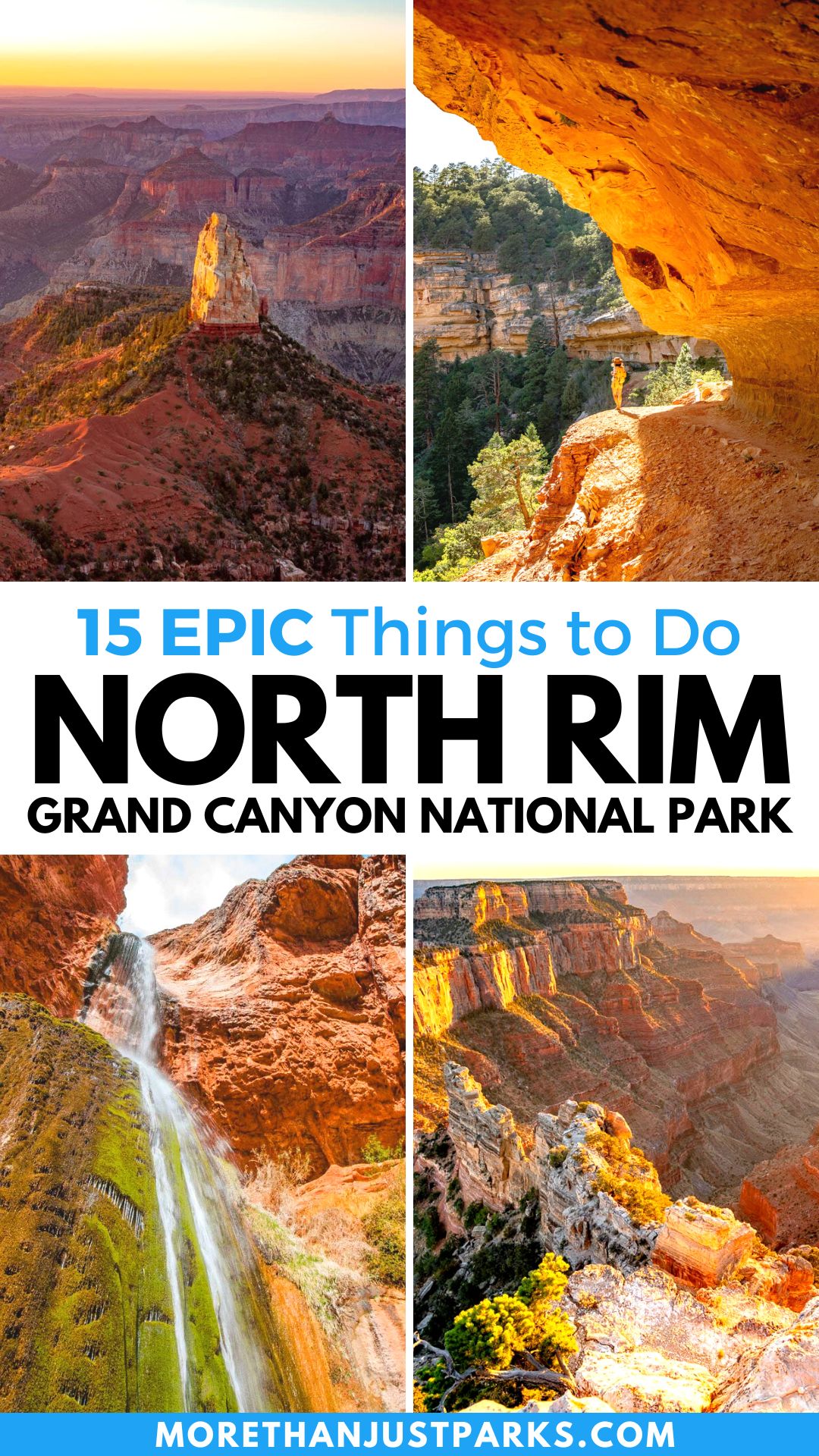
The North Rim of the Grand Canyon sits more than 1,000 feet higher than the South Rim, on a cool, forested plateau of ponderosa pine, aspen, and meadow at over 8,000 feet. It receives only a small fraction of the park’s visitors, and it has always felt like the canyon’s quiet side: bigger views, fewer people, and a slower pace. It is open only seasonally, roughly mid-May to mid-October, because deep snow closes the access road in winter.
Before you plan a trip, you need to know what changed. In July 2025, the Dragon Bravo Fire burned more than 145,000 acres on the North Rim and destroyed the historic Grand Canyon Lodge along with other structures. As a result, the 2026 North Rim season is a day-use season. There is no in-park lodging, no in-park dining, and limited services, so this guide is built around the canyon as it actually is in 2026, not as it was. Here are 15 things worth doing, with the planning realities up front.
Some links below are affiliate links. If you book a stay or buy a recommended map or guidebook through them, we may earn a small commission at no extra cost to you. It helps keep our park coverage free.
Where to stay near Grand Canyon North Rim: Most visitors base themselves in North Rim, Grand Canyon, Arizona, the closest gateway with a real range of options. You can compare hotels and lodges near Grand Canyon North Rim to find dates that still have availability, since the best places book out months ahead in peak season.
Love Grand Canyon? It's one of 117 threatened public lands destinations we're tracking. Get the free briefing.
It is also worth carrying a paper map and a good guidebook, because cell service is spotty across most of the park. We use the National Geographic Trails Illustrated map for Grand Canyon North Rim for trail planning, paired with a detailed Grand Canyon North Rim guidebook for trip ideas and logistics.
Know This First: The North Rim in 2026
The North Rim reopened to visitors on May 15, 2026, as a day-use destination. The paved roads, Highway 67, Cape Royal Road, and Point Imperial Road, are open, so the major viewpoints are reachable by car. But the Grand Canyon Lodge is gone, and there is no overnight lodging anywhere on the North Rim this season. The nearest beds, plus reliable food, fuel, and water, are outside the park at Kaibab Lodge, the North Rim Country Store, and Jacob Lake Inn, roughly 18 to 45 miles back up Highway 67.
A few more essentials. The North Rim Campground reopened June 1 by reservation through Recreation.gov, but water and RV hookups are not available, so you must haul in your own water. A general store and a 24-hour self-serve gas station operate near the campground from about mid-May to mid-October. The North Kaibab Trail into the canyon is open to hikers, but stock use is suspended, so mule rides into the canyon are not running this season. Bring all the water and food you expect to need, and check the park’s North Rim status page before you drive out, because conditions are still changing.
15 Things to Do on the North Rim of the Grand Canyon
1. Watch sunset at Cape Royal

Cape Royal, at the end of Cape Royal Road, is the finest sunset spot on the North Rim and an easy paved walk from the parking area. The wide southern view takes in the inner canyon, the Colorado River far below, and the South Rim on the horizon. Because the road is open in 2026, this remains fully reachable. Bring a headlamp for the walk back, plenty of water, and warm layers, since the rim cools fast after dark at this elevation.
2. Hike to Bright Angel Point

Bright Angel Point is the classic North Rim walk, a paved half-mile round trip out a narrow finger of rock to a railed viewpoint with canyon dropping away on both sides. The trail begins near the developed area by the campground and store. It is short but has drop-offs and some steps, so watch children and your footing. The payoff is one of the most dramatic vantage points on the rim, and it is still open and reachable in 2026.
3. Take the Cape Royal Scenic Drive
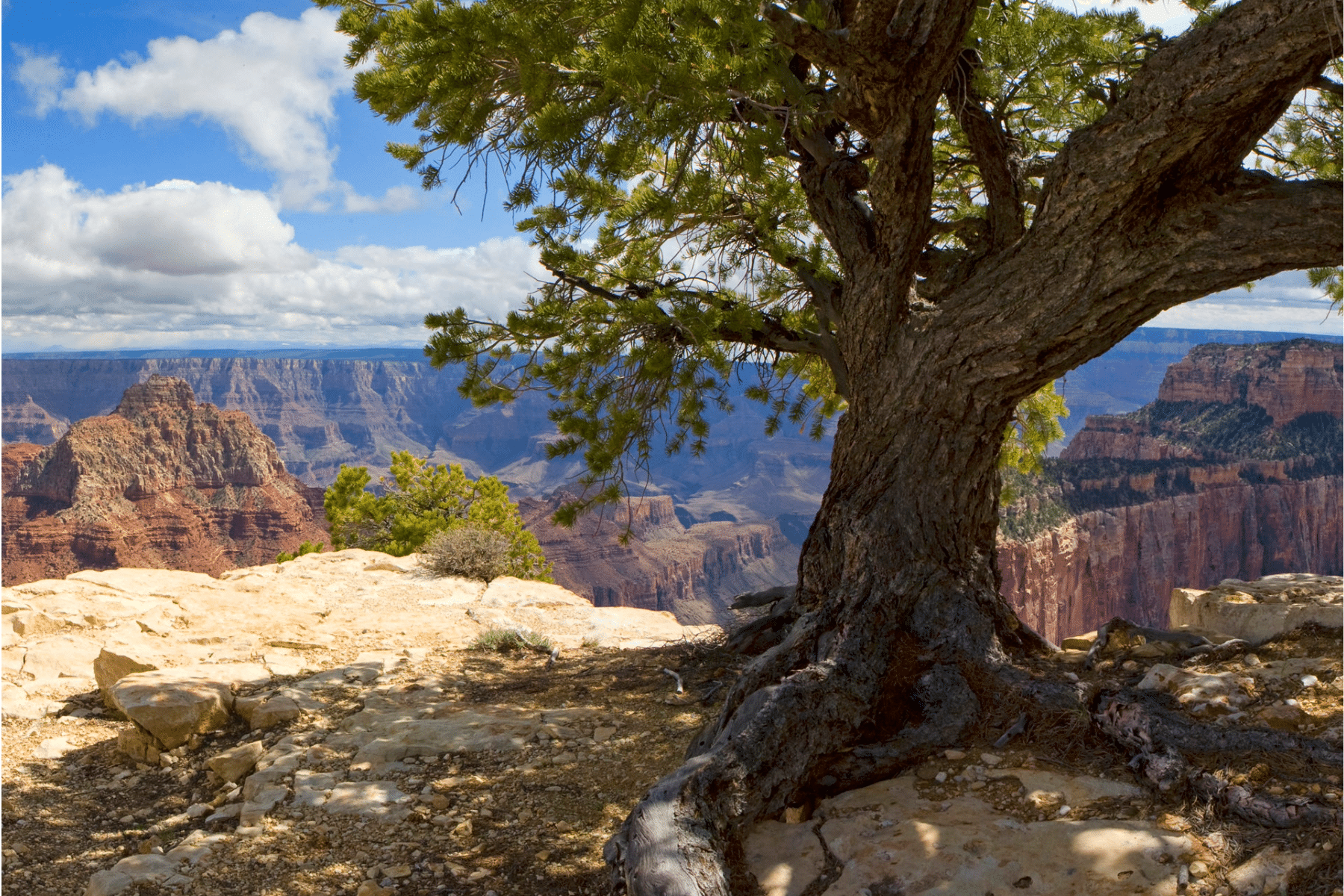
The Cape Royal Road runs about 23 miles from the developed area out to Cape Royal, stringing together overlooks, picnic spots, and short trails along the way. It is the spine of a North Rim day, and all of it is open in 2026. Allow at least a half day with stops. With no in-park restaurants this season, pack a picnic and water and make a leisurely loop of the viewpoints, pulling off wherever the view grabs you.
4. Drive to Point Imperial

Point Imperial, on its own short spur road, is the highest viewpoint in the entire park at 8,803 feet. It looks out over the painted eastern canyon, Mount Hayden’s sharp spire, and the Painted Desert beyond. The Point Imperial Road is open in 2026, making this an easy stop. It is a superb place for sunrise, when the early light sets the eastern cliffs glowing. Bundle up, because mornings up here are cold even in summer.
5. See Angels Window
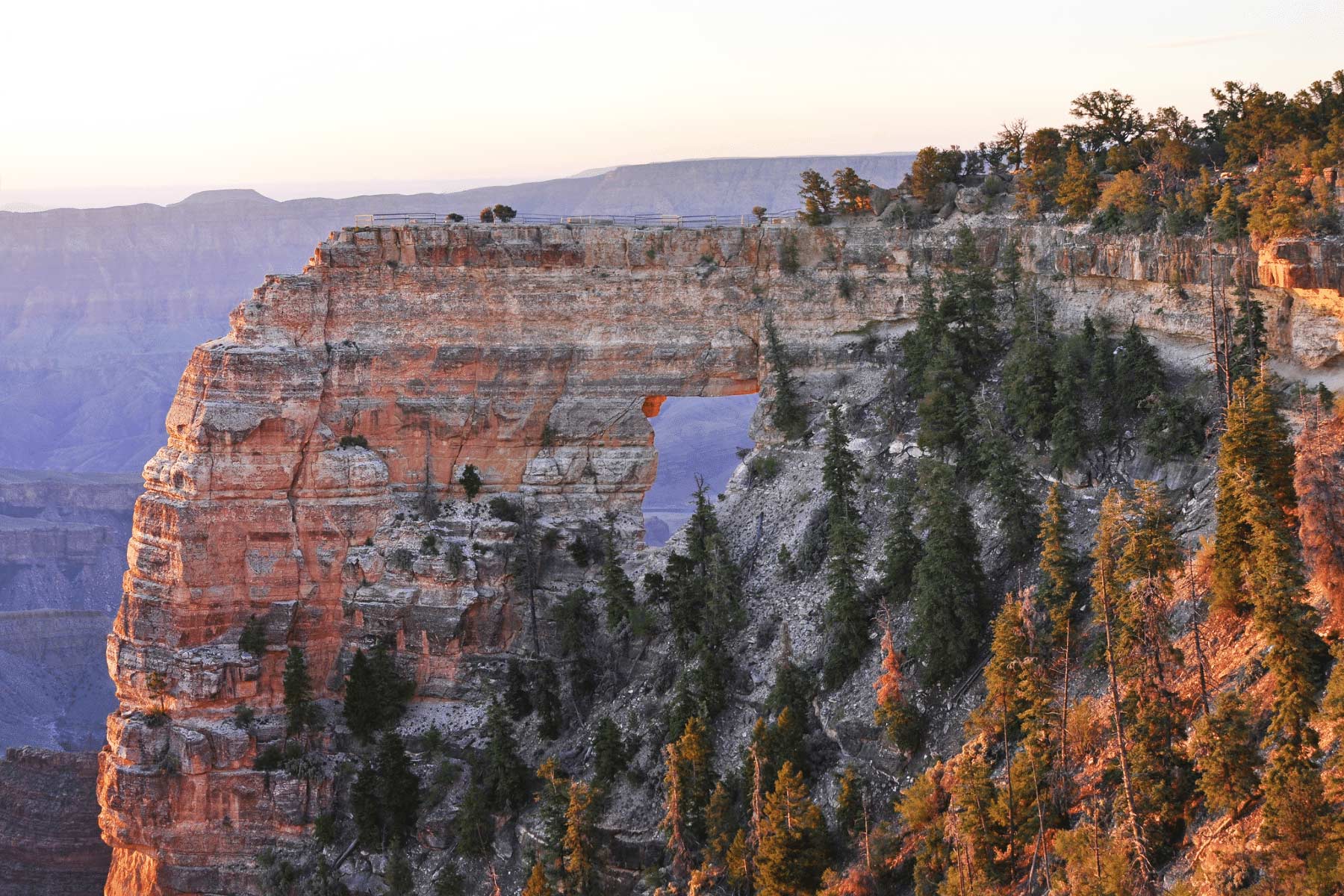
Angels Window is a natural arch eroded through a fin of rock along the Cape Royal Road, with a walkway that lets you stand atop it and look through the opening to the Colorado River below. A short, mostly paved trail leads from the parking area past the window to Cape Royal itself. It is one of the most photographed features on the North Rim and an easy add to a Cape Royal drive. Mind the railings and the exposure.
6. Walk the Cliff Spring Trail
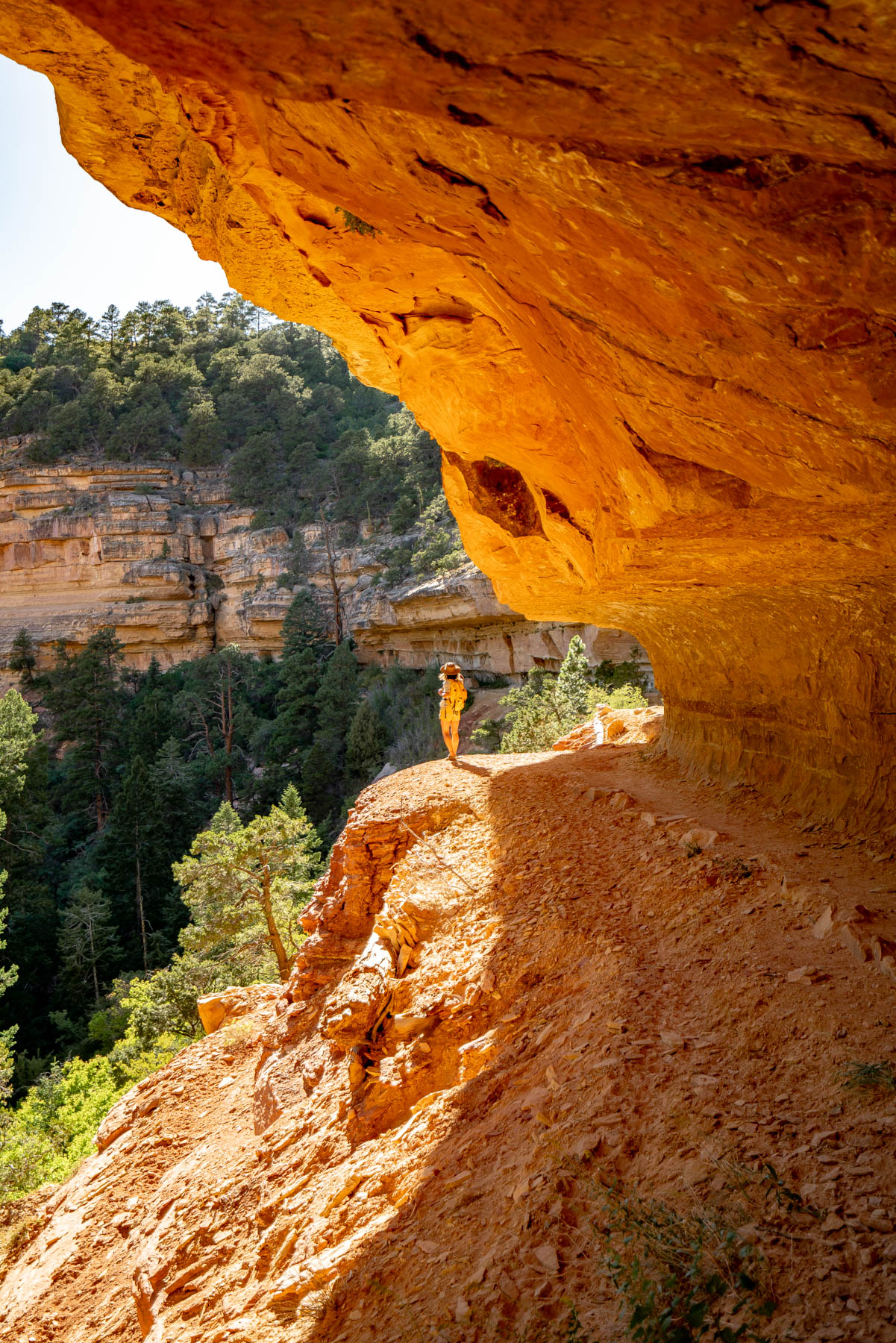
The Cliff Spring Trail is a roughly one-mile round trip off the Cape Royal Road that drops through forest and a small ravine to a rocky overhang and a trickling spring, with canyon views opening up along the way. It is one of the better short leg-stretchers on the rim, shadier and quieter than the marquee viewpoints. Footing is rocky in places, so wear real shoes. Do not rely on the spring for drinking water; carry your own.
7. Visit the Walhalla Glades ruins
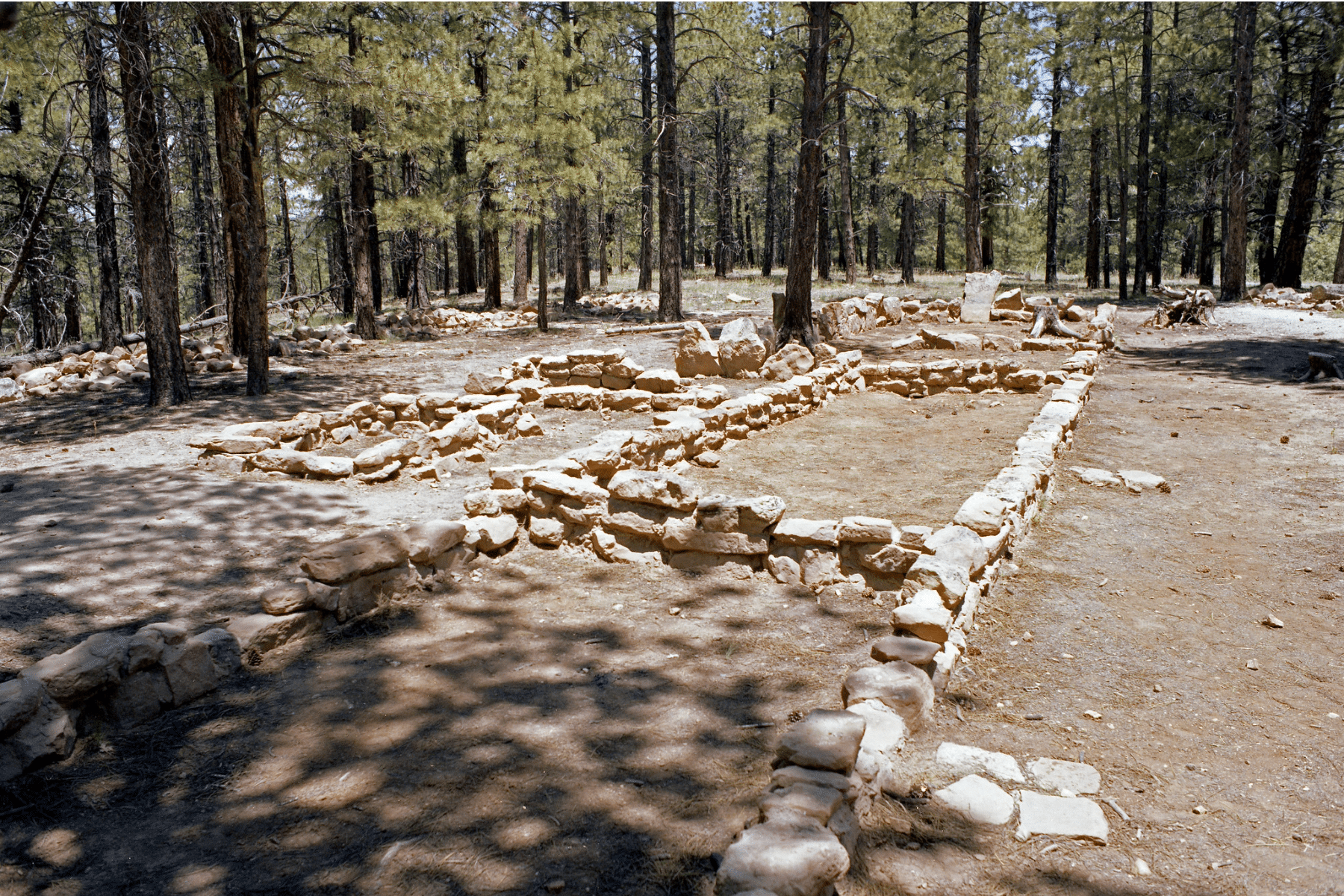
At Walhalla Overlook on the Cape Royal Road, a short paved path leads to the Walhalla Glades, the stone foundations of an Ancestral Puebloan settlement used some 900 years ago. Families farmed the warm mesa here in summer and wintered in the canyon below. Interpretive signs explain the site. It is a quiet, easy stop that adds a layer of human history to a landscape most people experience only as scenery. Treat the ruins with care and leave everything in place.
8. Smell a ponderosa pine
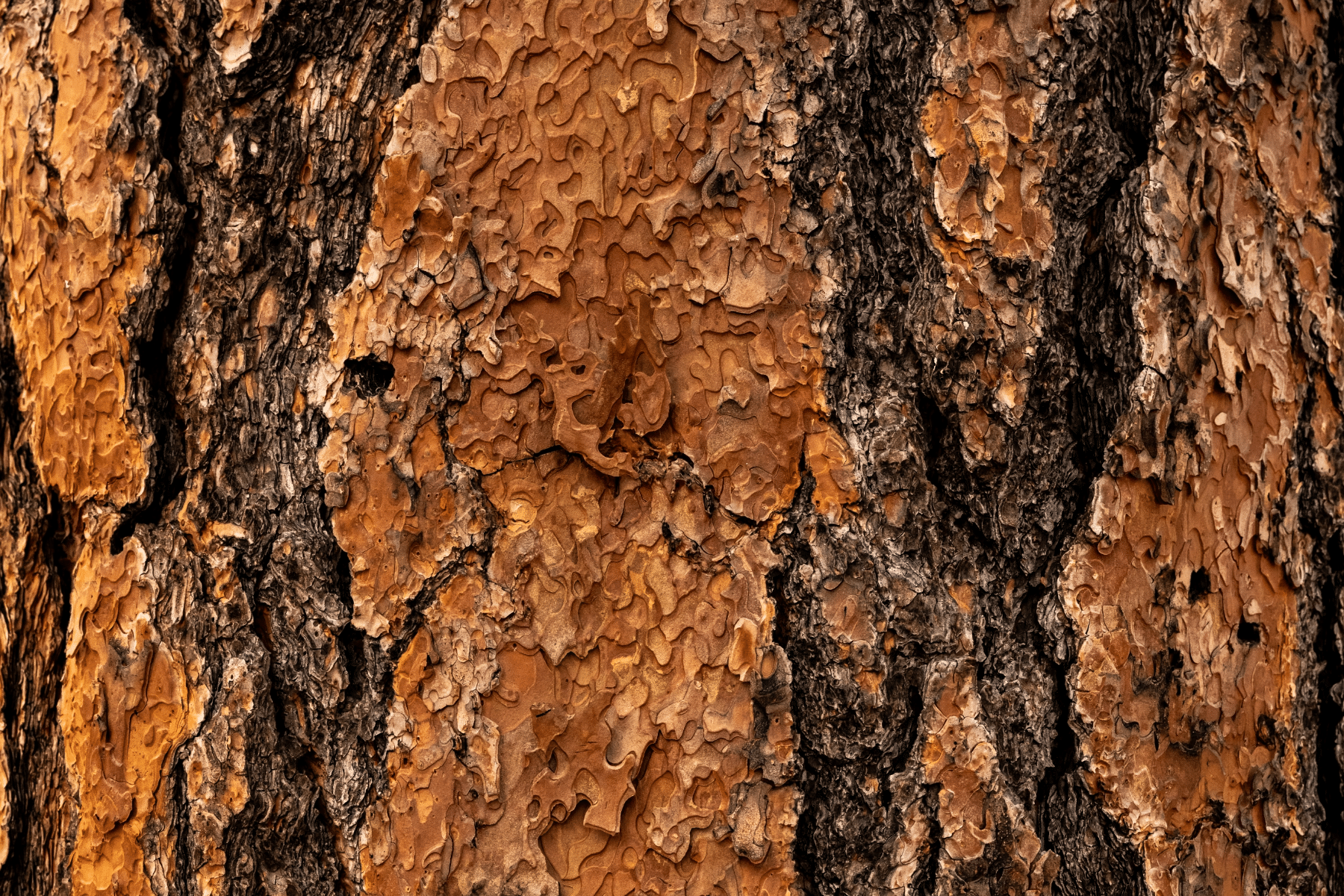
The North Rim’s high forest is a world apart from the desert rims most people picture. Press your nose into the deep, puzzle-piece bark of a mature ponderosa pine and you will catch a sweet scent of butterscotch or vanilla, a small ranger-favorite trick that delights kids. As you do, note the fire-blackened trees from the 2025 Dragon Bravo Fire across parts of the plateau, a stark reminder of how dramatically this forest changed and how it will slowly recover.
9. Look for a Kaibab squirrel
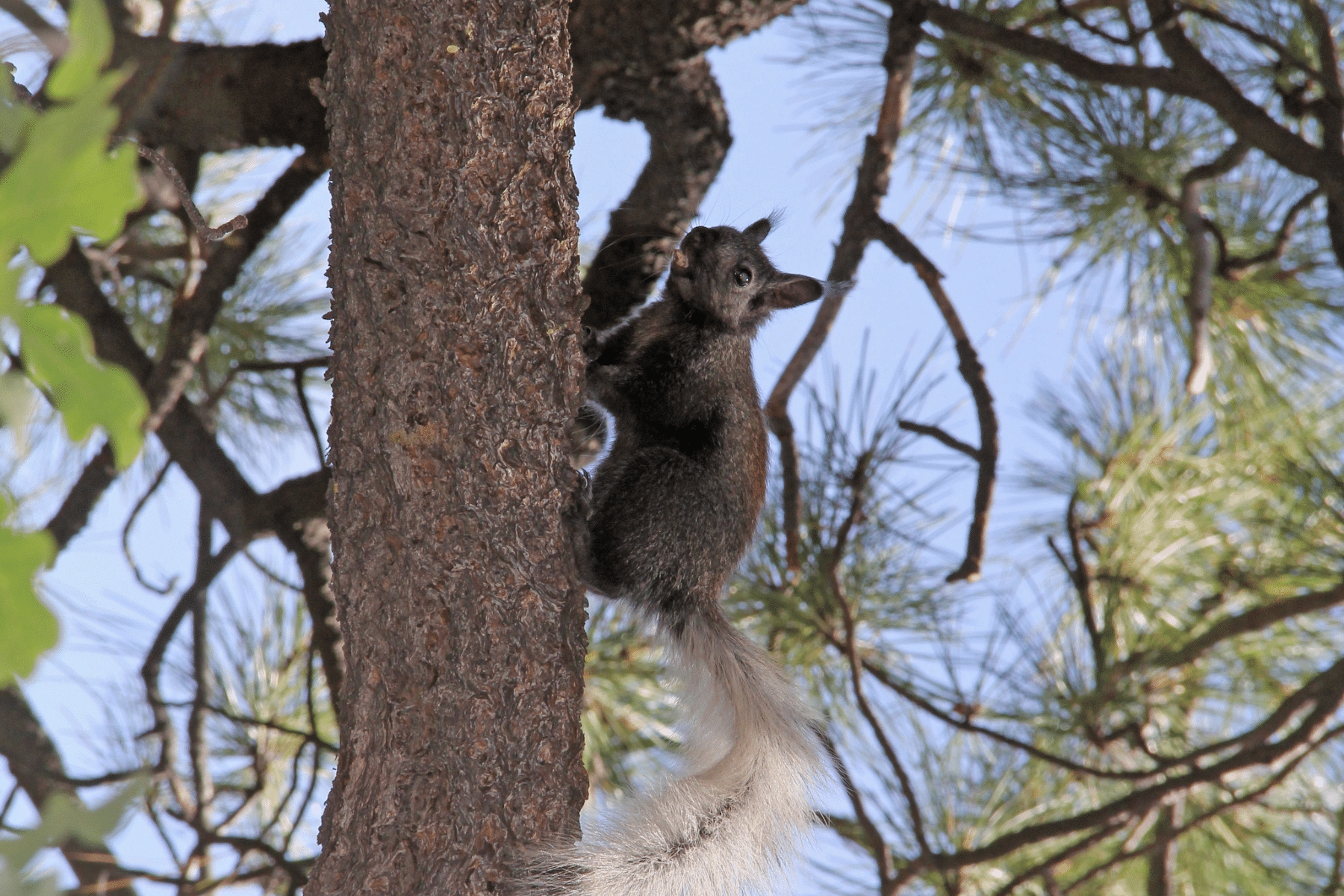
The Kaibab squirrel, with its tasseled ears, dark body, and bright white tail, lives nowhere on earth except this isolated plateau on the North Rim. Cut off from its relatives by the canyon and the surrounding desert, it evolved into its own distinct subspecies. Watch for it in the ponderosa forest along the roads and trails. Spotting one is a small thrill and a reminder of how the canyon itself shapes the life around it.
10. Catch sunrise and sunset over the canyon
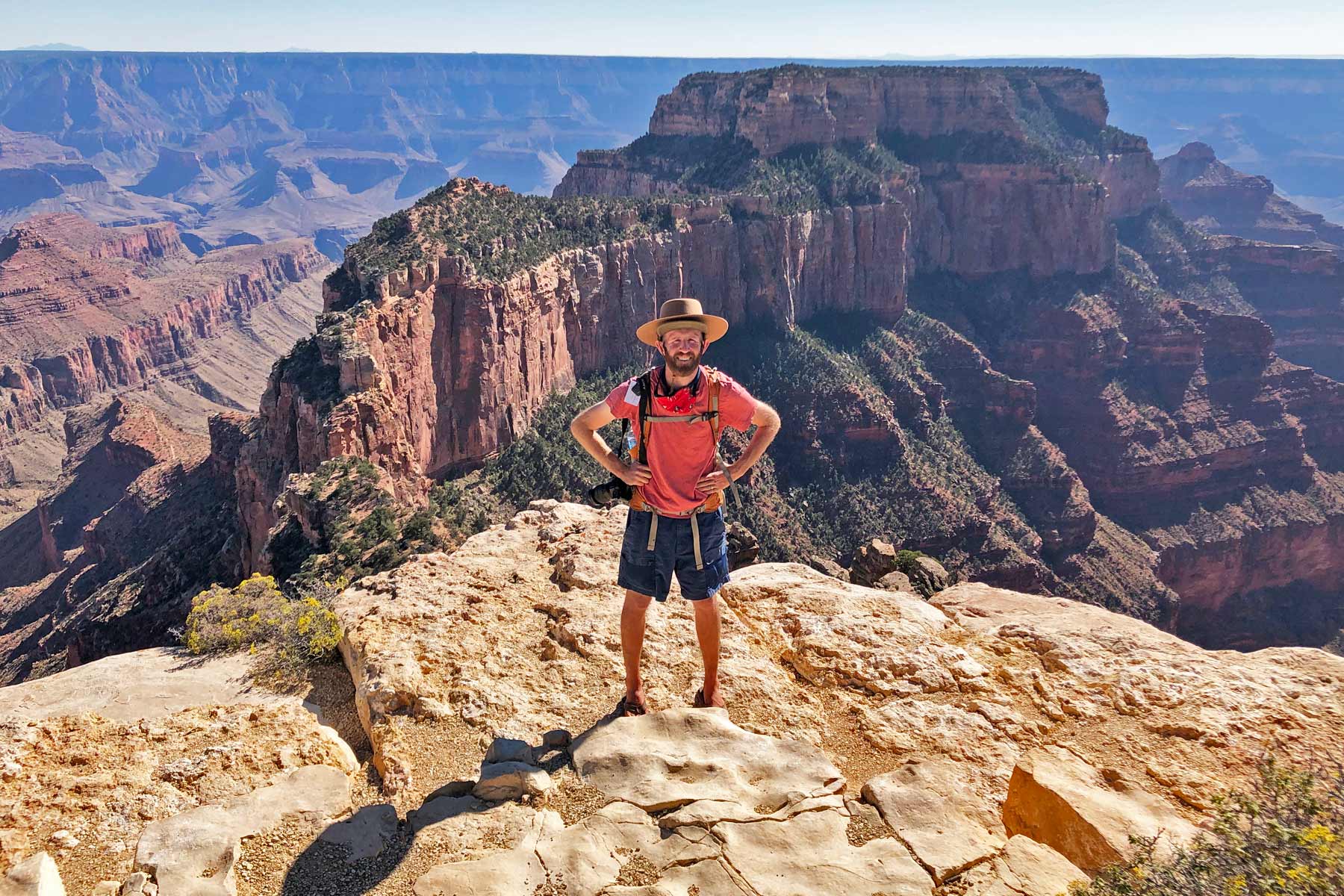
With far fewer people than the South Rim, the North Rim offers golden-hour light without the crowds. For sunset, Cape Royal and Bright Angel Point are hard to beat. For sunrise, Point Imperial and Cape Royal both shine as the eastern canyon lights up. Since there is no in-park dining this season, plan to bring your meals and a thermos, settle in early, and let the colors move across the canyon walls. Headlamps and warm layers are essential for the edges of the day.
11. Experience a summer monsoon
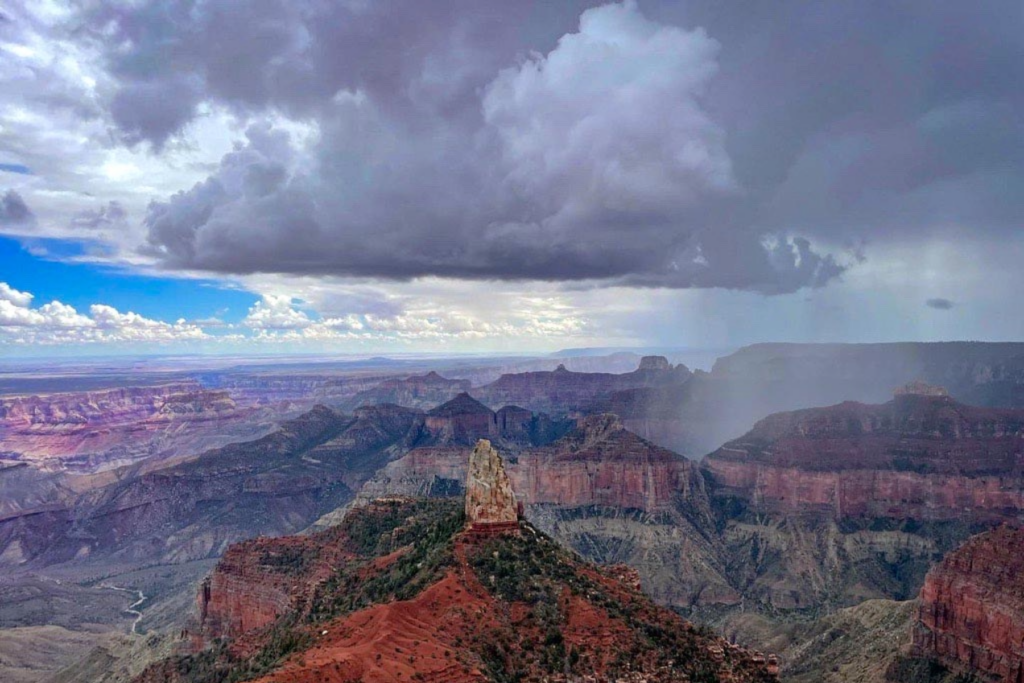
From roughly July into September, afternoon monsoon storms build over the canyon, throwing dramatic clouds, distant lightning, rainbows, and curtains of rain across the gorge. Watched from a safe viewpoint, the show is unforgettable. Watched from an exposed point during a storm, it is dangerous, so know the safety rules: get away from rim edges and lone trees, return to your vehicle when lightning is near, and never shelter under an isolated tree. Storms usually hit in the afternoon, so plan exposed walks for the morning.
12. Hike down the North Kaibab Trail
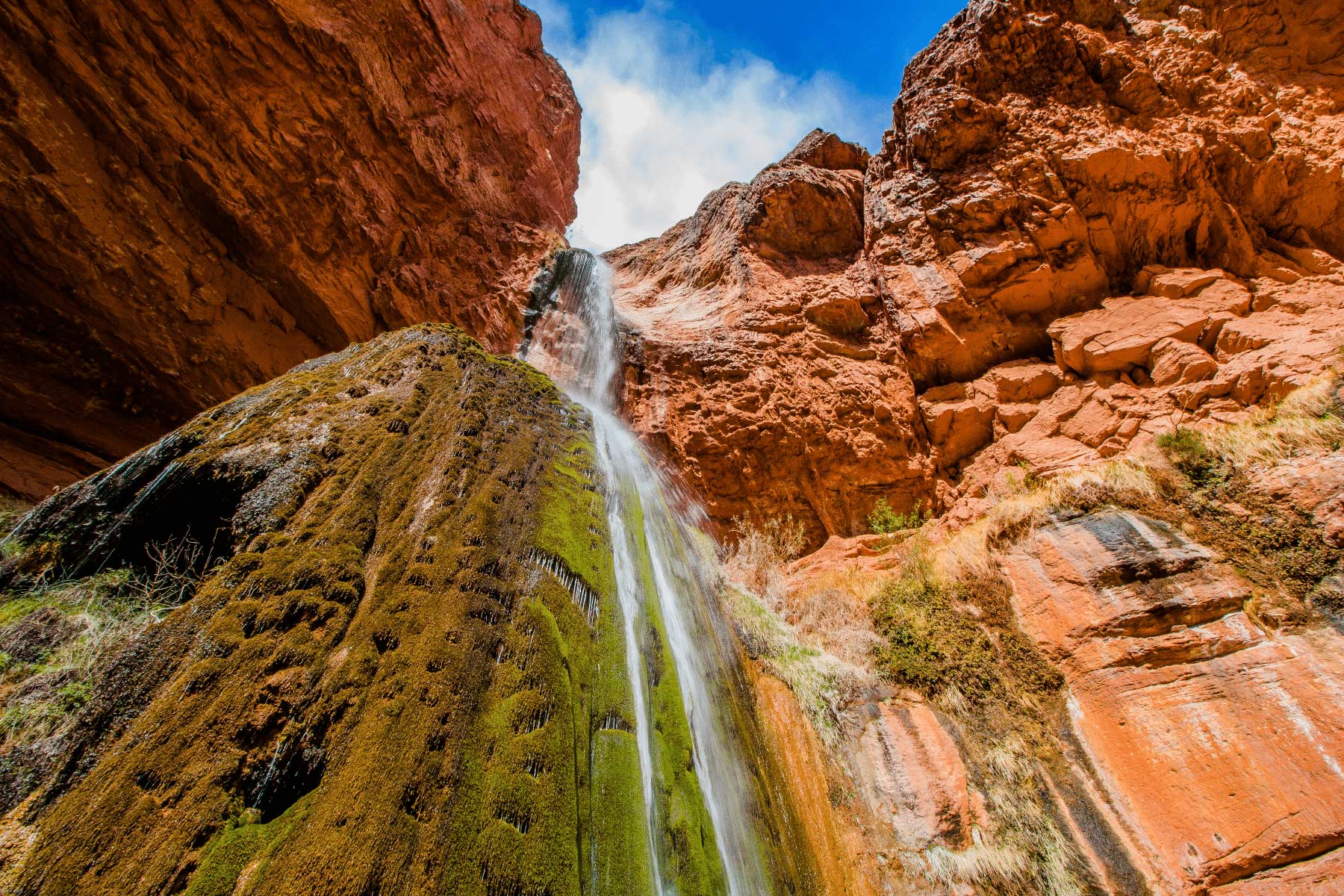
The North Kaibab Trail is the North Rim’s gateway into the canyon, and it is open to hikers on foot in 2026, though stock use is suspended. Day hikers can turn around at the Coconino Overlook or the Supai Tunnel for a taste of going below the rim without committing to the full descent. Going deeper, to Roaring Springs or beyond, is a serious undertaking on a hot, exposed trail. Note that maintenance can bring temporary closures, and a section closes in mid-October for waterline repairs. Carry far more water than feels necessary, and never hike to the river and back in a day.
13. Camp at the North Rim Campground
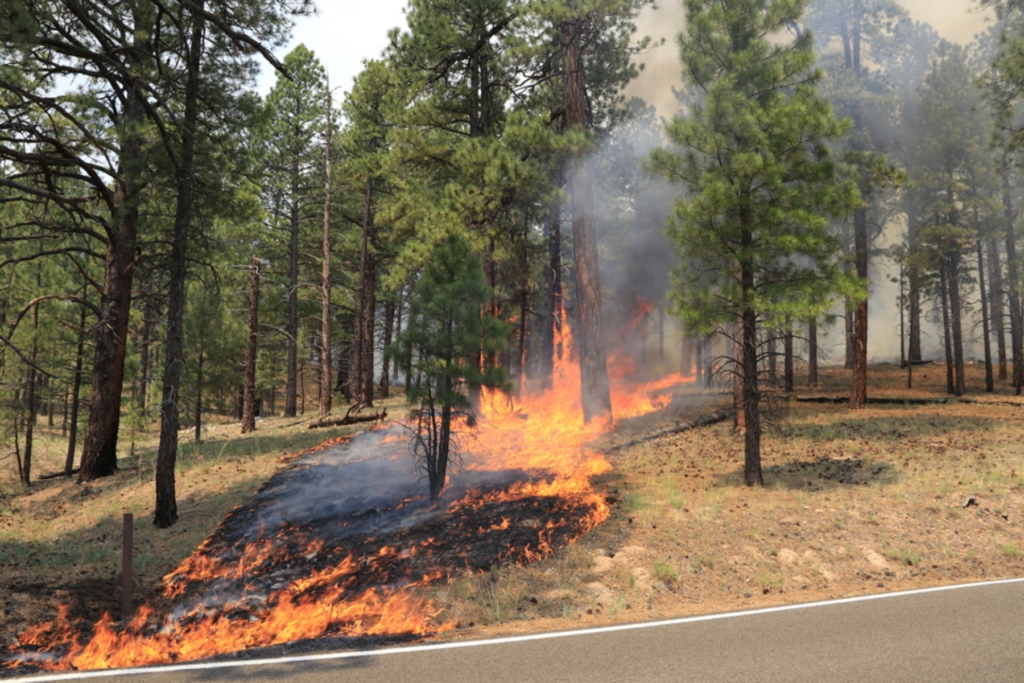
With the lodge gone, the North Rim Campground is the only way to spend the night inside the park in 2026. It reopened June 1 and books through Recreation.gov, but there are important catches: water and RV hookups are not available, and Stage 2 fire restrictions prohibit wood fires. That means you must haul in all your own water and plan for no campfire. The campground sits in the ponderosa forest near Bright Angel Point and the general store. Reserve early and come fully self-sufficient.
14. Stop for a shake at Jacob Lake

The drive in on Highway 67 from Jacob Lake is part of the experience, about 45 miles through the high Kaibab Plateau forest and meadows. Jacob Lake Inn, at the junction with US 89A, is the traditional first and last stop, famous for its fresh-baked cookies and milkshakes, with fuel, food, and a store. Given the limited services inside the park this season, Jacob Lake and the nearby North Rim Country Store and Kaibab Lodge are where you stock up on water, food, and gas before heading to the rim.
15. Soak up the solitude
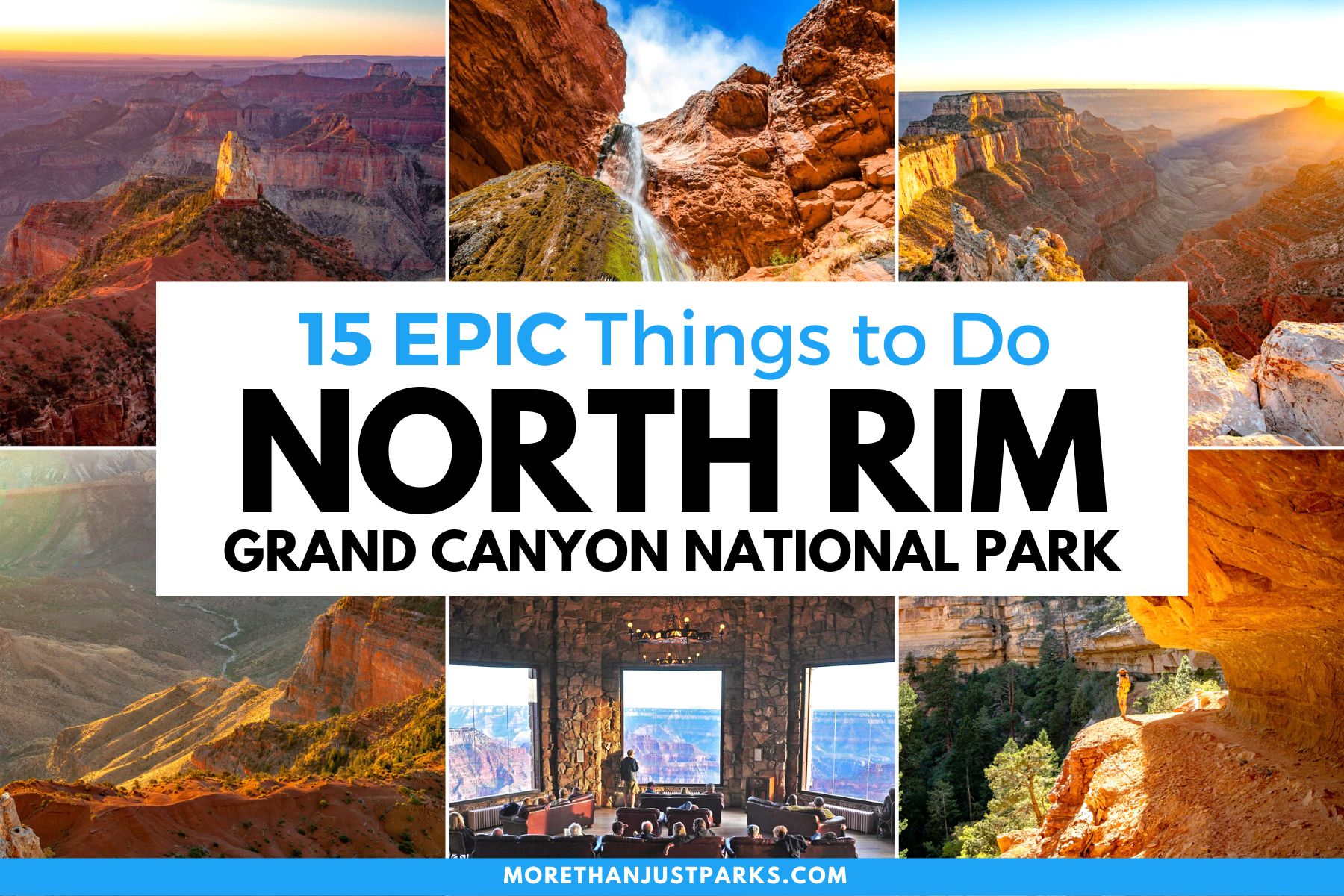
More than any single viewpoint, the North Rim’s gift is quiet. It draws a fraction of the canyon’s visitors even in a normal year, and the 2026 day-use season is quieter still. Without the lodge and its crowds, the rim feels wilder and more contemplative. Find an overlook away from the parking areas, sit, and let the scale of the canyon and the silence of the high forest sink in. It is a different, more solitary way to know the Grand Canyon.
North Rim at a Glance (2026)
| Detail | What to know |
|---|---|
| Season | Reopened May 15, 2026, for day use. Typically open mid-May to mid-October; snow closes Highway 67 in winter. |
| Lodging | None inside the park. The Grand Canyon Lodge was destroyed in the 2025 Dragon Bravo Fire. Nearest beds at Kaibab Lodge and Jacob Lake Inn outside the park. |
| Camping | North Rim Campground reopened June 1, reserve on Recreation.gov. No water, no hookups; haul your own water. Wood fires prohibited. |
| Food, fuel, water | A general store and 24-hour self-serve gas station operate mid-May to mid-October. No in-park restaurant. Bring your own water and food. |
| Roads and views | Highway 67, Cape Royal Road, and Point Imperial Road are open, reaching all major viewpoints. |
| Into the canyon | North Kaibab Trail open to hikers on foot; stock use suspended, so no mule rides. A section closes mid-October for waterline repairs. |
| Entrance fee | $35 per vehicle, valid 7 days at both rims. Covered by the America the Beautiful pass. |
Planning Your North Rim Visit in 2026
The honest 2026 reality is that the North Rim is worth visiting, but it requires more self-sufficiency than ever. Because there is no lodging or restaurant inside the park and no water at the campground, the smart plan treats the North Rim as a day-use destination from a base outside the park, or as a fully self-supported camping trip. Stock up on water, food, and fuel at Jacob Lake, the North Rim Country Store, or Kaibab Lodge before you reach the rim, and carry far more water than you think you need.
From a base outside the park, a full day lets you drive Cape Royal Road and the Point Imperial spur, walk Bright Angel Point and a short trail or two, and time sunset at Cape Royal before the drive back. If you camp, reserve early and come prepared for no water and no campfires. Above all, check the park’s North Rim status page shortly before you go, because trail work, fire recovery, and services are still in flux this season and details can change week to week.
For the rest of your trip, see our guide to the national parks in Arizona, our breakdown of the best time to visit the Grand Canyon, and, if you are pairing it with the busier rim, our guide to the Grand Canyon shuttle system on the South Rim.
What to Bring to Grand Canyon
Gear we recommend for Grand Canyon. Affiliate links support our work at no cost to you.
More Than Just Parks may earn a small commission from purchases made through these links, at no extra cost to you. We only recommend gear we would actually use.
Affiliate disclosure: Some links on this page earn us a small commission at no extra cost to you. We only recommend gear we actually use.


