

I spent more than 25 years teaching American history in a classroom, then I started visiting the places I had only talked about. Standing on the ground where it actually happened changes everything, and Ohio caught me off guard more than almost any other state.
There is far more to the Buckeye State than the Ohio State Buckeyes. This is the cradle of aviation, the home of more presidents than almost anywhere, and the keeper of some of the oldest Native American earthworks on the continent. More Than Just Parks has rounded up our top 20 Ohio landmarks, counting down from number 20.
Ohio Landmarks At A Glance
Here is a quick comparison of all 20 landmarks before we dig into the stories behind each one.
| Landmark | Type | Location |
|---|---|---|
| Dayton Aviation Heritage NHP | National Historical Park (NPS) | Dayton |
| Rock & Roll Hall of Fame | Museum | Cleveland |
| Cuyahoga Valley National Park | National Park (NPS) | Between Cleveland and Akron |
| Pro Football Hall of Fame | Museum | Canton |
| William Howard Taft NHS | National Historic Site (NPS) | Cincinnati |
| Fallen Timbers Battlefield & Fort Miamis NHS | National Historic Site (NPS) | Maumee |
| First Ladies NHS | National Historic Site (NPS) | Canton |
| Charles Young Buffalo Soldiers NM | National Monument (NPS) | Wilberforce |
| Perry’s Victory & Peace Memorial | National Memorial (NPS) | Put-in-Bay |
| James A. Garfield NHS | National Historic Site (NPS) | Mentor |
| National Veterans Memorial & Museum | Museum / memorial | Columbus |
| Hopewell Culture NHP | National Historical Park (NPS) / UNESCO | Chillicothe |
| Lewis & Clark National Historic Trail | National Historic Trail (NPS) | Ohio River border |
| Serpent Mound | National Historic Landmark | Adams County |
| Thomas Edison Birthplace Museum | Historic house museum | Milan |
| Armstrong Air & Space Museum | State history site | Wapakoneta |
| Ohio Statehouse | State capitol (NHL) | Columbus |
| National Museum of the US Air Force | Military aviation museum | Dayton |
| Franklin Park Conservatory | Botanical garden | Columbus |
| Cincinnati Music Hall | Concert hall (NHL) | Cincinnati |
For a deeper look at the historic side of the state, see our companion guide to the best historic sites in Ohio.
117 public lands destinations are under threat. Get the free briefing that 27,000+ people use to stay informed and take action.
20. Cincinnati Music Hall
Cincinnati Music Hall is a High Victorian Gothic landmark that has anchored the city’s cultural life since the 1870s. Architect Samuel Hannaford designed it, and it opened in 1878 as the Music Hall and Exposition Building.
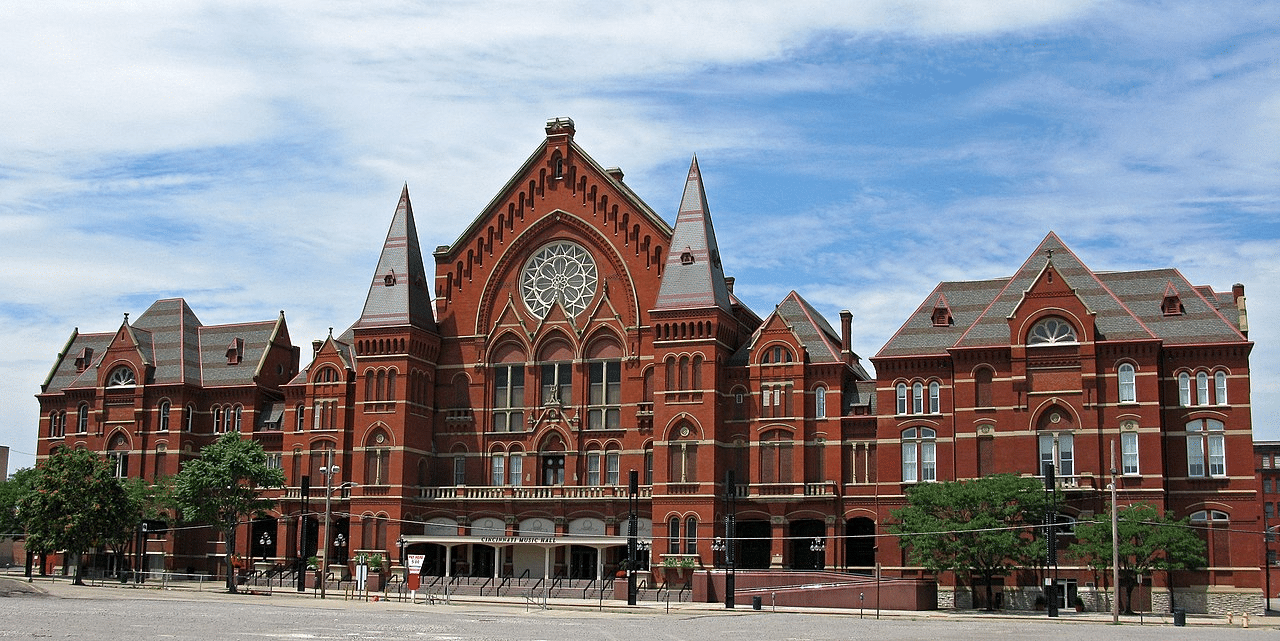
The hall is home to the Cincinnati Symphony Orchestra, the Cincinnati Opera, the Cincinnati Pops, and the May Festival, and over the years it has hosted performers from Enrico Caruso to Yo-Yo Ma. It was named a National Historic Landmark in 1975, and a $143 million restoration completed in 2017 returned its Springer Auditorium to full splendor while adding modern systems and accessibility.
19. Franklin Park Conservatory and Botanical Gardens
The Franklin Park Conservatory and Botanical Gardens in Columbus is a Victorian glasshouse filled with plant collections from desert to rainforest, and it ranks among the finest botanical gardens in the country.

The City of Columbus opened Franklin Park in the 1880s, and the glass conservatory followed, completed in 1895 and modeled on the famous Glass Palace of the 1893 World’s Columbian Exposition. A major renovation tied to the 1992 AmeriFlora exposition expanded and restored the complex. Today it draws visitors with seasonal blooms, a tropical Pacific Island Water Garden, a butterfly exhibit, and works of Chihuly glass woven through the greenhouses.
18. National Museum of the US Air Force
The National Museum of the United States Air Force at Wright-Patterson Air Force Base near Dayton is the oldest and largest military aviation museum in the world, and admission is free.

The museum traces its origins to 1923 at McCook Field in Dayton and moved to Wright-Patterson over the following decades. Its present galleries hold more than 360 aircraft and missiles across four massive hangars, including the restored Memphis Belle, the only surviving XB-70 Valkyrie, and a Presidential Gallery with the Boeing 707 that carried John F. Kennedy’s body home from Dallas. Exhibits march through the early years, both world wars, Korea, Southeast Asia, the Cold War, and spaceflight.
17. The Ohio Statehouse
The Ohio Statehouse in Columbus is one of the finest Greek Revival capitols in the country, a broad limestone temple capped not by a traditional dome but by a low cylindrical cupola.

Construction began in 1839 and stretched over more than two decades, with the building largely finished in 1861. Several architects worked on it, among them Nathan B. Kelley. It has seen its share of history. Abraham Lincoln spoke from the Statehouse in September 1859, sharpening the arguments he had honed against Stephen Douglas in their 1858 Illinois debates, and in April 1865 his body lay in state in the rotunda as tens of thousands filed past. The building is a National Historic Landmark, and free guided tours take visitors through the chambers and rotunda today.
16. Armstrong Air & Space Museum
The Armstrong Air & Space Museum in Wapakoneta honors hometown hero Neil Armstrong, the first person to walk on the Moon, and celebrates Ohio’s outsized role in aviation and space exploration.
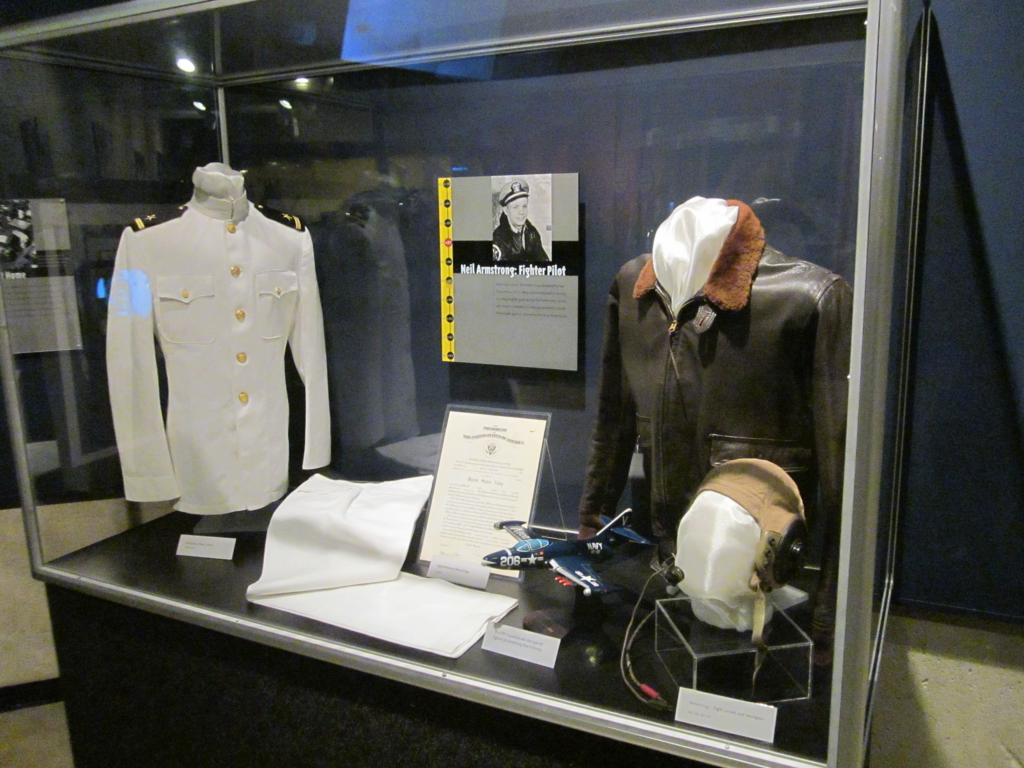
Operated by the Ohio History Connection, the museum opened in 1972, three years after Apollo 11. Its dome rises from a low earthen mound meant to suggest a building set into the Moon. Inside are the Gemini VIII spacecraft Armstrong piloted on the first orbital docking, artifacts from his life, a Moon rock, and a lunar-landing simulator. Armstrong, who was born in 1930 and died in 2012, learned to fly before he could drive and later taught engineering at the University of Cincinnati.
“That’s one small step for man, one giant leap for mankind.”
Neil Armstrong
15. Thomas Edison Birthplace Museum
The Thomas Edison Birthplace Museum in Milan preserves the small brick house where the most prolific inventor in American history was born on February 11, 1847.
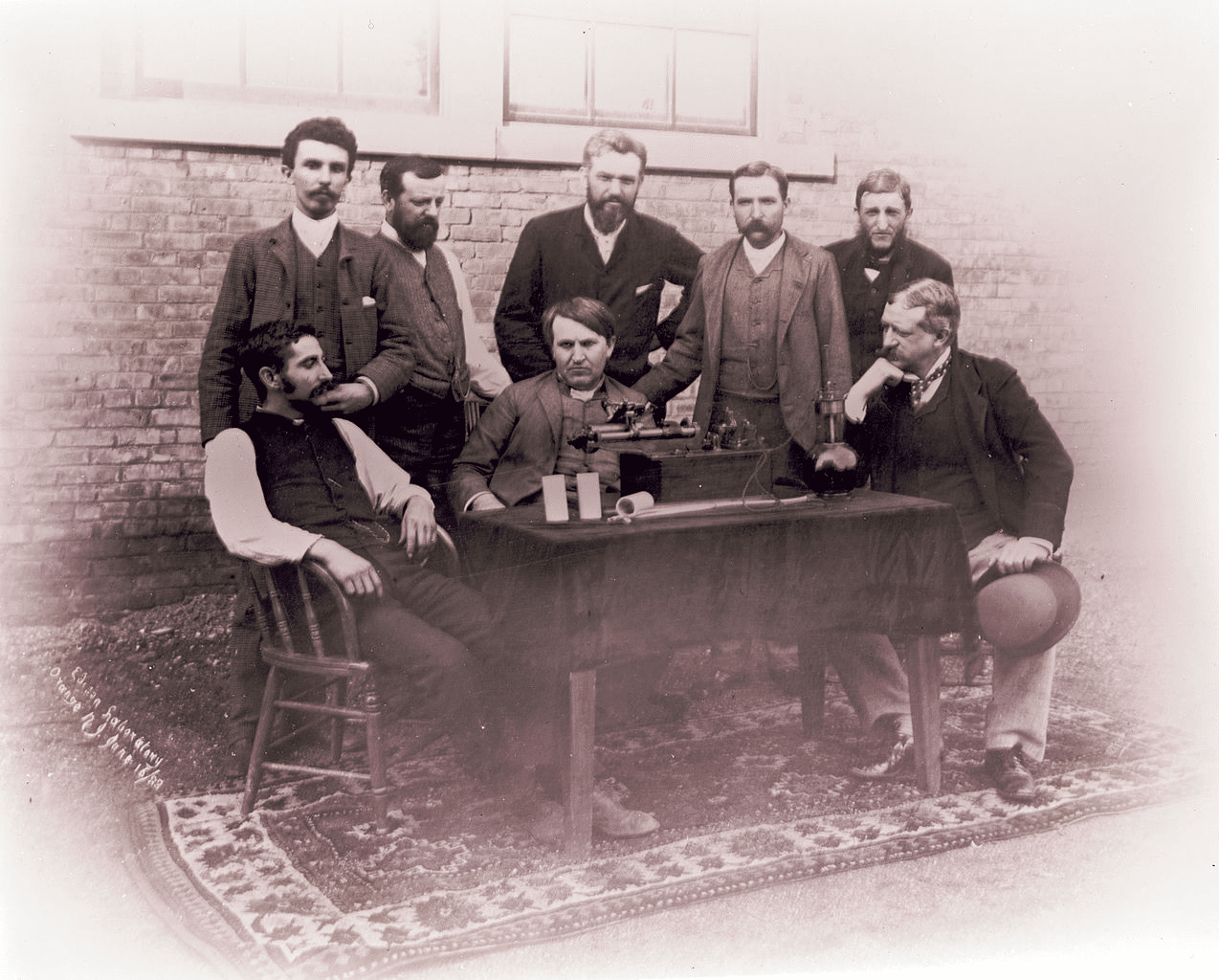
Edison held more than 1,000 U.S. patents and gave the world the phonograph, the first practical incandescent light bulb, and the motion picture camera, along with a hand in founding what became General Electric. His family left Milan for Port Huron, Michigan, when he was seven. The home fell into disrepair until 1906, when relatives and local citizens formed the Edison Birthplace Association to save it. Restored, it opened to the public in 1947 on the 100th anniversary of his birth, and it still displays family pieces and early Edison inventions.
14. Serpent Mound
Serpent Mound in rural Adams County is the largest documented serpent effigy mound in the world, an earthen snake roughly 1,348 feet long uncoiling along a ridge above Ohio Brush Creek. It is one of the most extraordinary works of ancient Native American art anywhere in North America.
The effigy depicts a serpent with a coiled tail and open jaws that appear to grasp an oval, which some researchers read as an egg, the Sun, or a celestial event. Scholars debate who built it. Radiocarbon work has pointed both to the earlier Adena culture and, in later studies, to the Fort Ancient culture, which was active around 1,000 years ago and is known for serpent imagery. The site sits on the edge of an ancient meteor impact crater. It was named a National Historic Landmark in 1966, is cared for by the Ohio History Connection, and is included in the United States’ tentative list for future UNESCO World Heritage consideration.
13. Lewis & Clark National Historic Trail
The Lewis & Clark National Historic Trail traces the route of the Corps of Discovery, and thanks to a 2019 extension it now follows the Ohio River, which forms Ohio’s entire southern border. This is where Meriwether Lewis began the journey, floating down the Ohio in the late summer and fall of 1803 to gather men and supplies.
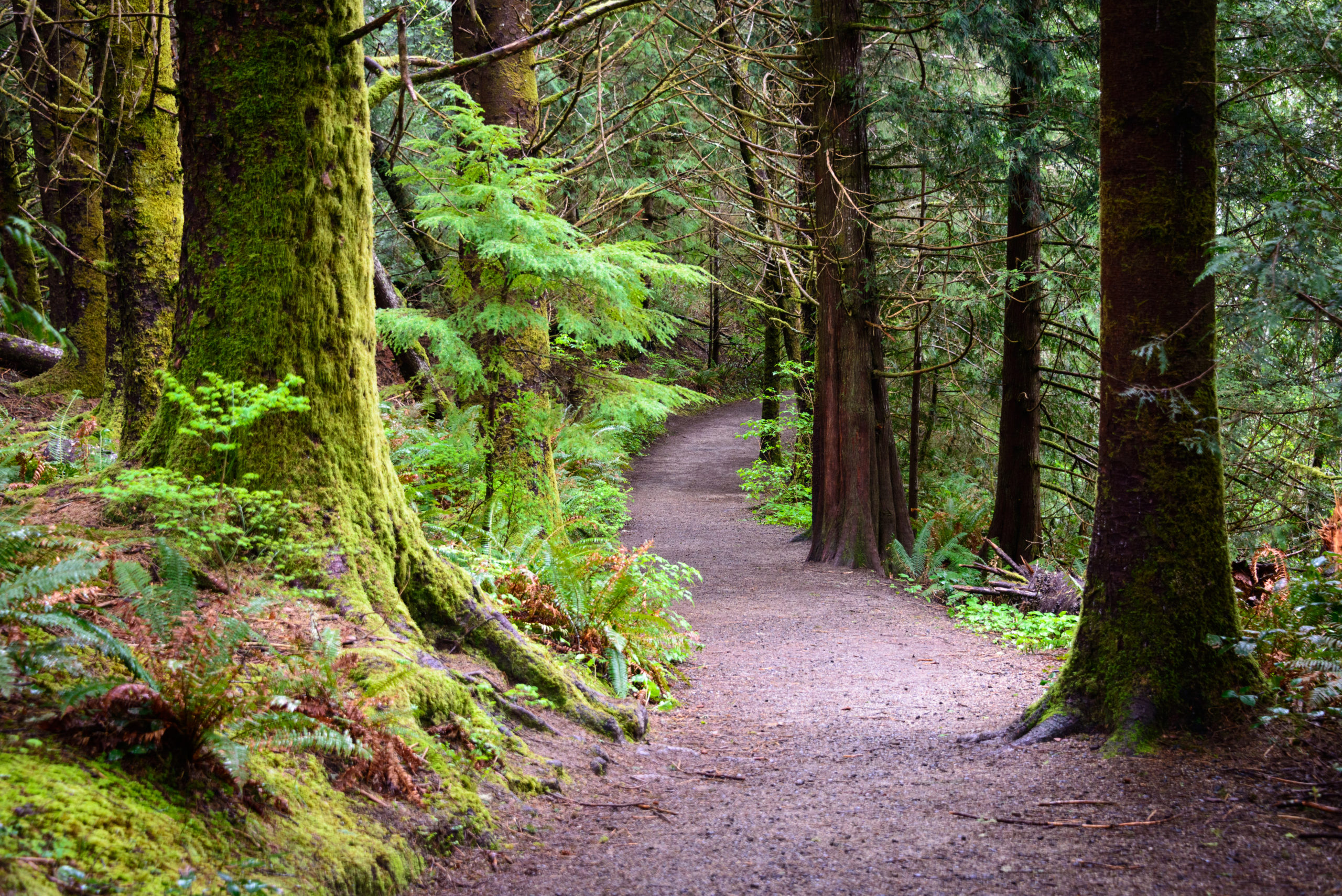
Congress first established the trail in 1978 under the National Trails System Act. In 2019 the John D. Dingell, Jr. Act moved the eastern terminus from Illinois down the Mississippi and up the Ohio River all the way to Pittsburgh, adding about 1,200 miles and bringing the total to roughly 4,900 miles across 16 states. The National Park Service administers it as a partnership trail.
More To See In Ohio Along The Route
- Campus Martius Museum, Marietta. Marietta was the first organized American settlement in the Northwest Territory, founded in 1788, and the museum tells that story along the Ohio River.
- Historic Fort Steuben, Steubenville. A reconstructed 1780s fort on the Ohio River, built where the original stood to survey the Northwest Territory.
- Eulett Center, Adams County. A nature preserve and education center protecting the prairies, forests, and ravines of the Edge of Appalachia, near Serpent Mound.
12. Hopewell Culture National Historical Park
Hopewell Culture National Historical Park near Chillicothe preserves vast geometric earthworks built by Native Americans roughly 2,000 years ago. In 2023 these works, together with related sites, were inscribed as the Hopewell Ceremonial Earthworks, Ohio’s first UNESCO World Heritage Site.

The people now called the Hopewell were not a single tribe but a broad network of communities who flourished in the Ohio River Valley between about 200 BCE and 500 CE. They built immense embankments in precise circles, squares, and octagons, some aligned with the cycles of the Sun and Moon, and traded for materials from as far away as the Rocky Mountains and the Gulf Coast. The national park protects five sites, including the Mound City Group, where two dozen burial mounds sit inside an earthen wall. The World Heritage listing also includes the Newark Earthworks and Fort Ancient, managed by the Ohio History Connection.
11. National Veterans Memorial and Museum
The National Veterans Memorial and Museum in Columbus is the first museum in the country dedicated to honoring veterans of every branch and every era, along with their families.

The idea grew from a 2012 effort led by former Ohio Governor Ted Strickland and former Columbus Mayor Michael Coleman to create a place for reflection rather than a monument to any single war. Designed by the firm Allied Works, the museum opened in October 2018, its sweeping concrete rings meant to evoke unity and continuity. Exhibits follow the arc of military service from enlistment through homecoming, and Congress designated it the national veterans museum. Time magazine named it one of the world’s 100 greatest places in 2019.
10. James A. Garfield National Historic Site
Ohio is sometimes called the Mother of Presidents, and it claims as many as eight, seven of them born within its borders. Fittingly, the Top 10 opens with the James A. Garfield National Historic Site in Mentor, the home of the 20th president.
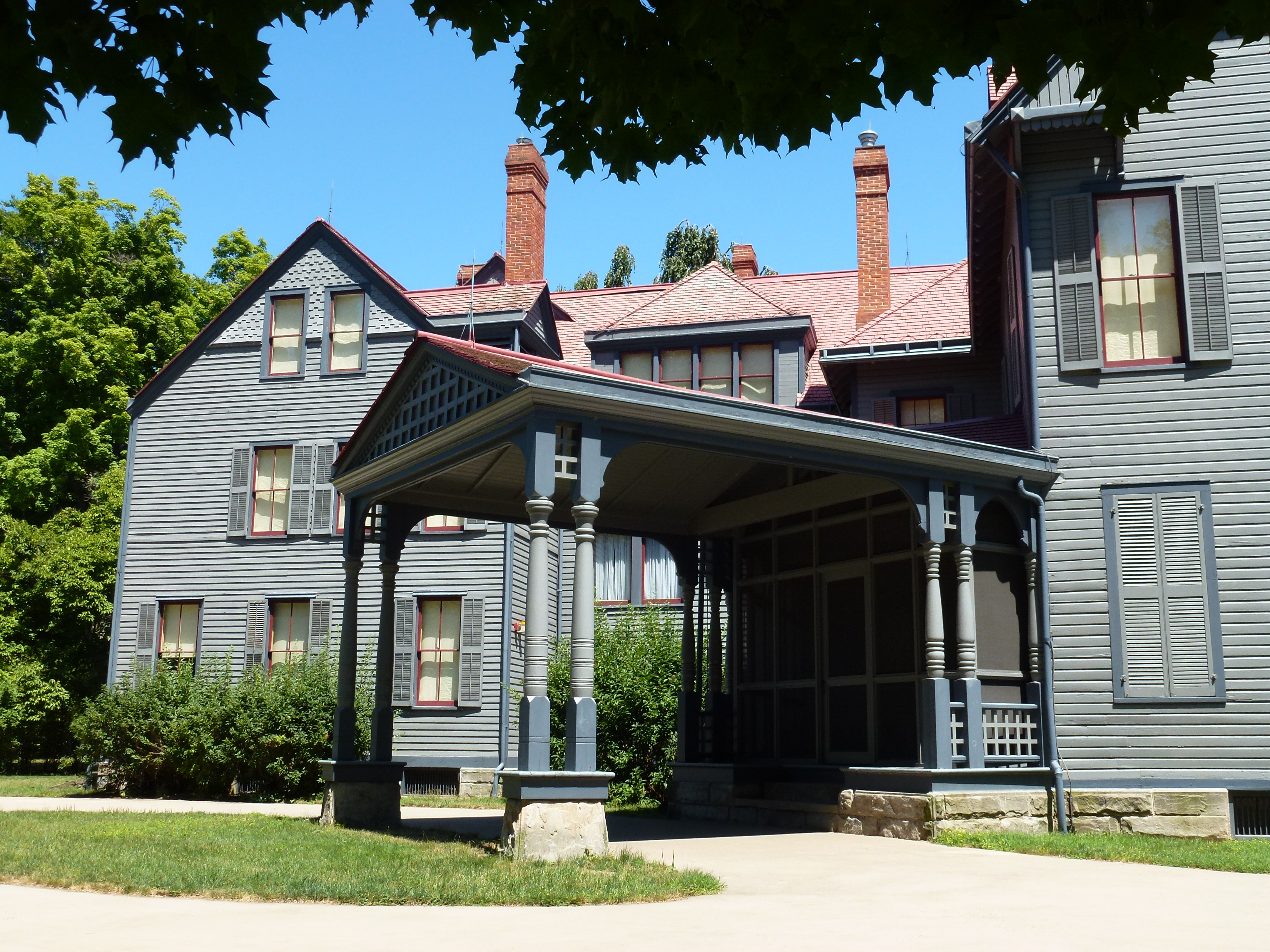
Garfield rose from a Civil War brigadier general to a leading voice in the House before winning the presidency in 1880, defeating fellow Union general Winfield Scott Hancock by a razor-thin popular margin. His promise was cut short on July 2, 1881, when an assassin shot him; he lingered for two and a half months before dying on September 19, 1881. His Mentor estate, nicknamed Lawnfield, is where he ran the first successful front-porch campaign. Today the National Park Service preserves the home, restored to its 1880s appearance, along with a museum and grounds.
For a gripping account of his life and death, read Destiny of the Republic by Candice Millard.
9. Perry’s Victory & International Peace Memorial
Perry’s Victory and International Peace Memorial rises 352 feet above South Bass Island at Put-in-Bay, a granite Doric column honoring the Battle of Lake Erie and the long peace that has followed between the United States, Britain, and Canada.
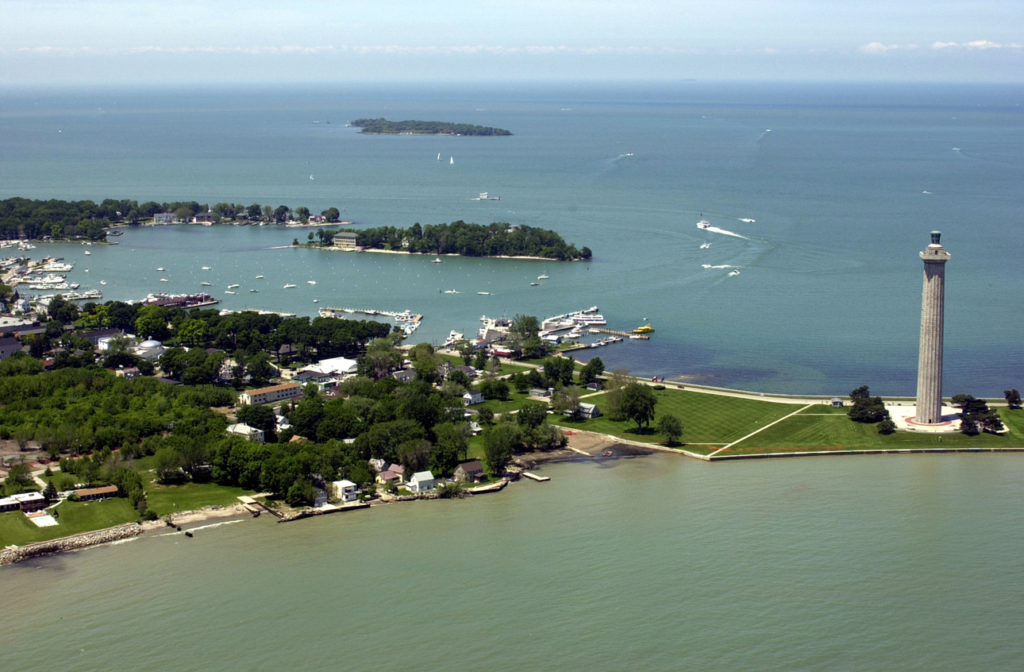
In September 1813, during the War of 1812, Commodore Oliver Hazard Perry defeated a British squadron on Lake Erie and reported afterward, “We have met the enemy and they are ours.” The victory gave the United States control of the lake and the Northwest. The memorial, completed in 1915 and run by the National Park Service, is one of the tallest monuments in the country, and an observation deck near its top offers views across the lake to Canada.
8. Charles Young Buffalo Soldiers National Monument
This national monument in Wilberforce preserves the home of Colonel Charles Young, one of the most remarkable figures in American military history and a man whose story deserves to be far better known.

Born into slavery in Kentucky in 1864, Young became the third African American to graduate from West Point. He led Buffalo Soldier cavalry units, and in 1903 he served as acting superintendent of Sequoia and General Grant national parks, the first Black superintendent in the national parks, where his troops built roads and trails still used today. He rose to colonel, and to prove his fitness for duty after being sidelined during World War I, he famously rode horseback from Ohio to Washington, D.C. He died in 1922. The National Park Service preserves his Wilberforce home, Youngsholm.
To go deeper, read Black Officer in a Buffalo Soldier Regiment by Brian G. Shellum.
7. First Ladies National Historic Site
The First Ladies National Historic Site in Canton is the only place in the country devoted to the history of America’s First Ladies. It is set in the restored family home of Ida Saxton McKinley, wife of President William McKinley.

The site is administered by the National Park Service in partnership with the National First Ladies’ Library. Guided tours move through the Victorian Saxton McKinley House, while a nearby restored bank building serves as an education and research center with exhibits on the women who shaped the role. Among them, Eleanor Roosevelt, who served more than 12 years, held her own press conferences, and later chaired the United Nations commission that produced the Universal Declaration of Human Rights, is regularly ranked the most influential of them all.
6. Fallen Timbers Battlefield and Fort Miamis National Historic Site
This national historic site near Maumee marks the Battle of Fallen Timbers, the 1794 clash that broke Native American resistance in the Ohio country and opened the region to American settlement. It is a place to reckon honestly with the cost of that expansion.
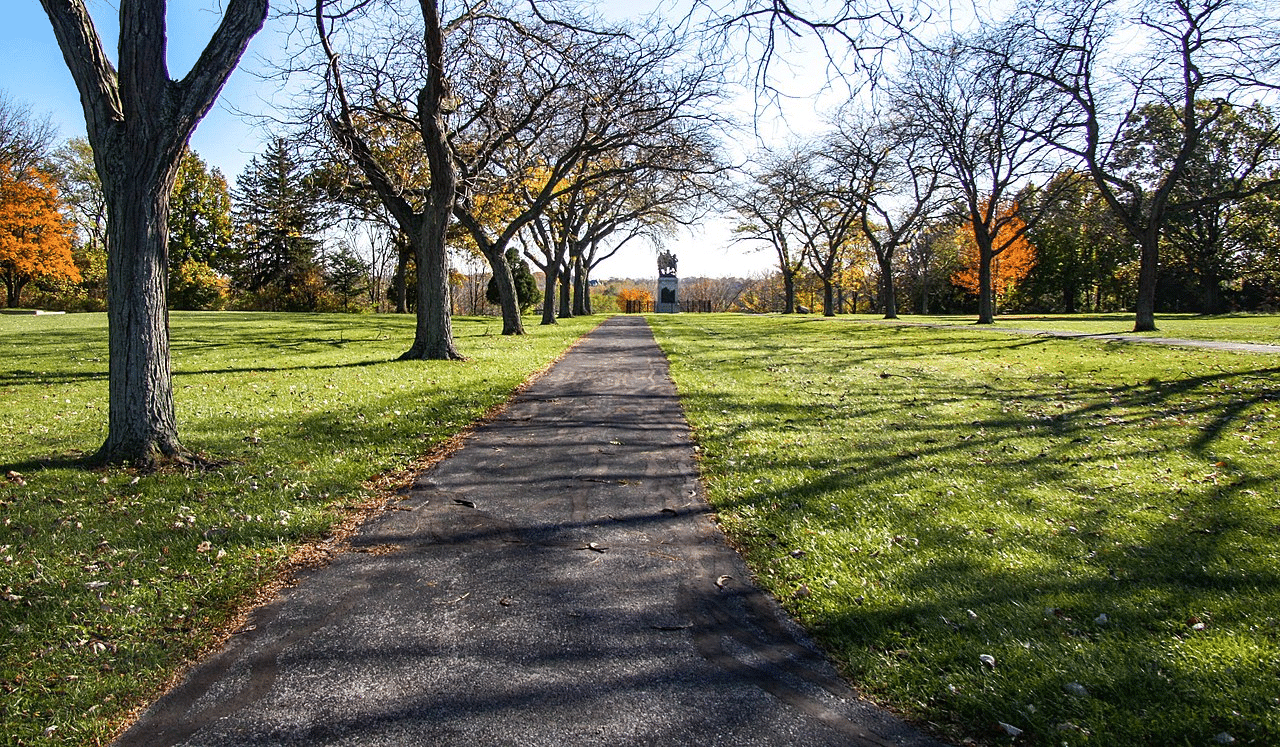
A confederation of tribes led by the Shawnee war leader Blue Jacket and the Miami chief Little Turtle had defeated two earlier U.S. armies. On August 20, 1794, General Anthony Wayne’s Legion of the United States met them near the Maumee River, among trees toppled by a storm. Wayne’s victory led to the Treaty of Greenville the next year, ceding much of present-day Ohio. The site, affiliated with the National Park Service and managed locally, includes the battlefield, the British-built Fort Miamis, and a memorial that honors the fallen on both sides.
Top 5 Ohio Landmarks
5. William Howard Taft National Historic Site
The William Howard Taft National Historic Site in Cincinnati preserves the boyhood home of the only person ever to lead two branches of the federal government, serving as the 27th president and later as Chief Justice of the United States.
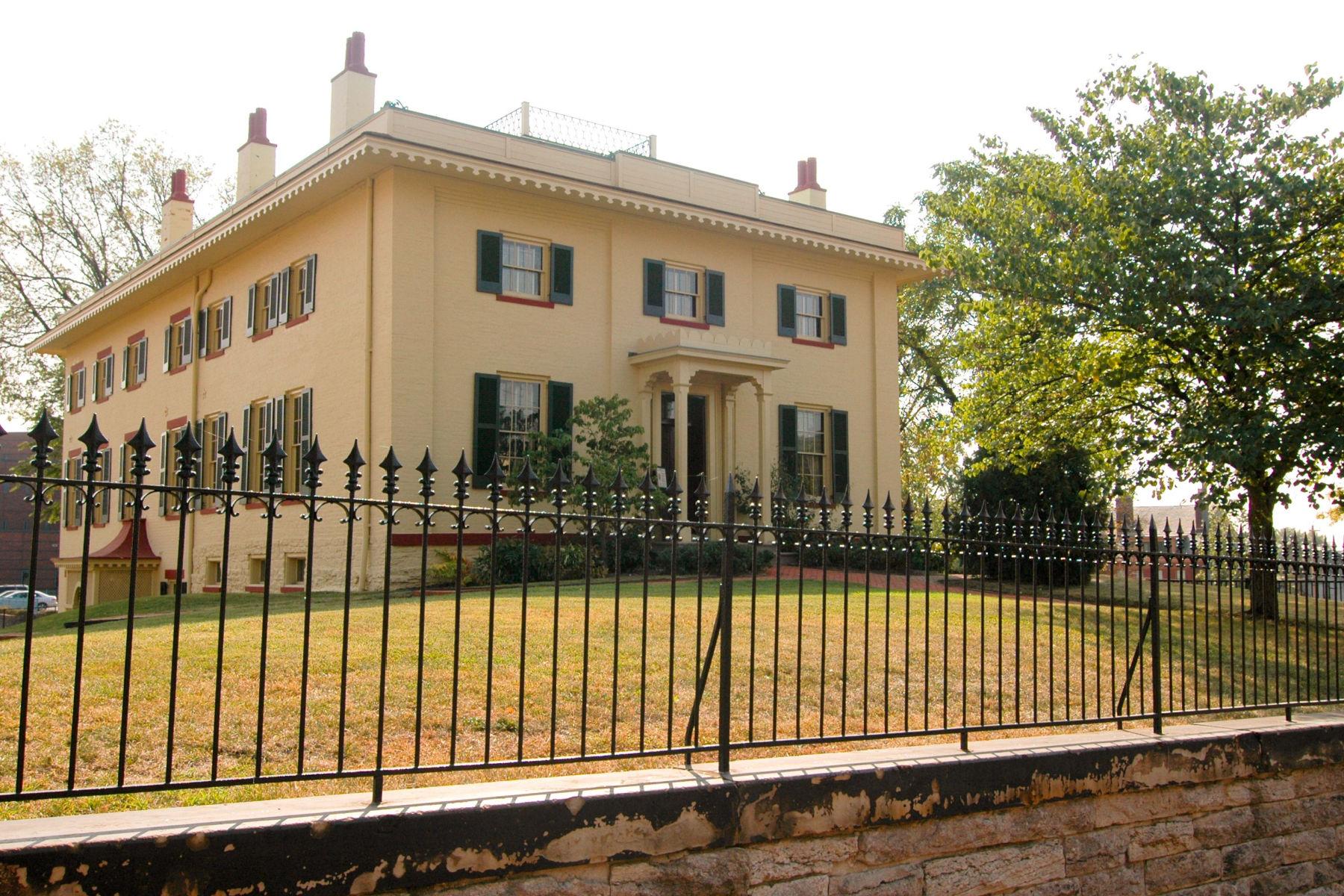
Taft served as the first civilian governor of the Philippines and as Theodore Roosevelt’s secretary of war before Roosevelt backed him for the presidency in 1908. As president he pursued more than 75 antitrust suits, more than the trust-busting Roosevelt himself, and established the postal savings system. His true ambition, though, was the bench, and in 1921 President Harding named him the 10th Chief Justice, a post he held until shortly before his death. The Park Service has restored the Greek Revival house to its mid-19th-century look, and the Taft Education Center next door tells his story.
4. Pro Football Hall of Fame
The Pro Football Hall of Fame in Canton is the shrine of America’s most popular sport, and Canton earned it: the National Football League was founded here in 1920.

The Hall opened in 1963 and has grown through several expansions. Inside, visitors find the bronze busts of every enshrined player, coach, and contributor, game-worn artifacts, interactive exhibits, and a theater. Each summer the Enshrinement Festival and the Hall of Fame Game bring tens of thousands of fans to Canton to welcome the newest class.
3. Cuyahoga Valley National Park
We are More Than Just Parks, so we could not leave out Ohio’s only national park. Cuyahoga Valley National Park unfolds along the winding Cuyahoga River between Cleveland and Akron, a green refuge of waterfalls, forests, and canal-era history.

The park protects more than 30,000 acres and over 125 miles of trails. The Cuyahoga Valley Scenic Railroad runs through it, the only way you may ever ride a train through a national park. Highlights include 60-foot Brandywine Falls reached by boardwalk, the wildlife-rich Beaver Marsh, the sandstone Ritchie Ledges, and the Ohio and Erie Canal Towpath Trail. For more, see our guide to Cuyahoga Valley National Park facts.
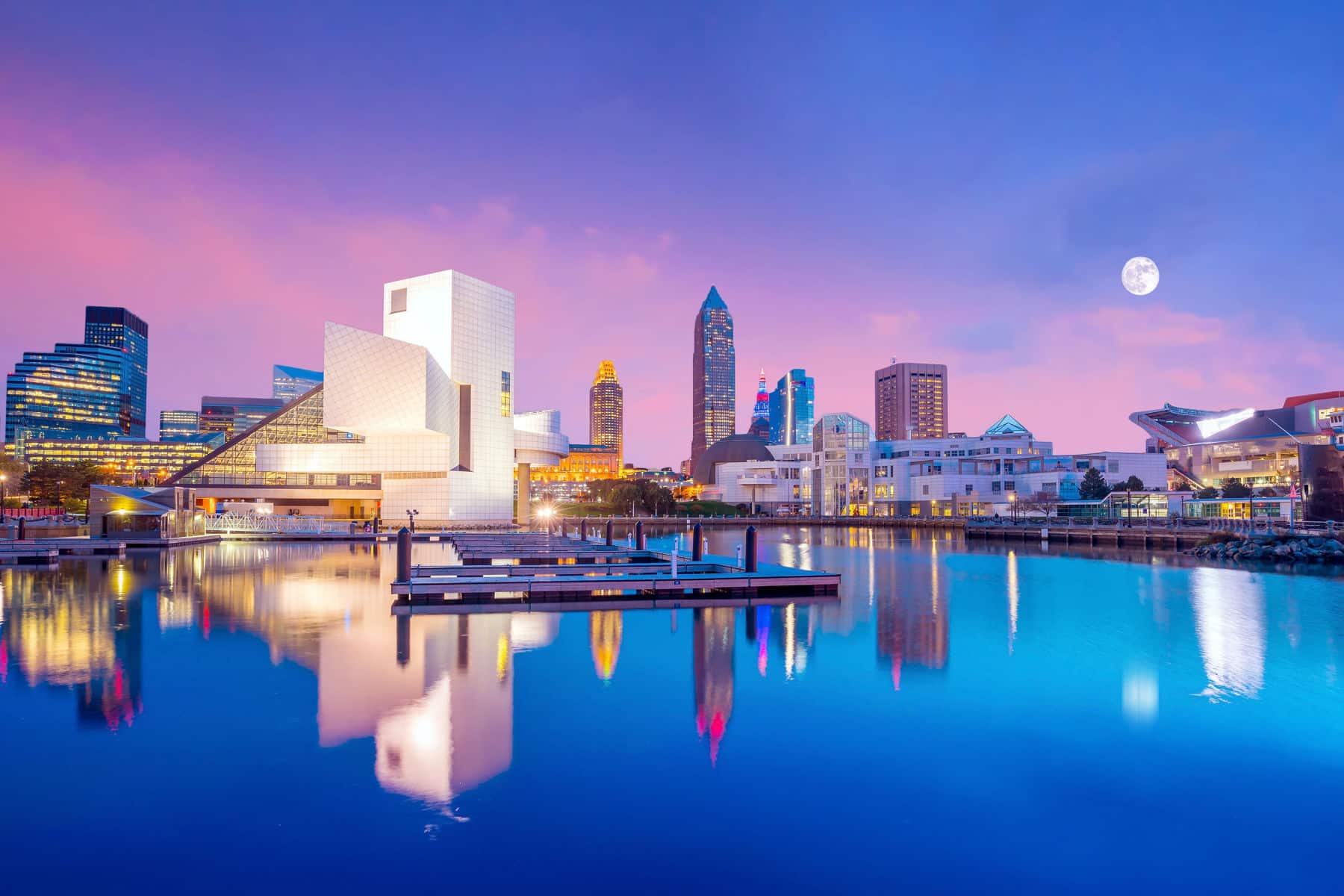
2. Rock & Roll Hall of Fame
The Rock & Roll Hall of Fame on Cleveland’s Lake Erie waterfront celebrates the music that changed the world, in the city where disc jockey Alan Freed helped popularize the term “rock and roll.”

Atlantic Records founder Ahmet Ertegun and a group of music executives launched the foundation in 1983, and the museum, designed by architect I. M. Pei with its signature glass pyramid, opened in 1995. Inside are handwritten lyrics, stage costumes, instruments, and exhibits tracing rock’s roots and reach. Induction into the Hall is among the highest honors in music, and the annual ceremony draws performers and fans from around the world.
1. Dayton Aviation Heritage National Historical Park
Our number one Ohio landmark celebrates the two brothers who gave the world flight. Dayton Aviation Heritage National Historical Park preserves the places where Orville and Wilbur Wright dreamed up, built, and perfected the airplane.
On a cold, windy morning at Kitty Hawk, North Carolina, on December 17, 1903, the two Dayton bicycle makers made the first powered, controlled, sustained flight in history. That first hop lasted only 12 seconds, but it changed everything.
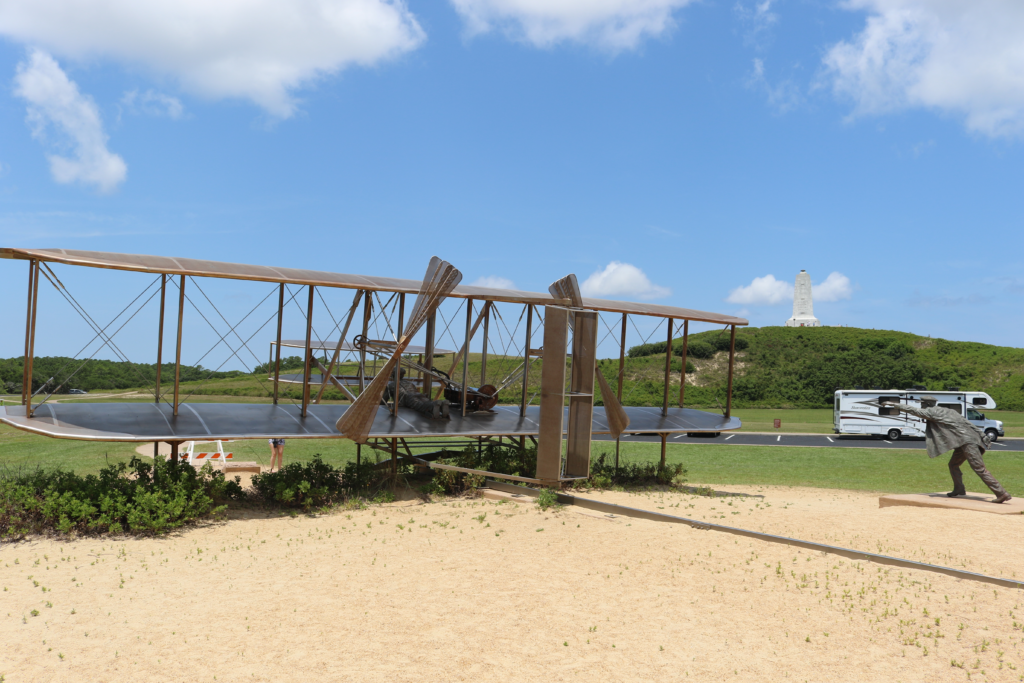
The park is spread across several Dayton sites. The Wright-Dunbar Interpretive Center sits near the brothers’ old bicycle shop and also honors poet Paul Laurence Dunbar, a friend of the Wrights and one of the first nationally celebrated African American writers, born in Dayton in 1872 to parents who had been enslaved in Kentucky. At Huffman Prairie Flying Field, northeast of the city, the Wrights turned that first fragile flight into a practical, controllable aircraft. Nearby Carillon Historical Park displays the original 1905 Wright Flyer III, the world’s first practical airplane.
For the full story, David McCullough’s The Wright Brothers is hard to beat.
The Full Ranking
- Dayton Aviation Heritage National Historical Park
- Rock & Roll Hall of Fame
- Cuyahoga Valley National Park
- Pro Football Hall of Fame
- William Howard Taft National Historic Site
- Fallen Timbers Battlefield and Fort Miamis National Historic Site
- First Ladies National Historic Site
- Charles Young Buffalo Soldiers National Monument
- Perry’s Victory & International Peace Memorial
- James A. Garfield National Historic Site
- National Veterans Memorial and Museum
- Hopewell Culture National Historical Park
- Lewis & Clark National Historic Trail
- Serpent Mound
- Thomas Edison Birthplace Museum
- Armstrong Air & Space Museum
- The Ohio Statehouse
- National Museum of the US Air Force
- Franklin Park Conservatory and Botanical Gardens
- Cincinnati Music Hall
You should know that this guide does not come out of thin air. More Than Just Parks is a family operation. My sons Will and Jim have spent their adult lives exploring and filming America’s national parks and public lands destinations, working with the National Park Service, the Department of the Interior, the USDA, and the U.S. Forest Service along the way. In 2018, after a career teaching history, I joined them to help tell the stories behind these places.
Helpful Related Articles
Historic Sites in Ohio: The Best Historic Sites in Ohio
Cuyahoga Valley Facts: Cuyahoga Valley National Park Facts
National Monuments: US National Monuments Ranked by Experts
Sequoia Guide: Things to Do in Sequoia National Park
Kings Canyon Guide: Things to Do in Kings Canyon National Park
Affiliate disclosure: Some links on this page earn us a small commission at no extra cost to you. We only recommend gear we actually use.