Ocmulgee Mounds National Historical Park is a one-of-a-kind national park site that seamlessly blends rich cultural heritage with unique natural beauty.
Situated along the Fall Line in Georgia, where the rolling hills and pine forests of the Piedmont meet the flat expanse of the Coastal Plain, the park encompasses a variety of ecosystems, including upland forests, wetlands, and the serene Ocmulgee River. This unique positioning makes the area home to a vibrant array of plant and animal life, and is a likely reason why it was the capitol of the Creek Nation for centuries.
Ocmulgee Mounds is one of the most significant archaeological sites in the North America, serving as the location of the largest archaeological dig in American history during the 1930s. Over 800 workers unearthed millions of artifacts, providing exceptional insights into the lives of Indigenous peoples who inhabited the region for over 17,000 years.
Conveniently located in Macon, Ocmulgee Mounds National Historical Park offers easy access to a range of lodging and dining options. Visitors can immerse themselves in the park’s rich cultural and natural heritage during the day and enjoy the amenities of the city by night, making it an ideal destination for both history and nature enthusiasts and casual travelers alike.
Things to Know Before Visiting Ocmulgee Mounds
- Entrance Fees Good news here! There are no entrance fees!
- Here’s my favorite map and guidebook for visiting the Mount Rushmore area.
- Closest Airport to Ocmulgee: Your best bet is Hartsfield-Jackson Atlanta International Airport. It’s the worlds busiest airport and has direct flights from just about every imaginable location. It’s 2 hours from the park.
The Earth Lodge is one of the most extraordinary ancient cultural sites in the Untied States. It features the original 1,000-year-old clay floor, complete with a beautifully preserved bird effigy design that served as a ceremonial symbol for the Mississippian culture.
Watch Our Ocmulgee Mounds Video
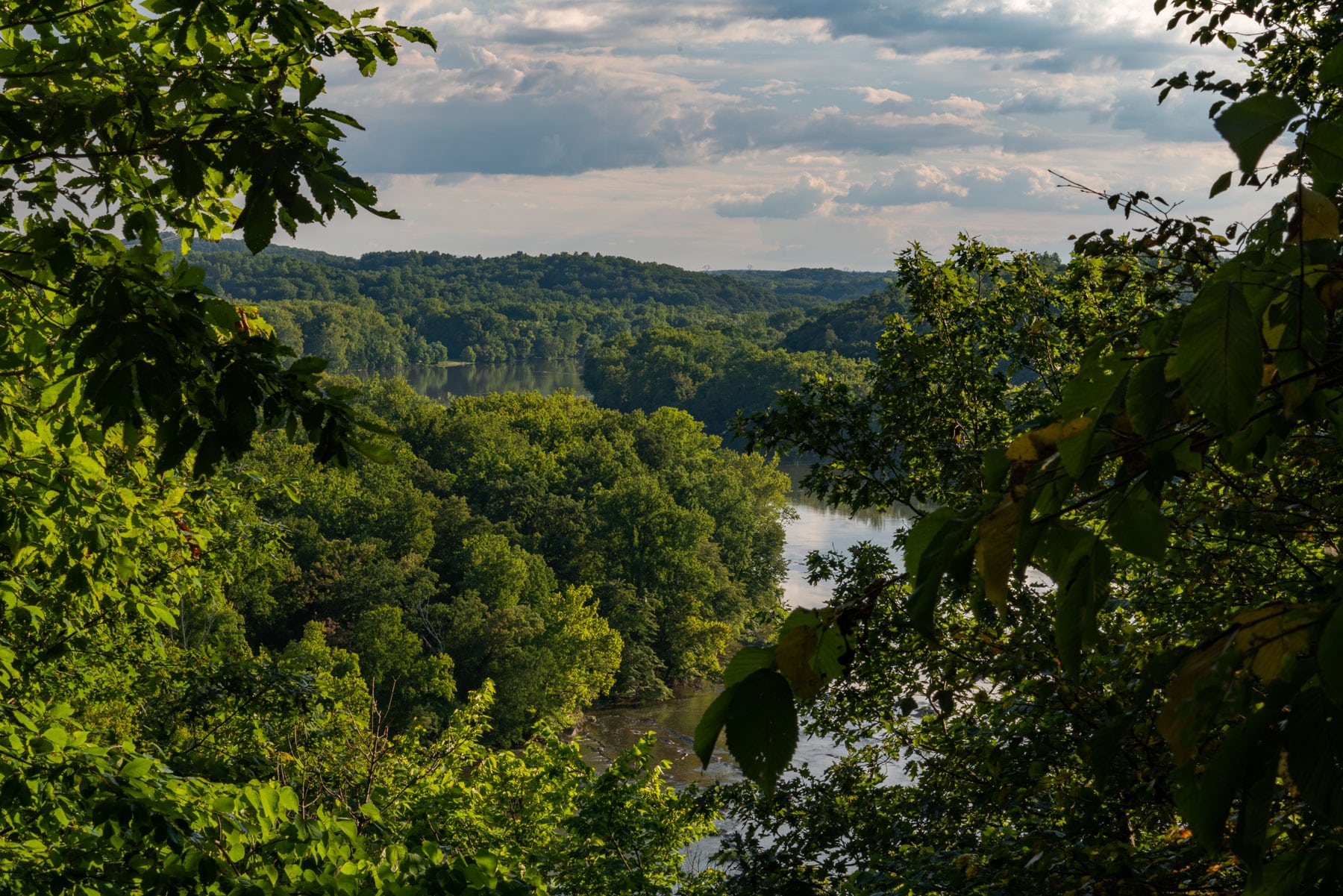
1. Step Inside the Earth Lodge
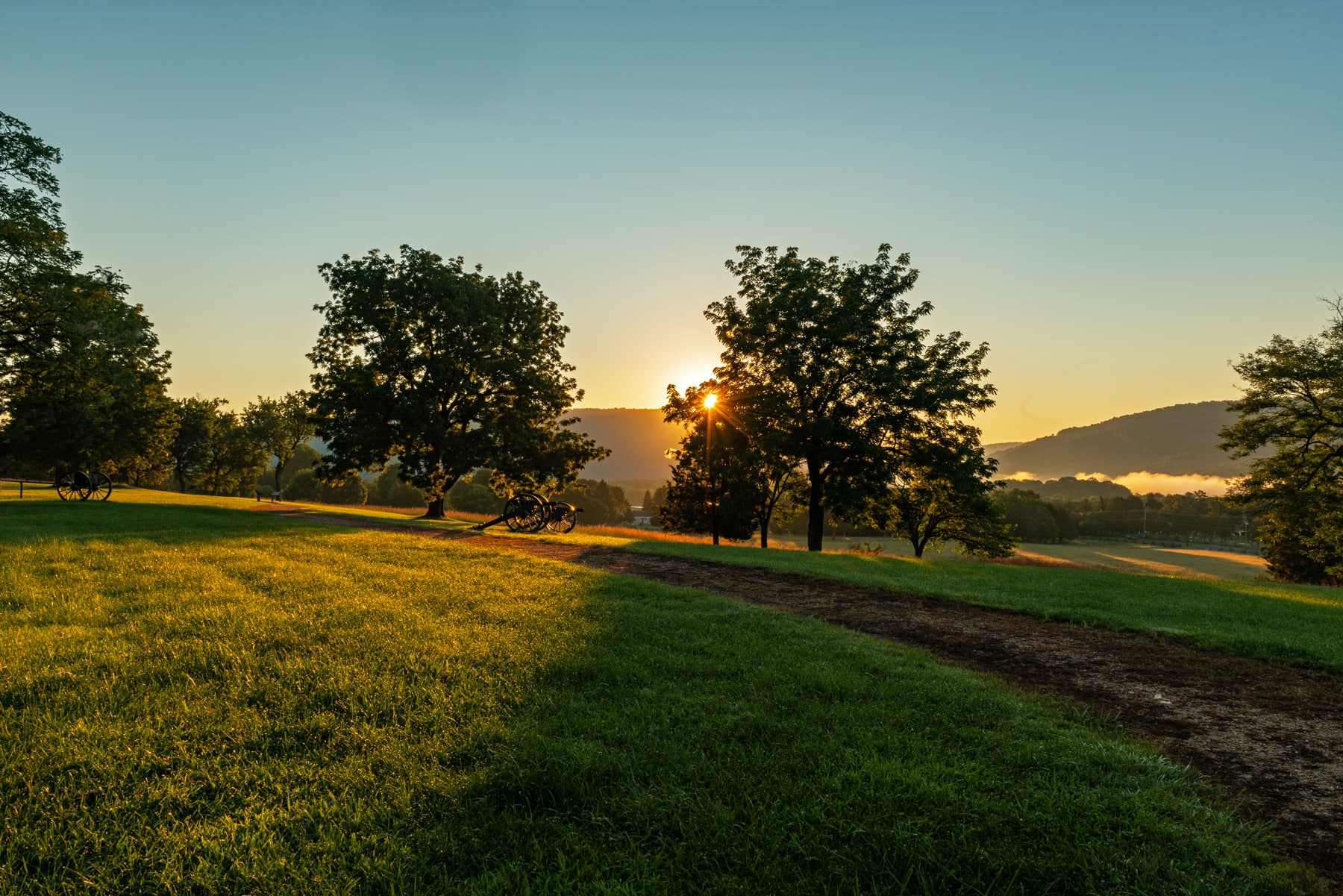
This is the only place on Earth where you step inside and view a Mississipian mound as it was, making it a truly once-in-a-lifetime experience. The lodge’s reconstruction gives visitors a rare and intimate glimpse into the lives and traditions of the Indigenous peoples who once thrived here.
Be respectful as you enter the lodge and make sure to pause and take a moment to understand what rare glimpse you’re seeing into an ancient world. I recommend touring the visitor center museum first so that you can gain an appreciation for what went on in the lodge more than a thousand years ago.
2. Ascend the Great Temple Mound
Standing over 55 feet tall and dating back more than 1,100 years, the Great Temple Mound is a monumental feat of ancient engineering. Constructed between 900 and 1100 AD, this colossal earthwork required an estimated 10 million baskets of dirt, each weighing about 60 pounds, to build.
This structure was the center of political and ceremonial life for the Mississippian people. A short climb to its summit rewards visitors with views of the Ocmulgee River and surrounding landscapes, offering a chance to reflect on the mound’s significance as a gathering place for centuries.
Again, I would recommend touring the Visitor Center museum prior to heading up Great Temple Mound so that you can have a fuller appreciation of what it is you’re standing on and what life was like there so long ago.
3. Hike the Heritage Trails
Ocmulgee offers over 6 miles of trails that wind through landscape, from towering old growth pine trees and giant magnolias to serene wetlands. Birdwatchers enjoy the park for its abundant birdlife, with sightings of woodpeckers, hawks, waterfowl, and songbirds common along the trails.
One highlight is the River Trail, which skirts the Ocmulgee River and includes views of the historic Central of Georgia Railroad. The Springs Trail is another favorite, taking visitors past a natural spring and offering a quieter, more contemplative hike. Along these paths, you’ll also find interpretive signs pointing out various historic sites, from Civil War earthworks to remnants of ancient Indigenous settlements. Additionally, you’ll find the Funeral Mound, where significant archaeological discoveries revealed ancient burial practices and artifacts dating back thousands of years.
The trails are well-marked and accessible for visitors of all fitness levels, making them a great choice on any visit.
4. Immerse Yourself in History at the Visitor Center
The visitor center at Ocmulgee is an integral part of the park and a must see on any visit. I highly encourage anyone planning a visit to make this their first stop so that they can gain an appreciation for the incredible history of the area before setting off and exploring. It makes for a much more meaningful visit.
Walking into the visitor center you’ll see sections covering the area’s amazing 17,000 year history. From spearheads used to hunt Woolly Mammoths to intricate pottery from a few thousand years ago, the sheer amount of human history the area has been home to will amaze you.
The center houses an extensive collection of artifacts discovered during the largest archaeological dig in U.S. history, which took place here in the 1930s. Here you can marvel at intricately crafted Mississippian pottery, tools, ceremonial items, and even ancient weapons, all of which provide a tangible connection to the people who once inhabited this land. The centerpiece of the exhibit is the Mississippian clay effigy collection, showcasing the vibrant artistic and spiritual life of this ancient culture.
A short film shown at the Visitor Center gives a concise yet powerful overview of Ocmulgee’s historical significance. It explains the cultural shifts over millennia, from Paleo-Indian hunters to the Muscogee (Creek) people who flourished here. The narrative also sheds light on the tragedy of the Indian Removal Act and the forced displacement of the Muscogee people during the Trail of Tears. This context allows visitors to better appreciate the park’s earthworks, such as the Great Temple Mound, as sacred and vital cultural relics.
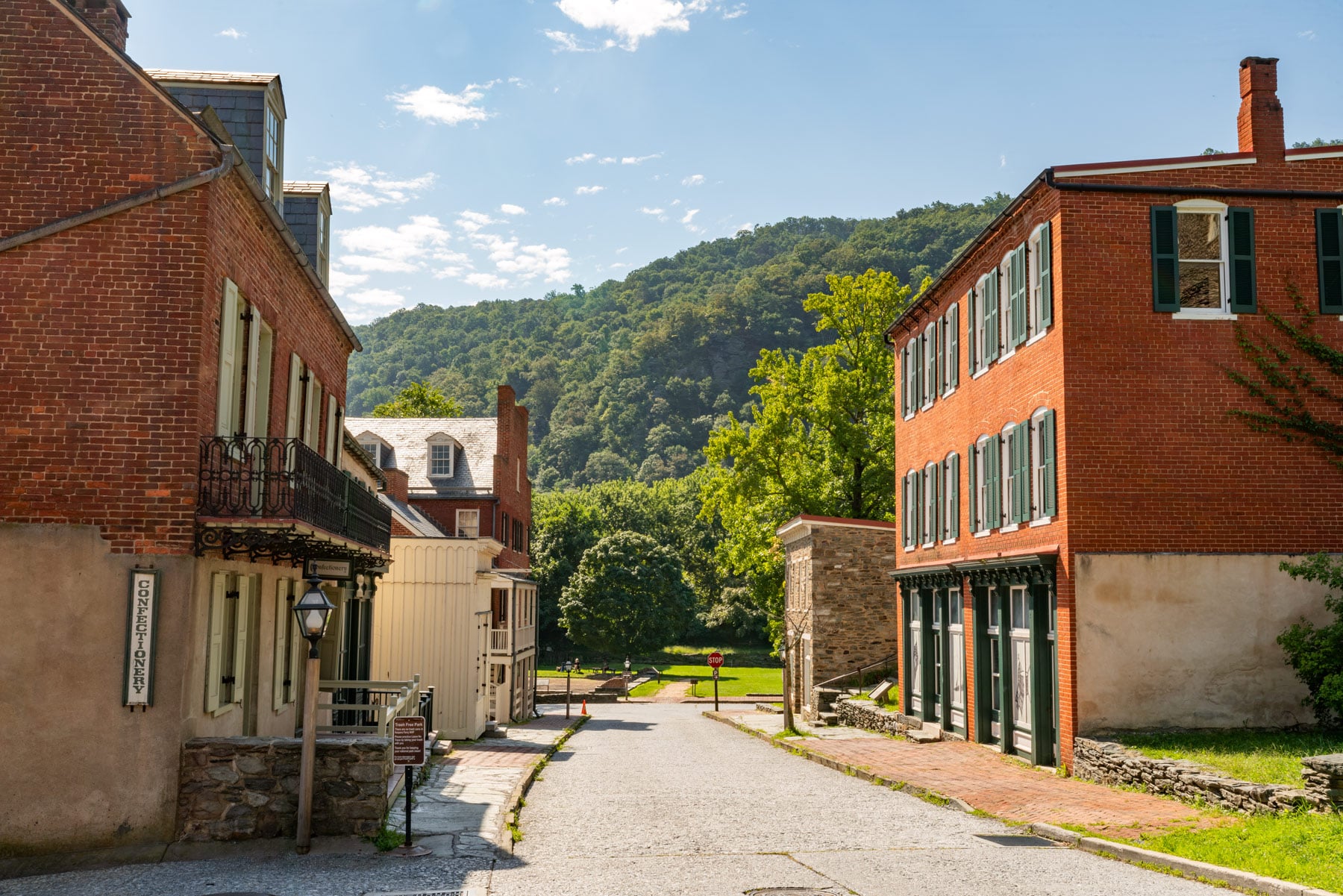
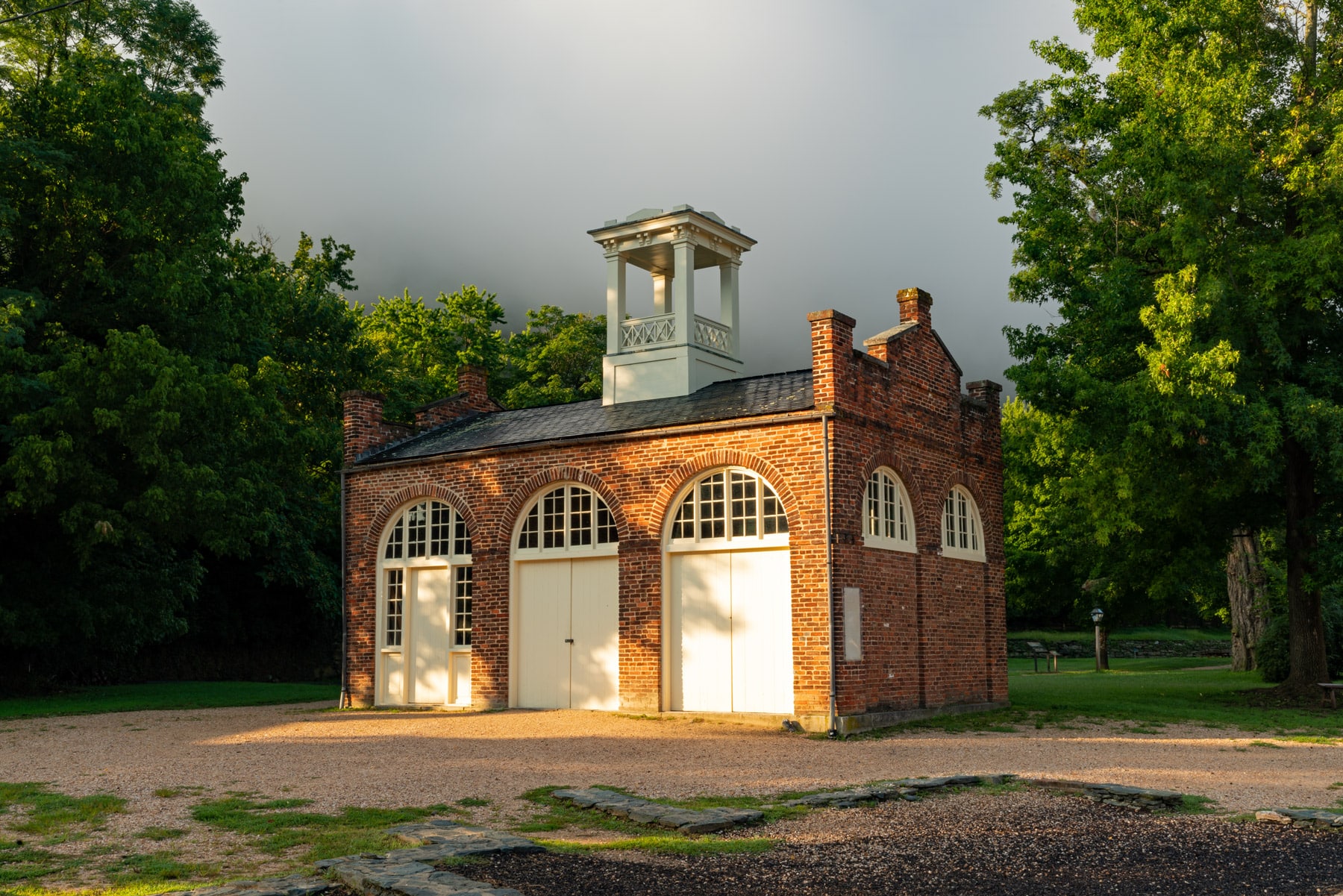
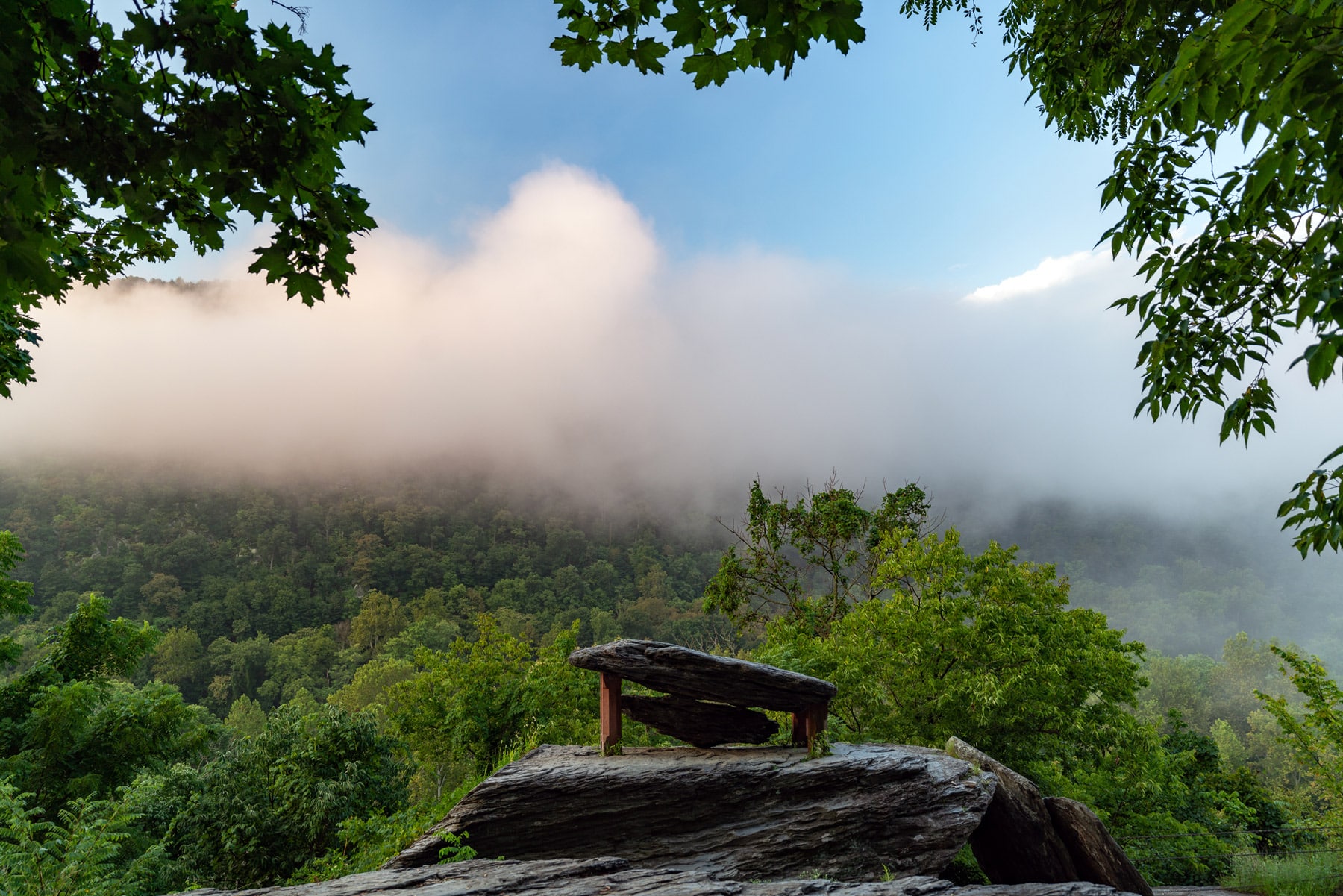
John Brown’s Fort | Things To Do in Harpers Ferry
5. Discover Wildlife at Clay Pond
Clay Pond is a hotspot for wildlife and a great place to spot the park’s animal inhabitants. The pond is actually home to a small population of alligators, which can often be seen basking on logs or gliding through the water. Birdwatchers will also appreciate the variety of species here, including egrets and herons. Visiting Clay Pond is an exciting experience for anyone interested in the dynamic ecosystem of Georgia’s wetlands.
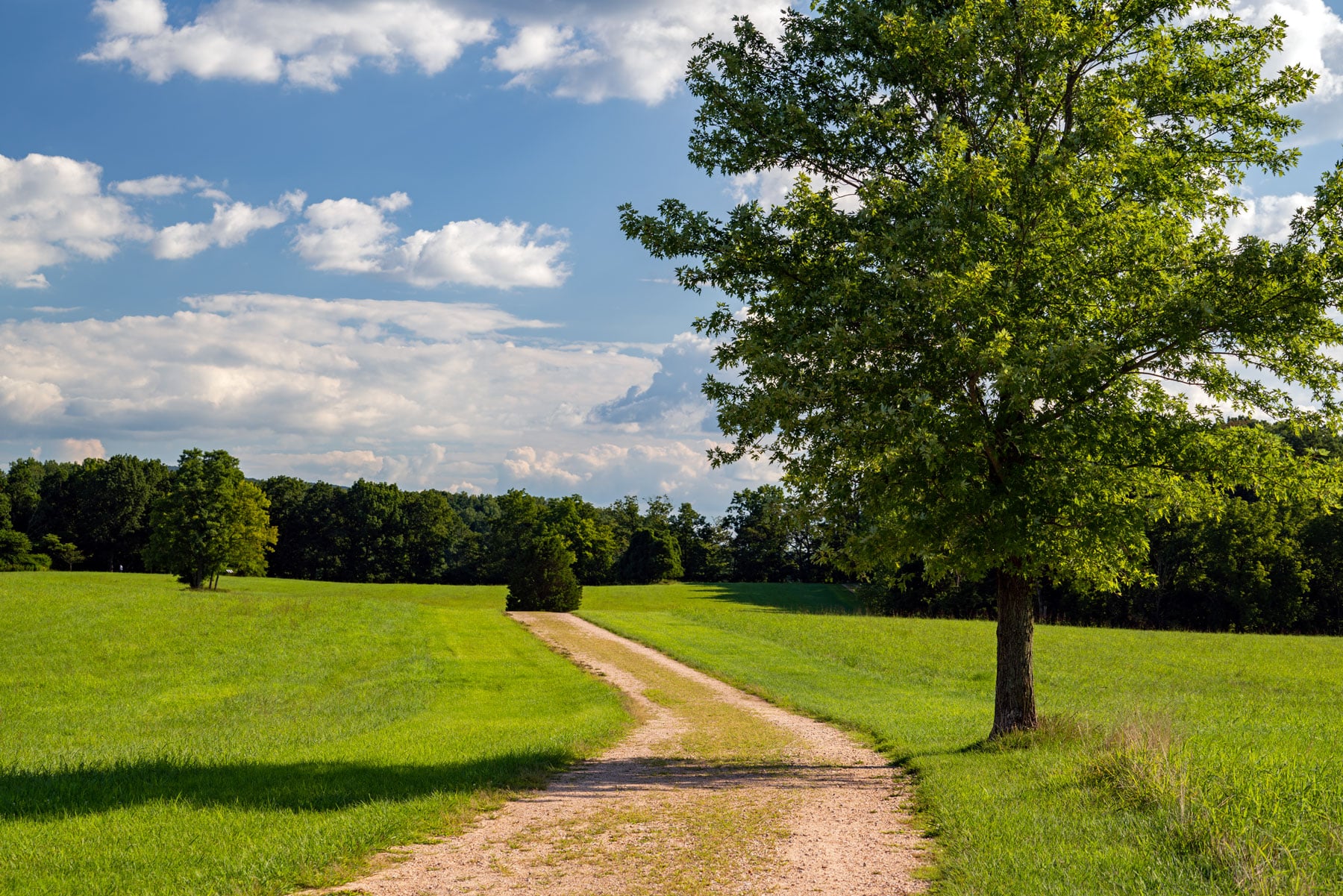
6. Attend the Ocmulgee Indigenous Celebration
Held annually in mid-September, the Ocmulgee Indigenous Celebration is one of the park’s most vibrant and meaningful events. This gathering brings together representatives from Native American tribes to share traditional music, dance, crafts, and cuisine.
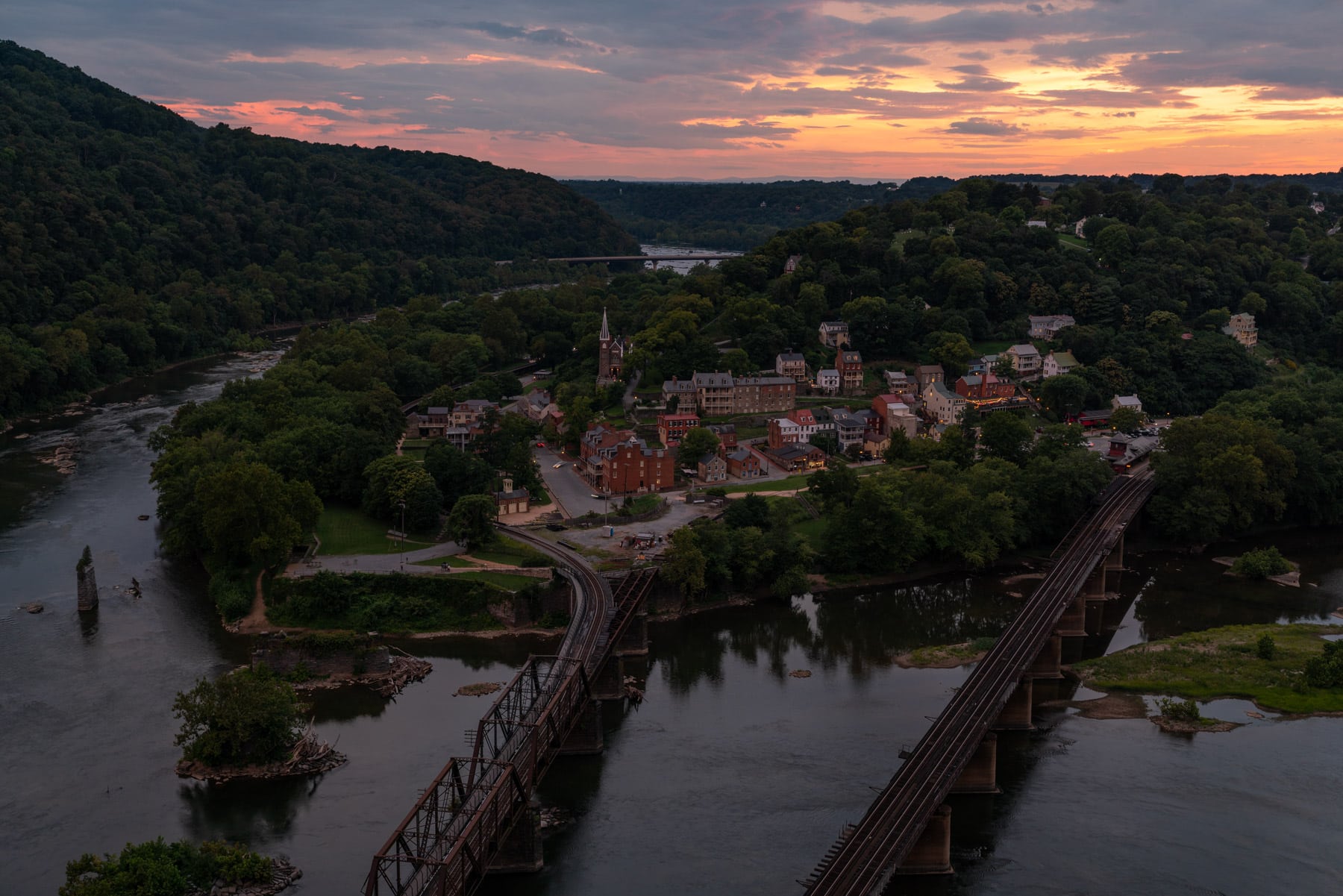
Visitors can witness authentic stomp dances, enjoy storytelling sessions, and browse handmade goods while gaining a deeper appreciation for the living traditions of Indigenous peoples. The festival is a powerful reminder of the enduring cultural significance of Ocmulgee.
The Ocmulgee Indigenous Celebration is especially profound because it brings together descendants of the Muscogee (Creek) people, who were forcibly removed from these lands during the Trail of Tears in the 1830s. For many attendees, this event is not only a celebration of culture but also a deeply meaningful return to a sacred homeland. The mounds and earthworks are spiritual sites for the Muscogee people, embodying centuries of tradition and connection to the land, making their annual gathering here an act of resilience, remembrance, and reverence.
7. Join a Ranger Led Program
Joining a ranger-led program at Ocmulgee Mounds National Historical Park offers visitors a chance to engage with the park on a deeper level. These programs cover a wide array of topics, from the Mississippian culture’s engineering feats and ceremonial traditions to the park’s incredible biodiversity. Rangers bring the park to life with their storytelling, connecting the ancient mounds, artifacts, and landscapes to the people who lived and thrived here over 17,000 years.
One of the most popular tours digs into the intricate history of the Earth Lodge and Great Temple Mound, highlighting their spiritual and political importance. Rangers explain how these sites were constructed and used, painting a vivid picture of life in a Mississippian society. Some programs focus on the devastating impact of the Indian Removal Act, tracing how the Muscogee (Creek) people were forced to leave their sacred homeland and walk the Trail of Tears. These tours invite reflection on the resilience and enduring culture of Indigenous peoples.
8. Picnic Under the Trees
Picnicking at Ocmulgee Mounds National Historical Park is a peaceful way to relax and enjoy the beauty of the surroundings. The designated picnic areas are set among old oaks and pines, providing ample shade and a serene backdrop for a meal. With the sounds of birds chirping and a gentle breeze rustling through the trees, it’s the perfect setting to recharge after exploring the park’s trails and historic sites.

For families, the picnic areas offer a chance to unwind while kids can run and play in the open spaces nearby. Pack a lunch and settle in to enjoy the quiet ambiance of this historic landscape. Many visitors bring traditional picnic fare, but the nearby city of Macon also offers a variety of options for takeout if you prefer to grab something local and bring it to the park.
As you sit among the natural beauty, take a moment to reflect on the significance of the land. The earthworks and mounds visible from some picnic areas stand as silent witnesses to centuries of human history.
9. Head to McDougal Mound
The McDougal Mound, though less well-known than the Great Temple Mound, holds its own unique allure for visitors. Located away from the park’s main attractions, it offers a quieter, more contemplative experience. This mound was likely used for residential or ceremonial purposes by the Mississippian culture.

The nearby area is shaded by old-growth trees, making it a peaceful place to pause and reflect. Interpretive signs along the trail provide context about the mound’s purpose and construction, helping visitors imagine the busy community that once thrived here.
10. Explore the Ocmulgee River
The Ocmulgee River is a lifeblood of the region and an essential feature of the park, offering visitors a chance to connect with the natural beauty and historical significance of this iconic waterway. Flowing gently alongside the park’s trails, the river provides a scenic backdrop for exploration, whether you’re walking, birdwatching, or simply pausing to take in the beauty. Its waters have supported life in the area for many thousands of years, from the Paleo-Indians who hunted along its banks to the Mississippian people who centered their civilization nearby.

The River Trail allows visitors to get up close to the Ocmulgee, with shaded paths that follow its winding course and offer picturesque views. Along the trail, you’ll find interpretive signs that highlight the river’s role in trade, transportation, and daily life for the Indigenous peoples who lived here. The Ocmulgee also played a strategic role during the Civil War, as its banks were used for fortifications and supply routes, adding another layer of historical significance.
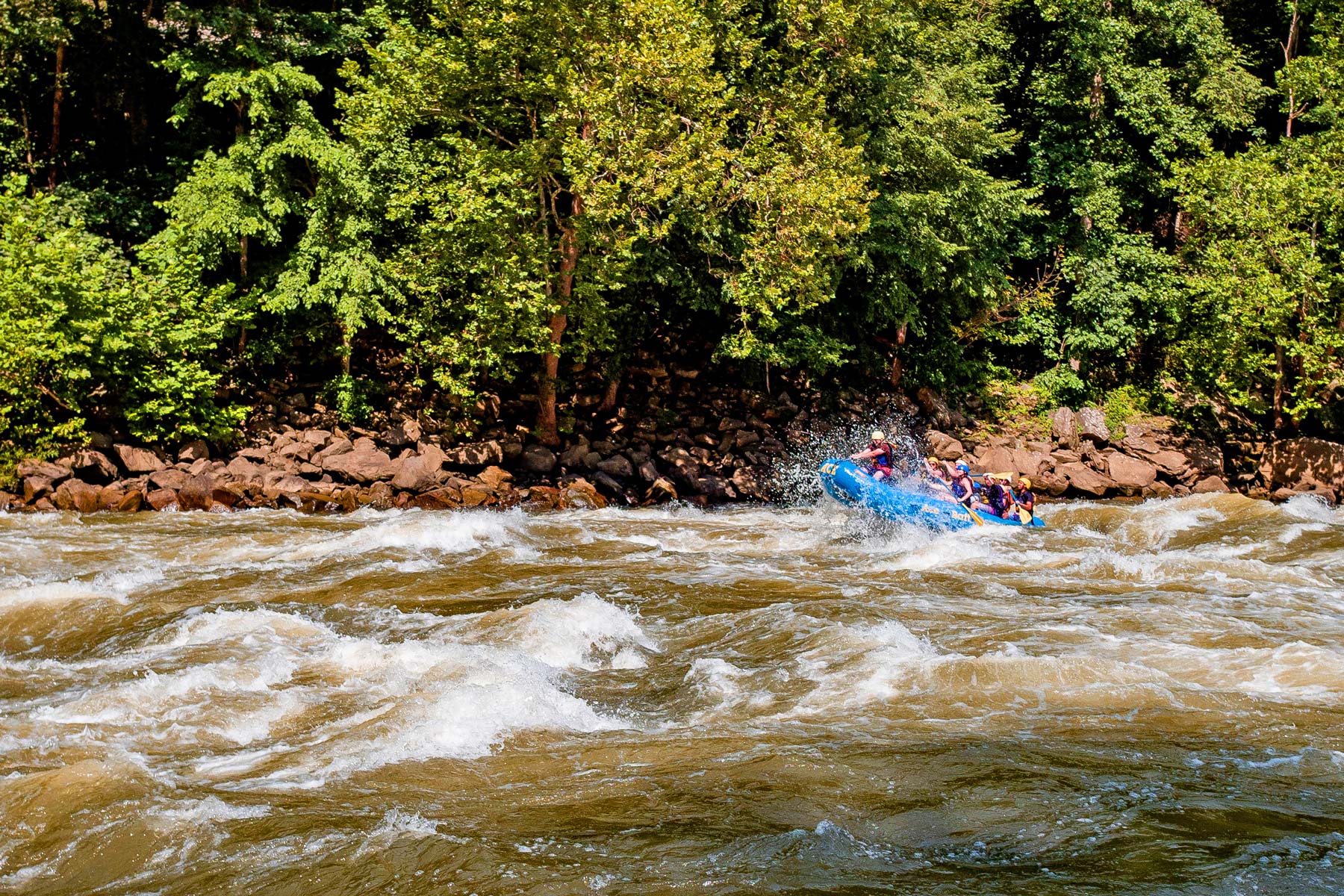
The river also offers ample opportunities for hikers to enjoy boating, rafting, and fishing. Local outfitters like Ocmulgee Outdoor Expeditions provide canoe and kayak rentals, along with guided trips that showcase the river’s serene beauty and gentle flow. Several boat landings, such as the Spring Street Landing, offer convenient access points for launching watercraft and exploring the river’s stretches near the park. Anglers can cast their lines for a variety of fish species, with guided fishing trips available from local outfitters for those looking to hone their skills or discover the best spots. Whether paddling through calm waters or wetting a line, the Ocmulgee River promises a relaxing and immersive experience in nature.
Watch Our Harpers Ferry Video

Summary of Things to Do at Ocmulgee
- Step Inside the Earth Lodge
- Ascend the Great Temple Mound
- Hike the Heritage Trails
- Immerse Yourself in History at the Visitor Center
- Discover Wildlife at Clay Pond
- Attend the Ocmulgee Indigenous Celebration
- Join a Ranger Led Program
- Picnic Under the Trees
- Head to McDougal Mound
- Explore the Ocmulgee River
About Ocmulgee National Historical Park
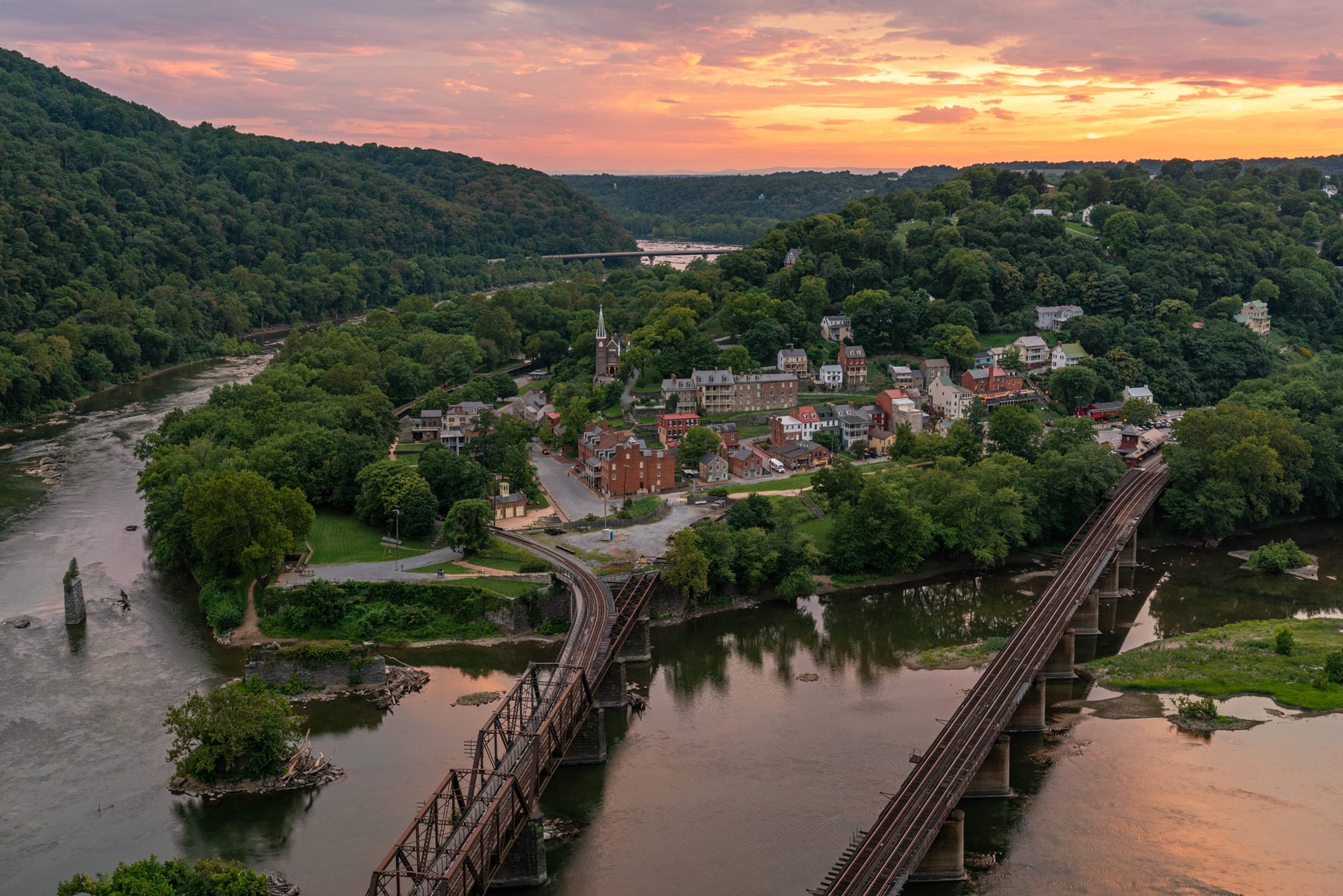
In the heart of the Shenandoah Valley, Harpers Ferry National Historical Park is a must visit destination for anyone looking to explore America’s past in a picturesque natural setting.
From hiking the Appalachian Trail to exploring the historic town, Harpers Ferry offers an array of exciting opportunities for adventure seekers and history buffs alike.
Visiting Ocmulgee Mounds: Directions & Location
Thankfully getting to Ocmulgee is easy. The park is located less than 2 hours from the world’s busiest airport offering easy access to the park.
- Hartsfield-Jackson Atlanta International Airport: 2 hours from the park
- Middle Georgia Regional Airport: 20 minutes from the park
Pin Things to Do at Ocmulgee
Tips for Visiting a National Park Responsibly
Permit Systems and Reservations
Check to see if the national park you’re visiting has a permit or reservation system in place before visiting. As parks become increasingly crowded more has to be done to safeguard them which means controlling the hundreds of millions of people who visit these places each year.
Popular national parks with reservation systems of some kind include Yosemite, Yellowstone, Zion, Rocky Mountain, Glacier, Arches, Acadia, Denali, and more.
Want Less Crowds? Try a National Forest!
Try visiting a national forest while you’re on your trip to avoid the crowds. There are 155 national forests in America, many of which are equally as beautiful as the national parks they neighbor and only see a fraction of the visitors.
For example, try the Flathead National Forest next to Glacier National Park, the Bridger-Teton next to Grand Teton, and the Dixie which borders nearly all of the Utah National Parks.
Practice Safety, Seriously
National parks are amazing but wild places so it is essential to practice basic safety while visiting them. Every year people die while vacationing in national parks. This is easily avoided by:
- Sticking to trails
- Checking the weather before going out on a hike
- Maintaining a safe distance between wildlife which means at least 25 yards from most wildlife and 100 yards from predators
- Avoid ledges with steep drop offs
Helpful Related Articles
Georgia National Park Sites: 12 Amazing Georgia National Park Sites
Georgia Landmarks: 25 Iconic Georgia Landmarks to Visit
Georgia Historic Sites: 15 Interesting Historic Sites In Georgia
Alabama National Park Sites: 11 Beautiful Alabama National Park Sites
Affiliate disclosure: Some links on this page earn us a small commission at no extra cost to you. We only recommend gear we actually use.