

Visiting Grand Teton and Yellowstone National Park seems easy enough looking at a map, with a 17-mile road connecting the two. However, much more goes into enjoying the time at each park than just a quick drive.
The road between the parks closes in winter, but do not rule out doing both in one trip. We have visited these two parks in almost every season, and this guide is built to help you plan the version that makes the most of your time without wearing you out. Bookmark it for the planning stage and for the road.
Table Of Contents: Grand Teton to Yellowstone National Park
5 Quick Things to Know About Traveling Between Grand Teton and Yellowstone
- You’ll pay separate admission fees for each park. Each park is $35 per car for seven days of access. If you plan on visiting any other public land (more than 2,000 nationwide) that year, consider the America the Beautiful interagency pass, which is just $80 and covers the same carload. International visitors ages 16 and up also pay a $100 per person non-resident surcharge at both parks (effective January 2026). A $250 non-resident annual pass covers all 11 participating parks.
- The south entrance to Yellowstone closes between November 1 and early May. That’s the road that takes you between Yellowstone and Grand Teton and back. You’ll need to take a detour if you’re visiting during that time.
- Between Yellowstone and Grand Teton, several road access closures happen throughout winter and spring. These don’t always align with the same timeframe. Check park conditions before your visit through the NPS app.
- We recommend staying in West Yellowstone for the best access from Yellowstone to Grand Teton. Looking for a place to stay near Grand Teton? Our favorite hotel offers great service.
- Always carry a map of the park with you, as mobile service is spotty and GPS can’t always be relied on. Ideally, your map covers both parks. We also rounded up the best maps of Grand Teton for the Teton side of the trip.
The Seasons of Grand Teton and Yellowstone
The seasonal oddities of each park come into play when planning a trip from Grand Teton to Yellowstone. While most people think of the four seasons – winter, spring, summer, and fall, these parks have slightly different definitions.

Some might call it the worst time to visit Grand Teton or Yellowstone National Parks, but I prefer to call it the least desirable time. Those times are late October through mid-December and mid-March through April.
Love Grand Teton? It's one of 117 threatened public lands destinations we're tracking. Get the free briefing.
At least in winter you know the park roads that are closed, so you can navigate to the open areas by yourself or through the use of a tour. These “mini-seasons” caught between two big seasons lead to the most closures, lack of amenities, and general confusion.
- The Yellowstone anchor towns, like West Yellowstone and Gardiner (both in Montana), are more likely to close down for a break between fall and winter or winter and late spring. That means even outside the park, hotels and attractions go on hiatus.
- Grand Teton’s anchor town of Jackson thrives a bit more thanks to the ski resort and surrounding area being more a destination than just “the place closest to Grand Teton National Park.”
Getting to Yellowstone National Park
Whether you choose to fly to Yellowstone or Grand Teton National Park, airport options are plentiful. We put together this guide to the best airports near Yellowstone National Park.
In summary:
- Closest Airport to Yellowstone: Yellowstone Airport (WYS)
- Best Airport Near West Yellowstone: Yellowstone Airport (WYS)
- Best Airport Near East Yellowstone: Yellowstone Regional Airport (YRA)
- Closest International Airport Near Yellowstone: Bozeman Yellowstone International Airport (BZN)
- Closest Major Airport Near Yellowstone: Salt Lake City International Airport (SLC)
- Most Affordable Airport Near Yellowstone: Salt Lake City International Airport (SLC)
Keep in mind for budget purposes that Salt Lake City’s airport offers more flights and generally cheaper rates; you need to drive about five hours to get to Yellowstone National Park.

Getting to Grand Teton National Park
The fastest way to get to Grand Teton National Park is by plane, flying into Jackson Hole Airport (JAC). The airport is basically in the park and offers sweeping views of the Tetons.
If money is no issue and time is paramount, this is the way to go. Major airlines such as Delta, United and American service this airport. Finding a flight shouldn’t be a problem, but routes change depending on the season. Be prepared for higher prices for this convenient stop.
The cheapest way to get to Grand Teton is by simply driving to the park. This is a great, budget-friendly option. Depending on your access to a car and the distance you’re willing to drive (see our national park road trips post), you may want to fly somewhere more affordable and rent a car from there.
Our recommendation is to check both rental car prices and flight prices at other nearby airports like Salt Lake City (SLC), 5 hours away, and Twin Falls (TWF), 4.5 hours away. The savings for finding an alternative airport to fly into and rent a car from can sometimes be in the thousands.
Plus, driving up from SLC offers the possibility of swinging by Craters of the Moon National Monument. And just like that, the interagency pass pays for itself.
Driving Between Yellowstone and Grand Teton
When the John D. Rockefeller Jr. Memorial Parkway is open, drive through the Yellowstone South Entrance straight into Grand Teton. There is no entrance station at Grand Teton’s northern edge, but you still need a valid park pass, and rangers check at the Moran and Moose entrance stations.
When the Parkway closes for the season (or just to avoid Yellowstone traffic during peak season), take the 140-mile route through Idaho on US 20 to ID 32. Veer onto WY 22, Teton Pass Highway, and then turn north on US 191. That takes you right to the park entrances.
If you look at the map below, check out the opportunity to drive a lollipop loop from Grand Teton to Yellowstone or Yellowstone to Grand Teton.
From West Yellowstone, follow US 89 around to Mammoth Hot Springs, then to Devils Den, taking Grand Loop Road south around the edge of the lake. Then, it drops you off on the road to the south entrance and Yellowstone. On the way back, pick up the continuation of US 191 to the thermal basin with Old Faithful.
If you want to explore the highlights of both parks without feeling rushed, a minimum of 3 to 5 days would be ideal. This would allow you to spend at least a day or two in each park, with some flexibility for travel and leisure. Planning for 5 to 7 days offers a more ideal time frame.
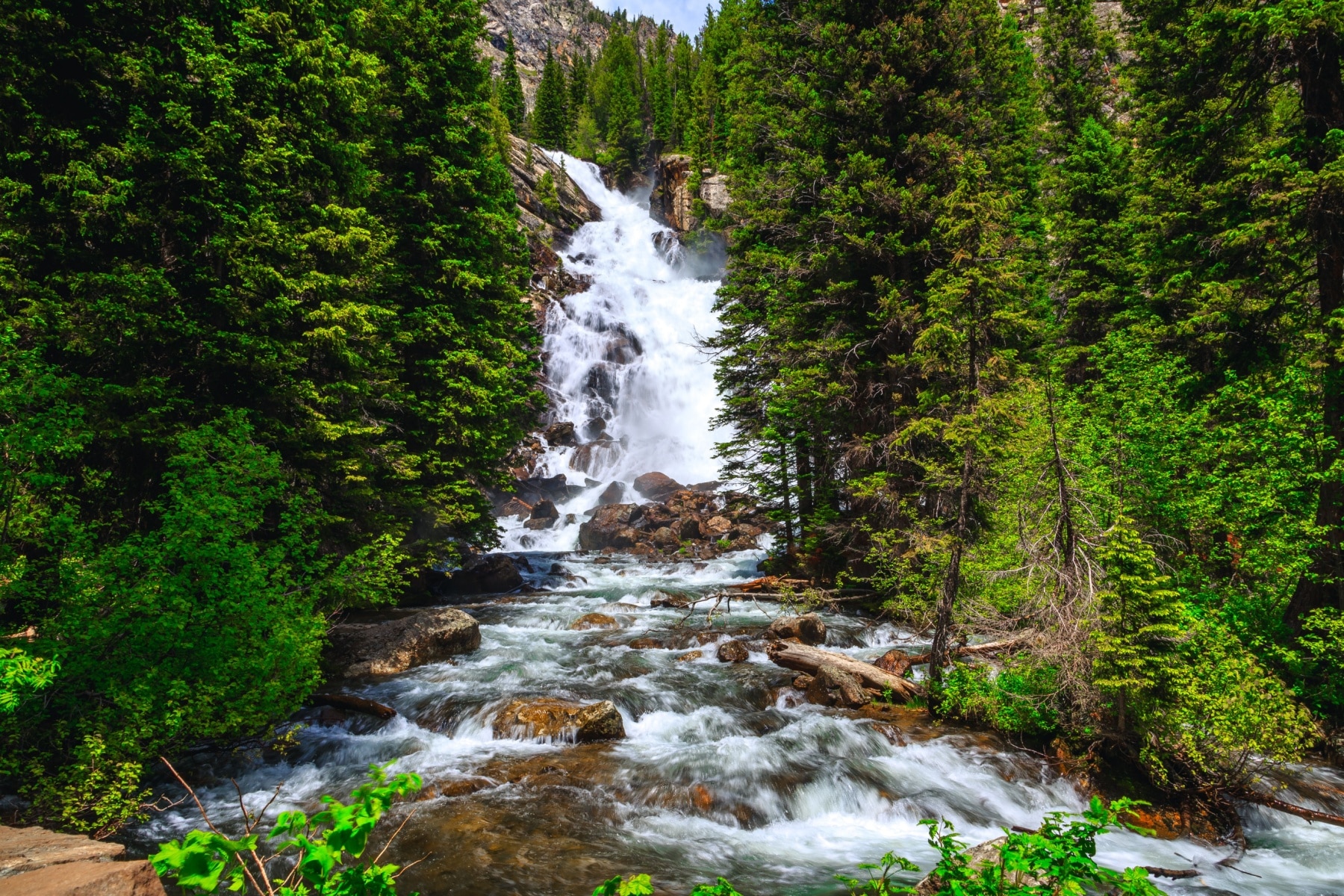
How Many Days Do You Need for a Grand Teton and Yellowstone Trip?

As you piece together your itinerary, consider adding Yellowstone Lake and West Thumb to the second half of your last day in Grand Teton. That section of Yellowstone is closest to Grand Teton National Park.
When Is the Best Time to Visit Grand Teton and Yellowstone?
Mid-to-late summer offers the most access to all areas of the park and the least snow on trails, even at higher elevations. However, that time also brings the largest crowds. By the week before Memorial Day, all roads open for the season in Yellowstone and Grand Teton.

The roads inside Grand Teton National Park generally open by May 1. In 2026, Yellowstone’s South Entrance opens May 8 and Dunraven Pass (Mount Washburn) opens later in May. Gardner River High Bridge construction near the north entrance will cause delays April through October 2026.
Yellowstone repeatedly makes the Top 5 list of most visited national parks, and Grand Teton usually hits the Top 10. Try to plan to visit the busiest locations in either park during weekdays and not on a holiday weekend. I like to pick the busy weekend days for the more remote backcountry or longer hikes where crowds won’t be an issue anyway.
The best months to visit Grand Teton to Yellowstone are June, July, August, September, and early October. Should you want to ski or snowmobile, then arrive after mid-December but before mid-March.
Planning Your Yellowstone and Grand Teton Itinerary
Each park comes with its own headline stops, and which ones matter most depends on what you came for. Hikers might build the days around longer routes to remote country. Others would rather chase waterfalls than hunt down thermal features. Either way, here are the top spots in each park.

Top Spots in Yellowstone
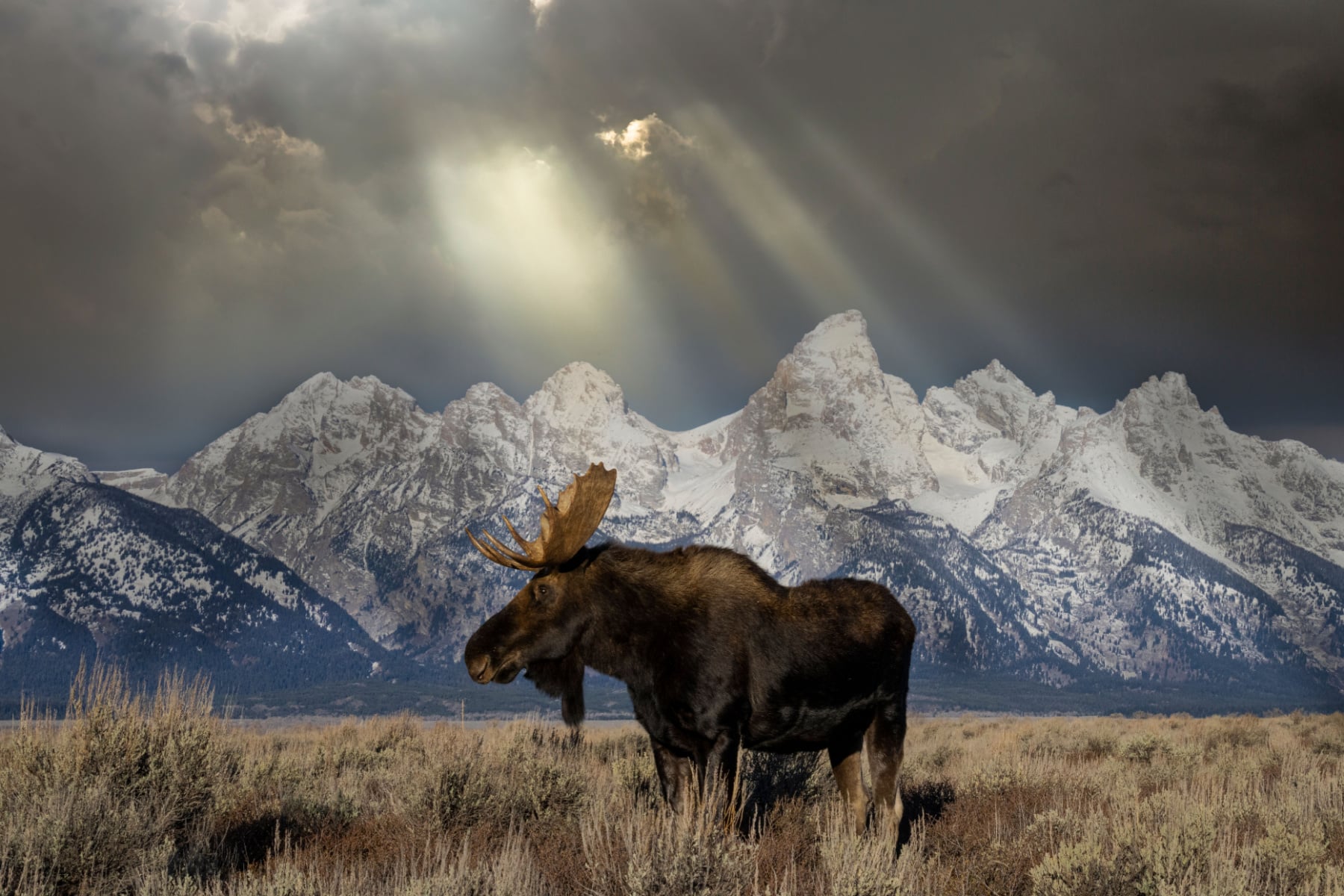
Did you know there was another Grand Canyon here? How about the fall elk rut that brings these majestic creatures closer than you might expect? Some of our top picks for places to visit in Yellowstone include:
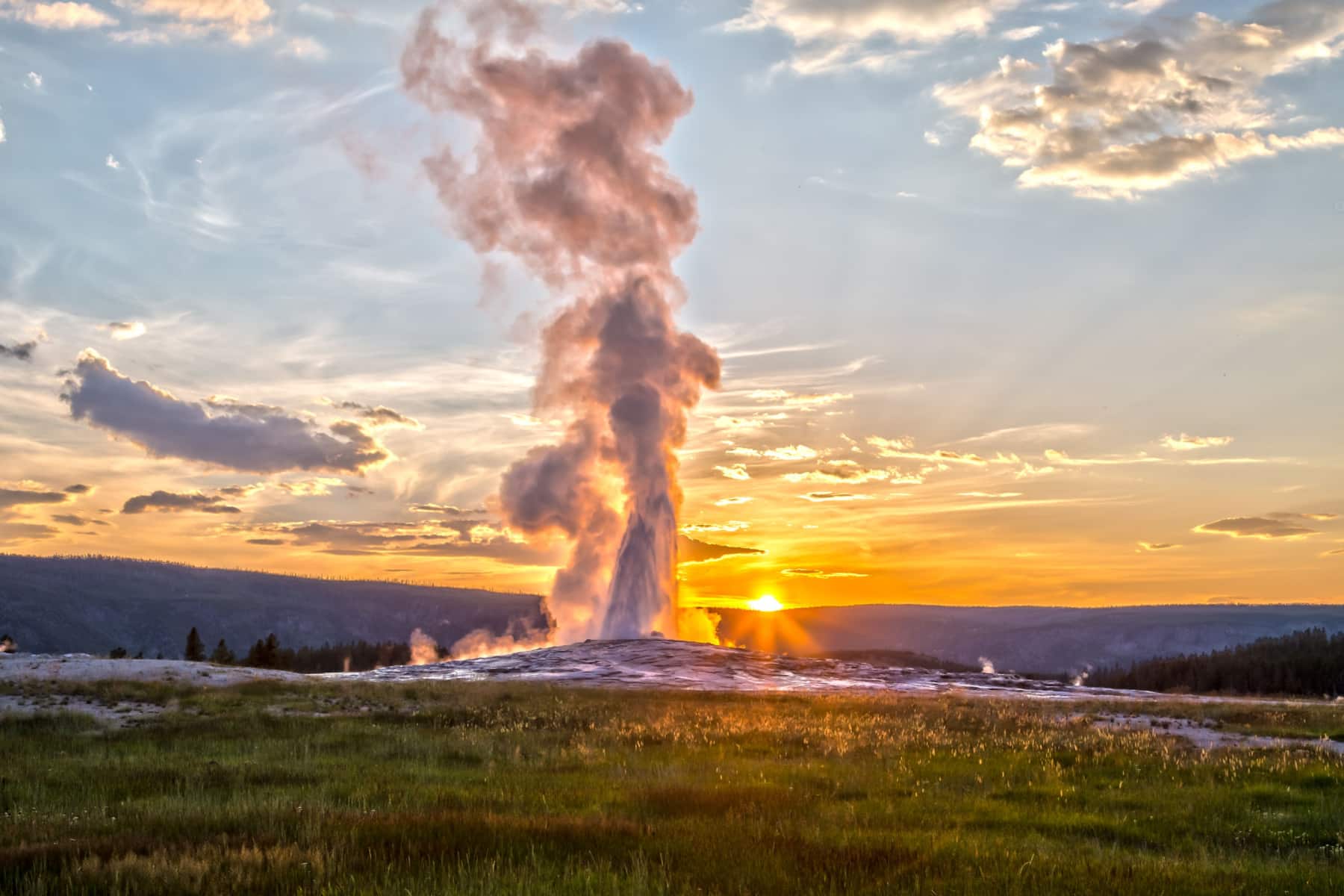
- Old Faithful: Witness the iconic geyser’s regular eruptions and explore the surrounding geothermal features.
- Grand Canyon of the Yellowstone: Take in the vivid yellow canyon walls and the powerful Lower Falls.
- Mammoth Hot Springs: Explore the terraces of colorful mineral deposits created by hot springs.
- Yellowstone Lake: Enjoy the scenic beauty of the largest high-altitude lake in North America.
- Norris Geyser Basin: Walk the boardwalks and witness the dynamic geothermal activity, including steam vents and hot springs.
- Grand Prismatic Spring: See one of the world’s largest hot springs, known for its vibrant colors.
- Lamar Valley: Experience prime wildlife-watching opportunities, including bison, wolves, and bears.
- Artist Point: Capture the classic view of the Lower Falls and the canyon from this popular overlook.
- Hayden Valley: Another excellent area for wildlife viewing, particularly bison, elk, and grizzly bears.
- Fountain Paint Pot: Explore a geothermal area featuring bubbling mud pots and colorful hot springs.
Top Spots in Grand Teton National Park
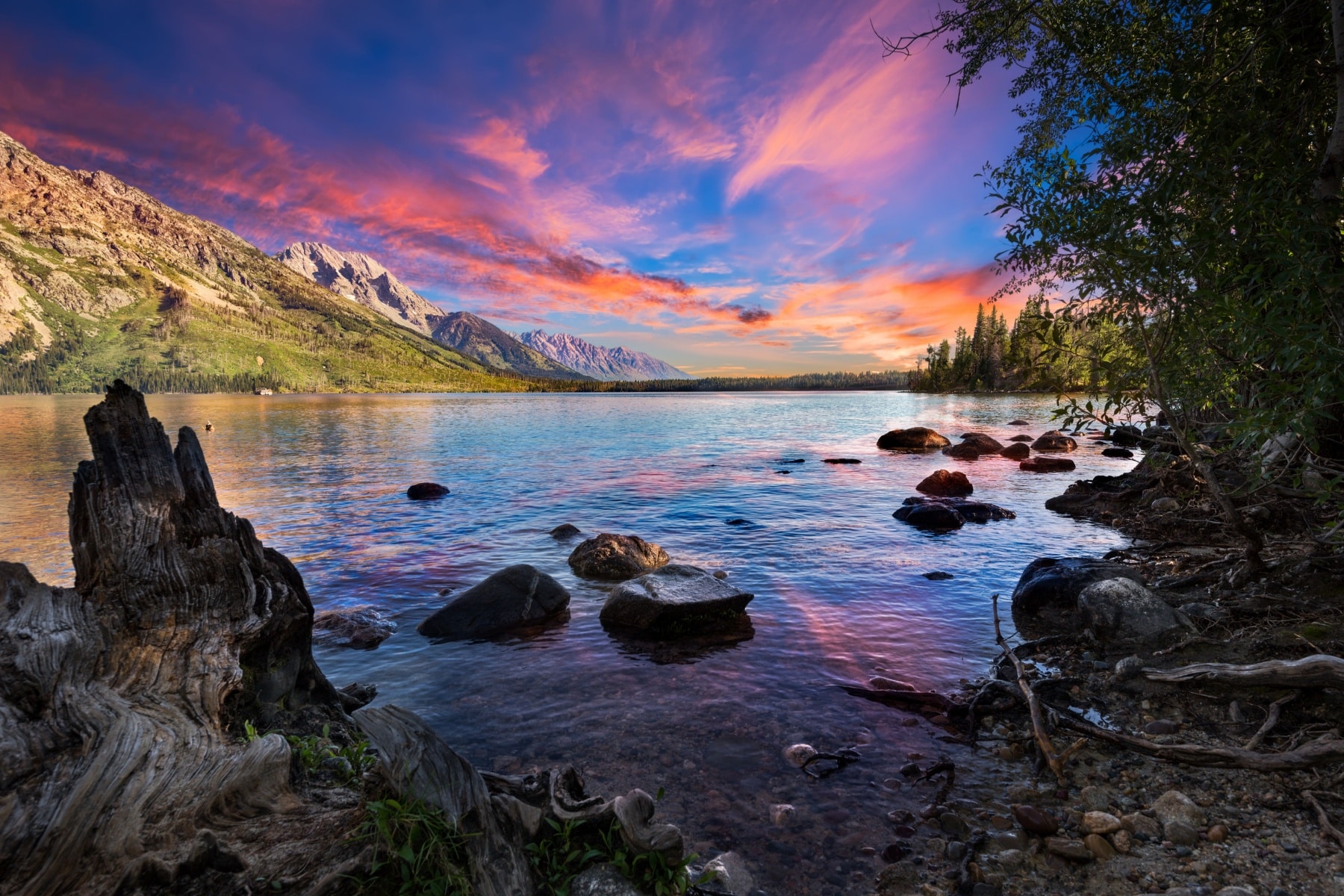
Grand Teton’s name comes from the trio of peaks on the horizon, but this park is also about lake life. Consider adding any of these spots to your itinerary.

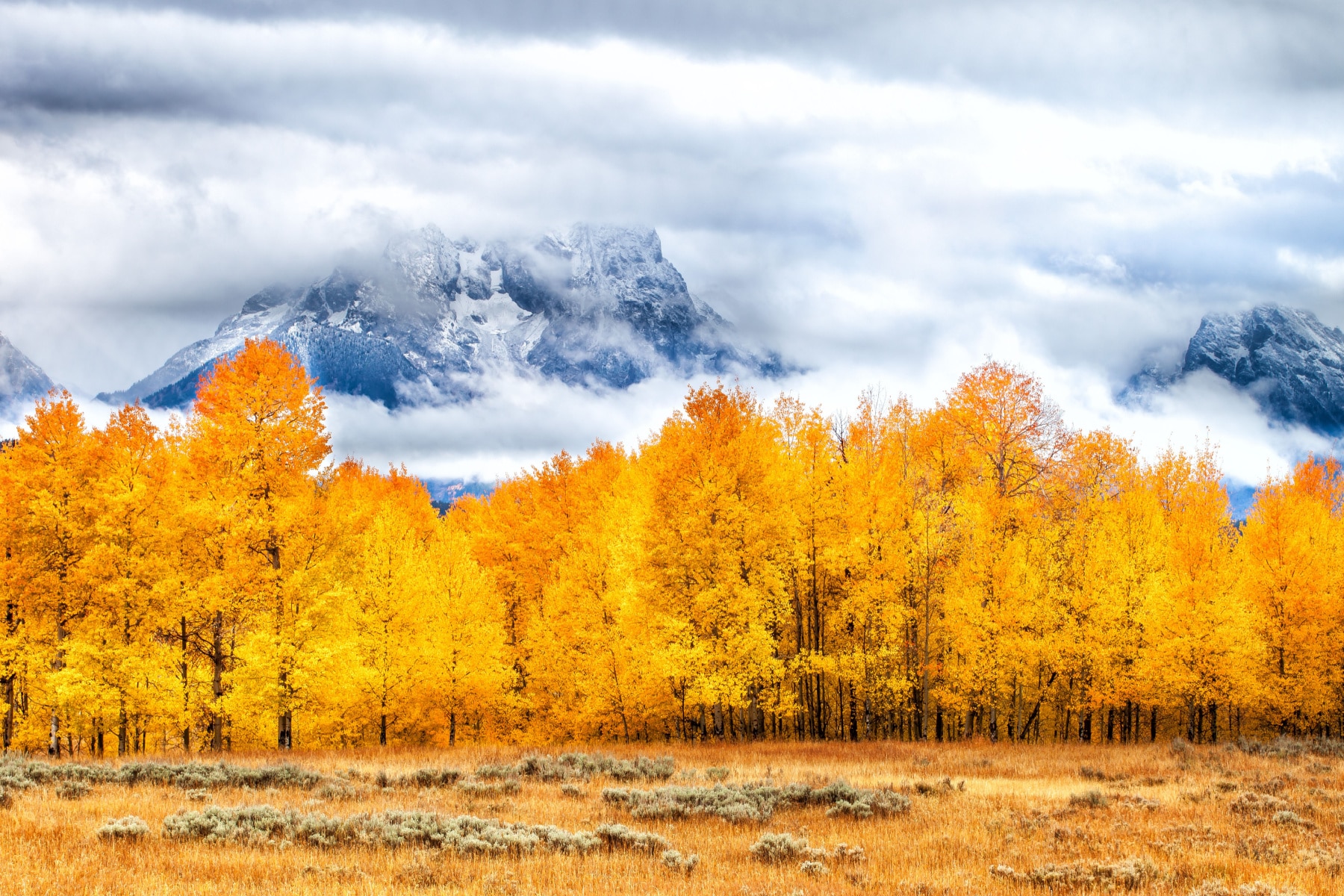
- Teton Range: Marvel at the rugged beauty of the iconic mountain range that dominates the park’s skyline.
- Jenny Lake: Take a scenic boat ride or hike around this picturesque glacial lake beneath the Tetons.
- Cascade Canyon: Hike this classic trail for views of the Tetons, waterfalls, and clear alpine lakes.
- String Lake: Enjoy swimming, kayaking, or picnicking at this tranquil lake with views of the Tetons.
- Schwabacher Landing: Capture iconic reflections of the Tetons in the calm waters of the Snake River.
- Snake River Overlook: Photograph the sweeping panorama made famous by Ansel Adams.
- Taggart and Bradley Lakes: Hike to these quiet alpine lakes for mirror reflections of the Tetons.
- Oxbow Bend: Look for wildlife and capture reflections of the Tetons in the winding Snake River.
- Mormon Row: Explore historic homesteads with the Tetons as a backdrop, perfect for photography.
- Signal Mountain Summit: Drive or hike to the summit for panoramic views of the Tetons, Jackson Hole, and the Snake River.
Need More Help Planning?
If you have additional questions about taking the Grand Teton to Yellowstone or Yellowstone to Grand Teton National Park trip, please leave a comment below, and we’ll respond as soon as we’re back from our next adventure. If you’ve done this adventure already, your advice can also help our readers.

DID YOU KNOW? The Grand Tetons, French for “large teats,” were named by (lonely) French fur trappers in the early 19th century, inspired by the distinctive jagged peaks resembling breasts. The name stuck, immortalizing the beauty of these iconic mountains towering over the landscape of Grand Teton National Park.
Yellowstone and Grand Teton Resources from More Than Just Parks
Our Yellowstone Resources: Park Guide | Things to Do | Best Hikes | Facts | Park Conditions | Yellowstone in May
Our Grand Teton Resources: Park Guide | Maps | Hikes | Things to Do | Facts | Where to Stay

Helpful Related Links
- Grand Teton park hub: Grand Teton National Park guide
- Things to do in Grand Teton: The best things to do in Grand Teton
- Grand Teton hikes: The best Grand Teton hikes
- Grand Teton maps: The best maps of Grand Teton
- Grand Teton facts: Facts about Grand Teton National Park
- Yellowstone park hub: Yellowstone National Park guide
- Things to do in Yellowstone: The best things to do in Yellowstone
- Lamar Valley: Yellowstone’s best wildlife valley
- Yellowstone facts: Fascinating Yellowstone facts
- Airports near Yellowstone: The best airports near Yellowstone
- Wyoming parks: The national parks of Wyoming
- Mount Rushmore to Yellowstone: The Mount Rushmore to Yellowstone road trip
What to Bring to Grand Teton
Gear we recommend for Grand Teton. Affiliate links support our work at no cost to you.
More Than Just Parks may earn a small commission from purchases made through these links, at no extra cost to you. We only recommend gear we would actually use.
Affiliate disclosure: Some links on this page earn us a small commission at no extra cost to you. We only recommend gear we actually use.
More Than Just Parks Film Watch our 8K film of Grand Teton We spent weeks in Grand Teton, one of our favorite public lands destinations, capturing it the way it deserves. Take a few minutes and see it for yourself.


