

Over the years, largely due to the film my brother Jim and I co-produced being picked up by National Geographic(see below), we’ve had a lot of requests from friends, family, and strangers to create itineraries for their trips to Grand Teton National Park.
What started many years ago as lengthy text messages, then a Google doc, has finally been turned into an official set of tips for visiting Grand Teton National Park.
My brother Jim and I first visited Grand Teton National Park back in 2016 with a small film crew and were tasked with finding the most beautiful places in the park.
What an undertaking! Grand Teton is truly one of those places that anywhere you look seems to be postcard worthy. Since that trip, I have returned almost yearly to bask in the pristine beauty that comprises Grand Teton National Park.
Love Grand Teton? It's one of 117 threatened public lands destinations we're tracking. Get the free briefing.
I prefer Grand Teton to Yellowstone, which is located just north of the park, because of the overall scenery, wildlife, and crowds.
Earlier in 2026, we (me & my brother/co-founder Jim – pictured above) ranked all of the national parks, and Grand Teton made the #2 spot on the list!

Is Grand Teton Still Worth the Visit?
In recent years, the park has seen a massive influx of folks (like myself) who want to get a glimpse of this destination. Who can blame us? However, one question I’ve been getting asked more and more lately is, “Is it still worth it to visit Grand Teton despite the crowds?”
The answer is yes. It just requires a bit more due diligence and planning these days to have the best possible time.
This post is different from others in that our goal is for you to see the best sites in the park (including wildlife), beat the crowds by heading to some of the lesser-traveled but equally rewarding spots, and visit safely.
I want you to be able to visit Grand Teton in a way that leaves it in great condition for the next folks. I’ll also cover things to do, the best places to eat, where to stay, getting to the park, and more.
Ready for the trip of a lifetime? Let’s get started!
Located in the Jackson Hole Valley and encompassing nearly 500 square miles, Grand Teton National Park has an array of pristine wilderness, glacial lakes, winding rivers, diverse wildlife, and the high Teton Range.
This is a land dominated by towering peaks, apex predators, and majestic mountain beauty.
The park derives its name from the mighty Teton Range, popularly known as simply the Tetons or the Grand Tetons. The park’s creation and eventual scale (in terms of acreage) was largely made possible by John D. Rockefeller Jr. son of the famous oil tycoon.

Entrance Fees
The entrance fee to Grand Teton National Park is $35 per vehicle, $30 per motorcycle, or $20 per person on foot or bicycle. Each pass covers 7 days of access.
Grand Teton Map
The best map for the park: We like this map the best.
A $100 per-person surcharge for non-U.S. residents ages 16 and up has been announced for a group of high-visitation parks that includes Grand Teton, intended for 2026. Timing and details have shifted since the announcement, so confirm the current fee on the official NPS site before you travel.
Best Guide Book
The best guide book for Grand Teton: This is our favorite guide for Grand Teton.
Mosquitoes
During the months of June and July, expect to find mosquitoes at varying levels. I recommend this bug spray which has worked for me in the park and is environmentally friendly.
Best Time to Visit Grand Teton National Park
The Best Time to Visit Grand Teton National Park is in Spring and Fall to take advantage of lesser crowds and beautiful scenery. Summer is a great time to visit as well, but it will be crowded.
Leave No Trace
Pack out everything you bring in, stay on established trails, keep food stored properly so you do not habituate wildlife, and give animals plenty of room. The park is busier than ever, and small choices by each visitor add up. Leave it better than you found it.
Bear Spray
Bear Spray: It’s a good thing to have on lots of the trails here. We like this one.
Dogs
Dogs are allowed in Grand Teton only on roads, in parking areas, in campgrounds, and on a few specific paths like the multi-use pathway. They are not permitted on hiking trails or in the backcountry. This is bear country, so keep pets leashed and never leave them unattended.
Where to Stay
Visiting Grand Teton National Park? If you haven’t decided where to stay (yet), check out our helpful list of things to do in Grand Teton National Park and the best hikes in Grand Teton for tips. Don’t have time? Here are our top hotel recommendations: Luxury| Upscale| Our Go To| Budget-Friendly(depending on the season)

RELATED: Best Grand Teton National Park Maps
Grand Teton National Park is located on the Western side of Wyoming in Jackson Hole. The park shares a border with the more popular Yellowstone National Park to the north, the less-visited Bridger-Teton National Forest to the east, and the even lesser-visited Caribou-Targhee National Forest to the west.
Getting To The Park: Directions & Location
There are many ways to get to Grand Teton. The deciding factors in getting to Grand Teton are cost and time.
Closest Airport: JAC: Jackson Hole, WY (distance 0 miles from the park)
The fastest way to get to Grand Teton National Park is by plane, flying into Jackson Hole Airport (JAC). The airport is basically in the park and offers sweeping views of the Tetons from the grounds.
If money is no issue and time is paramount, this is the way to go. Major airlines such as Delta service this airport, so finding a flight shouldn’t be a problem – the price, however, is typically steep.
The cheapest way to get to Grand Teton is by simply driving to the park. This is a great, budget-friendly option. Depending on your access to a car and the distance you’re willing to drive (see my national park road trips post), you may want to fly somewhere more affordable and rent a car from there.
My recommendation is to check both rental car prices and flight prices at other nearby airports like Salt Lake City (SLC) – 5 hours away and Twin Falls (TWF), 4.5 hours away. The savings for finding an alternative airport to fly into and rent a car from can sometimes be in the thousands.
RELATED: The Great American National Parks Road Trip
Watch the Award Winning Grand Teton Video

About the Grand Teton Video
GRAND TETON 8K is the culmination of nearly a month spent filming in the Jackson Hole Valley and the foothills of the Teton Range.
Encompassing nearly 500 square miles, Grand Teton National Park has an array of pristine wilderness, glacial lakes, winding rivers, diverse wildlife, and the magnificent Teton Range.
Journey with More Than Just Parks as we explore a land dominated by towering peaks, apex predators, and high-mountain beauty. This is Grand Teton, filmed primarily in UHD 8K.
To make this film happen, we spent nearly a month in Grand Teton during June & July. Of all the films we’ve shot, this one features the most wildlife. We captured bison, elk, moose, bears, foxes, beavers, and more.
Grand Teton Weather & Seasons
Grand Teton sits at high elevation, and the weather shifts fast. Summer days are mild and pleasant, but afternoon thunderstorms are common and nights stay cool even in July. Snow lingers on the high passes into early summer, and the first storms can arrive by September. Dress in layers, carry rain gear, and check the forecast the morning of any high hike.

Weather in Grand Teton can be fairly unpredictable, so always come prepared for a range of weather regardless of what time of year you plan to visit.
Best Time to Visit Grand Teton
The best time to visit Grand Teton National Park is late spring and early summer(the end of June & beginning of July).
Visitation during this time of year has not yet hit its peak, temperatures are warm enough but still mild, and wildlife is on the move.
The downside of visiting during this time of year is precipitation and mosquitoes.
It’s difficult to time when exactly the mosquitoes hatch each year, but basically, the same reasons that make it a great time to visit for you apply to them.

Spring in Grand Teton
Spring can be a great time to visit Grand Teton National Park as crowds are down and temperatures are on the rise.
I recommend late spring (think June) for the best experience. Make sure to plan for rain if you visit in the Spring as it’s all but guaranteed.
Late June can bring mosquitoes so pack bug spray (I recommend this eco-friendly one)

Summer in Grand Teton
Summer is the best time of year to visit Grand Teton National Park as temperatures are pleasant reaching the upper 70s with lows in the mid 40s.
Wildflowers pop all over the park during July creating some vivid displays. Wildlife is out and about with bears coming down from the mountains, wolves rearing pups, and more.
The major downside to summer is the crowds. Popular places like Jenny Lake will be at capacity by mid-morning with lines and traffic.
If you’re planning to visit this time of year make sure to plan early wake ups and pack your patience.

Fall in Grand Teton
Fall can be a great time to visit Grand Teton National Park as visitation plummets with kids going back to school.
Peak fall foliage in the park can be spectacular but happens earlier than most of the country, typically in mid to late September.

Winter in Grand Teton
Winter is a favorite time of year to visit the park for snow enthusiasts. There are great skiing opportunities and all sorts of scenery to take in with none of the crowds.
Winter is my least favorite season to visit Grand Teton, but it doesn’t have to be yours.

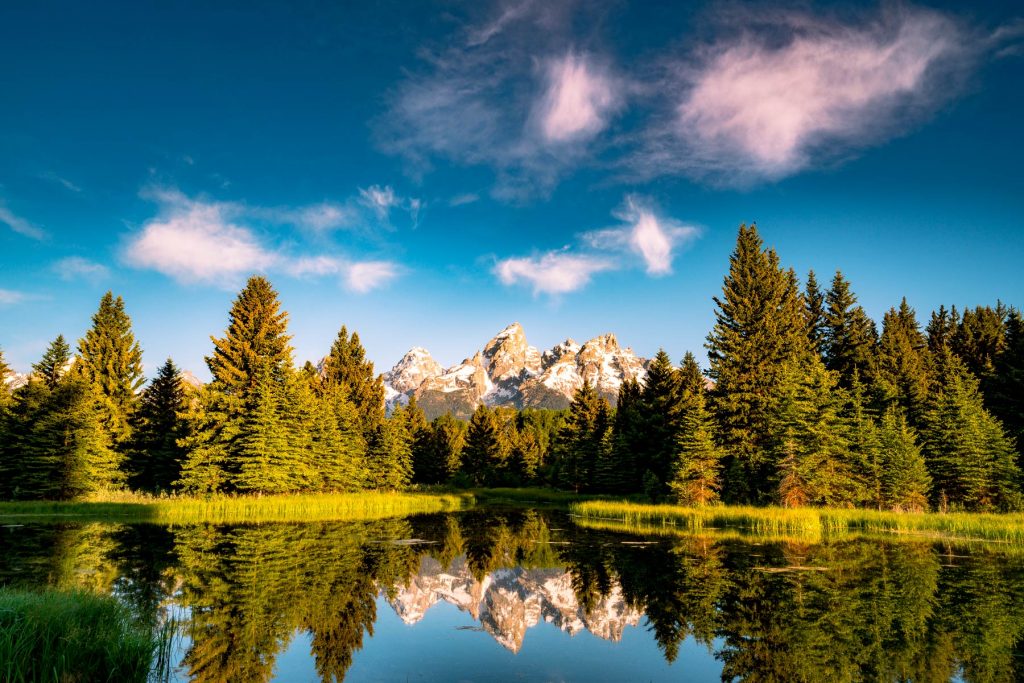
1. Schwabacher Landing
As one of the most heavily photographed locations in Grand Teton National Park, Lower Schwabacher Landing is popular for the mirror reflection of the Tetons in the water, which makes for a striking photo composition. This is one of the best spots in the park to see a sunrise.

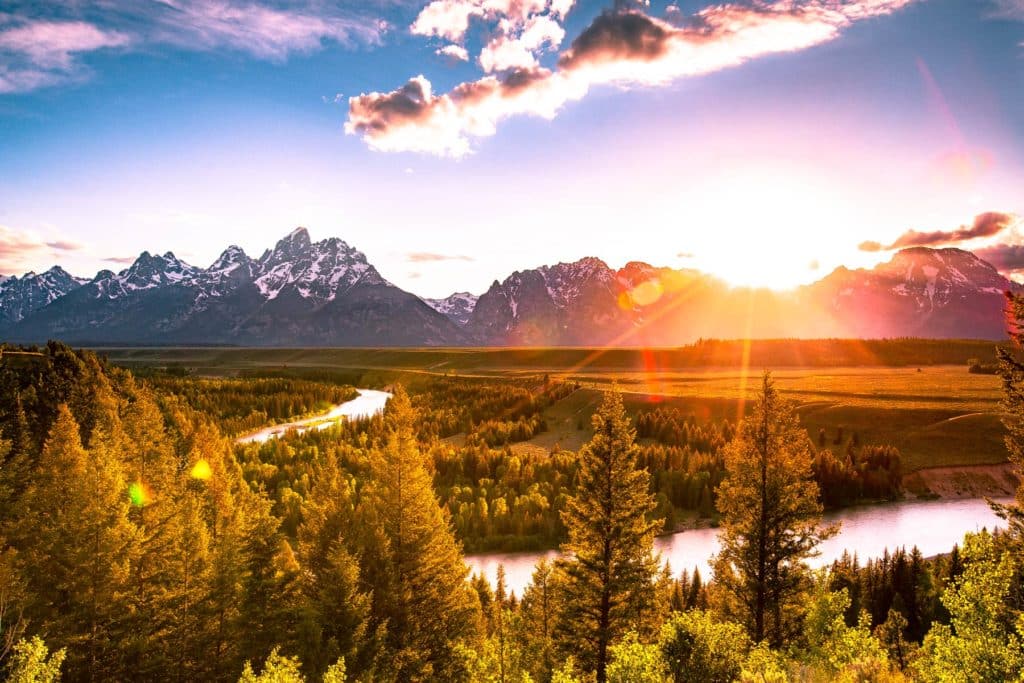
2. Sunset at Snake River Overlook
Perhaps the best place in the park to see sunset, Snake River Overlook is one of the most heavily photographed locations in Grand Teton National Park. This location was actually made famous by Ansel Adams back in the day.
Since Adams famously photographed this spot, the National Park Service has allowed trees to grow in and partly obscure the view.

3. Wildlife Viewing
Grand Teton is home to a wide array of wildlife, much of which can be viewed safely and easily when you follow best practices. Bison, Elk, Beavers, Wolves, Black Bears, Grizzly Bears, Moose, Deer, Pikas, Marmots, and so many more animals can be seen here thriving in their natural habitat.
For more on where to see wildlife read on.
4. Hiking

Some of the most beautiful hiking trails in America happen to be in Grand Teton. A few of our favorite hikes include:
- Taggart Lake Loop
- String Lake Loop
- Death Canyon
- Cascade Canyon Trail
- Jenny Lake Loop
- Amphitheater Lake Loop
5. Rafting the Snake River

The Snake River is a congressionally designated Wild and Scenic River, and there is no better way to take it in than rafting down it.
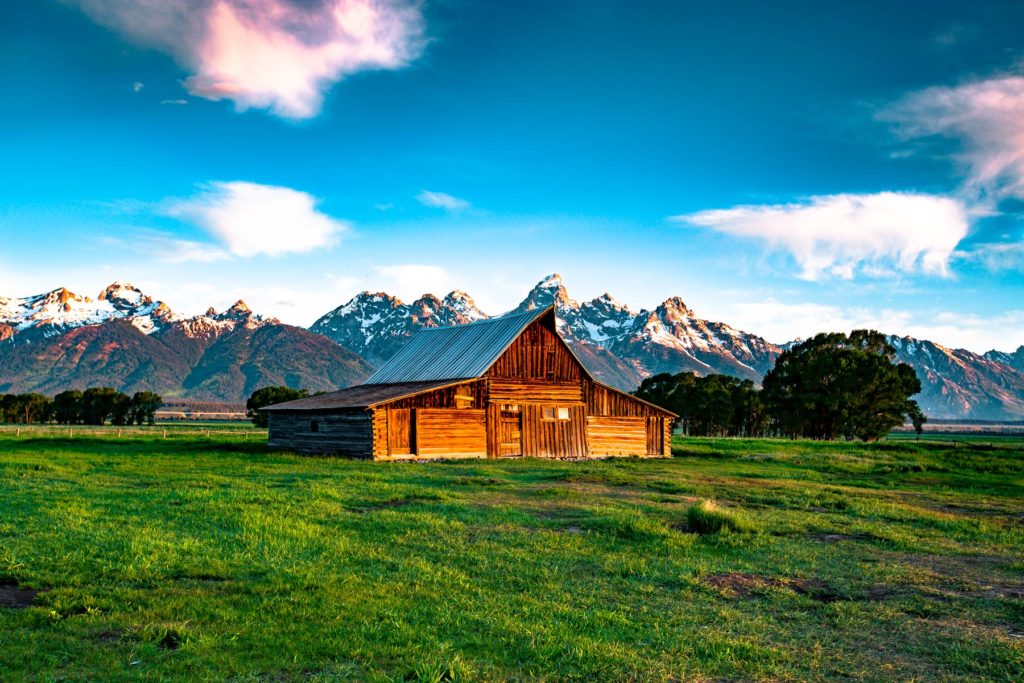
6. Moulton Barn

The Moulton Barn is part of the area known as Mormon Row in the park, which features a few beautiful and historic barns.
Located off of the aptly named Antelope Flat Road, this barn is surrounded by some great wildlife viewing areas.
7. Oxbow Bend

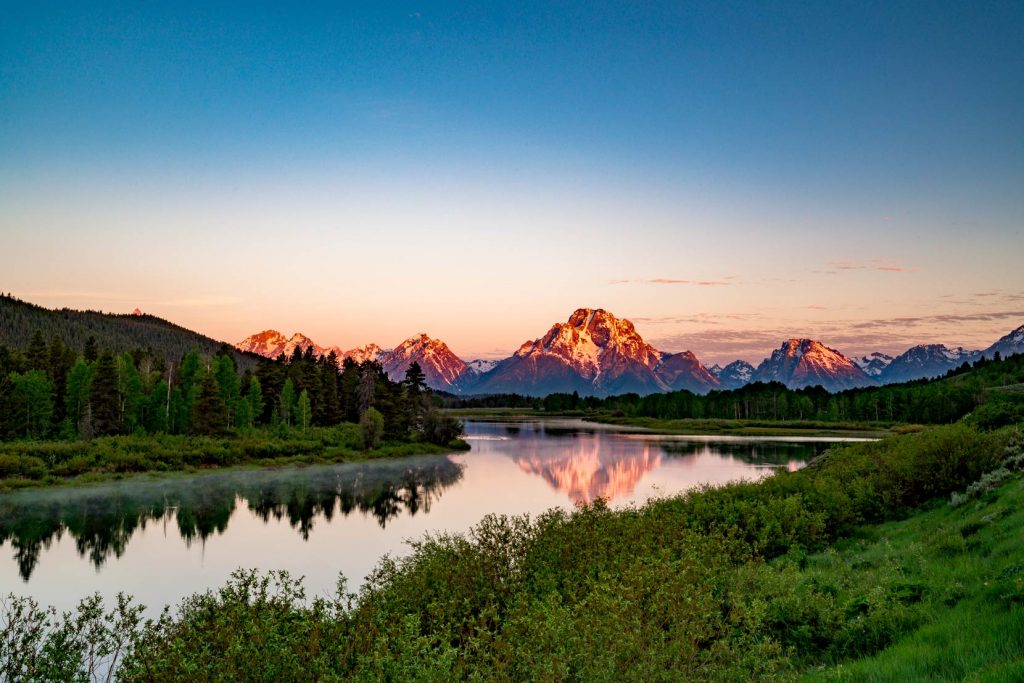
Grand Teton is most beautiful during the sunrise hour of the morning. The best place in Grand Teton to catch a sunrise is from Oxbow Bend, where the reflection of Mount Moran lights up on a clear day.
Where to Stay in Grand Teton: Camping & Lodging
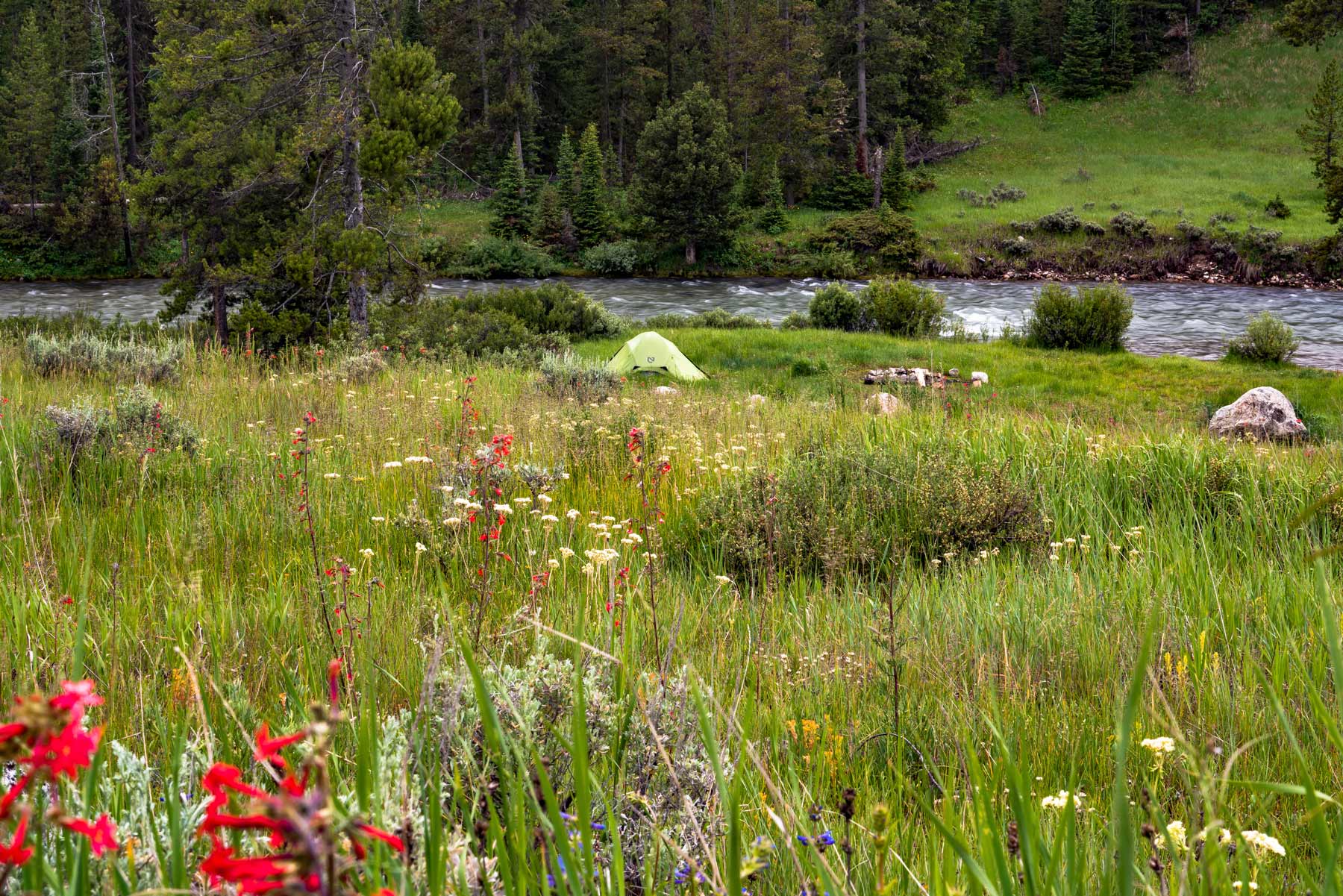
Camping in Grand Teton
Grand Teton is home to 6 campgrounds containing 1052 individual campsites (including standard, hiker/biker, electric, full hook up, pull through, and group) and an RV park with an additional 122 sites.
That may sound like a lot, but these sites fill up fast, especially during the peak summer season.
For detailed camping & campsite information, including availability, seasons, and more, visit the park service site.
Grand Teton Lodging– Hotels & Lodges
Grand Teton National Park is home to some of the most beautiful national park lodges in the world.
The Jackson Lake Lodge and Jenny Lake Lodge are considered by many to be among the finest lodges in the entire national park system.
The catch is the price – most of these lodges come with a hefty price tag which makes staying at one of these unattainable for most American families.
Prices at the Jackson Lake Lodge, for example, start at $356/night for their classic “two queen room” and run all the way up to nearly a thousand dollars for their “Moran Suite.”
If you think that’s steep, just ask for a “Deluxe Suite Cabin” at the Jenny Lake Lodge, which sleeps 4. The price? A cool $1,770.00 dollars per night.
When Yellowstone (Grand Teton’s neighbor to the north) was created as the first national park, it was done so with the phrase “for the benefit and enjoyment of the people.”
The question today regarding the lodges is which “people” were the legislators referring to?
List of Lodges at Grand Teton National Park (with approximate prices, check each lodge for current rates):
- Jenny Lake Lodge(rooms ranging from $576 – $1,770)
- Jackson Lake Lodge(rooms ranging from $356 – $880)
- Colter Bay Cabins(“tent cabins” starting at $79 – up to $276 for more deluxe options)
- Signal Mountain Lodge($288 – $528)
- Headwaters Lodge & Cabins(“camper cabins ” starting at $81 – up to $341 for the “premium cabin”)
Other Lodging Options
For more lodging options, check out the town of Jackson, which has a few hotel and B&B options. They will also likely be pricey regardless of the time of year.
Beat the Crowds on the Bridger-Teton National Forest

If you’re tired of wading through national park crowds, we don’t blame you! Parks are crowded these days, especially Grand Teton (although Yellowstone is 10x more so). But don’t worry; there’s an easy way to escape the masses.
You don’t take my word for it. Just watch the 3 minute video I co-produced above!
Grand Teton Photos
I have taken thousands of photos of Grand Teton over the years. These are some of the ones that best represent the park.
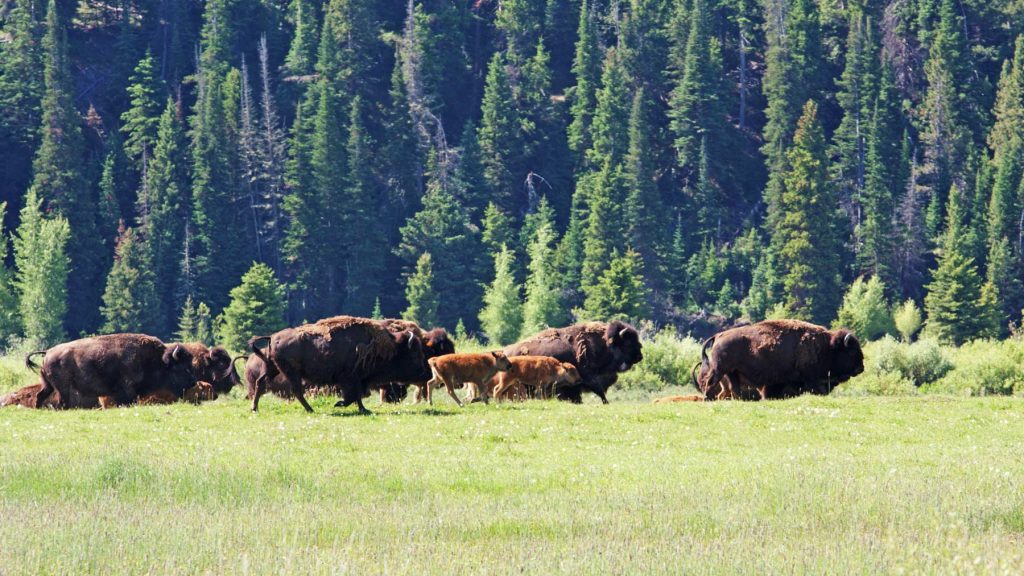
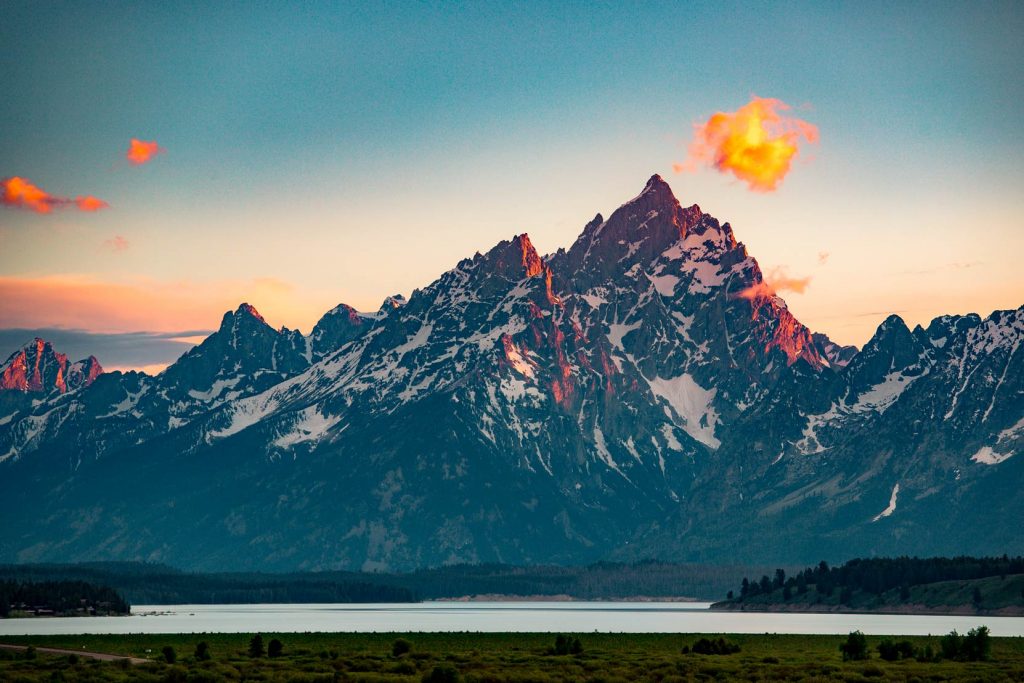
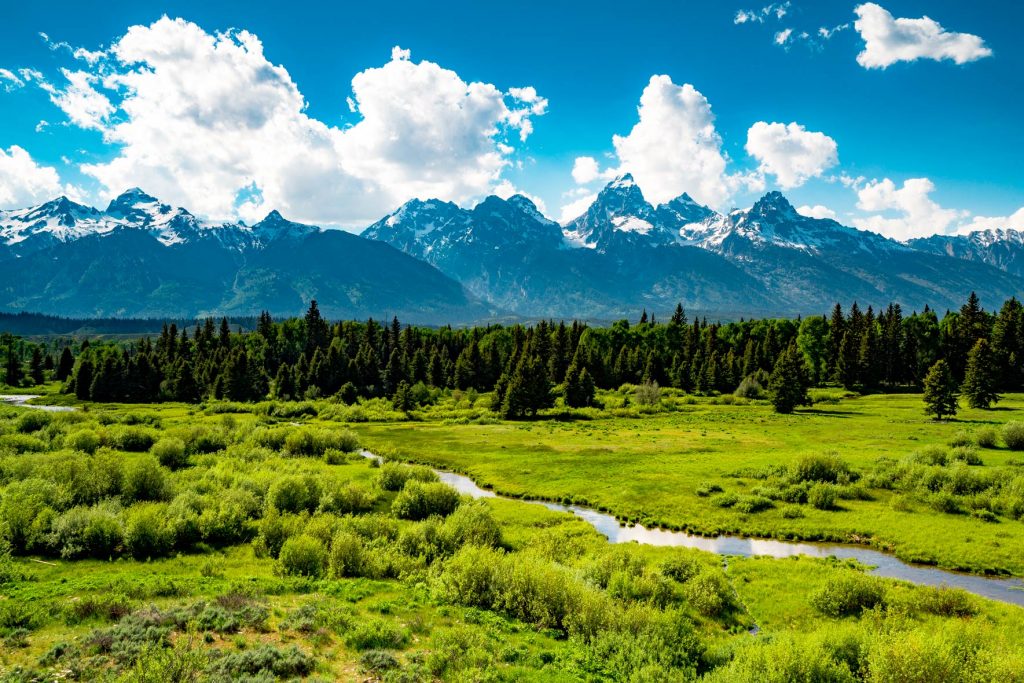
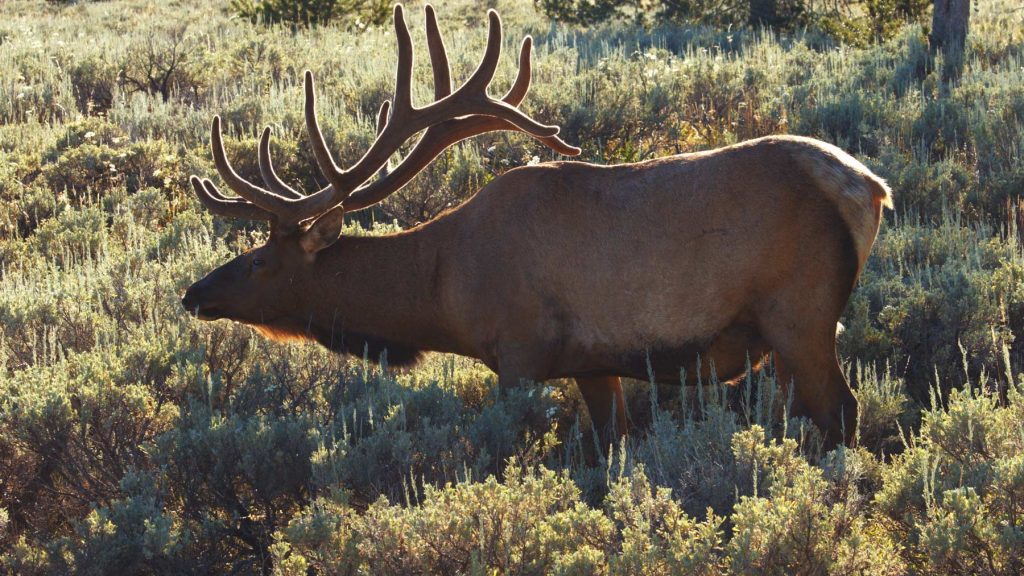
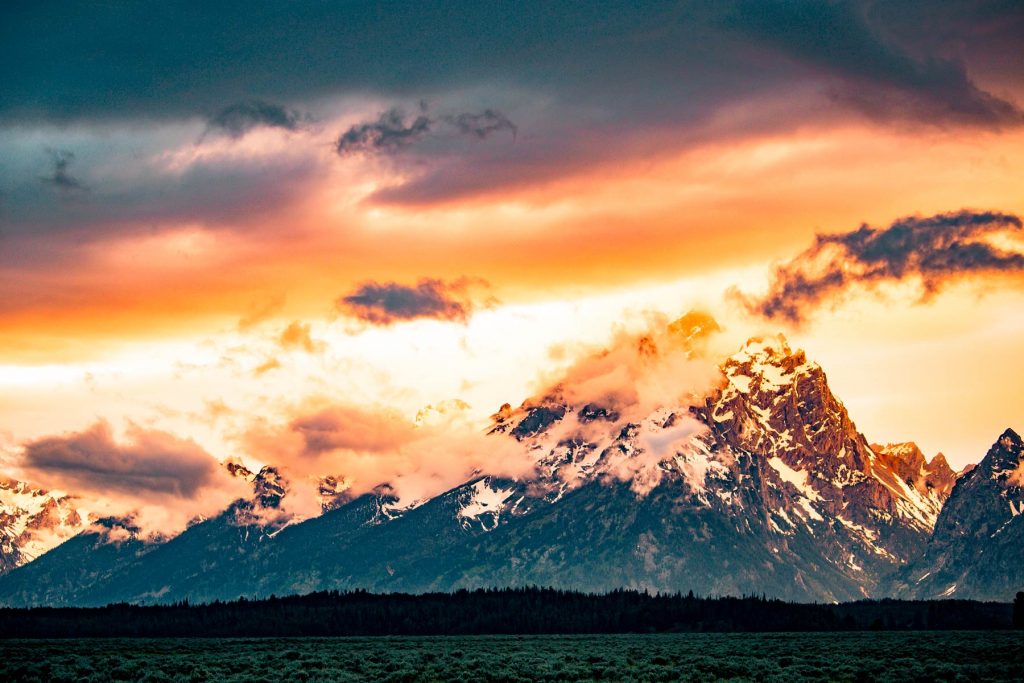
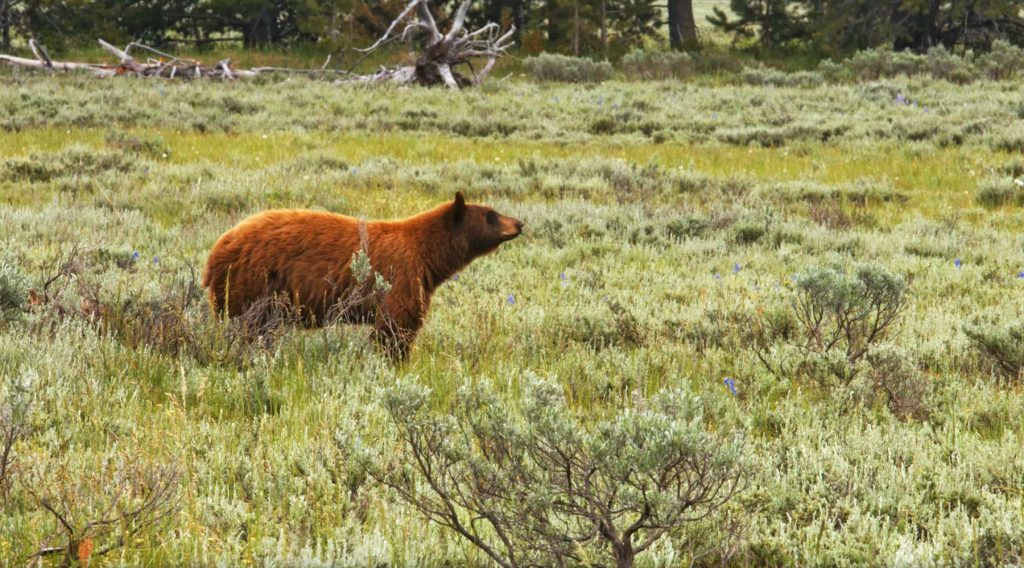
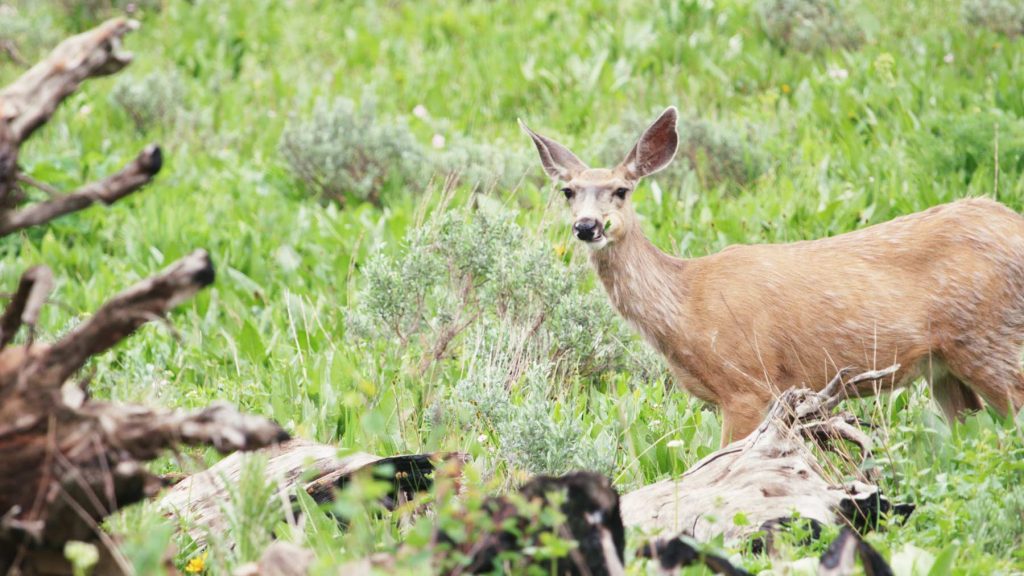
Grand Teton is the best national park to view wildlife within the lower 48 states. So many of our favorite and most iconic animals call Grand Teton home.
Seeing them can be a bit tricky – it’s about knowing where and what time to go.
Make sure you give wildlife distance in the park, especially bears. If a bear crosses the road in front of you stay in your car. Your actions not only put yourself at risk but the bear as well. Be sure to go over the National Park Service’s 7 Ways to Safely Watch Wildlife before your visit to Grand Teton.

Beaver– The best place to see beavers in Grand Teton is Upper Schwabacher Landing. The dams they’ve created in that area are astounding.
Bison are seen all over the park but especially near the Moran Junction at Elk Ranch Flats Turnout.
Grizzly Bear. Willow Flats Overlook is probably the most reliable place to spot Grizzlies in the park.

Black Bear– I’ve seen black bears off the Highway 89 at the Christian Pond Loop, stalking the trash bins at the Jackson Lodge, and in the field off Lupine Meadows Road.

Elk– Great places to see elk are Elk Ranch Flats Turnout & Lupine Meadows Road.

Fox– Foxes are found throughout the park. I recommend the Blacktail Ponds Overlook is a great place to start.
Pronghorn– Elk Ranch Flats Turnout, Lupine Meadow Road, & Antelope Flat Road are great places to spot pronghorn antelope.

Moose– Moose-Wilson Road is the top spot to see moose in the park, but Lupine Meadows Road is another good one.
Wolves– I’ve only seen two wolves in the park; both were off of Pacific Creek Road, headed up Lozier Hill.
More Places to See Near Grand Teton
- Yellowstone National Park is located just 10 minutes north of the Grand Teton Northern Entrance. In the words of Andy Dusfresne, if you’ve come this far, you might as well go a little further! Just be prepared for lots of humans and traffic.
- Bridger-Teton National Forest is well worth a stop while you’re visiting Grand Teton. It’s right next to the park and offers more solitude with scenery just as good. Odds are you’ll cross into it at some point and not even realize it.
- Jackson, Wyoming, is a great place to stop in and grab a bite while you’re in the park. If you forgot something at home, odds are they’ll have it somewhere in town.
Summary | Leave us a Comment!
That’s a wrap, folks! Hopefully, you feel like you’ve got a good handle on your next trip to Grand Teton. Please leave me a comment below and let me know if you have any questions or comments.
Hope to see you on the trails sometime soon!
Helpful Related Articles
Plan your trip: Grand Teton National Park hub
Things to do: Best Things to Do in Grand Teton National Park
Grand Teton maps: The Best Maps of Grand Teton National Park
Grand Teton facts: 15 Facts About Grand Teton National Park
Things to do in Yellowstone: Best Things to Do in Yellowstone National Park
Yellowstone facts: 10 Yellowstone National Park Facts
Airports near Yellowstone: The Best Airports Near Yellowstone National Park
Wyoming national parks: Wyoming National Parks Ranked
What to Bring to Grand Teton
Gear we recommend for Grand Teton. Affiliate links support our work at no cost to you.
More Than Just Parks may earn a small commission from purchases made through these links, at no extra cost to you. We only recommend gear we would actually use.
Affiliate disclosure: Some links on this page earn us a small commission at no extra cost to you. We only recommend gear we actually use.
More Than Just Parks Film Watch our 8K film of Grand Teton We spent weeks in Grand Teton, one of our favorite public lands destinations, capturing it the way it deserves. Take a few minutes and see it for yourself.


