

Gates of the Arctic National Park facts. This is the wildest national park in the country. Entirely north of the Arctic Circle, it has no roads, no trails, no campgrounds, and no entrance gate. To reach it, you charter a bush plane or walk in across the tundra, which is exactly why so few people ever do.
I taught history for a career before I started visiting these parks, and Gates of the Arctic is a place where human history and raw wilderness are inseparable: ten thousand years of Iñupiat and Athabascan life, a gold rush, and the visionary who gave the park its name. For planning and conditions, start with our Alaska national parks guide. Below are 11 facts about Gates of the Arctic, each one checked against the record.

Basic Facts About Gates of the Arctic
- Location: Arctic Alaska, entirely north of the Arctic Circle
- Size: About 8.4 million acres (8,472,506 acres)
- Highest point: Mount Igikpak in the Brooks Range, about 8,510 feet
- Lowest point: Around 280 feet along the Kobuk River
- Established: First protected as a national monument in 1978 and designated a national park and preserve in 1980 under the Alaska National Interest Lands Conservation Act.

READ MORE: Alaska National Parks
1. People Have Lived Here For More Than 10,000 Years
Nomadic hunters first moved through this country more than 10,000 years ago, traveling between the forested southern slopes of the Brooks Range and the Arctic coast. Over the last millennium, ancestors of the Iñupiat and Athabascan peoples lived throughout the region.
Love Gates of the Arctic? It's one of 117 threatened public lands destinations we're tracking. Get the free briefing.
Caribou were, and remain, central to survival here. Artifacts found across the park, including hunting bows, obsidian tools, and the bones of moose, sheep, and fish, show how these communities used the land to endure a harsh environment. Today around ten small communities still depend on these resources to sustain a subsistence way of life, and the park was created in part to protect that culture.

2. It Is The Northernmost National Park In The Country
Every acre of Gates of the Arctic lies north of the Arctic Circle, making it the northernmost national park in the United States.
At 8,472,506 acres, it is also the second-largest national park in the country, trailing only Wrangell-St. Elias, also in Alaska. Put together, those two Alaska parks dwarf anything in the Lower 48.
READ MORE: The Largest National Parks In The U.S.
3. The Gold Rush Reached This Far North
By the 1880s, people of European descent, military explorers, gold prospectors, and government scientists, began making their way into the region. The Klondike and Nome gold rushes of the late 19th century drew waves of newcomers north and disrupted the traditional lives of Alaska Natives.
In 1897, when the world heard the news of gold in the Canadian Yukon, Americans from all walks of life succumbed to “Klondicitis” and rushed northward to find their fortunes.
National Park Service
4. There Are No Roads Into The Park
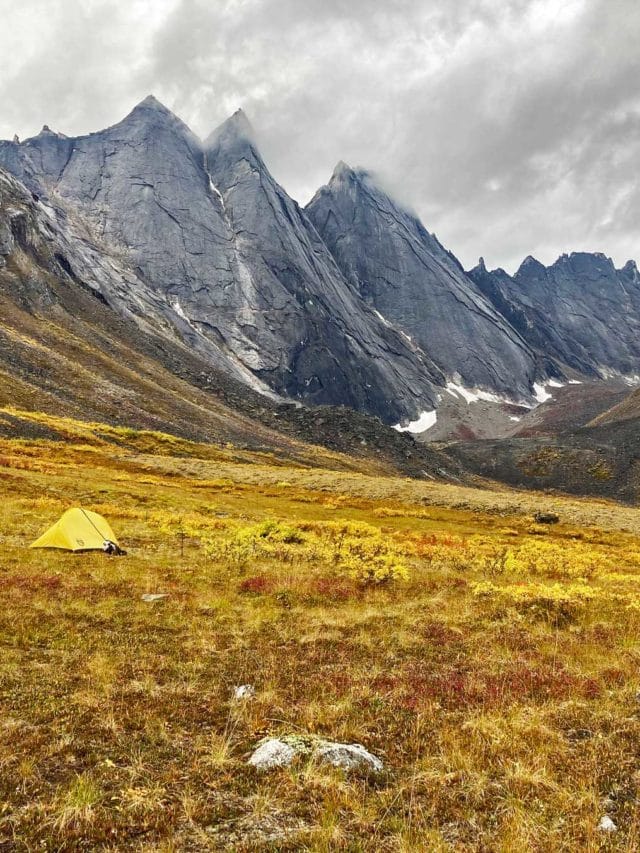
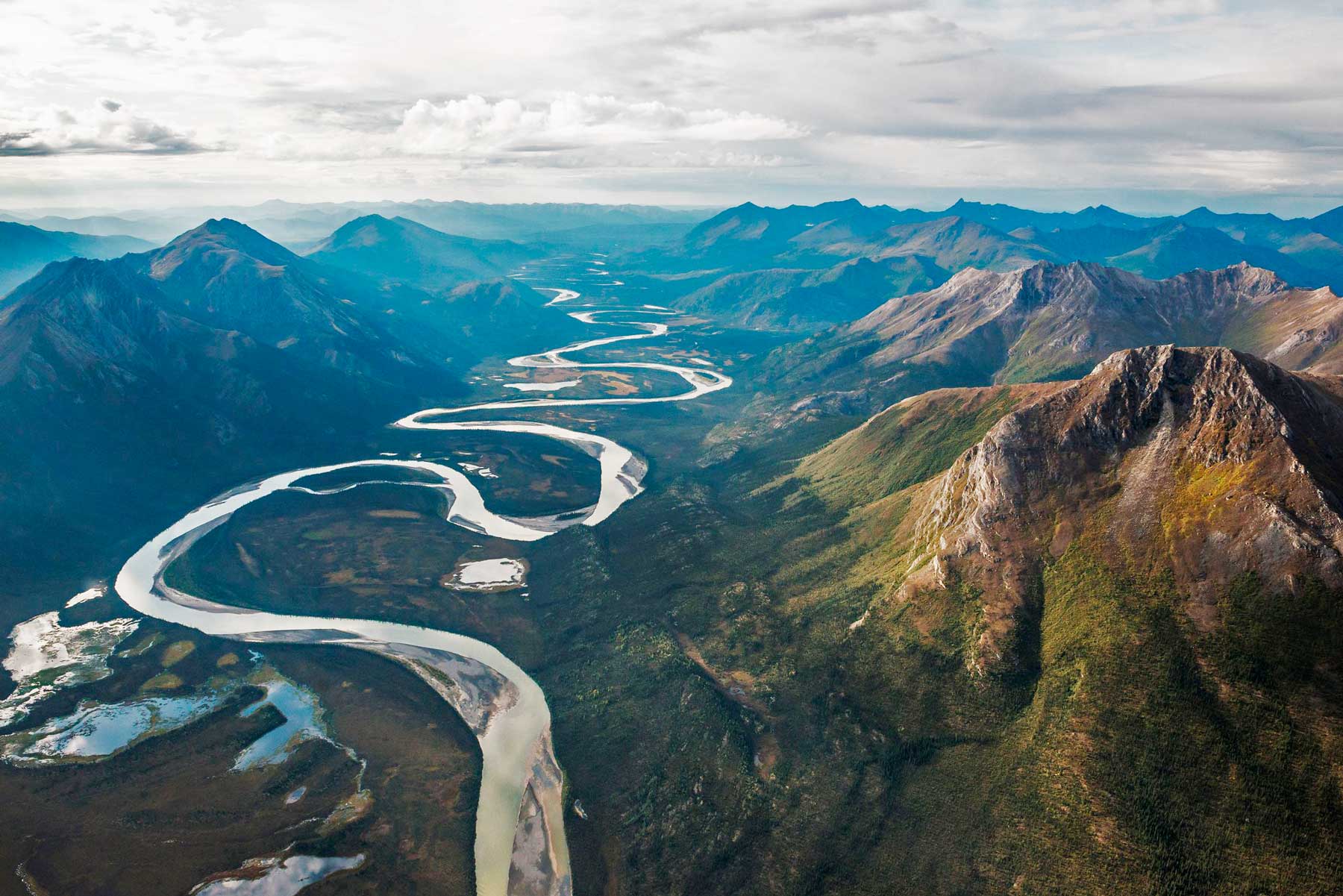
Here is the fact that defines the place: Gates of the Arctic has no roads and no maintained trails. Visitors fly or hike in, with no developed facilities waiting on the other side.
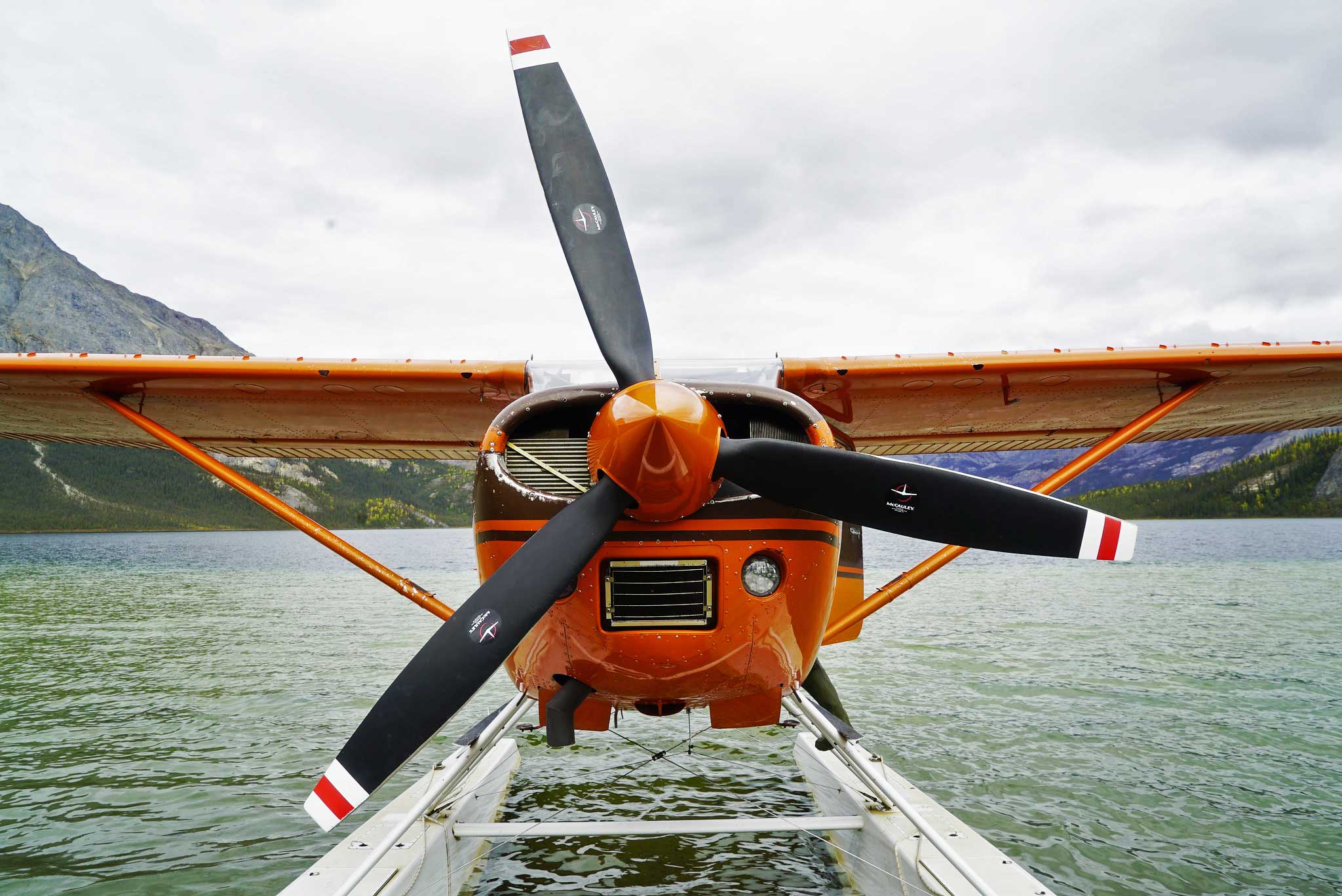
Most trips begin in Fairbanks. From there, an air taxi in a small plane on floats or tundra tires drops travelers in the backcountry. The hardiest hike in from the Dalton Highway or from the village of Anaktuvuk Pass. Either way, once you are in, you are genuinely on your own.
5. It Is The Least-Visited National Park In America
With no roads, no trails, and a landscape that demands a bush plane just to reach it, Gates of the Arctic is one of the least-visited national parks in the country. In a typical year it draws about 14,923 recreation visits, a number some popular parks exceed in a single summer afternoon.
For the traveler who wants to truly get away from it all, there may be no better place in the national park system.

6. A Village Sits Within The Park Boundaries
Remote even by Alaska standards, the park is not entirely empty of people. The village of Anaktuvuk Pass lies within the park boundaries, home to the Nunamiut Iñupiat, whose name means “people of the land.”
Unlike the coastal Iñupiat who hunted marine mammals, the Nunamiut lived inland and built their lives around the caribou. Anaktuvuk Pass is the last permanent Nunamiut settlement, a living community in the middle of America’s wildest park.
7. A Wilderness Advocate Gave The Park Its Name
Robert Marshall was a forester with a deep love of wild country. He earned a forestry degree from Syracuse, then advanced degrees from Harvard and Johns Hopkins, and was known for routinely covering 20 or more miles a day on foot.
Beginning in 1929, Marshall explored the central Brooks Range by boat and on foot, naming many of its mountains and streams. The most famous of his names is the “Gates of the Arctic,” for the spot where two peaks, Boreal Mountain and Frigid Crags, frame the North Fork of the Koyukuk River. To pass between them, Marshall felt, was to leave the world of people behind.

8. The Park Is Full Of Arctic Wildlife
For anyone who loves wildlife, Gates of the Arctic delivers. Common animals include grizzly bears, wolves, muskox, caribou, moose, wolverine, fox, and Dall sheep, along with a wide range of birds.
The rivers run with fish too, including grayling, Dolly Varden, Arctic char, and chum salmon. The twice-yearly migration of the caribou herds is one of the great wildlife spectacles left in North America.
9. Hunting Is Allowed In The Preserve, Not The Park
The full name is Gates of the Arctic National Park and Preserve, and the distinction matters. Sport hunting and trapping are allowed in the national preserve but not in the national park itself.
Anyone hunting in the preserve needs the proper Alaska state licenses and permits, and an Alaska hunting license is required for all hunters 16 and older. Bag limits vary by species and area, so it always pays to check current state regulations.
10. There Are No Official Trails
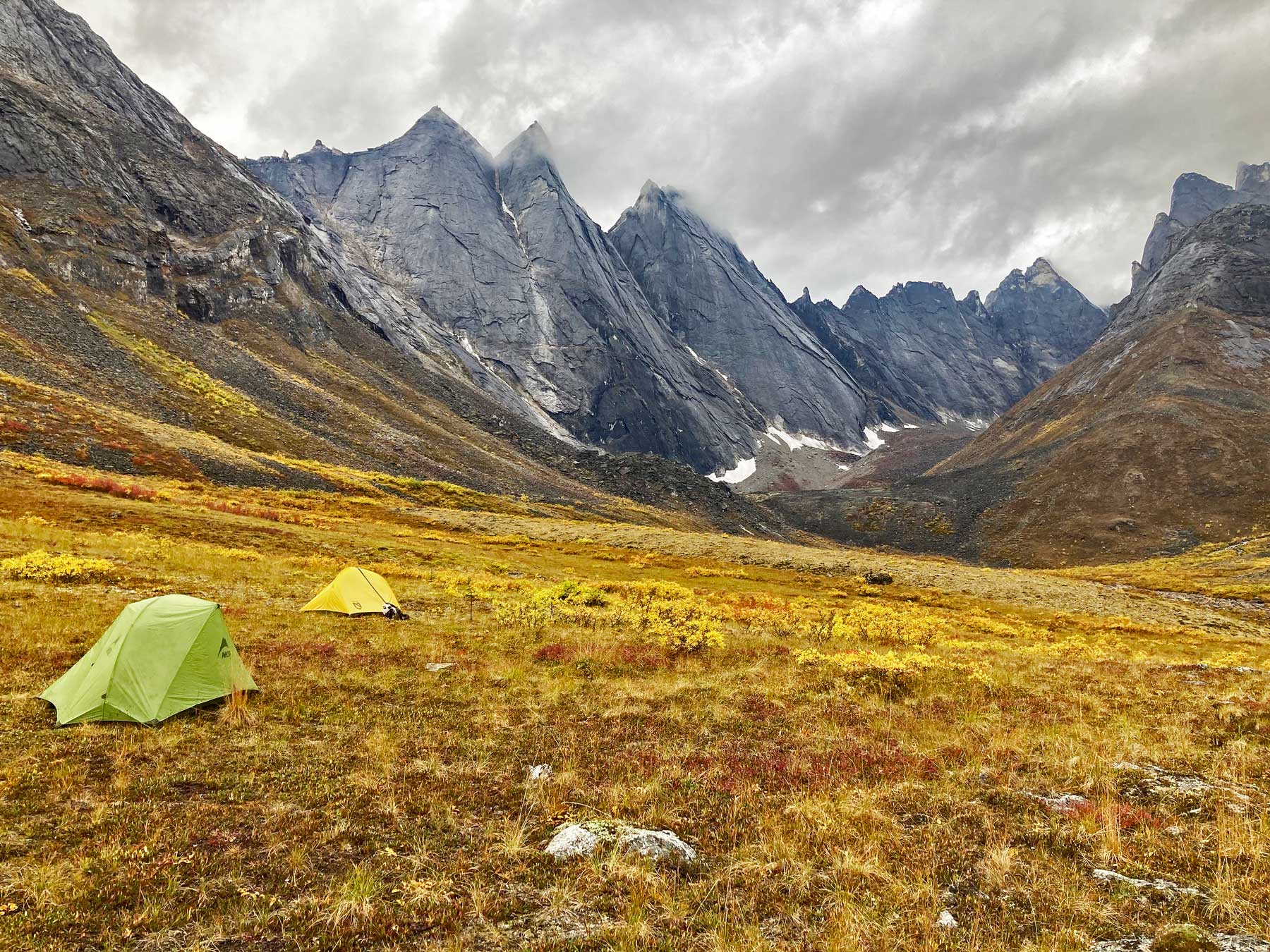
If you love trail hiking, be warned: Gates of the Arctic has no official trails at all. Instead, there are countless game trails worn by animals across the tundra and through the brush.
Backcountry travelers are encouraged to use those game trails where they can, both to ease the going and to limit damage to the fragile vegetation. The National Park Service does not sugarcoat what travel here is like.
There are no established trails, and the dense vegetation, tussocks, boggy ground and frequent stream and river crossings significantly slow your progress. You will find easiest walking above the tree line or in the streambeds, if the water level is low.
National Park Service

11. Native Communities Still Live A Subsistence Life Here
Gates of the Arctic is one of the few national parks where people still live a traditional subsistence life within and around its boundaries. The Nunamiut Iñupiat of Anaktuvuk Pass and other Alaska Native communities along the region’s rivers continue to depend on caribou and other wildlife for food.
This is part of what makes the park unusual. It was set aside not only to protect a wilderness but to safeguard a way of life that has continued in this country for thousands of years.

11 Gates of the Arctic National Park Facts At A Glance
- People have lived here for more than 10,000 years
- It is the northernmost national park in the country
- The gold rush reached this far north
- There are no roads into the park
- It is the least-visited national park in America
- A village sits within the park boundaries
- A wilderness advocate gave the park its name
- The park is full of Arctic wildlife
- Hunting is allowed in the preserve, not the park
- There are no official trails
- Native communities still live a subsistence life here

Related Links
- Gates of the Arctic National Park hub
- Alaska National Parks
- The Largest National Parks In The U.S.
- All 63 National Parks Ranked By Experts
- More Than Just Parks Films
What to Bring to Gates of the Arctic
Gear we recommend for Gates of the Arctic. Affiliate links support our work at no cost to you.
More Than Just Parks may earn a small commission from purchases made through these links, at no extra cost to you. We only recommend gear we would actually use.
Affiliate disclosure: Some links on this page earn us a small commission at no extra cost to you. We only recommend gear we actually use.