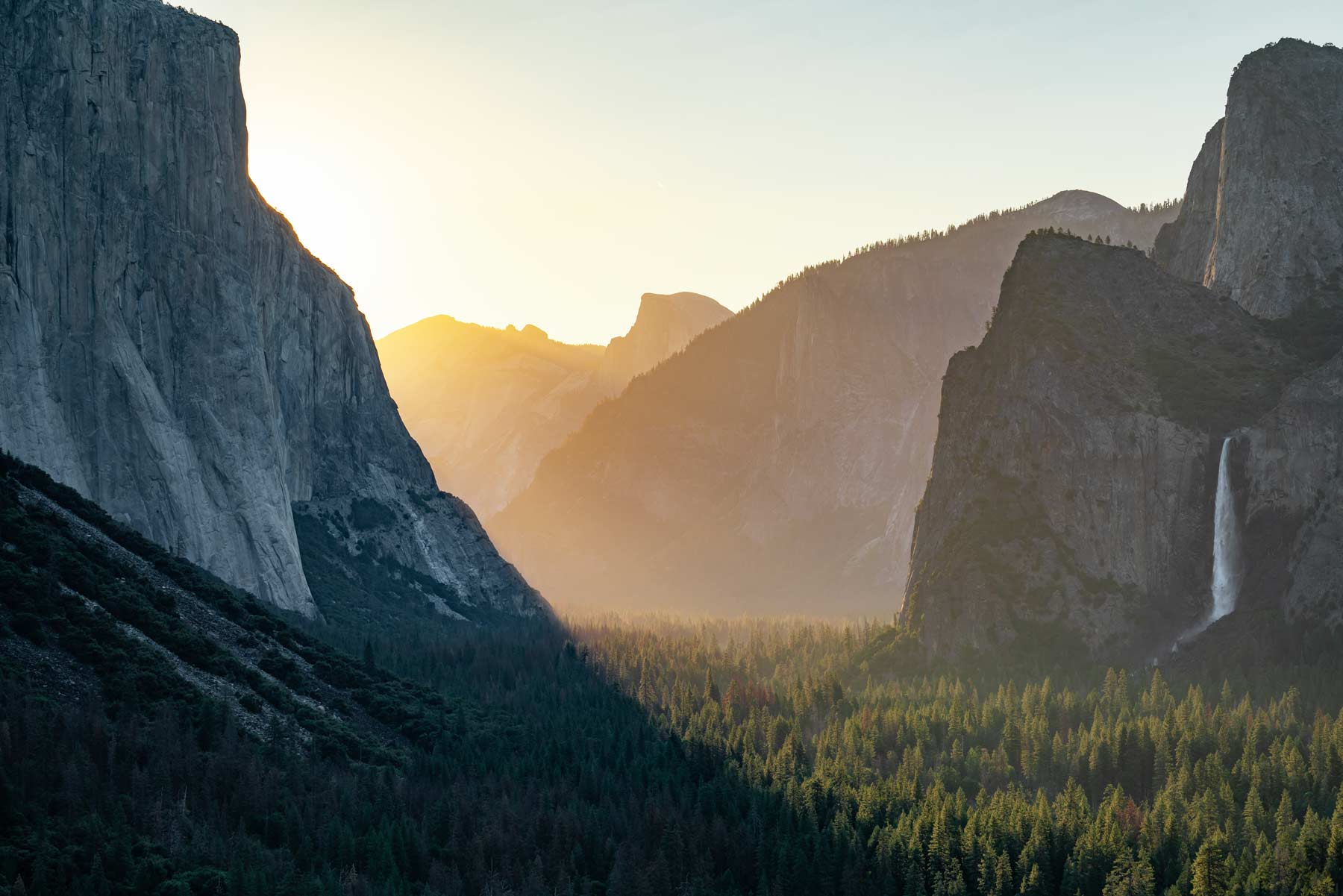
I’ve filmed and hiked throughout Yosemite National Park more times than I can count, and I come back again and again because the valley genuinely never stops delivering. El Capitan from Valley View. Half Dome at golden hour. The sound of Yosemite Falls in spring. These things hold up no matter how many times you experience them. This guide is built from real time in the park and covers everything you actually need to know about Yosemite reservations and permits in 2026.
2026 Update: Yosemite will not require vehicle reservations in 2026. The park dropped its timed-entry pilot program. Expect significantly higher crowds in the Valley, especially June through September. Arrive before 9am to find parking, and text “ynptraffic” to 333111 for real-time traffic conditions.
2026 Non-Resident Surcharge: Starting January 1, 2026, international visitors aged 16 and older pay a $100 per-person surcharge on top of the standard entrance fee. U.S. citizens and permanent residents are not affected.
Do You Need a Reservation for Yosemite in 2026?
No. Yosemite dropped its timed-entry reservation system after running it as a pilot program during peak seasons in 2022, 2023, and 2024. In 2026, you do not need a vehicle reservation to enter the park at any time of year.
That said, you still need a valid park entrance pass. A standard vehicle pass costs $35 and covers everyone in the car for seven days. If you’re walking or biking in, it’s $20 per person. The America the Beautiful Pass costs $80 per year and covers entrance to every national park and federal recreation area in the country. If you plan to visit more than two parks in a year, it pays for itself fast.
The fact that vehicle reservations are gone does not mean the park is easier to visit. It means the opposite. Without any capacity controls, the Valley will be busier than ever during peak months. I have been to Yosemite on July weekends when the Valley parking lots filled by 9:30am. Plan accordingly.
Reservations You Still Need in Yosemite
While the park itself doesn’t require an entry reservation, several activities inside Yosemite absolutely do. Here’s what you need to book ahead of time.
Campground Reservations
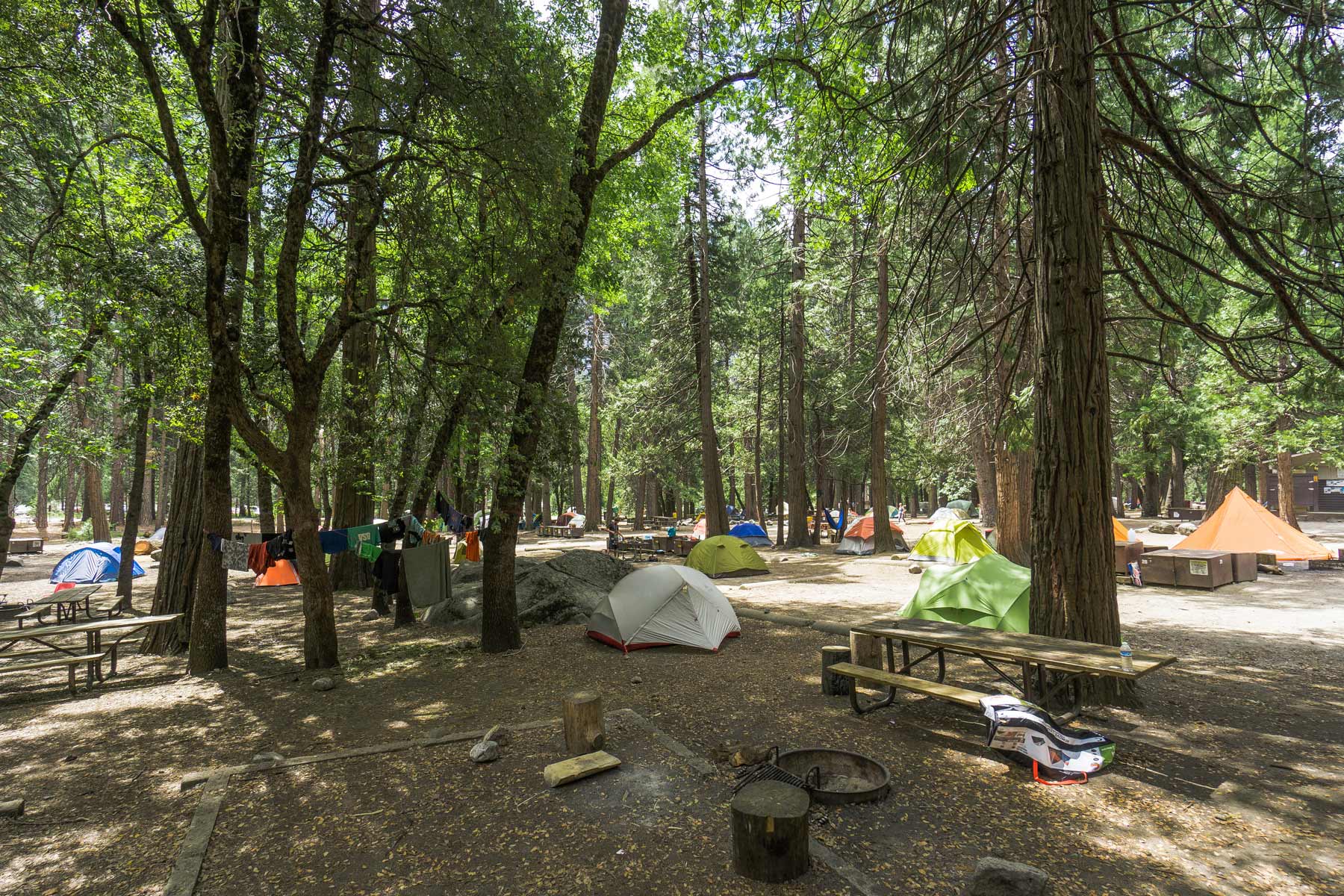
Yosemite has 13 campgrounds with roughly 1,500 campsites total. The most popular Valley campgrounds are Upper Pines, Lower Pines, and North Pines. All three sit along the Merced River and fill months in advance. Reservations for these open on recreation.gov on a rolling basis, typically five months ahead of your arrival date. Set an alarm for 7am Pacific on your booking day. Sites disappear in minutes.
A few campgrounds operate on a first-come, first-served basis. Bridalveil Creek (along Glacier Point Road) and Tamarack Flat (off Tioga Road) don’t take reservations, but they’re seasonal and typically open from late June or July through September, weather depending.
Then there’s Camp 4. The legendary climbers’ campground near El Capitan operates by lottery through recreation.gov. You enter the lottery up to two weeks ahead of your desired date. It’s $6 per person per night, and each site holds up to six people. If you don’t get a lottery spot, no amount of showing up at dawn will help. The walk-up system is gone.
Half Dome Permits
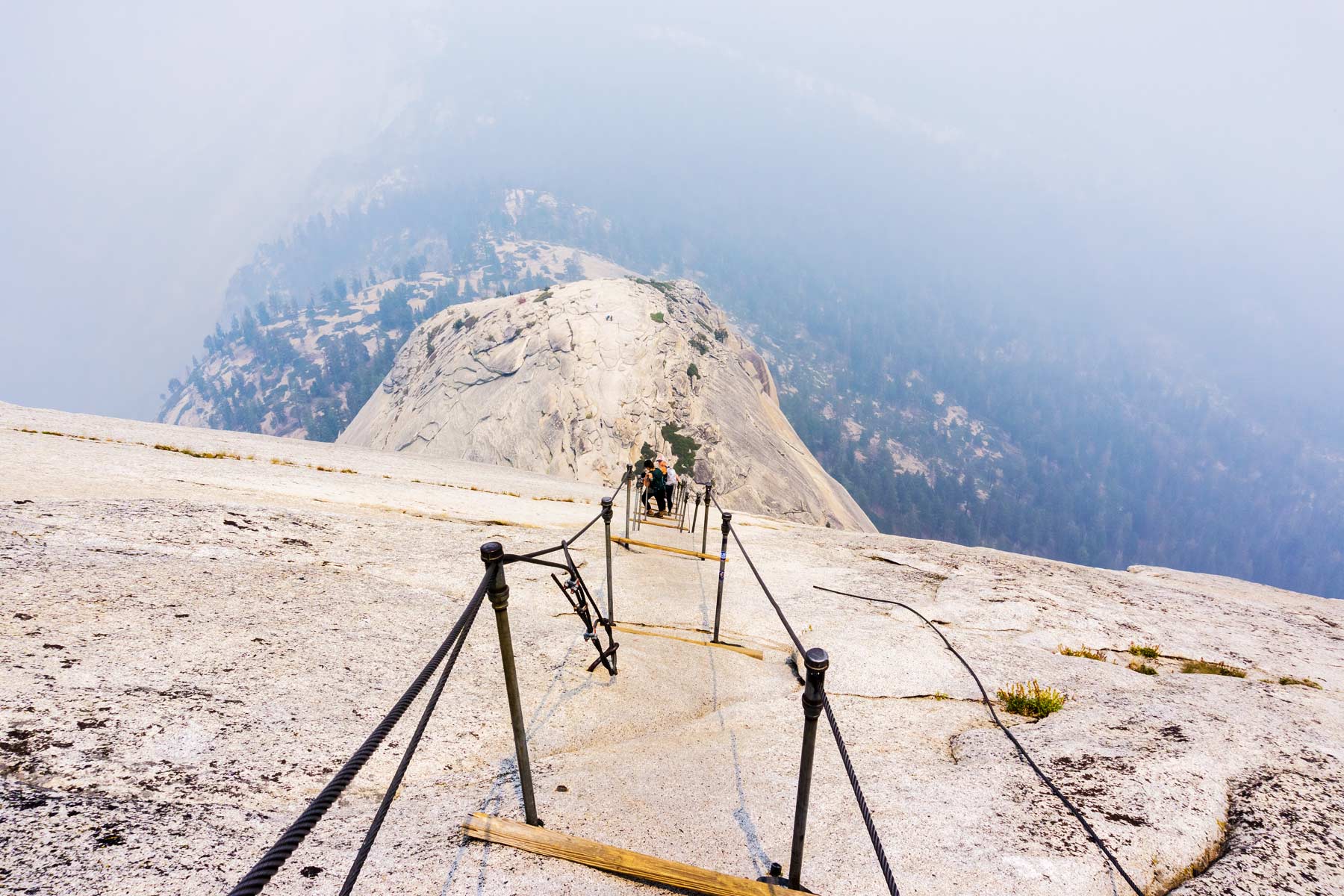
You cannot hike Half Dome without a permit. The park limits the cables to roughly 225 day hikers per day when the cables are up, typically late May through mid-October. There are two ways to get a permit.
The preseason lottery runs in March through recreation.gov. Applications cost $10, and if you’re selected, you pay an additional $10 per person. This is your best shot. Apply for multiple dates to increase your chances.
The daily lottery releases about 50 additional permits two days before each hiking date. Apply online by 1pm Pacific and results post that evening. I’ve gotten permits this way twice, but I’ve also been rejected more times than I’d like to admit. If you strike out on both lotteries, consider Clouds Rest instead. The views are better, and no permit is required.
Wilderness Permits
Any overnight trip into the Yosemite backcountry requires a wilderness permit. Sixty percent of permits for each trailhead are reservable in advance through recreation.gov, and the remaining 40% are available first-come, first-served at the wilderness permit station starting at 7am the day before your trip. Popular trailheads like Little Yosemite Valley, Cathedral Lakes, and Lyell Canyon can book up months ahead during summer.
Reserved permits cost $5 per reservation plus $5 per person. If you’re planning a John Muir Trail thru-hike starting from Happy Isles, get that permit application in the day the reservation window opens. Demand for JMT permits is intense.
How to Beat the Crowds Without Reservations
Without the timed-entry system acting as a crowd filter, you need a game plan. Here’s what actually works based on years of visiting this park.
Arrive before 9am. This is non-negotiable during summer. The Valley has a fixed number of parking spots, and when they fill, you’re stuck idling on Southside Drive until someone leaves. I have spent 45 minutes circling for parking on a Saturday in August. Don’t be that person.
Use the YARTS bus system. The Yosemite Area Regional Transportation System runs buses from Merced, Mariposa, and other gateway towns directly into the Valley. You skip the entrance line, you skip the parking nightmare, and your bus fare includes your park entrance. It’s genuinely the most underused option for visiting Yosemite.
Ride the free Valley shuttle. Once you’re parked, don’t move your car. The free shuttle stops at 21 locations throughout the Valley, including all the major trailheads, the visitor center, and the Village. It runs every 12 to 22 minutes depending on the time of year.
Visit outside peak months. Yosemite in the fall is a completely different experience. Crowds thin dramatically after Labor Day, the black oaks turn gold in October, and the light is some of the best you’ll ever photograph. March and April bring peak waterfall flow with a fraction of the summer crowds.
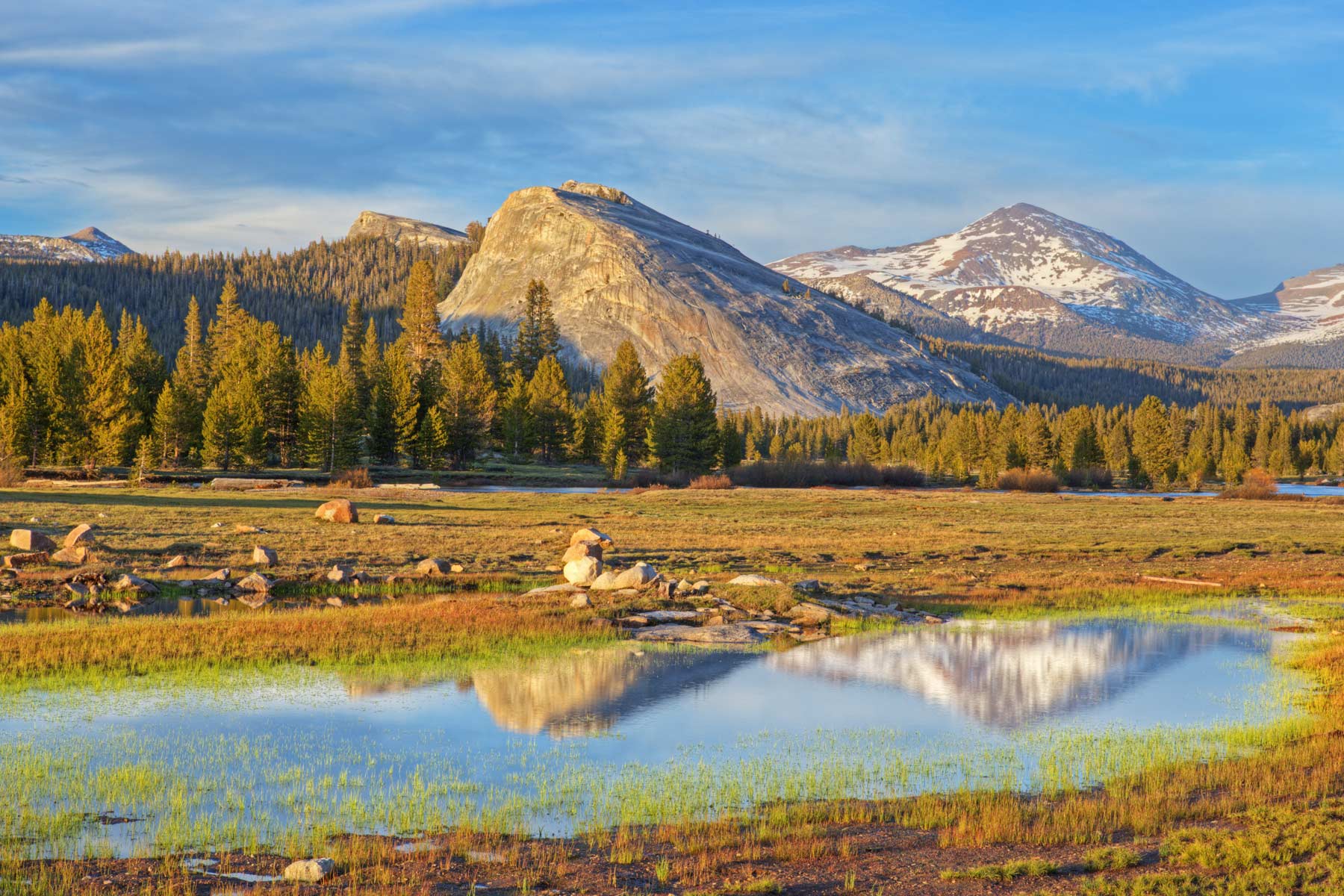
Explore beyond the Valley. Yosemite Valley accounts for about 1% of the park’s total area, yet it attracts the vast majority of visitors. Tuolumne Meadows along Tioga Road (open roughly late May through November) is spectacular and far less crowded. Hetch Hetchy on the park’s northwest side sees almost no visitors and has some of the best spring hiking in the Sierra.
Firefall Yosemite Reservations
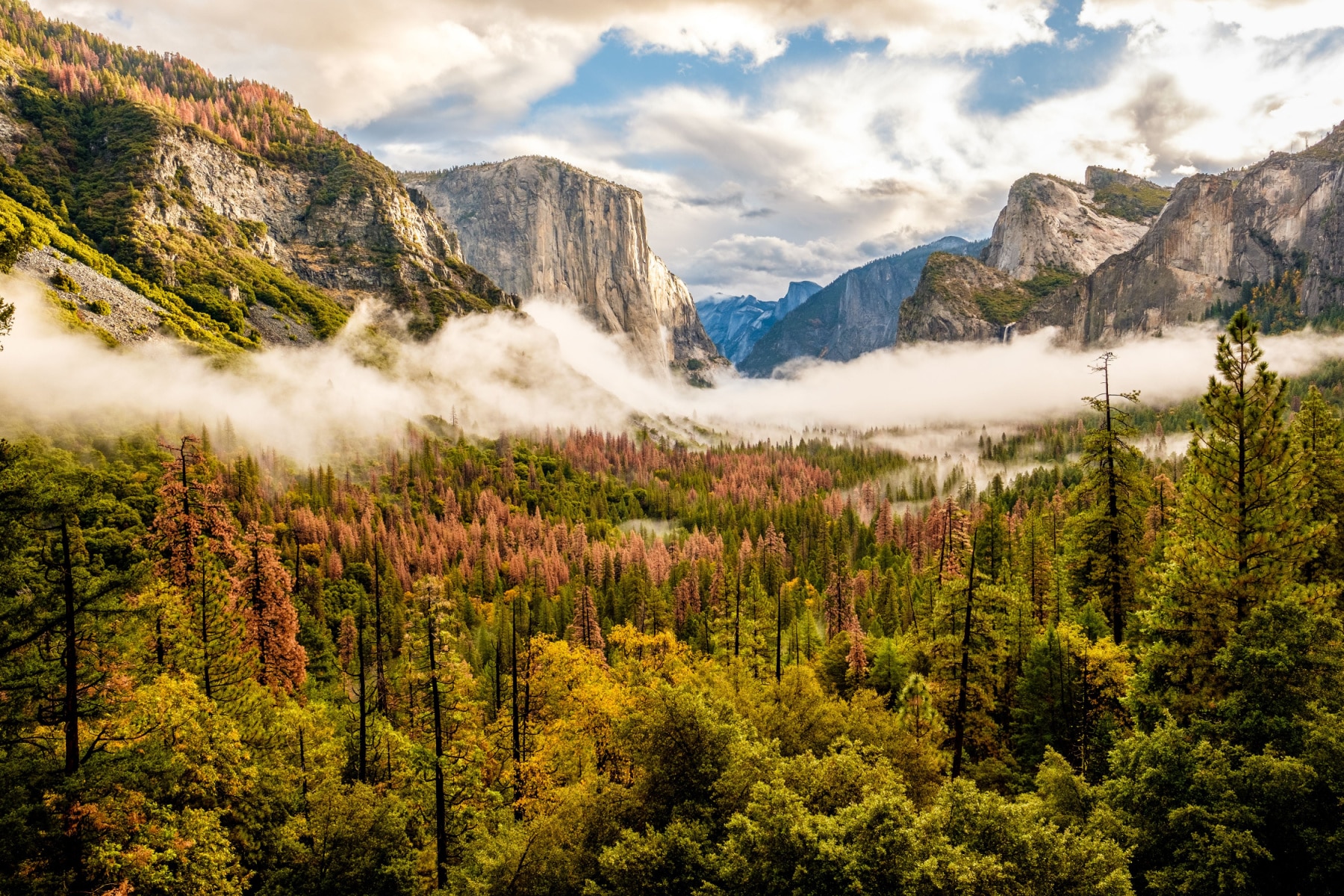
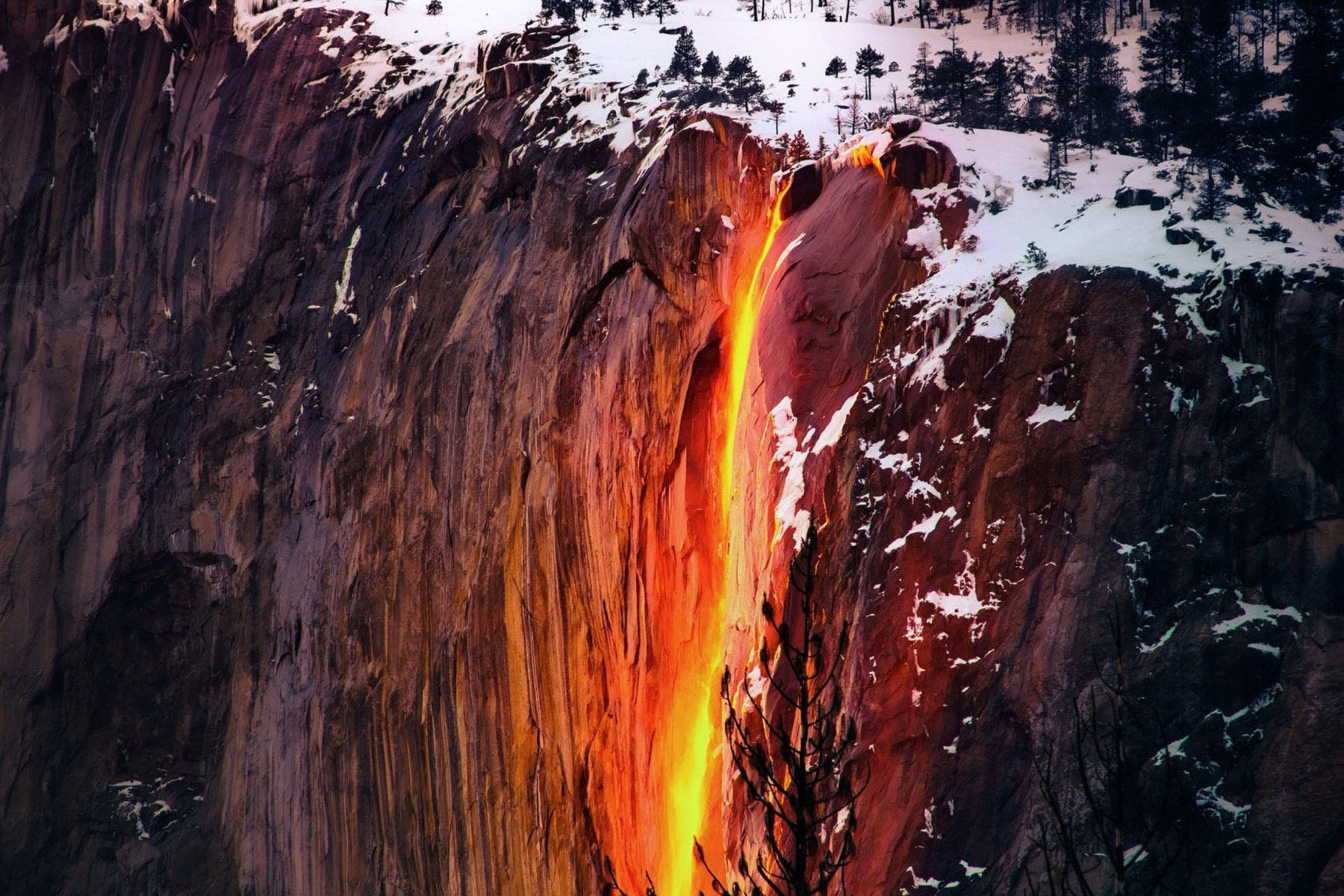
For 2026, no reservations are required to view the February Horsetail Fall (Firefall) event. The park dropped its timed-entry system entirely, which means Firefall viewing is first-come, first-served. The best viewing window runs February 10 through February 26, with February 18 through 23 offering the strongest conditions. The light has to be just right at sunset, but if you’re lucky, Horsetail Fall appears to glow for a few fleeting moments.
Park at Yosemite Falls parking (just west of Yosemite Valley Lodge) and walk 1.5 miles to the viewing area near El Capitan Picnic Area. Arrive early. Without a reservation system, the valley will be packed during the Firefall window.
Yosemite Entrance Fees and Passes
Here’s a quick breakdown of what you’ll pay to enter Yosemite in 2026. The entrance fee is separate from any camping or permit fees.
- Private vehicle – $35 (valid for 7 days)
- Motorcycle – $30 (valid for 7 days)
- Individual on foot or bicycle – $20 per person (valid for 7 days)
- America the Beautiful Annual Pass – $80 (covers all national parks for one year)
- Yosemite Annual Pass – $70 (Yosemite only)
If you’re a U.S. military member (active duty or veteran), 4th grader, or have a permanent disability, you may qualify for a free or discounted pass. Check the NPS Yosemite fee page for current details. Also, check our guide on national parks that require reservations for other parks on your trip.
Plan Your Yosemite Trip
Once you’ve sorted out your reservations and permits, you’re going to want a plan for what to actually do in the park. I’ve been building Yosemite guides for years, and these are the ones I’d start with.
- 20 Things to Do in Yosemite National Park
- 20 Best Hikes in Yosemite National Park
- Yosemite Itinerary: 1 to 5 Day Planning Guide
- Why I Don’t Recommend Hiking Half Dome
- Hike Clouds Rest in Yosemite, Not Half Dome
- Visiting Yosemite in the Fall
- Yosemite to Sequoia National Park Road Trip
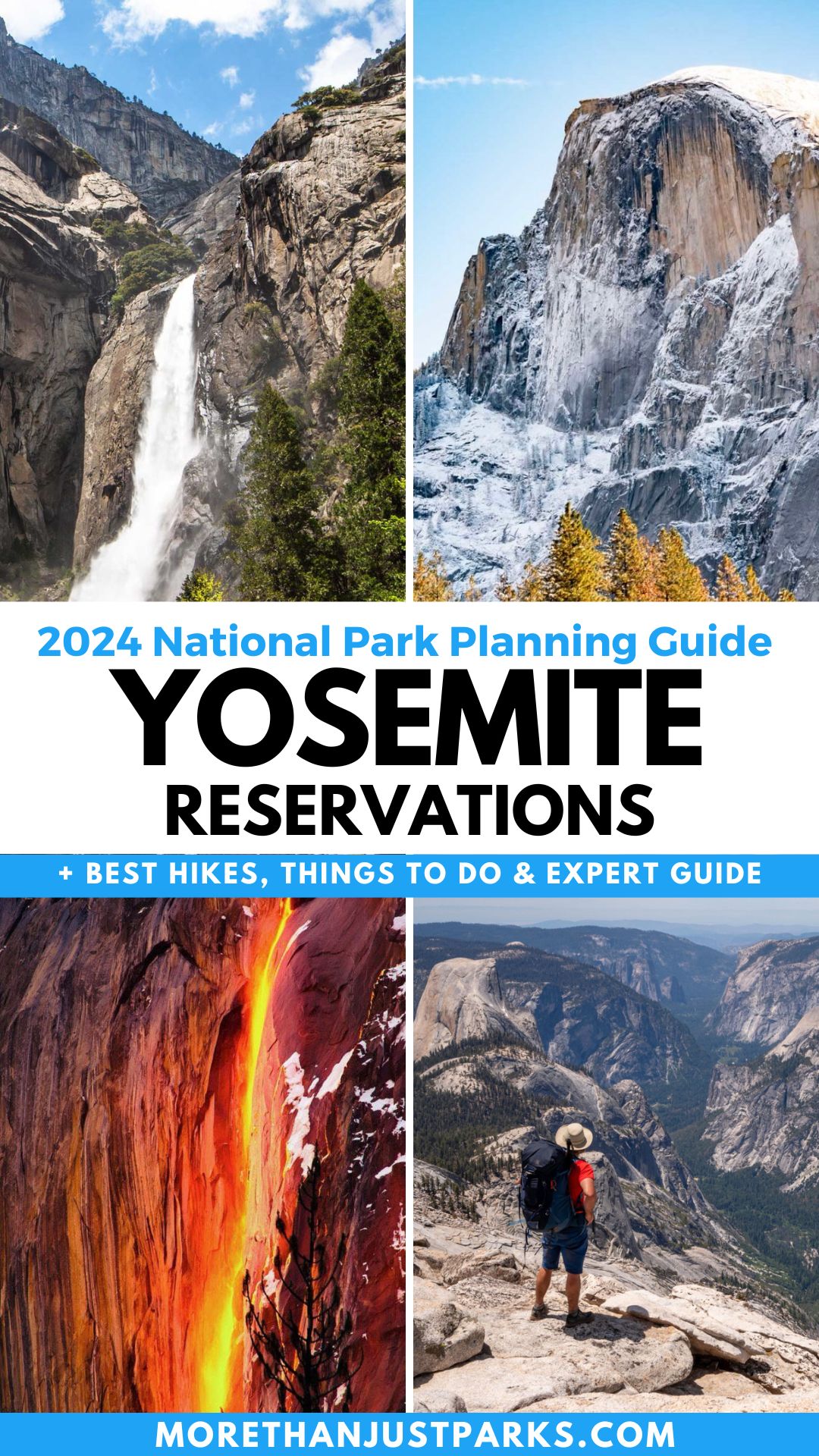
Pin Yosemite Reservations

Frequently Asked Questions About Yosemite National Park
When is the best time to visit Yosemite?
The best time to visit Yosemite National Park is May through October. Conditions vary significantly by season, so plan accordingly and check current conditions before your trip.
How much does it cost to enter Yosemite National Park?
The entrance fee for Yosemite National Park is $35 per vehicle (valid for 7 days). An America the Beautiful Annual Pass ($80) covers entrance to all 63 national parks and 2,000+ federal recreation sites.
What is Yosemite known for?
Yosemite National Park is known for Half Dome, El Capitan, Yosemite Falls, and Mariposa Grove giant sequoias. The park spans 761,748 acres and was established in 1890.
What are the best things to do at Yosemite National Park?
The top activities at Yosemite include Rock climbing, Hiking, Photography, Waterfall viewing, and Backpacking. Check our Yosemite guide for detailed recommendations.
Where is Yosemite National Park located?
Yosemite National Park is located in California. Visit our complete Yosemite guide for directions, nearby airports, and getting-there tips.
What to Bring to Yosemite
Gear we recommend for Yosemite. Affiliate links support our work at no cost to you.
Affiliate disclosure: Some links on this page earn us a small commission at no extra cost to you. We only recommend gear we actually use.