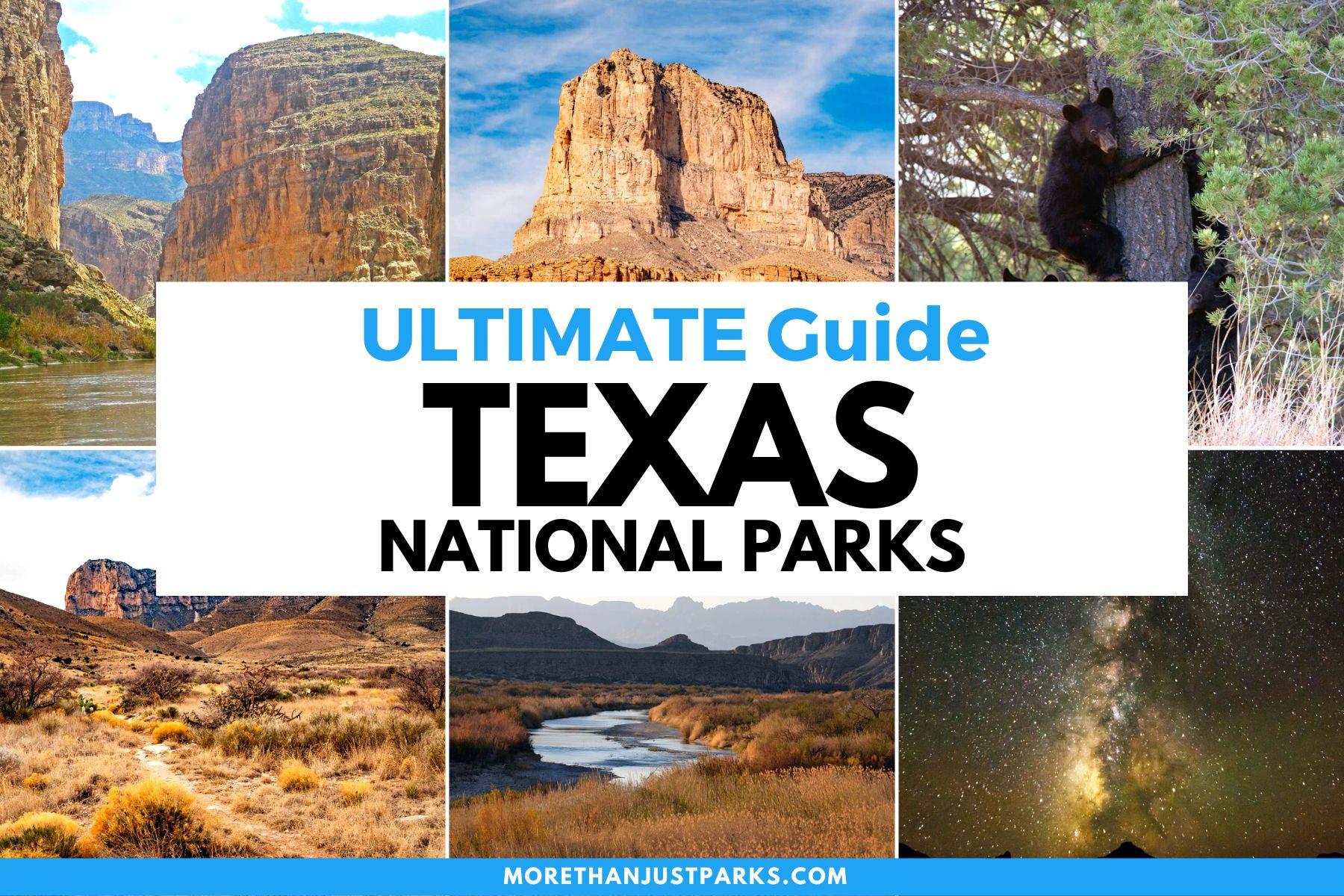
Are you ready to saddle up for an adventure? We’ve got Texas National Parks! In this article, we feature all of the incredible park sites in the great state of Texas. We’ve got 16 national park sites for you to see on your next visit to the Lone Star State.
Parks Featured in This Guide
3 parks mapped — click a pin for details
These Texas National Parks include amazing historic sites, incredible monuments, beautiful parks, legendary trails, and so much more.
I’ve been to so many of these amazing places since retiring from teaching in 2018. Did I mention that I taught history? I spent a lifetime teaching about the history behind these momentous sites. Then I got to see them firsthand. And now I’m sharing the stories of these incredible places with you. It doesn’t get any better than that!
109 public lands are under threat. Get the free weekly briefing that 25,000+ people use to stay informed and take action.

We’ll give you 16 wonderful reasons why you’ll want to make Texas your next vacation destination.

1. Alibates Flint Quarries National Monument
Tired of city life? Ready to saddle up for an adventure? Well, what are you waiting for? The Lone Star State is waiting for you! It’s packed with incredible adventures.
As a retired history teacher, I can’t get enough of Texas history. Not to mention all of the incredible places where nature comes to life as the Great Southwest puts on its best face for visitors from across the world.
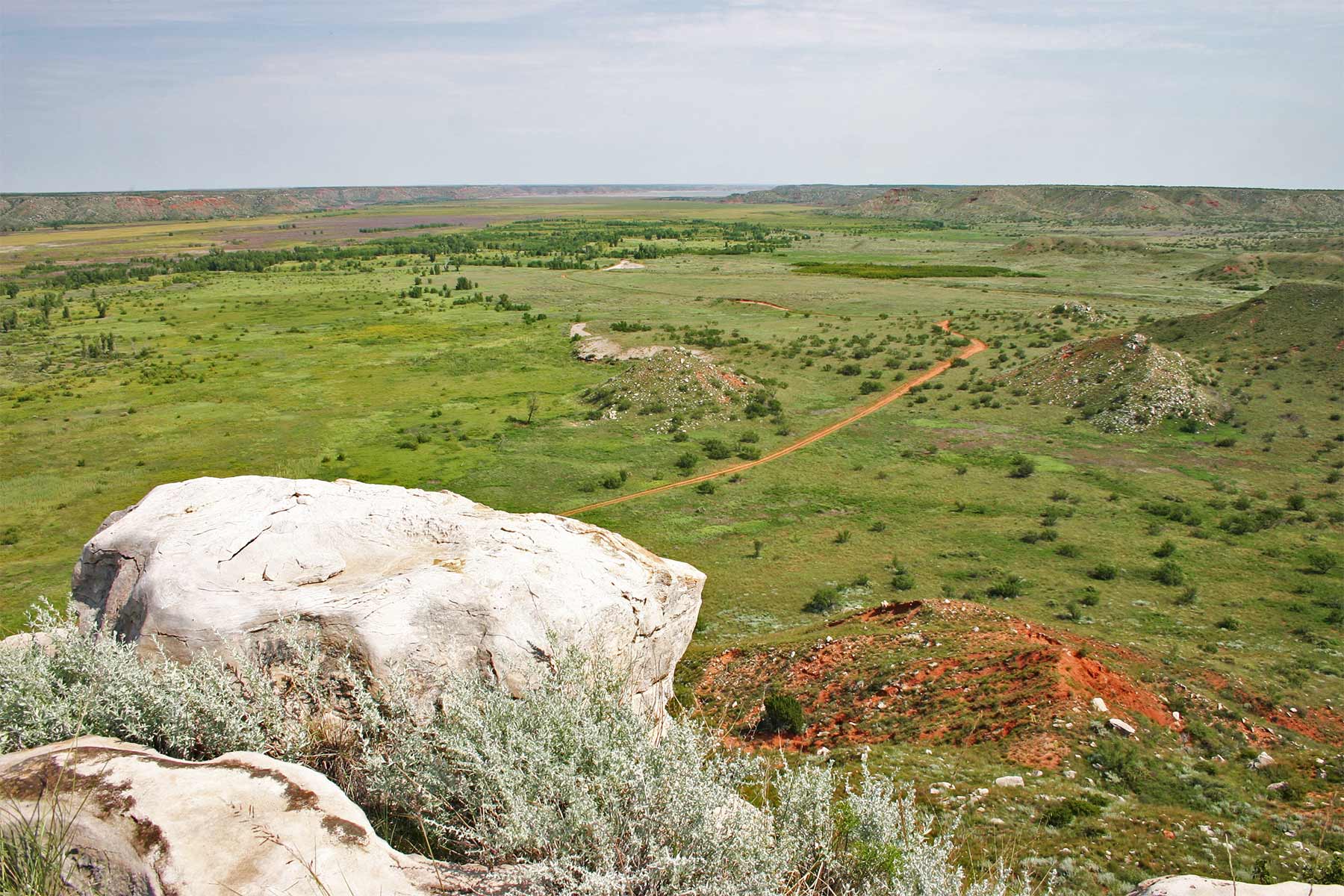
A great place to start your “Texas Adventure” is at the Alibates Flint Quarries National Monument. What makes this place so special you might ask? Well, it all begins with the flint.
RELATED, National Monuments Ranked: ALL 128 US National Monuments Ranked (Best to Worst)
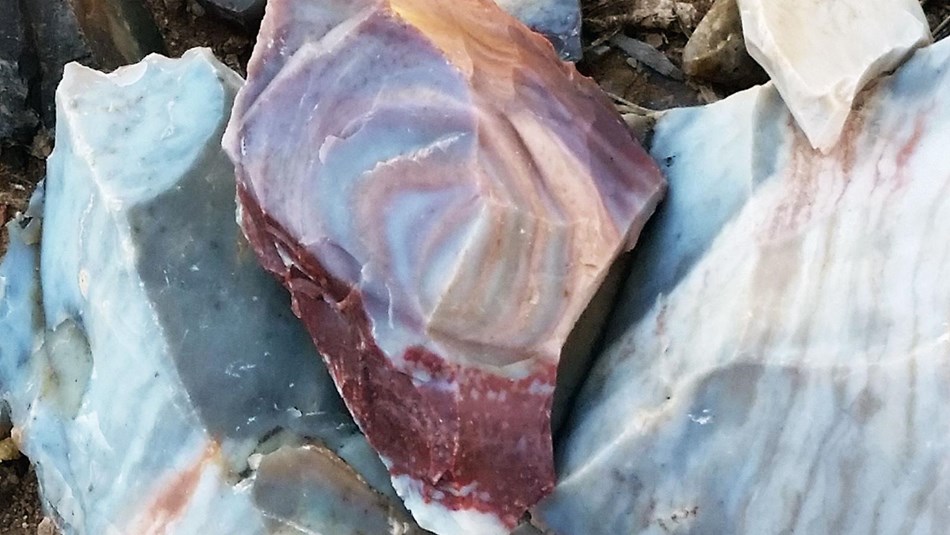
Alibates Flint
Alibates Flint Quarries National Monument is a protected area located in the Texas Panhandle that was established in 1965 to preserve and protect a significant cultural resource.
The monument is named for the Alibates Flint, a type of high-quality flint that was used by indigenous peoples for thousands of years to make tools and weapons.
The Alibates Flint Quarries are located on the Canadian River in northern Texas, and were a source of the valuable Alibates Flint for the indigenous peoples of the Southern Plains. The flint was highly valued for its strength, durability, and ability to be easily shaped into tools and weapons, and it was used by indigenous peoples to hunt, fish, and make pottery.
The Alibates Flint Quarries are an important cultural resource that provides evidence of human activity in the region over 10,000 years ago. The quarries are the only known source of Alibates Flint, and they were used by indigenous peoples for thousands of years to obtain the valuable resource.
Visitor Center at Alibates Flint Quarries National Monument
If you’re a first-timer then I always recommend beginning your visit at the Visitors Center. The Alibates Visitor Center is open Saturday through Wednesday, 9:00 a.m. to 4:00 p.m. (Except on Thanksgiving and Christmas Day)
The Visitors Center offers a variety of different activities. These include: Museum Exhibits, Ranger-guided quarry tours, an award winning film about Alibates Flint Quarries National Monument, Jr. Ranger ProgramActivities and access to the Mesquite Trail which is a self-guided trail.
While you’re there, I also recommend taking the self guided tour of the Alibates Gardens and visiting the Monarch Butterfly Waystation.
Texas National Parks includes so many wonderful sites and we’re just getting started.
2. Amistad National Recreation Area
More Than Just Parks is all about discovering and sharing incredible places for you to go camping, hiking, wilderness watching and much much more.
At the Amistad National Recreation Area, outside Del Rio in Val Verde County, Texas, you can do all of these things and much much more. It’s another one of the amazing Texas National Parks and one that’s definitely woth visiting.
This incredible oasis in the middle of the desert consists of the U.S. portion of the International Amistad Reservoir. If you’re a water enthusiast then you’re really in luck as this place is known for its excellent water-based recreation.
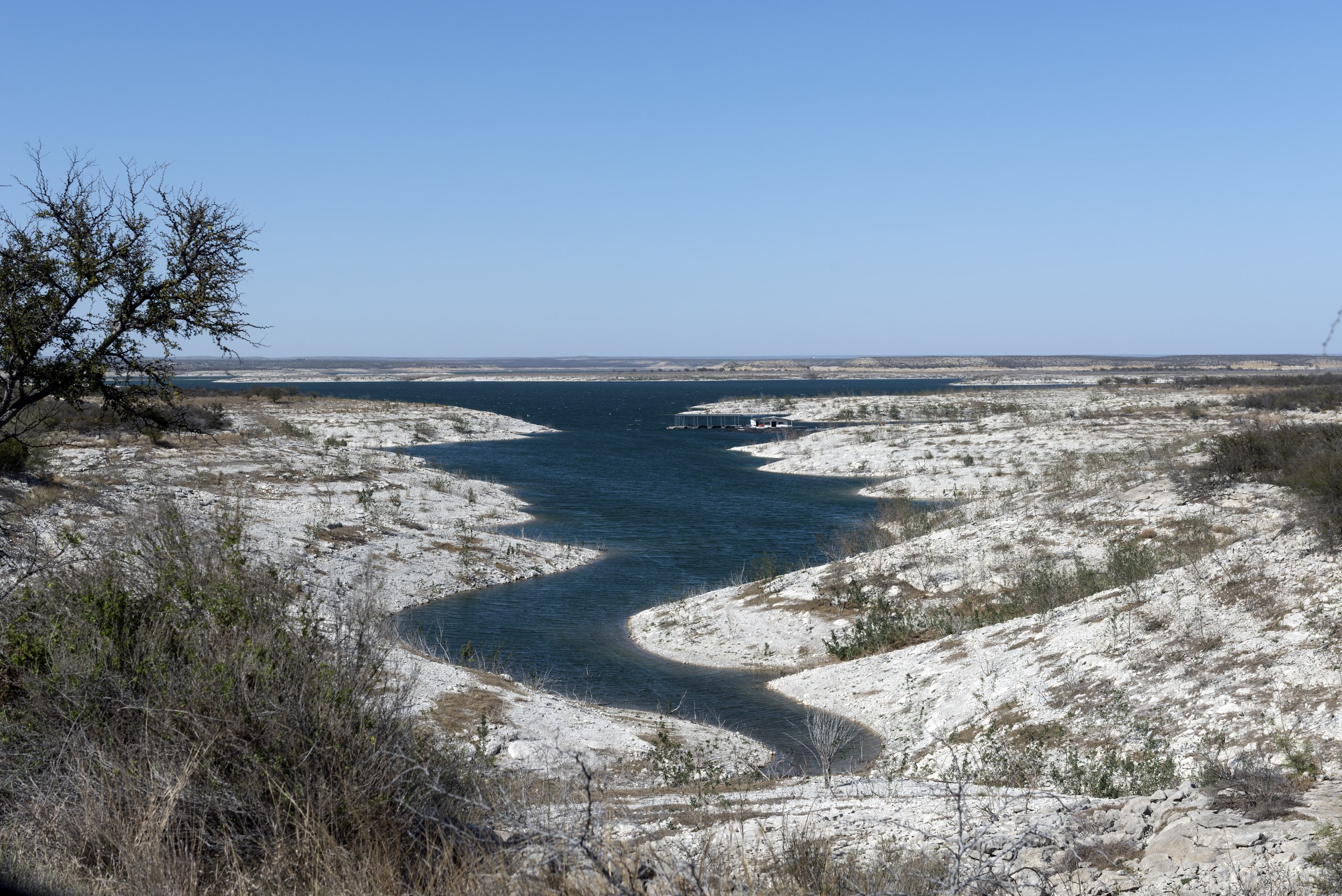
Things To Do At Amistad National Recreation Area
At Amistad National Recreation Area in Texas, visitors can participate in a variety of outdoor activities including:
- Boating: The lake provides opportunities for recreational boating, fishing, and water skiing.
- Fishing: The lake is stocked with several species of fish, making it a popular destination for fishing enthusiasts.
- Camping: There are several campgrounds located within the park, offering scenic spots for overnight camping.
- Hiking: There are several trails for hiking and backpacking, offering scenic views of the park’s landscape and wildlife.
- Wildlife viewing: The park is home to a diverse array of wildlife, including deer, birds, and reptiles, making it a popular destination for wildlife viewing.
- Picnicking: There are picnic areas and pavilions available for visitors to enjoy a meal and take in the scenic surroundings.
- Scuba diving: The clear waters of the lake provide opportunities for scuba diving and underwater exploration.
- Rock Climbing: There are several rock formations within the park, providing opportunities for rock climbing and rappelling.
3. Big Bend National Park
There are more national parks than there are states, but not every state includes one. Texas, however, includes two. One of these is Big Bend National Park which is often referred to as “Texas gift to the nation.”
Among the 16 Texas National Parks, Big Bend is the biggest and some would add the best.
This magnificent park is famous for its natural resources and recreational opportunities. It’s also rich in cultural history.

Things To Do At Big Bend National Park
There are so many incredible things to do and see at Big Bend National Park. I’m going to share a few of my favorites with you. When you get to Big Bend, I hope that you’ll find discover some of your favorites too.
I love a good scenic drive and Ross Maxwell delivers. The Ross Maxwell Scenic Drive will take you through some outstanding desert scenery on the way to Castalon and the Santa Elena Canyon area.
If you like a good hike then check out the Mule Ear Springs Trail. You can access it from this highway. Be sure to check out the beautiful scenic overlook to see these magnificent twin peaks which are the cores of ancient volcanoes.
Facts About Big Bend National Park
Learn About The Geology Of The Park
Opened in 2017, the Fossil Discovery Exhibit features outdoor rooms with informative plaques and displays. Who needs Jurassic Park when you can examine the real thing. And, it’s far less dangerous too.
If you enjoy hiking and are ready for a good workout there’s multi-day hikes available at Emory Peak or the South Rim.
If you’re looking for something less strenuous with outstanding scenery then why not check out Santa Elena Canyon Trail, Lost Mine Trail, or the Windows Trail.
And Big Bend is a park where you’ll want to do some camping. Why you might ask? Because it’s a designated National Dark Sky Park. This means that it’s free from almost all light pollution. The night sky at Big Bend is like few others. See for yourself.
4. Big Thicket National Preserve
The Big Thicket National Preserve is located in southeastern Texas and was established in 1974 to protect the diverse plant and animal life in the area.
The preserve was created as a result of efforts by conservationists, scientists, and local residents who recognized the ecological significance of the region and sought to preserve it for future generations.
It encompasses over 100,000 acres of diverse habitats, including forests, swamps, and prairies, and is home to a wide range of species, including many that are rare or endangered.
Despite ongoing efforts to protect the preserve, it faces challenges from a growing human population and various development pressures. However, the Big Thicket National Preserve remains a unique and valuable natural area and continues to be a source of pride for the local community.
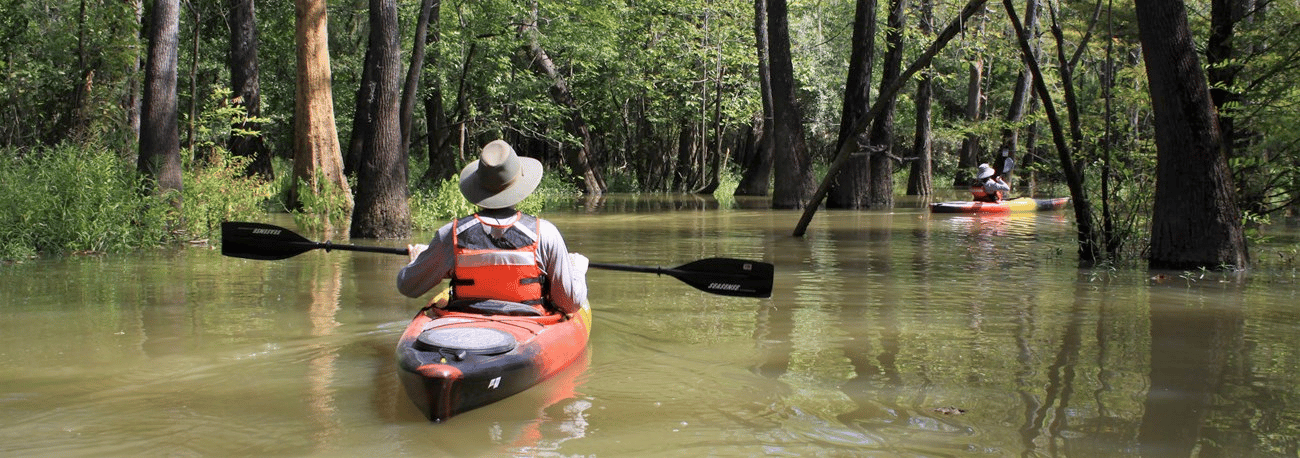
Things To Do At Big Thicket National Preserve
At the Big Thicket National Preserve in Texas, visitors can see a variety of natural and cultural features, including:
- Diverse ecosystems: The preserve is known for its range of ecosystems, including pine forests, swamps, and hardwood forests.
- Wildlife: The preserve is home to a diverse array of wildlife, including deer, alligators, migratory birds, and over 200 species of butterflies.
- Wildflowers: The preserve is home to a wide variety of wildflowers, including rare and endangered species.
- Trees: The preserve is home to several species of trees, including magnolias, cypress, and oaks.
- Creeks and streams: The preserve is home to several creeks and streams, providing opportunities for fishing and kayaking.
- Hiking trails: There are several hiking trails within the preserve, offering scenic views of the diverse landscapes and wildlife.
- Historic sites: The preserve is home to several historic sites, including old oil boomtowns, graveyards, and early settlers’ homes.
- Cultural heritage: The preserve is home to a rich cultural heritage, reflecting the influence of Native American, African American, and European cultures.
5. Chamizal National Memorial
Each of the Texas National Parks has a different story to tell.
At the Chamizal National Memorial visitors will have a unique opportunity to learn about an historical dispute over a small piece of land.
The Chamizal National Memorial was established in 1966 to commemorate the peaceful resolution of a long-standing boundary dispute between Mexico and the United States.
The dispute centered around a 600-acre tract of land known as the Chamizal, which was gradually shifting from Mexican to U.S. soil due to the changing course of the Rio Grande.
The dispute was resolved through diplomatic negotiations and a treaty signed in 1963, which led to the creation of the Chamizal National Memorial as a symbol of friendship and cooperation between the two countries.
The memorial features a theater, museum, and park-like setting that commemorate the history of the Chamizal dispute and the relationship between Mexico and the United States. It’s a unique example of international cooperation and reminds us of the importance of peaceful resolution of conflicts.
And while you’re there you can also enjoy a variety of outdoor activities include biking, hiking and picnicking.

6. El Camino Real de los Tejas National Historic Trail
One fact that sometimes gets lost is that Texas was once a part of the Empire of Mexico. If you want to learn more about this part of the state’s storied past than there’s one Texas National Park you definitely need to see. It’s El Camino Real de los Tejas National Historic Trail.
The El Camino Real de los Tejas National Historic Trail is a historic route that extends from Mexico to Louisiana in the United States.
The trail was used by Spanish settlers, missionaries, and traders in the late 1600s and early 1700s to travel between Mexico and the missions and presidios established in East Texas. It played a key role in the colonization and development of what is now Texas and Louisiana and is considered one of the most significant cultural and historic resources in the region.
In 2004, the trail was designated as a National Historic Trail by the U.S. National Park Service, and it is now managed in partnership with local, state, and federal agencies, as well as private landowners. The trail is being revitalized and marked to make it more accessible to visitors and to preserve its cultural and historical significance for future generations.
Today, the El Camino Real de los Tejas National Historic Trail is a popular destination for visitors interested in history, culture, and outdoor recreation, and it is recognized as a vital part of the region’s heritage.
7. Camino Real de Tierra Adentro National Historic Trail
Everything is bigger in Texas so Texas National Parks offers visitors more than just one historic trail.
The El Camino Real de Tierra Adentro National Historic Trailextends 404 miles between El Paso, Texas to Santa Fe, New Mexico At one time, the historic trail extended all the way to Mexico City.
This trail tells that story of 300 years of conflict, cooperation, and cultural exchange between a variety of empires, European and non-European alike.
There are a variety of wonderful activities for you to choose from along this trail. They include:
- A variety of hiking opportunities across the full length of the trail.
- A visit to the missions along the El Camino Real de Tierra Adentro.
- Museums along the El Camino Real de Tierra Adentro featuring interpretive exhibits, information, and programs.
- Historic sites along the El Camino Real de Tierra Adentro.
For specific information pertaining to sites in New Mexico, please check out this interactive map provided by the National Park Service.

EXPERT GUIDE-20 Epic Hiking Apps (For All Skill Levels)
8. Fort Davis National Historic Site
You’ll find much history if you explore the different Texas National Parks. Part of that history involves some historic forts one of which is at the Fort Davis National Historic Site.
Fort Davis is one of the best surviving examples of an Indian Wars’ frontier military post in the Southwest. From 1854 to 1891, Fort Davis was strategically located to protect emigrants, mail coaches, and freight wagons on the Trans-Pecos portion of the San Antonio-El Paso Road and on the Chihuahua Trail.
This national historic site offers some wonderful hiking trails. These include:
- Photographers Trail-This is the only trail on Sleeping Lion Mountain, a short hike offers great photographic opportunities without the commitment of a long hike.
- Tall Grass Loop Trail-This hike is steep and strenuous along the trail switchbacks of the trail there are stairs on certain portions. Along the northern route of the trail, can become slick after precipitation. This trail is 0.8 mi (1.3 km) long one way.
- Scenic Overlook Trail-This hike is steep and strenuous along the switchback portion of the trail utilizing stairs with rails. The trail offers panoramic views of Fort Davis NHS. The trail is 0.4 miles (0.6km) long one way.
- Hospital Canyon Trail-This trail is strenuous along the switchback portions and there are sections without shade.
- North Ridge Trail-This hike allows you to walk between Rhyolite boulders and experience the 360° views of the Davis Mountains.
- Cemetery Trail-The Cemetery Trail is .2mi (.3km) long one way, this short hike takes you to the location of the post-Civil War Cemetery. (Source: NPS)
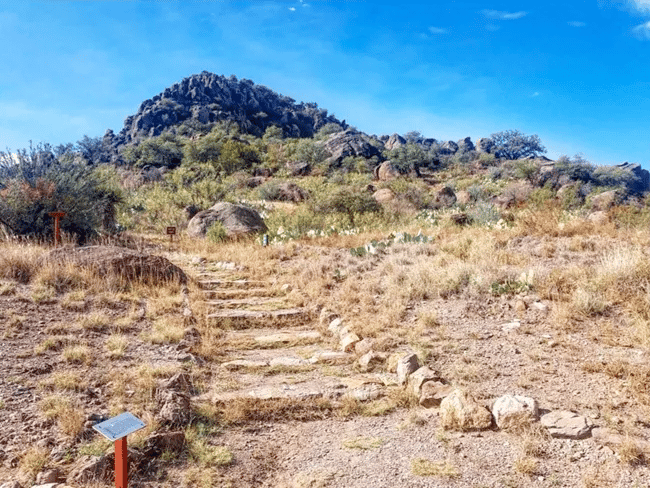
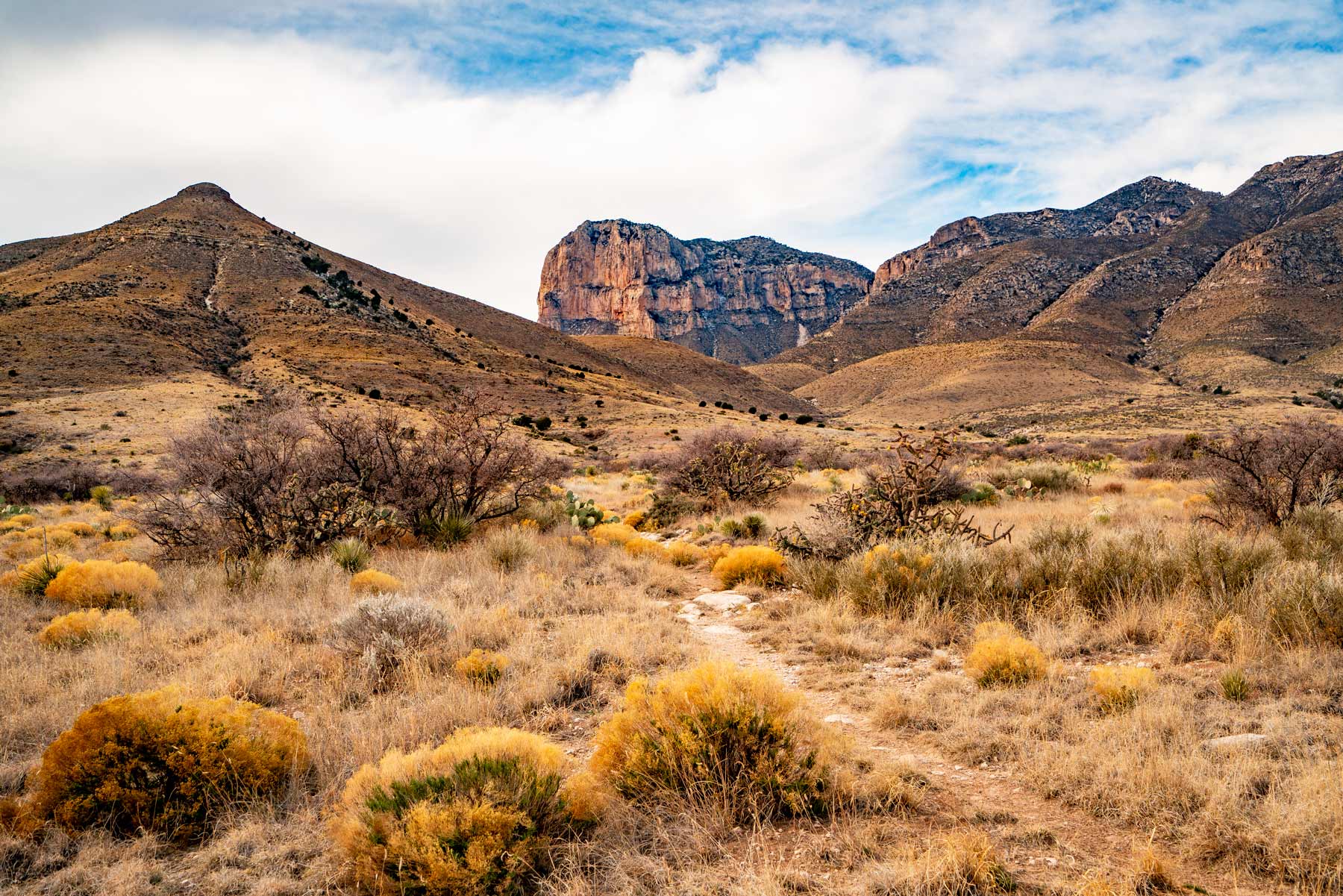
9. Guadalupe Mountains National Park

Things To Do At Guadalupe Mountain National Park
Visitors to Guadalupe Mountains National Park in Texas can enjoy a variety of outdoor activities, including:
- Hike to Guadalupe Peak, the highest point in Texas.
- Explore the many trails and backcountry areas.
- Visit the visitors center to learn about the history and geology of the park.
- Camp in one of the designated camping areas.
- Rock climb and rappel.
- View wildlife and wildflowers.
- Take scenic drives through the park.
- Attend ranger-led programs and guided tours.
CHECK OUT: Facts About Guadalupe Mountains National Park
10. Lake Meredith National Recreation Area
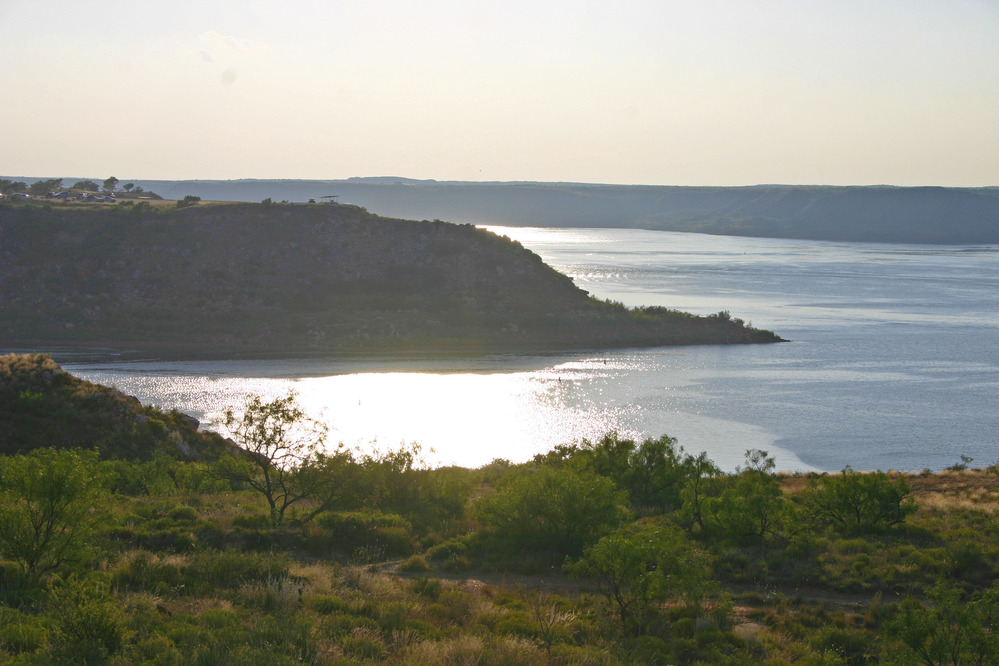
Texas is a brilliant land of contrasts as reflect in the 16 Texas National Parks. And no where is this more apparent than at Lake Meredith National Recreation Area where water enthusiasts will find an aquatic paradise.
In addition to the other outdoor adventures (e.g., camping, hiking) there are opportunities to go out onto the water. Boating is a very popular activity at Lake Meredith National Recreation Area.
Visitors can experience the waters of Lake Meredith either by private boat or by a rental from the park’s vendor. There is no fee associated with boating on Lake Meredith, but motorized boats must be registered in accordance with federal and state regulations.
Oregon National Parks You’ll Love
11. Lyndon B. Johnson National Historical Park
Texas National Parks features the story of an American President who is considered to be one of the most consequential in our nation’s history. His name is Lyndon Baines Johnson.
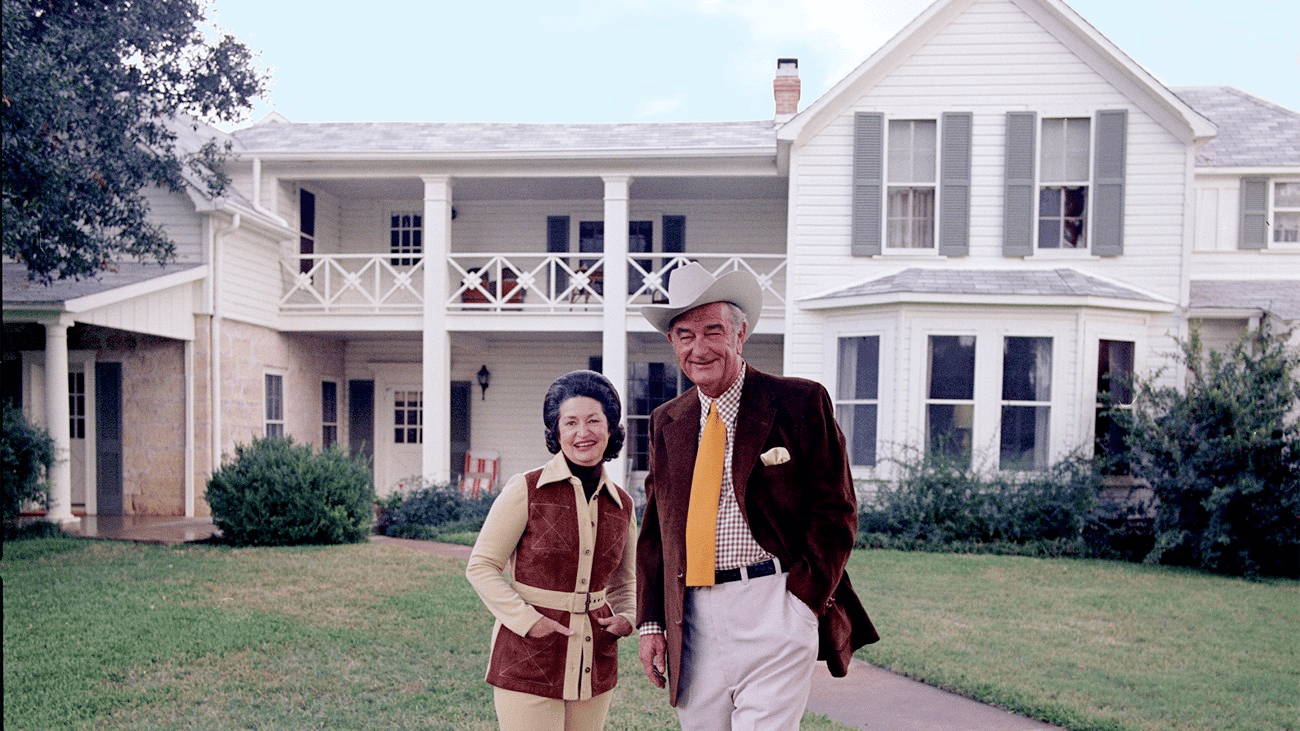
Lyndon B. Johnson National Historical Park preserves the birthplace, home, and ranch of Lyndon B. Johnson, the 36th president of the United States.
The history of the park begins in 1965, when Lyndon B. Johnson and his wife Lady Bird Johnson donated their ranch, known as the LBJ Ranch, to the National Park Service. The donation included the ranch house, the Johnson family cemetery, and several other historic structures.
Over the next few years, the National Park Service acquired additional properties in the surrounding area, including the Johnson family’s birthplace and the town of Johnson City, where Lyndon B. Johnson spent much of his youth.
In 1972, the Lyndon B. Johnson National Historical Park was established as a unit of the National Park Service. The park includes several historic sites, including the LBJ Ranch, the Johnson family’s birthplace, the Johnson Settlement, and the Johnson City historic district.

The Park Has Undergone Renovations & Improvements
Over the years, the park has undergone several renovations and improvements, including the restoration of the LBJ Ranch house and the development of new exhibits and interpretive programs.
Today, visitors to the Lyndon B. Johnson National Historical Park can explore the Johnson family’s birthplace, the LBJ Ranch, and other historic sites related to the life and legacy of President Johnson. The park offers a variety of guided tours, educational programs, and special events throughout the year

Take A Deeper Dive Into The Life & Times Of Lyndon B. Johnson
As a retired history teacher who’s fascinating with the life and times of America’s 36th President, I would recommend what I (and a lot of other folks) consider to be the best biographical series written on LBJ.
The Years of Lyndon Johnson: The Path to Power; Means of Ascent; Master of the Senate; The Passage of Power by Robert Caro is a four volume collection which won the coveted Pulitzer Prize.

If future generations are to remember us more with gratitude than sorrow, we must achieve more than just the miracles of technology.
We must also leave them a glimpse of the world as it was created, not just as it looked when we got through with it.
-President Lyndon B. Johnson
12. The Padre Island National Seashore
If you’re more interested in recreation than history then have no fear because Texas National Parks truly have plenty to do. A case in point is the Padre Island National Seashore.
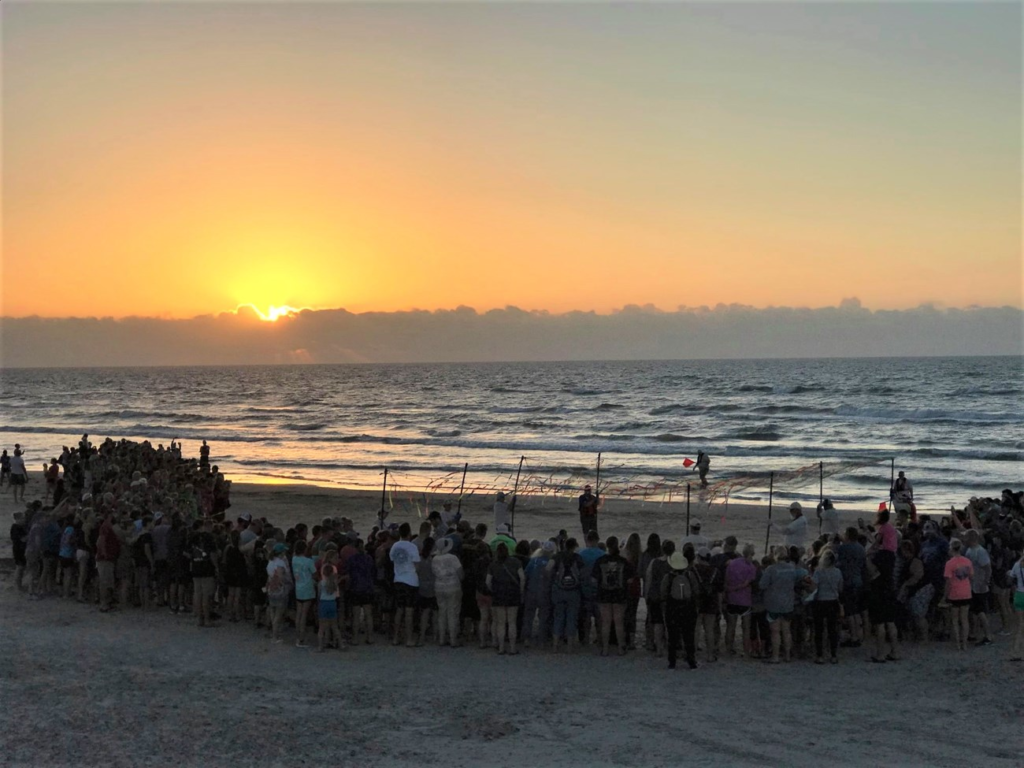
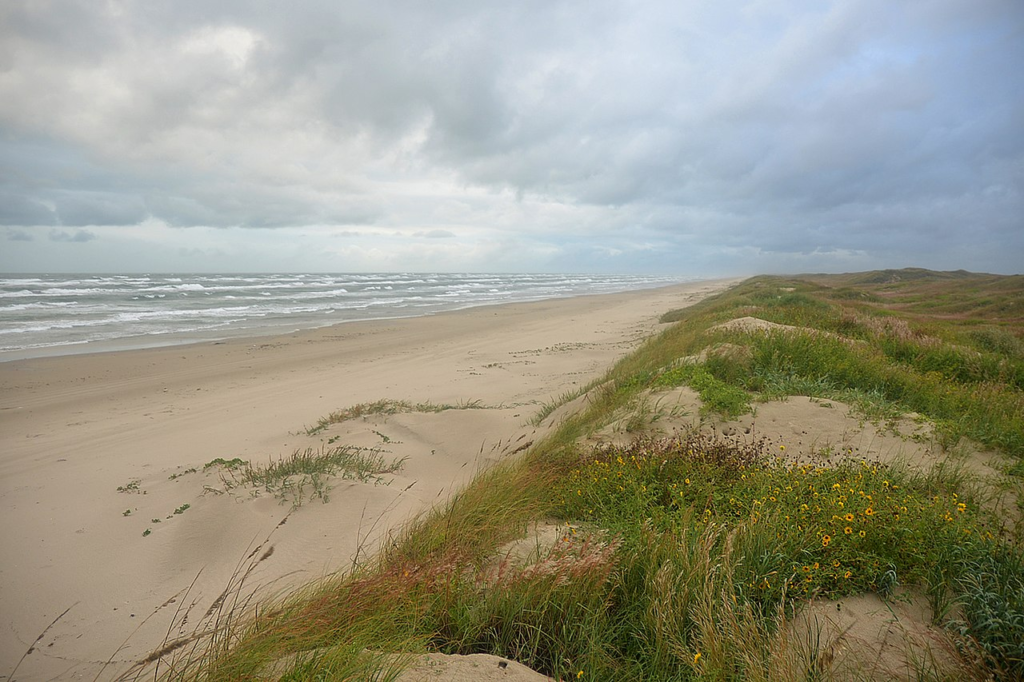
If you visit Padre Island National Seashore then you’ll experience a truly magical place which includes 66 miles of coastline, dunes, prairies, and wind tidal flats teeming with life.
It’s a nesting ground for the Kemp’s ridley sea turtle and a haven for over 380 bird species.
Padre Island has a history that also includes the Spanish shipwrecks of 1554.
Things To Do At Padre Island
I’m a history guy, but for Padre Island the surf’s up. On this 113-mile island, the second-longest island in the contiguous United States, there are so many wonderful aquatic activities including: beachcombing, beach driving, bicycle riding (on the beach of course!), bird watching, fishing, picnicking and swimming.
And, if you’re planning on camping then the good news is that their campgrounds are open year round.
While you’re there I recommend checking out Laguna Atascosa National Wildlife Refuge. It’s a favorite place for resident birds and their snowbird cousins, fish, mammals, amphibians, and countless insects.
You also ought to visit the South Padre Island Birding, Nature Center & Alligator Sanctuary. It includes a five-story viewing tower and more than half a mile of raised boardwalks and bird blinds. There’s 50 acres of protected wetlands and the creatures that live here.
13. Palo Alto Battlefield National Historical Park
The Palo Alto Battlefield National Historical Park commemorates the first battle of the Mexican-American War, which was fought on May 8, 1846.
In the late 19th century, local residents began to recognize the importance of the battlefield as a historical site, and in 1908, the Texas legislature passed a bill to create a state park on the site. However, it was not until 1928 that the federal government became involved in preserving the site. That year, the War Department purchased a portion of the battlefield and established the Palo Alto Battlefield National Historic Site.
Over the next several decades, the park was expanded and improved, with the addition of a visitors’ center, interpretive exhibits, and a walking trail that follows the path of the battle. The site was redesignated as a National Historical Park, and it became a unit of the National Park Service in 1960.
In the 1990s, the park underwent a major renovation, with the construction of a new visitors’ center, the restoration of historic structures, and the development of new interpretive exhibits. In 2019, the park celebrated its 50th anniversary as a National Historical Park.
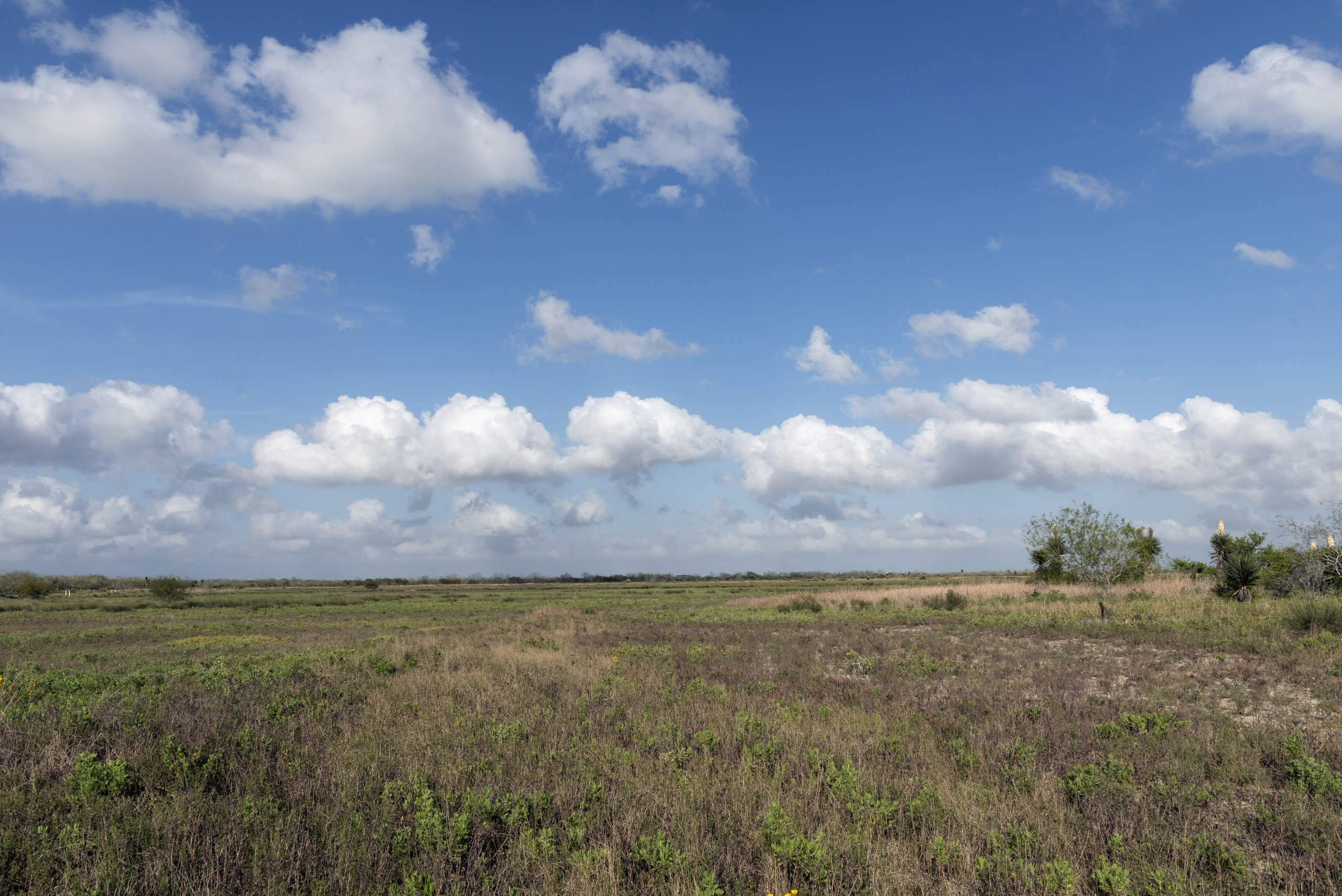
Today, the Palo Alto Battlefield National Historical Park covers over 3,000 acres and offers visitors a glimpse into the history of the Mexican-American War and the role that the Palo Alto battlefield played in shaping the history of the United States and Mexico.
Step Back In Time At Palo Alto
I recommend that you begin your visit at the Visitor Center and pick up a park brochure and trail guide. From there you will discover outdoor adventures which include:
- Hiking the battlefield trail which is a half-mile walk. Along the way you will see a landscape very much like the one experienced by soldiers in 1846.
- From Palo Alto you can also explore the Brownsville Historical Trail which includes historic sites and attractions.
- Bird watching is highly recommended too. All you have to do is bring a pair of binoculars with you and keep a watchful eye out as you traverse the trail.
- Visit the Resaca de la Palma Battlefield which features a half-mile circular trail with interpretive waysides.
Still More Texas National Parks
14. Rio Grande Wild & Scenic River
Just when you thought that the Texas National Parks hide no surprises left for you, imagine 196 miles of free-flowing river stretch of the Rio Grande which winds its way through desert expanses and stunning canyons of stratified rock.
Imagine an extended float trip which enables you to explore the most remote corner of Texas and experience the ultimate in solitude, self-reliance, and relaxation in natural soundscapes.
But the best news of all is that you don’t have to imagine. You can do it! The Rio Grande Wild & Scenic River provides the ultimate river rafting experience.
If you’re planning a float trip then consider the following options:
- Float Boquillas Canyon: The rapids in this 33-mile journey only rate up to Class II. Camping a couple of nights by the soothing sounds of the river, and marveling at the 1,200 foot canyon walls, allow time to forget the daily distractions of life.
- Float the Lower Canyons: A five to ten day float trip through the Lower Canyons offers a true wilderness experience. The trip begins at Heath Canyon near La Linda and ends at Dryden Crossing (83 miles).
- Float the Mariscal Canyon: It is the shortest canyon in the park, 10 miles long, with varied scenery and stunning limestone cliffs rising up to 1,400 feet. (Source: NPS)

15. San Antonio Missions National Historical Park
The Spanish influence has gone a long way to shape the culture, customs and traditions of the American Southwest. The Conquistadors came in search of glory and gold. They were followed by the Church with its message of salvation.
The San Antonio Missions National Historical Park in Texas preserves four of the five Spanish colonial missions that were established in the area during the late 1700s.
The missions, which include Mission Concepción, Mission San José, Mission San Juan, and Mission Espada, served as religious, social, and economic centers for the local indigenous populations.
The park provides visitors with an understanding of the Spanish colonial period in Texas, the interaction between Spanish and indigenous cultures, and the development of the Catholic Church in the region.
Visitors can tour the missions, which have been restored and partially rebuilt, and learn about the daily life of the residents through exhibits and interactive displays.
The park offers ranger-led tours and educational programs, as well as special events and activities throughout the year. It’s located in San Antonio, Texas and is a popular destination for history buffs, cultural enthusiasts, and anyone interested in learning more about this important period in American history.

16. Waco Mammoth National Monument
There’s one more of these amazing Texas National Parks left to explore. And it’s got a story that’s all its own.
If you love history as much as I do than imagine a history before humans roamed the earth. At the Waco Mammoth National Monument, you can walk in the footsteps of creatures as tall as 14 feet and weighing 20,000 pounds.
Columbian mammoths roamed across what is present-day Texas thousands of years ago. Today, the fossil specimens represent the nation’s first and only recorded evidence of a nursery herd of ice age Columbian mammoths.
This monument sits within 100 acres of wooded parkland along the Bosque River. It’s surrounded by oak, mesquite and cedar trees. There you can forget about the modern world and reflect upon the lives and habitat of Columbian mammoths and other Ice Age animals.

The Work Into Unearthing The Past Continues
Since the discovery of the site in 1978, museum staff, students and volunteers have spent thousands of hours excavating and working to preserve the fossil material.
While the remains excavated through 1990 are now housed at Baylor University’s Mayborn Museum Complex, most of the fossil specimens excavated since then remain in situ (still in their original position within the bone bed).
These specimens have been protected in recent years by a climate-controlled Dig Shelter, allowing for both public viewing and further scientific study. (Source: NPS)
Check Out Our Saguaro Film
SAGUARO is the culmination of weeks spent filming in one of the most unique and vibrant deserts in the world, the Sonoran Desert.
Encompassing over 90,000 acres, Saguaro National Park preserves vast forests of the iconic saguaro cactus, rare wildlife, and majestic landscapes.
With nearly three miles of Frio River access, plus 1,774 acres of Hill Country adventure, it’s no wonder that Garner State Park is Texas’ most-visited state park.
The following is a list of the must-see historic sites in Texas:
The Alamo
Lyndon B. Johnson National Historical Park
San Antonio Missions National Historical Park
The San Jacinto Monument
Palo Alto Battlefield National Historical Park
Waco Mammoth National Monument
Fort Davis National Historic Site
Historical Fredericksburg
Camino Real de Tierra Adentro National Historic Trail
Alibates Flint Quarries National Monument
NASA Space Center Houston
Dealey Plaza Historic District
Washington-on-the-Brazos State Historic Site in Texas
Deep Ellum Historic District
Pioneer Village
- Alibates Flint Quarries National Monument
- Amistad National Recreation Area
- Big Bend National Park
- Big Thicket National Preserve
- Chamizal National Memorial
- El Camino Real de los Tejas National Historic Trail
- El Camino Real de Tierra Adentro National Historic Trail
- Fort Davis National Historic Site
- Guadalupe Mountains National Park
- Lake Meredith National Recreation Area
- Lyndon B. Johnson National Historical Park
- Padre Island National Seashore
- Palo Alto Battlefield National Historical Park
- Rio Grande Wild & Scenic River
- San Antonio Missions National Historical Park
- Waco Mammoth National Monument
Texas National Parks Book Recommendations
To learn more about the Lone Star State, I recommend reading the following books:
- The Great Book of Texas: The Crazy History of Texas with Amazing Random Facts & Trivia by Bill O’Neill.
- History of Texas: A Captivating Guide to Texas History, Starting from the Arrival of the Spanish Conquistadors in North America through the Texas Revolution to the Present (Captivating History) by Captivating History.
- Lone Star: A History Of Texas And The Texans by T.R. Fehrenbach.
- Lone Star Nation: The Epic Story of the Battle for Texas Independence by H.W. Brands.
Affiliate disclosure: Some links on this page earn us a small commission at no extra cost to you. We only recommend gear we actually use.