


Santa Fe wins the geography lottery and most visitors never cash the ticket. They come for the galleries and the green chile and never drive forty-five minutes up the hill into one of the densest clusters of cliff dwellings, ruins, and volcanic country in America.
Here is the honest math. Santa Fe sits about an hour northeast of Albuquerque, which makes it the closer city for the best sites in the state. You can stand inside an 800-year-old cliff dwelling at Bandelier in under an hour, walk the ground where the atomic bomb was built at Los Alamos in forty minutes, and reach the ruins at Pecos before your coffee gets cold. Push south and you reach the two true national parks, Carlsbad Caverns and White Sands, but those are real four-and-five-hour hauls and weekend trips, not afternoons. New Mexico has exactly two national parks. The rest of this list is monuments, preserves, and historical parks, and several of them are better than the parks.
I have ranked these by drive-cost versus payoff, the genuinely close sites first and the long southern hauls last. I have also been straight about the parts nobody puts on a brochure, like the thirteen miles of washboard dirt road that guards Chaco, the timed reservation you now need to enter Carlsbad, and the fact that White Sands sits inside an active missile range that closes the highway with no warning. If you only have a weekend, skip to the planning section at the bottom and I will tell you where to point the car.
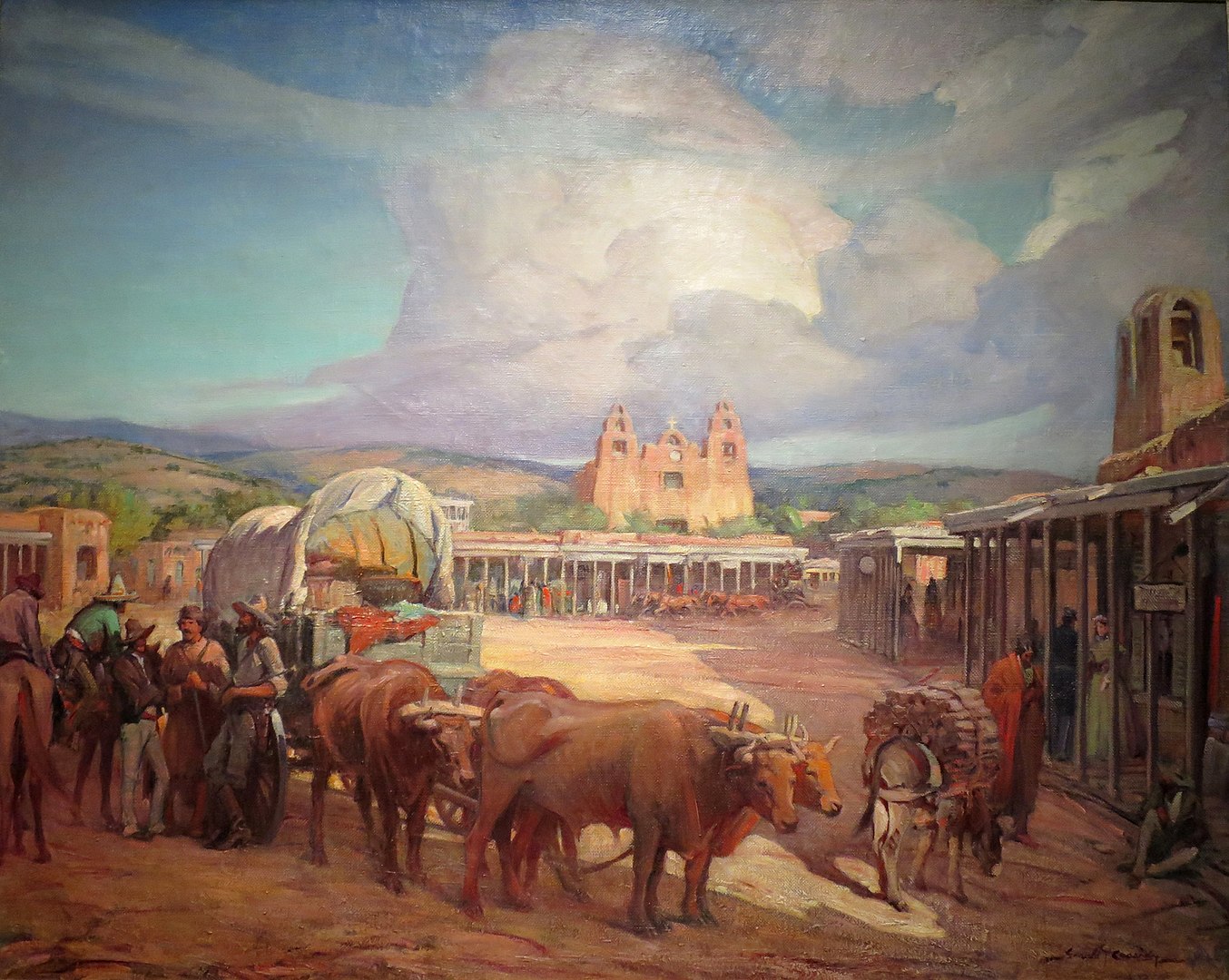
Santa Fe’s Parks At A Glance
Drive times are from downtown Santa Fe. Fees are the standard private-vehicle rate, good for 7 days, as of 2026, and most of these sites are free. Carlsbad Caverns charges per person and now requires a timed entry reservation, which I have flagged. Always confirm current fees and reservation rules at nps.gov before you go.
117 public lands destinations are under threat. Get the free briefing that 27,000+ people use to stay informed and take action.
| Park | Drive from Santa Fe | Best season | Signature draw | Entrance fee (per vehicle, 2026) |
|---|---|---|---|---|
| Bandelier NM | ~45 min | Apr to Oct | Cliff dwellings and ladders in Frijoles Canyon | $25 |
| Manhattan Project NHP (Los Alamos) | ~40 min | Year-round | Where the atomic bomb was built | Free |
| Pecos NHP | ~30 min | Apr to Oct | Mission ruins and a Civil War battlefield | Free |
| Valles Caldera NPres | ~1 hr 15 min | Jun to Oct | A 13-mile volcanic caldera and elk meadows | $25 |
| Petroglyph NM | ~1 hr | Oct to Apr | 24,000 rock carvings on volcanic escarpment | Free (parking fee at Boca Negra) |
| Chaco Culture NHP | ~3 hr 30 min (dirt road) | Apr to Oct | The largest pre-Columbian ruins in the Southwest | $25 |
| Aztec Ruins NM | ~3 hr 30 min | Apr to Oct | A reconstructed great kiva | Free |
| Carlsbad Caverns NP | ~5 hr | Year-round (cave) | The Big Room, 750 feet underground | $15/person + timed reservation |
| White Sands NP | ~4 hr | Oct to May | Gypsum dunes the color of snow | $25 |
| Gila Cliff Dwellings NM | ~4 hr 30 min | Apr to Oct | Mogollon cliff dwellings in deep wilderness | Free |
1. Bandelier National Monument
Drive time from Santa Fe: about 45 minutes (roughly 40 miles via US-84 west and NM-4)
Entrance fee: $25 per vehicle, good for 7 days.
This is the one I send everybody to first. It is close, it is cheap, and the payoff per mile driven beats anything else on this list. Bandelier was protected in 1916 and preserves the homes of the Ancestral Pueblo people who carved into the soft volcanic tuff of Frijoles Canyon and lived here for centuries. The signature move is climbing the wooden ladders up into the cavates, the small carved-out rooms in the cliff face, and standing inside a room a family used 800 years ago.
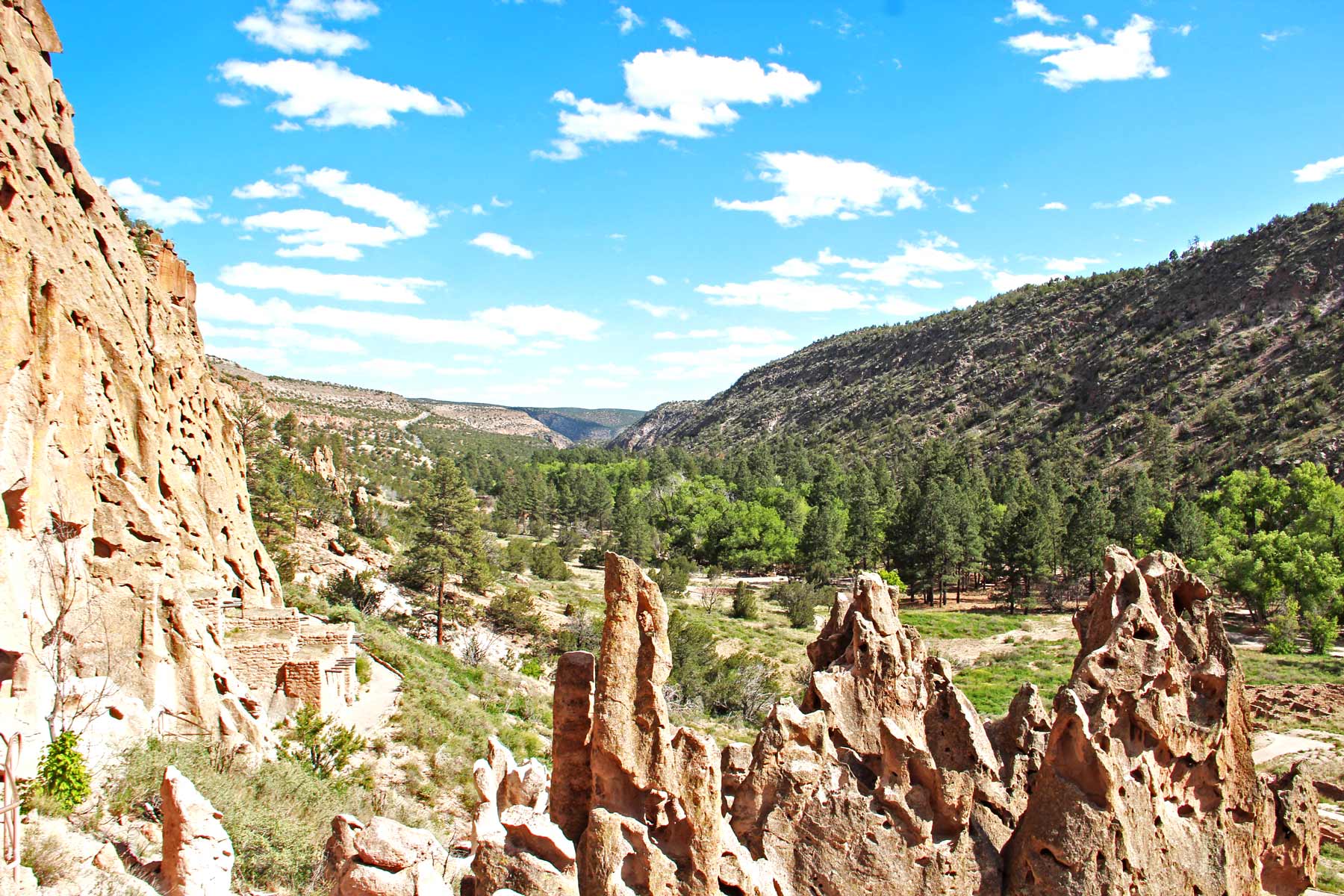
What to actually do here. The Main Loop Trail is a flat 1.4-mile walk past the Tyuonyi ruins and up to the cliff dwellings, and it is the best ninety minutes in northern New Mexico. If you have the legs, push on to the Alcove House, where four ladders and 140 feet of climbing put you in a ceremonial cave high in the canyon wall. Go in the morning for the light raking across the tuff, and stay for the petroglyphs that turn up along the way.
Honest caveats. From mid-May through mid-October you cannot drive your own car into Frijoles Canyon during the day. You park in White Rock and ride a free timed shuttle, and the last bus out is in the late afternoon, so plan around it. The canyon sits at 6,000 feet and afternoon thunderstorms roll in fast in July and August, so do the ladders early. Wildfire and flash-flood closures happen here, so check the monument status before you commit to the drive.
2. Manhattan Project National Historical Park (Los Alamos)
Drive time from Santa Fe: about 40 minutes (roughly 34 miles via US-84 west and NM-502)
Entrance fee: free.
The strangest national park you will ever visit, and one of the most important. The Manhattan Project park, established in 2015, splits across three sites, Oak Ridge in Tennessee, Hanford in Washington, and Los Alamos here in New Mexico. Los Alamos is where Oppenheimer and his team did the science that ended the war and changed the century. This is the closest national park unit to Santa Fe by drive time, and the contrast with Bandelier next door could not be sharper, ancient cliff homes one canyon over, the birthplace of the atomic age on the mesa above.
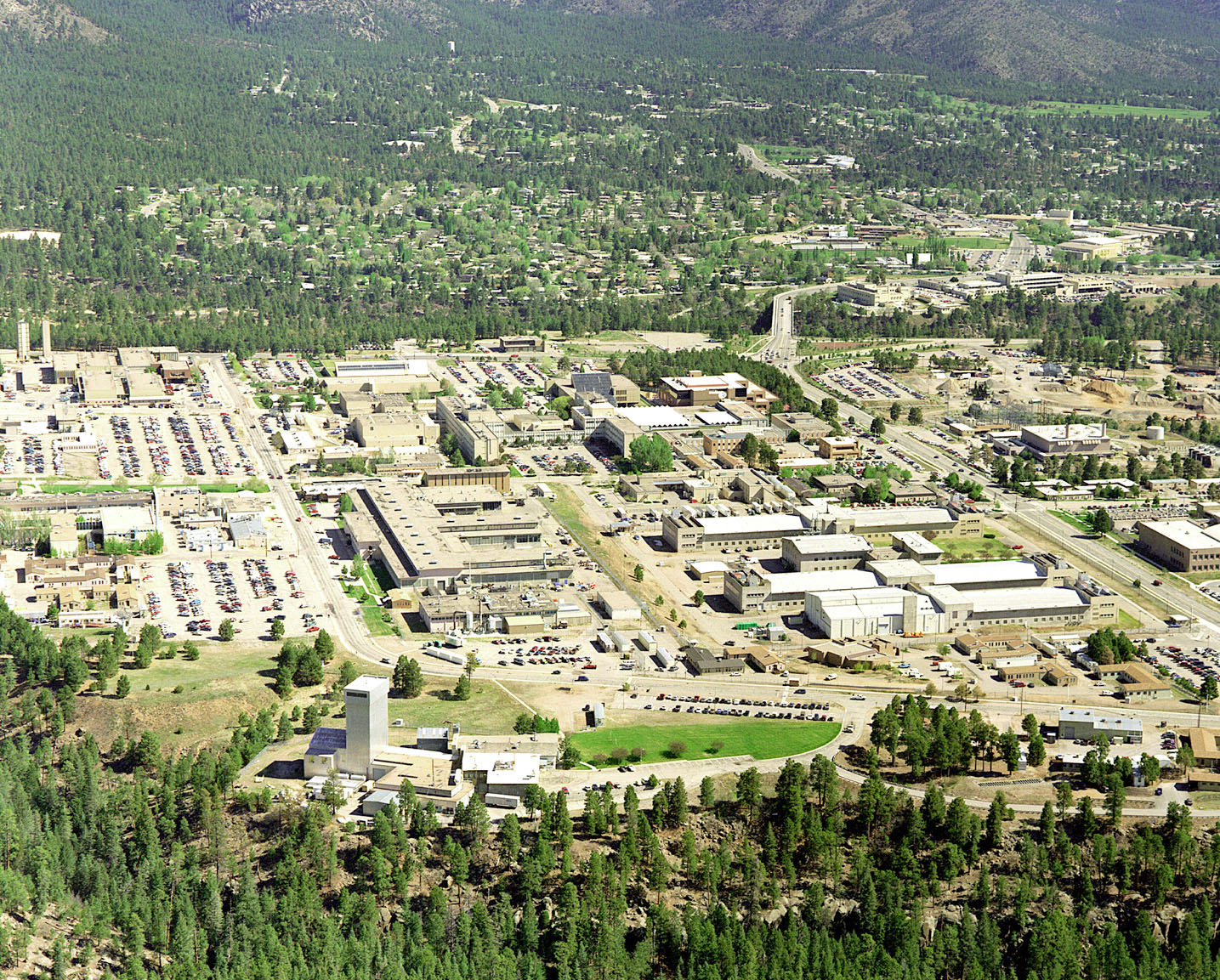
What to actually do here. Start at the park visitor center in downtown Los Alamos for the orientation, then walk to Bathtub Row and the old Ranch School buildings where the scientists actually lived, including Oppenheimer’s house. The Bradbury Science Museum, run by the lab and free, lays out the physics and the moral weight in plain terms. Much of the lab is still active and closed to the public, so the park is more story than spectacle, but standing on the mesa where it happened lands harder than any documentary.
Honest caveats. This is a town and a working laboratory, not a contained park, so the sites are spread out and a few key buildings are only reachable on a ranger-led tour, which fills up. Book ahead in summer. There is no scenery payoff like the other sites on this list, so come for the history. Pair it with Bandelier, which is twenty minutes away, for a full day.
3. Pecos National Historical Park
Drive time from Santa Fe: about 30 minutes (roughly 27 miles via I-25 south to NM-63)
Entrance fee: free.
The closest National Park Service unit to Santa Fe by the clock, and almost nobody outside the area knows it is there. Pecos preserves the ruins of a Pueblo that once held two thousand people and the towering adobe mission church the Spanish built on top of it in the 1600s. The same park, on a separate parcel, also protects the Glorieta Pass battlefield, where a Union force turned back the Confederate advance into the Southwest in 1862. Ancient pueblo, Spanish mission, Civil War battlefield, all on one easy half-day trip.
What to actually do here. The 1.25-mile Ancestral Sites Trail loops out from the visitor center through the pueblo mounds, into a reconstructed kiva you climb down into by ladder, and up to the standing walls of the mission church. It is paved, easy, and self-guided, and the views back toward the Sangre de Cristo range are the best on any short walk this close to town. The visitor center film is worth the fifteen minutes before you start.
Honest caveats. The Glorieta battlefield section is only open on ranger-led van tours and not every day, so call ahead if the Civil War history is the reason you are coming. The trail sits at nearly 7,000 feet with little shade, so carry water and a hat. Like every site up here, summer afternoons bring lightning, so go in the morning.
4. Valles Caldera National Preserve
Drive time from Santa Fe: about 1 hour 15 minutes (roughly 60 miles via US-84 west and NM-4)
Entrance fee: $25 per vehicle, good for 7 days.
About 1.25 million years ago a volcano here erupted and collapsed in on itself, leaving a circular bowl 13 miles across. Drive up NM-4 past Bandelier and the forest suddenly opens onto a vast grassland ringed by domed peaks, with the Valle Grande meadow running flat to the horizon. The Park Service took it over in 2015 after a century as a private ranch, and it still feels more like a working landscape than a tourist site. The elk herd that grazes the meadow in the early morning is one of the great wildlife shows in the state.
What to actually do here. Pull off at the Valle Grande overlook on NM-4 for the free roadside view, then drive in to the visitor contact station and pick a trail. The Coyote Call loop is an easy two miles with big meadow views and good odds on elk. Cerro La Jara is a short walk up a lava dome. The preserve also runs some of the darkest skies in northern New Mexico, so it is worth staying past dusk. Backcountry access, fly fishing on the streams, and winter cross-country skiing are all on the table with the right permit.
Honest caveats. The high meadows sit above 8,500 feet, so the season is short. Snow can close the back roads well into spring, and many interior roads are unpaved and shut to vehicles entirely. Summer afternoons bring serious lightning out on that open grass, which is the worst place to be, so hike early and watch the sky. Check the preserve’s daily conditions page before you drive up, because access changes with the weather.
5. Petroglyph National Monument
Drive time from Santa Fe: about 1 hour (roughly 65 miles via I-25 south, on the west edge of Albuquerque)
Entrance fee: free, though Boca Negra Canyon charges a small parking fee.
This one is technically an Albuquerque site, on the far west side of the city, but it is an easy hour from Santa Fe and worth it. The monument, set aside in 1990, protects a 17-mile volcanic escarpment carved with around 24,000 petroglyphs, most made by Ancestral Pueblo people between roughly 1300 and 1680, with older and Spanish-era images mixed in. The carvings sit on the dark basalt boulders that spilled from a line of small volcanoes you can still see on the skyline.
What to actually do here. Stop at the visitor center first for a map, because the carvings are spread across three separate trail areas with no connecting road. Boca Negra Canyon is the quick win, a paved set of short loops with the densest concentration of glyphs. Rinconada Canyon is a flatter 2.2-mile round trip with fewer people and more discovery, you spot the carvings yourself rather than having them pointed out. Piedras Marcadas is the quietest of the three.
Honest caveats. This is open desert with no shade and it bakes from June through September, so come in the cool months or early in the morning. These are sacred images to the Pueblo people, not a museum exhibit, so look and photograph but never touch or chalk them. Car break-ins have been a problem at the trailhead lots, so leave nothing visible in your vehicle.
National Parks Near Albuquerque You’ll Love
6. Chaco Culture National Historical Park
Drive time from Santa Fe: about 3 hours 30 minutes, including 13 to 20 miles of rough dirt road at the end (roughly 160 miles via US-550)
Entrance fee: $25 per vehicle, good for 7 days.
This is the most remarkable place on this entire list, and the hardest to reach, which is exactly why it stays empty. Chaco was the political and ceremonial center of the Ancestral Pueblo world between roughly 850 and 1250 AD, a planned city of massive multistory great houses linked by hundreds of miles of engineered roads. Pueblo Bonito, the largest of them, held more than 600 rooms and was the biggest building in North America until the 1800s. The doorways line up with the solstices. People walk out of here quiet.

What to actually do here. The 9-mile Canyon Loop Road connects the major great houses, and you can walk into most of them. Pueblo Bonito is the headliner, but do not skip the short climb up the Pueblo Alto Trail for the overhead view that shows the scale of the whole complex. Chaco is also a certified International Dark Sky Park with its own observatory, and if you can get a campsite, the night sky here is one of the darkest in the country.
Honest caveats. The road is the whole problem. The last stretch in is unpaved washboard that turns to impassable mud after rain or snow, and the Park Service genuinely recommends a high-clearance vehicle. Do not trust your phone’s shortcut, take the US-550 approach from the north, not the southern roads. There is no food, no gas, and almost no cell service, so arrive with a full tank, water, and a downloaded map. This is a long day trip from Santa Fe, but it is far better as an overnight at the Gallo campground.
7. Aztec Ruins National Monument
Drive time from Santa Fe: about 3 hours 30 minutes (roughly 200 miles via US-550 north)
Entrance fee: free.
The name is a mistake that stuck. Nineteenth-century settlers assumed these ruins were built by the Aztecs of Mexico, but this was an Ancestral Pueblo community, closely tied to Chaco, that flourished here on the Animas River from the 1100s to the 1200s. President Taft made it a monument in 1923. It sits near the town of Aztec in the far northwest corner of the state, which is why it is the same long haul as Chaco, and the two pair naturally on a single trip.
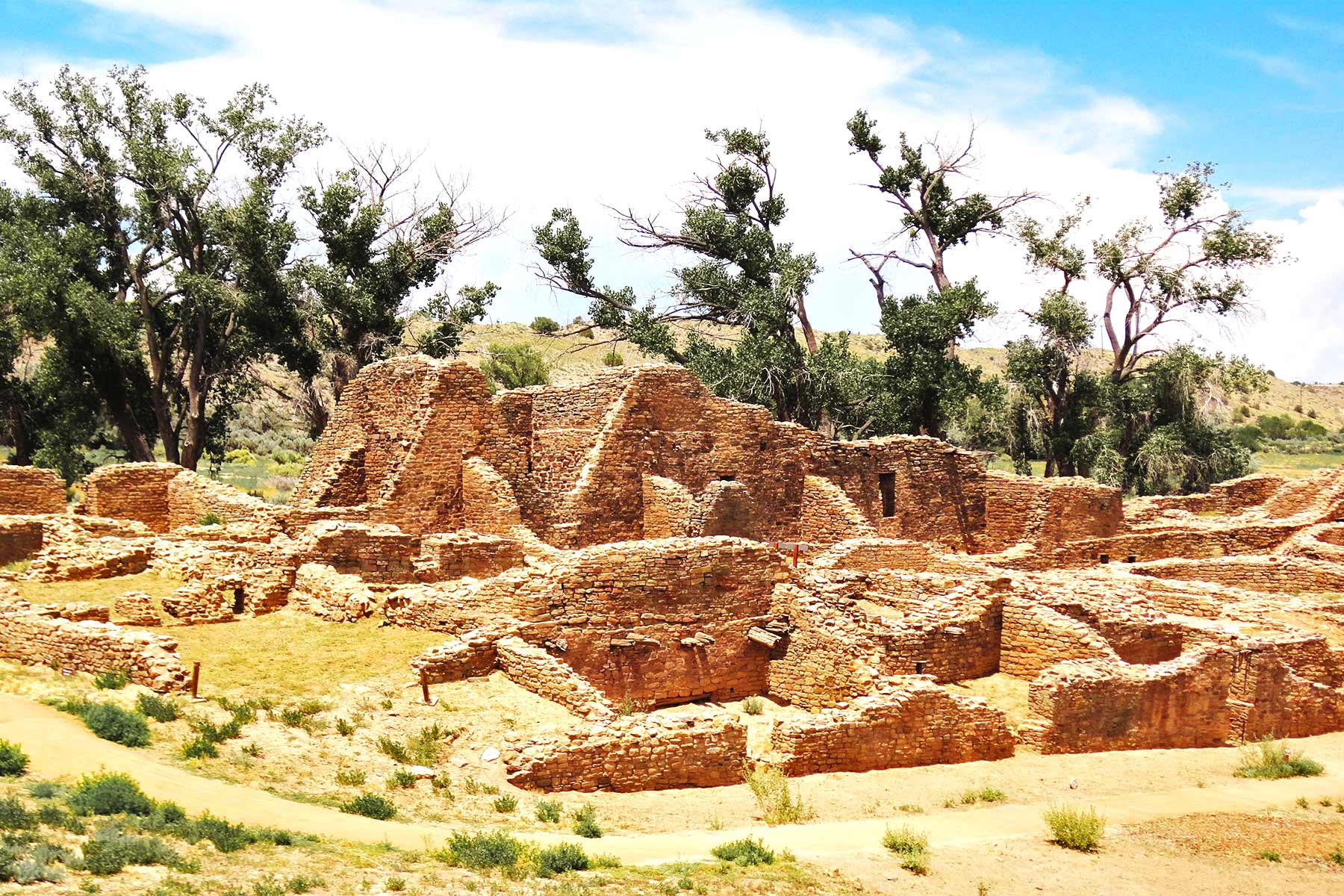
What to actually do here. The reason to come is the Great Kiva, the only fully reconstructed Ancestral Pueblo great kiva in the country. You walk down inside a 41-foot ceremonial chamber rebuilt in the 1930s, and it gives you something the open ruins at Chaco never can, the feel of standing in a roofed, enclosed sacred space. The self-guided half-mile trail loops through the West Ruin, including a stretch of original 900-year-old roof beams you walk directly under.
Honest caveats. This is a small site, an hour or two at most, so it is not worth the 200-mile drive on its own. Build it into a Chaco trip or a Four Corners loop and it earns its place. Summer in this corner of the state runs hot and dry, so the shoulder seasons are kinder. Check current hours before you go, the visitor center keeps a shorter schedule in winter.
8. White Sands National Park
Drive time from Santa Fe: about 4 hours (roughly 235 miles via US-285 south and US-70)
Entrance fee: $25 per vehicle, good for 7 days.
One of New Mexico’s two true national parks, and the longer of the southern hauls but worth the gas. White Sands protects 275 square miles of pure gypsum dunes, the largest field of its kind on Earth, sand so white and fine it looks like fresh snow and stays cool enough to walk barefoot in summer. It was a national monument from 1933 until Congress upgraded it to a national park in 2019. Drive in late and the low sun turns the whole dune field gold and pink, and the shadows in the ripples are the entire reason photographers come.
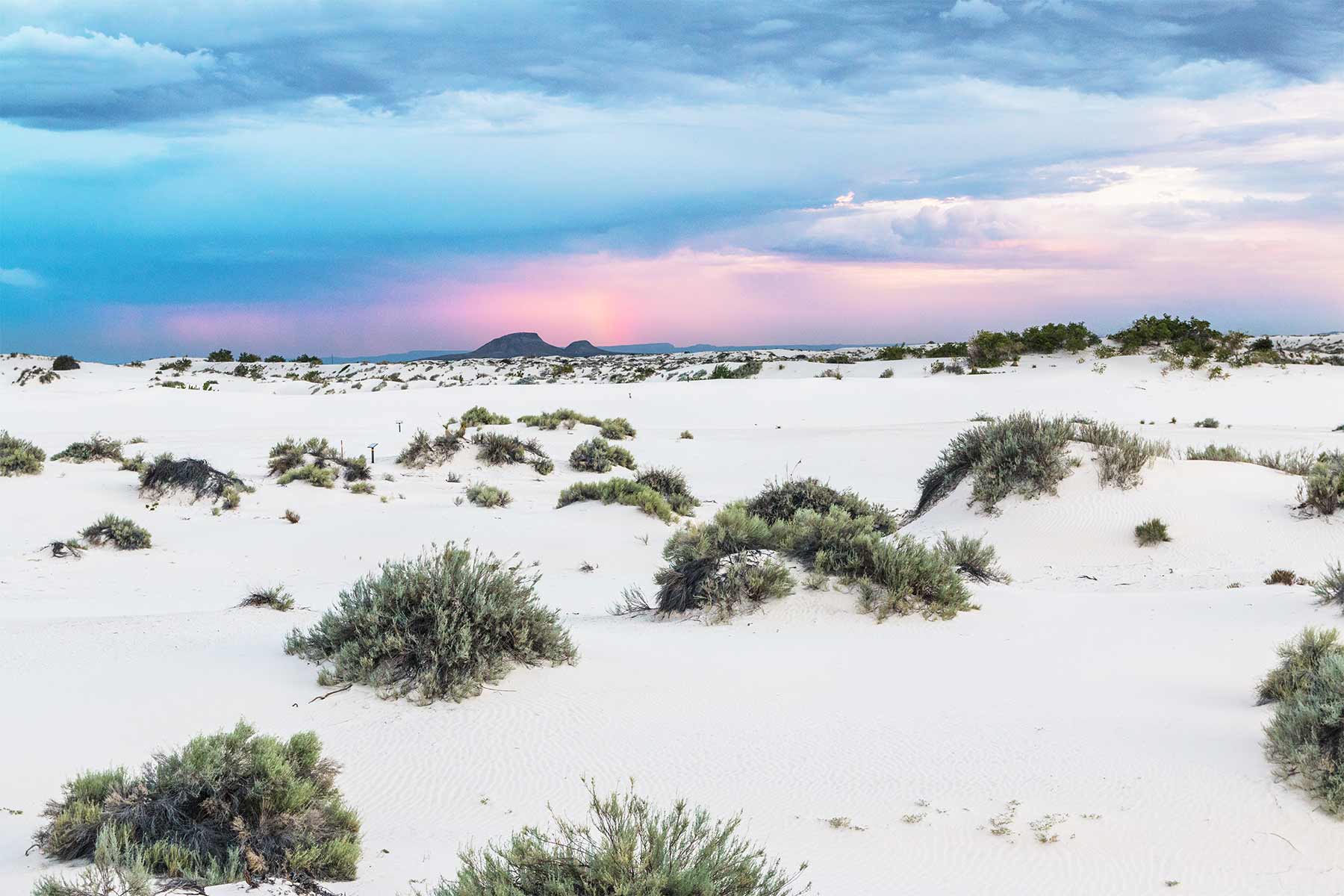
What to actually do here. Rent a plastic saucer sled at the gift shop and ride the steep faces of the dunes, which is exactly as fun as it sounds and the best four dollars in the park. Walk the easy half-mile Interdune Boardwalk if you just want a look, or commit to the 5-mile Alkali Flat Trail straight across the open dunes, marked only by posts. Time your visit for sunset, then stay for the stars, the park is far from city light and the night sky is excellent.

Honest caveats. The park sits inside the White Sands Missile Range, and both the park and the highway through it, US-70, close for missile tests, sometimes for a few hours with little notice. Check the park’s road and closure status the morning you go. Summer days break 100 degrees with no shade at all, so carry far more water than you think and avoid midday hiking. The Alkali Flat Trail is real backcountry, people get lost out there when the wind erases their tracks, so follow the posts and turn back if a sandstorm rolls in. For the full breakdown see our guide to things to do at White Sands.
9. Carlsbad Caverns National Park
Drive time from Santa Fe: about 5 hours (roughly 290 miles via US-285 south)
Entrance fee: $15 per person, good for 3 days, and you now need a timed-entry reservation to enter the cave. Book it ahead at recreation.gov.
The other true national park in New Mexico, and the longest drive on this list, all the way to the southeast corner of the state near the Texas line. What waits down there is worth it. Carlsbad protects more than 100 caves dissolved out of an ancient reef by sulfuric acid over millions of years, and the centerpiece, the Big Room, is a single underground chamber the size of several football fields, 750 feet below the desert. It became a national park in 1930. Riding the elevator or walking the switchbacks down into it is one of the great underground experiences in the country.

What to actually do here. Take the Natural Entrance Trail down on foot if your knees are willing, a 1.25-mile switchback descent through the cave mouth, then loop the paved 1.25-mile Big Room Trail at the bottom. From late spring through October, stay for the Bat Flight Program at dusk, when hundreds of thousands of Brazilian free-tailed bats pour out of the entrance in a spiral. A ranger talks first, and it is free with admission.
Honest caveats. The timed reservation is not optional anymore, and it sells out on busy days, so book before you drive five hours. The cave holds a steady 56 degrees year-round, so bring a layer even in July. The descent is steep and the elevator occasionally goes down for maintenance, so check before you count on it. The bats are gone in winter, roughly November through April, so time your trip if the bat flight is the draw.
10. Gila Cliff Dwellings National Monument
Drive time from Santa Fe: about 4 hours 30 minutes, the last stretch a slow mountain road (roughly 300 miles via I-25 south)
Entrance fee: free.
The hardest to reach and the most remote, set deep in the Gila Wilderness, the first designated wilderness area in the world. The monument, established in 1907, preserves the cliff dwellings of the Mogollon people, who tucked their homes into natural caves above Cliff Dweller Canyon in the late 1200s and lived there for only a generation or two before moving on. Roughly 40 rooms sit inside five connected caves, and the canyon around them is genuinely wild country, the kind of place you have to want to get to.

What to actually do here. The dwellings sit at the end of a 1-mile loop trail that climbs about 180 feet up into the canyon, and you walk right inside the caves and rooms. It is the kind of close contact with the past the bigger sites cordon off. Out front, the natural hot springs along the Gila River are a long-standing draw for anyone willing to soak after the drive. Stop at the visitor center first for the trail conditions and the short orientation.
Honest caveats. The drive is the whole challenge. The last 40 miles in on NM-15 is a narrow, twisting mountain road that takes well over an hour on its own and is not friendly to large RVs or trailers. This is not a Santa Fe day trip under any honest definition, it is an overnight at minimum, and it pairs best with a longer southern New Mexico loop. Mountain weather and the occasional wildfire closure can shut the road, so check ahead.
How To Pick, And A Weekend Plan
If you only have a day or a weekend, here is how I would choose.
- The perfect day trip: Bandelier and Los Alamos together. They are next-door neighbors forty-five minutes from Santa Fe. Do the Bandelier ladders in the morning, drive twenty minutes up to the Manhattan Project sites and the Bradbury museum in the afternoon, and you have covered cliff dwellings and the atomic age before dinner back in town.
- The easy half day: Pecos. Thirty minutes out, free, and you get a pueblo, a Spanish mission, and a Civil War battlefield on one flat loop. Add the Valle Grande overlook if you want to keep driving west.
- The big ruins weekend: Chaco and Aztec. Both are three and a half hours northwest, so do them as a pair. Camp at Chaco for the dark sky on night one, hit Aztec Ruins and the Great Kiva on the way back. Take US-550, not your GPS shortcut.
- The southern road trip: White Sands and Carlsbad Caverns. The two true national parks are four and five hours south, far enough that you should string them together. Book the Carlsbad reservation first, shoot White Sands at sunset, and check the missile-range closures before each leg.
- The pilgrimage: Gila Cliff Dwellings. Four and a half hours and a mountain road at the end means this is never a day trip. Make it an overnight, soak in the hot springs, and treat the drive as part of the point.
One honest note on what counts as near. Santa Fe also anchors the Santa Fe National Historic Trail, the 19th-century trade route that ran from Missouri to the plaza downtown. You will see the marker on the Plaza, and the trail is more a driving-and-history corridor than a hike, but it is the reason the city exists in the form it does. If you want true wild country within an hour and not a national park unit, the Santa Fe National Forest and the Pecos Wilderness climb the Sangre de Cristo range right behind town, and they are free.

Frequently Asked Questions
Pecos National Historical Park is the closest National Park Service unit to Santa Fe, about a 30-minute drive south. The closest true national park is White Sands, roughly 4 hours south. New Mexico’s only two national parks are White Sands and Carlsbad Caverns; the closer sites near Santa Fe are national monuments, preserves, and historical parks.
New Mexico has two national parks, Carlsbad Caverns and White Sands. It also has national historical parks (Chaco Culture and Pecos), the Valles Caldera National Preserve, and several national monuments including Bandelier, Aztec Ruins, Petroglyph, and Gila Cliff Dwellings.
Yes. Bandelier is about 45 minutes from Santa Fe and is the highest-payoff trip on this list. You walk through 800-year-old cliff dwellings and climb wooden ladders into carved rooms in Frijoles Canyon. From mid-May to mid-October you must ride a free timed shuttle from White Rock to reach the canyon during the day.
You should know that this guide does not come out of thin air. More Than Just Parks is a family operation. My sons Will and Jim have spent their adult lives exploring and filming America’s national parks and public lands destinations, working with the National Park Service, the Department of the Interior, the USDA, and the U.S. Forest Service on films about the places that matter. Their work has run in publications around the world, and a few people outside our own family have even called them experts on the parks. I taught American history for 25 years, and I write our history and travel guides.


