

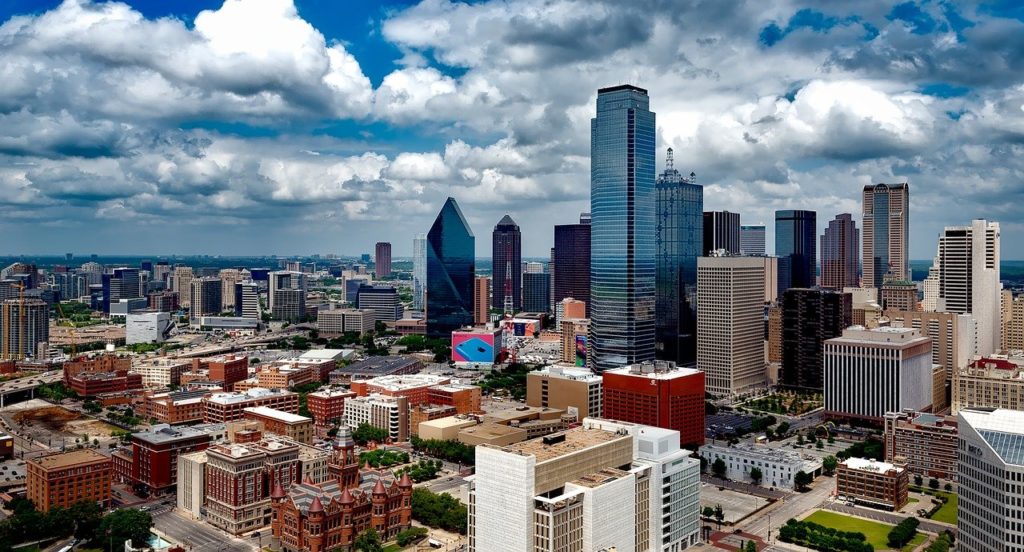
National Parks Near Dallas is a search that comes with a hard truth up front: there are no national parks close to Dallas. None within a comfortable day trip, and none you can drive to and back before dinner. Texas has only two true National Parks, Big Bend and Guadalupe Mountains, and both sit on the far western edge of the state, roughly eight hours away by car.
So I want to be straight with you. The realistic choice for most people leaving Dallas is Hot Springs National Park in Arkansas, about four and a half hours northeast. It is the only National Park within a same-day-there, overnight-back range. Everything else on this list is a real trip you plan vacation time around, not a weekend whim.
Below are the five public lands destinations worth the gas from Dallas, ranked by what you get for the miles you drive, not by alphabet. More Than Just Parks has spent considerable time filming places like these, so you will learn which ones earn the haul and which one barely belongs on the map.
National Parks Near Dallas At A Glance
| Destination | Type (Official Designation) | Drive Time (one-way from Dallas) | Worth The Drive? |
|---|---|---|---|
| Hot Springs National Park (AR) | National Park | ~4 hr 45 min (288 mi) | Yes. The only realistic short trip and a true National Park. |
| Big Thicket National Preserve | National Preserve | ~5 hr (308 mi) | Yes, for hikers and paddlers who want quiet East Texas woods. |
| Big Bend National Park | National Park | ~8 hr (535 mi) | Yes, but only as a multi-day trip. The drive is brutal. |
| Guadalupe Mountains National Park | National Park | ~8 hr (536 mi) | Yes, ideally paired with Carlsbad Caverns next door. |
| Laguna Atascosa NWR | National Wildlife Refuge (USFWS, not NPS) | ~9 hr (550 mi) | Only for serious birders already in deep South Texas. |
1. Hot Springs National Park (Arkansas)
Drive from Dallas: About 4 hours 45 minutes (288 miles) northeast via I-30 toward Little Rock, then US-70.
117 public lands destinations are under threat. Get the free briefing that 27,000+ people use to stay informed and take action.
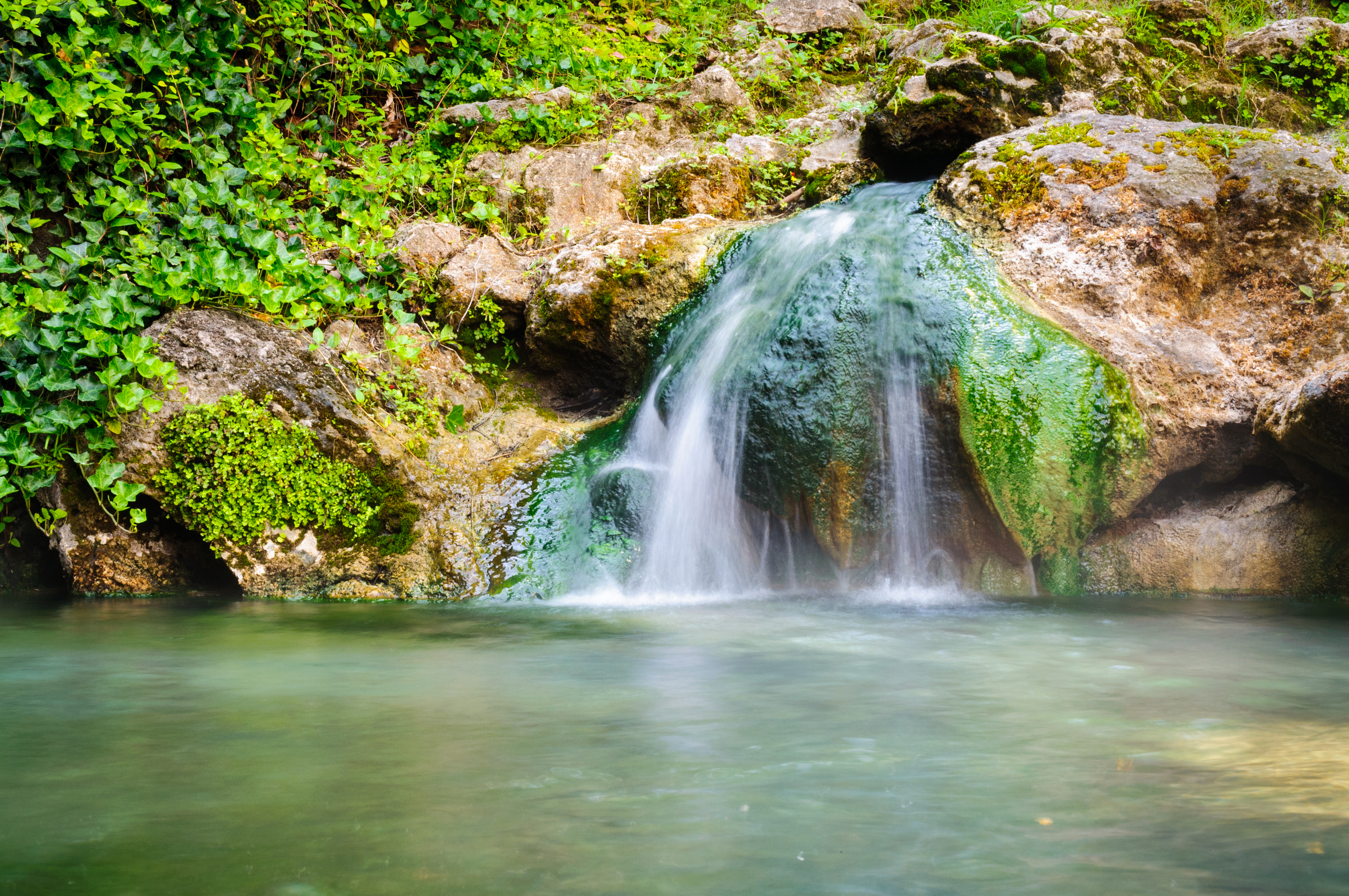
If you only make one of these trips, make it this one. Hot Springs National Park is the closest true National Park to Dallas, and it is an unusual one. Instead of a wilderness gateway, the park wraps around a small Arkansas city. Its centerpiece is Bathhouse Row, eight historic bathhouses built over the thermal springs that drew people here long before the federal government stepped in to protect the water in 1832.
You can still take the waters. The Buckstaff has operated continuously since 1912 and runs traditional bath services, while the Quapaw is a modern thermal pool spa. Behind the row, the Grand Promenade and a network of wooded trails climb Hot Springs Mountain, so you can pair a soak with a real walk in the woods.
Honest caveat: this is the smallest National Park in the system at about 5,500 acres, and it feels more like a historic spa town than a backcountry park. That is the appeal, not a flaw, but go in expecting bathhouses and short trails rather than big-sky scenery. It works as a one-night trip from Dallas, which none of the others on this list do.

For families, the park is genuinely walkable, and the city has hotels, food, and parking within a few blocks of Bathhouse Row. Spring and fall are the most pleasant times to visit. Arkansas summers are hot and humid, though the thermal waters and shaded trails take some of the edge off.
2. Big Thicket National Preserve (Texas)
Drive from Dallas: About 5 hours (308 miles) southeast via I-45 toward Houston, then US-59/I-69 and TX-326 near Kountze.
Big Thicket was the first National Preserve in the country, set aside in 1974, and the designation matters. A National Preserve protects the land much like a national park but allows uses such as hunting that a national park does not. So if a guidebook calls Big Thicket a national park, it is wrong. The Preserve covers roughly 113,000 acres of East Texas in scattered units rather than one solid block, which is part of what makes it interesting and part of what makes it confusing to plan.
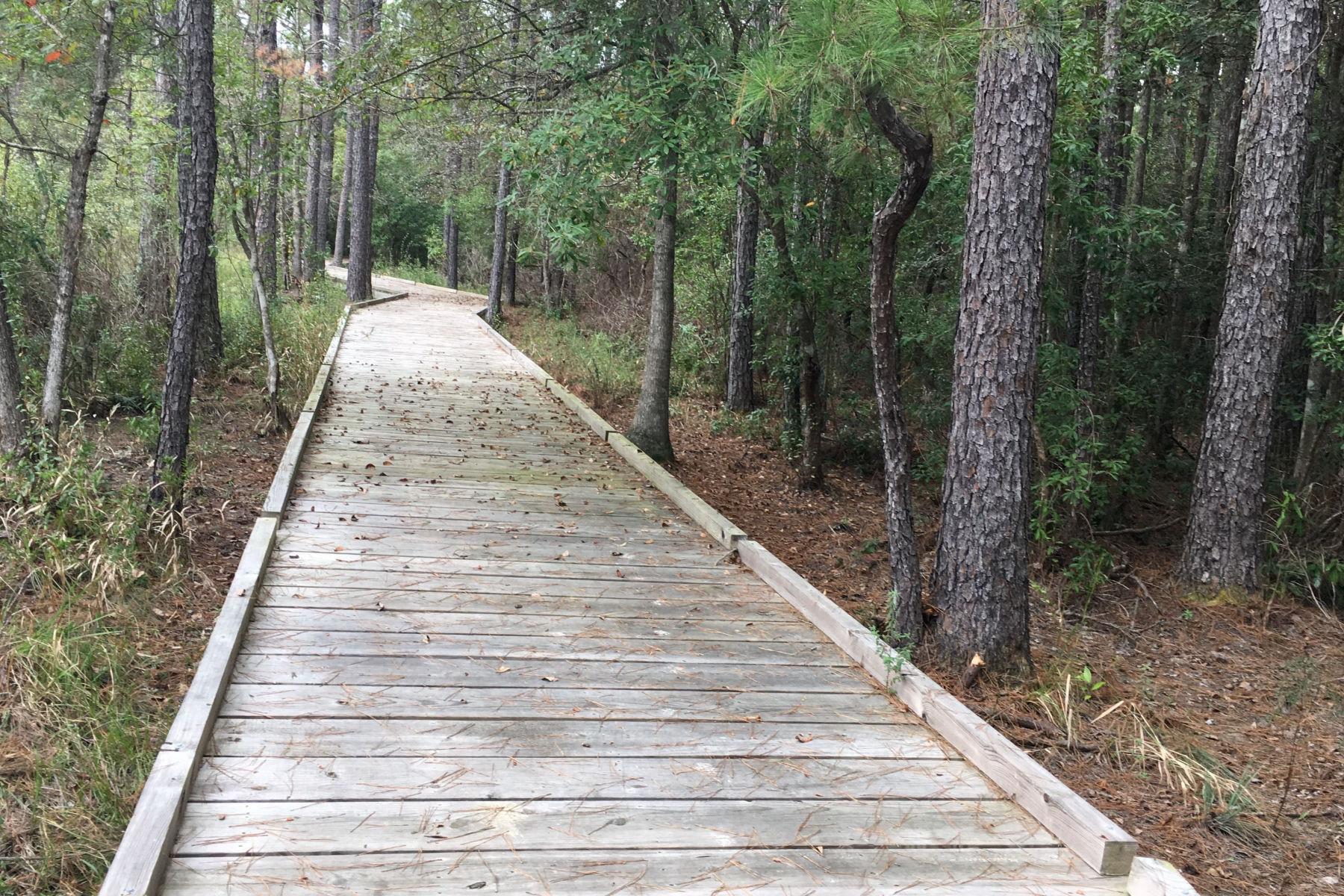
The draw is biological. Several ecosystems collide here, and the result is one of the most species-dense pockets in the country, including four of the five types of carnivorous plants found in North America. The Pitcher Plant Trail boardwalk is the easy way to see them. Paddlers come for the cypress sloughs and the slow tea-colored water of the Neches River corridor.
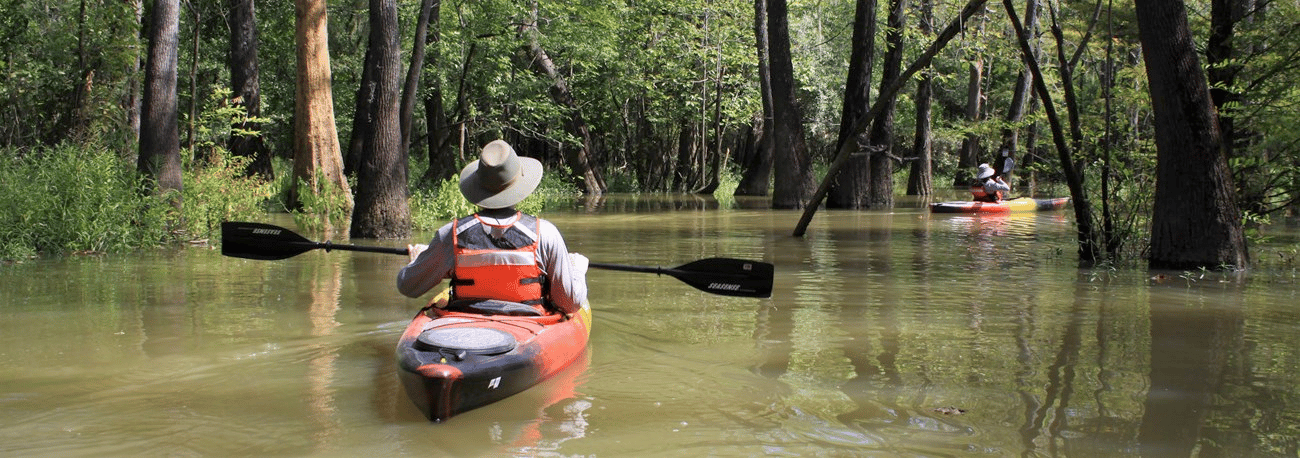
Honest caveat: do not expect grand vistas. This is flat, dense, often buggy forest, and the reward is in the detail rather than the panorama. Summer brings heat, humidity, and mosquitoes in force, so spring and fall are far better. Start at the visitor center north of Kountze to get oriented, because the units are spread out and signage on back roads can be thin.
3. Big Bend National Park (Texas)
Drive from Dallas: About 8 hours (535 miles) west and southwest via I-20 and US-385 to the Persimmon Gap entrance.
Big Bend is the great one, and it is brutally far. Eight hours of driving, much of it through empty West Texas, gets you to one of the largest and least crowded national parks in the lower 48. Over 800,000 acres along a long bend in the Rio Grande, with desert floor, the Chisos Mountains rising out of it, and deep river canyons cut into limestone. It is a genuine wilderness, and that is exactly why you cannot treat it as a quick getaway.
If you make the drive, give it three or four days. The South Rim Trail in the Chisos is one of the best day hikes in Texas. Santa Elena Canyon delivers 1,500-foot walls at the water’s edge. The hot spring along the Rio Grande and the night skies, among the darkest in the country, are reason enough to stay after dark.

Honest caveat: the remoteness is real. The nearest full-service town, Marathon, is more than an hour from the heart of the park, and services inside are limited. Fuel up, carry more water than you think you need, and book Chisos Basin lodging or campsites well ahead through Recreation.gov, because they sell out. Summer is dangerously hot in the desert sections. Late fall through early spring is the window. For trip ideas, see our guide to the best things to do in Big Bend National Park.


4. Guadalupe Mountains National Park (Texas)
Drive from Dallas: About 8 hours (536 miles) west via I-20 to the Midland/Odessa area, then US-285 and US-62/180 to Pine Springs.
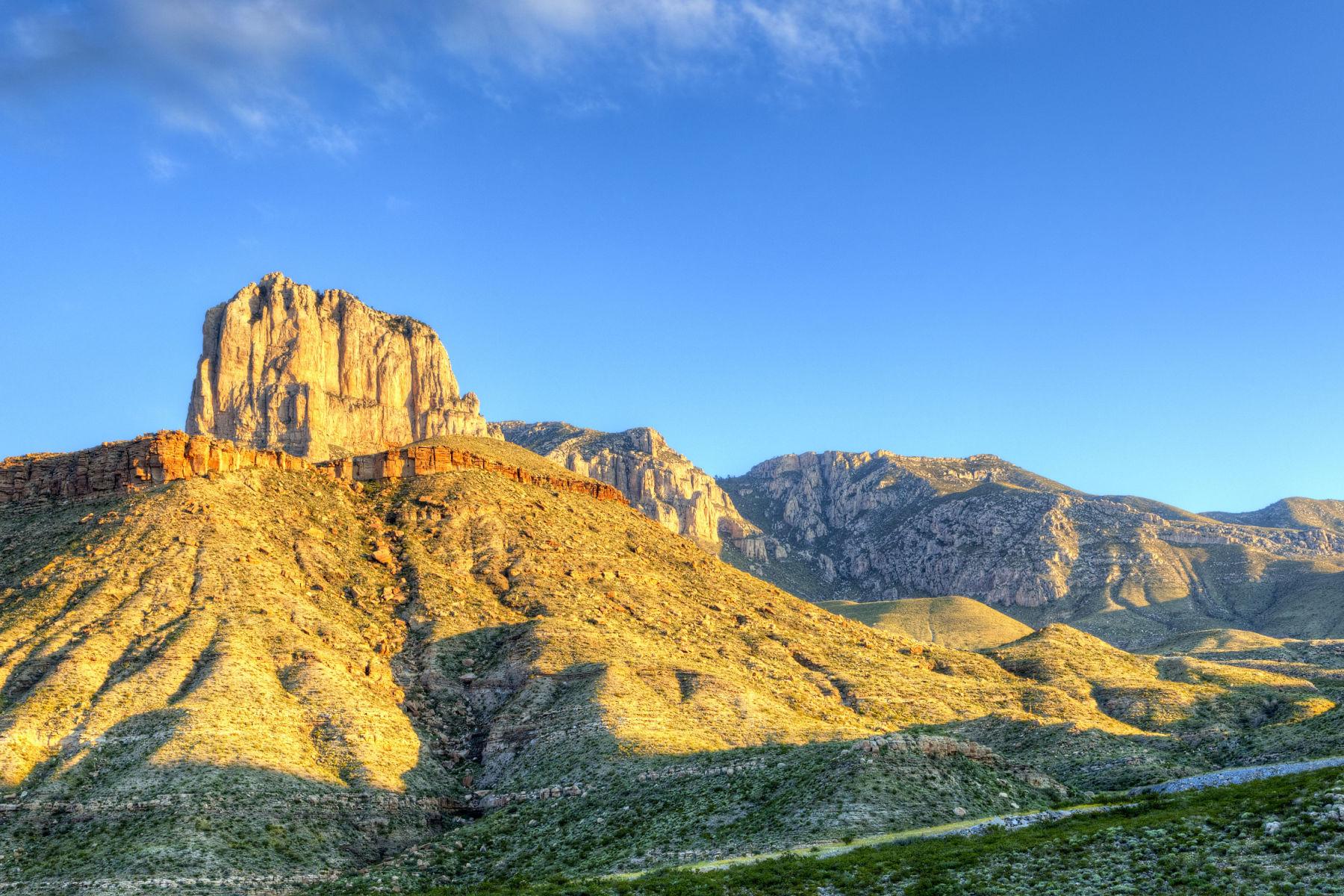
Texas’s other true National Park sits in the far west corner of the state, and it is every bit as far as Big Bend. Guadalupe Mountains National Park protects an ancient fossilized reef pushed up into mountains, including Guadalupe Peak at 8,751 feet, the highest point in Texas. The Guadalupe Peak Trail is the marquee climb, a strenuous out-and-back of about 8.4 miles with roughly 3,000 feet of gain and a summit view that runs for miles.
The smart move is to pair this trip with Carlsbad Caverns National Park, which is only about 35 miles north across the New Mexico line. Two national parks in one trip makes the long drive far easier to justify.
Honest caveat: services inside the park are minimal and there is no lodge, so plan to camp or stay in Whites City or Carlsbad, New Mexico. The wind here is famous and can be severe, especially in spring. Fall offers a short, popular burst of color in McKittrick Canyon, which draws crowds and limited parking. If you can swing it, the cooler months and a Carlsbad combination make the eight-hour haul worthwhile.

New Mexico National Parks (Including Carlsbad Caverns)
5. Laguna Atascosa National Wildlife Refuge (Texas)
Drive from Dallas: About 9 hours (550 miles) south via I-35 and US-77 toward Harlingen and Los Fresnos.
We are including this one with a clear warning: it barely belongs on a “national parks” list at all. Laguna Atascosa is a National Wildlife Refuge managed by the U.S. Fish and Wildlife Service, not the National Park Service, so it is a different kind of public land with a different mission. It also sits at the very southern tip of Texas near Brownsville, which makes it the longest drive on this page, roughly nine hours from Dallas.
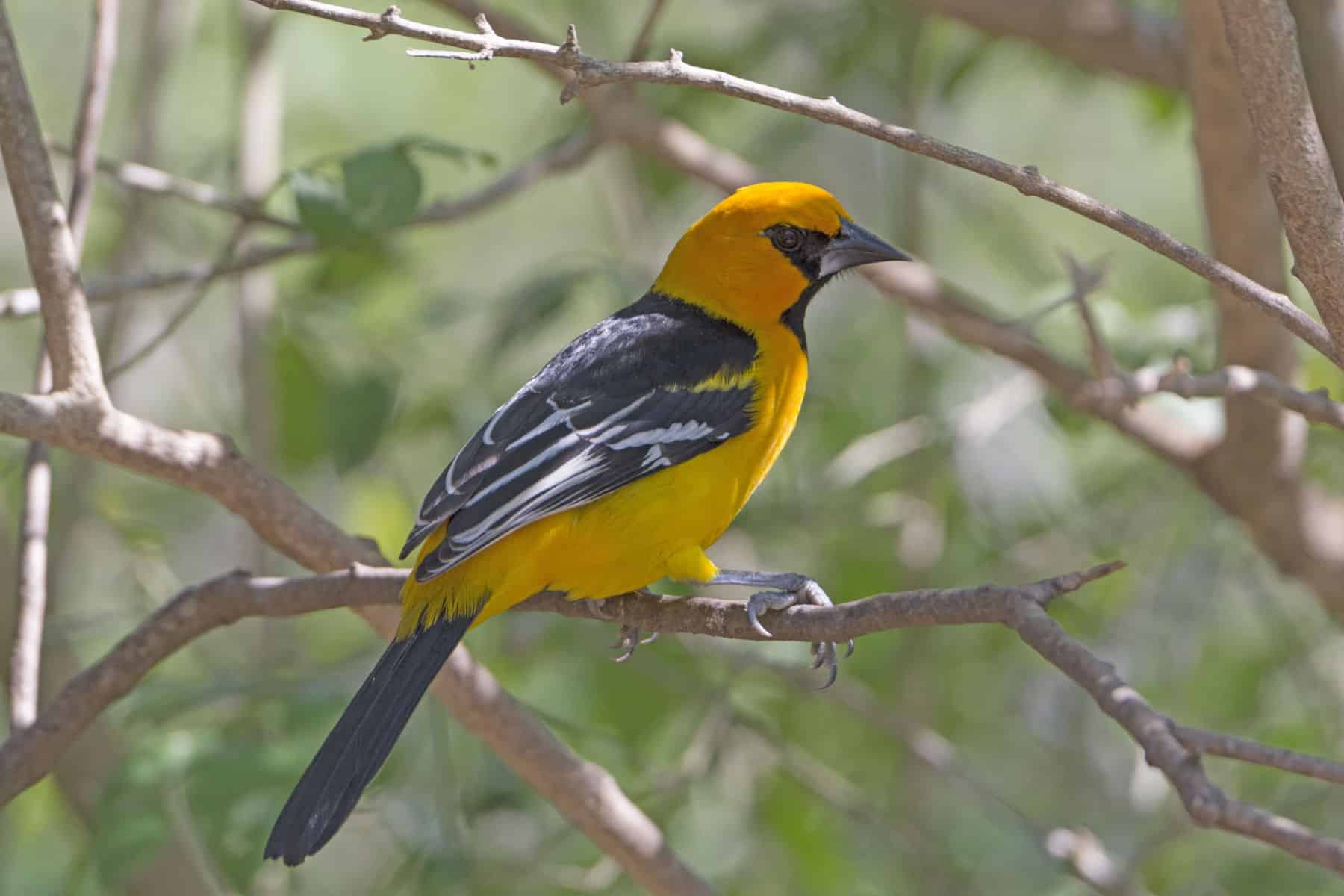
That said, for birders it is special. The refuge protects about 97,000 acres of coastal prairie, thornscrub, and lagoon habitat in the Lower Rio Grande Valley, and it records more bird species than almost any other refuge in the country. It is also one of the last strongholds for the endangered ocelot in the United States.
Honest caveat: do not drive nine hours from Dallas just for this. It makes sense only if you are already touring the Rio Grande Valley or South Padre Island. Check current access before you go, since the refuge has adjusted vehicle access and some roads in past years to protect ocelots, and the best wildlife viewing is in the cooler months when both birds and visitors avoid the brutal Valley summer.

Planning Your Trip From Dallas
Pick the right trip for your time. A free weekend points you to Hot Springs or Big Thicket. A full week of vacation is what Big Bend and Guadalupe Mountains actually require, and the two western parks pair naturally with each other or with Carlsbad Caverns. Laguna Atascosa is a side trip for a South Texas itinerary, not a destination in itself from Dallas.
Season matters more than anything. The Texas and Arkansas summer is hot and humid, and the West Texas desert can be genuinely dangerous in July and August. For all five destinations the sweet spot is late fall through spring. Big Bend and Guadalupe Mountains shine in the cool months, while Big Thicket and Laguna Atascosa are most comfortable in spring and fall.
Fees and reservations. Big Bend and Guadalupe Mountains charge an entrance fee, while Hot Springs, Big Thicket, and Laguna Atascosa do not. If you visit more than a couple of federal sites a year, the America the Beautiful annual pass pays for itself. Lodging and campsites inside Big Bend’s Chisos Basin book up early on Recreation.gov, so reserve as far ahead as you can.
Closer to home. The nearest national forests are Angelina in East Texas and the Ouachita to the northeast, and Texas has excellent state parks within a day-trip radius of Dallas if you just want to get outside without the long haul.
Frequently Asked Questions
Does Texas have any national parks?
Texas has only two true National Parks, Big Bend and Guadalupe Mountains, and both sit in far West Texas, about eight hours from Dallas. The state has many other National Park Service sites, but those two are the only ones carrying the full National Park designation.
What is the closest national park to Dallas?
Hot Springs National Park in Arkansas is the closest true National Park to Dallas at about four and a half hours and 288 miles. It is the only one within range of an overnight trip.
How far is Big Bend from Dallas?
Big Bend National Park is roughly 535 miles and about eight hours of driving from Dallas. Plan it as a multi-day trip rather than a weekend run.
A word on who is telling you this. More Than Just Parks is a family operation. My sons Will and Jim are filmmakers who work in these parks for a living, on projects with the National Park Service, the Department of the Interior, the USDA, and the U.S. Forest Service. The drive times and the honest verdicts above come from making these Texas runs, not from a search engine.


