Historic Sites In Maine. More Than Just Parks has 5 incredible must-see sites for you.
I’ve been to so many of these amazing places since retiring from teaching in 2018. Did I mention that I taught history? I spent a lifetime teaching about the history behind these momentous sites. Then I got to see them firsthand. And now I’m sharing the stories of these incredible places with you. It doesn’t get any better than that!
I’m going to give you my list of the 5 Historic Sites In Maine that you’ll want to see.
To be clear, this list includes national park sites (as in sites managed by the National Park Service) as well as national parks.
109 public lands are under threat. Get the free weekly briefing that 25,000+ people use to stay informed and take action.
Without further ado, let’s dive in.
5. Maine Acadian Culture
At #5 on our list of historic sites in Maine, More Than Just Parks has Maine Acadian Culture.

The Acadians were the descendants of the French who settled in America during the 17th and 18th centuries. Acadia National Park was named to honor their heritage and contributions to the region.
Acadia was located in what is now Eastern Canada’s Maritime provinces, as well as parts of Quebec, present-day Maine to the Kennebec River, and on the West coast of Newfoundland.
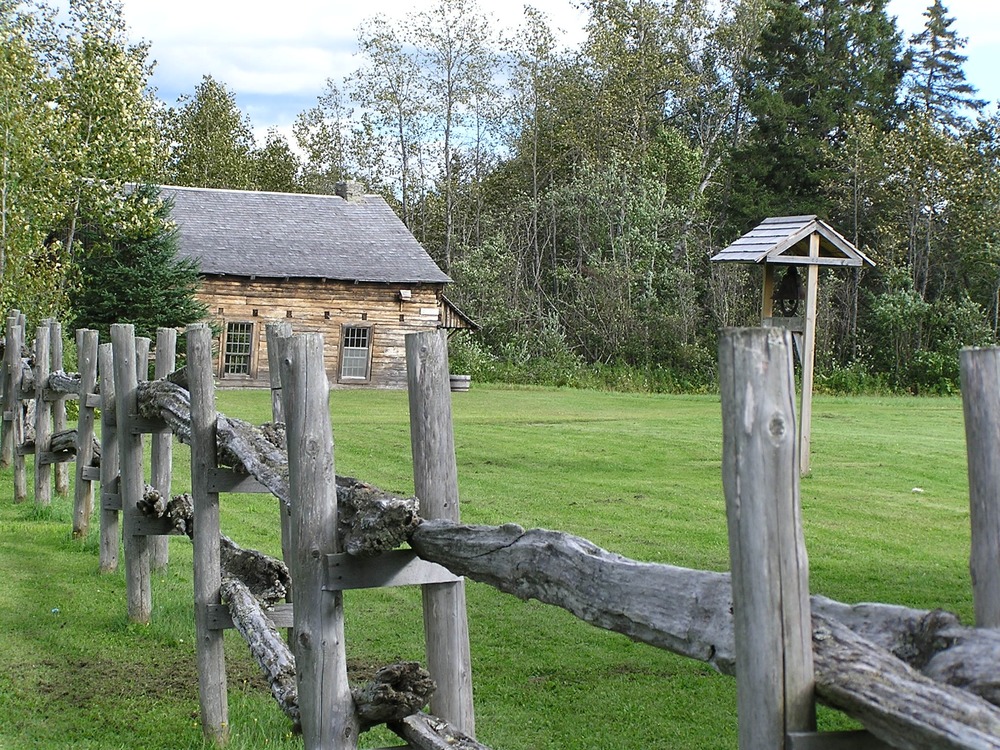
The 17 buildings overlooking the St. John River in the Acadian Village retain the cultural heritage of the Acadians who settled in the St. John Valley during the mid-eighteenth century.
Though it is officially part of the National Park System, none of the sites are operated by the National Park Service. Instead they are run by the Maine Acadian Heritage Council (a local non-profit) with support from the National Park Service.
The management of Maine Acadian Culture is technically overseen by Acadia National Park (though Maine Acadian Culture is its own unit and not part of Acadia National Park).
Though this management oversight appears to be in name only and the jurisdiction appears to fall to Acadia National Park purely due to its proximity.
Places To Be Explored

Among the places to be explored are the following:
- Acadian Landing & Tante Blanche Museum
- Acadian Village
- Allagash Wilderness Waterway
- B & A Caboose and Green Water Tank
- B & A Railroad Turntable
- Fort Kent Blockhouse
- Fort Kent Railroad Station
- Historic Governor Brann Schoolhouse
With so many interesting places, I recommend that you research the ones of particular interest to you before you depart on your adventure.
Developing an itinerary or a plan of attack will give you the opportunity to get the biggest bang for your buck when it comes to exploring.
10 MUST-SEE Historic Sites In Massachusetts
4. St. Croix National Historic Site
At #4 on our list of historic sites in Maine we have the St. Croix National Historic Site.

Saint Croix Island International Historic Site commemorates the 1604 site of the first French attempt to colonize the territory they called l’Acadie. It is one of the earliest European settlements in North America.
Among those who wintered on the island during 1604-1605 was the famed explorer Samuel de Champlain.
Champlain was a French colonist, navigator, cartographer, draftsman, soldier, explorer, geographer, ethnologist, diplomat, and chronicler best known for founding Quebec.
Champlain’s Dream
The noted author and historian David Hackett Fischer wrote a wonderful biography of Champlain’s explorations titled Champlain’s Dream.
Congress authorized the establishment of Saint Croix Island National Monument in 1949, which became effective on June 30, 1968, and designated it as an international historic site on September 25, 1984.
About This Site
This small National Park Service site tells the story of the interaction between early French Settlers and Native Americans in what would mark the beginning of permanent European settlement in North America.
St. Croix Island itself is in the middle of the US – Canada boundary and is jointly protected by both countries, there is no public access allowed on the island due to dangerous currents and for the protection of the island.
The small National Park Service site is located in Calais, Maine and overlooks the island with a short interpretive trail and and places to sit and enjoy the scenery.
Things To Do at Saint Croix Island International Historic Site
It’s a very small site and frankly there isn’t a whole lot to do, but it’s well worth checking out if you’re in the area.

- Walk the Interpretive Trail – The historic site has a very nice paved 0.2 mile interpretive trail with signs and statues telling the story of the area.
- Bird Watch – The area is great for bird watchers and provides opportunities to see bald eagles, ospreys, and a number of other interesting birds.
- Have a Picnic – Sites like this are the perfect quiet spot to enjoy a picnic lunch and take in the scenery.
Check Out Nearby St. Stephen & St. Andrews Too
In nearby St. Stephen and St. Andrews, you will find a variety of museums and historic sites, recreational opportunities, restaurants, shops, and hotel accommodations.
10 MUST-SEE Historic Sites In New York
3. Appalachian Trail National Scenic Trail
At #3 on our list of historic sites in Maine we have the Appalachian Trail.

It’s America’s Grandfather Trail, the people’s path, the bucket-lister, the one and only AT. I made those up just now, but I’m sure I wasn’t the first, needless to say we all know about the Appalachian Trail.
It starts in the Blue Ridge Mountains of Georgia and ends atop Mount Katahdin in northern Maine. Along the way hikers are treated to some of the most spectacular scenery our great country has to offer.
This is one historic site that’s got a lot of history behind it.
The original concept for the Appalachian Trail was the brainchild of Benton MacKaye. MacKaye was a forester, planner and social reformer who wrote a 1921 article in the Journal of the American Institute of Architects first proposing it.
Benton MacKaye
In MacKaye’s original vision, the Appalachian Trail would put back together the various parts of American life that were rapidly coming undone in the early 20th century.

It would fuse leisure and industry, environment and labor, community development and wilderness preservation into an interrelated project.
Let us assume the existence of a giant standing high on the skyline along these mountain ridges, his head just scraping the floating clouds. What would he see from this skyline as he strode along its length from north to south?”
-benton mackaye
Giving City Dwellers An Escape
MacKaye wanted to give city dwellers an escape from their humdrum urban existences. His bold proposal was nothing less than a wholesale reinvention of social life, economic organization, and land use.

The trail was built by private citizens and completed in 1937. It is managed by the National Park Service, U.S. Forest Service, Appalachian Trail Conservancy, numerous state agencies and thousands of volunteers.
It’s a truly magnificent hiking trail traversing the scenic, wooded, pastoral and wild lands of the Appalachian Mountains.
10 MUST-SEE Historic Sites In Pennsylvania
2. Roosevelt Campobello International Park
We’re down to the Top 2! At number 2 on our list of historic sites in Maine we have Roosevelt Campobello International Park.

Franklin Delano Roosevelt served as President from March 1933 to April 1945, the longest tenure in American history.
He may have done more during those twelve years to change American society and politics than any of his predecessors in the White House, save Abraham Lincoln.
Things To Do & See At Roosevelt Campobello International Park
Visitors can tour the home and see artifacts from Roosevelt’s time at Campobello. Guides are stationed throughout the Roosevelt Cottage to answer questions.

The Visitor Center
A trip to Campobello should begin with a visit to the visitor center. There you will find exhibits about FDR. There’s also a wonderful short film: “Outer Island/Beloved Island,” produced by the Roosevelt Campobello International Commission.
A small bookstore features a limited selection of memorabilia.
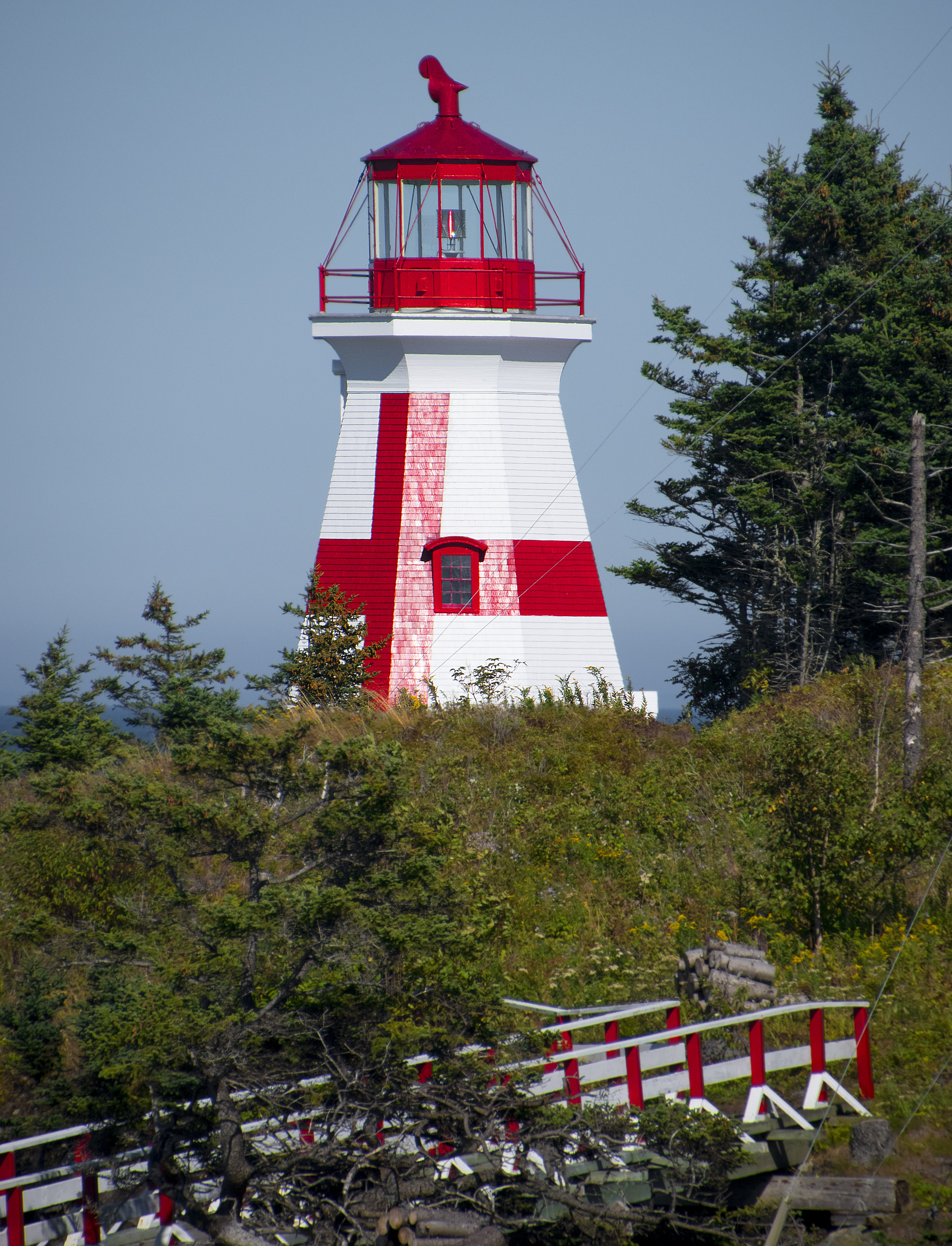
Roosevelt Cottage

Rooms that are on display include the following: (1) President Roosevelt’s office from his 1933 visit and his bedroom, (2) Mrs. Roosevelt’s writing room, (3) living room, dining room, and kitchen, (4) laundry and Nursery and (5) family bedrooms.
Other Things To See At Campobello
There are 8.4 miles of driving roads located in the park’s 2,800 acres, and eight miles of walking trails. You can wander the trails individually for a short hike or combine them for longer hikes. You can see bogs, forests, shoreline, beaches, and more.
25 Bucket List Famous Landmarks In America (MUST-SEE)
1. Acadia National Park
Drumroll please. The #1 historic site in Maine is Acadia National Park.
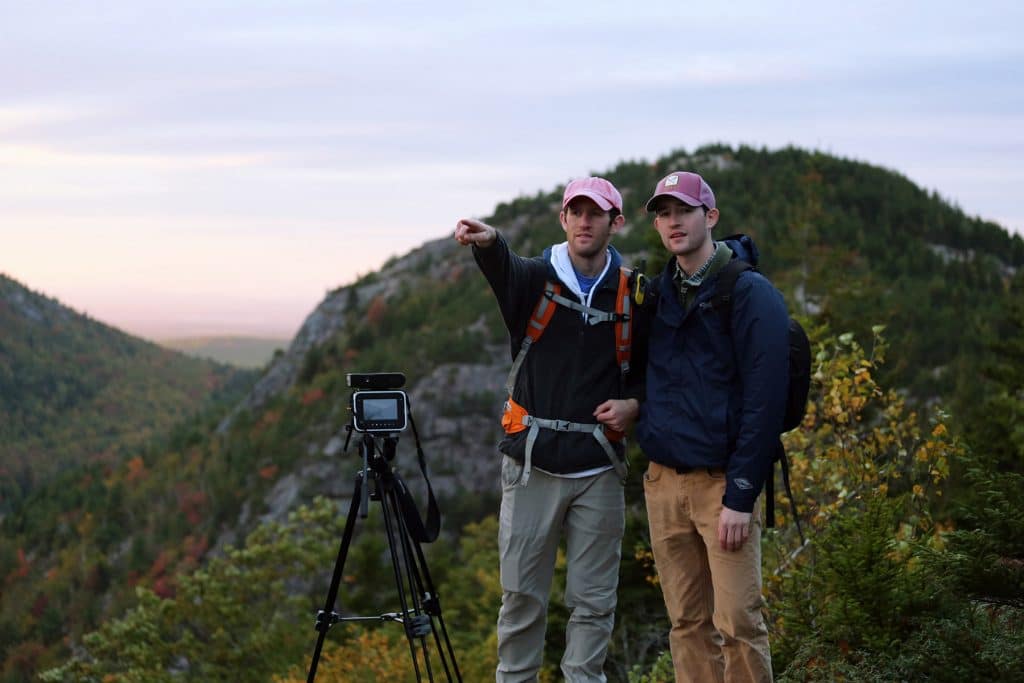
Along the rocky shores of Maine’s coast you’ll find this easternmost national park.
Once the exclusive domain of the gilded age elite, a few civic-minded residents decided to make Acadia’s beauty available to all Americans by donating the land to the national park service – and boy am I glad they did.
With rounded mountains, shimmering lakes (called ponds here) , rugged coastline, and forests dotted with old stone roads and trails this New England national treasure is the crown jewel of Maine’s outdoor destinations.
Acadia National Park Was Largely Created Through The Tireless Efforts Of One Man
There’s another old saying. “One person can make a difference.” In the case of Acadia National Park, he most certainly did.

As a retired history teacher and lifelong history buff, I love the stories behind these wonderful places which so many of us take for granted. One of those stories concerns a gentleman scholar and Harvard University graduate who fell in love with a place and decided to share it with the world.
For over four decades, he worked tirelessly to acquire tracts of land for protection, build trails and lay plans as a member of civic groups which founded Acadia National Park. The man who would become the “Father of Acadia National Park” donated parcels of his own land and persuaded others to do likewise or donate funds instead.
It was his vision and his passion which ensured these lands would be set aside for the enjoyment of generations yet to come.
George Dorr’s Gift To The World
So who was this man? What was his story? Now that I’ve peaked your curiosity, it’s time to share the incredible story of George Dorr.
Dorr was a private citizen whose life covered the last half of the 19th and the first half of the 20th centuries. He was a child of privilege, the son of affluent Bostonians. He inherited fortunes from both of his parents and traveled widely in Europe with his parents.
George Dorr also had a love of nature. In 1869, he first visited Mount Desert Island on a vacation with his parents. It was then that he made the decision to make the island his primary home.
Dorr, however, wanted to do much more than that. He wanted to share the natural beauty of this magical place with the rest of the world. That became his life’s passion and his life’s work.
Saving The Land For Acadia
George Dorr, Charles Eliot, and others established the Hancock County Trustees of Public Reservations in 1901 for the purpose of “…acquiring, owning and holding lands and other property in Hancock County for free public use.”

Dorr spent most of his own fortune to acquire the land around Mount Desert Island and, along with generous donations from others, The Hancock County Trustees eventually amassed over 6,000 acres.
The Maine Legislature eventually caught wind of what they were doing. Some in the legislature didn’t like the Trustees removal of so much private property from potential taxation. So they tried to revoke the Trustees non-profit status.
This would have ensured the land was too expensive for Dorr and the Trustees to keep preserved. In response, Dorr traveled to Augusta. He fought the state legislation. Eventually, he defeated the measure.
Dorr was keenly aware that the area needed federal protection to save it for future generations to enjoy. He turned his attention to getting that protection.
“In my opinion, it could have been named George B. Dorr National Park, for if ever a park was achieved by the inspiration and determination of one man, it was this one.”
-Horace Albright, 2nd Director of the national park service, in the birth of the national park service
Establishing the Park
After substantial wrangling, Dorr managed to present 5,000 acres of land to the federal government in 1916. President Woodrow Wilson responded by creating Sieur de Monts National Monument.
Full park status came three years later after Dorr led the acquisition of more land. President Wilson signed the act creating Lafayette National Park.
Just as he had served as superintendent when it was a national monument, the national park’s first superintendent was none other than George Dorr.
Dorr Was Committed To Acadia
Dorr spent the next two decades committed to the successful expansion and preservation of Acadia. The park superintendent never retired from the job he loved.

His Old Farm estate was accepted as a park property one month before the attack on Pearl Harbor. Dorr continued working on land acquisitions until August 5, 1944, when he died from heart failure.
To learn more about George Dorr and his incredible story, I recommend reading Creating Acadia National Park: The Biography of George Bucknam Dorr by Ronald H. Epp.
11+ AMAZING Facts About Acadia National Park
Check Out Our Film
MTJP | Acadia is the culmination of several weeks spent exploring Acadia National Park during peak fall color. This film is, in part, a celebration of Acadia’s upcoming centennial. It is dedicated to George Dorr.
Sculpted by Glaciers and landscaped by beavers, Acadia is full of wonderfully unique features. Rounded mountains, tranquil ponds, rocky coastline, & some of the most beautiful trails in the world comprise this marvelous wonder. This film was shot entirely in 4K.
- Acadia National Park
- Roosevelt Campobello International Park
- Appalachian Trail National Scenic Trail
- St. Croix National Historic Site
- Maine Acadian Culture
About The People Behind More Than Just Parks
You should probably know that we don’t just make this stuff up out of thin air. My sons have spent their entire adult lives exploring and filming America’s national parks and public lands.
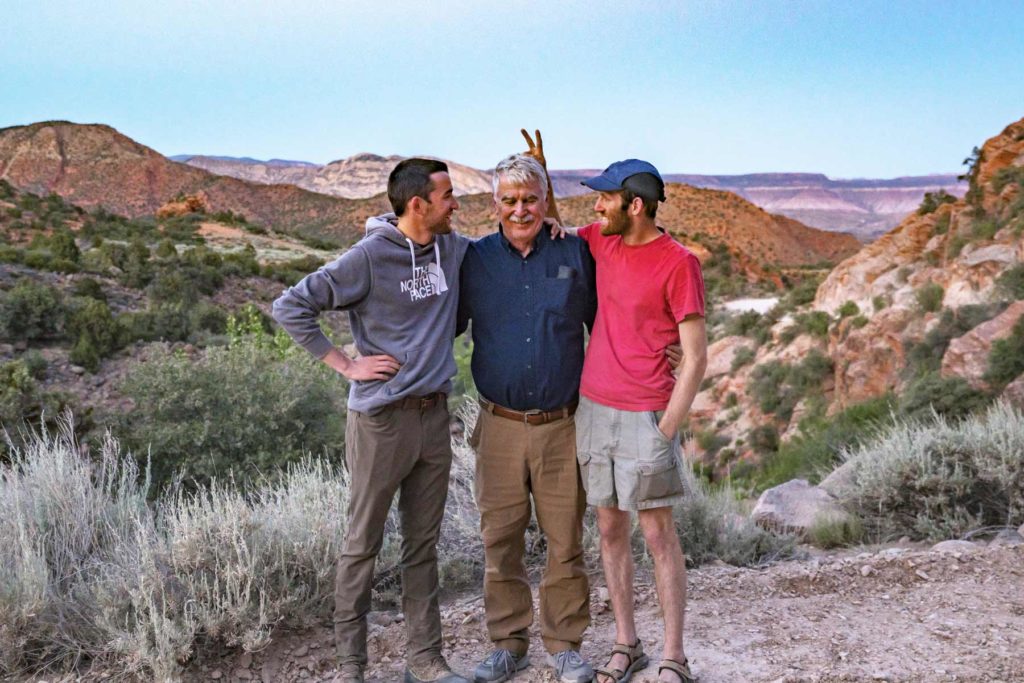
As for me, I’m a retired lifelong educator and a proud dad of these two wonderful guys who are hopelessly obsessed with the national parks. I taught history for over a quarter of a century. Now I enjoy researching and writing articles for More Than Just Parks. I’m always on the hunt for topics where nature and history intersect so please feel free to share any ideas that you might have with me.
We’ve worked with the National Park Service, the Department of Interior, and the U.S. Forest Service for years creating films on important places and issues. Our work has been featured in leading publications all over the world and even some people outside of our immediate family call us experts on the national parks.
We’re Jim Pattiz and Will Pattiz, collectively known as the Pattiz Brothers (and sometimes the Parks Brothers) and we absolutely LOVE the national parks.
Affiliate disclosure: Some links on this page earn us a small commission at no extra cost to you. We only recommend gear we actually use.