


Dry Tortugas National Park sits almost 70 miles west of Key West, a cluster of seven tiny islands ringed by clear water, coral reefs, and the massive 19th-century brick fortress of Fort Jefferson. It is one of the most remote and rewarding parks in the system, reachable only by boat or seaplane. We’ve snorkeled the moat wall, walked the fort’s ramparts at sunset, and camped on the sand under a sky thick with stars. We put together this ranked, honest guide to the best things to do in Dry Tortugas National Park, with the logistics you need before you go.
The single most important thing to know: there is no road here. You reach Dry Tortugas only by the daily ferry or by seaplane from Key West, and both require booking well in advance. The ferry capacity is limited and sells out, especially in the busy winter and spring season. Everything below assumes you have your transport locked in. For more in the region, see our guide to Florida’s national parks.
At a Glance: 13 Things to Do in Dry Tortugas
| Activity | Type | Effort / Time | Notes |
|---|---|---|---|
| Tour Fort Jefferson | History | Easy, 1-2 hrs | Self-guided or ranger |
| Snorkel the moat wall | Snorkeling | Easy | Gear on ferry |
| Walk the fort ramparts | Walk | Easy, 30 min | Top-level views |
| Swim at the south beach | Beach | Easy | Garden Key |
| Snorkel the coal docks | Snorkeling | Easy-moderate | More marine life |
| Camp overnight on Garden Key | Camping | Easy | Reserve, ferry only |
| Watch the birds on Bush Key | Wildlife | Easy | Seasonal closure |
| Scuba dive the reefs | Diving | Moderate | Private charter |
| Stargaze after dark | Scenic | Easy | Campers only |
| Visit Loggerhead Key | Boat | Moderate | Private boat only |
| Kayak around Garden Key | Paddling | Moderate | Bring your own |
| Watch sunrise or sunset | Scenic | Easy | Campers only |
| Learn the fort and prison history | History | Easy | Visitor center |
1. Tour Fort Jefferson
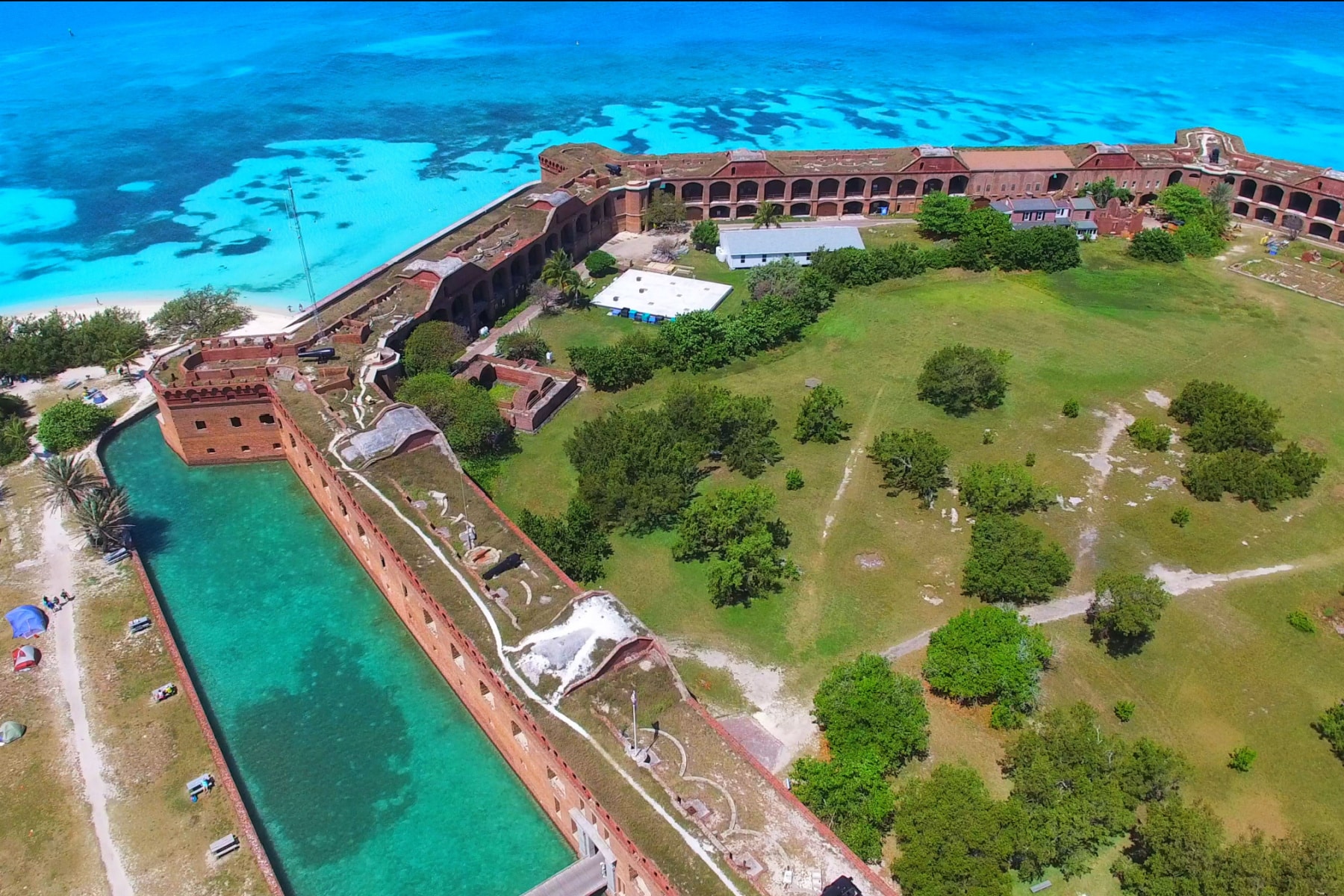
Fort Jefferson is the centerpiece of the park and one of the largest brick masonry structures in the Western Hemisphere, built with more than 16 million bricks and never fully finished. You can explore it on your own or join the ranger-led tour that comes with the ferry trip, walking through the gun rooms, parade ground, and the cell where Dr. Samuel Mudd was imprisoned after the Lincoln assassination. Allow one to two hours. Difficulty: easy. It is the first thing most people do after stepping off the boat.

2. Snorkel the Moat Wall
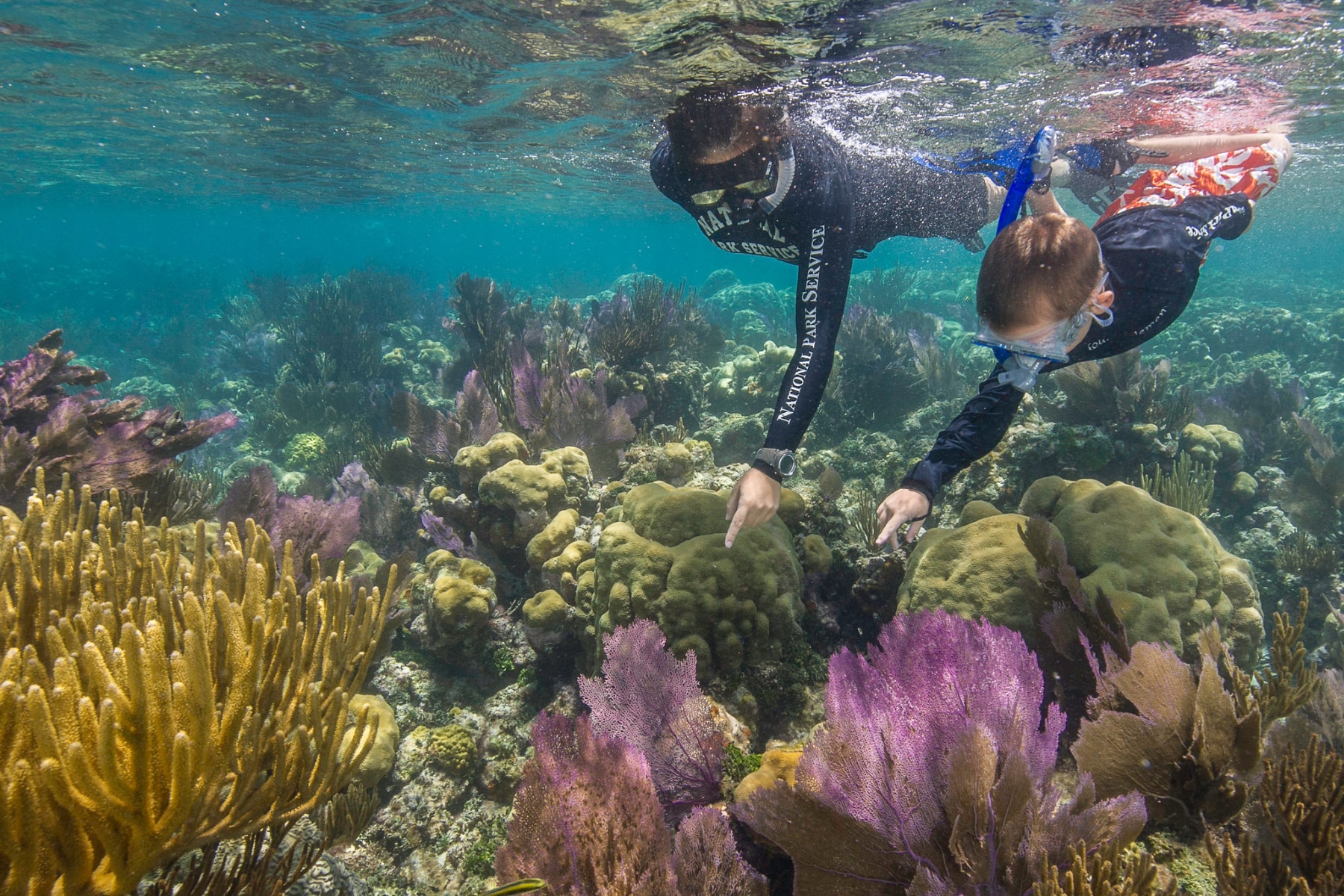
The snorkeling right off the beach beside the fort’s moat wall is the best easy snorkel in the park. The wall and the shallow water around it shelter coral, sea fans, parrotfish, and often sea turtles and rays, all in calm, clear water you can reach by simply walking in from the sand. The ferry provides snorkel gear, so you do not need to bring your own. Effort: easy. This is the highlight for most day-trippers.
Love Dry Tortugas? It's one of 117 threatened public lands destinations we're tracking. Get the free briefing.

3. Walk the Fort Ramparts
Climbing to the top level of Fort Jefferson rewards you with a full 360-degree view over the islands, the coral shoals, and the deep blue Gulf beyond. Walking the perimeter of the ramparts is the best way to grasp both the scale of the fort and the isolation of the place. It takes about 30 minutes and is one of the most photogenic walks in any park. Effort: easy, with a stairway up.

4. Swim at the South Beach
The small swimming beach on the south side of Garden Key is a perfect spot to cool off between fort exploring and snorkeling, with calm, shallow, bath-warm water and views back at the fort walls. It is sandy, easy to access, and a relaxing place to spend the middle of a hot day. Effort: easy. Bring water and shade; there is little of either on the island.
5. Snorkel the Coal Dock Pilings
Beyond the moat wall, the old coaling dock pilings on the north side of Garden Key draw a richer concentration of fish and larger marine life, since the structure acts like an artificial reef. It is a slightly more advanced snorkel with a bit more current, so it suits stronger swimmers. Effort: easy to moderate. Watch conditions and stay aware of boat traffic.

6. Camp Overnight on Garden Key
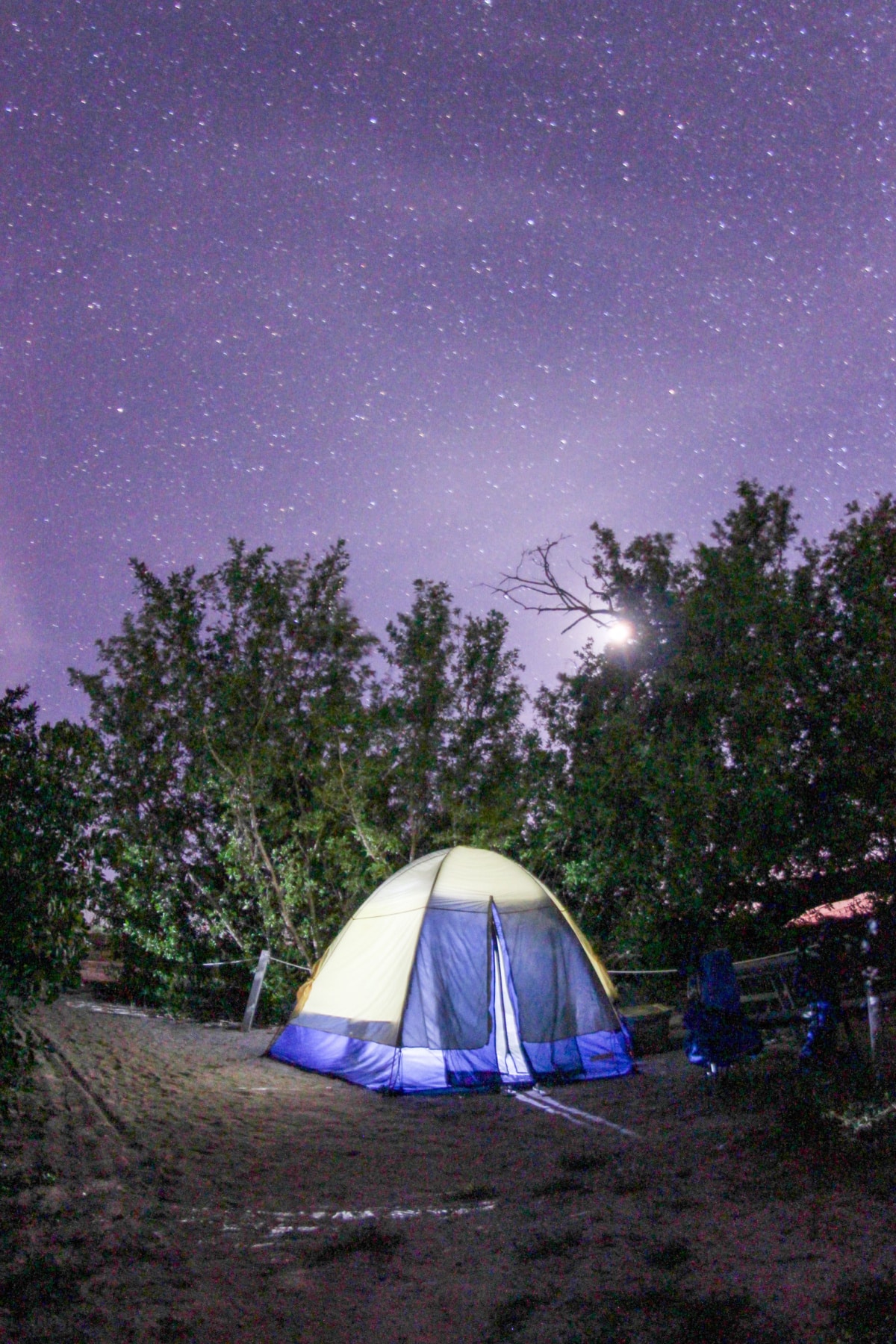
Camping at Dry Tortugas is one of the best experiences in the entire park system. Once the day boats leave, you have the island, the fort, and the water nearly to yourself. The primitive campground on Garden Key has a handful of sites that book up months ahead, and you must arrange transport on the ferry, which carries a limited number of campers and all your own water, food, and gear. There is no fresh water or store. See the park’s camping page and reserve early. Effort: easy, but full self-sufficiency required.
7. Watch the Birds on Bush Key
Dry Tortugas is a famous birding destination, and Bush Key, just across a sandbar from Garden Key, hosts a huge nesting colony of sooty terns and brown noddies, plus magnificent frigatebirds overhead. The island closes to visitors during the nesting season, roughly late winter through fall, but you can watch and photograph the spectacle from Garden Key. Spring migration brings rare songbirds to the fort itself. Effort: easy. Bring binoculars.

8. Scuba Dive the Reefs
The waters around Dry Tortugas hold some of the healthiest coral in the Florida Keys along with shipwrecks, making it a bucket-list dive. The ferry is a day-trip operation and does not run scuba excursions, so diving here means arriving on a private boat or a dedicated dive charter out of Key West. For experienced divers it is worth the effort. Difficulty: moderate. Arrange through a licensed dive operator.
9. Stargaze After Dark
Seventy miles from the nearest city lights, Dry Tortugas has some of the darkest skies in Florida, and the Milky Way blazes over the fort on a clear night. This is a reward reserved for campers, since day visitors leave before dark, and it is one of the best reasons to spend the night. Effort: easy. Let your eyes adjust and look up.
10. Visit Loggerhead Key
Loggerhead Key, the largest island in the park, holds a historic lighthouse and some of the best snorkeling and diving in the Tortugas around the nearby reefs. It lies about three miles from Garden Key and is reachable only by private boat, so it is an option for those who arrive by their own vessel rather than the ferry. Difficulty: moderate, weather-dependent. A genuinely remote corner of a remote park.

11. Kayak Around Garden Key
Paddling the calm flats around Garden Key gives a different view of the fort and access to quiet water for spotting turtles and rays. There are no rentals on the island, so this is for campers who bring a packable kayak on the ferry. Stay close to shore, mind the currents and boat channel, and check conditions before heading out. Difficulty: moderate. Always wear a life vest.
12. Watch Sunrise or Sunset Over the Fort
With water on every side, Dry Tortugas delivers both sunrise and sunset over open ocean, framed by the silhouette of Fort Jefferson. These golden-hour moments, with the day crowds gone and the birds settling, are among the most peaceful in any park. Like stargazing, this one belongs to campers. Effort: easy.

13. Learn the Fort and Prison History
Inside Fort Jefferson, the small visitor center and interpretive signs tell the layered story of the place: a coastal fortress that guarded shipping lanes, a Civil War-era military prison, a quarantine hospital, and finally a national park protecting the reefs and birds. Taking time with the history makes the whole island read differently. Effort: easy. Time: 30 minutes.

Planning Your Visit: Know Before You Go (2026)
- Getting there: The park is reachable only by the daily passenger ferry or by seaplane from Key West, or by private boat. The ferry includes the entrance fee, breakfast and lunch, snorkel gear, and a fort tour, and it sells out, so book weeks or months ahead. See the NPS directions page for current operators.
- Entrance fee: A per-person entrance fee applies (covered by the America the Beautiful pass) and is included in ferry tickets. Confirm on the NPS fees page.
- Camping is limited and primitive: A few first-come and reserved sites exist on Garden Key. You must bring all water, food, fuel, and gear, and arrange the limited camper spots on the ferry. There is no fresh water or store. See camping info.
- Best time: Winter and spring bring calmer seas, cooler temperatures, and peak birding; summer is hot with afternoon storms and rougher crossings.
- Bush Key closures: Bush Key closes during the bird nesting season, roughly late winter through fall, to protect the colony.
- What to bring: Sun protection, plenty of water, motion-sickness medication for the crossing, and reef-safe sunscreen. Check current conditions before your trip.
Keep Exploring Dry Tortugas
For more on planning your trip, visit our Dry Tortugas National Park hub and our guide to Florida’s national parks. You can also watch our cinematic national park films at the More Than Just Parks films library.
What to Bring to Dry Tortugas
Gear we recommend for Dry Tortugas. Affiliate links support our work at no cost to you.
More Than Just Parks may earn a small commission from purchases made through these links, at no extra cost to you. We only recommend gear we would actually use.
Affiliate disclosure: Some links on this page earn us a small commission at no extra cost to you. We only recommend gear we actually use.


