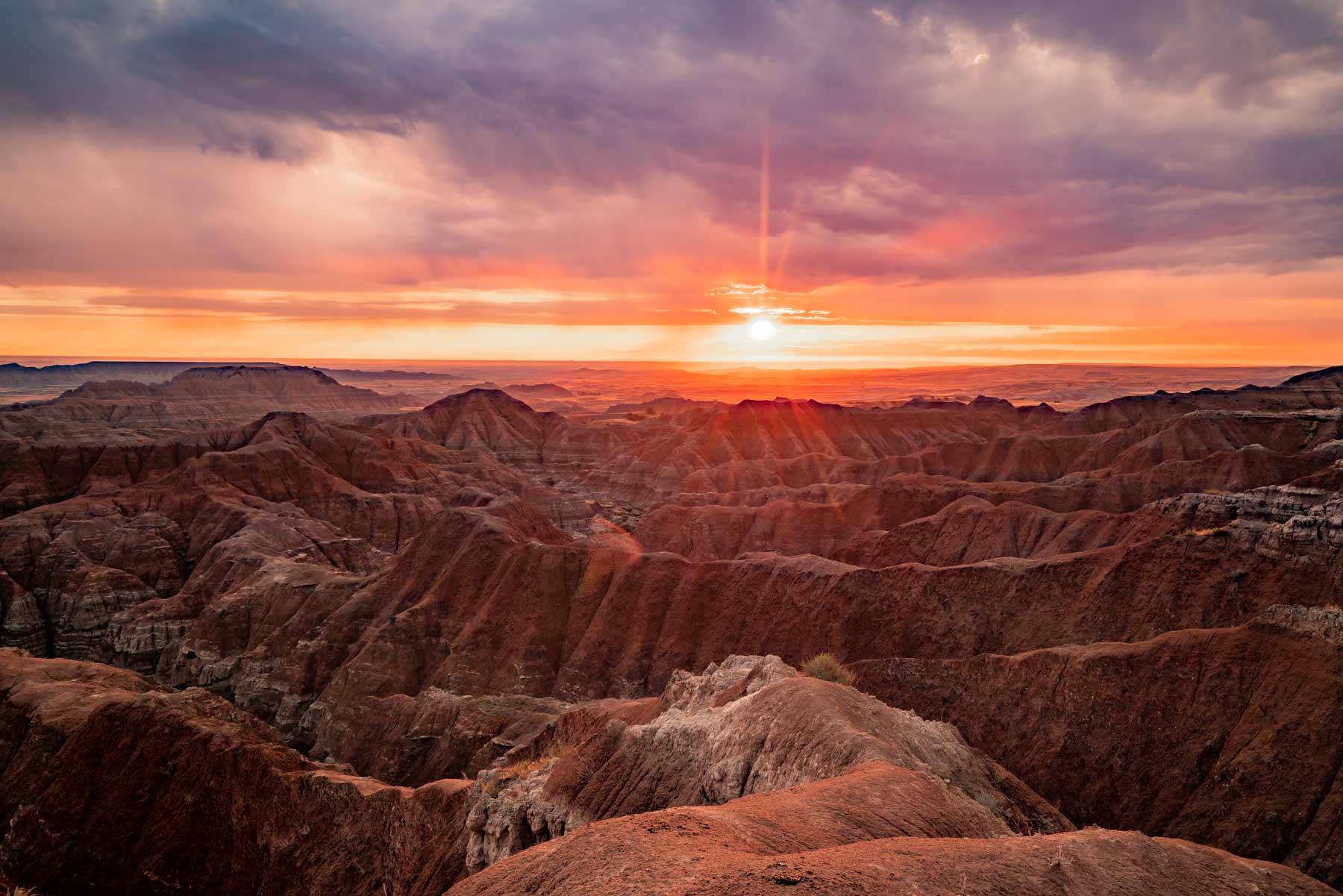


The Badlands are disappearing. The wall of spires and buttes that rises out of the South Dakota prairie erodes at roughly an inch per year, and geologists expect the whole formation to wash away within the next 500,000 years. The most rugged looking landscape in the national park system is also one of its most temporary.
What follows are 12 facts about Badlands National Park, from the ancient sea that laid its first layers to the bombing range it became during World War II. For trip planning, trails, and current logistics, start with our full Badlands National Park guide.
Tony Pattiz taught American history for more than 25 years before he began writing it for this site. Will and Jim have filmed Badlands National Park twice, once in May and again in August, for our Badlands films, and Tony has walked its overlooks himself. Every date, number, and name below has been checked against the National Park Service and the primary sources listed at the end of this article. Last verified July 2026.
Badlands National Park Basics
- Location: Southwestern South Dakota, east of the Black Hills
- Size: About 244,000 acres, per the National Park Service
- Visitation: 1,139,361 recreation visits in 2025, per NPS Stats
- Established: Authorized by Congress in 1929, proclaimed Badlands National Monument on January 25, 1939, and redesignated a national park on November 10, 1978
- Wilderness: The 64,144 acre Badlands Wilderness, designated in 1976
- Units: A North Unit and a South Unit, the latter co-managed with the Oglala Sioux Tribe
- Known for: Some of the richest fossil mammal beds on Earth and the largest protected mixed-grass prairie in the United States
1. An Ancient Sea Laid Down The First Layers 75 Million Years Ago
What do you find at the bottom of the Badlands? A seabed. The oldest rock in the park, the black Pierre Shale, was deposited about 75 million years ago by the Western Interior Seaway, a shallow, warm sea that stretched from the Gulf of Mexico to the Arctic Ocean and covered most of the modern Great Plains.
Love Badlands? It's one of 117 threatened public lands destinations we're tracking. Get the free briefing.
When the sea drained away, rivers, floodplains, and wind kept stacking sediment on top of that old sea floor, layer after layer, until deposition ended about 28 million years ago with the Sharps Formation. Those layers are the banded reds, tans, and grays you see in every butte today. Each stripe is a chapter, and the park reads like a stack of pages 47 million years thick.
2. The Badlands Are Eroding Away An Inch Every Year
The buttes took tens of millions of years to build and will take a comparative instant to destroy. The Badlands began eroding only about 500,000 years ago, when the Cheyenne and White rivers started carving through the soft layered sediment. The National Park Service puts the average erosion rate at one inch per year, which is a ferocious pace for rock.
Run the clock forward and the math is unsentimental. Scientists estimate that in the next 500,000 years the Badlands will have eroded completely away. Every visit, in other words, catches this landscape in the brief middle of its life, and every rainstorm redraws the walls a little.
3. Its Fossil Beds Are Among The Richest On Earth
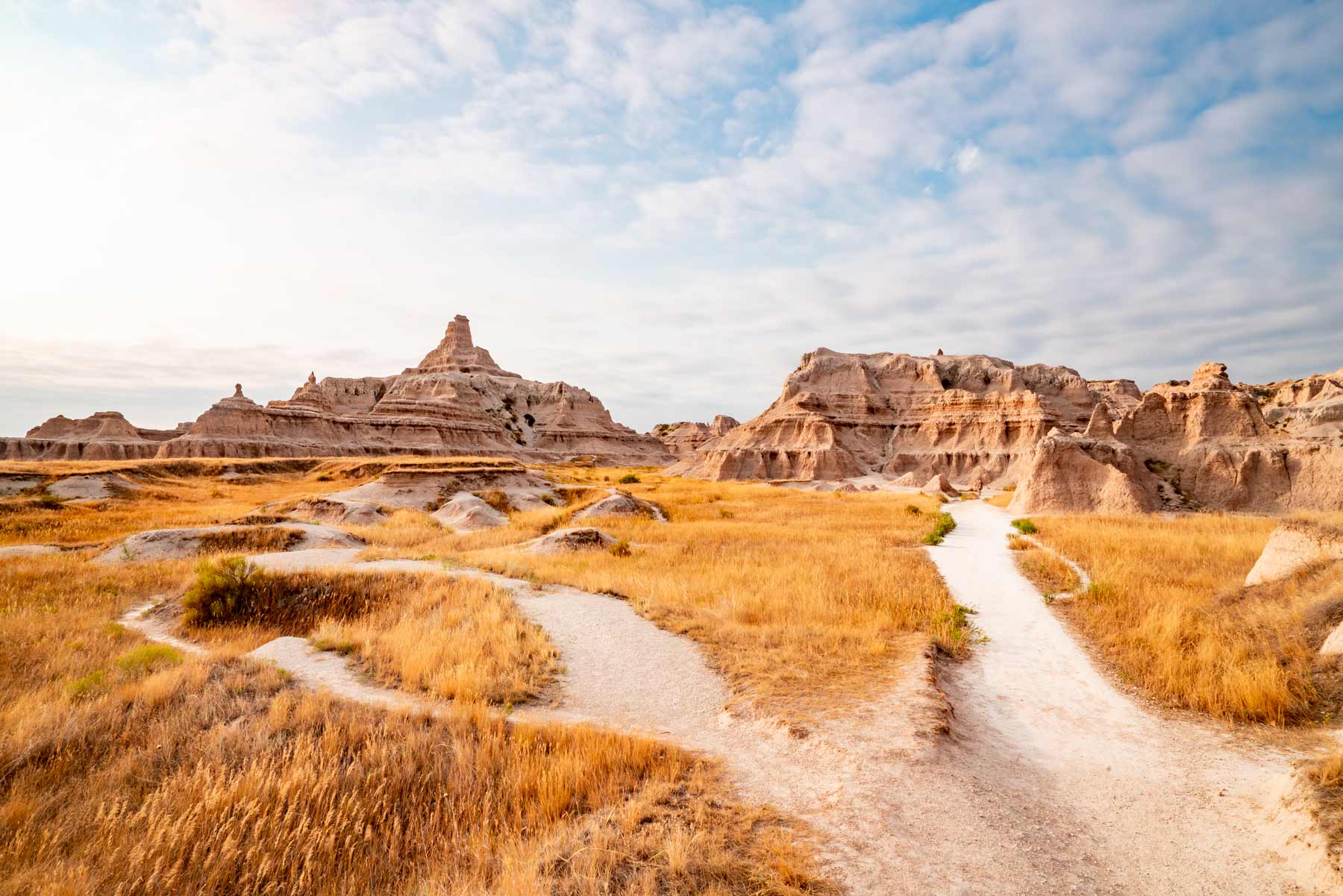
All that erosion has a payoff. The same rain that eats the buttes keeps exposing the bones inside them, and the Badlands rank among the richest fossil mammal localities anywhere. The park’s formations date from the late Eocene and Oligocene epochs, the so-called Age of Mammals, when ancestral horses and rhinos wandered a wet, warm floodplain here.
The best story is the Big Pig Dig. In 1997, two park visitors, Steve Gasman and Jim Carney, noticed vertebrae and limb bones weathering out of the ground near the Conata Picnic Area and reported them to rangers. The excavation that followed ran for 15 field seasons and recovered more than 19,000 fossils, all while visitors watched paleontologists work. The site was named for Archaeotherium, a hog-like omnivore with enormous jaws, and it also produced the hornless rhinoceros Subhyracodon, the dog-sized early horse Mesohippus, and the foot-tall mouse-deer Leptomeryx.
Finds like these end up in the park’s museum collections, which hold more than 360,000 objects, from fossils and herbarium specimens to the letters and photographs of the homestead era.
4. The Lakota Named It First. Mako Sica Means Bad Lands
People have been in and around the Badlands for as long as 12,000 years, hunting camps first, then generations of tribal nations who used the high tables and sheltered valleys as hunting grounds. The National Park Service traces that record through archaeological finds across the park.
The name itself is Lakota. For hundreds of years the Lakota people have called this country mako sica, which translates literally to “bad lands,” an honest review of its extreme temperatures, scarce water, and impossible terrain. French fur trappers who passed through called it les mauvaises terres a traverser, bad lands to travel across, and since those trappers spent time with the Lakota, their name was likely borrowed straight from the original. English simply finished the translation.
5. On Paper, The Badlands Came To America In The Louisiana Purchase
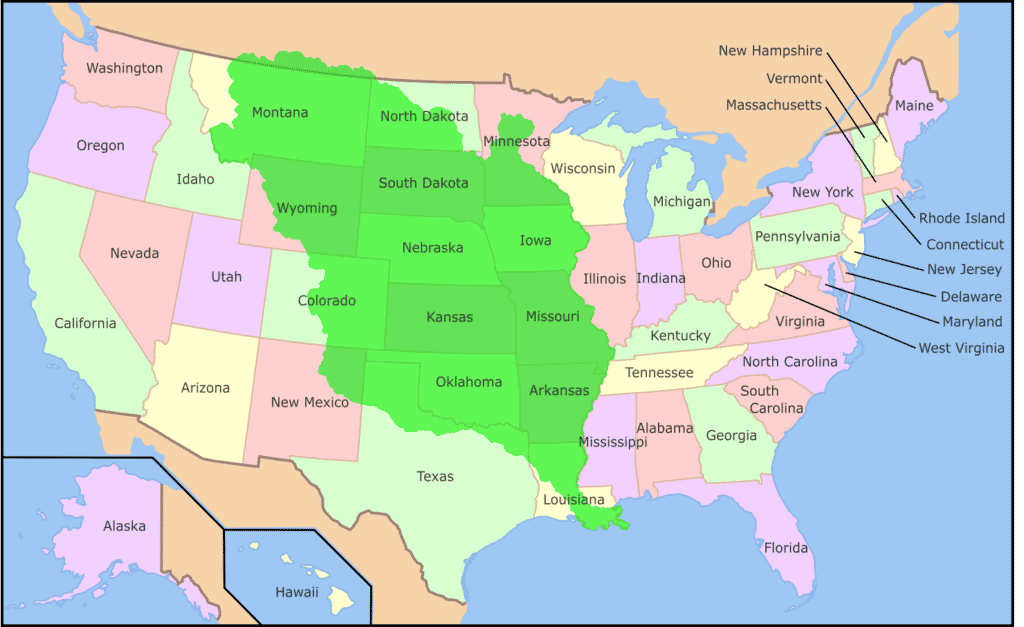
As a retired history teacher, I taught this document for decades. In 1803, the United States bought 828,000 square miles of land west of the Mississippi from France for $15 million, roughly 4 cents an acre. The deal doubled the size of the young republic overnight, and the future state of South Dakota, Badlands and all, was inside it.
Why did Napoleon sell? He needed money for the European wars he knew were coming, and a distant colony he could not defend was worth more to him as cash. Thomas Jefferson’s negotiators had been authorized to spend up to $10 million just for New Orleans. Offered the entire territory instead, they took it.
One honest caveat belongs in every telling of this story. Paris and Washington traded paper. The people actually living on the northern plains, including the Lakota, were never party to the sale, and the next fact is part of what followed.
6. One Of The Last Ghost Dances Was Held On Stronghold Table
In the fall and early winter of 1890, thousands of Native Americans, many of them Oglala Lakota, became followers of the prophet Wovoka. His vision called on native people to dance the Ghost Dance and wear ghost shirts, which the faithful believed would turn away bullets, in the hope of restoring a world that conquest had taken.
One of the last known Ghost Dances of the 19th century was held on Stronghold Table, a natural fortress of a mesa in what is now the park’s South Unit. As winter closed in, the dancers came down and returned toward the Pine Ridge Agency. In late December 1890, a band of Miniconjou Lakota led by Spotted Elk, pursued by the U.S. Army through a pass in the Badlands Wall, was overtaken and ordered to camp at Wounded Knee Creek. The massacre that happened there the next morning remains one of the darkest events in American history, and it began, in part, within sight of this park.
7. Peter Norbeck Fought Seventeen Years For This Park And Never Saw It
Every park has a champion. The Badlands had Peter Norbeck, a two-term South Dakota governor and three-term U.S. senator who introduced the first Badlands park bill, S. 3541, on May 2, 1922. It took seven more years of horse trading before President Coolidge signed the act authorizing Badlands National Monument on March 4, 1929.
Authorization was not establishment. The proclamation creating the monument, roughly 150,000 acres of it, did not come until President Roosevelt signed it on January 25, 1939. Norbeck had died in December 1936. The man who did more than anyone in Congress to protect the Badlands never saw it protected, and the national park designation took until November 10, 1978.
While other individuals and organizations played an important part in the establishment of Badlands National Monument, Senator Peter Norbeck deserves more credit than any other legislator.
Ray H. Mattison and Robert A. Grom, History of Badlands National Monument, 1968
Norbeck’s fingerprints are all over this corner of the country. He secured federal funding for Mount Rushmore and worked directly with sculptor Gutzon Borglum, pushed the scenic highways through the Black Hills, supported the Migratory Bird Conservation Act of 1929, and backed the legislation that established Grand Teton National Park.
8. World War II Turned The Badlands Into A Bombing Range
In 1942, the War Department took 341,726 acres of the Pine Ridge Reservation, home of the Oglala Lakota, to create the Badlands Gunnery Range, and 337 acres of the then national monument went with it. From 1942 to 1945 the area was used for air-to-air and air-to-ground gunnery along with precision and demolition bombing. Crews aimed at old car bodies, 55 gallon drums painted bright yellow, and bullseyes 250 feet across plowed into the prairie. Bombers even targeted the gleaming white fossils of elephant-sized titanotheres, destroying hundreds of fossil resources.
After the war, the South Dakota National Guard used portions of the range for artillery practice. In 1968 the Air Force declared most of it excess property, keeping 2,500 of the original acres, which are no longer used.
The land’s return produced something new in the park system. In 1976, the National Park Service and the Oglala Sioux Tribe signed a Memorandum of Agreement creating the park’s South Unit, tribal land inside the Pine Ridge Reservation that the two governments manage together. Stronghold Table sits within it.

9. Bison, Bighorns, And Ferrets All Had To Be Brought Back
Nearly every large animal you see in the Badlands today is a comeback story. An estimated 30 million bison once ranged across North America; market hunting reduced them to a few hundred wild animals by the 1880s. Bison were returned to the Badlands in 1963 and now roam the Sage Creek country in one of the park’s signature spectacles.
The native Audubon’s bighorn sheep did not get a second chance. It was wiped out entirely, and in 1964 the Park Service relocated 22 Rocky Mountain bighorn from Colorado’s Pikes Peak to the monument. Their descendants work the cliff edges along the Badlands Loop today.
The rarest returnee is the black-footed ferret, among the most endangered land mammals in the world and twice feared extinct. Captive-bred ferrets were released back into the Badlands in 1994, ending an absence of more than four decades. They hunt at night in the park’s prairie dog towns, which you can watch, in daylight and at full comic volume, at Roberts Prairie Dog Town.
10. It Protects The Largest Mixed-Grass Prairie In The United States
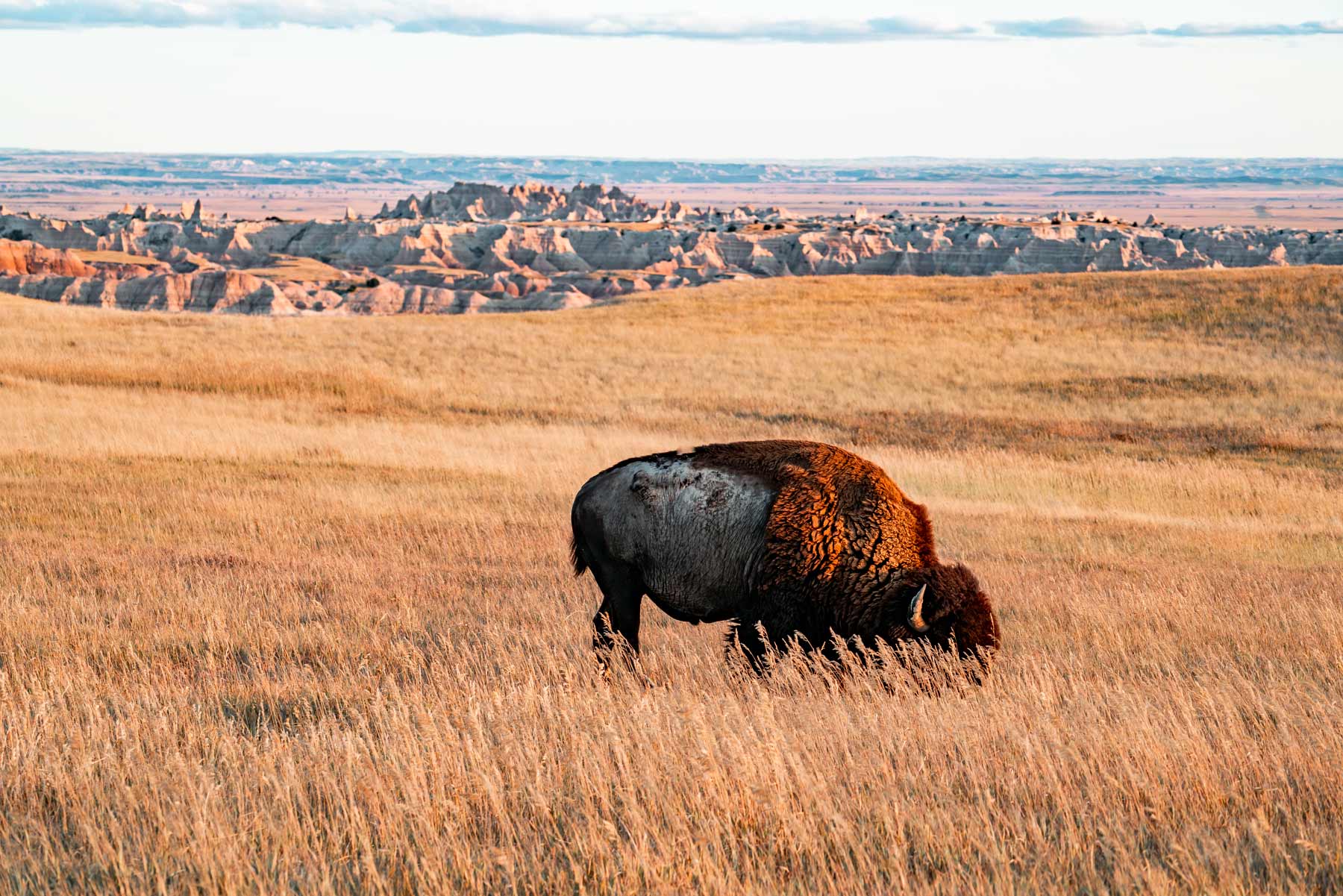
The spires get the postcards, but the park’s quieter superlative is the grass. Badlands National Park holds the largest protected mixed-grass prairie in the United States, a meeting ground where the tallgrass species of the wetter east and the shortgrass species of the drier west grow side by side, ankle-high here, waist-high there.
Almost everything else on this list depends on it. The bison graze it, the prairie dogs engineer it, the ferrets hunt in it. Scientists with the NPS Northern Great Plains Inventory and Monitoring Network run long-term studies of the park’s plant communities, using the prairie as an early warning system for the health of the whole ecosystem.
11. More Than 7,500 Stars Come Out Over The Badlands At Night
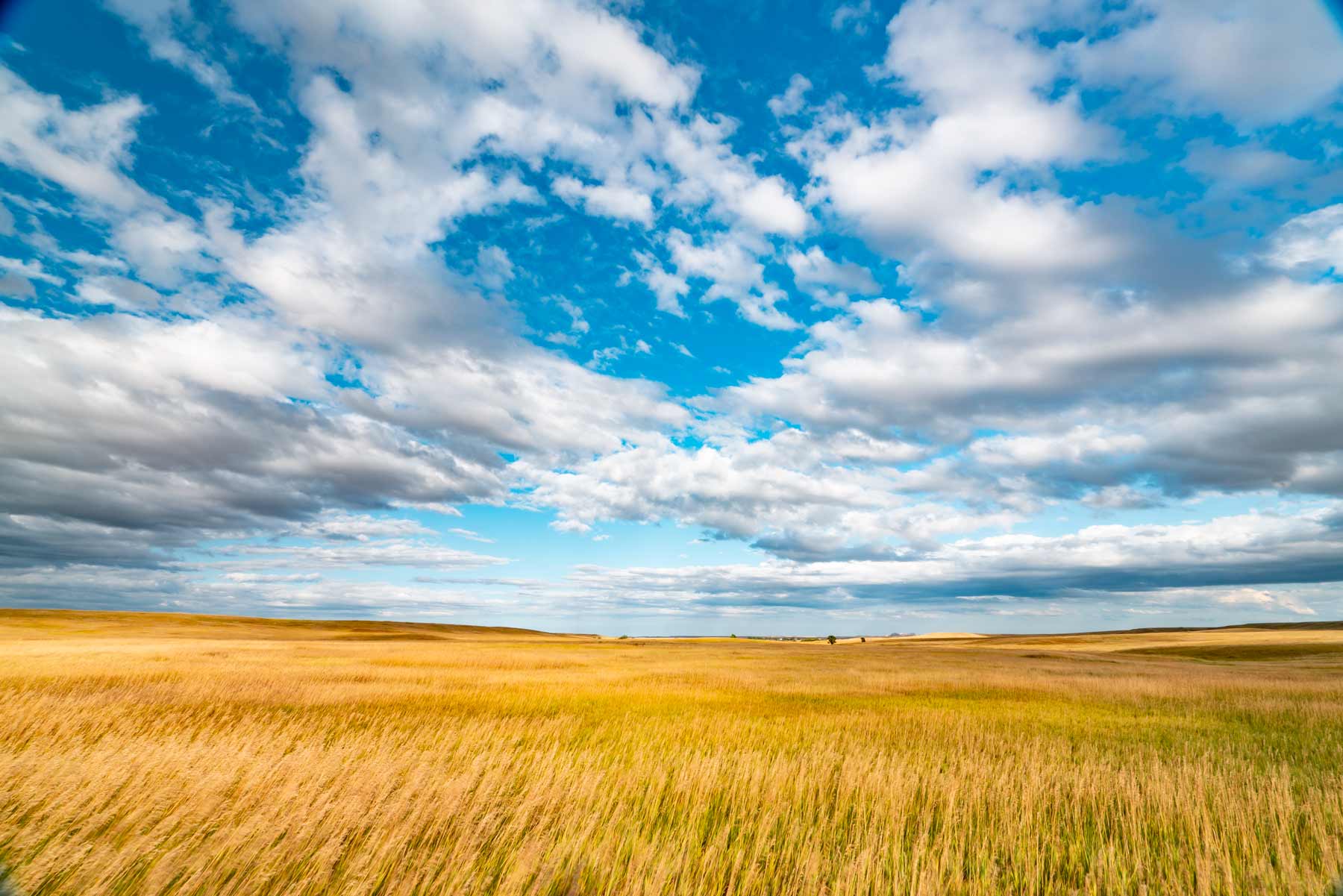
Far from any large city, the skies here stay genuinely dark. On a clear night, the National Park Service says visitors are exposed to more than 7,500 stars, with the Milky Way standing out in unusual clarity. City dwellers routinely gasp; most Americans have never actually seen their own galaxy.
The park leans into it. From Memorial Day through Labor Day, rangers and astronomy volunteers run Night Sky Viewing programs at the Cedar Pass Amphitheater, telescopes included, and the park hosts an annual Badlands Astronomy Festival each summer.

12. Hollywood Keeps Coming Back To The Badlands
Directors have long borrowed this landscape when they need somewhere that looks like the edge of the world. The most famous borrowing is Dances with Wolves (1990). Kevin Costner shot the film across South Dakota, and the wagon journey that carries Lieutenant Dunbar to his abandoned frontier post was filmed in the park’s Sage Creek country. The movie won the Academy Award for Best Picture.
Two years later, Thunderheart (1992) used the Badlands and the surrounding Pine Ridge Reservation for its story drawn from the modern history of that land. And in 2020 the park did it again. Nomadland filmed key sequences in Badlands National Park and at nearby Wall Drug, then won three Oscars, including Best Picture. Thirty years apart, two Best Picture winners, one backdrop. We keep a running list of movies filmed in the national parks, and the Badlands earn their section.
What It Feels Like To Stand There
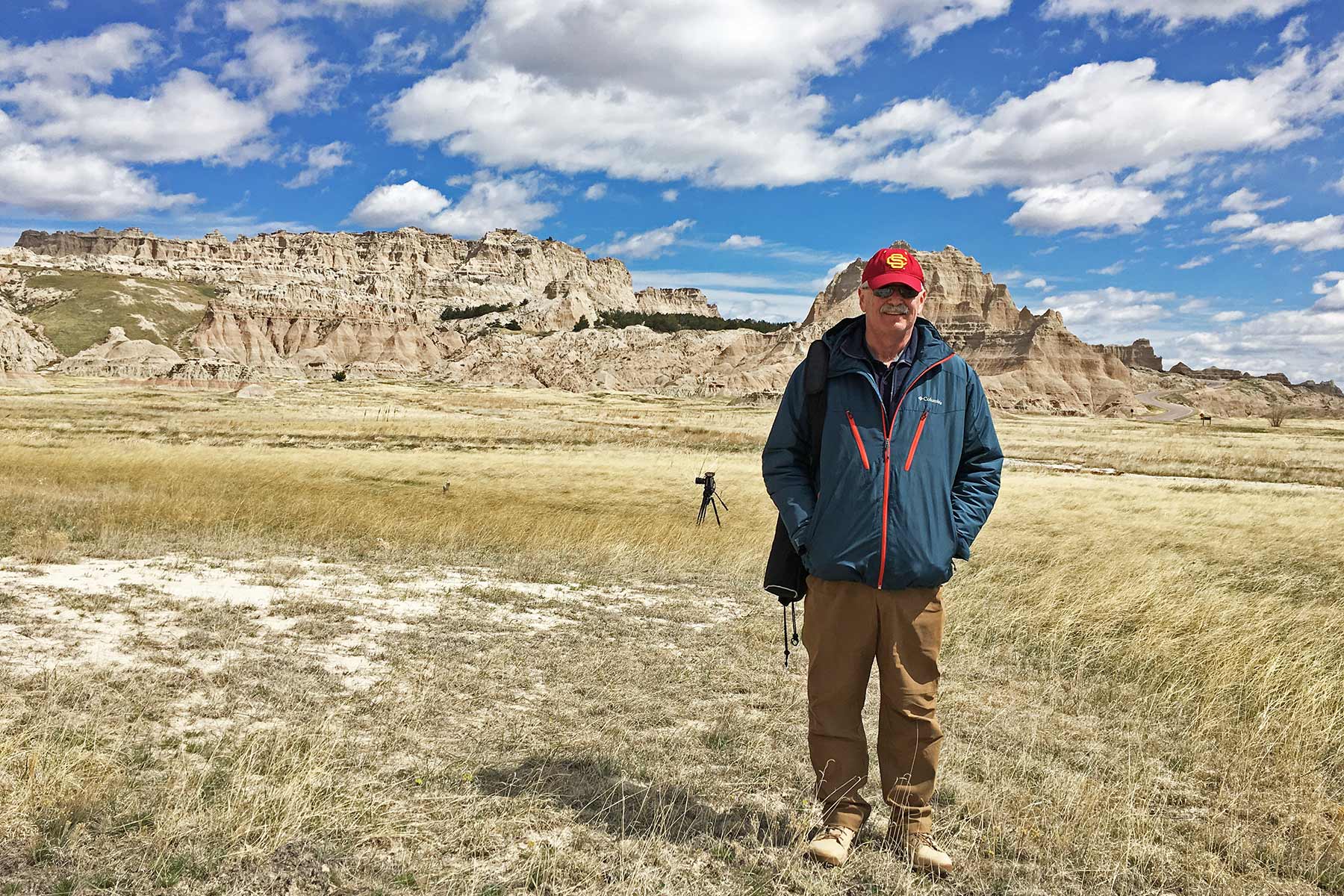
Will and Jim have filmed the Badlands twice, in May and in August, and the two trips taught them the same lesson. The wind on the prairie almost never stops, and then you drop below the rim of the Badlands Wall into a gully and the sound cuts out completely, like a door closing. In August the rock radiates heat by mid-morning; in May the light comes up soft and turns the banded formations pink and gold before the day flattens them. Watch the ledges near the overlooks and you will often catch bighorn sheep standing where no animal should reasonably stand.
Give it more than the standard windshield hour. Our guide to the best things to do in Badlands National Park covers the trails, overlooks, and drives worth your time.
Our Badlands Film, In 8K
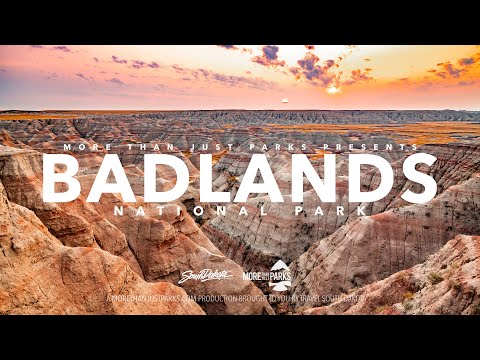
Our first Badlands film was shot in May, before the heat and the crowds roll in, and every frame of it was earned on foot or from a moving car, since drones are not permitted in the park. Will and Jim came back in August, working with Travel South Dakota, to film the 8K piece above, chasing the bison herds, the bighorns, and the prairie in its late-summer gold. They also filmed a full walking tour of the Notch and Window trails for anyone who wants to preview the hikes.
Where These Facts Come From
Every claim in this article was checked against the sources below in July 2026. Numbers that change over time, like annual visitation, are stated with the year they were reported.
- NPS, Badlands National Park, for acreage and the park’s headline features
- NPS Stats (IRMA), for 2025 recreation visits
- NPS, How Badlands Buttes Came To Be, for the Western Interior Seaway, deposition dates, and erosion rates
- NPS, The Big Pig Dig and NPS, Badlands Museum Collections, for the fossil facts and collection size
- NPS, Mako Sica: Naming the Badlands and the NPS Badlands history pages, for the name and 12,000 years of human presence
- National Archives, Louisiana Purchase Treaty (1803), for the price, area, and terms of the purchase
- NPS, Stronghold Table and NPS, Badlands National Park’s Stronghold District, for the Ghost Dance and Wounded Knee
- NPS, Peter Norbeck and Ray H. Mattison and Robert A. Grom, History of Badlands National Monument (Badlands Natural History Association, 1968), for the 1922 bill, 1929 authorization, and 1939 proclamation
- NPS, Badlands Gunnery Range, NPS, Badlands Aerial Gunnery Range, and NPS, South Unit of Badlands National Park, for the bombing range and the 1976 co-management agreement
- NPS brochure, Restoration of Native Animals, NPS, Bighorn Sheep in the Badlands, and U.S. Department of the Interior, 15 Facts About the American Bison, for the reintroduction dates and bison history
- NPS, Badlands Mixed-grass Prairies and NPS, Inventory and Monitoring at Badlands, for the prairie superlative and monitoring program
- NPS, Enjoy the Night Sky, for the star count and Cedar Pass programs, and Travel South Dakota, Shows and Films Shot in South Dakota, for the filming locations
Keep Exploring The Badlands
- Badlands National Park Guide, our full trip planning hub
- Best Things To Do In Badlands National Park
- Best Hikes In Badlands National Park, including the Notch and Door trails
- South Dakota National Parks Worth Visiting
- Wind Cave National Park Facts, more history from just across the Black Hills
- Theodore Roosevelt National Park Facts, the other great badlands of the Dakotas
- Before you go, check live alerts and air quality on our national park conditions dashboard
What to Bring to Badlands
Gear we recommend for Badlands. Affiliate links support our work at no cost to you.
More Than Just Parks may earn a small commission from purchases made through these links, at no extra cost to you. We only recommend gear we would actually use.
Affiliate disclosure: Some links on this page earn us a small commission at no extra cost to you. We only recommend gear we actually use.
More Than Just Parks Film Watch our 8K film of Badlands We spent weeks in Badlands, one of our favorite public lands destinations, capturing it the way it deserves. Take a few minutes and see it for yourself.