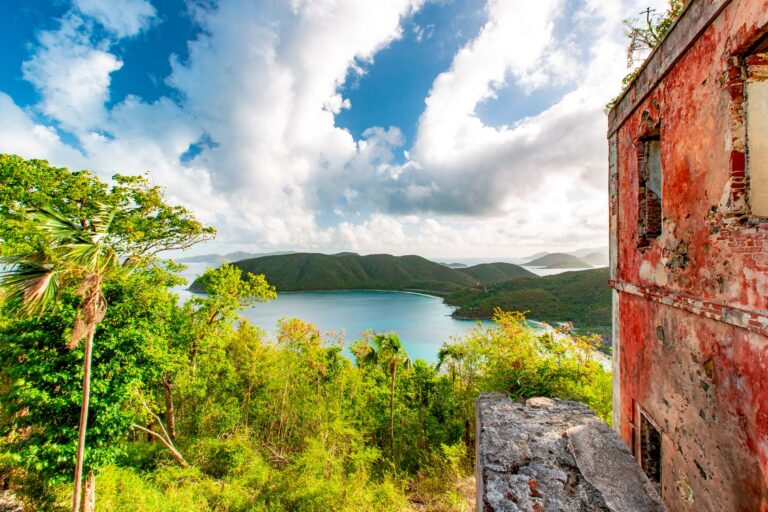


I first visited Virgin Islands National Park back in 2018 with my wife, and I left with genuinely mixed feelings. This is one of the most beautiful corners of the National Park System, with the kind of crystal-blue water, white sand, and palm-shaded coves you picture when someone says Caribbean. It is also a park that took a serious beating from Hurricane Irma and Hurricane Maria in 2017, and a lot of the dreamy photos floating around online were taken before those storms.
Years on, the park has recovered enormously, the reefs are bouncing back, and St. John is still one of my favorite places to spend a week. Below is my honest, ranked list of the best things to do in Virgin Islands National Park, with the logistics I wish someone had handed me before my first trip.

For everything in one place, see our full Virgin Islands National Park guide, which covers logistics, lodging, and how to string these together into a trip.
Things to Do at a Glance
| Activity | Type | Time Needed | Best For |
|---|---|---|---|
| Trunk Bay underwater trail | Snorkel | Half day | First-timers |
| Reef Bay Trail to petroglyphs | Hike | 3 to 4 hours | Hikers, history |
| Annaberg Sugar Plantation | Historic site | 1 hour | History |
| Maho Bay snorkel | Snorkel | 2 to 3 hours | Sea turtles |
| Waterlemon Cay | Hike and snorkel | Half day | Strong swimmers |
| Cinnamon Bay | Beach and ruins | Half day | Families |
1. Snorkel the Trunk Bay Underwater Trail

Trunk Bay is the postcard beach of St. John, and it earns the attention. The draw for me is the marked underwater snorkel trail just offshore, where submerged plaques identify the coral and fish you are floating over. It is a great introduction to Caribbean reef life if you have never put a mask on.
Love Virgin Islands? It's one of 117 threatened public lands destinations we're tracking. Get the free briefing.
- Logistics: On the North Shore Road, roughly 15 minutes from Cruz Bay. There is a day-use amenity fee of around $5 per person ages 16 and up, collected sunrise to sunset. The park itself has no entrance fee.
- Best time of day: Arrive before 10 a.m. The cruise-ship and tour crowds build by midday, and morning water is calmest.
- Honest take: It is busy and the snorkeling is good rather than world-class. Come for the easy access and the beach, then go find quieter reefs elsewhere on the island.
2. Hike the Reef Bay Trail to the Petroglyphs

This is the best hike in the park and the one I send people to first. The Reef Bay Trail drops through dense tropical forest past old sugar mill ruins, and a short spur leads to a freshwater pool ringed by ancient petroglyphs carved by the island’s pre-Columbian inhabitants. Standing there is the closest the park comes to time travel.
- Distance and difficulty: About 2.4 miles each way to the bay, moderate, with a steady climb on the return. Plan 3 to 4 hours round trip.
- Trailhead: On Centerline Road (Route 10), about 10 minutes from Cruz Bay.
- Tip: Go early to beat the heat, carry far more water than you think you need, and check at the visitor center for current trail conditions.
3. Walk the Annaberg Sugar Plantation Ruins
The Annaberg ruins tell the harder, truer story of these islands. This was one of St. John’s largest sugar and rum operations, worked by enslaved people, and the stone windmill, factory, and quarters still stand on a hillside above the water. Interpretive signs walk you through how the plantation ran and at what human cost.
- Logistics: Off the Leinster Bay Road on the north side of the island. The loop is short and mostly flat, about a half mile, and takes under an hour.
- Why it is worth it: The views over Leinster Bay are excellent, and the history grounds the whole trip. Do not skip it for another beach.
4. Snorkel Maho Bay for Sea Turtles

Maho Bay is where I send anyone hoping to swim with sea turtles. The bay is shallow, calm, and full of seagrass beds that green sea turtles graze on, and you can often spot them right off the beach without a boat. It is also one of the easiest entries in the park, which makes it great for kids and nervous swimmers.
- Logistics: Roadside parking right on the North Shore Road, no fee. Bring your own gear.
- Etiquette: Give turtles plenty of room, never chase or touch them, and stay off the seagrass when you can.
5. Hike and Snorkel Waterlemon Cay
Waterlemon Cay is the best snorkeling I found in the park, and it takes a little effort to reach, which keeps the crowds down. You walk the rocky Leinster Bay shoreline from the Annaberg area, then swim out to a small island ringed by healthy coral, rays, turtles, and the occasional reef shark.
- Distance: About a mile of fairly rough shoreline walking each way to the swim entry, plus the swim to the cay.
- Difficulty: Moderate. The current around the cay can be strong, so this is for confident swimmers. Snorkel counterclockwise around the island to work with the current.
- Tip: Wear water shoes for the shoreline approach.
6. Spend a Half Day at Cinnamon Bay
Cinnamon Bay is the longest beach on St. John, and it pairs a wide stretch of sand with short interpretive trails through plantation ruins just across the road. It is a relaxed place to set up for a few hours, swim, and walk a little history without committing to a full hike.
- Logistics: On the North Shore Road, with restrooms and seasonal concessions. Watersport rentals are sometimes available on site.
- Best for: Families and anyone who wants beach time with an easy dose of history.
7. Relax at Honeymoon Beach
Honeymoon Beach is the easiest beach to reach from Cruz Bay on foot, by way of the Lind Point Trail, and it has calm, sheltered water that is great for a swim or a casual snorkel. There is usually a watersport operator renting kayaks and paddleboards if you want to get on the water.
- Access: About a mile on the Lind Point Trail from the visitor center, or a short boat or taxi ride.
8. Take In the View from the North Shore Overlooks

The pullouts along North Shore Road and Centerline Road deliver the views that sell people on St. John. The overlook above Trunk Bay and Maho Bay is the classic stop, with layered turquoise water and green hills stacking toward the British Virgin Islands in the distance. Pull over, take five minutes, and look.
9. Paddle or Sail the Coral Reef National Monument
Surrounding the park is Virgin Islands Coral Reef National Monument, and the water is the main event here. Kayaking, paddleboarding, or a half-day sail lets you reach quiet coves and reefs you cannot get to on foot. Plenty of operators run out of Cruz Bay if you would rather not rent and self-guide.
10. Catch Sunset from Cruz Bay
Cruz Bay is the island’s hub and the place to end the day. Grab dinner, watch the ferries come and go, and catch the light fade over the harbor. It is also where you will sort out gear, groceries, and ferry tickets, so you will pass through often.
11. Snorkel or Dive the Outer Reefs

If you dive, or want to snorkel the healthiest coral, book a boat trip to the outer reefs and nearby cays. The visibility offshore is consistently better than the popular beaches, and you trade crowds for the chance to see bigger schools, rays, and turtles. This is where the reef recovery since the 2017 storms shows up most.
12. Explore St. John Beyond the Park
About 60 percent of St. John is protected as national park, so the line between park and island is blurry. Rent a Jeep, drive the East End, find an empty beach, and eat where the locals do. Some of my favorite hours on the island were the unplanned ones spent just driving the hills.
Planning Your Visit to Virgin Islands National Park
Getting There
You fly into St. Thomas (STT), then take a taxi to Red Hook and a ferry to Cruz Bay on St. John. The Red Hook ferry runs roughly hourly and the crossing is about 20 minutes. There is also a less frequent ferry from Charlotte Amalie. There is no airport on St. John.
Fees and Reservations
There is no entrance fee for Virgin Islands National Park. The only routine fee is the Trunk Bay day-use amenity fee of around $5 per person ages 16 and up. If you plan to anchor or moor a boat, check current mooring fees with the park before you go, since these are subject to change.
Best Time to Visit
December through April is the dry, pleasant high season, with the best weather and the highest prices. May and early summer can be a sweet spot for fewer crowds and good water. Hurricane season runs June through November, with peak storm risk in late summer and early fall, so watch forecasts if you travel then.
Where to Stay
Most visitors base themselves in a villa or condo around Cruz Bay or the North Shore. Camping is available at Cinnamon Bay; check current operating status and book well ahead, since options on St. John fill up fast.
How Many Days Do You Need?
Three to four full days lets you hit the highlights without rushing. A week lets you slow down, find your own beaches, and settle into island time, which is really the point of coming here.
2026 Conditions to Know
The park has largely recovered from the 2017 hurricanes, and reefs continue to rebound, though some of the famous leaning palms along the beaches were lost and have not all returned. Sunscreen with oxybenzone and octinoxate is banned in the territory to protect the reefs, so pack a reef-safe, mineral sunscreen. Always confirm ferry schedules, trail conditions, and any closures with the park before you go.
For the full picture, including lodging and a suggested itinerary, see our complete Virgin Islands National Park guide.
What to Bring to Virgin Islands
Gear we recommend for Virgin Islands. Affiliate links support our work at no cost to you.
More Than Just Parks may earn a small commission from purchases made through these links, at no extra cost to you. We only recommend gear we would actually use.
Affiliate disclosure: Some links on this page earn us a small commission at no extra cost to you. We only recommend gear we actually use.
More Than Just Parks Film Watch our film of Virgin Islands We spent weeks in Virgin Islands, one of our favorite public lands destinations, capturing it the way it deserves. Take a few minutes and see it for yourself.