


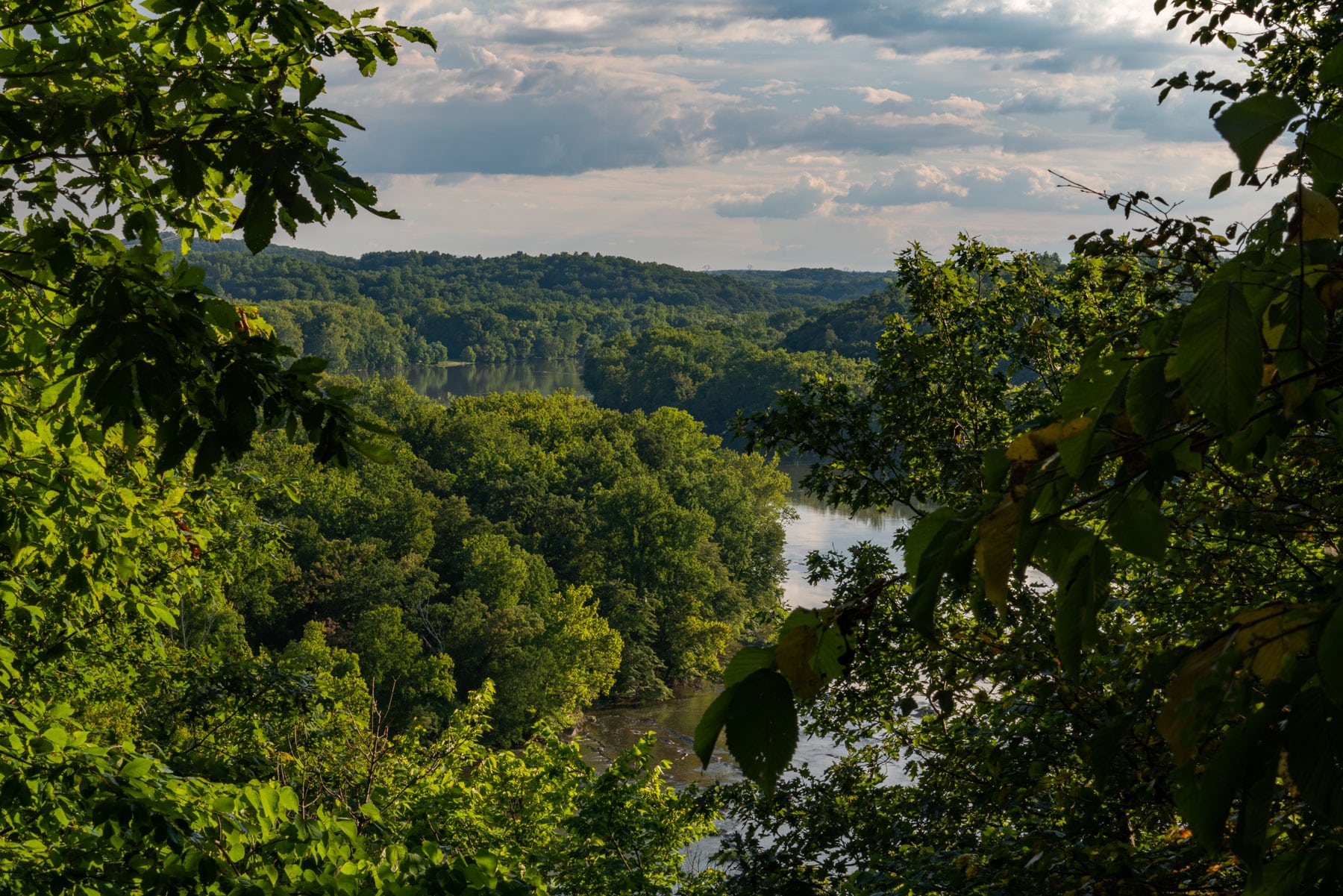
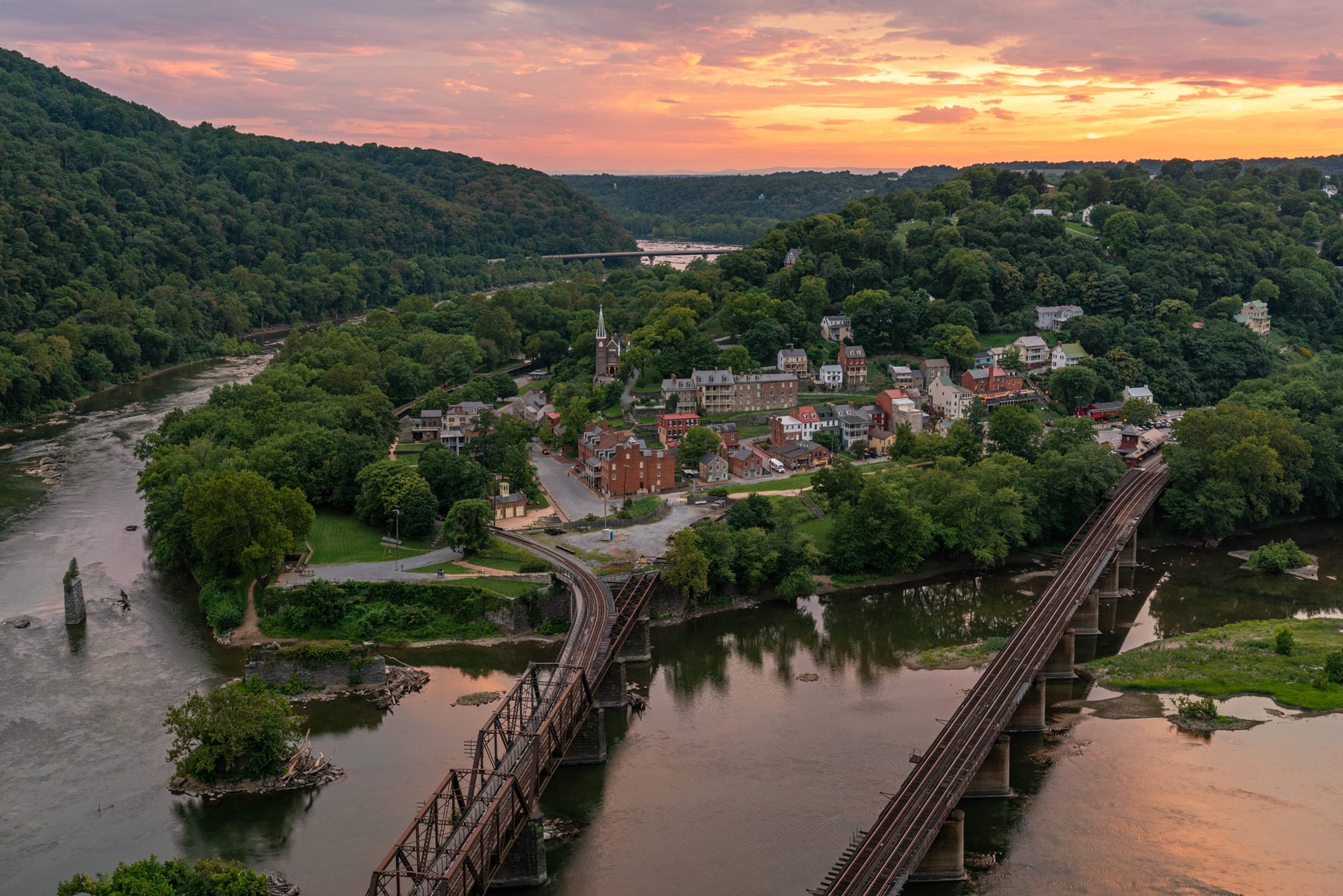
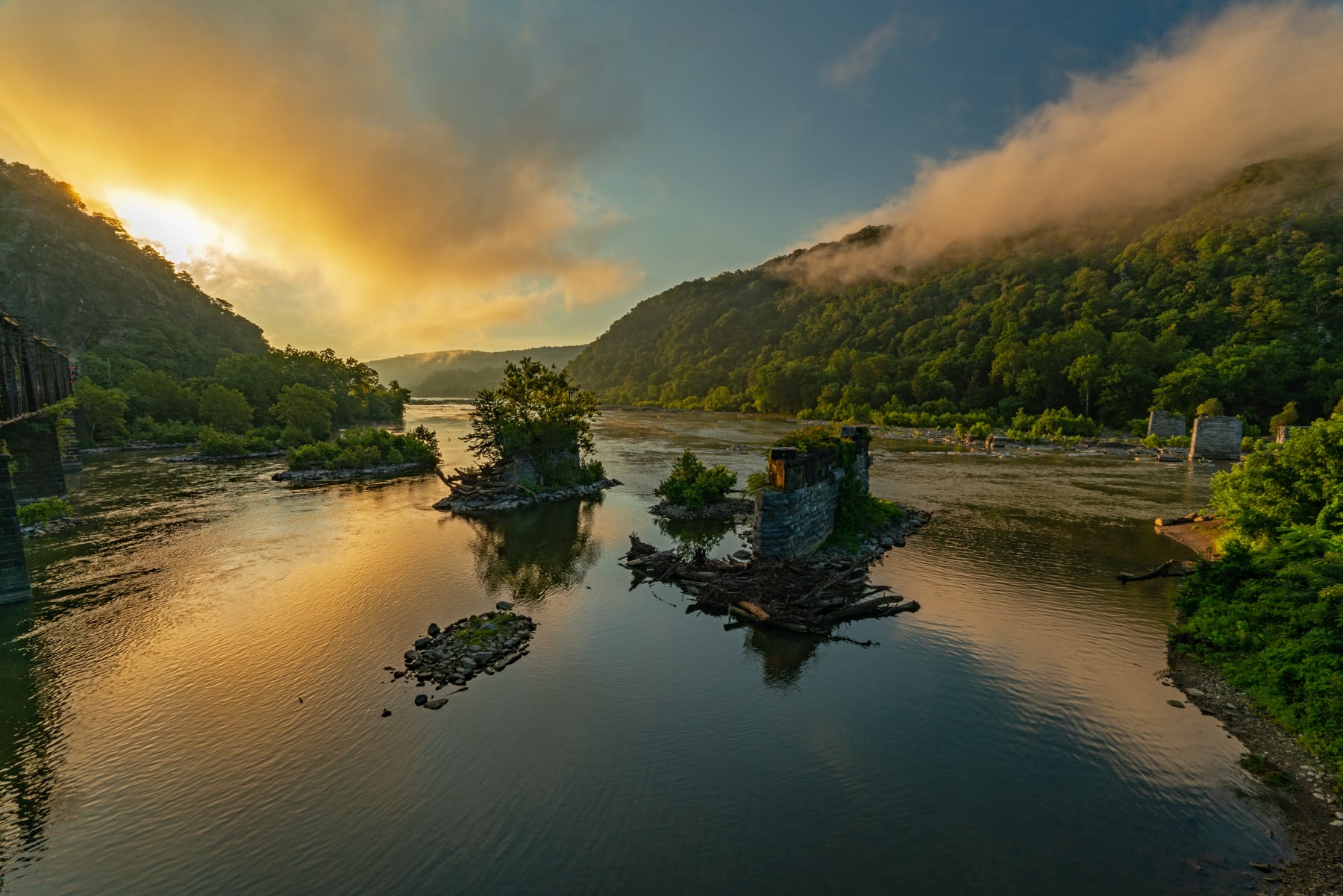
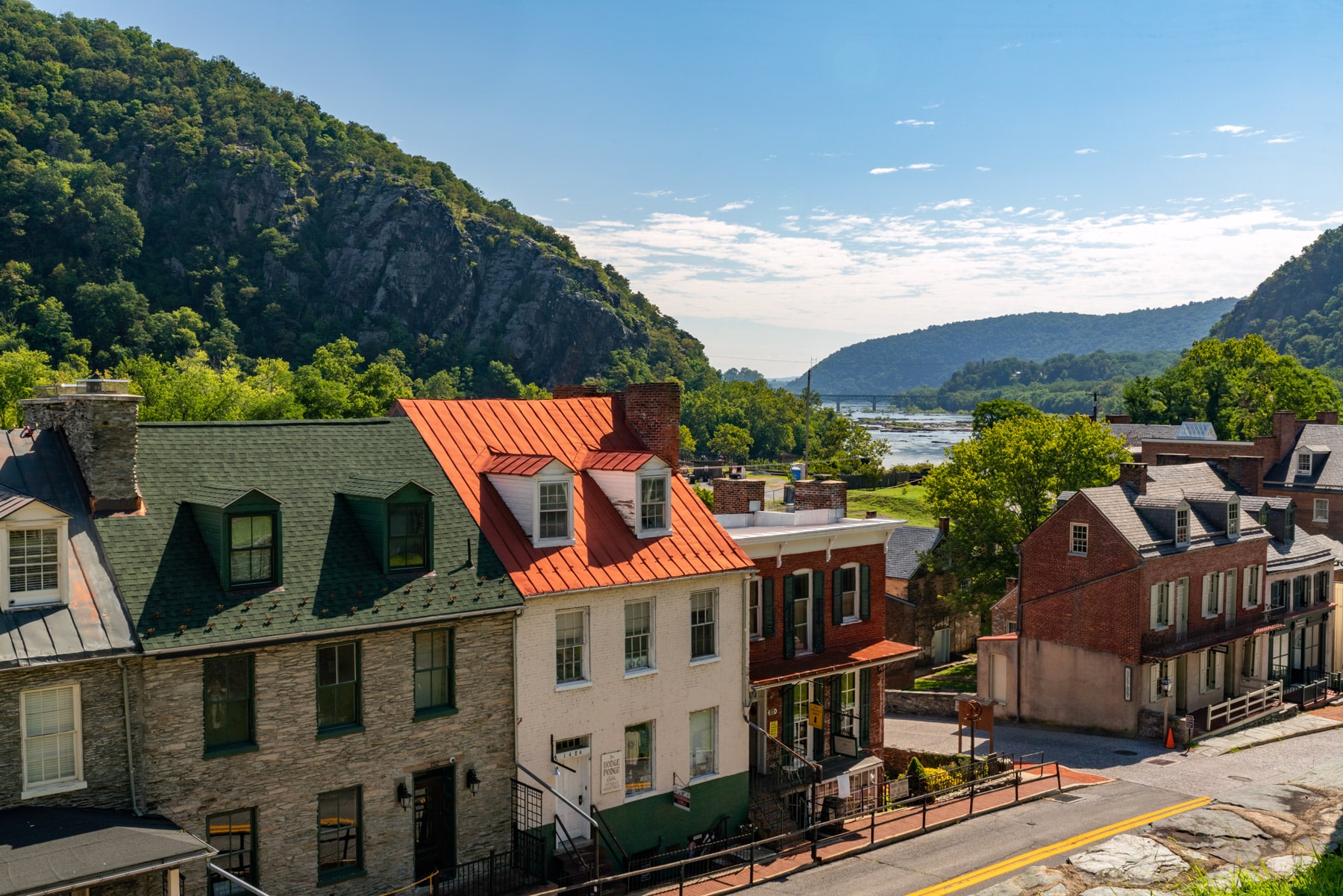
Harpers Ferry sits at the dramatic point where the Potomac and Shenandoah rivers meet and three states, West Virginia, Maryland, and Virginia, come together. Thomas Jefferson stood on the rock above town in 1783 and called the view worth a voyage across the Atlantic. The water gap cuts straight through the Blue Ridge, and the historic lower town climbs the hillside above the confluence, looking much as it did in the 1800s.
It is also one of the most important places in American history. This is where the U.S. Armory stood, where abolitionist John Brown launched his 1859 raid in an attempt to spark a revolt against slavery, and where the Civil War surged back and forth across the strategic river crossing. Today it is a National Historical Park, a living museum town wrapped in mountains and rivers. Here are 10 things worth doing.
10 Things to Do in Harpers Ferry
1. Walk the historic Lower Town
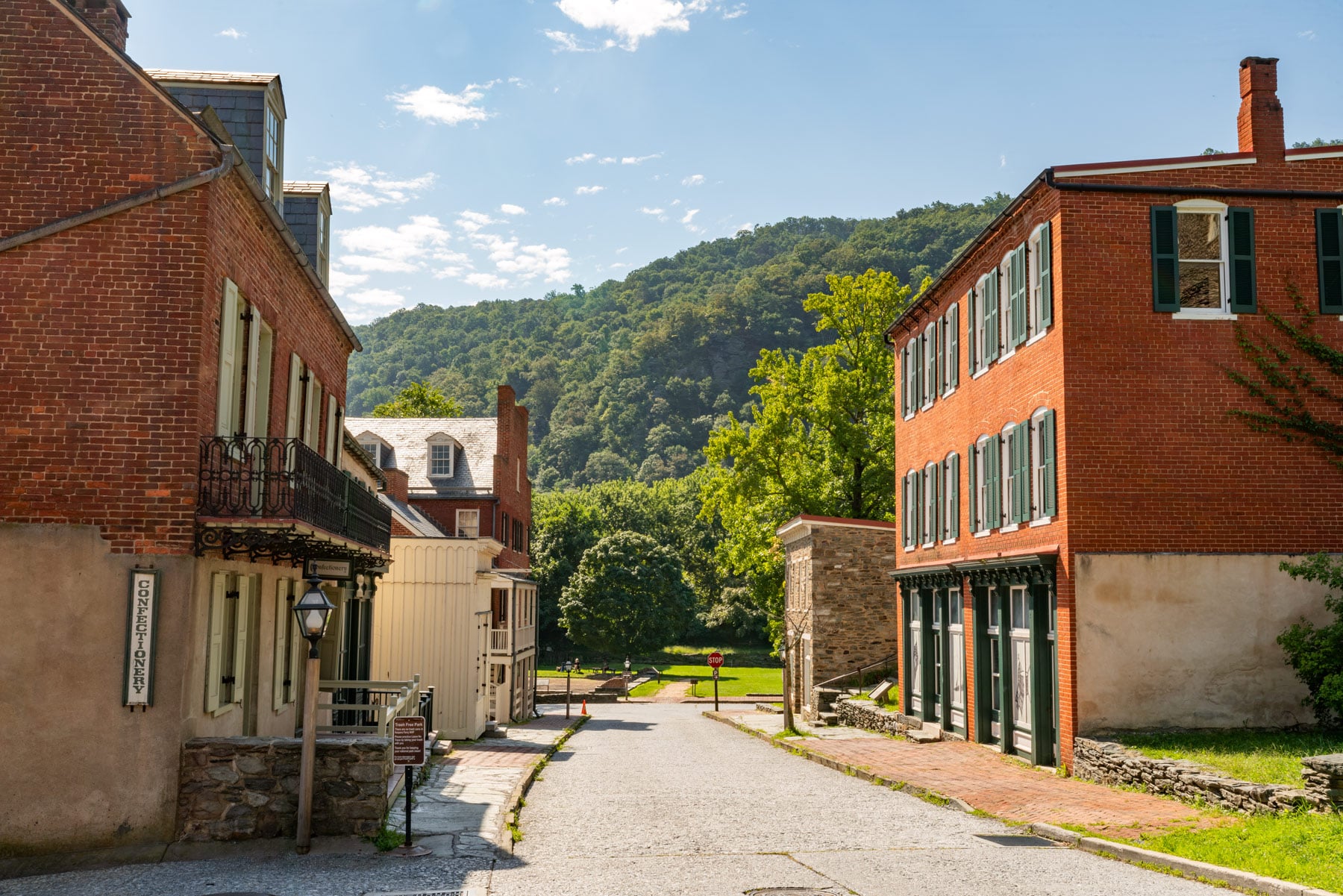
The heart of the park is the restored Lower Town, a cluster of 19th-century streets and stone-and-brick buildings stepping down toward the rivers. Many of the buildings are open as free exhibits and living-history spaces covering the armory, the railroad, African American history, and daily life in the town. You can wander dry goods stores, a tavern, and museum rooms staffed by rangers. Plan to spend at least a couple of hours strolling the cobbles and ducking into the exhibits.
2. Visit John Brown’s Fort
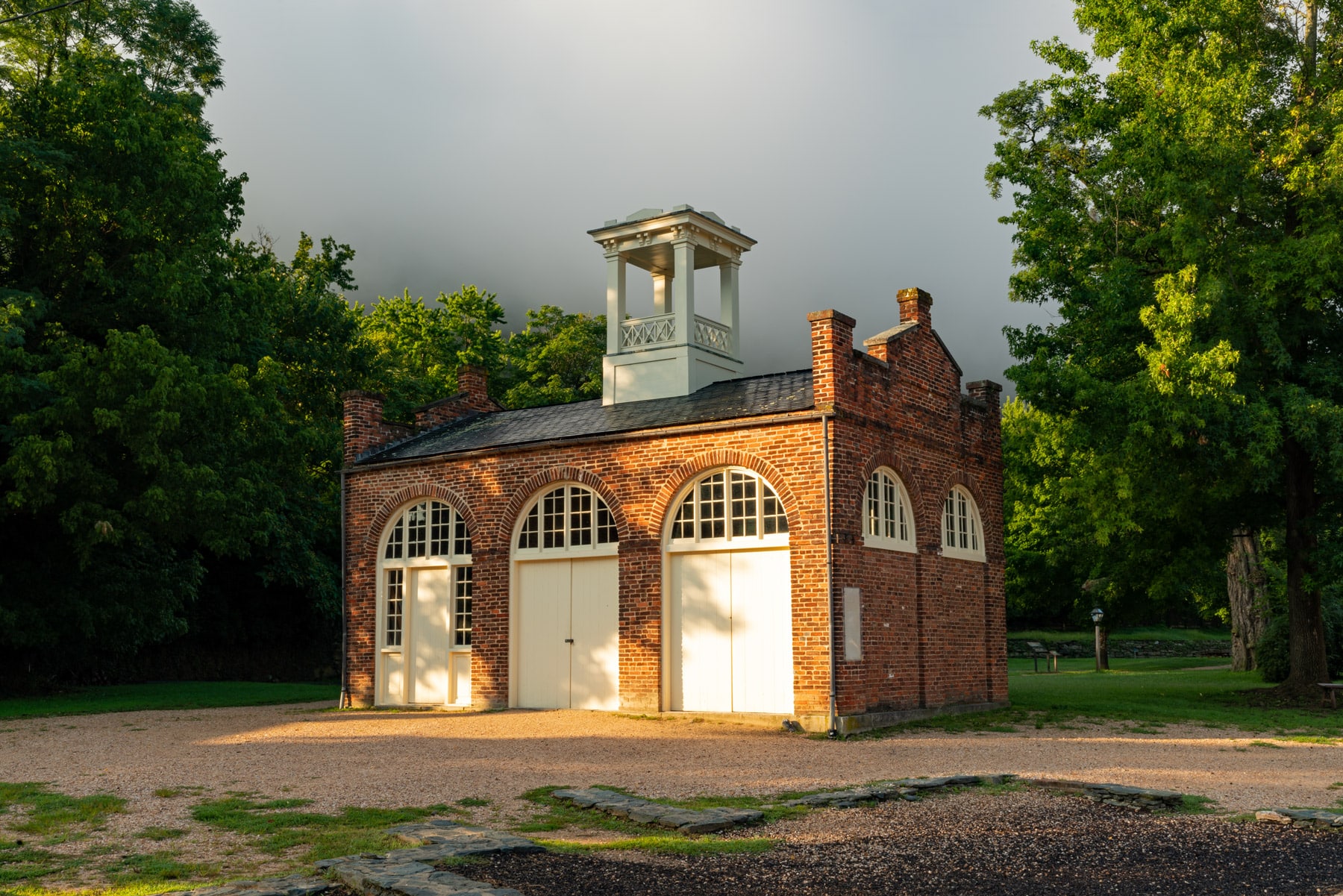
John Brown’s Fort is the small brick fire engine house where John Brown and his raiders made their final stand in October 1859 before U.S. Marines stormed the building. The raid failed, Brown was hanged, and the event helped push the nation toward civil war. The little structure has been moved several times but now stands near its original site in the Lower Town. Standing inside it is the most direct connection to the moment that made Harpers Ferry famous.
117 public lands destinations are under threat. Get the free briefing that 27,000+ people use to stay informed and take action.
3. Tour the John Brown Museum
Across from the fort, the John Brown Museum uses films and exhibits to tell the full story of the raid, its causes, and its consequences. It does not flinch from the hard questions about Brown himself, hero to some, terrorist to others, and about slavery and the road to war. It is the best place in the park to put what you are seeing in context, and it is free with admission. Pair it with the fort and the other Lower Town exhibits for the complete narrative.
4. Climb to Jefferson Rock

A short uphill walk from the Lower Town, past the ruins of St. John’s Episcopal Church and the stone steps carved into the hillside, leads to Jefferson Rock. This is the spot where Thomas Jefferson stood and praised the view in 1783. From the perch you look out over the meeting of the Potomac and Shenandoah and the gap they cut through the mountains. It is the classic Harpers Ferry vista and well worth the brief but steep climb.
5. Hike a stretch of the Appalachian Trail
Harpers Ferry is the spiritual midpoint of the Appalachian Trail and the home of the Appalachian Trail Conservancy headquarters, where thru-hikers stop to sign in and have their photo taken. The trail runs right through the Lower Town and across the Potomac on a footbridge beside the railroad. You can walk a flat, scenic stretch along the river without committing to anything serious, or use it to start a bigger climb. Pop into the Conservancy visitor center to soak up the trail culture.
6. Hike to Maryland Heights
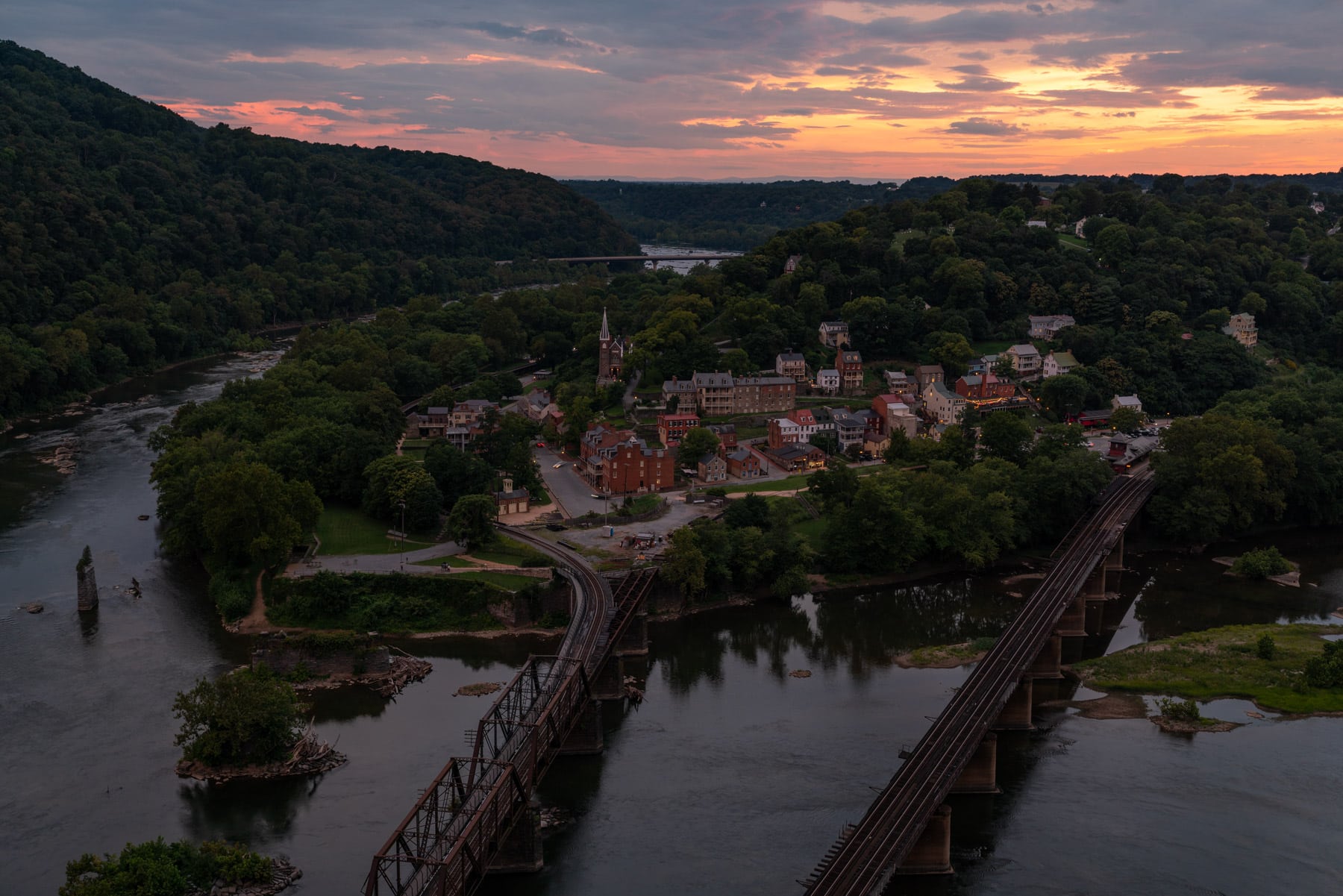
The Maryland Heights trail climbs the cliffs across the Potomac to the single best view of Harpers Ferry, the postcard angle looking straight down on the town wedged between the two rivers. The full hike to the overlook is a strenuous climb of roughly 4 to 6 miles round trip depending on the route, with options to add Civil War fortifications and gun batteries along the way. Wear real shoes, carry water, and start early on summer weekends because parking near the trailhead is limited.
7. Explore Bolivar Heights battlefield
Bolivar Heights is the Civil War battlefield on the ridge above town where, in September 1862, Stonewall Jackson surrounded and captured the Union garrison, the largest surrender of U.S. forces during the war until World War II. Today it is a quiet open plateau with interpretive signs, cannons, and wide views toward the mountains. A short, easy loop trail crosses the field. It is a peaceful counterpoint to the busy Lower Town and an essential piece of the park’s Civil War story.
8. Walk the Murphy Farm and the river trails
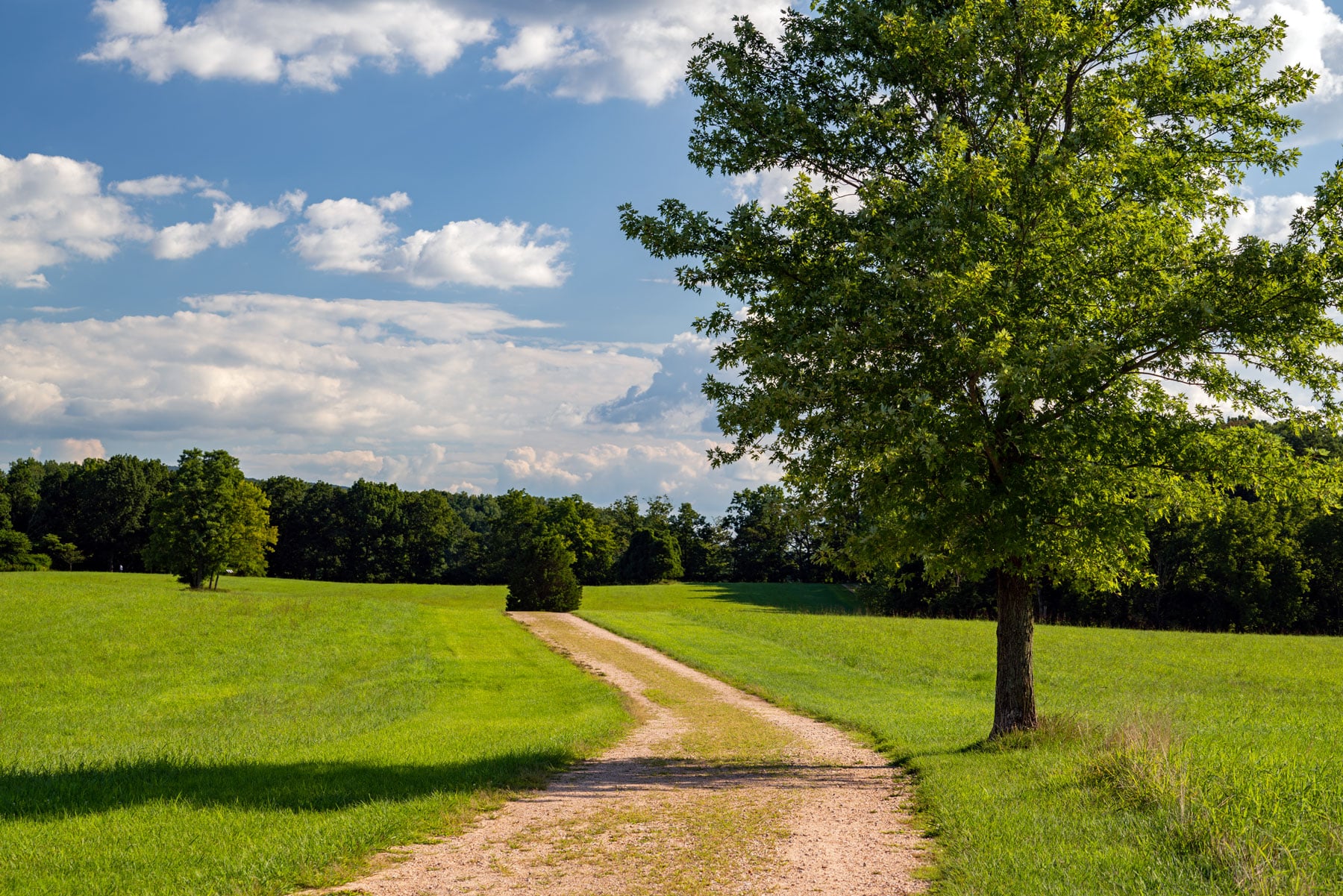
The Murphy Farm, on the peninsula where the rivers meet, is one of the quieter corners of the park. Trails wind through fields and woods past the site where John Brown’s Fort once stood during a stint at the 1893 Chicago World’s Fair, and down to the riverbank. It connects to a network of paths including the towpath of the historic Chesapeake and Ohio Canal across the river. These are the trails to walk when you want the history without the crowds.
9. Get on the rivers
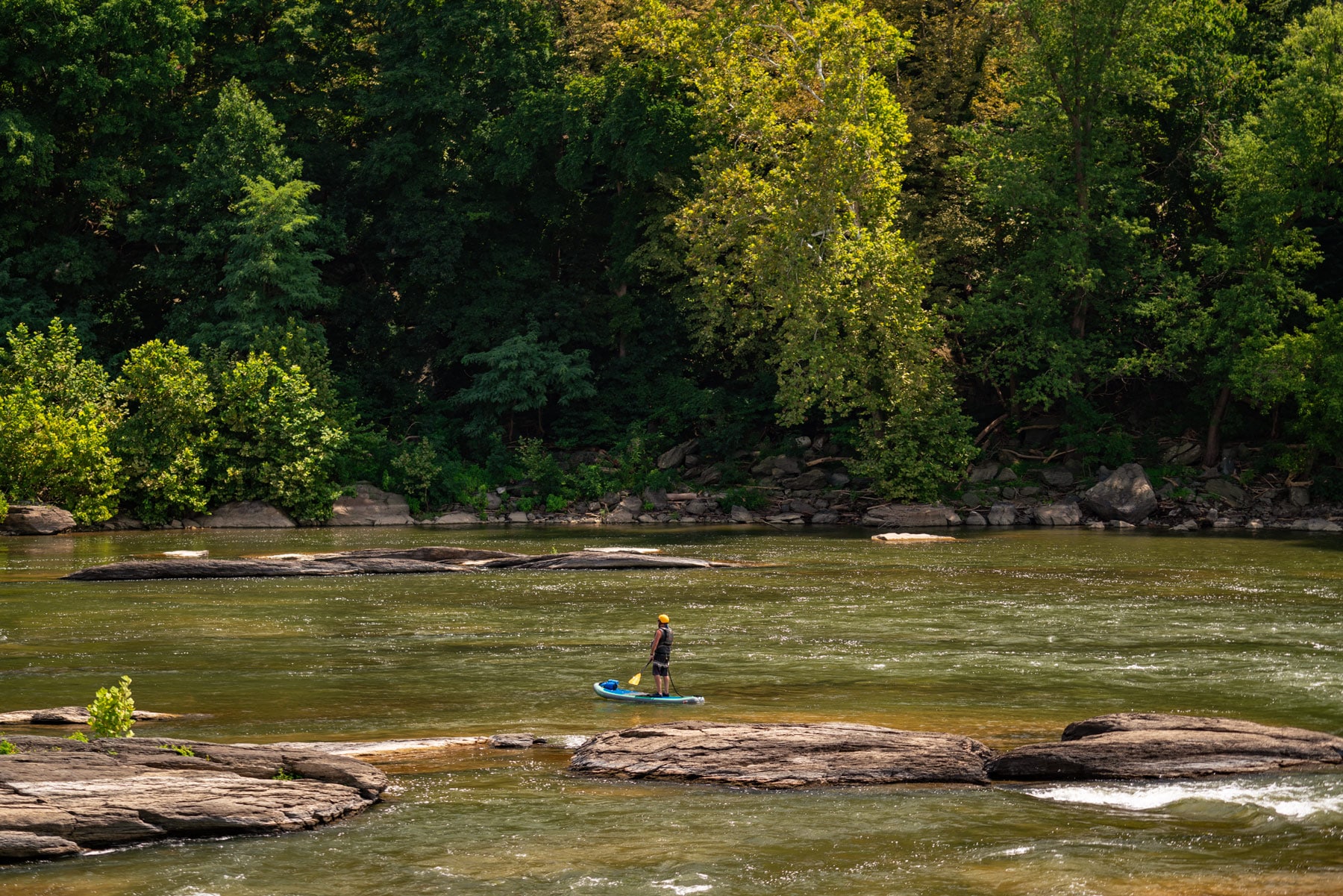
The Potomac and Shenandoah are not just scenery, they are playgrounds. Local outfitters in and around town run guided rafting, tubing, and kayaking trips on the rivers, with gentle floats for families and livelier whitewater stretches for the adventurous. Drifting beneath the cliffs and the railroad bridge gives you a view of the town few visitors get. Trips run mainly from spring through fall, and booking ahead is wise on summer weekends.
10. Start at the visitor center and ride the shuttle
Parking in the Lower Town is very limited, so the smart move is to start at the main visitor center off Cavalier Heights Road, where the $20 vehicle fee covers parking, the shuttle bus, and park entry. The shuttle drops you right in the Lower Town and saves the hassle of circling for a spot. The visitor center also has exhibits, restrooms, a bookstore, and rangers who can tell you what is open that day and which trails are in good shape. It is the best place to begin.
Harpers Ferry at a Glance
| Detail | What to know |
|---|---|
| Entrance fee | $20 per vehicle, valid 3 days, and covers parking and the shuttle into the Lower Town. Covered by the America the Beautiful pass. |
| Where to start | The main visitor center off Cavalier Heights Road. Park there and ride the shuttle, since Lower Town parking is very limited. |
| Designation | A National Historical Park spanning parts of West Virginia, Maryland, and Virginia at the river confluence. |
| Best for | American history, especially John Brown’s raid and the Civil War, plus river recreation and Appalachian Trail hiking. |
| Top hike | Maryland Heights for the iconic overlook of town. Bolivar Heights and Jefferson Rock are far easier. |
| Best season | Spring and fall for mild weather and color. Summer is busy and humid; many river trips run spring through fall. |
Planning Your Harpers Ferry Visit in 2026
Harpers Ferry is an easy day trip from Washington, D.C., about an hour and a quarter away, and it rewards a full day. A classic plan parks at the visitor center, rides the shuttle into the Lower Town, works through John Brown’s Fort, the museum, and the historic streets, then climbs to Jefferson Rock for the view. With more energy, add the strenuous Maryland Heights hike or the quiet battlefields at Bolivar Heights. With more time, get out on the rivers with a local outfitter.
A few 2026 realities: Lower Town parking is genuinely tight, so the visitor center shuttle is the way to go, and the entrance station has moved to cashless payment, so bring a card. Which buildings and exhibits are open can vary by day and season, so confirm at the visitor center when you arrive. The terrain is steep and the cobblestones are uneven, so wear sturdy shoes. Spring and fall give you the most comfortable weather and the best color over the river gap.
For more in the region, see our roundups of historic sites in West Virginia, the national parks in West Virginia, and our guide to nearby New River Gorge National Park.


